
Cassidian’s SmartRadar, developed by the defense and security division of EADS (now Airbus Defence and Space), is an advanced airborne ground surveillance radar system. Utilizing Active Electronically Scanned Array (AESA) technology, SmartRadar is designed to detect and track both stationary and moving targets over land and sea with high resolution and at considerable distances.
A key feature of SmartRadar is its modular and scalable architecture, allowing for adaptability across various platforms and missions. This design enables adjustments in bandwidth, frequency bands, and processing capabilities, facilitating rapid reconfiguration to meet diverse operational requirements. One variant of SmartRadar is integrated into a pod equipped with an autonomous cooling system, permitting immediate adaptation to multiple mission aircraft.
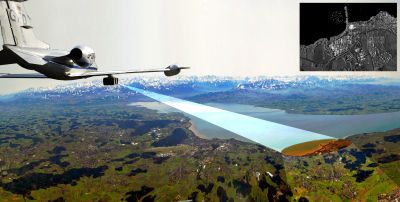
The system has undergone several successful flight tests. In 2011, SmartRadar had its maiden flight integrated into a pod on a Learjet 35 platform. Subsequent tests demonstrated its detection performance in various operating modes for maritime surveillance, confirming its versatility and effectiveness in different environments.
SmartRadar’s AESA technology employs numerous transmitter and receiver modules, developed and manufactured by Cassidian’s “Microwave Factory.” This technology enhances the radar’s performance, providing higher reconnaissance capabilities in less time compared to existing surveillance radars.
Overall, SmartRadar represents a significant advancement in airborne surveillance technology, offering flexible, high-performance radar capabilities adaptable to a wide range of missions and platforms.
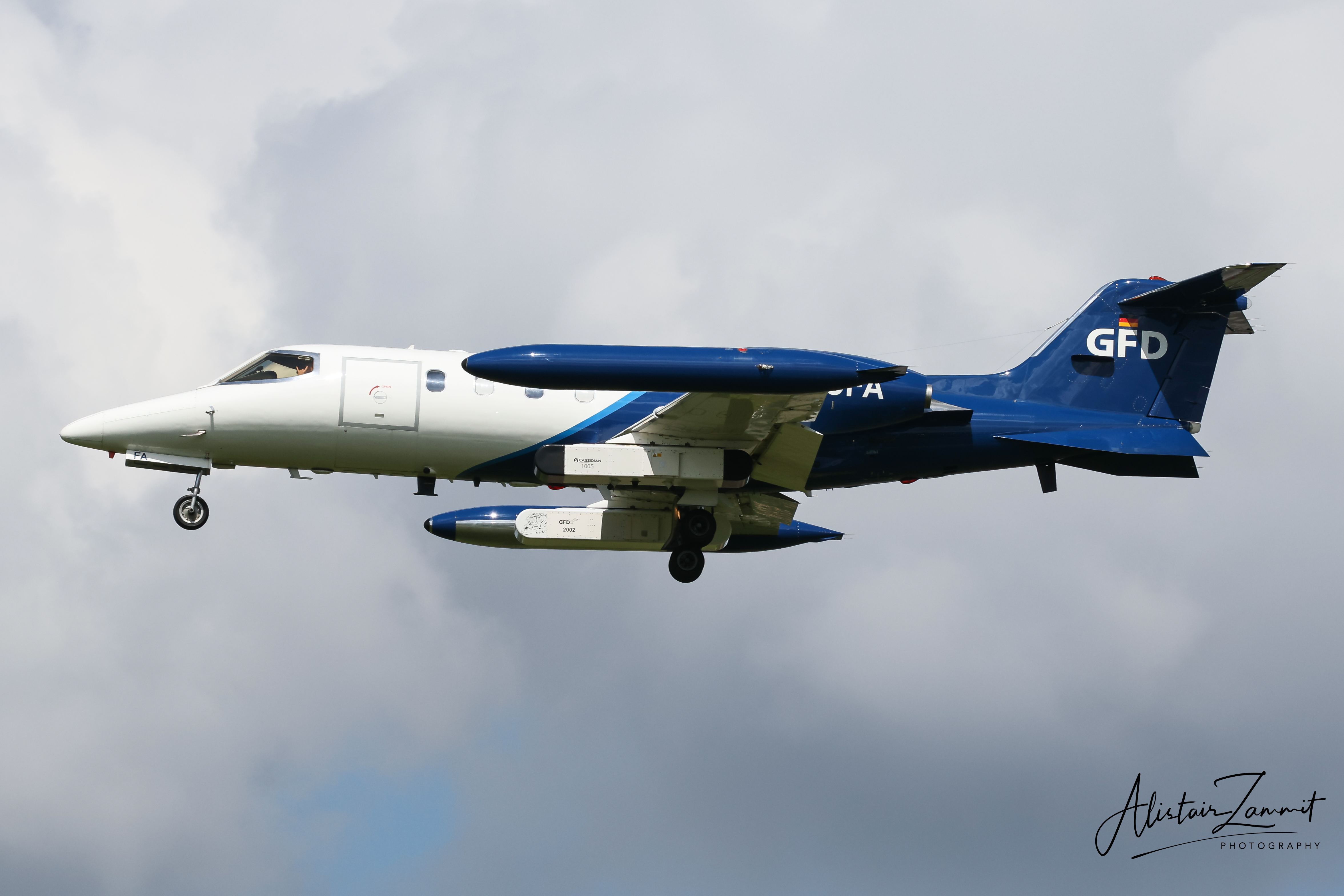


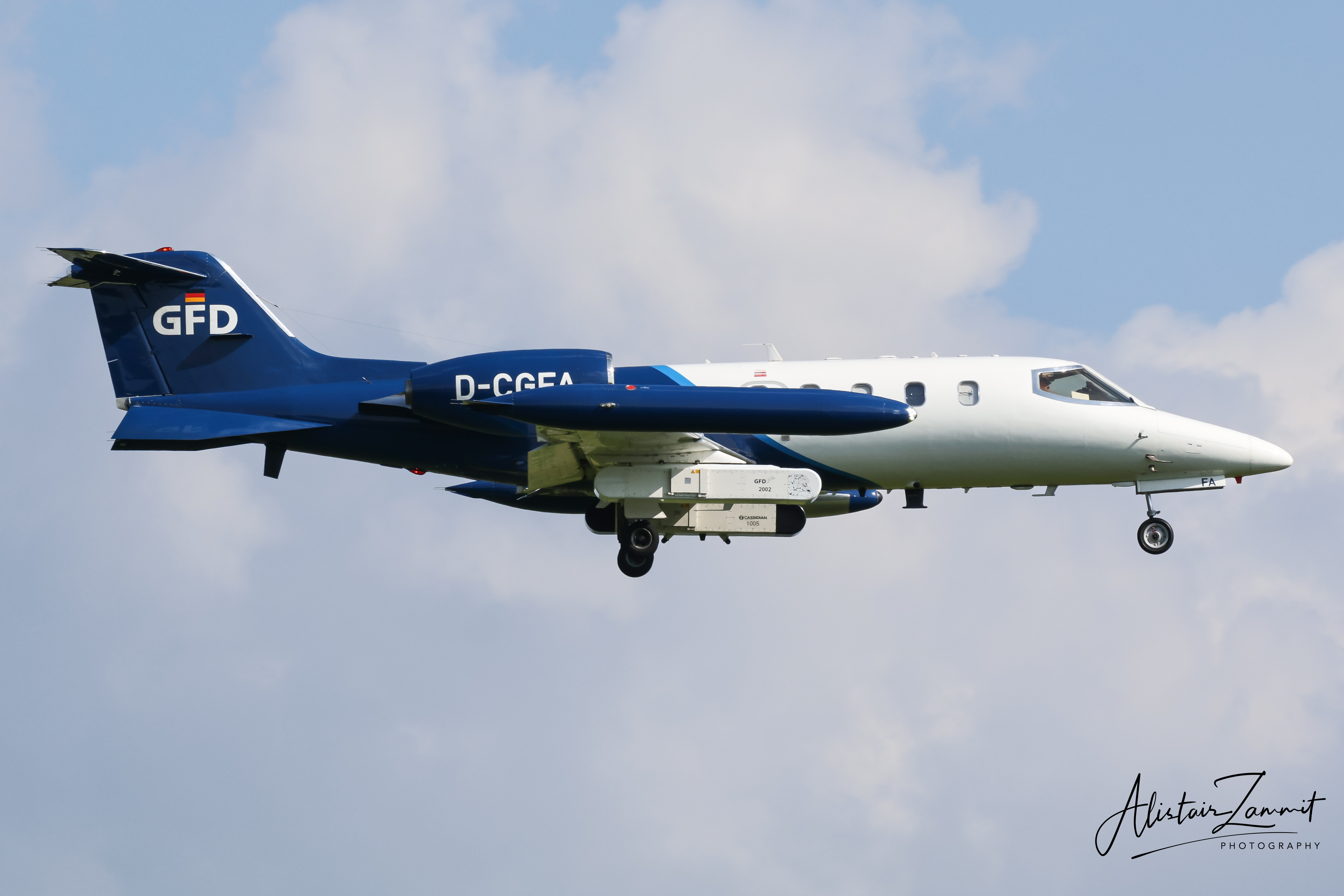
Cassidian, the defence and security division of EADS, has developed an airborne ground surveillance radar that, through use of the newest ultra-high-resolution radar technology, can monitor wide areas with stationary targets, while at the same time detecting and tracking moving targets at great distances. The utilisation of a special modular architecture permits scalability of bandwidth, frequency band and processing performance.
Rapid adaptation to new operational requirements through simple, configurable firmware and software, together with a variable cooling design, make “SmartRadar” (Smart = scalable modular aerospace radar technology) suited to a wide range of manned and unmanned platforms.
The novel technological design in conjunction with the innovative and extremely powerful real-time modes has already undergone various successful tests on behalf of the German Federal Office of Defence Technology and Procurement (BWB). Recently, outstanding reconnaissance results were obtained during airborne testing at Goose Bay, Canada, in June 2012.
“Our SmartRadar offers higher reconnaissance performance in less time than other airborne surveillance radars currently available, and can be rapidly adapted to various customer requirements and platforms,” saysElmar Compans, head of the Sensors & Electronic Warfare unit at Cassidian. “The sensor’s real-time information needed today for protecting our troops and combating possible threats is unsurpassed in its quality and low latency.”
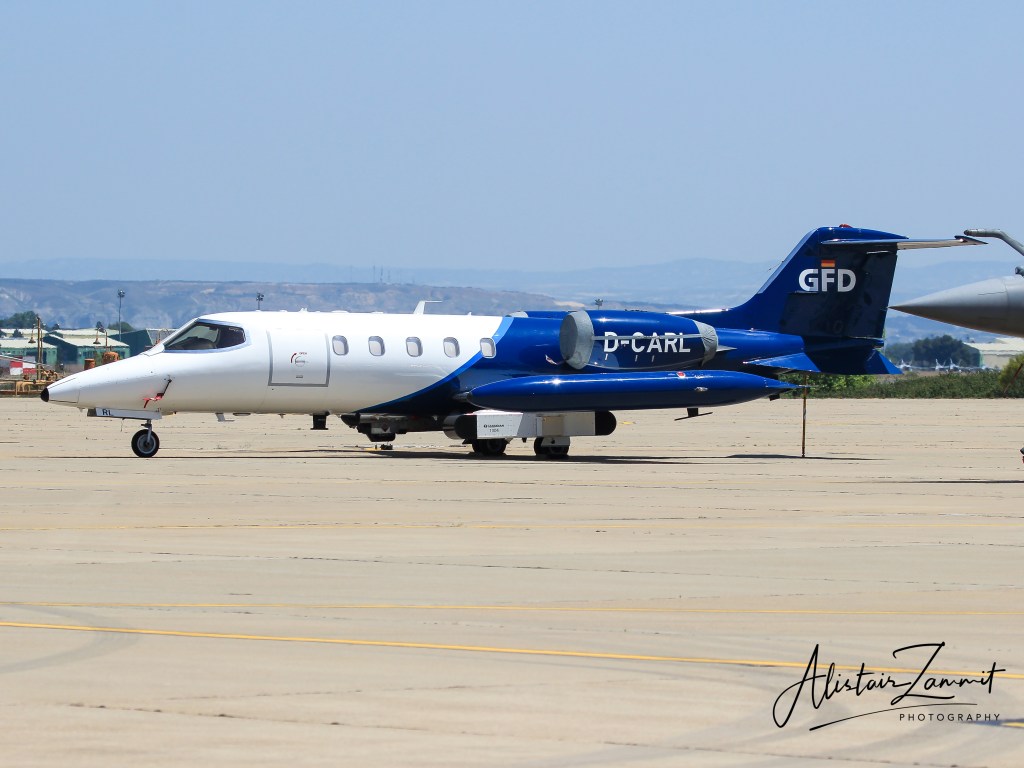
One version of Cassidian’s SmartRadar is integrated into a pod equipped with an autonomous cooling system, making possible immediate adaptation to various mission aircraft.
The high performance of the radar is largely due to state-of-the-art AESA technology (AESA = active electronically scanned array), which uses a large number of transmitter and receiver (T/R) modules in the antenna. These modules, which are made from special HF-capable materials, are developed and manufactured by Cassidian in its own facility, known as the “Microwave Factory”. Cassidian is the pioneer of this technology inEurope and delivers similar T/R modules for the TerraSAR earth observation satellite, the radars of the German Navy’s new F125-class frigates, and the SPEXER 2000 border surveillance radar, among others.
 alistairzammitphotography.com