
On the 11th and 12th of February 2019, I had a unique and rare opportunity to visit ALA 23 of the Spanish Air Force based at Talavera Air Base, close to the border with Portugal. Ala 23 is equipped with the Northrop SF-5 Freedom fighter, rarely seen outside Spain’s borders. The Northrop F-5 Freedom Fighter is a twin-engine supersonic jet used for advanced fighter pilot training and tactical instruction. Spain operates the F-5M, a modernized version of the original F-5, with upgraded avionics, radar, and cockpit systems to simulate conditions pilots would face in more advanced aircraft. Ala 23’s (Wing 23) primary mission is pilot training, particularly fighter pilots for the Spanish Air Force. Ala 23 operates under the General Air Academy (Academia General del Aire) and is an essential part of Spain’s military aviation training system. The F-5 has been in service with the Spanish Air Force for decades, and while it is no longer a frontline fighter, its significance as a trainer aircraft remains crucial. Many Spanish fighter pilots have honed their skills in the F-5 before transitioning to more advanced aircraft. The F-5’s lightweight design, high maneuverability, and reliability make it a perfect platform for advanced pilot training.
Aircraft Specifications:
Crew: Single-seat for fighter operations; two-seat versions are used for training
Role: Supersonic fighter and trainer
Powerplant: Twin General Electric J85-GE-21 turbojet engines
Max Speed: Mach 1.6 (approximately 1,700 km/h or 1,056 mph)
Armament: Two 20 mm cannons, along with options for bombs, rockets, and missiles for training purposes
Range: Approximately 1,400 km (870 miles) without refueling
I had previously only seen some Spanish F-5s during the 75th Anniversary of the Spanish Air Force at Torrejon in 2014 and at the Royal International Air Tattoo in 2015. In both instances though the weather had not played ball and thus I was eager to retry and capture these magnificent aircraft in some warm sunny conditions. Thus, with a group of other 6 friends from Malta, we spent two fabulous days at this rarely visited airbase, capturing these legendary fighter-training aircraft from every possible angle imaginable. At first, we were quite sceptic about what we would actually see during those two days, especially since the operational days of the Spanish F-5 are numbered, with their retirement date not yet set but impending due to the fact that the airframe is quite old and the fact that only 19 examples still serve with the Spanish Air Force.
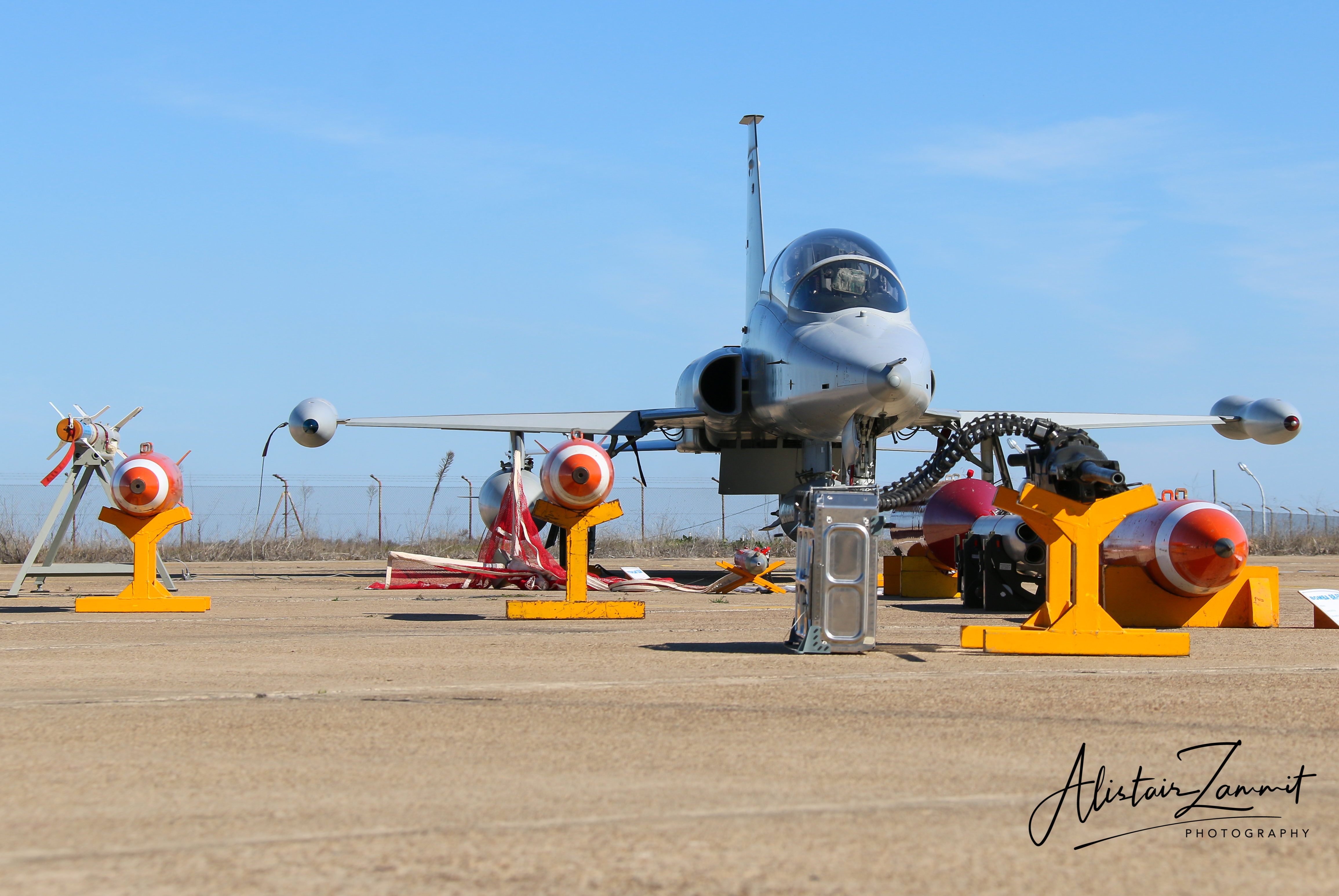
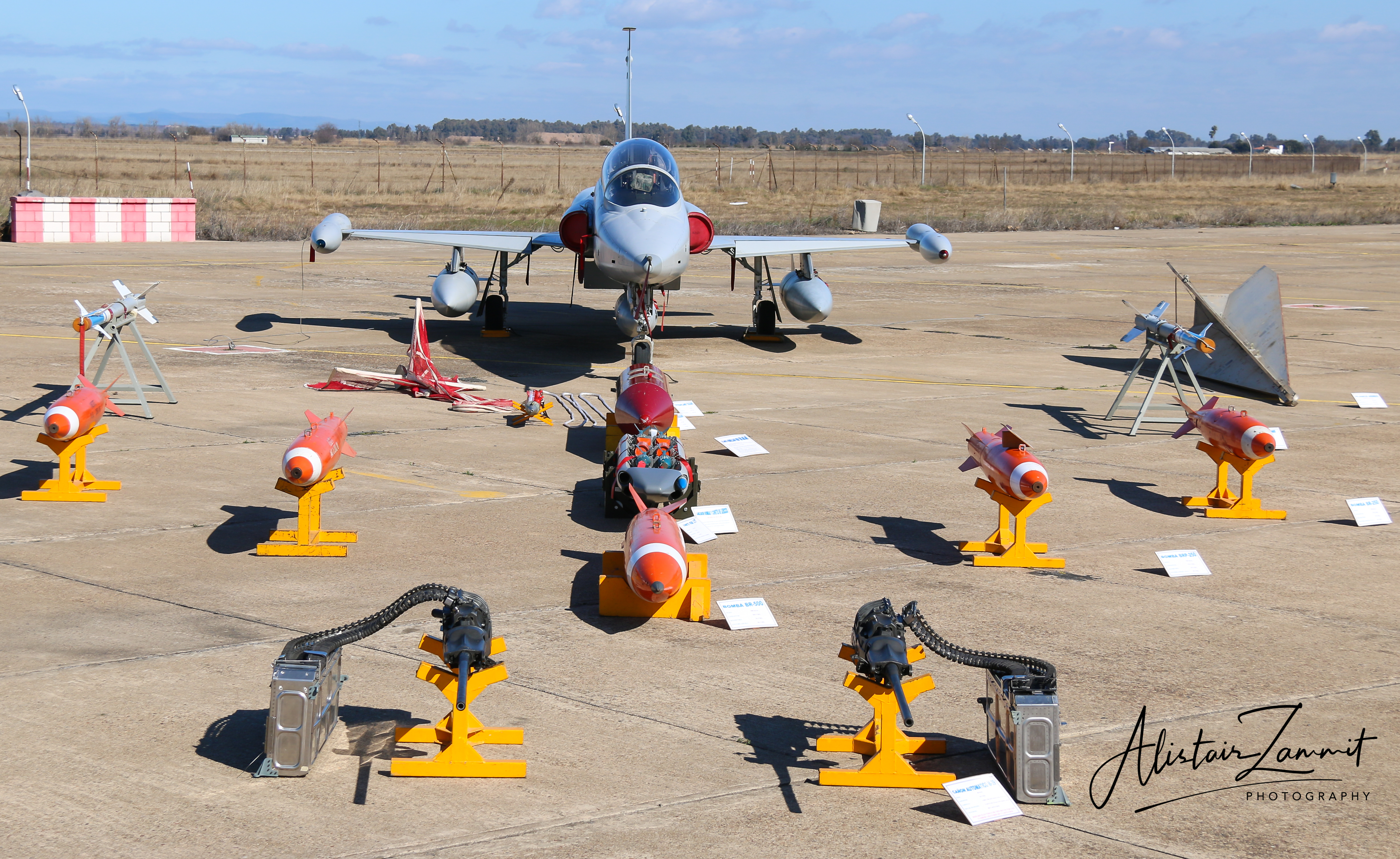
We therefore were not expecting to see more than 4 flying examples on each day of the visits, but we were happily proven wrong when to our joy, we saw not less than 9 examples on the active apron, with 7 being prepared for normal day operations and two were specially configured to present to us photographers the various configurations of the F-5, with one being fully loaded with weapons, and one example surrounded with all types of weapon and training platforms that the aircraft can support.
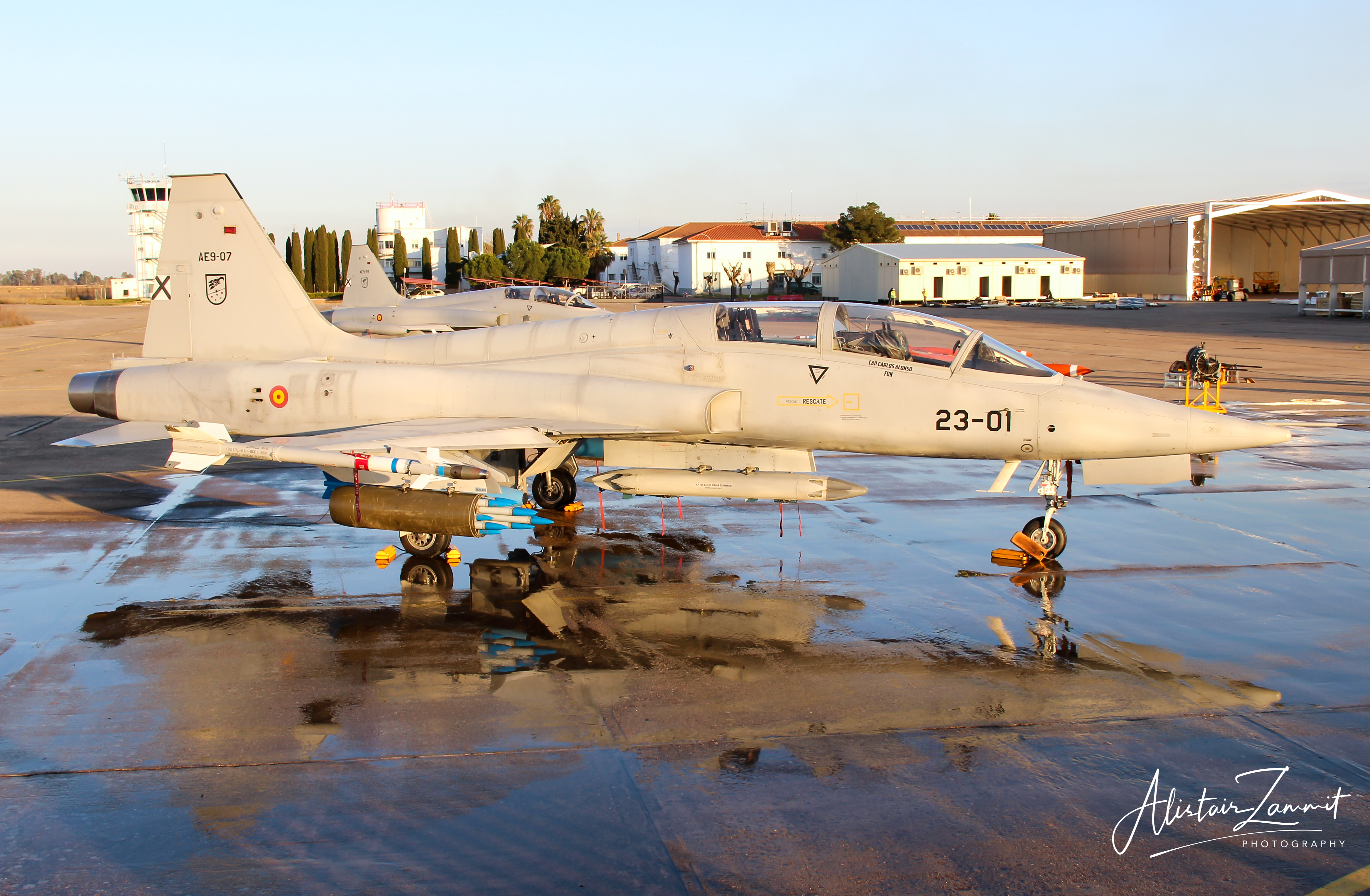
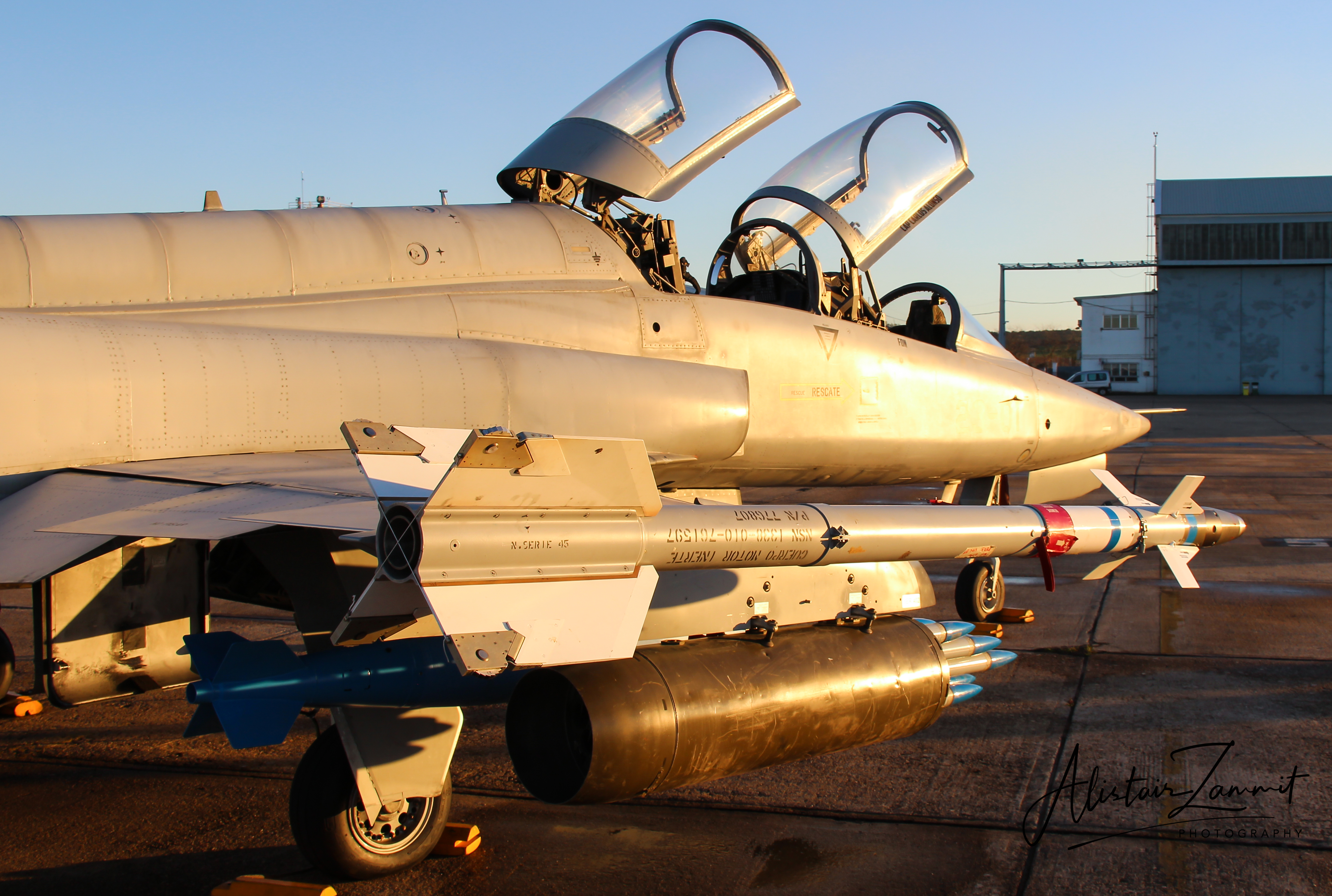
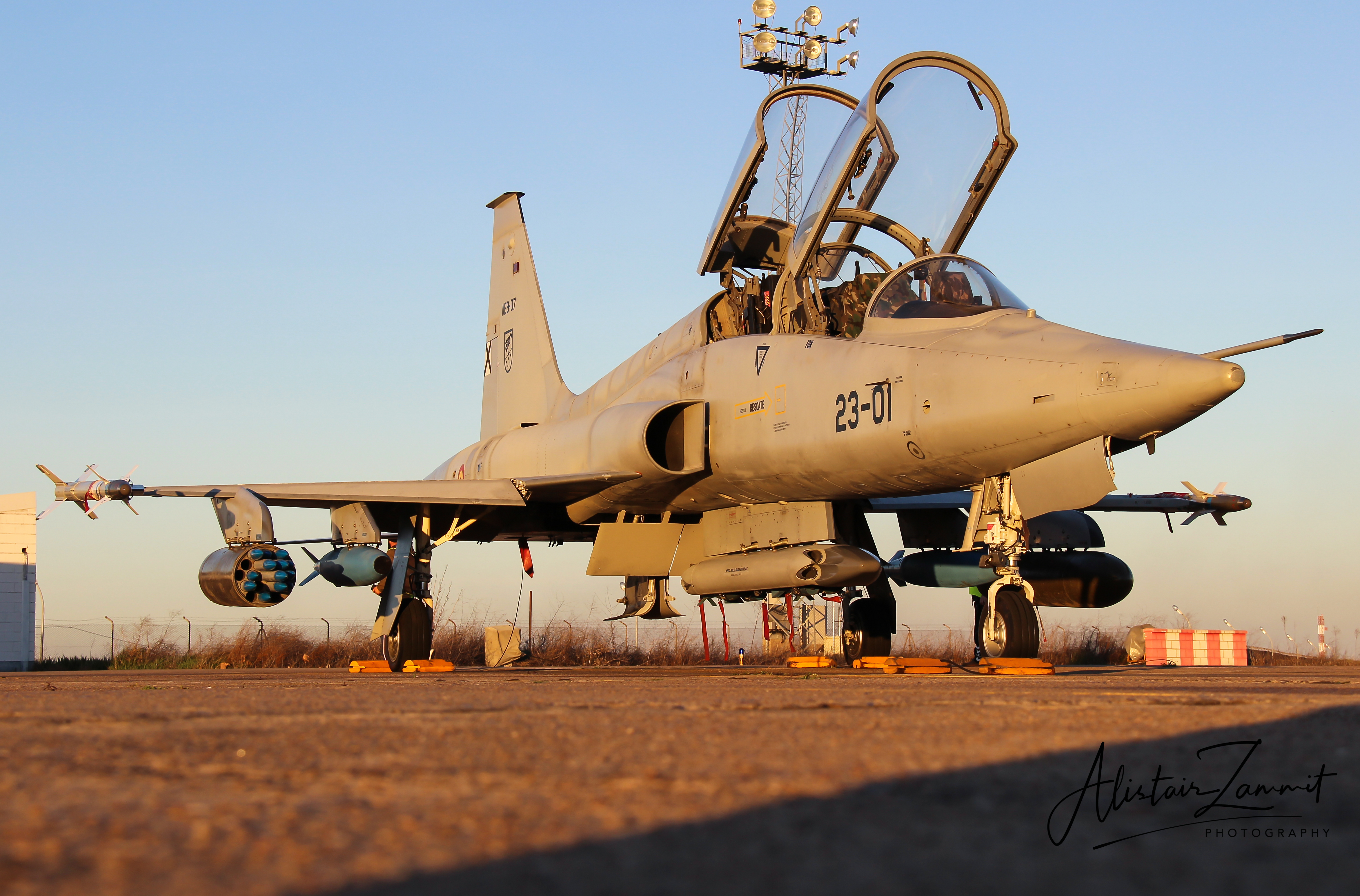
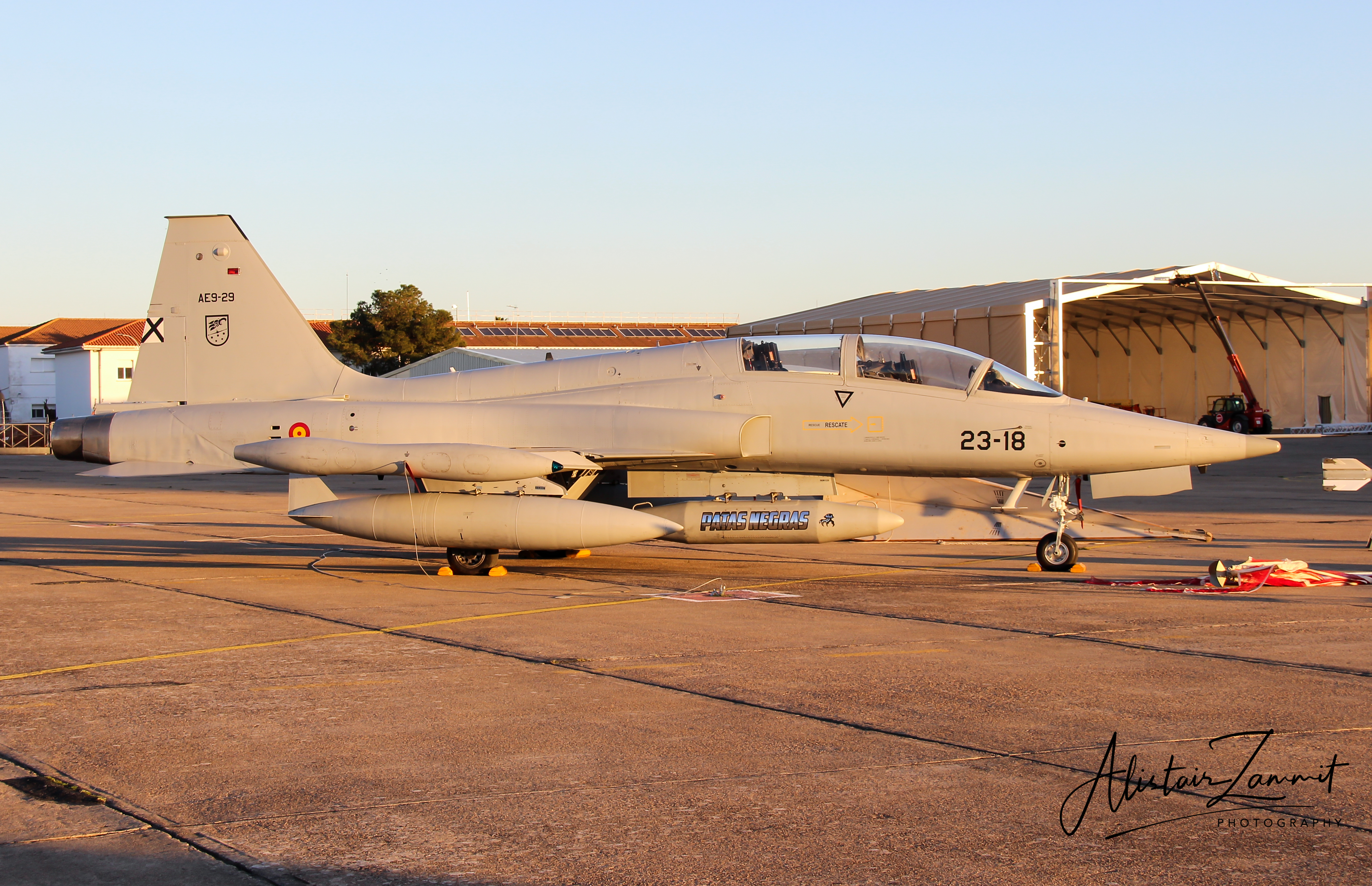
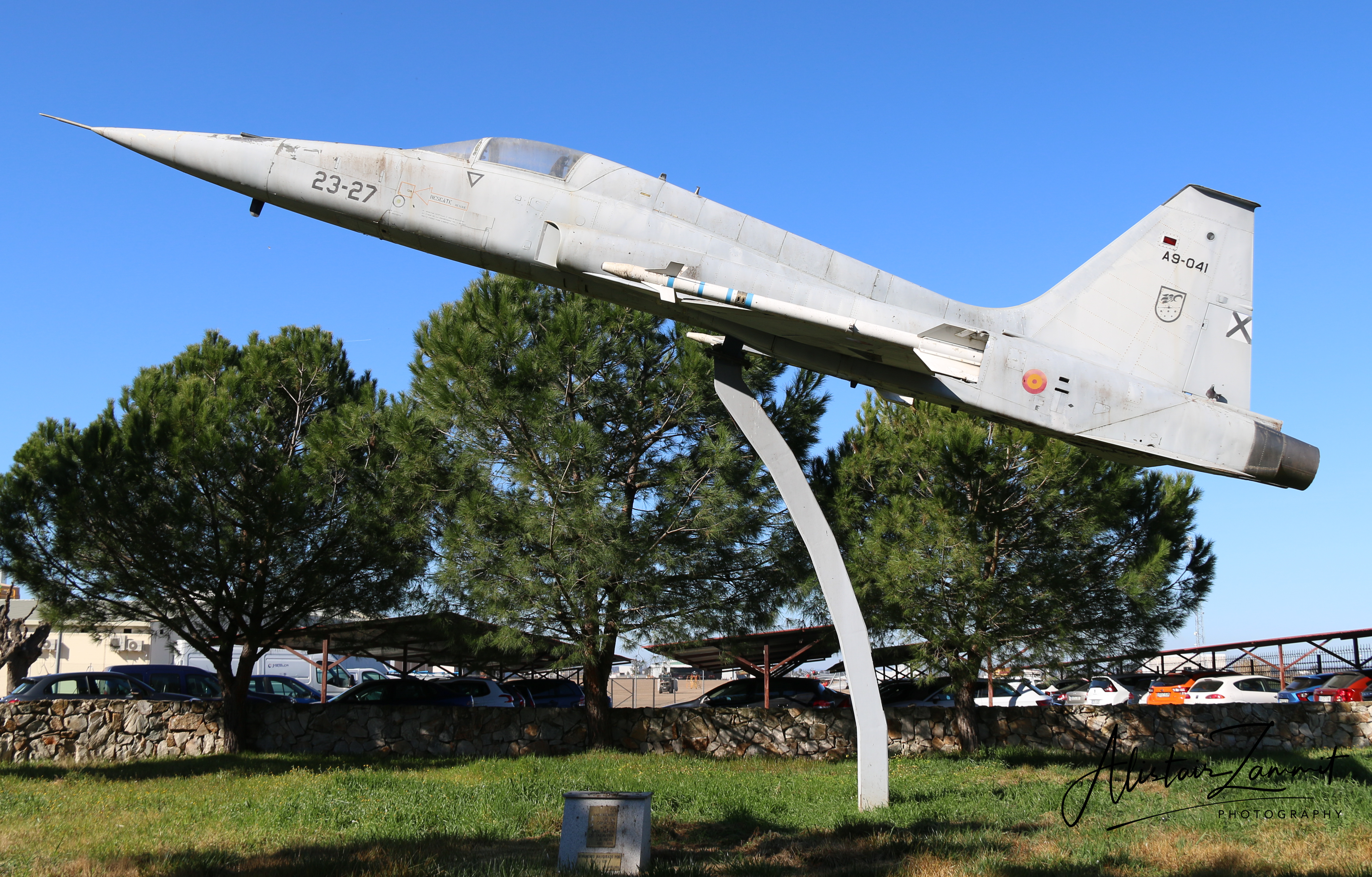
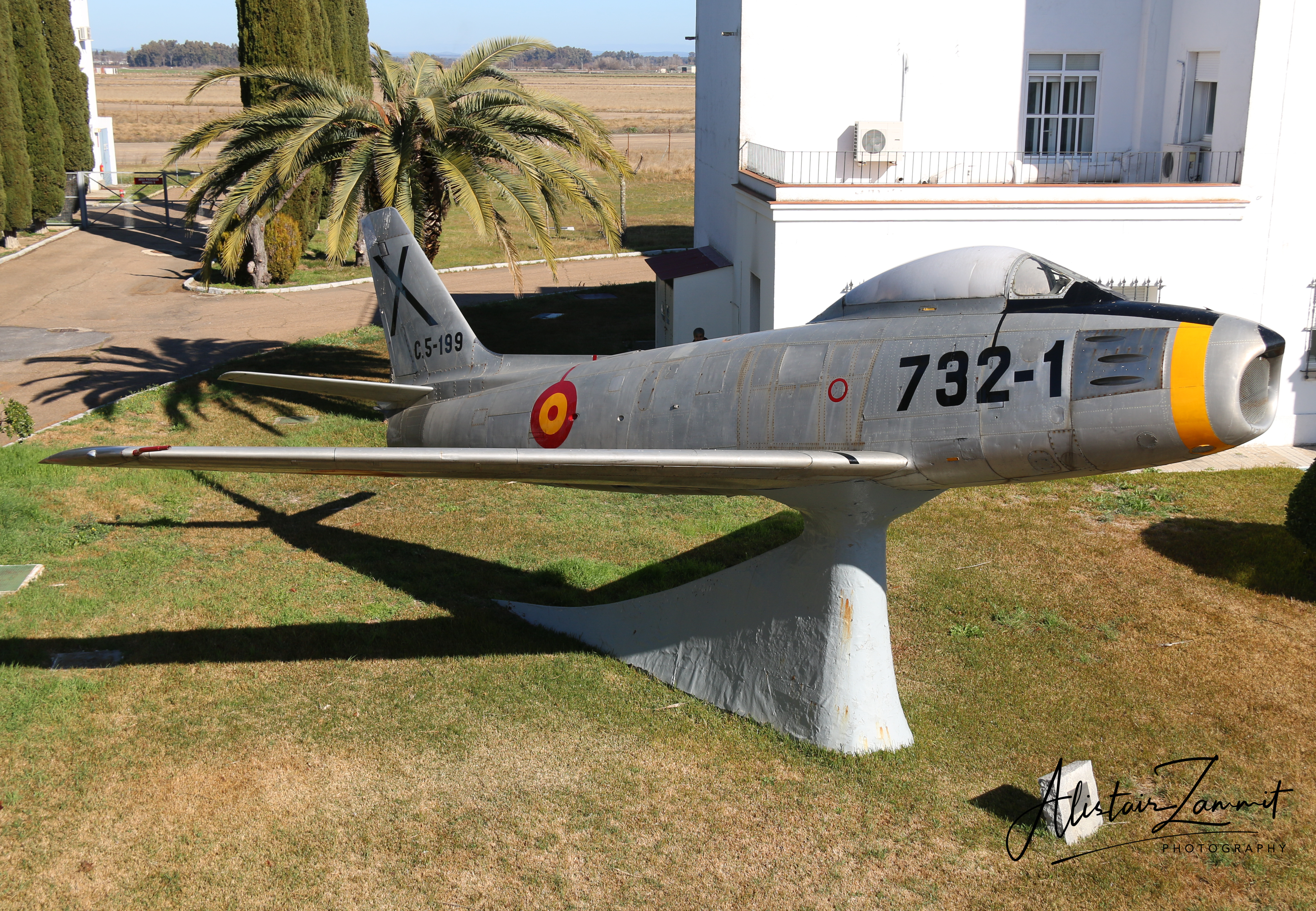
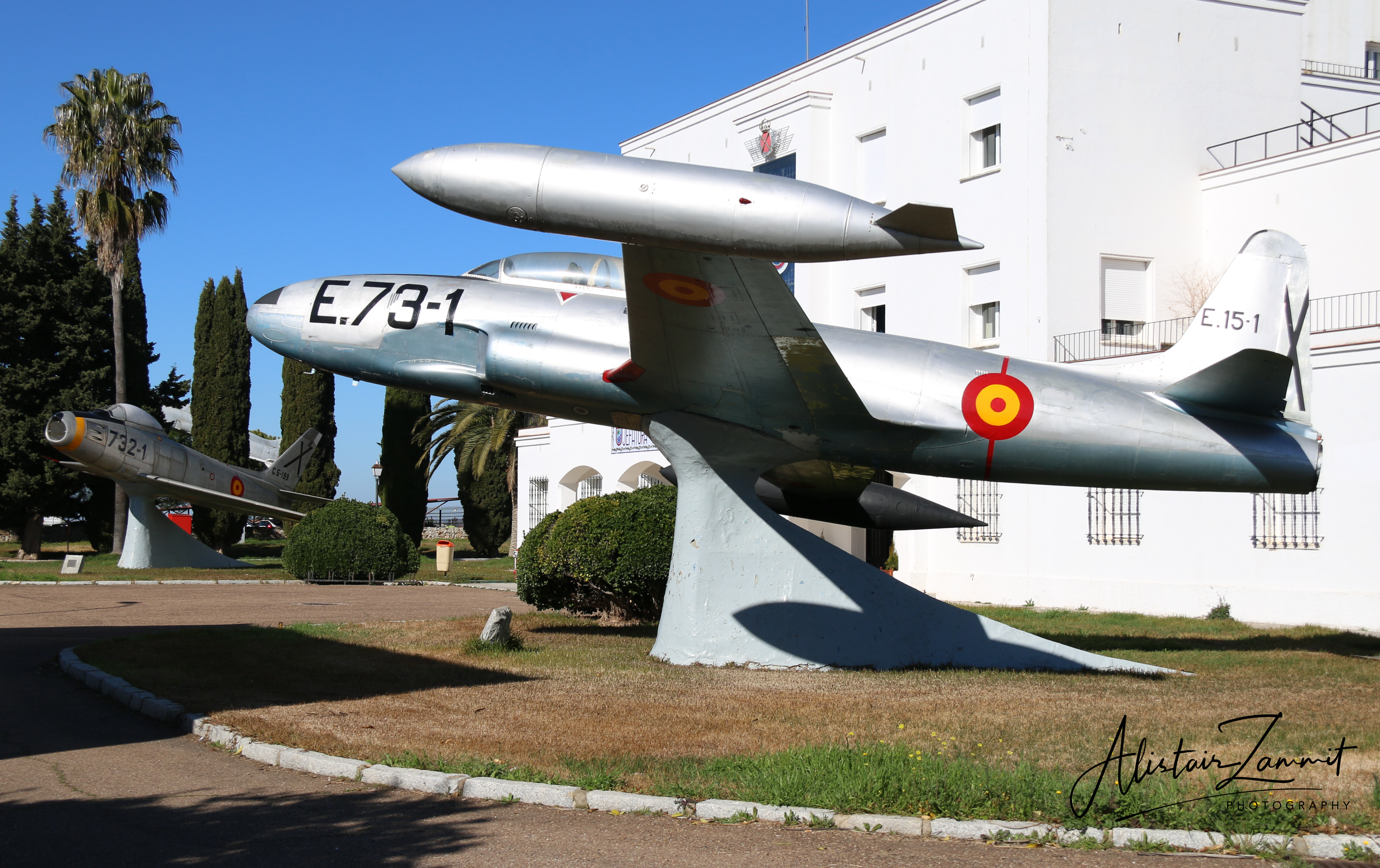
Before we could walk out freely on the apron and take pictures of all F-5s being prepared for normal flying ops, were were briefed by the Spanish air force, who showed as a video of the history of Ala 23, as well as explained to us their role within the Spanish Air Force and also gave us an overview of what we could and could not do during those two days. We were therefore overjoyed when we got to know that the wing would be performing 3 sorties per day, with each sortie consisting of not less than 4 aircraft, with the last sortie being a night sortie thus enabling us to take night shots of the aircraft. After the briefing, we were also allowed to take some images of the gate guards at the base, which were located close by to where the briefing room was located.
Following this informative briefing, we were then allowed to stroll around the apron, taking pictures from any angle imaginable. It must be pointed out that the air force staff was extremely accommodating, even providing us with ladders to help us get perspective shots from above of the F-5s. The very accommodating hosts, coupled with the glorious weather, all helped make the first few hours of our visit already a tremendous success.
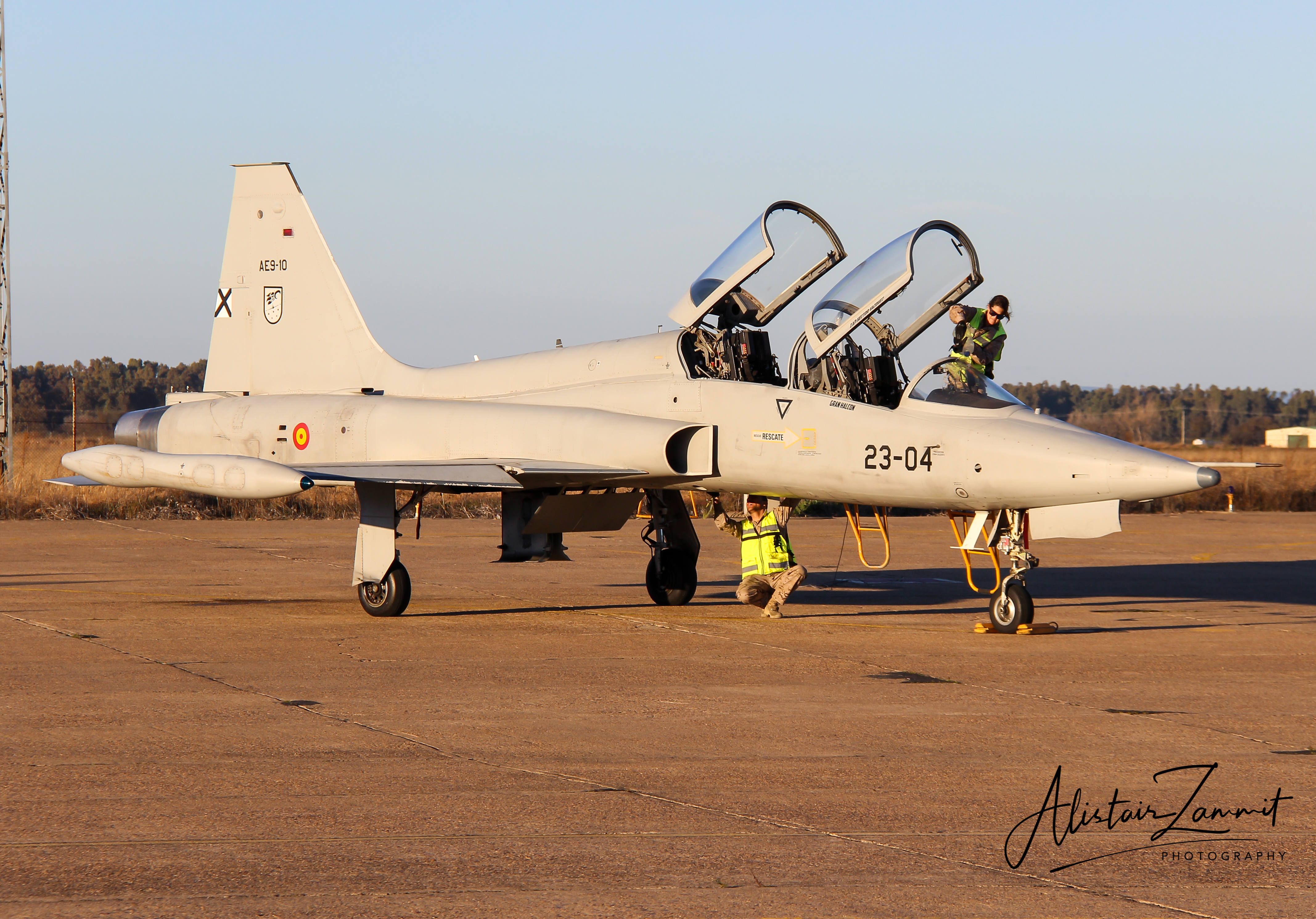
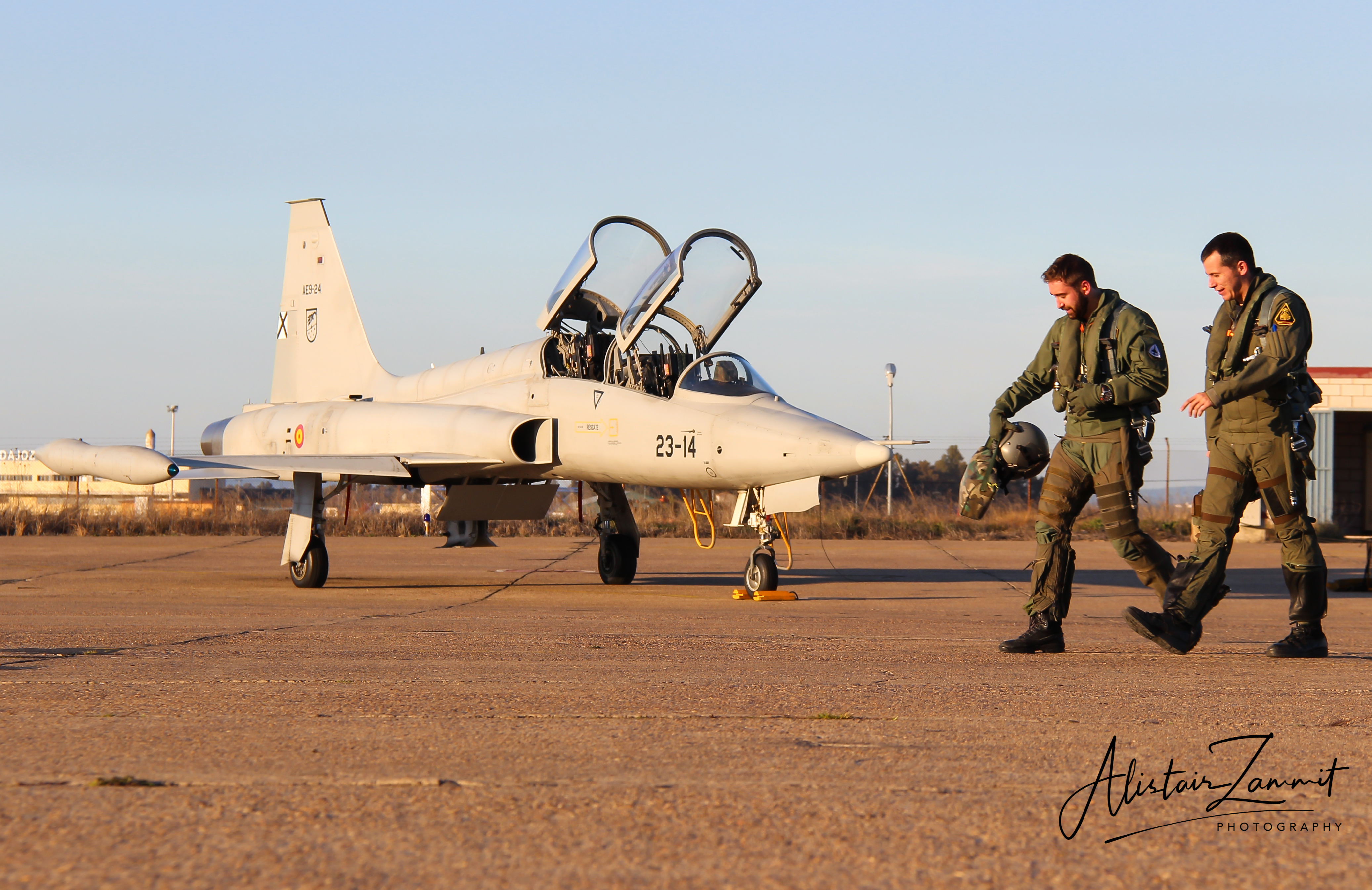
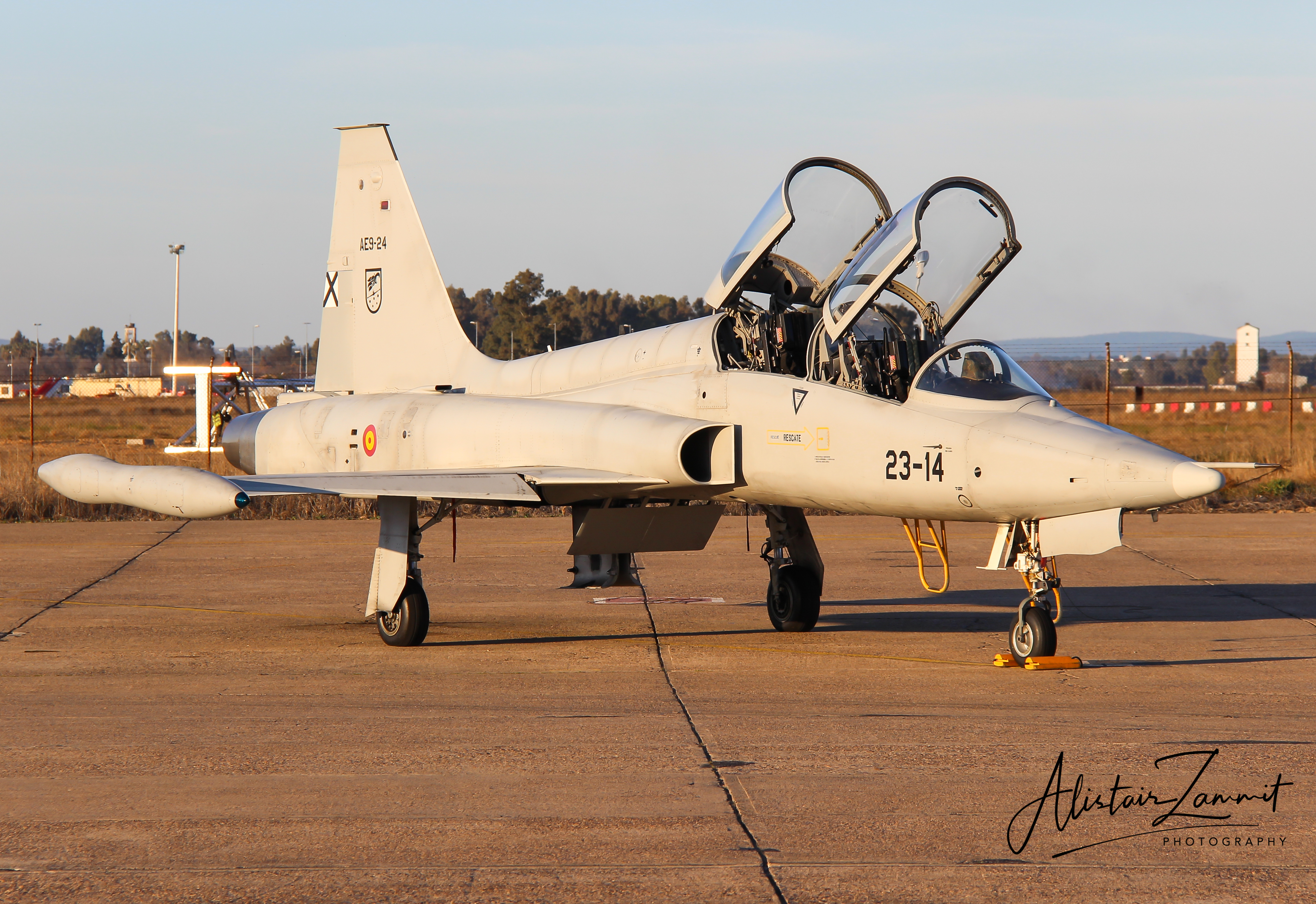
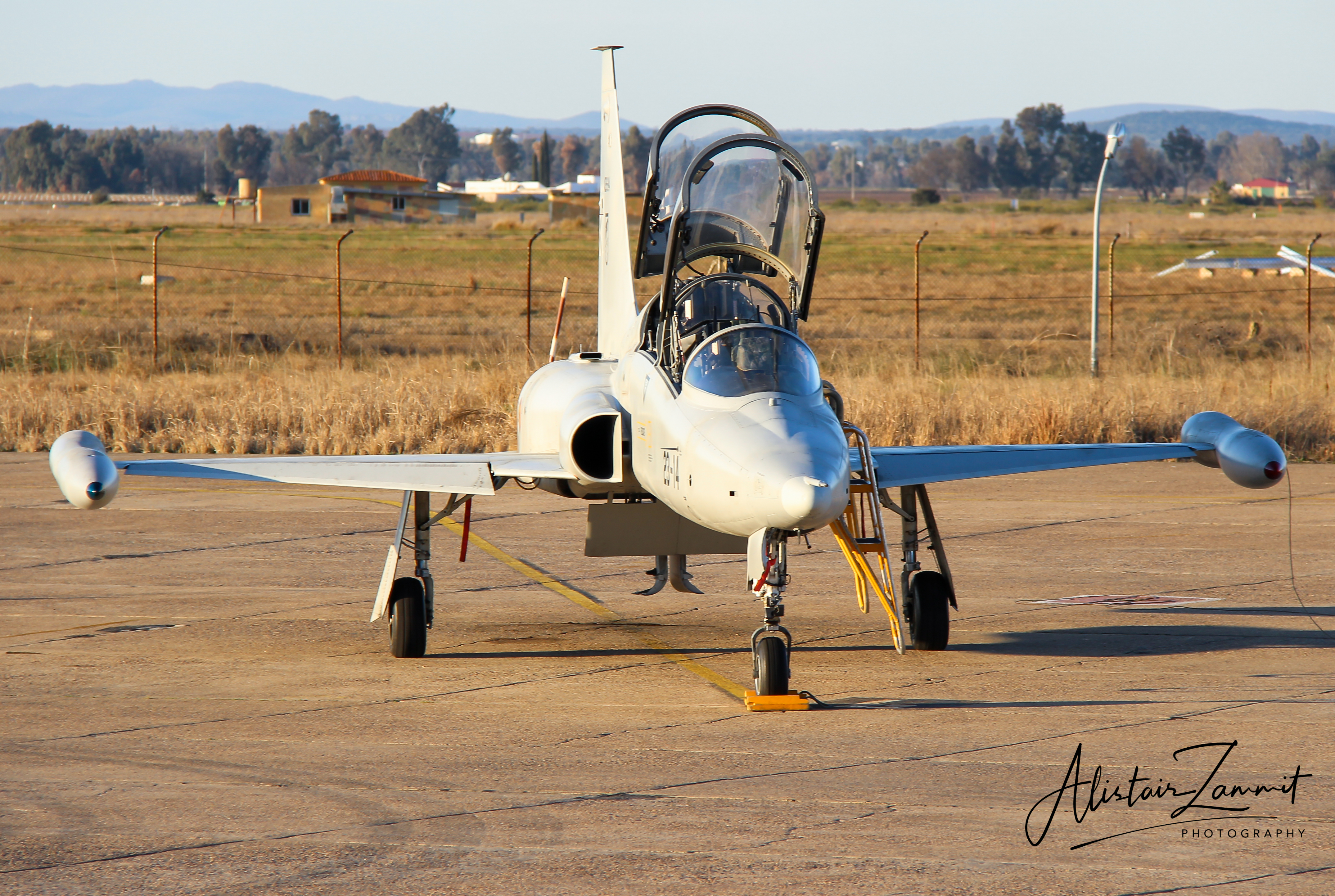
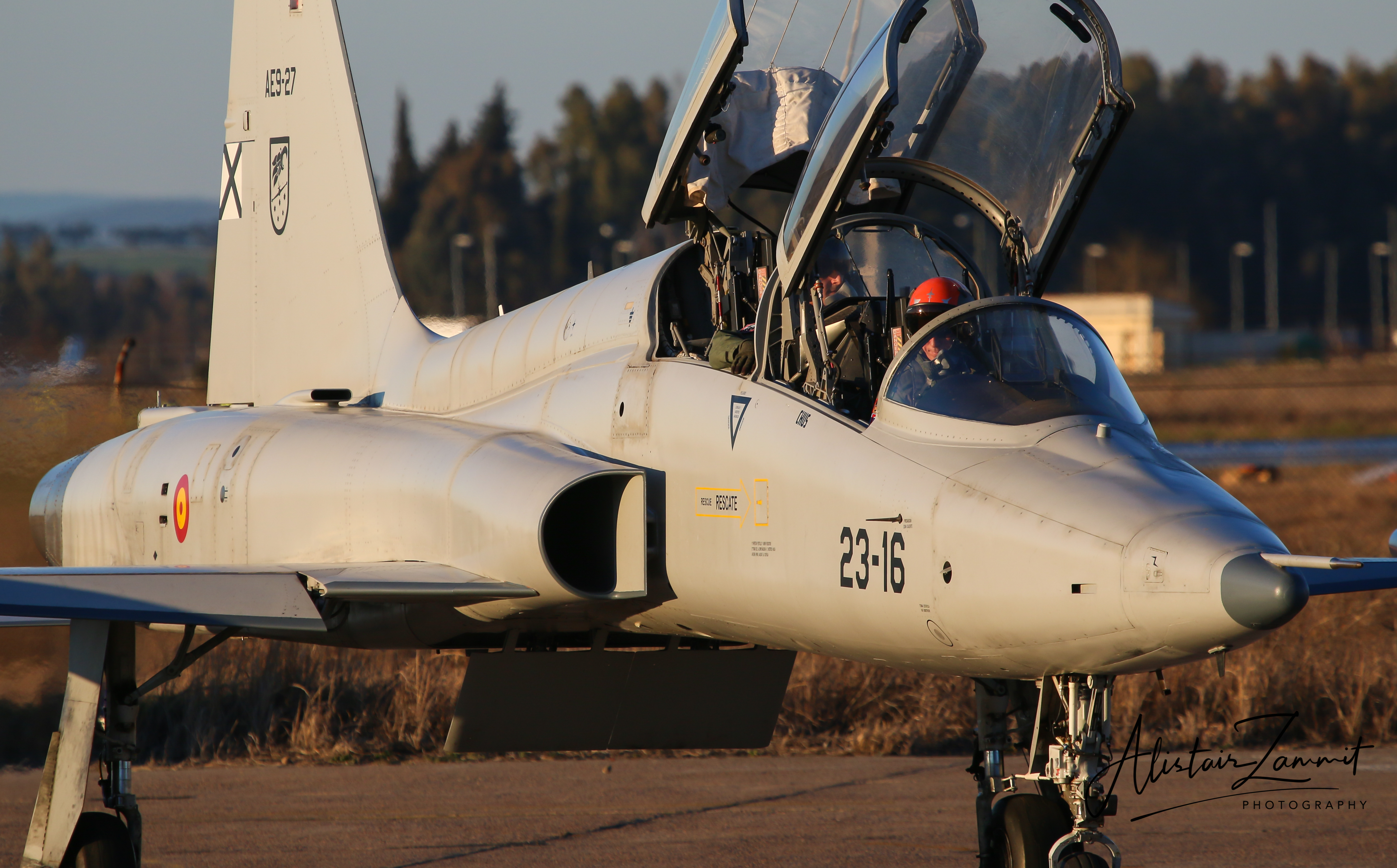
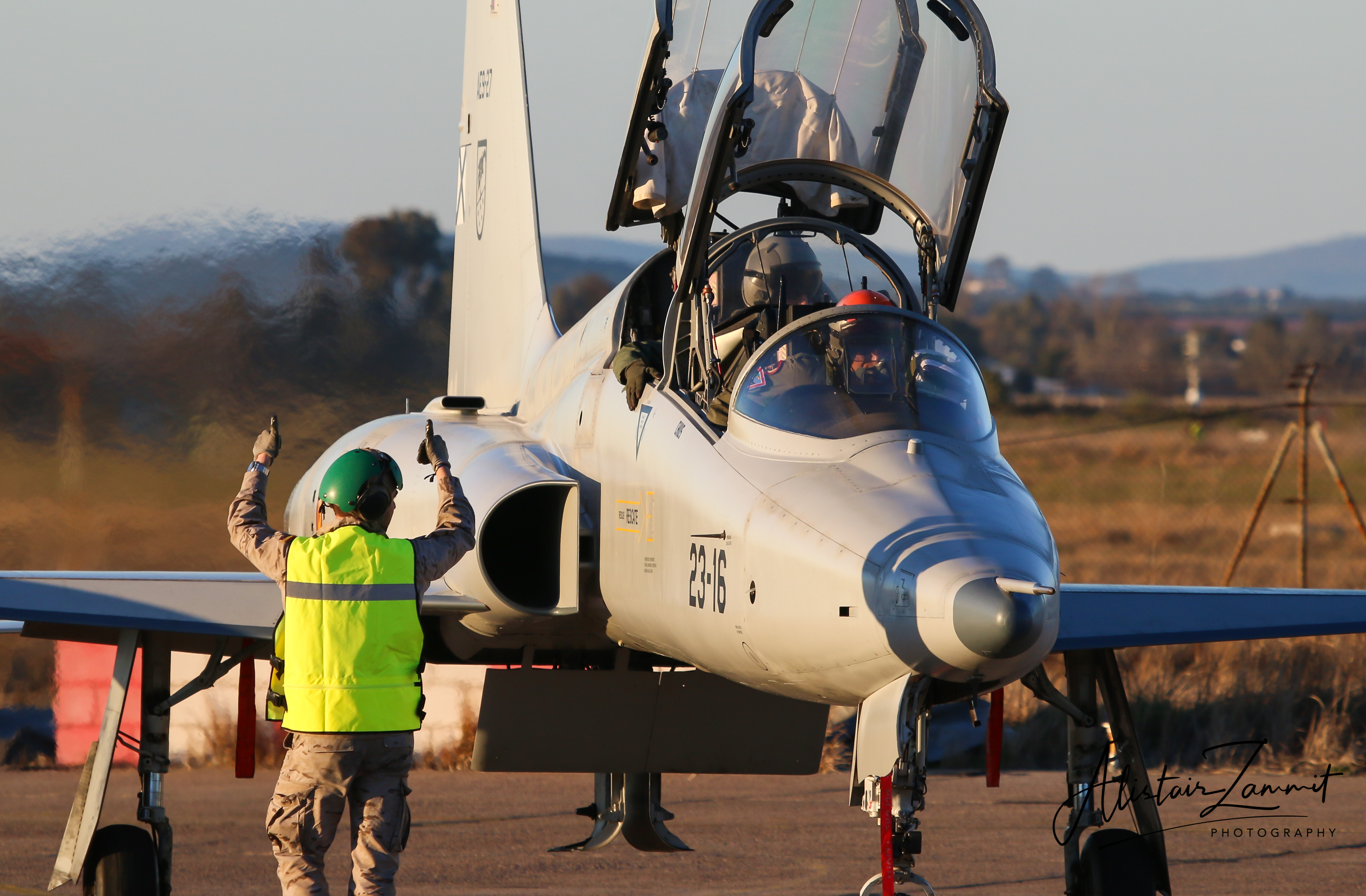
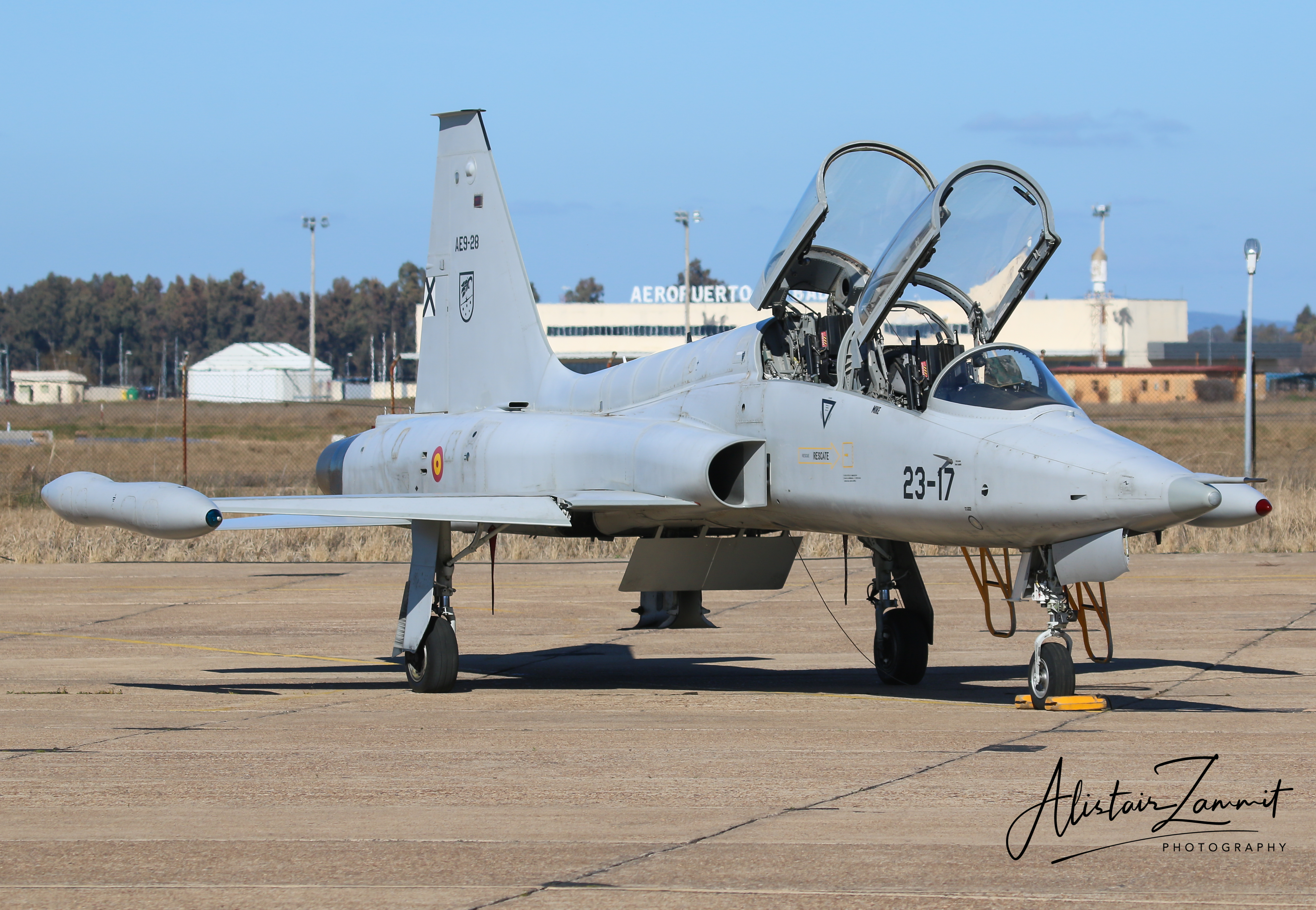
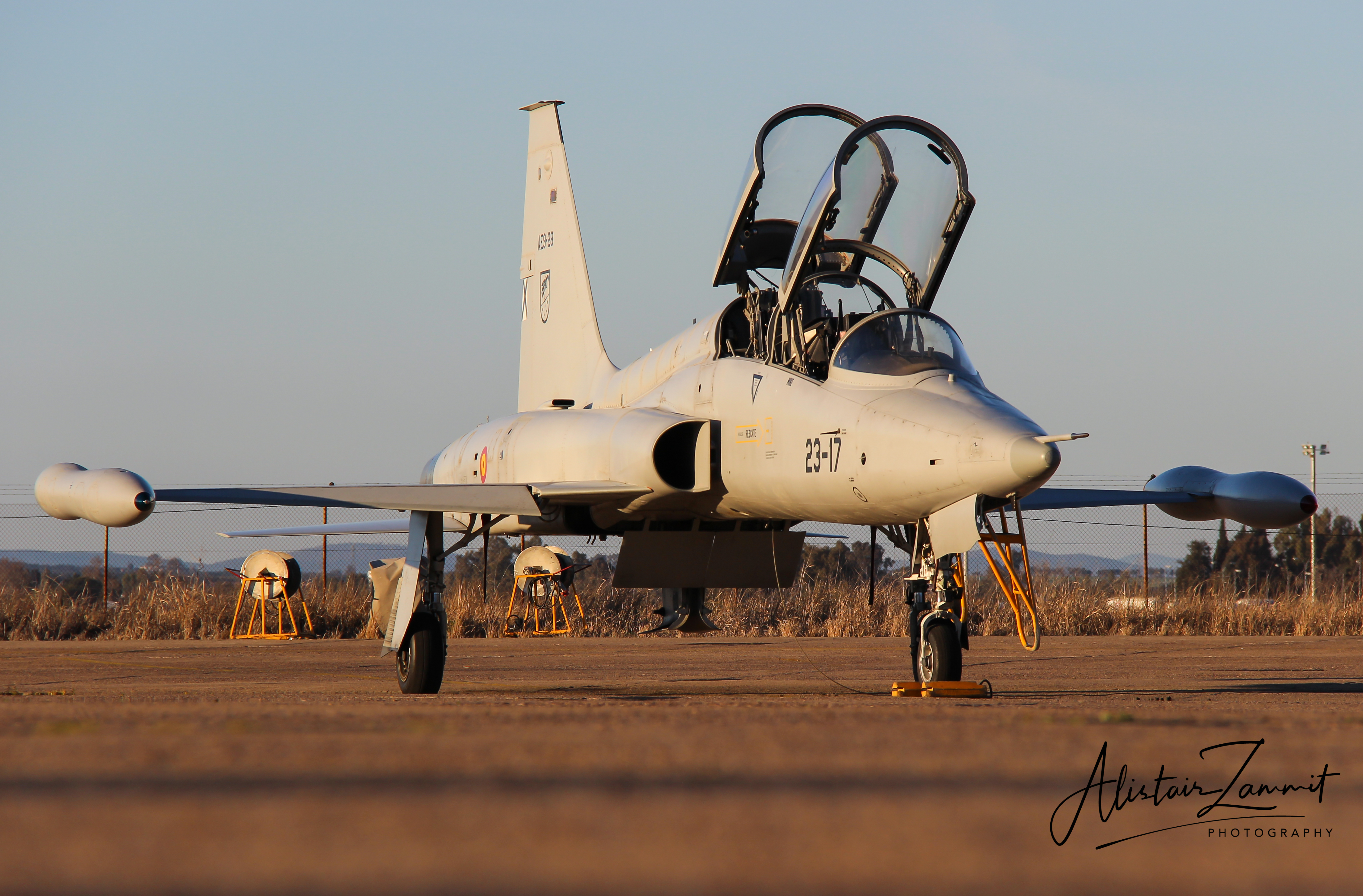
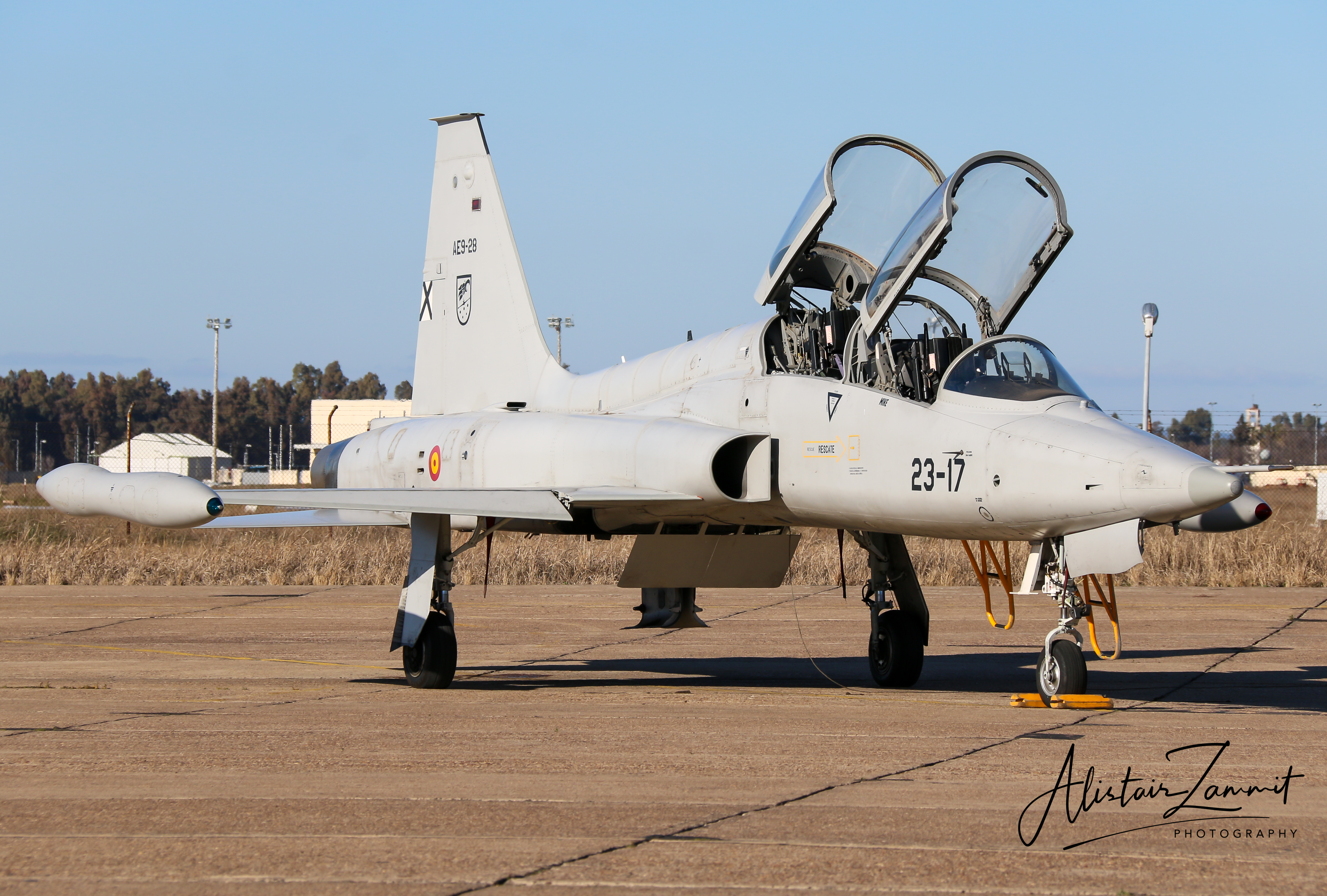
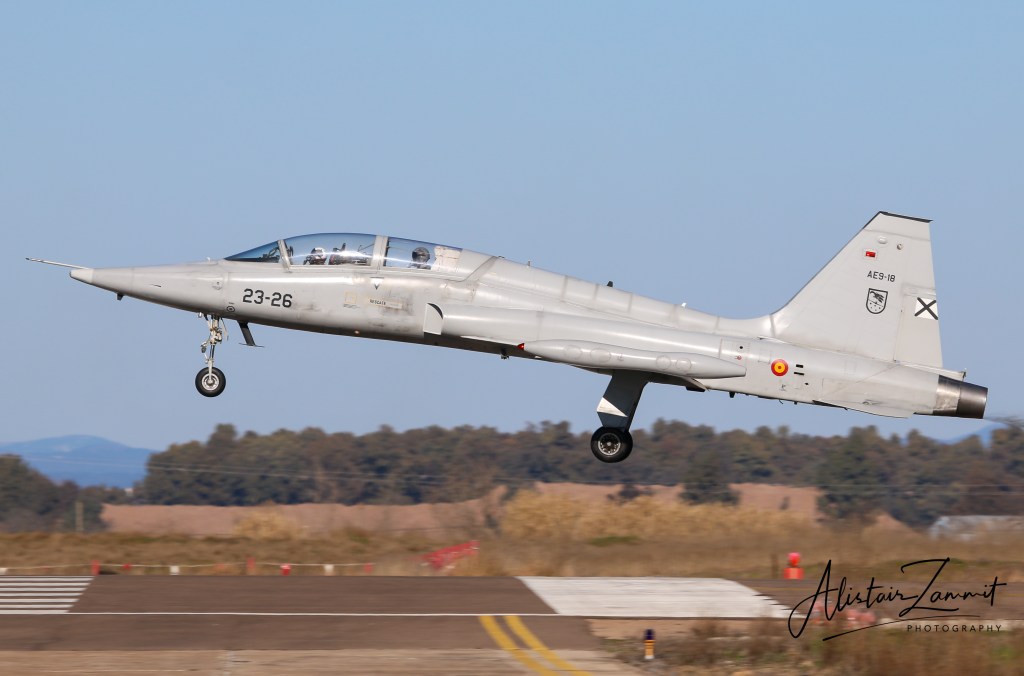
Following static shots, we witnessed the crew preparing the jets for takeoff and with the aid of specially allocated transport, we were allowed to take pictures of the aircraft being prepared for takeoff, taxi out of the stand, and taxi on the parallel taxiway. Furthermore, on request, we were also allowed to go to the threshold of the runway to see the aircraft on the piano keys just before touchdown.
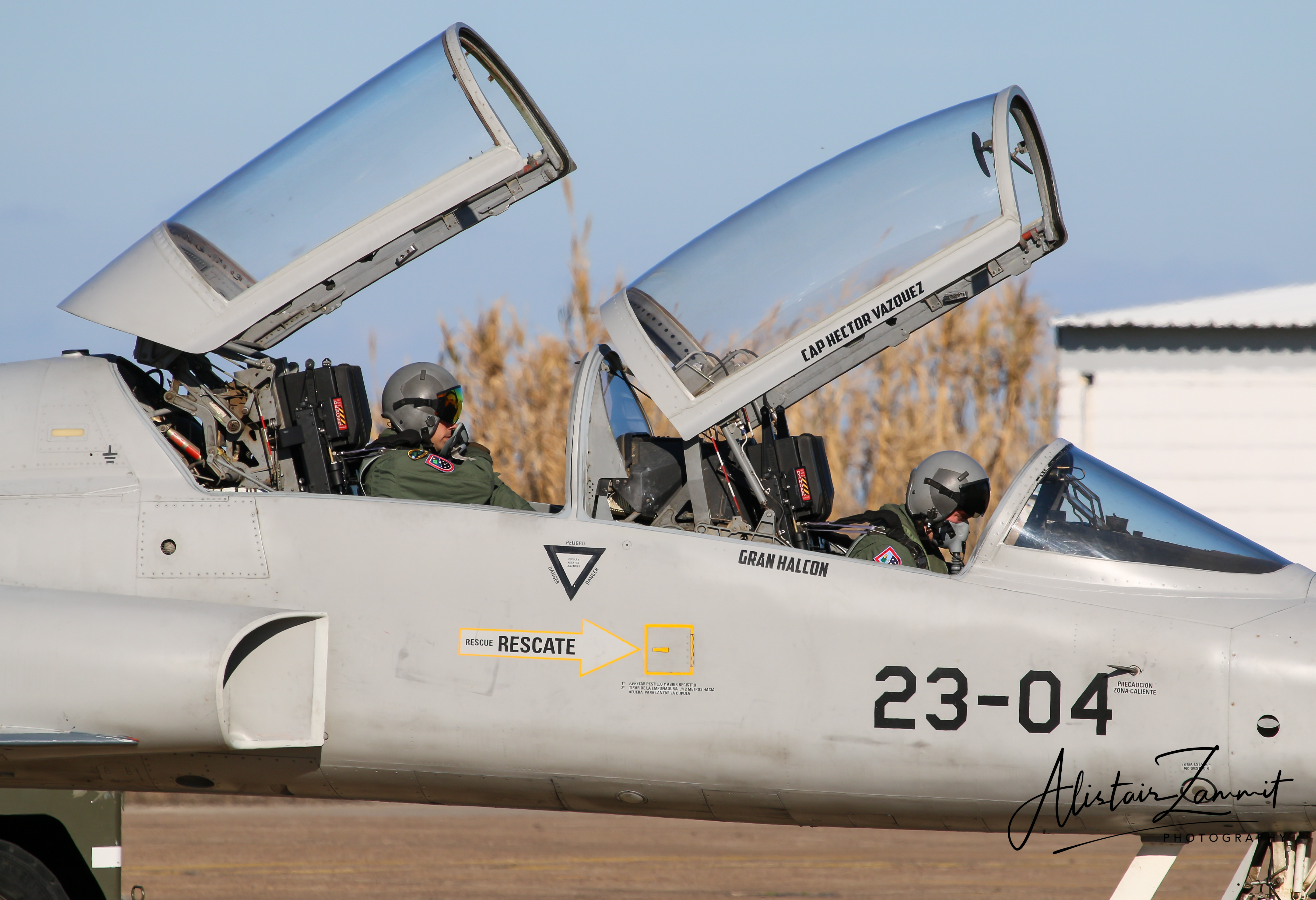

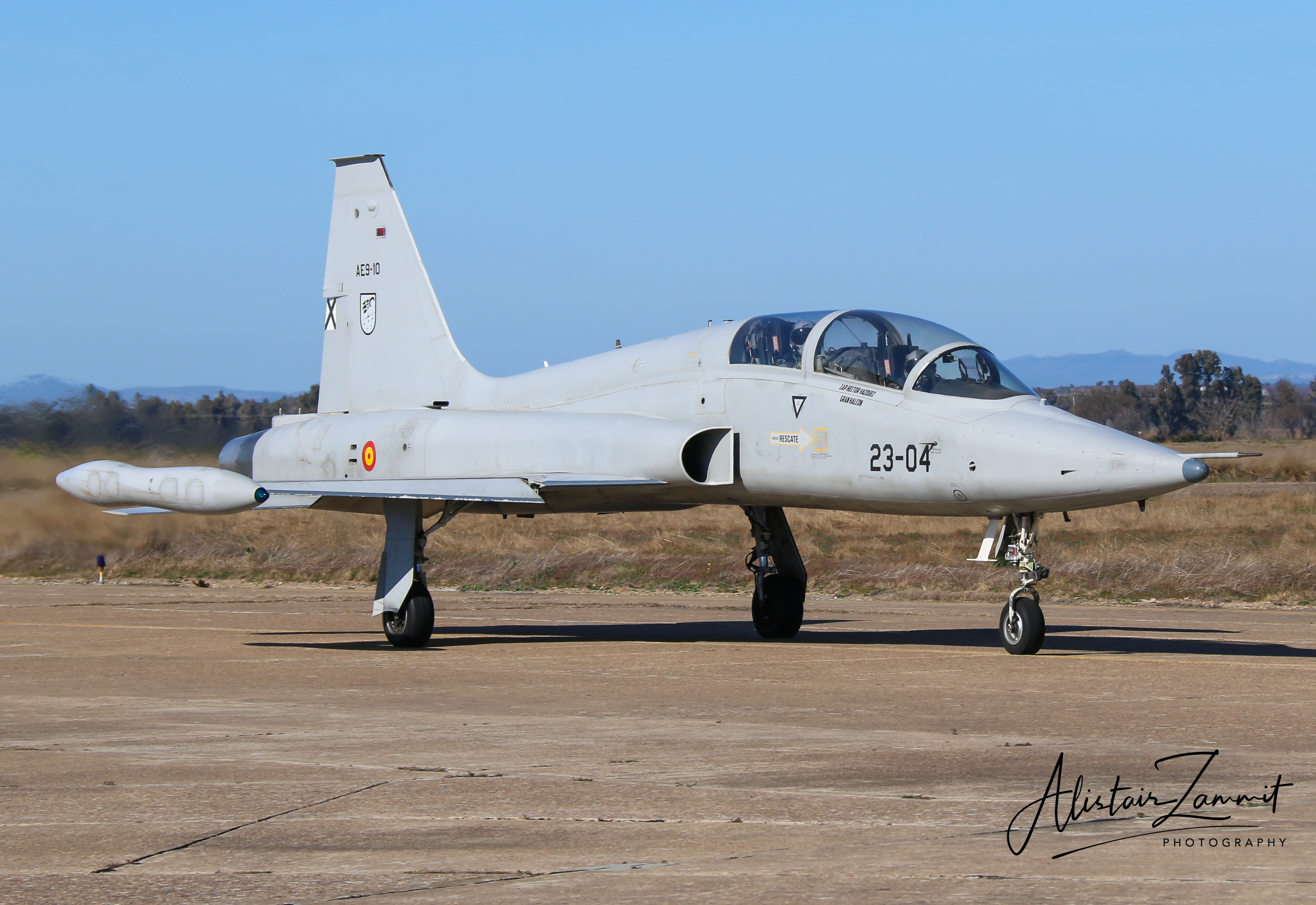
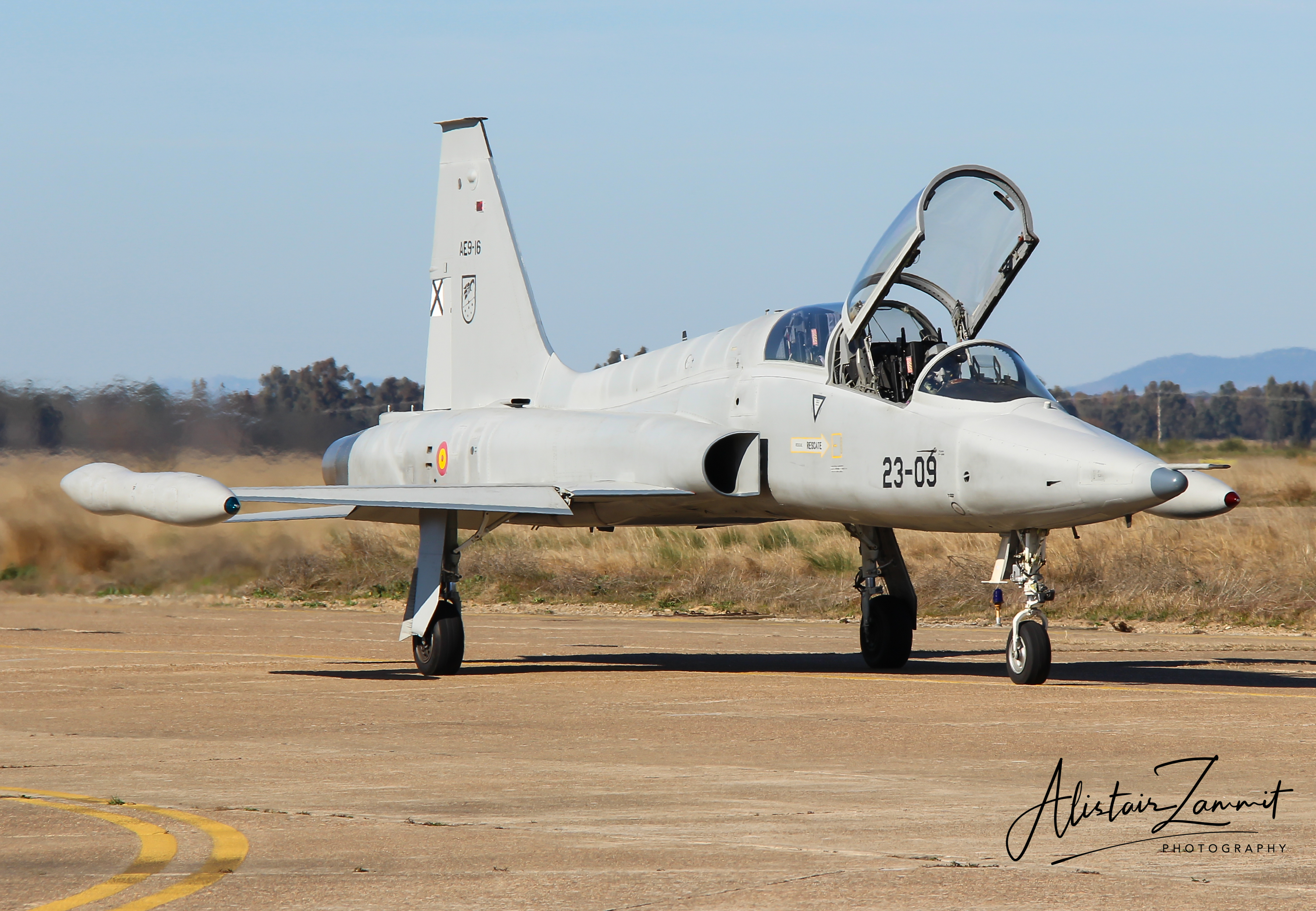
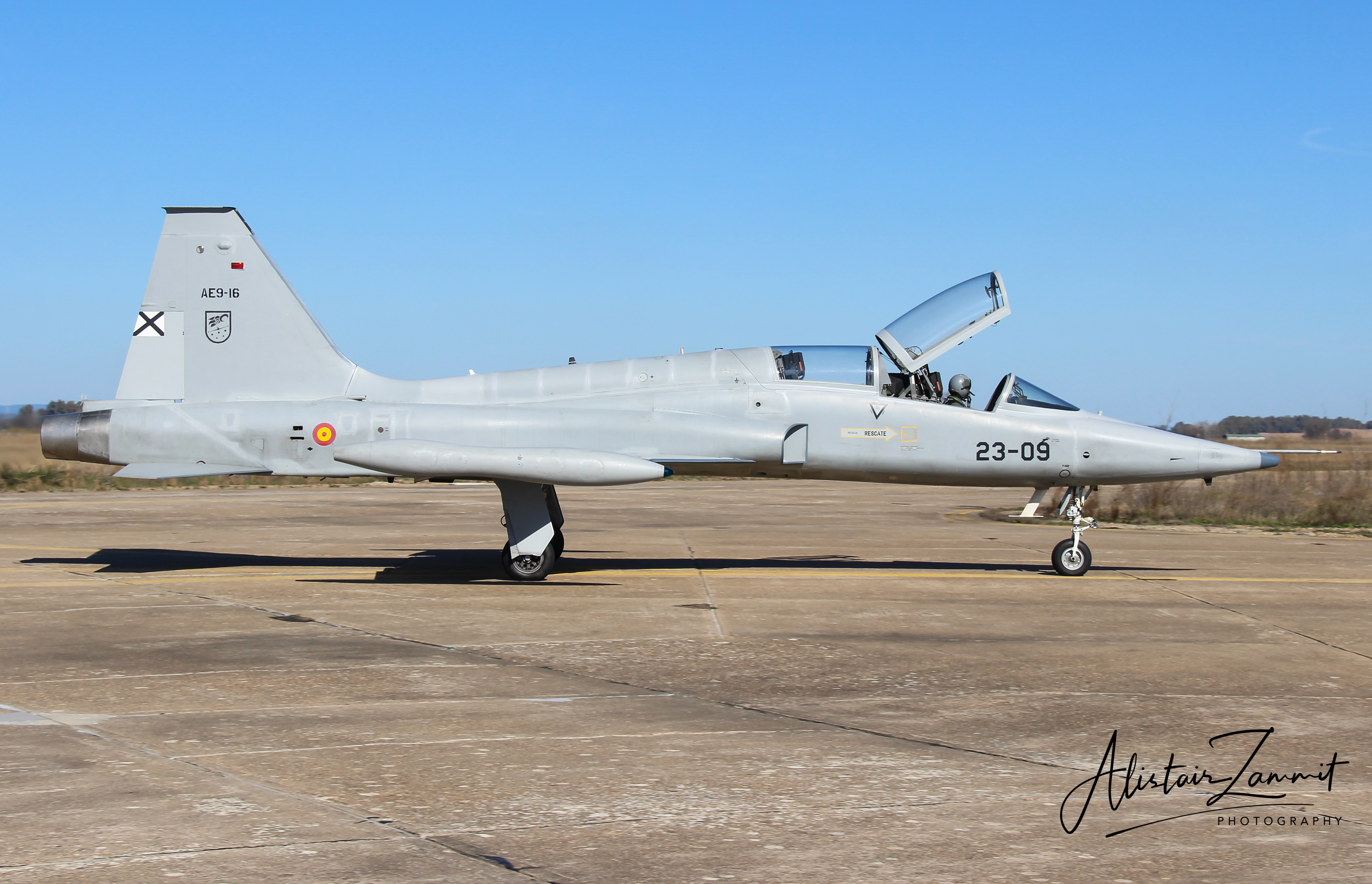
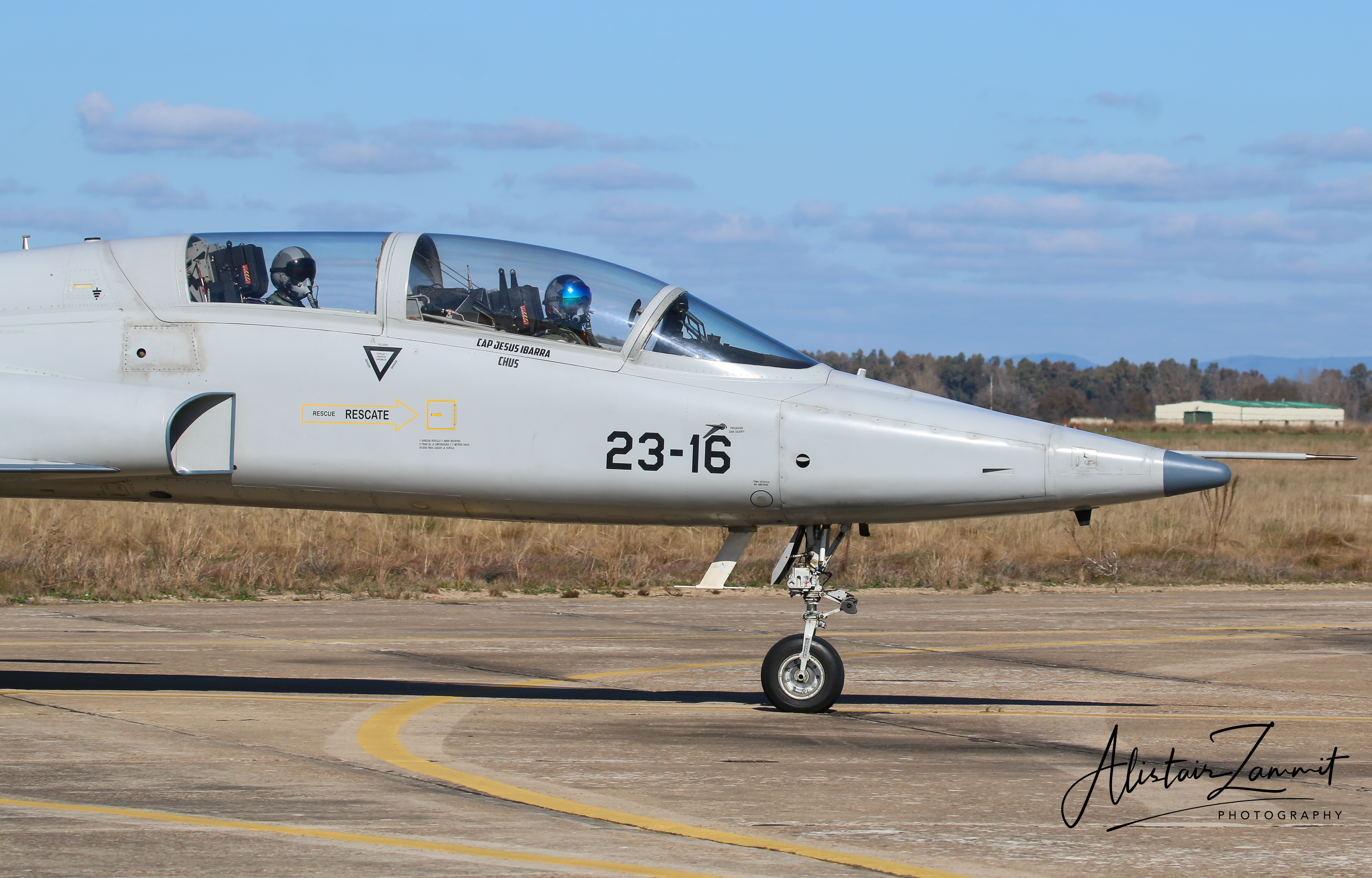
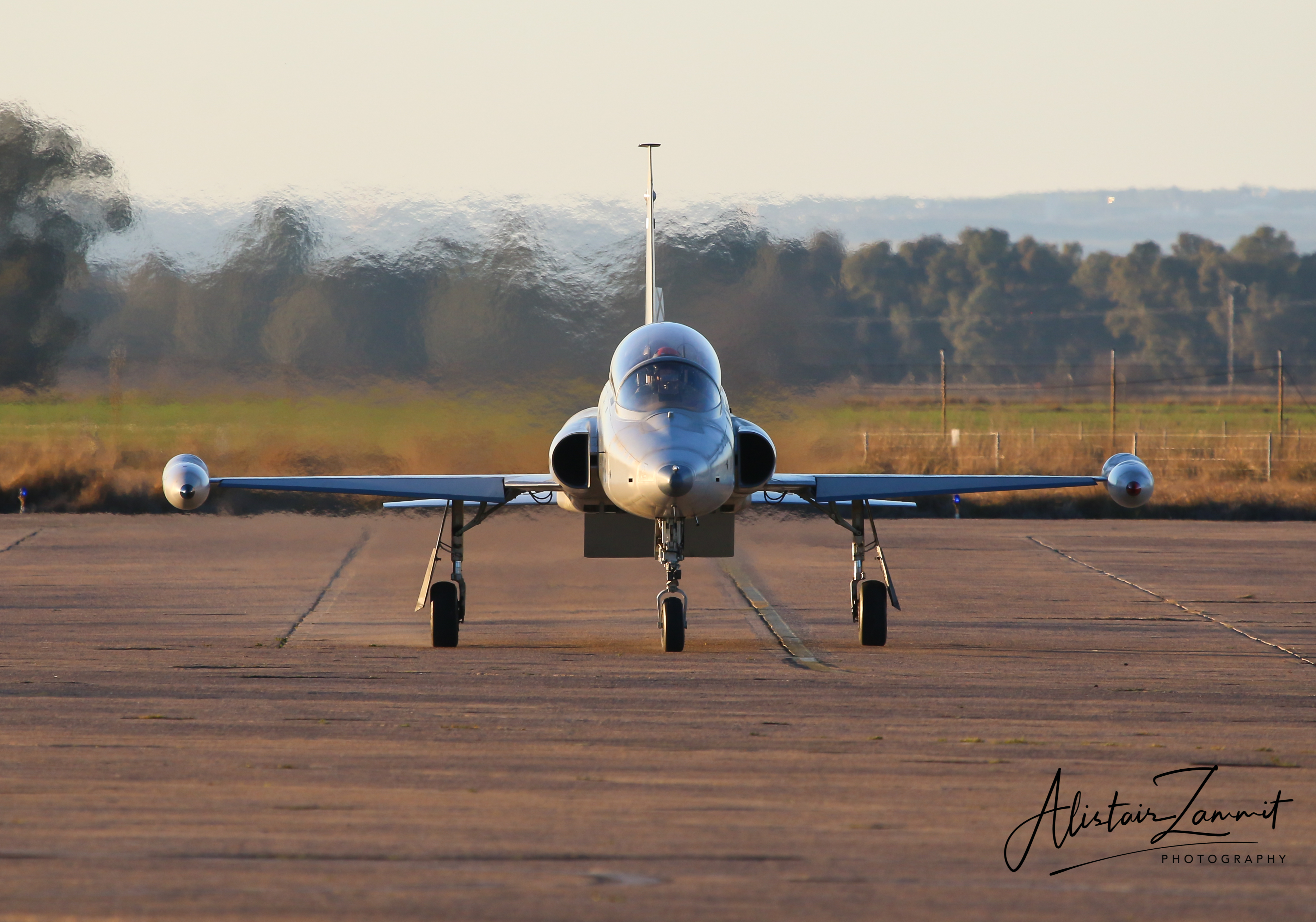
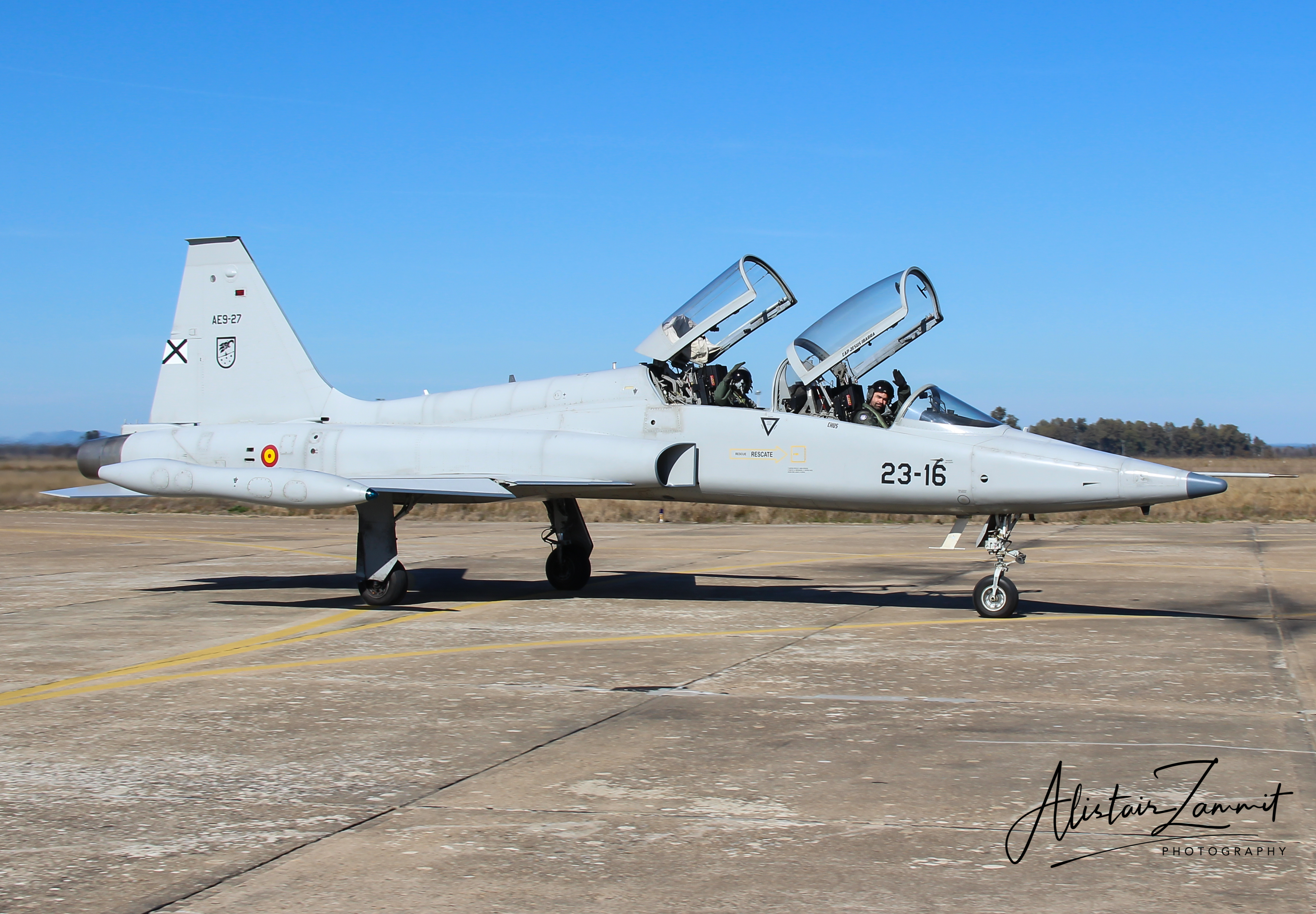
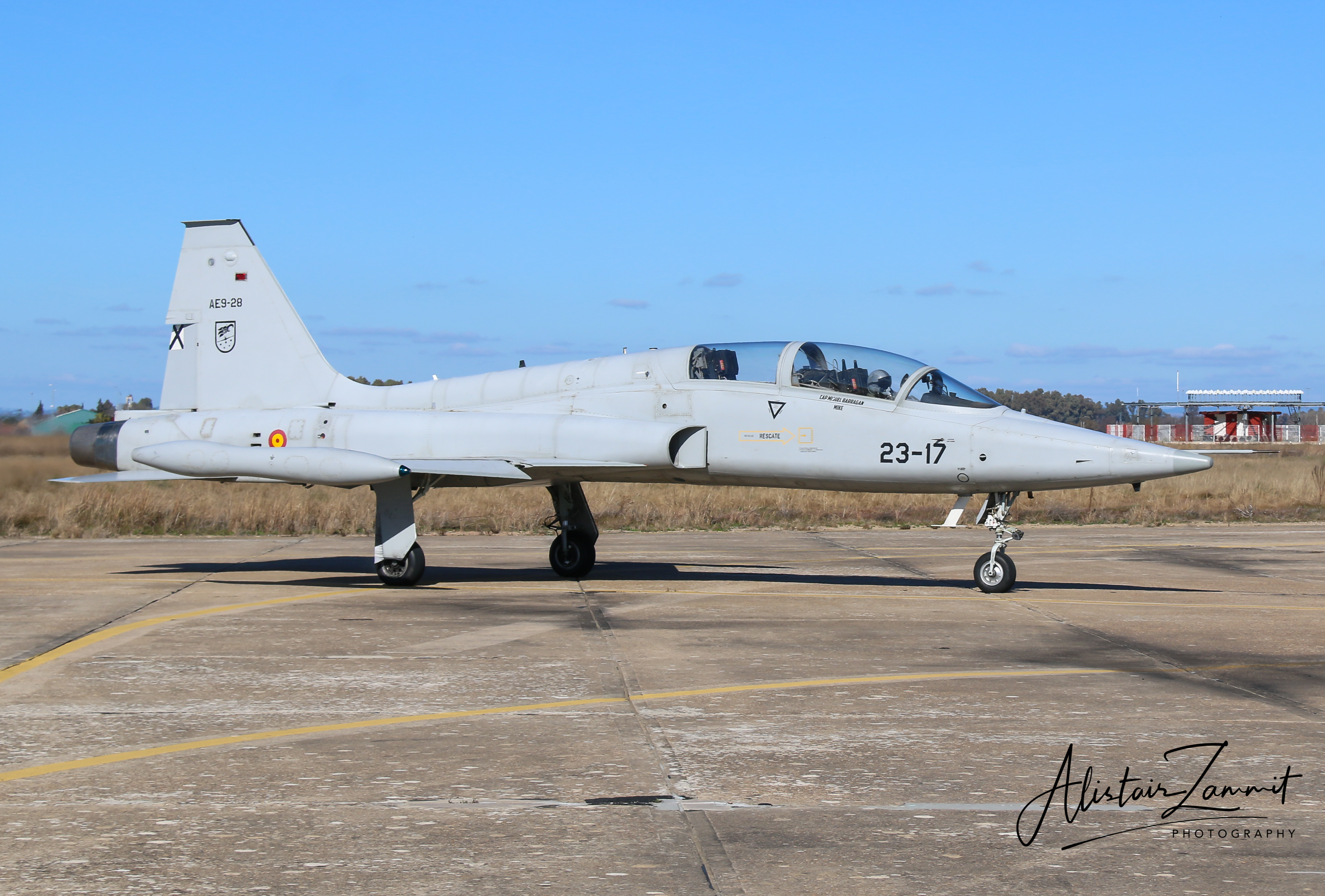
Needless to say, the hosts prepared a thorough program for us spotters, as they performed several touch and go’s, high speed fly-by’s and topside passes before landing, making us take amazing shots of all aircraft that participated in the sorties. They even arranged to simulate an emergency landing, with fire engines and ambulances all rushing to the aid of the pilot and aircraft in trouble on the runway with its parachute deployed.
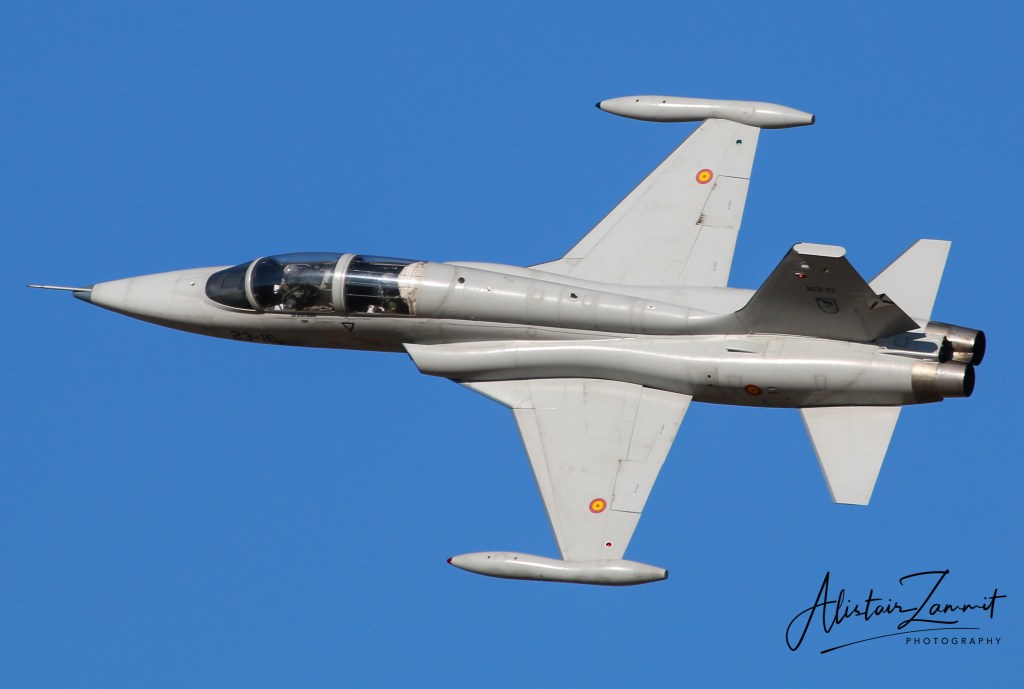
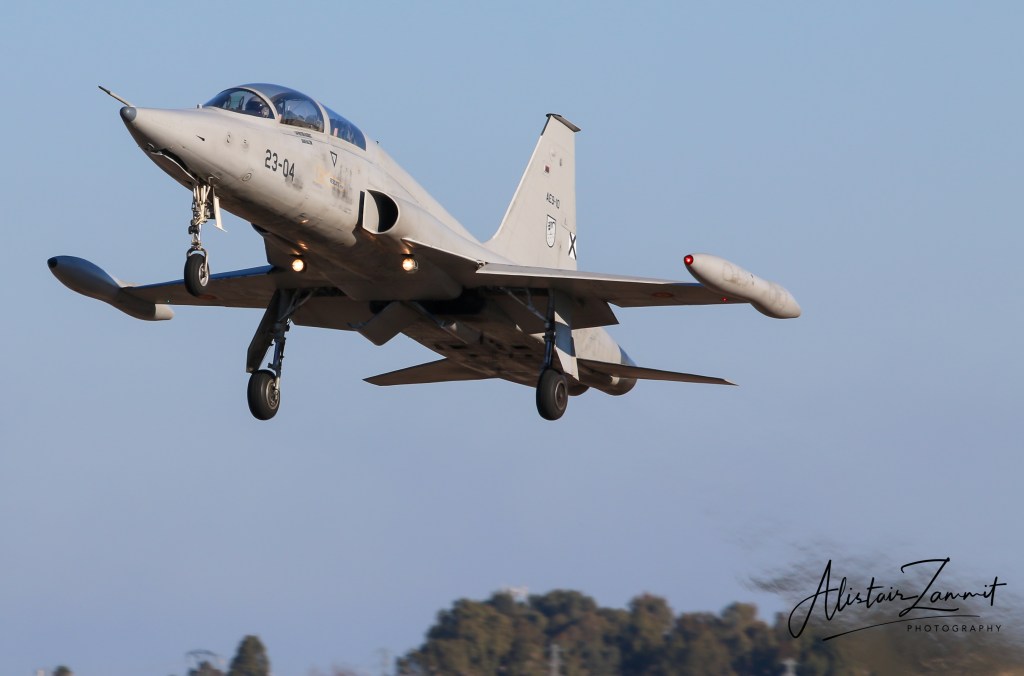
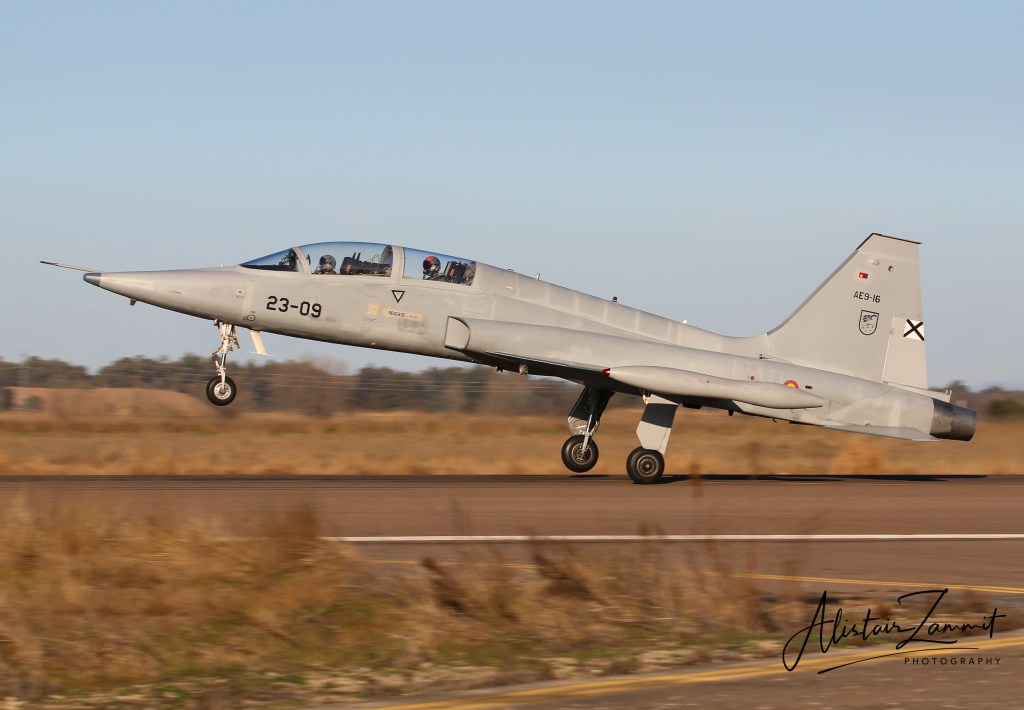
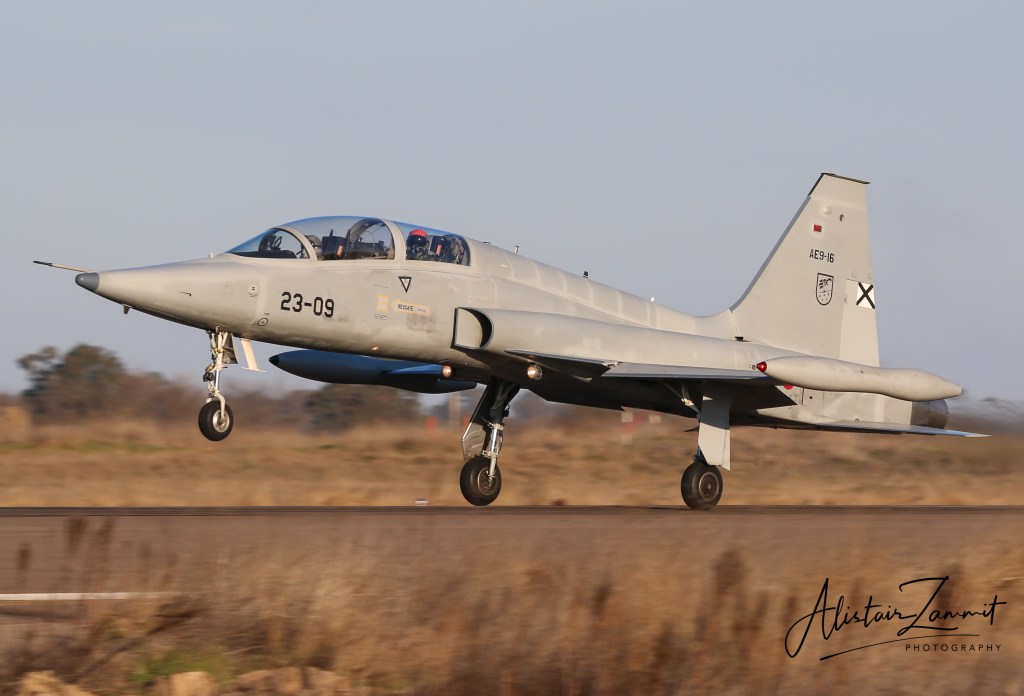
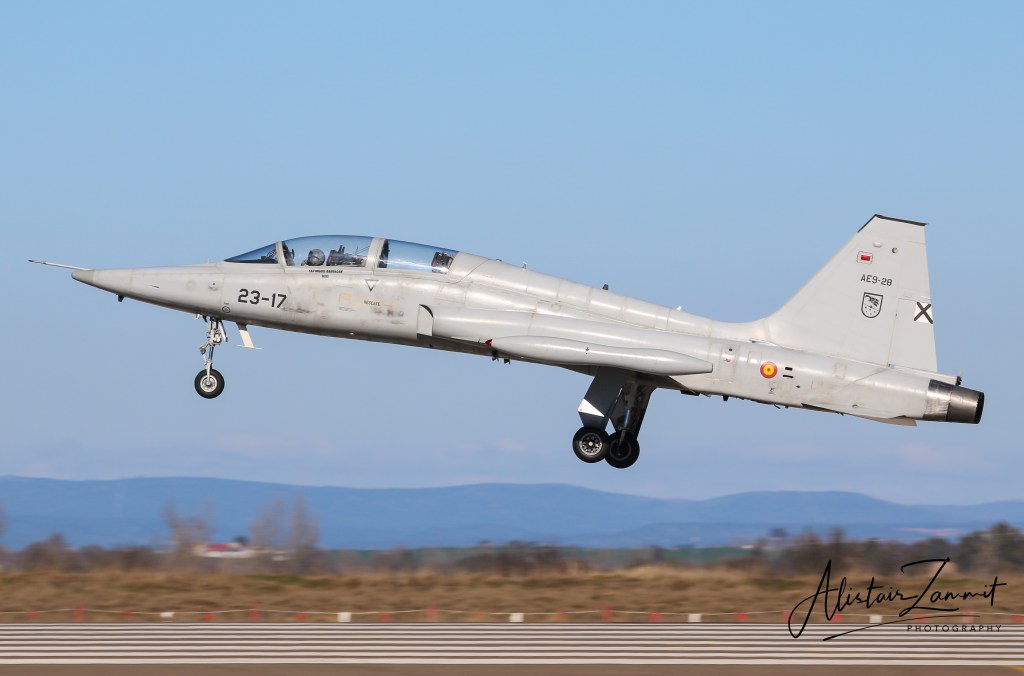
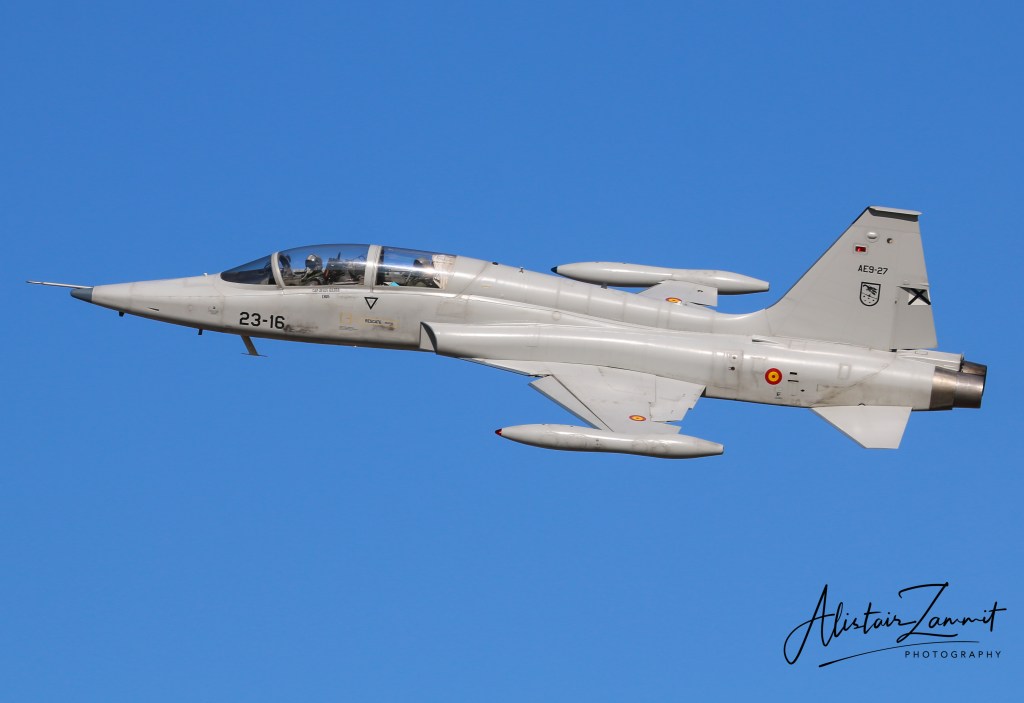
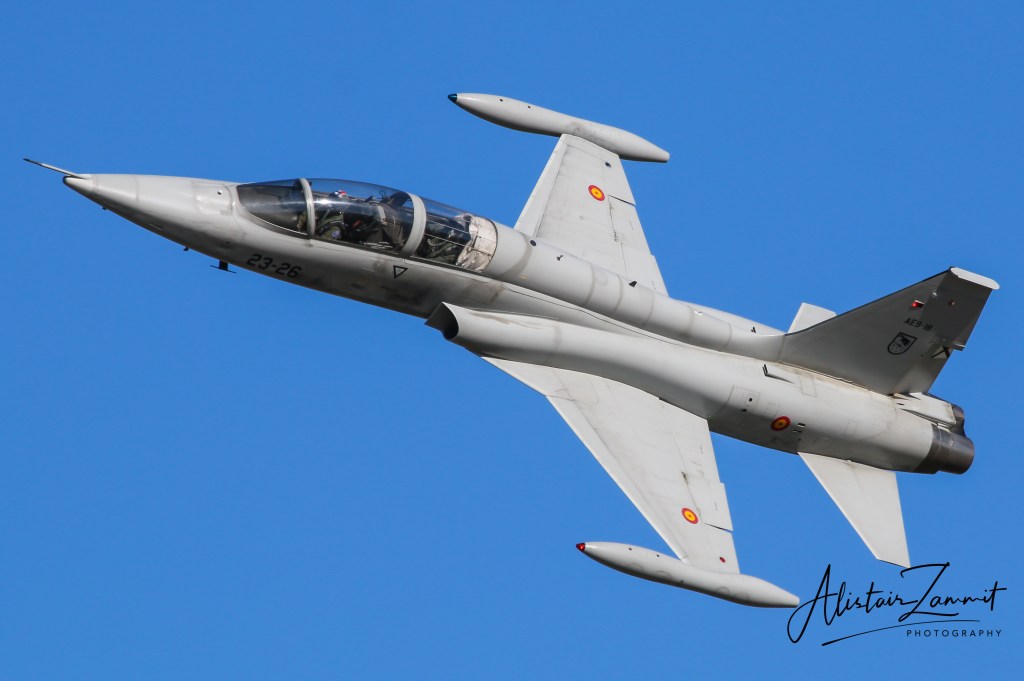
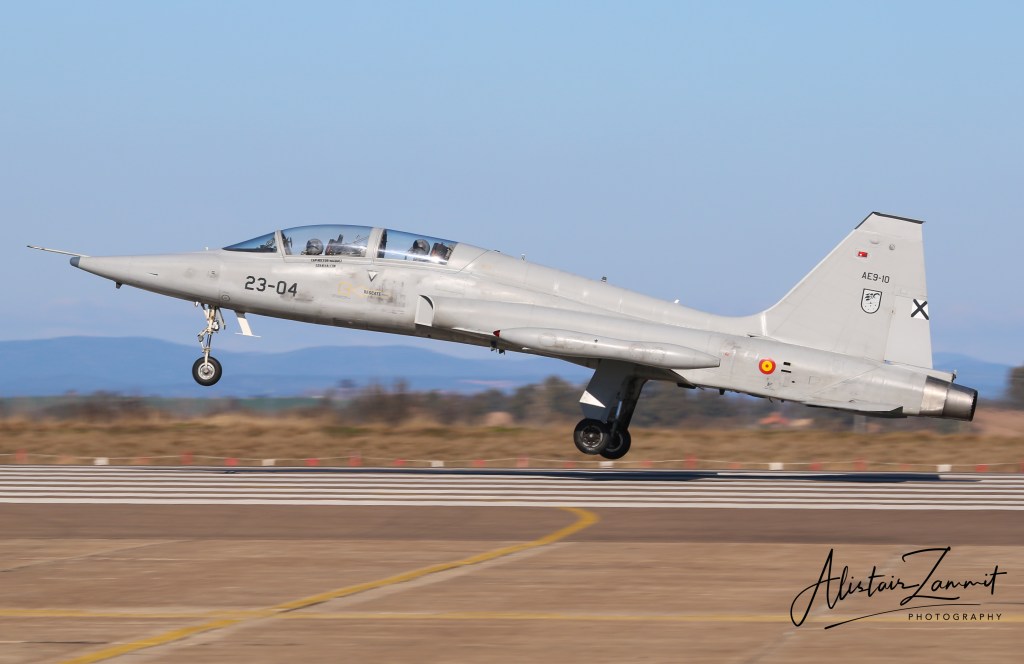
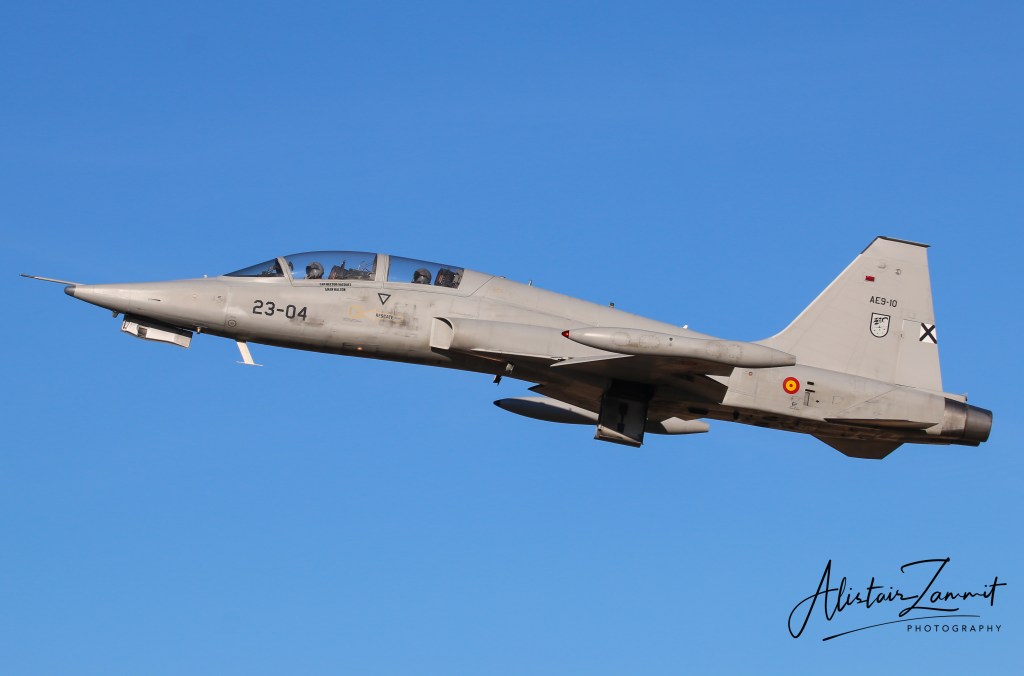
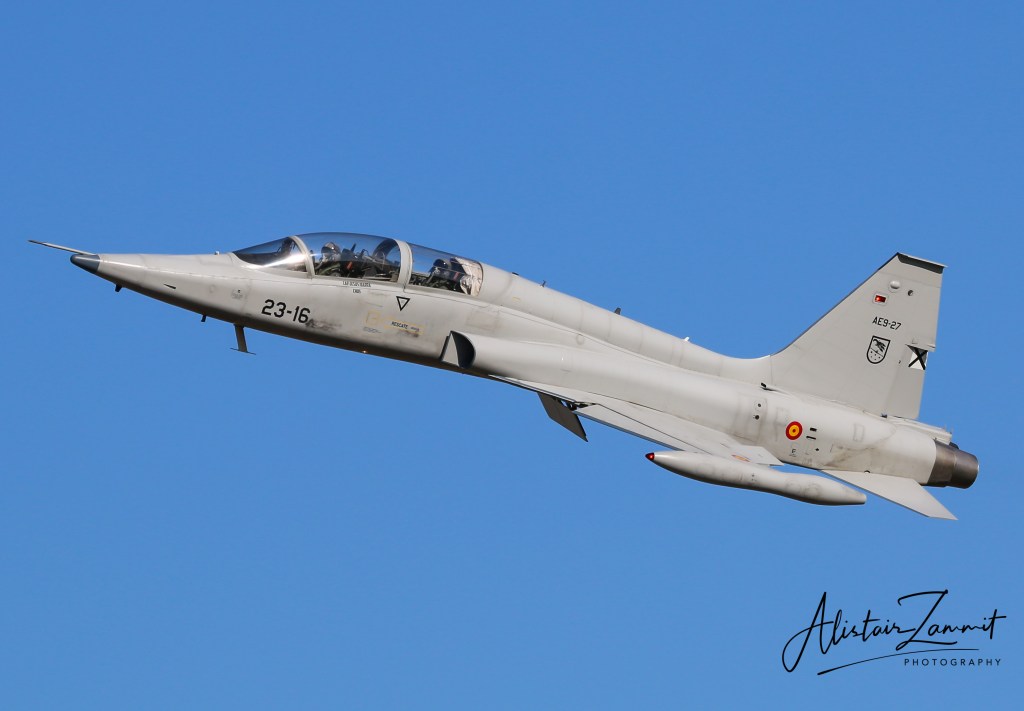
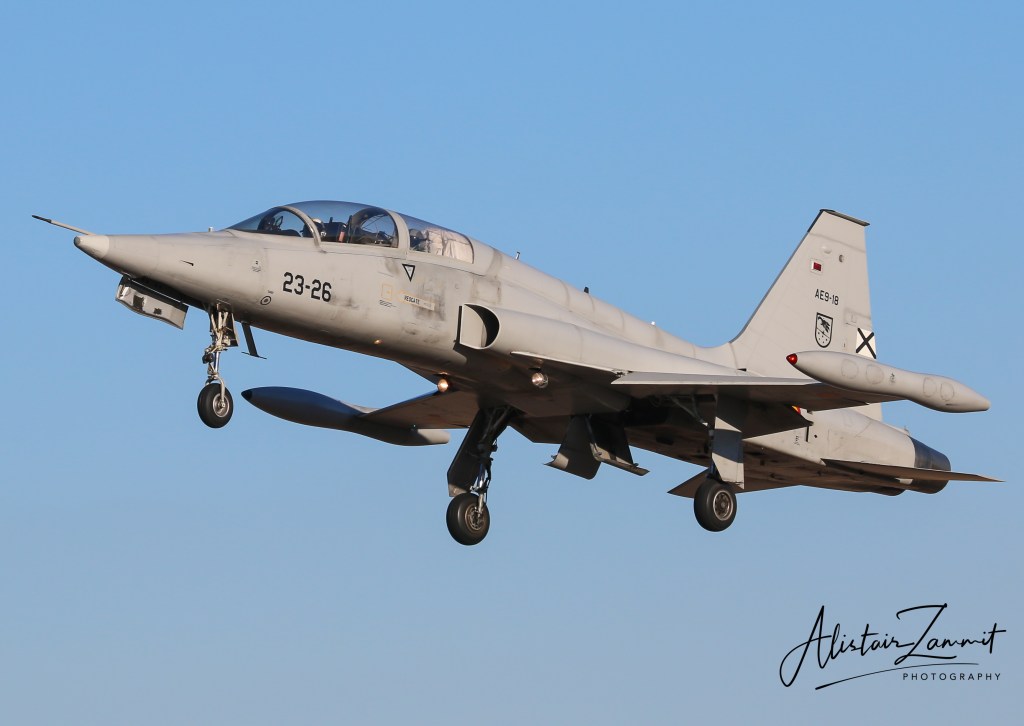

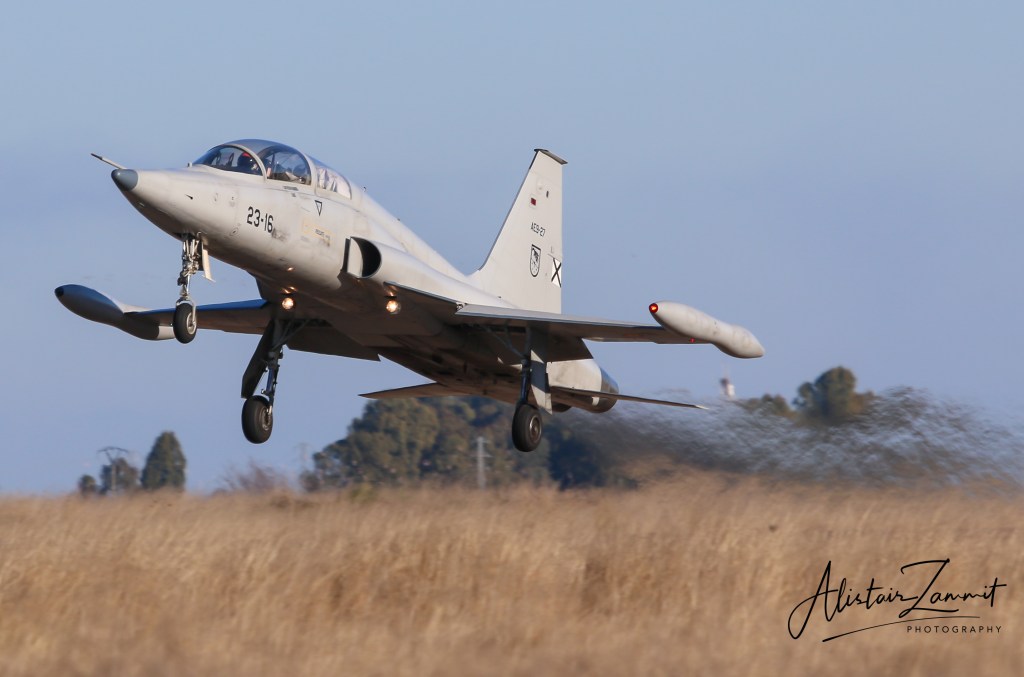
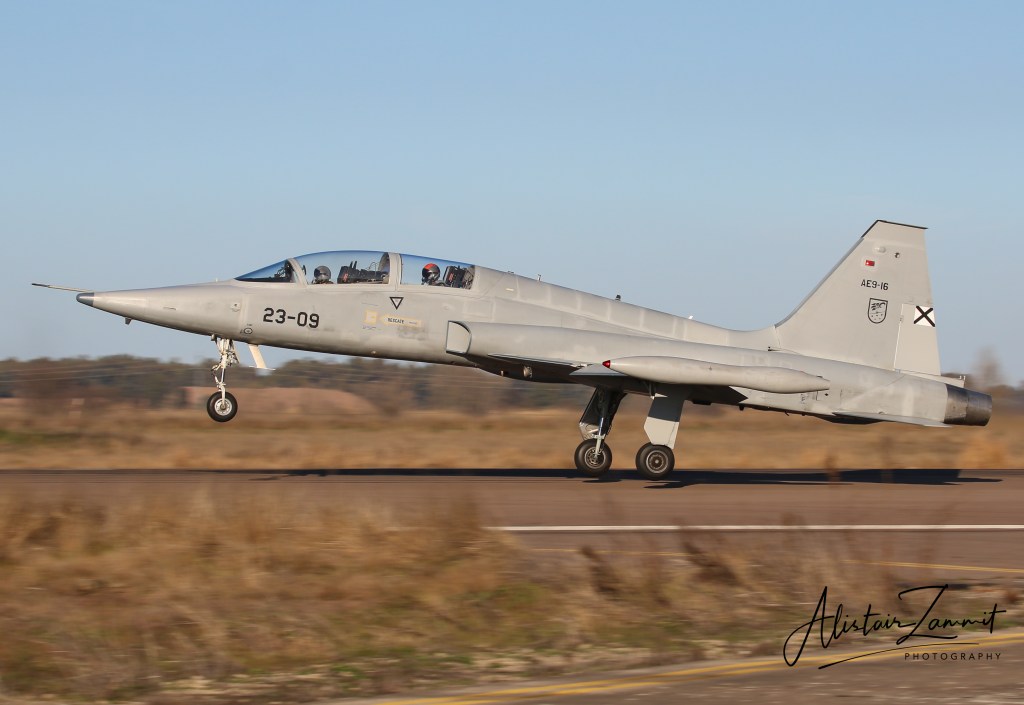
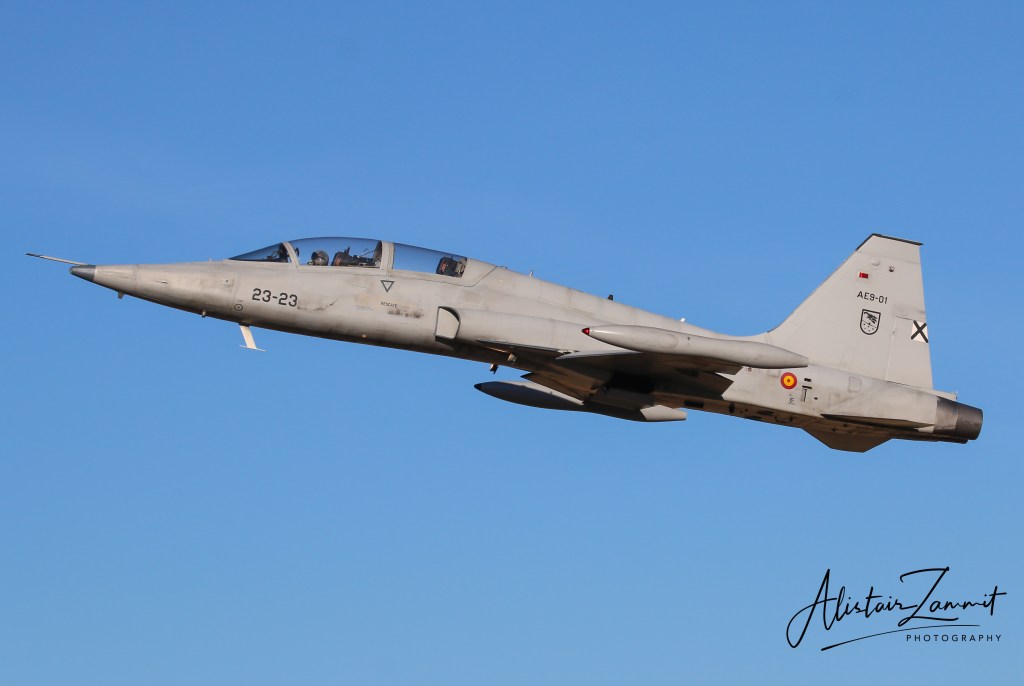
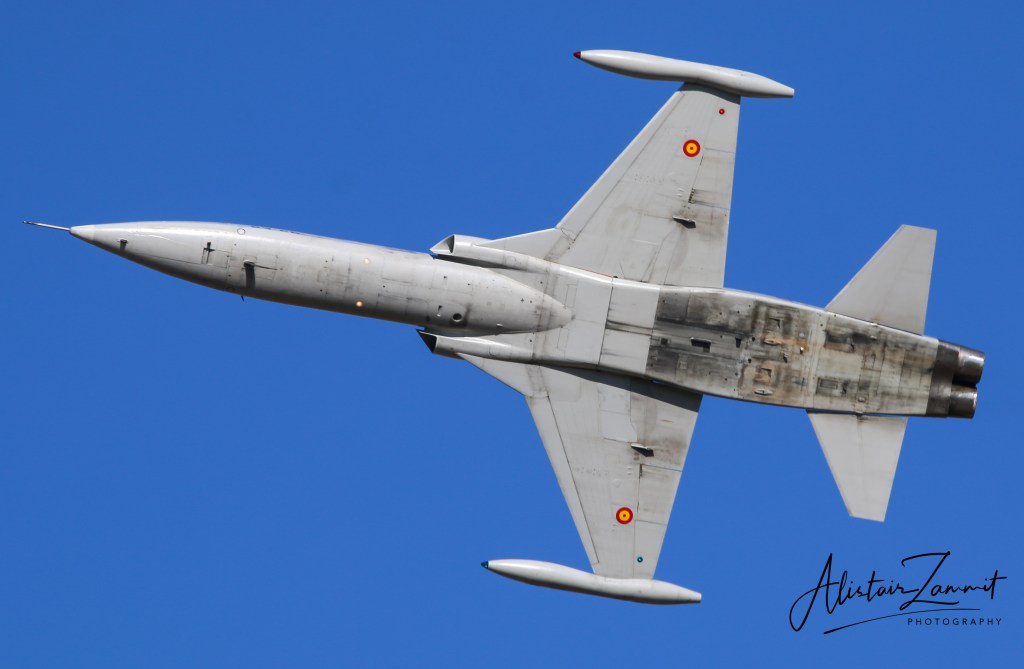
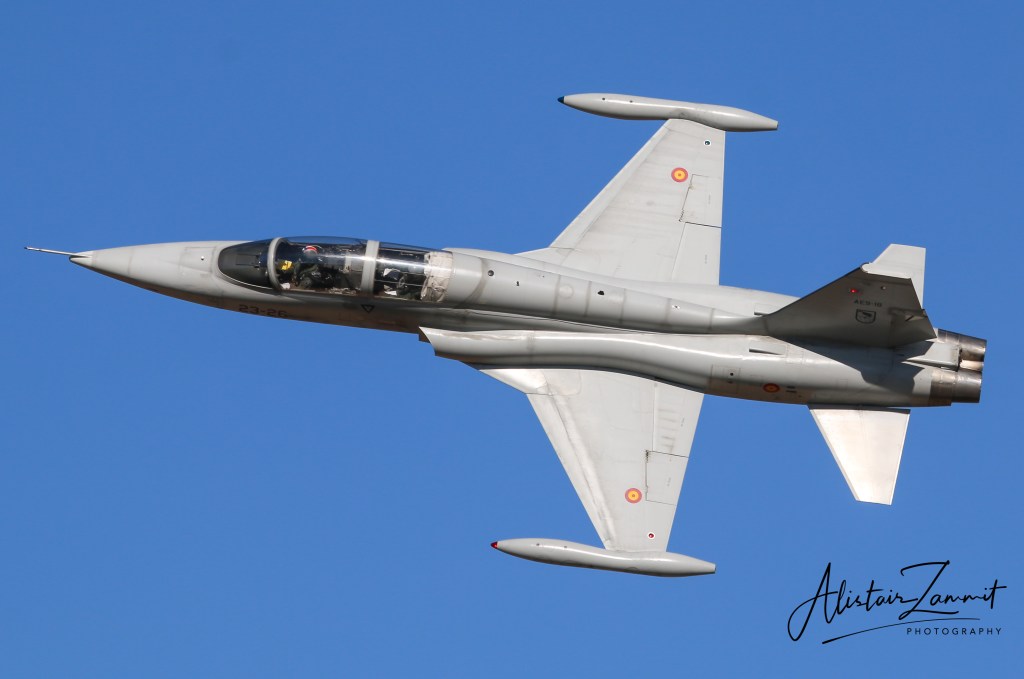
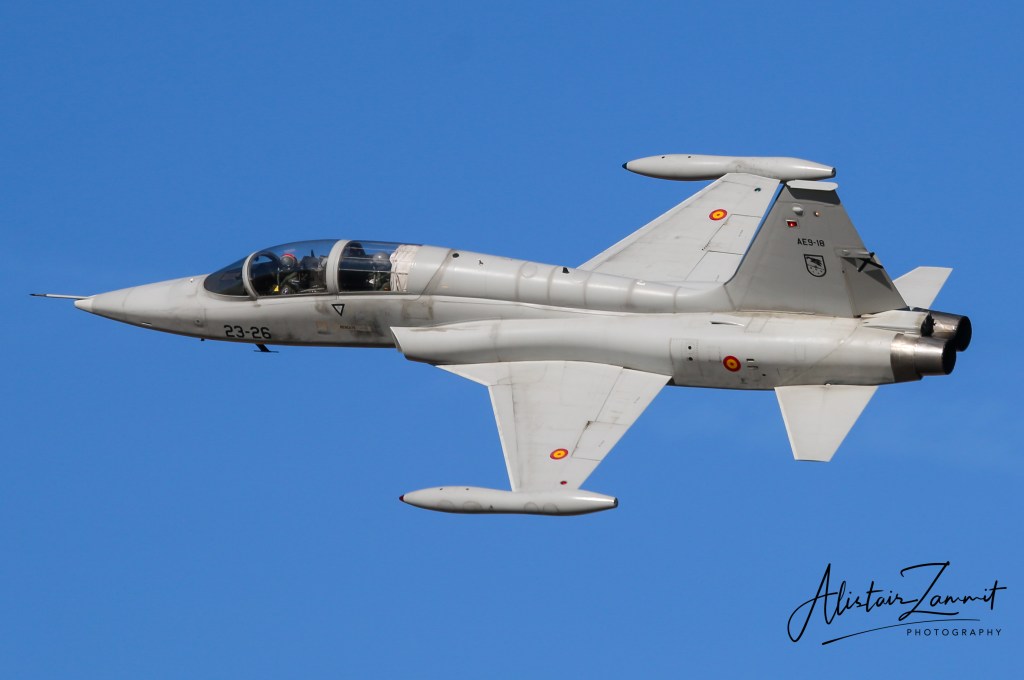
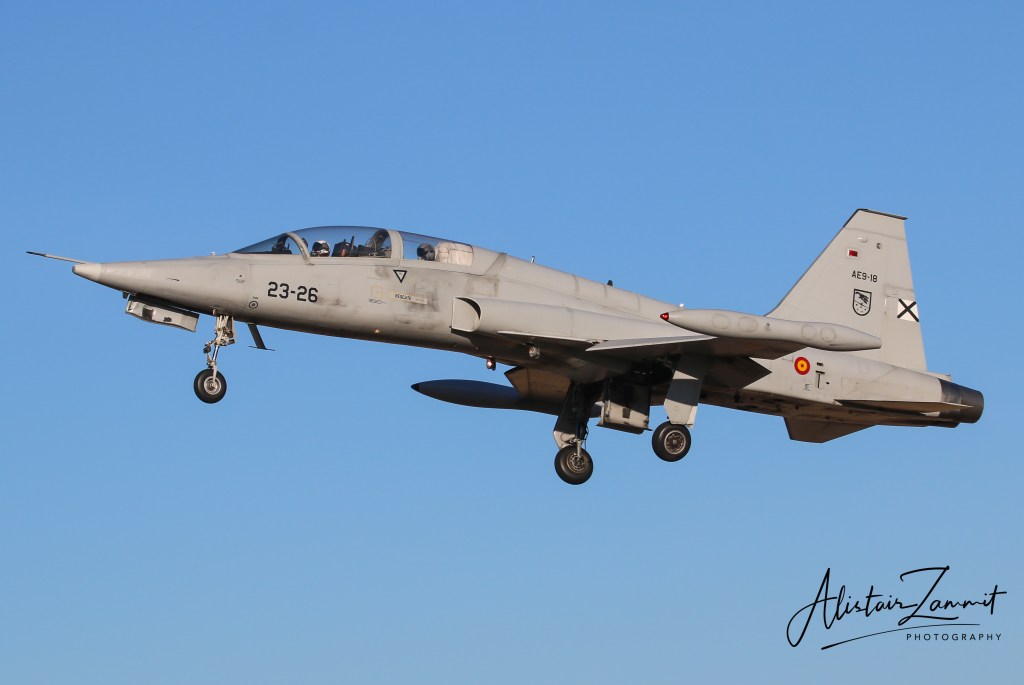
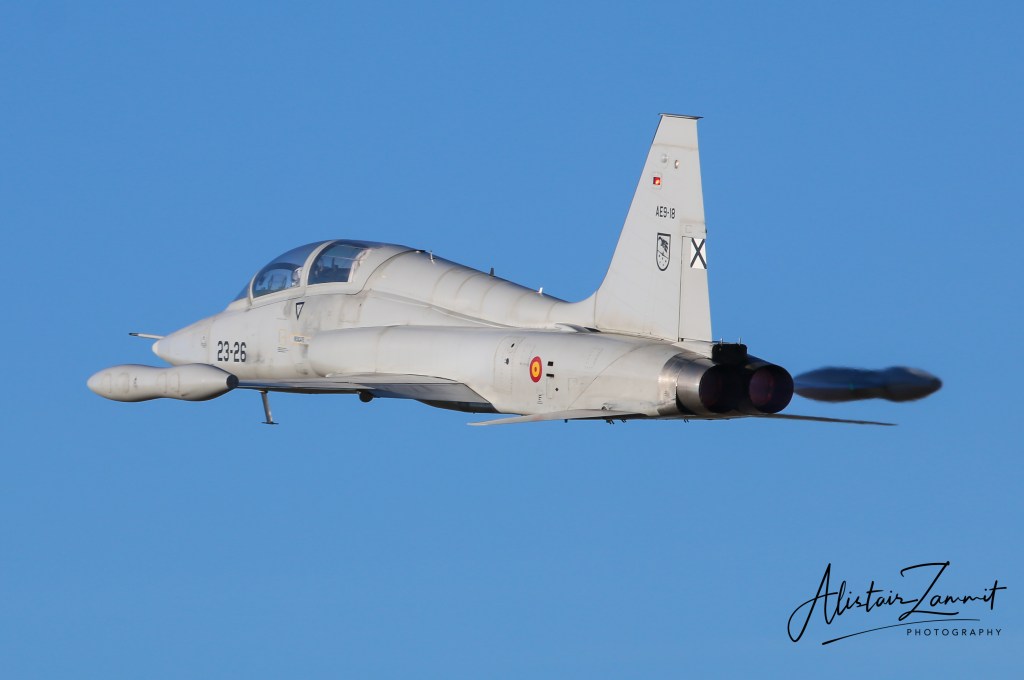

Each day then ended with night shots, shooting images of F-5s with the warm red sunset colors in the background and witnessing four after burning jets on takeoff in pure nighttime conditions, a sight to behold.
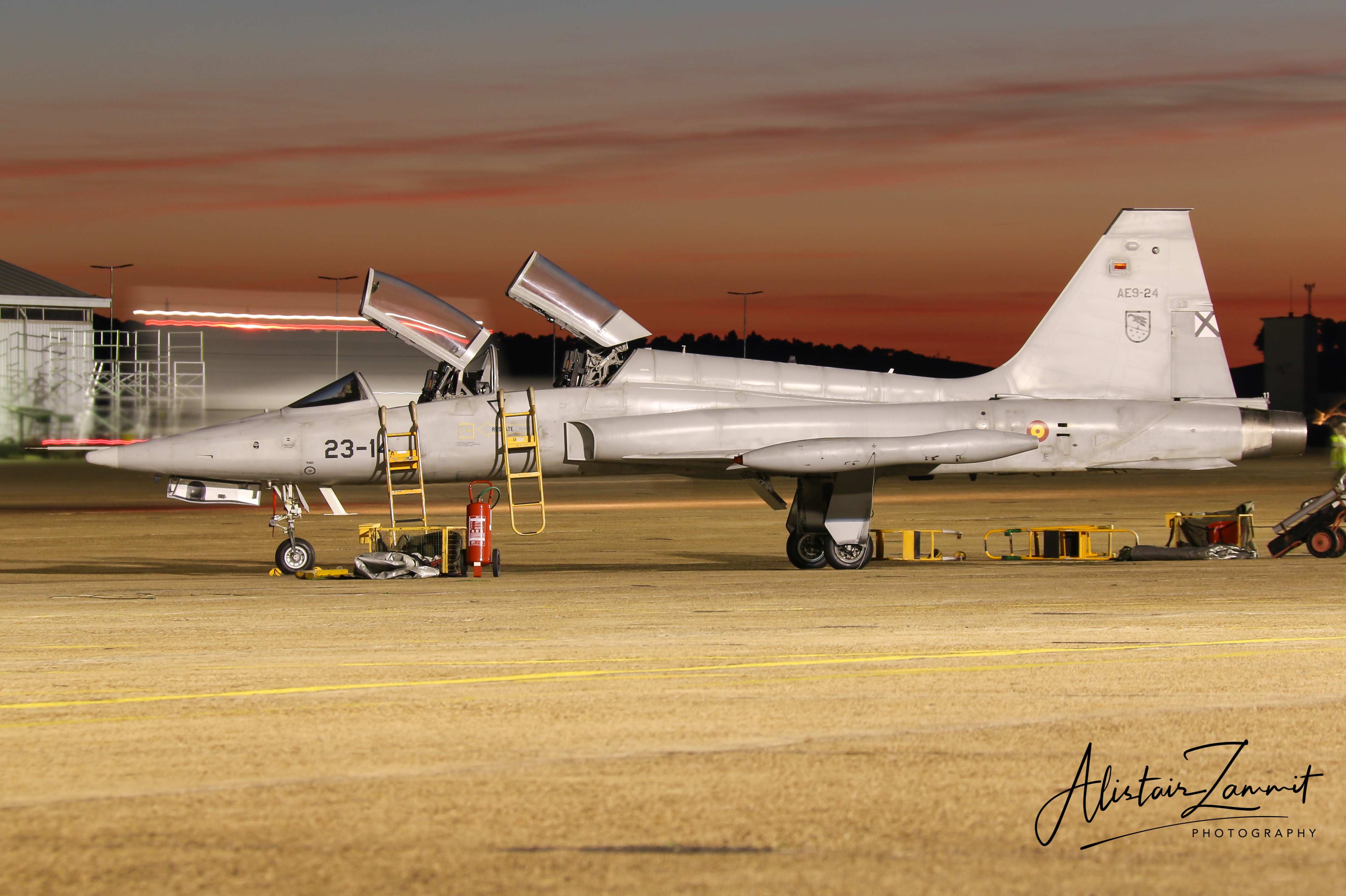
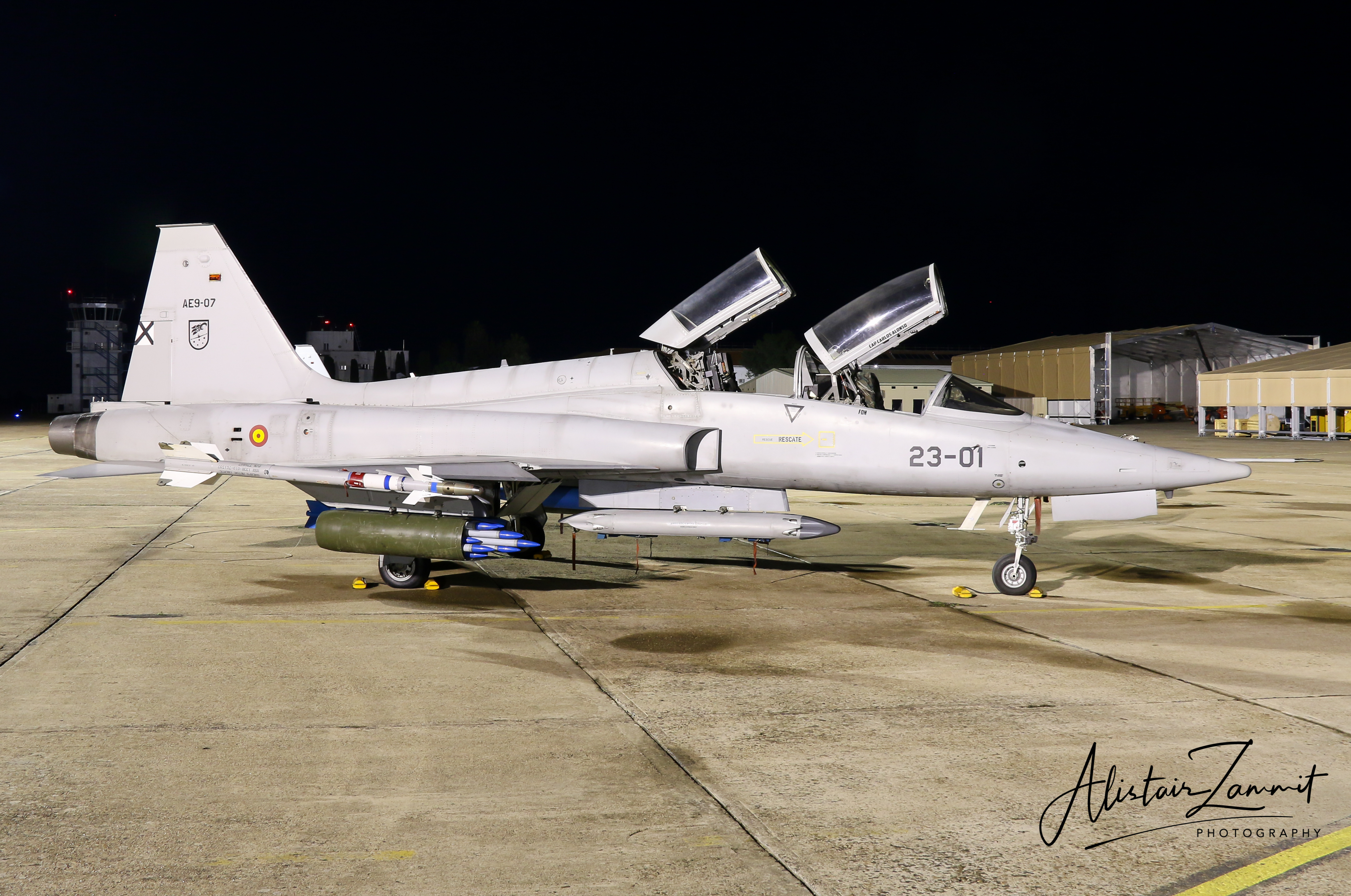
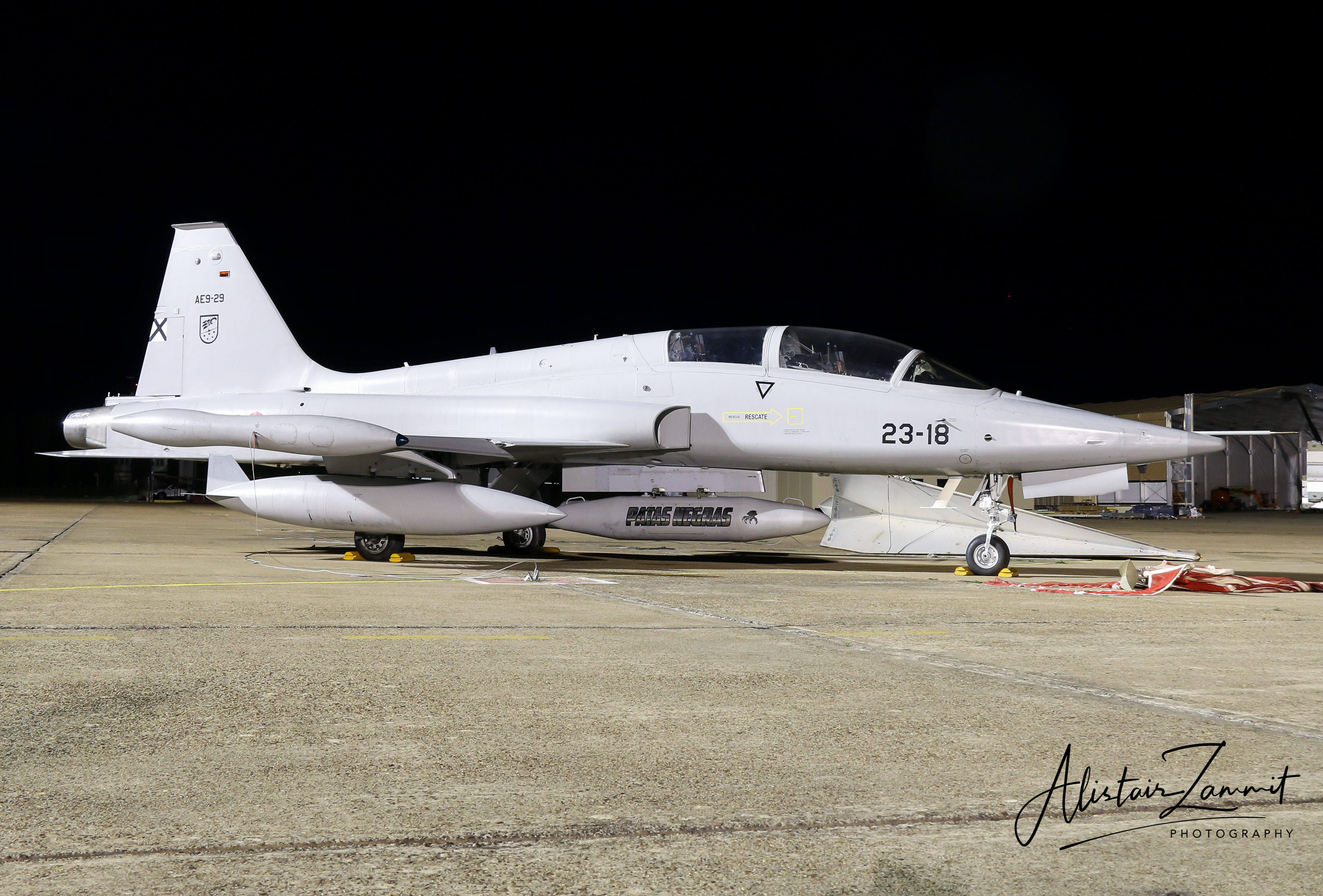
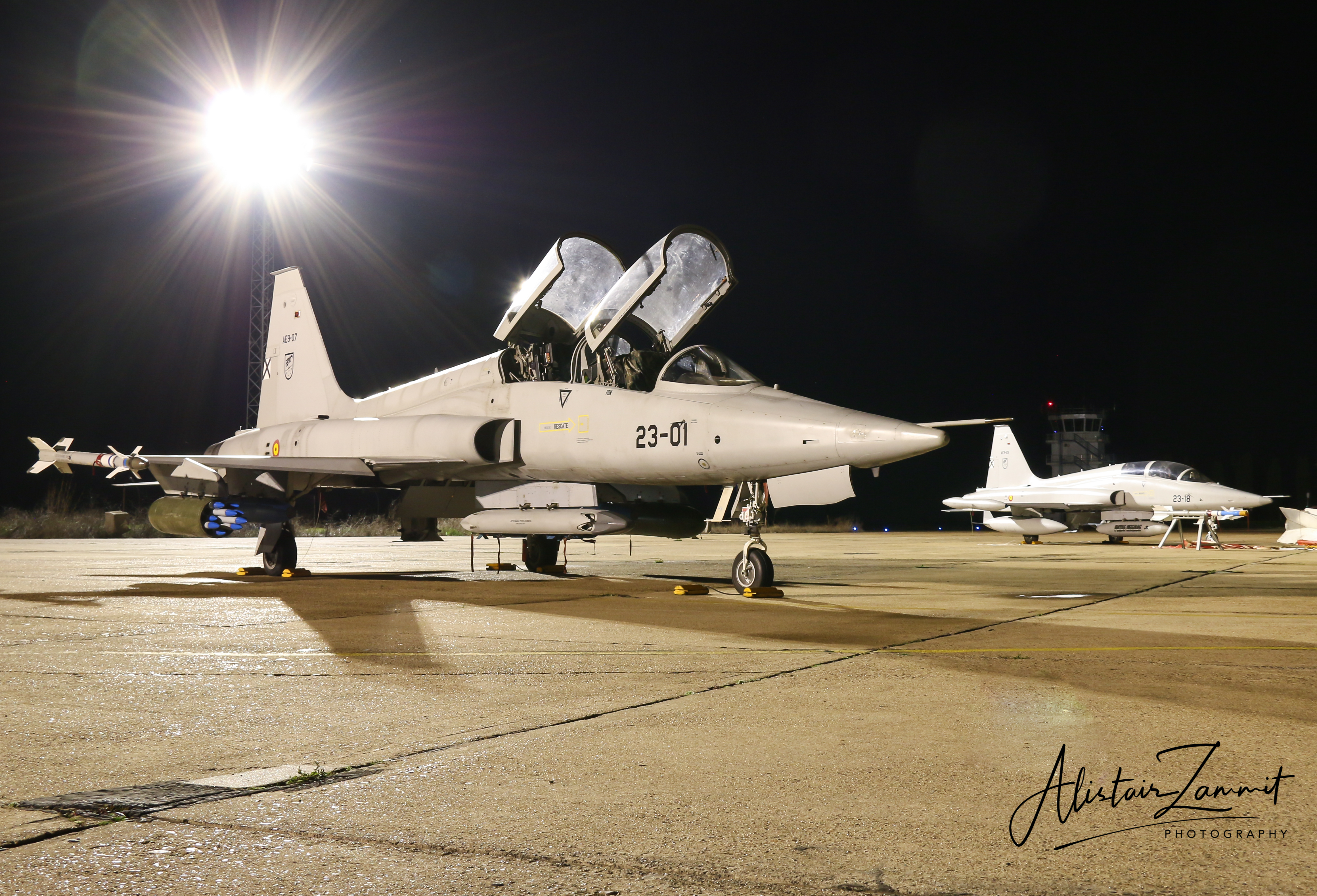
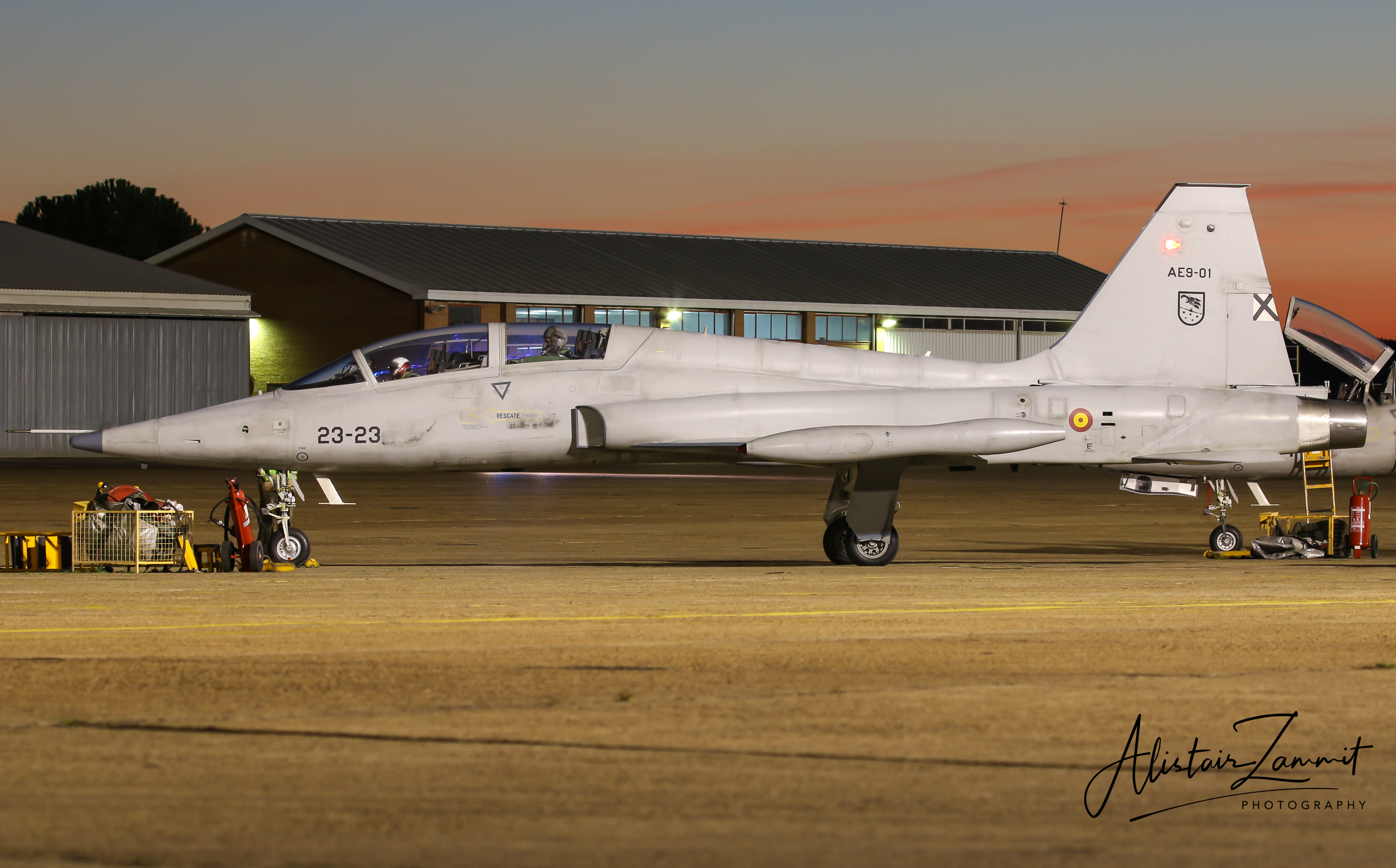
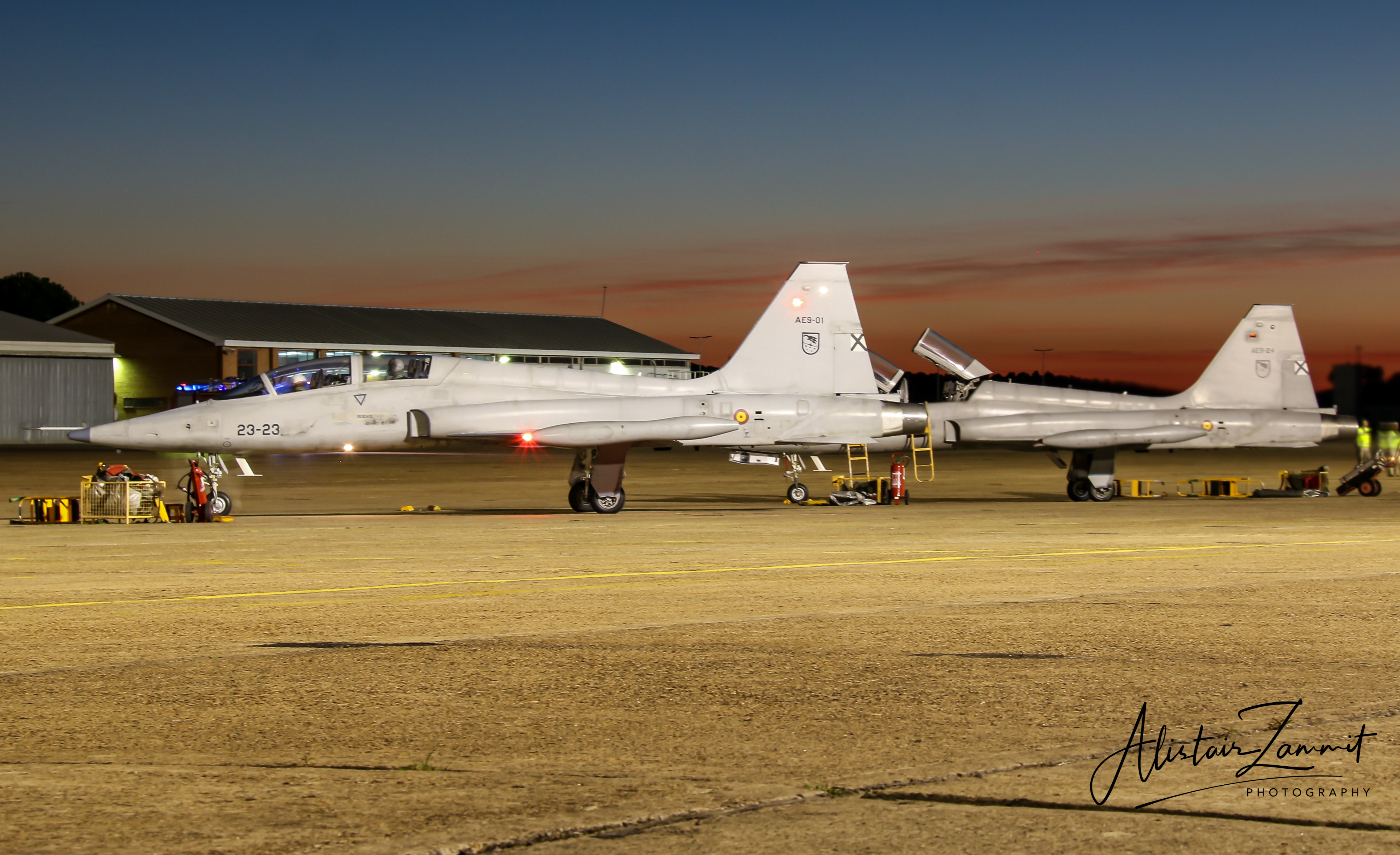
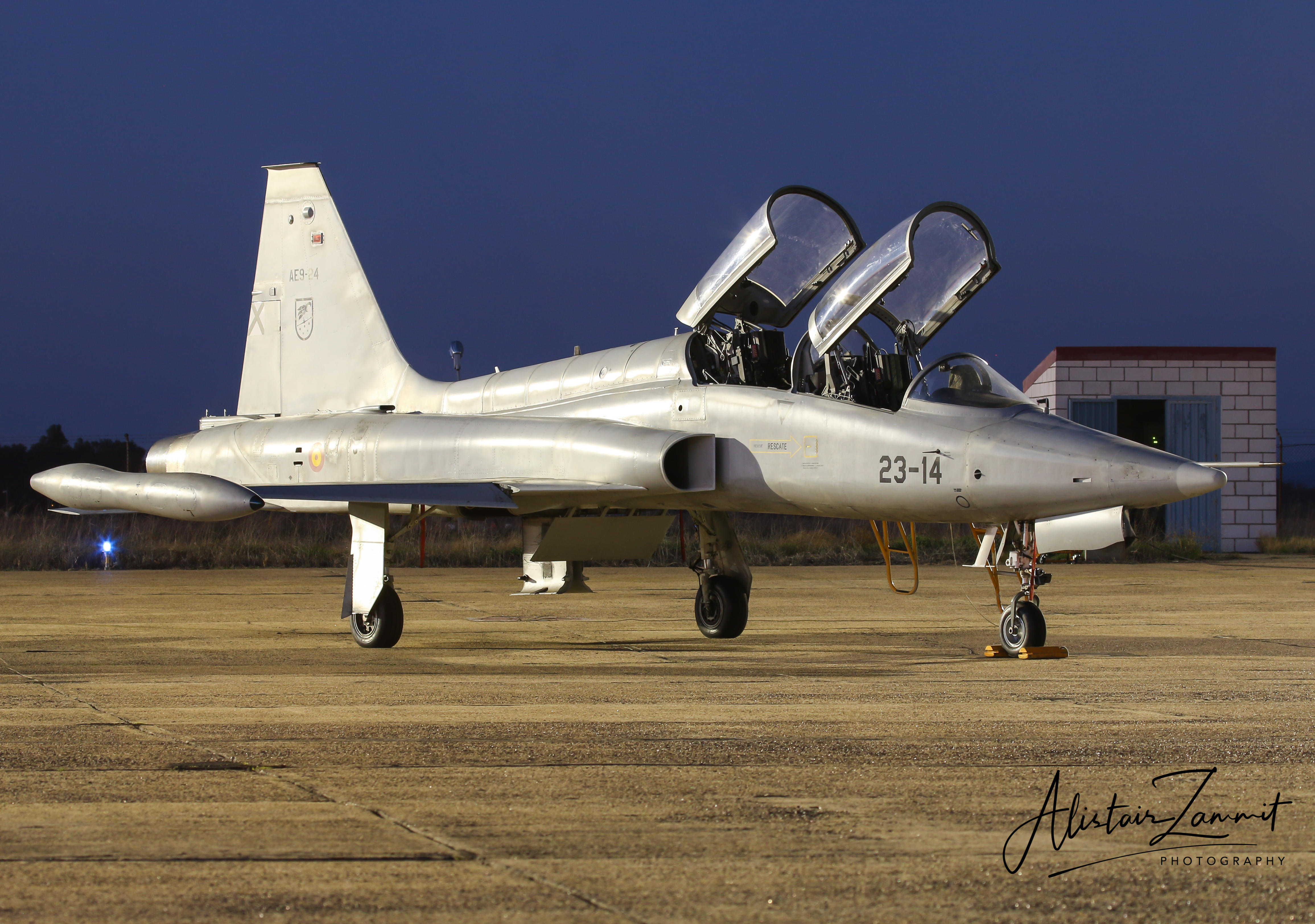
This brought to an end two magnificent days at the base, which in my opinion where two of the best and most organised events that I have witnessed to date, where everything fell in place, with fantastic photographic opportunities and splendid weather conditions. A massive shout out to 4aviation who organised this unique and rare event, and a bigger shout out to Ala 23 of the Spanish air force, who were excellent hosts and showed us how every base visit or spotters day should be hosted. Kudos to all involved and I hope they host another similar event in the near future, I will most surely return!
 alistairzammitphotography.com