
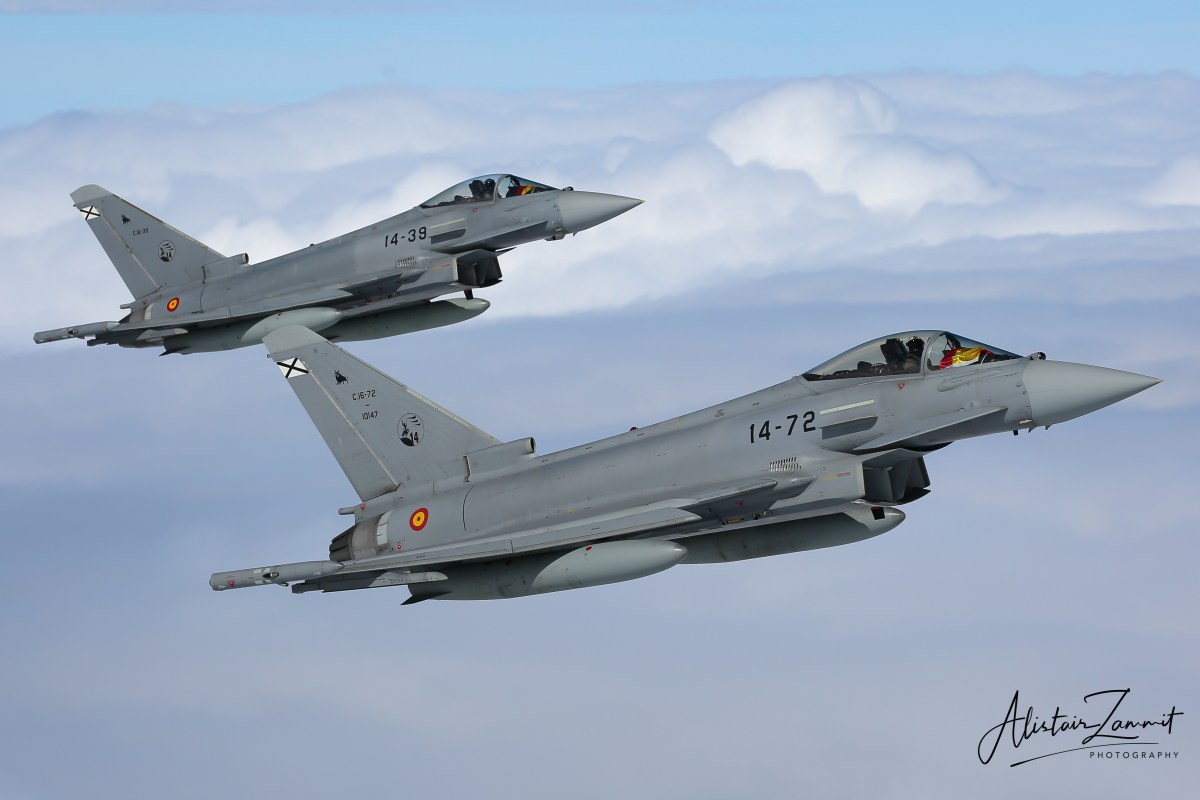
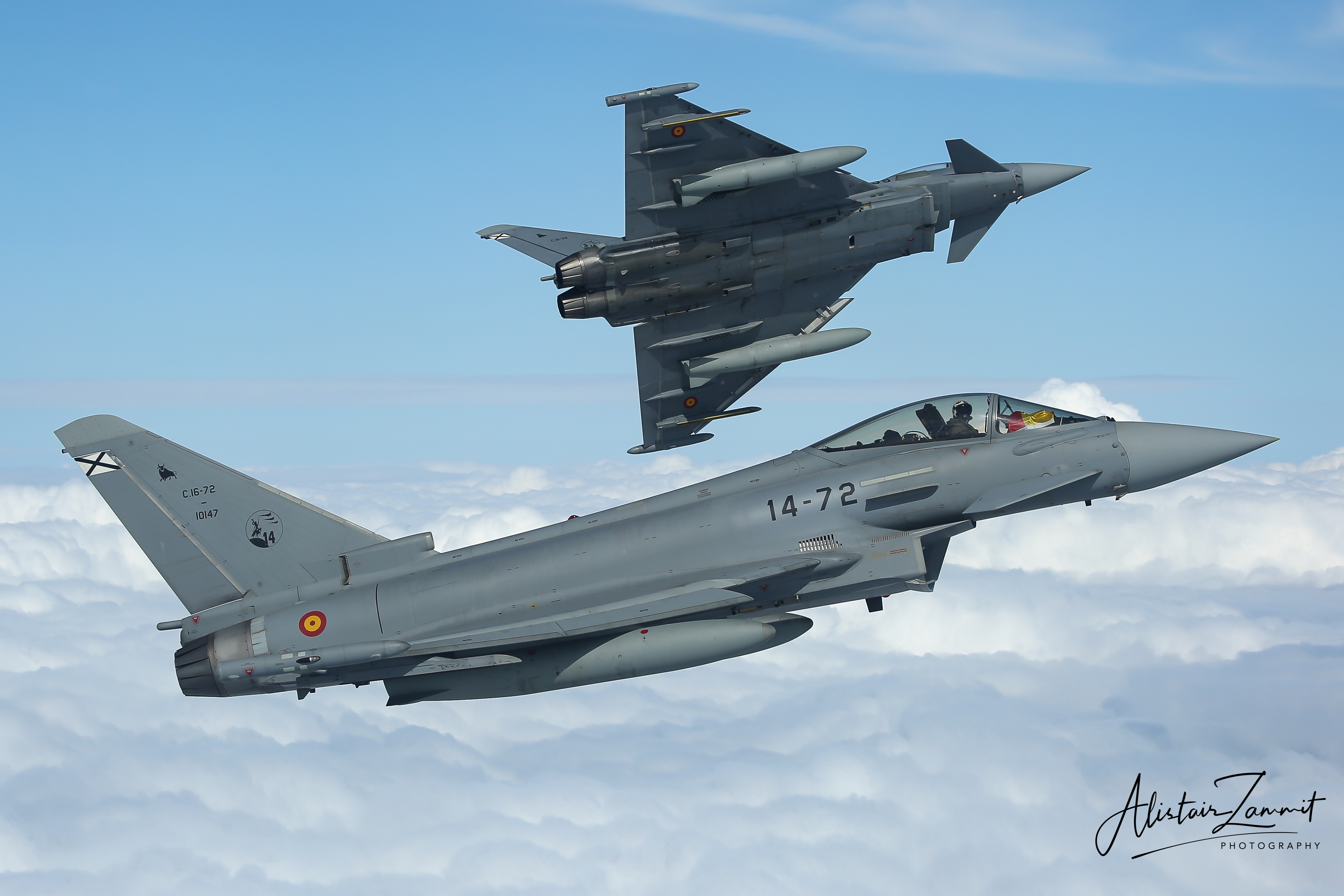
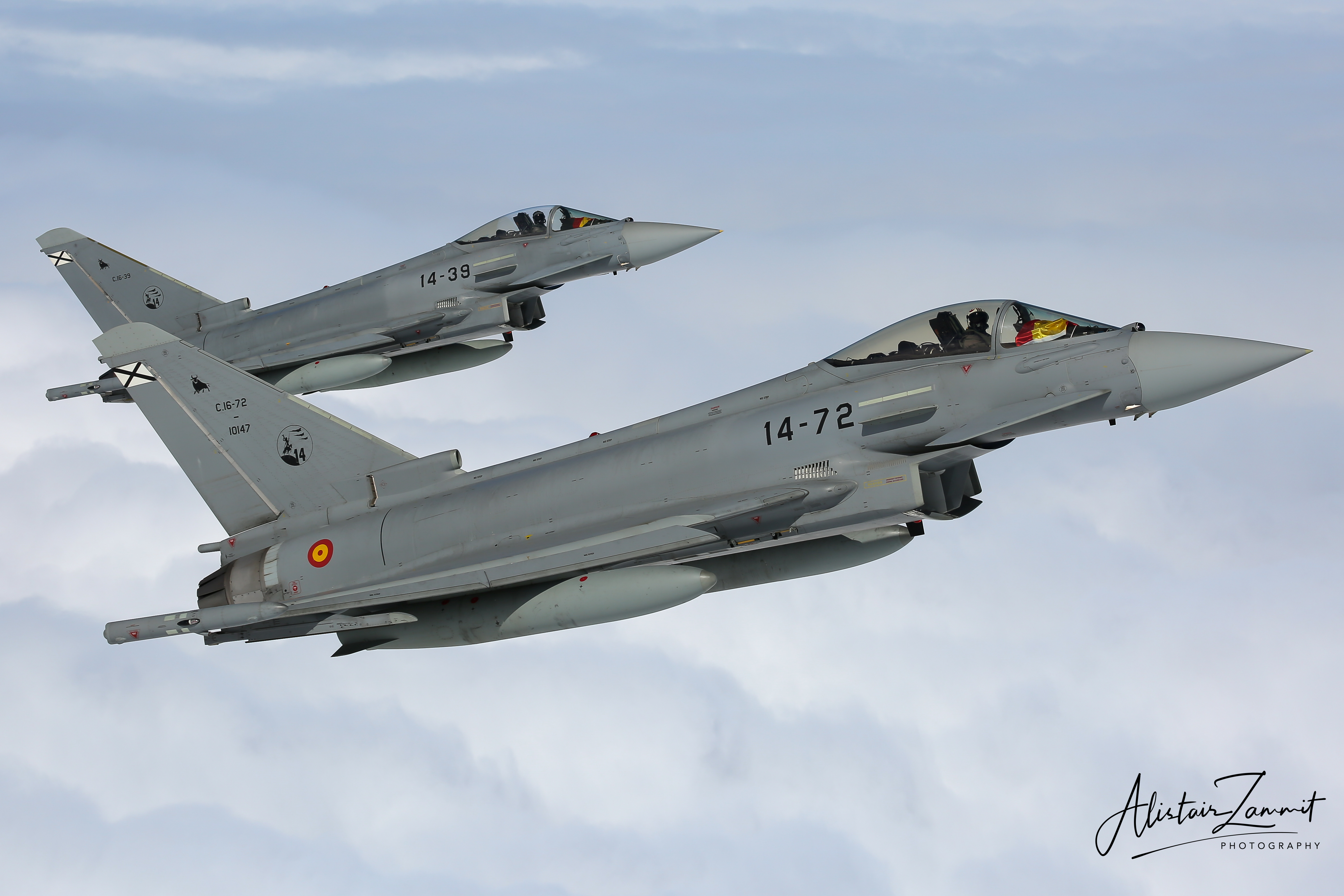
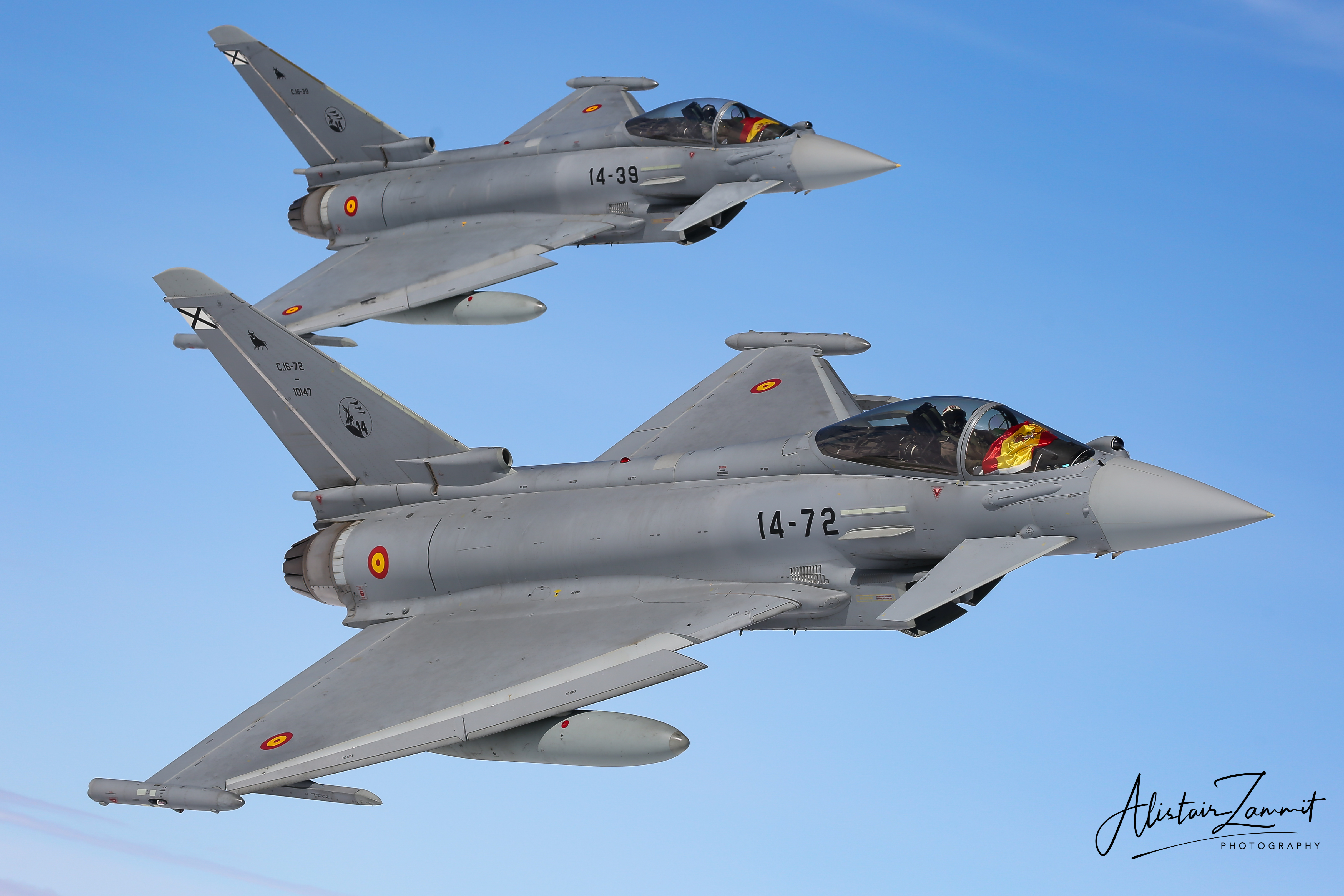
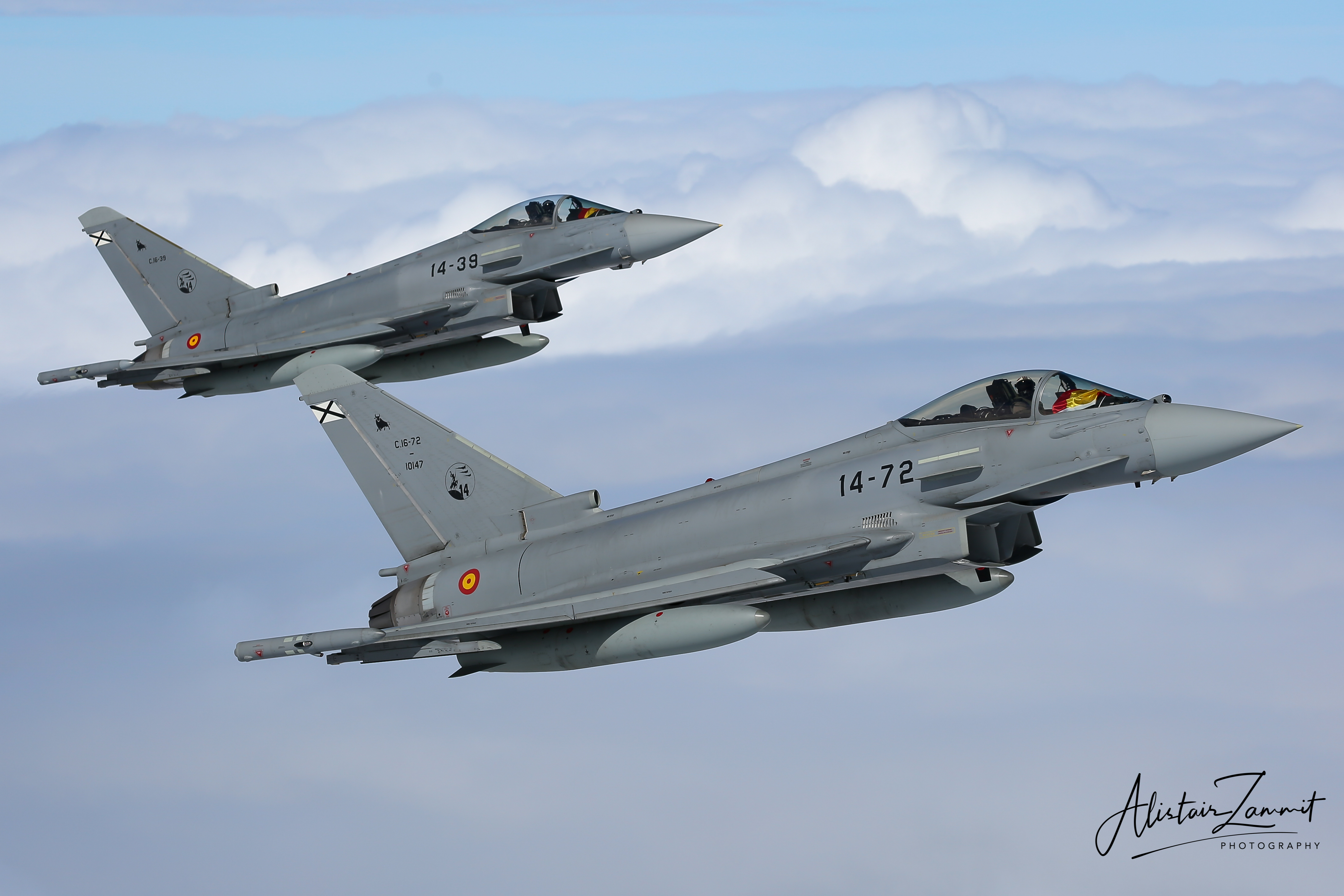
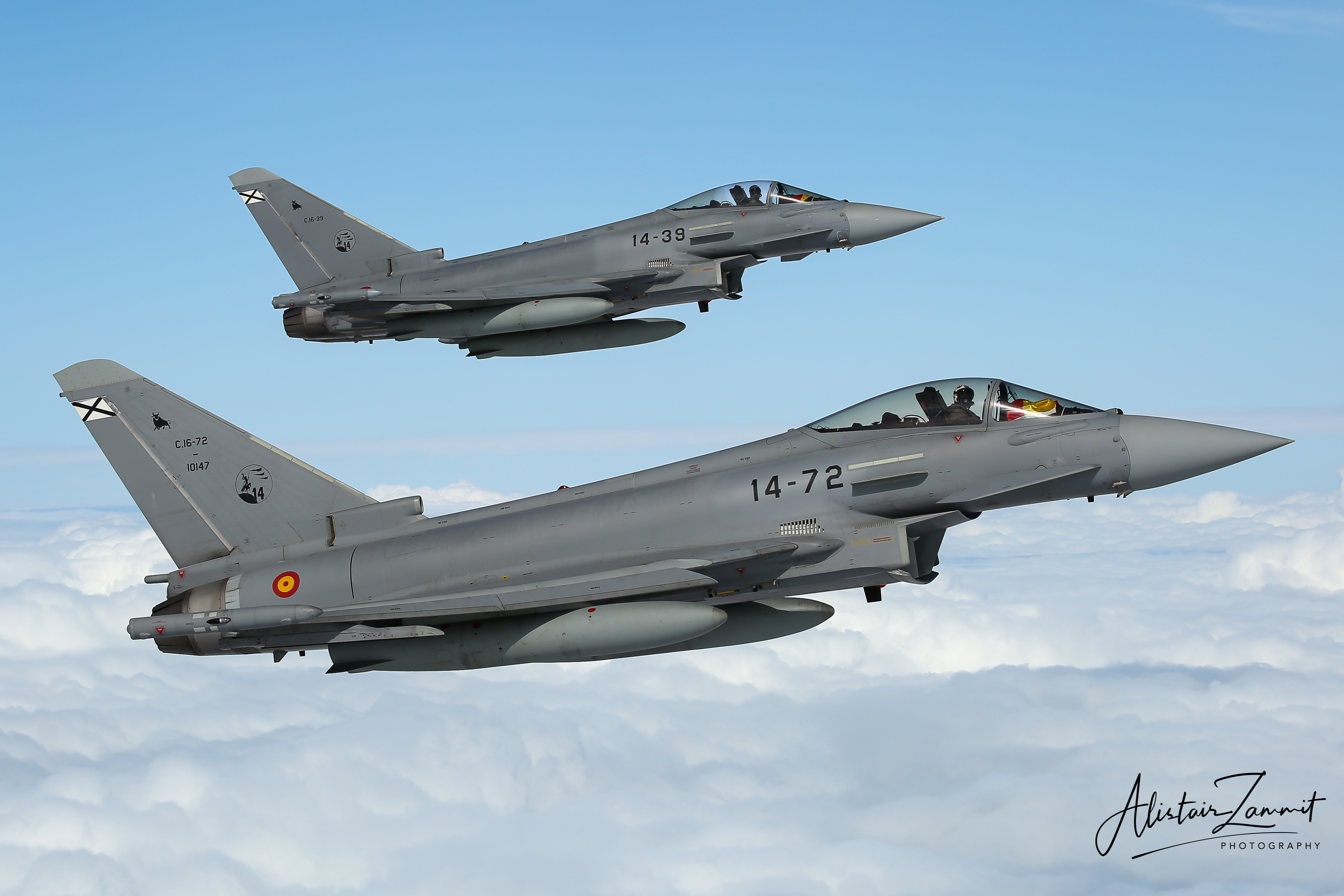
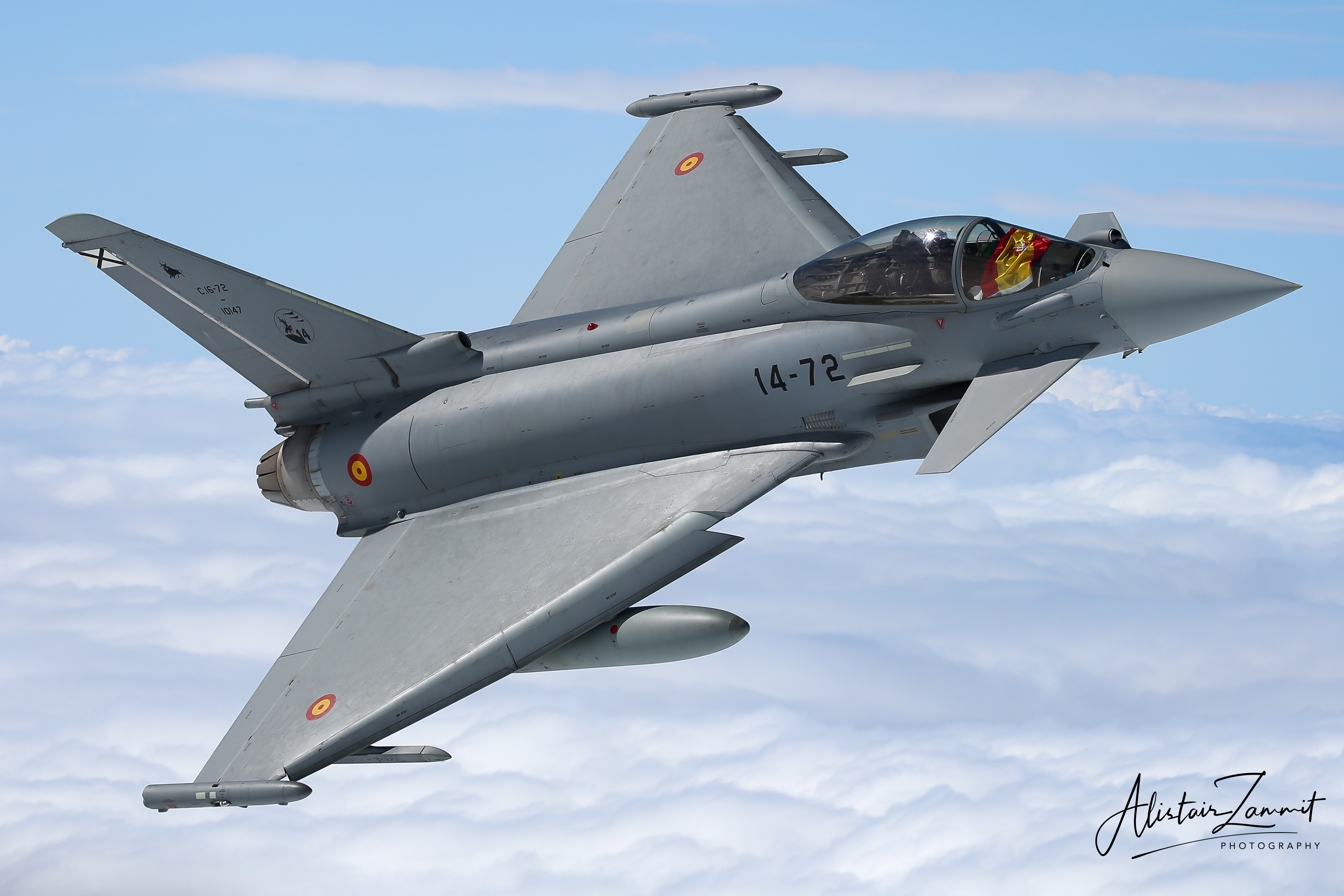
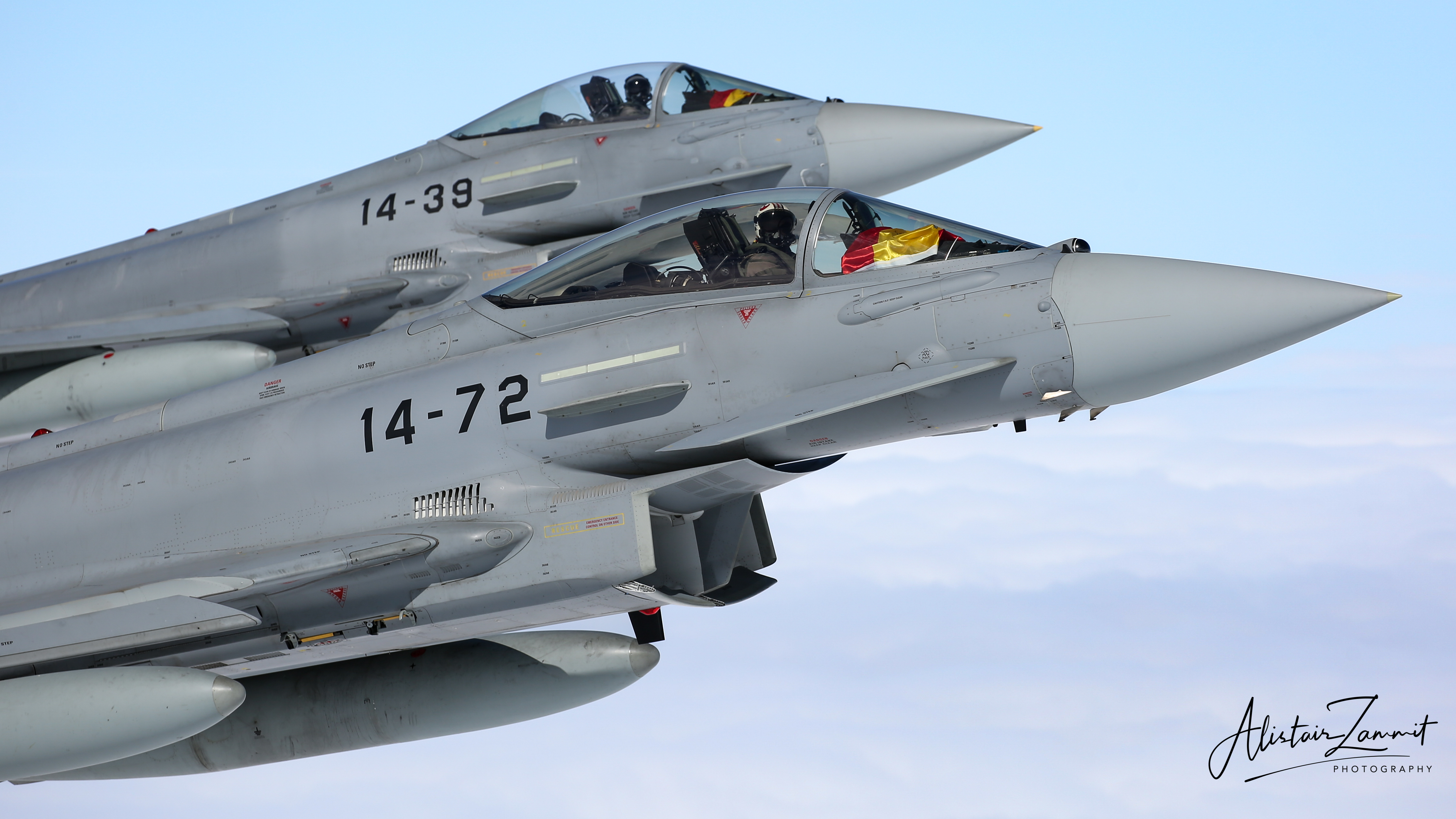
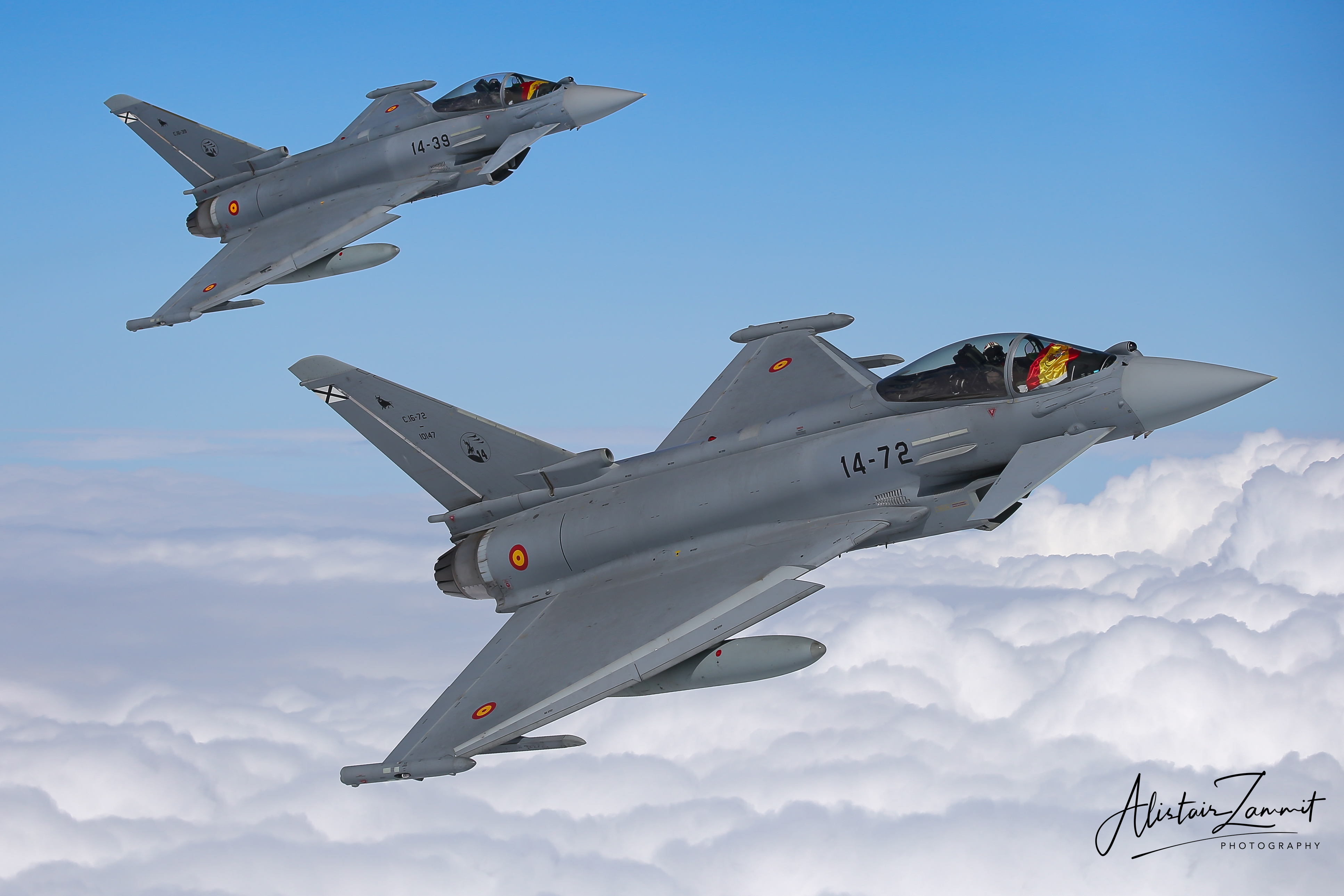
The Eurofighter Typhoon is a twin-engine, multirole fighter aircraft designed and developed by a consortium of companies spread between the countries of the UK, Germany, Italy and Spain, comprising Airbus, BAE Systems and Leonardo. These companies conduct the majority of the project through a joint holding company, Eurofighter Jagdflugzeug GmbH.
The aircraft started being developed in 1983 through a multinational collaboration among the UK, Germany, France, Italy and Spain. Disagreements over design authority and operational requirements led France to leave the consortium to develop their own fighter aircraft, eventually leading to the Dassault Rafale. A technology demonstration aircraft, the British Aerospace EAP, first flew on 6 August 1986 and was followed by a Eurofighter prototype on 27 March 1994. The aircraft’s name, Typhoon, was adopted in September 1998 and the first production contracts were also signed that year.
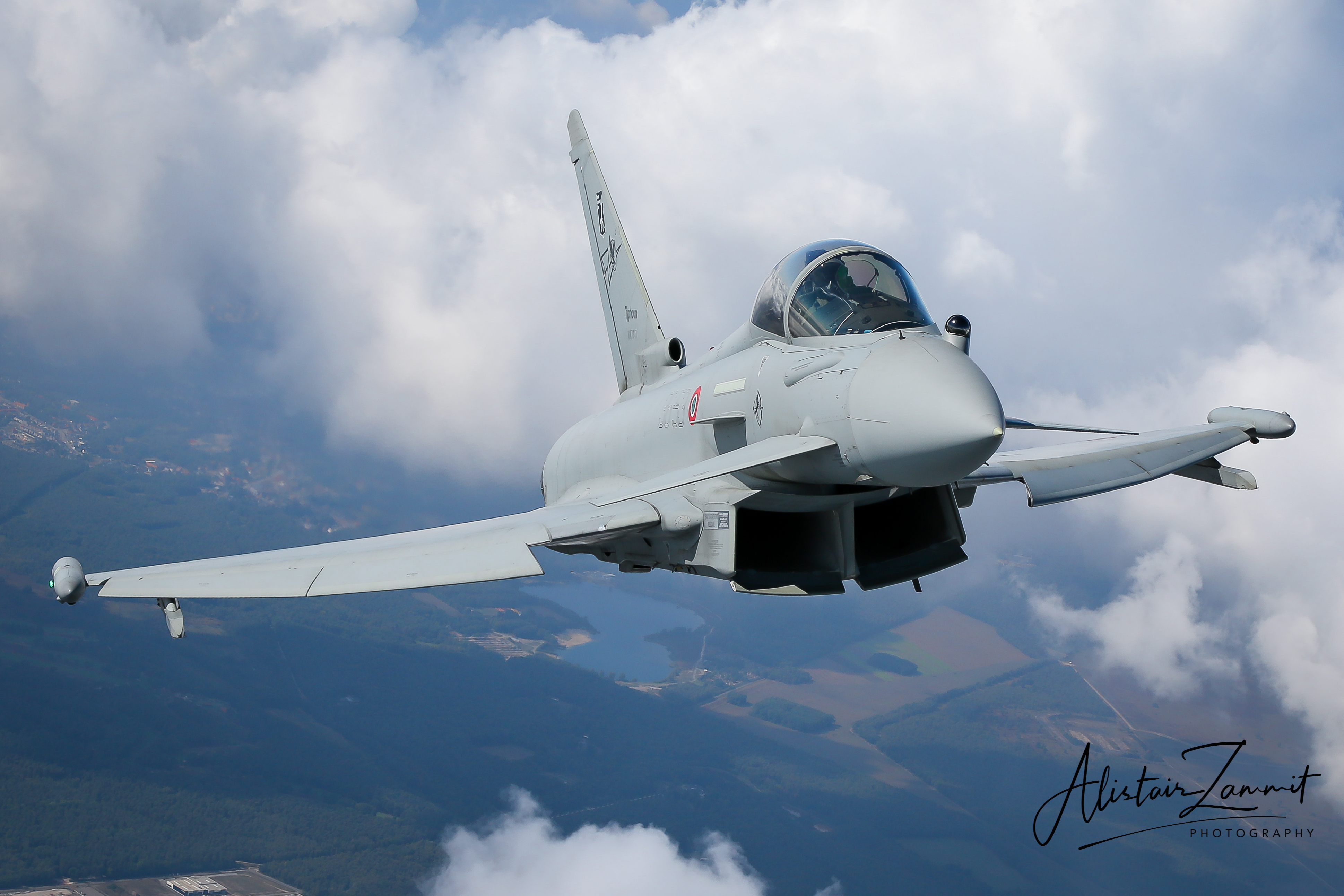

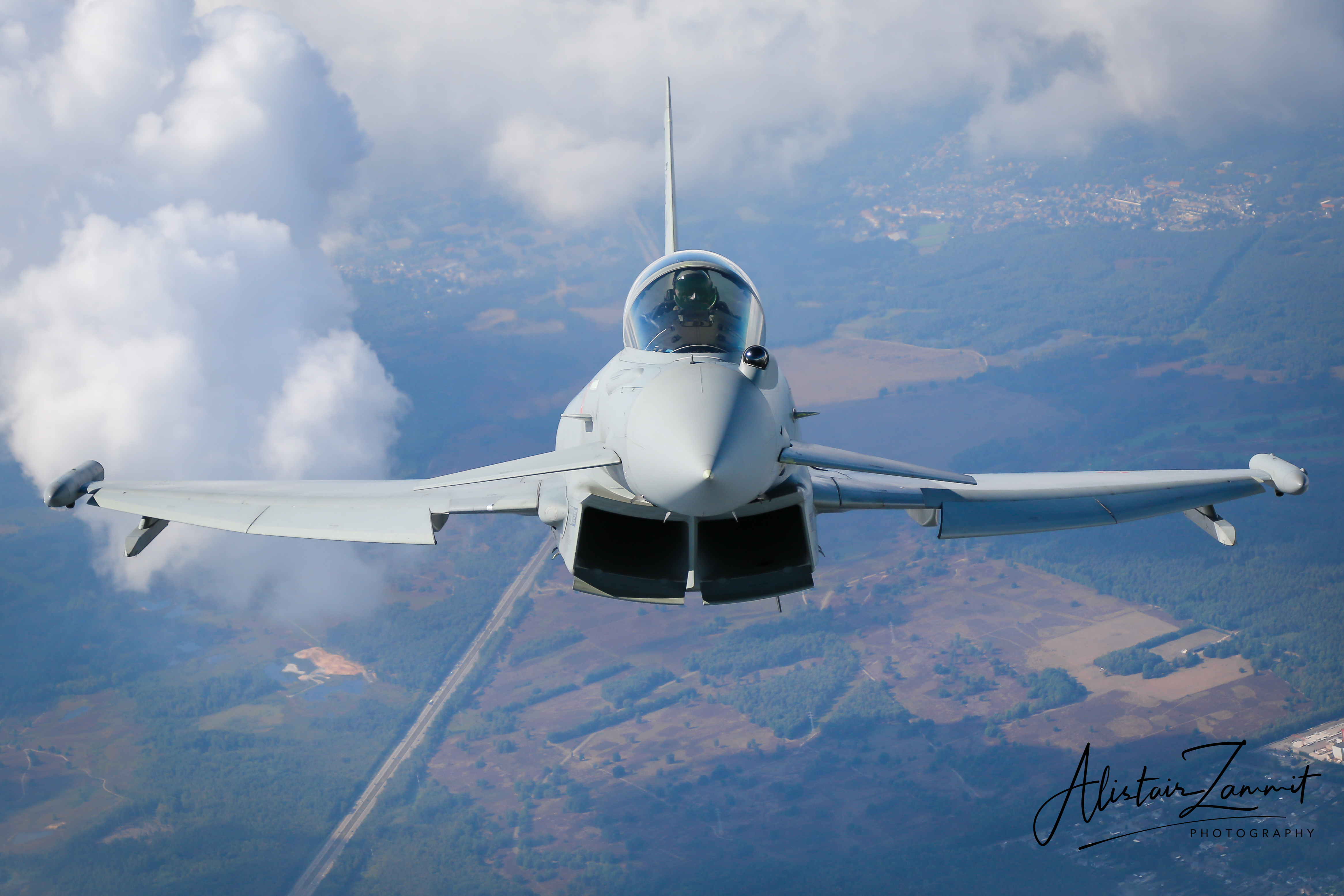
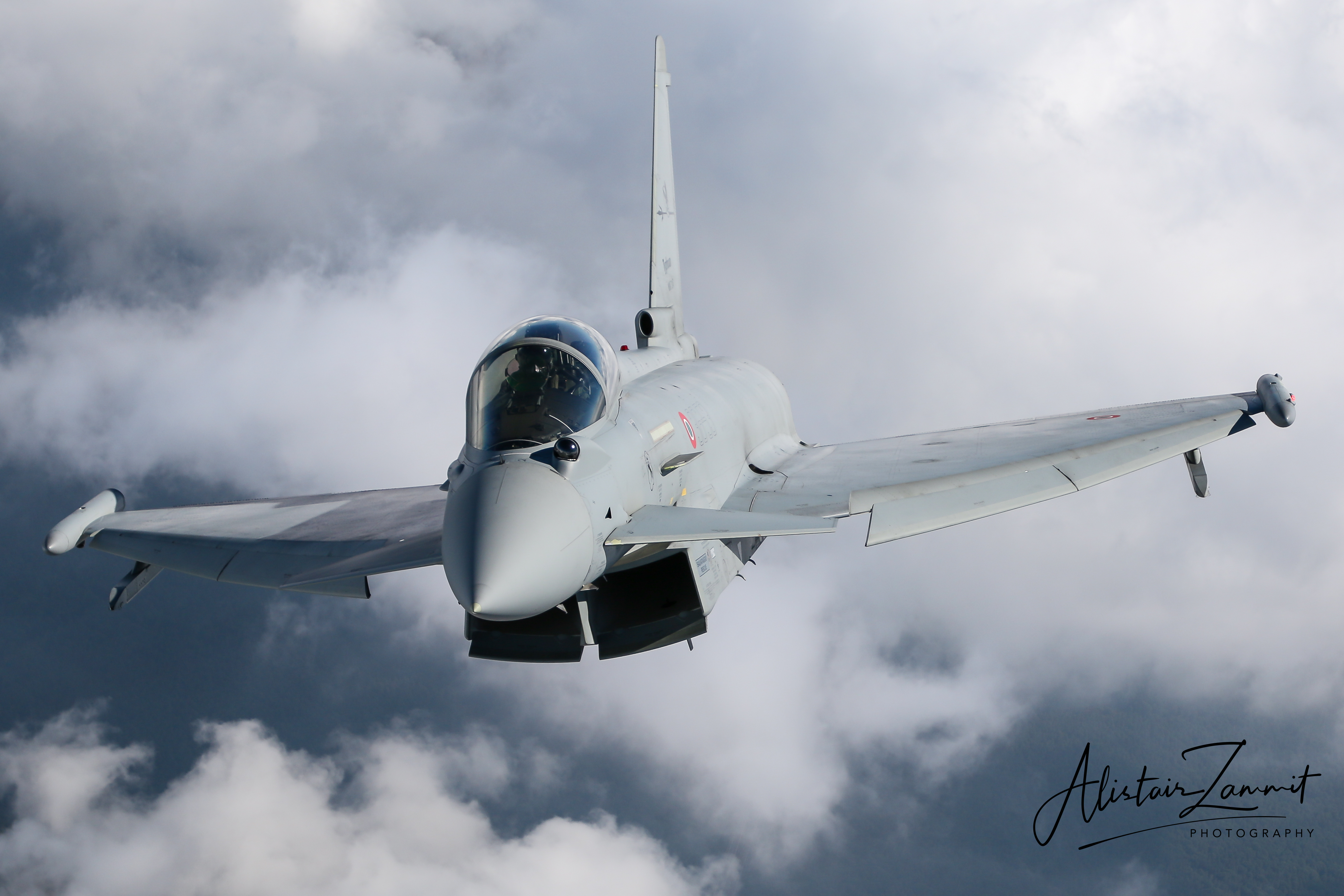
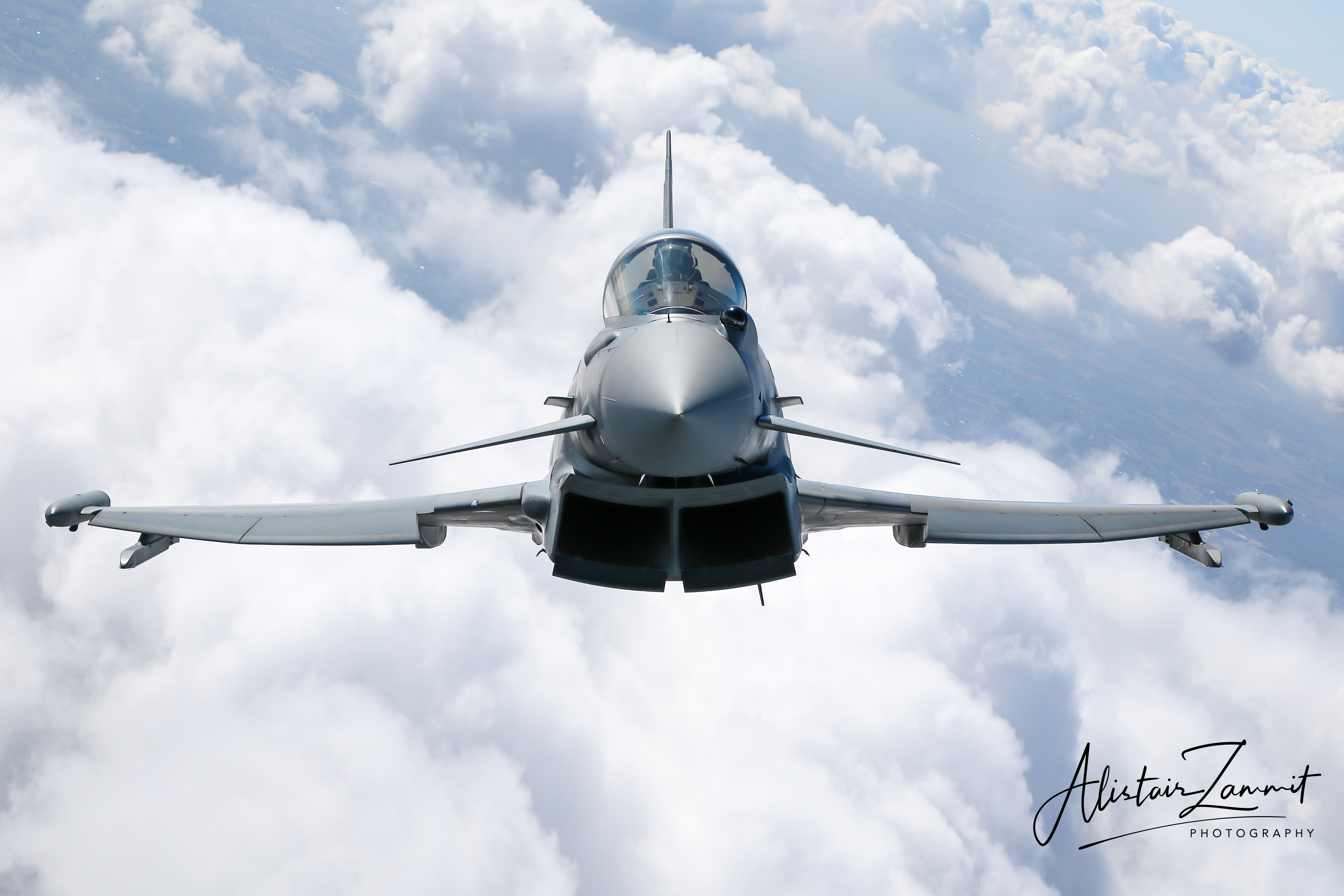
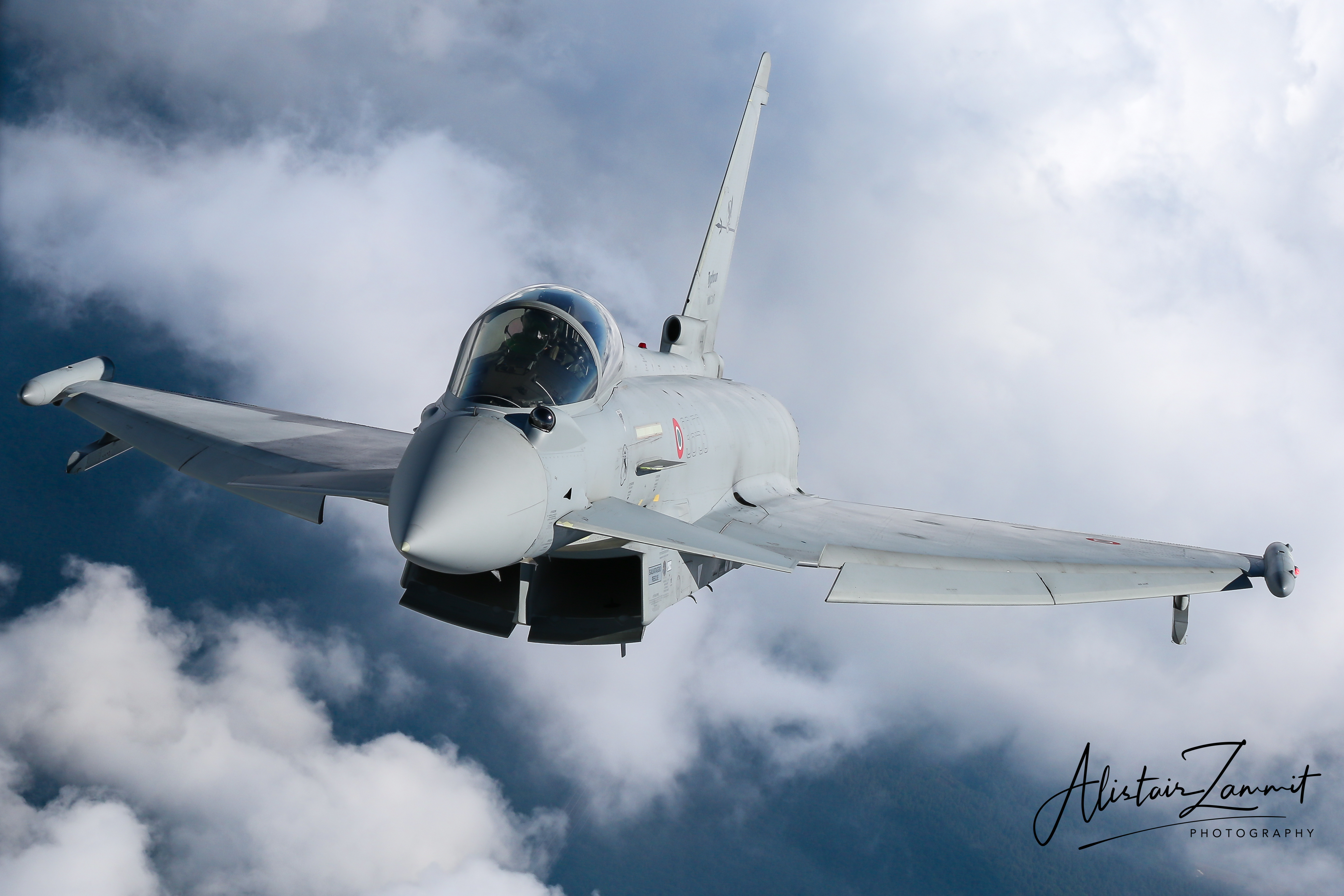
The Eurofighter Typhoon is a fourth generation swing-role aircraft, with the ability to carry out several roles during a mission, shifting between air-to-air and air-to-surface roles. The aircraft delivers an enviable level of flexibility and efficiency, while possessing both adequate weapon availability and sufficient processing power to simultaneously support missile in-flight updates and bomb in-flight targeting. The performance specifications of the Eurofighter Typhoon make it a benchmarking fighter aircraft, in several roles. Extremely powerful, efficient engines, paired with a low gross weight give it an extraordinary thrust-to-weight ratio.
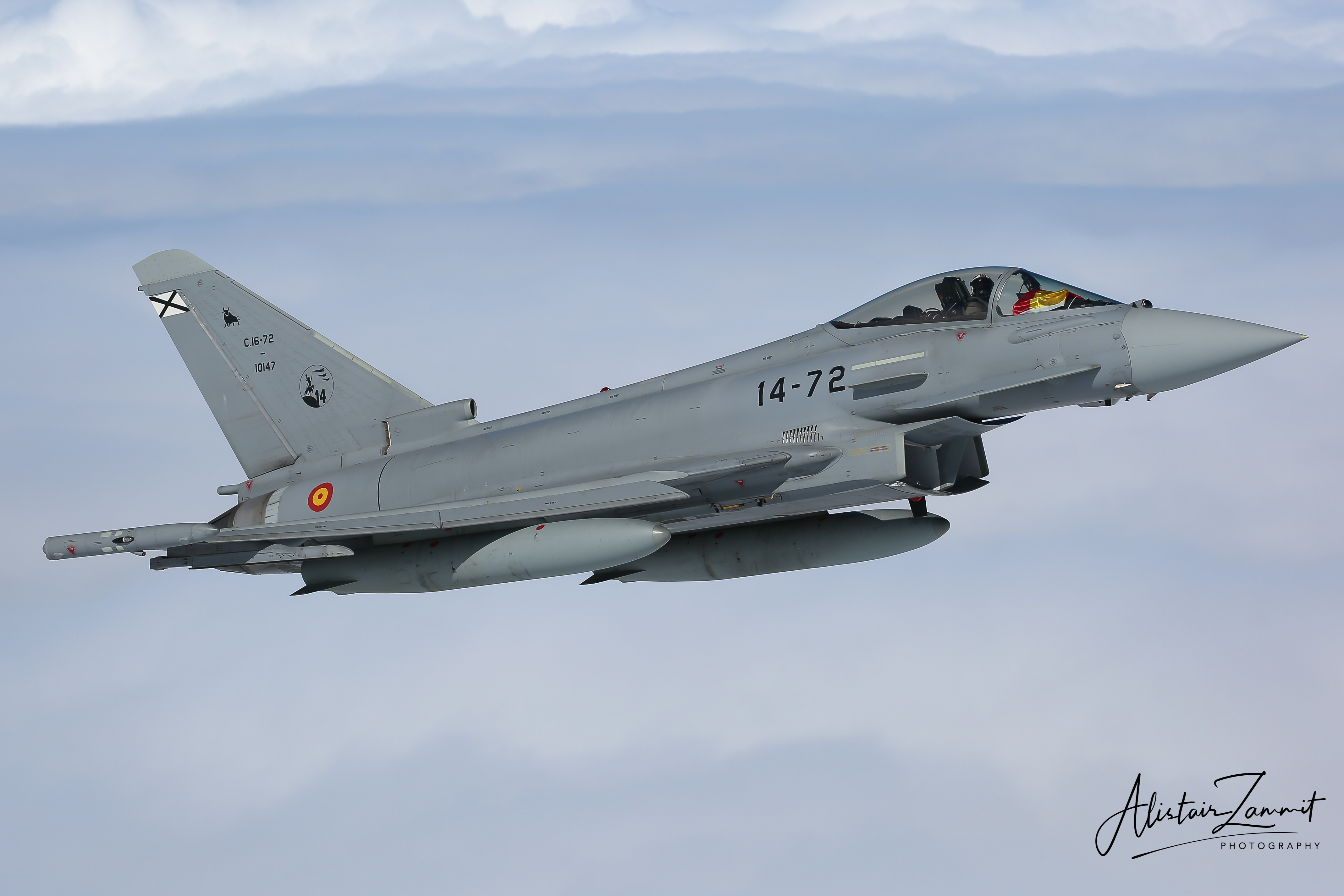
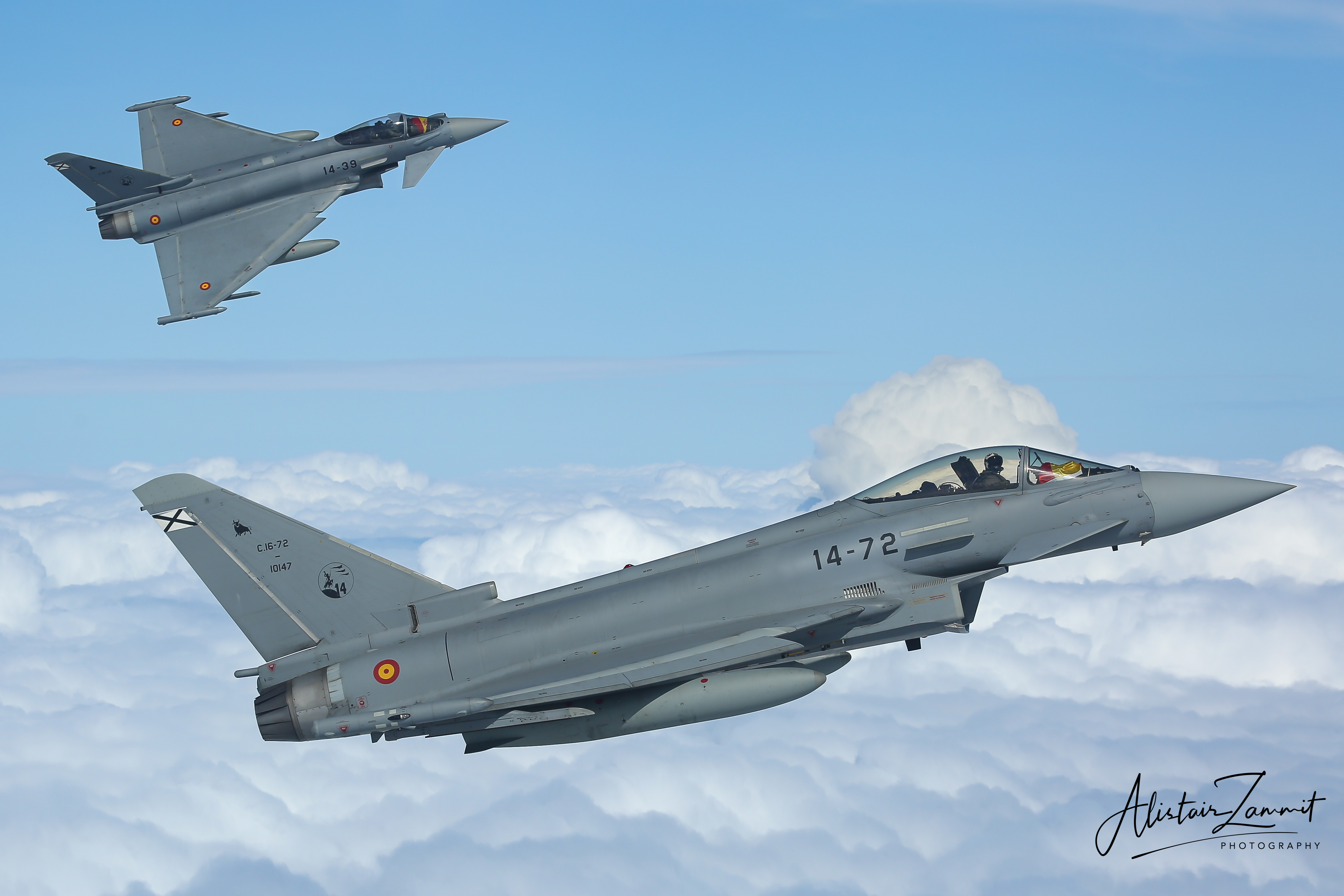
 alistairzammitphotography.com