
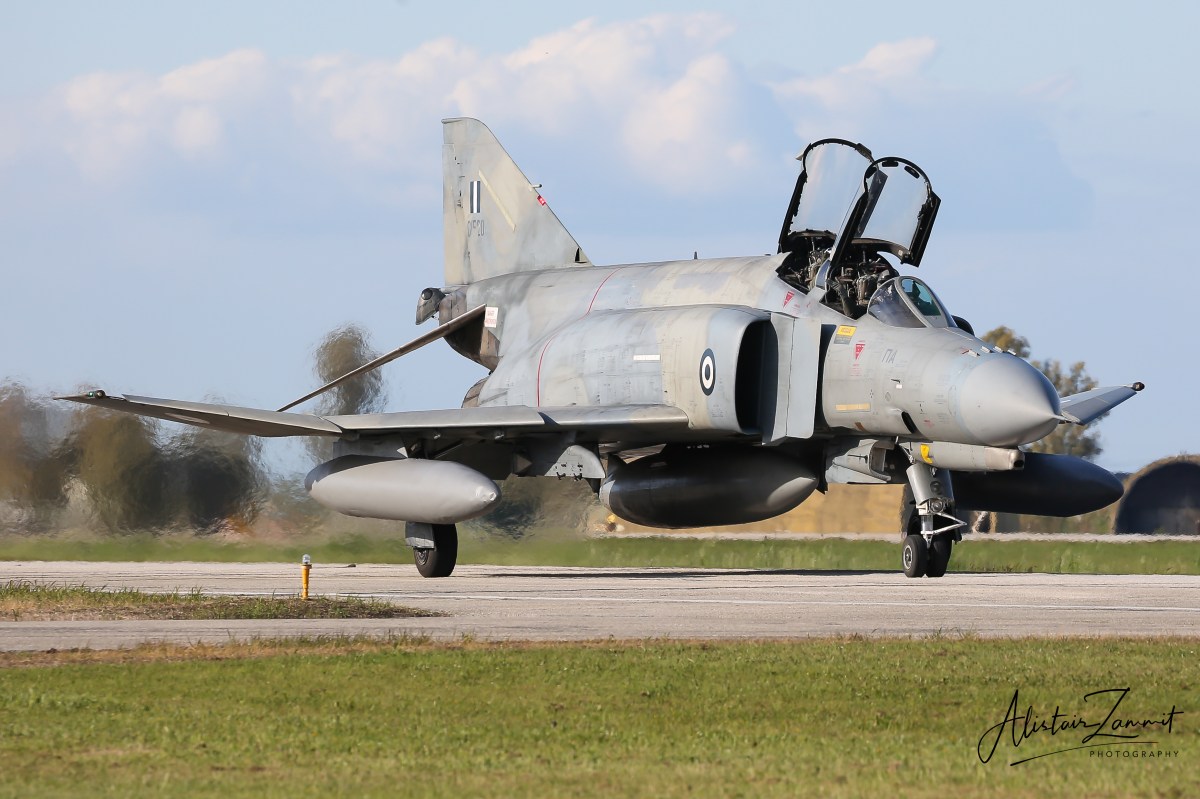
In the spring of 2025, the Hellenic Air Force (HAF) once again opened the skies of Greece to host Exercise INIOCHOS, one of the most complex and wide-reaching multinational air training operations in Europe. From March 31 to April 11, the Andravida Air Base, home of the 117th Combat Wing and the HAF’s Air Tactics Center, transformed into a hive of strategic activity, coordinating high-intensity air missions that spanned the full breadth of the Athens Flight Information Region (FIR).
A Legacy of Tactical Excellence
The INIOCHOS exercise traces its origins to the late 1980s, when the Hellenic Air Force sought to improve its aircrew training through realistic, scenario-based exercises at the tactical level. Initially modest in scale and scope, it was restructured in 2005, with planning centralized under the Air Tactics Center. A major turning point came in 2013, when INIOCHOS adopted the “Single Base Concept,” moving all participating aircraft to Andravida. This shift marked a critical evolution from a national exercise into a medium-scale, high-fidelity multinational air campaign.
From 2015 onwards, INIOCHOS formally opened its doors to allied and partner nations under the Invitation Exercise (INVITEX) model. Since then, the exercise has grown both in complexity and international significance, reflecting Greece’s strategic commitment to fostering multinational interoperability within NATO and beyond.
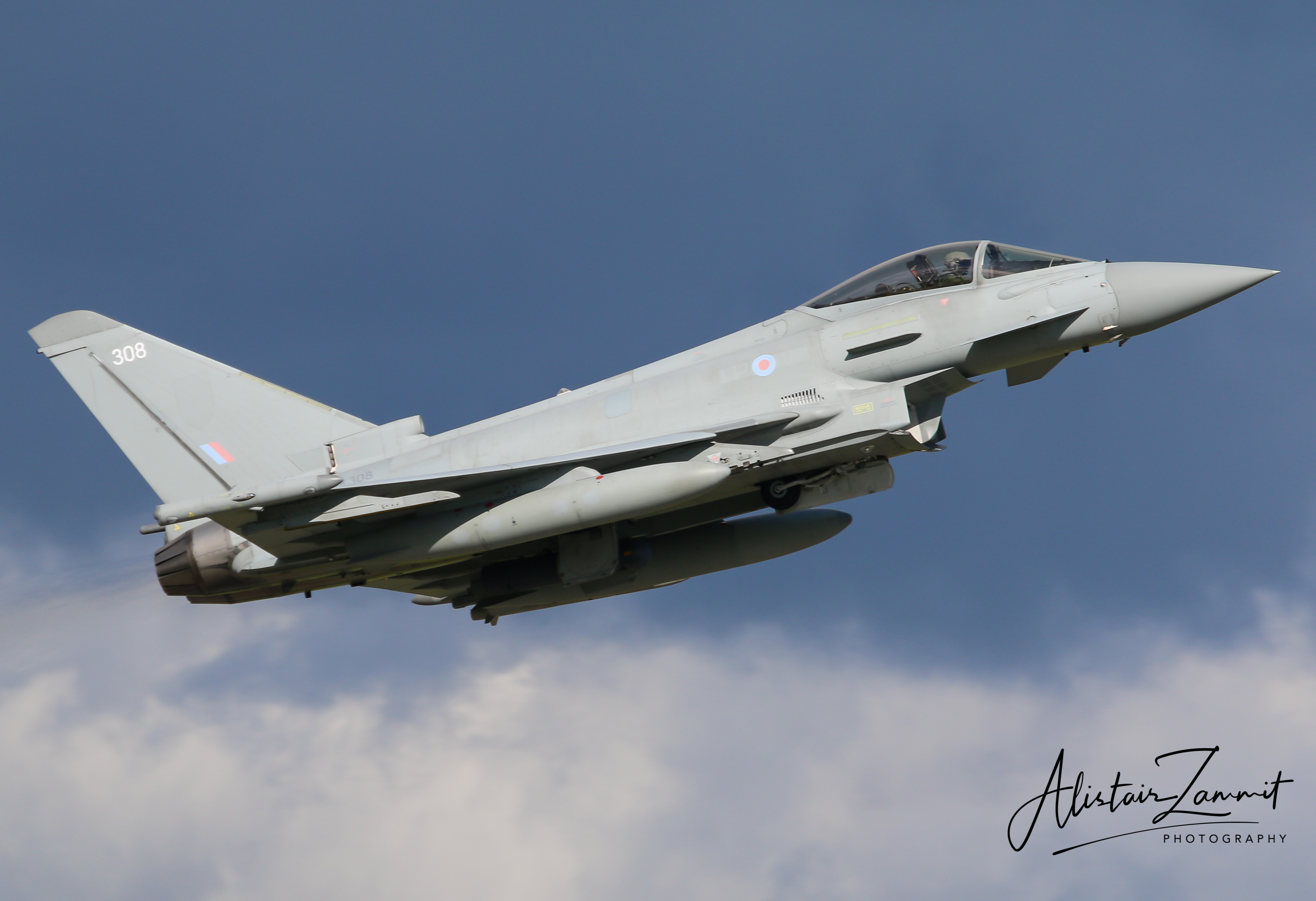
INIOCHOS 2025
INIOCHOS 2025 kicked off in late March with the arrival of foreign contingents, followed by familiarization flights and tactical coordination. The full operational phase ran from March 31 to April 11, followed by redeployment through April 13. Over 1,300 sorties were flown, encompassing both day and night missions, simulating the rhythms and stress of sustained air combat operations in a contested battlespace.
Central to the exercise was the use of live-fire and simulation-based scenarios covering the full range of air warfare, including:
- Offensive and Defensive Counter-Air missions
- Suppression and Destruction of Enemy Air Defenses (SEAD/DEAD)
- Dynamic targeting and Time-Sensitive Target (TST) engagements
- Air-to-ground and maritime interdiction
- Combat Search and Rescue (CSAR)
- High-Value Airborne Asset (HVAA) protection
- Close Air Support (CAS)
- Electronic warfare and strategic reconnaissance
These missions were crafted by the HAF’s Fighter Weapons School, integrating both real-world conditions and injected challenges designed to push pilots, planners, and command elements to their operational limits. Adding to the complexity was the use of F-16 tactical simulators run by the Synthetic Training Squadron, blending virtual environments with real-time strategic planning.
A Gathering of Air Power – Participating Nations and Assets
INIOCHOS 2025 saw a record level of participation, with 12 countries deploying aircraft and additional nations sending support teams and observers. These nations brought a wide range of aircraft types and mission sets, contributing to the diverse and integrated combat air picture.
Among the primary participants:
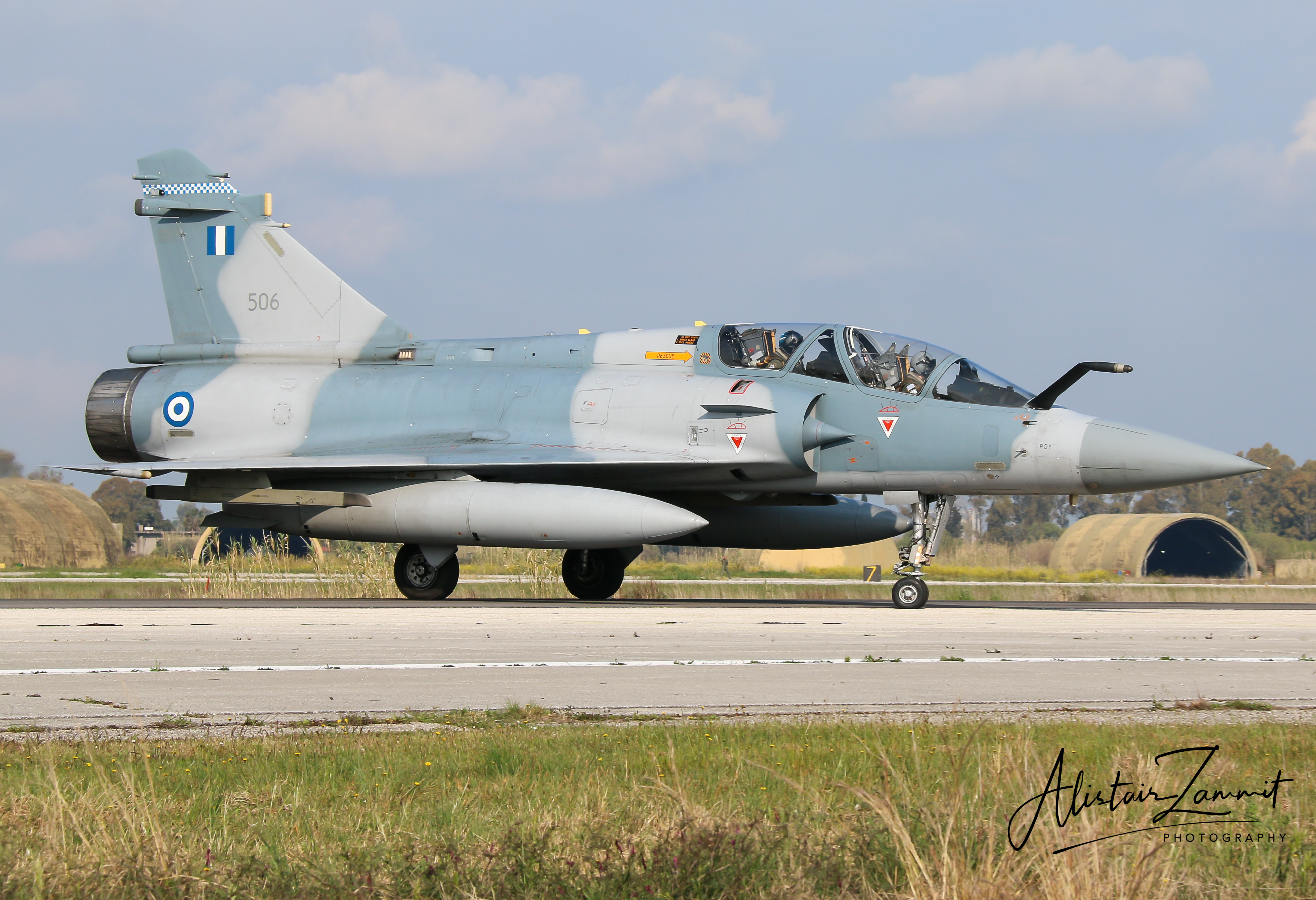
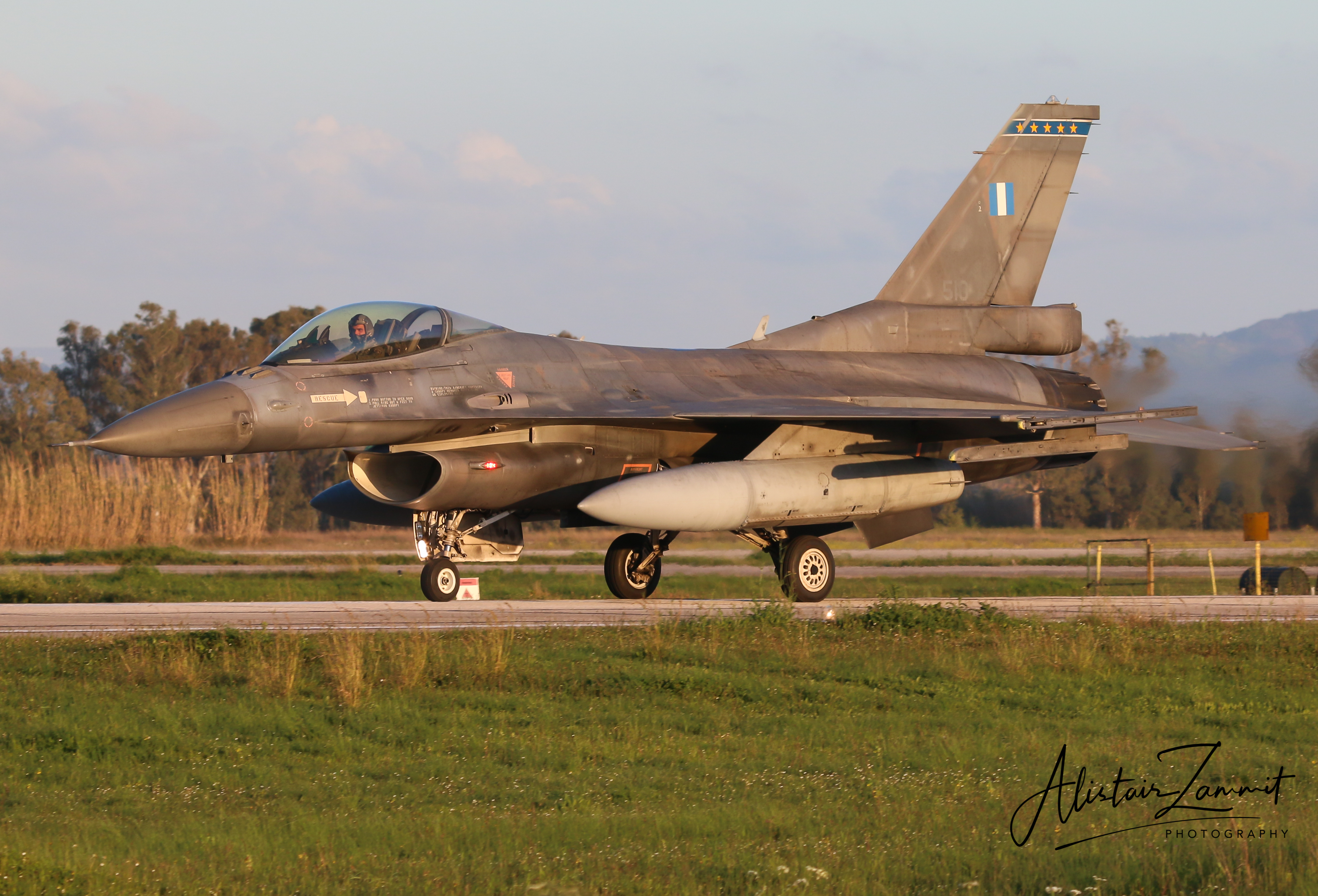
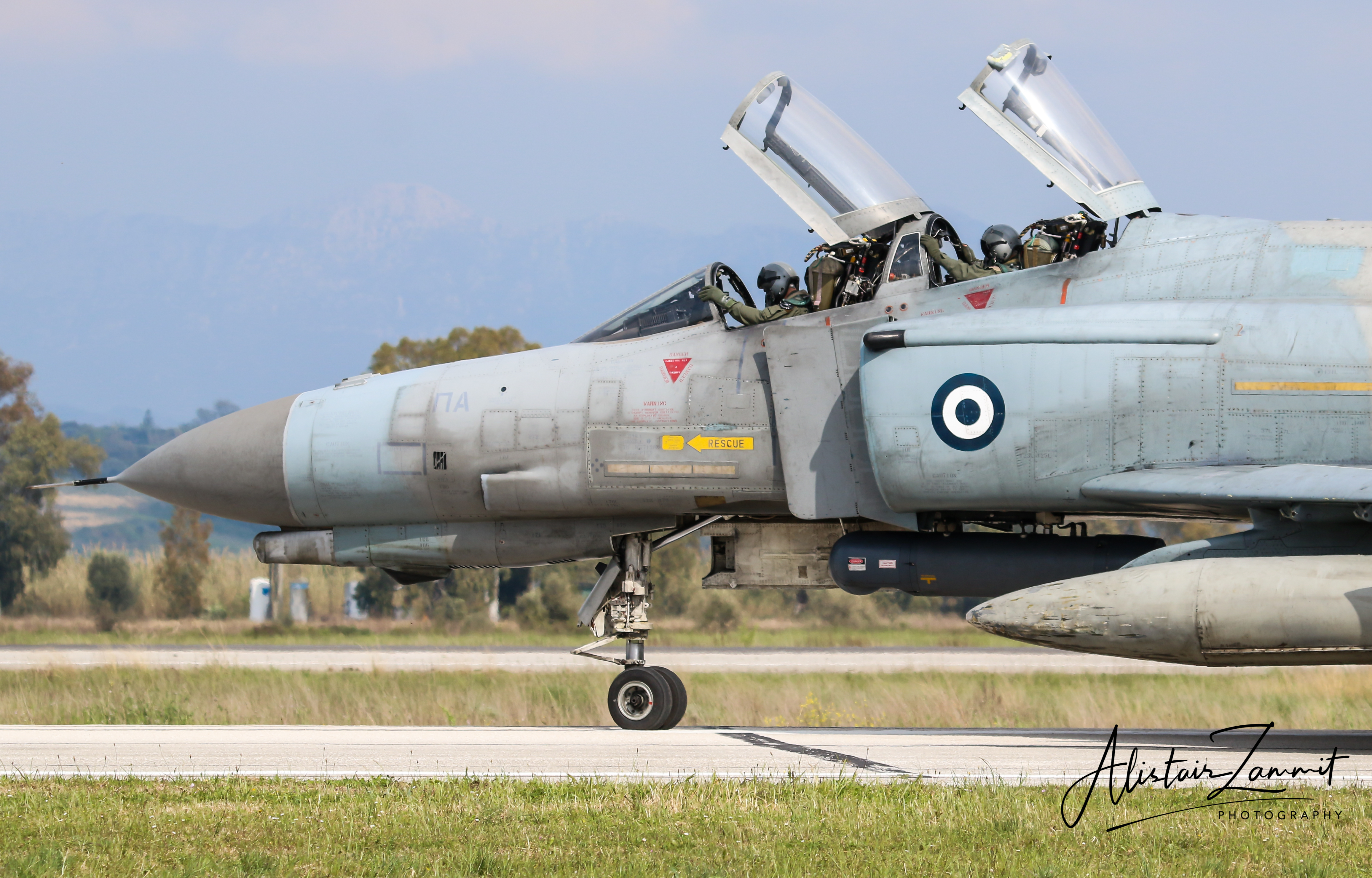
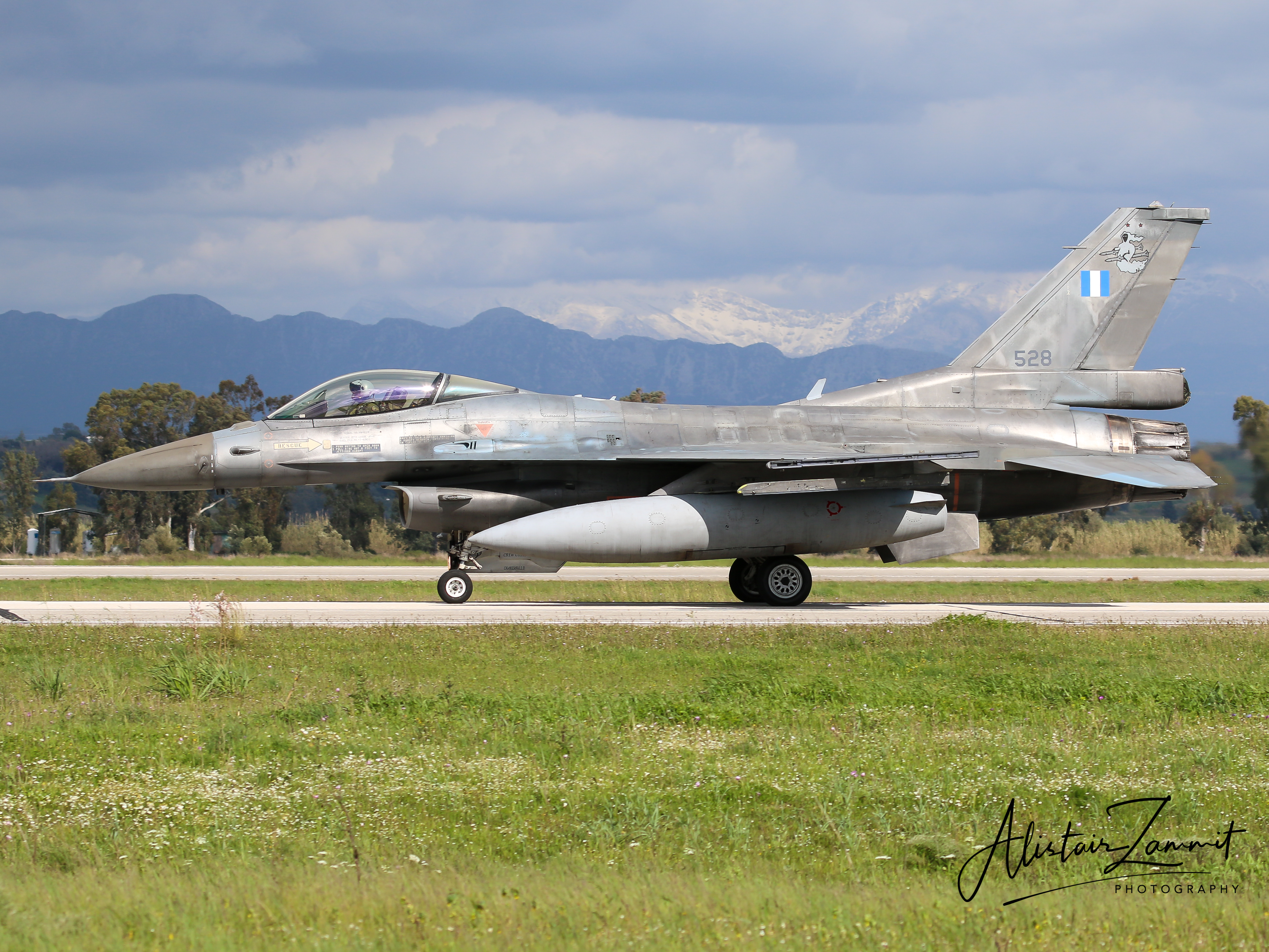
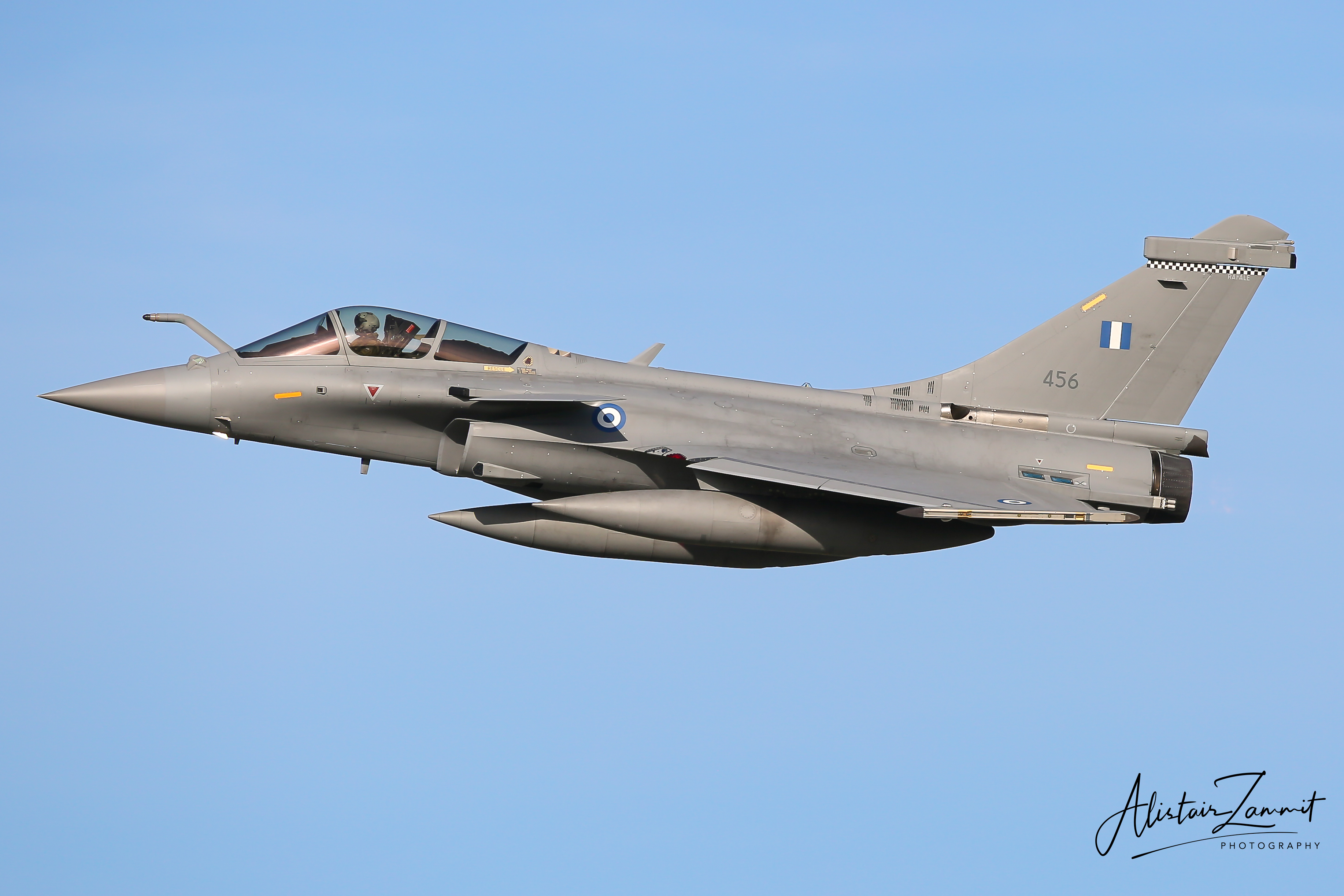
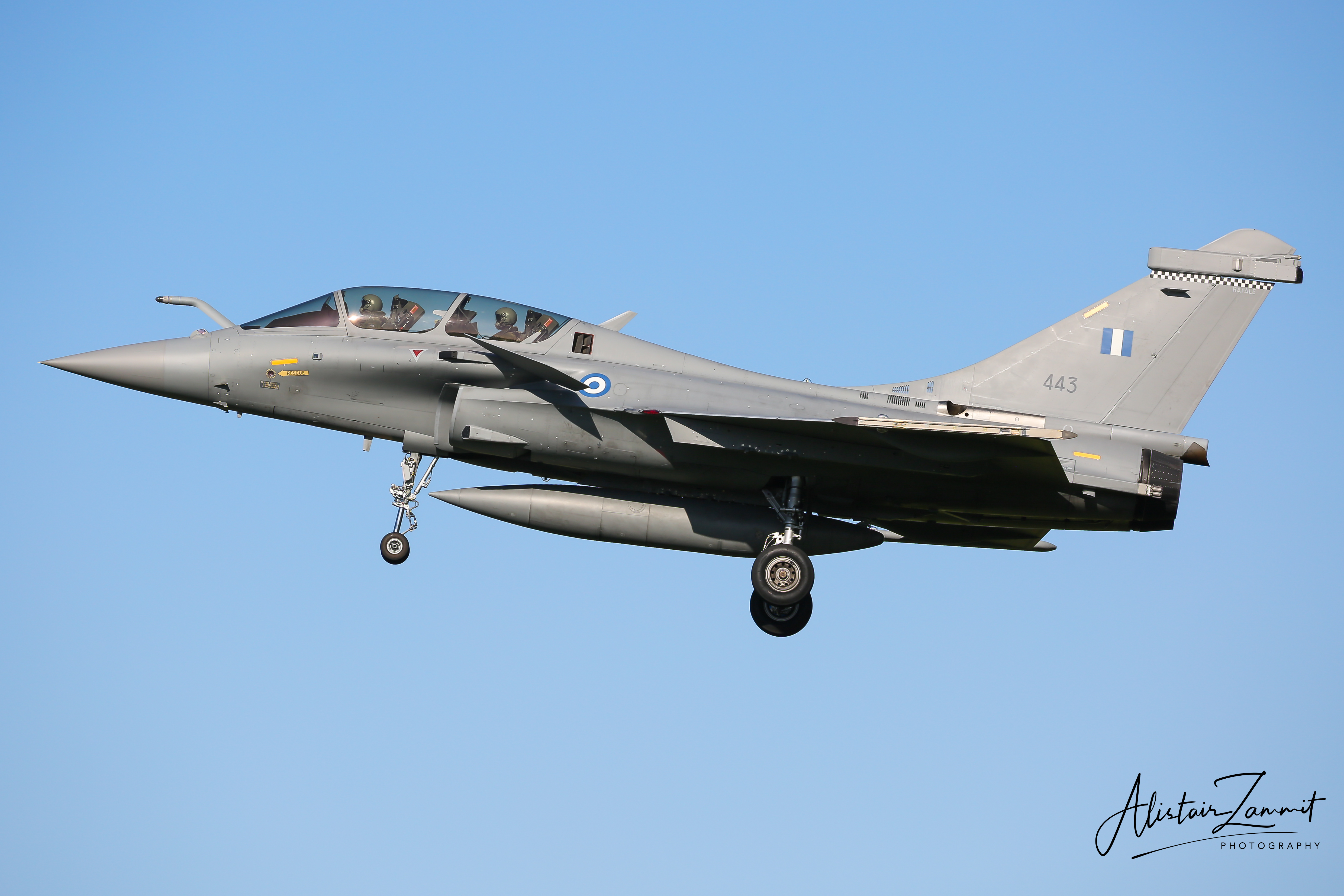
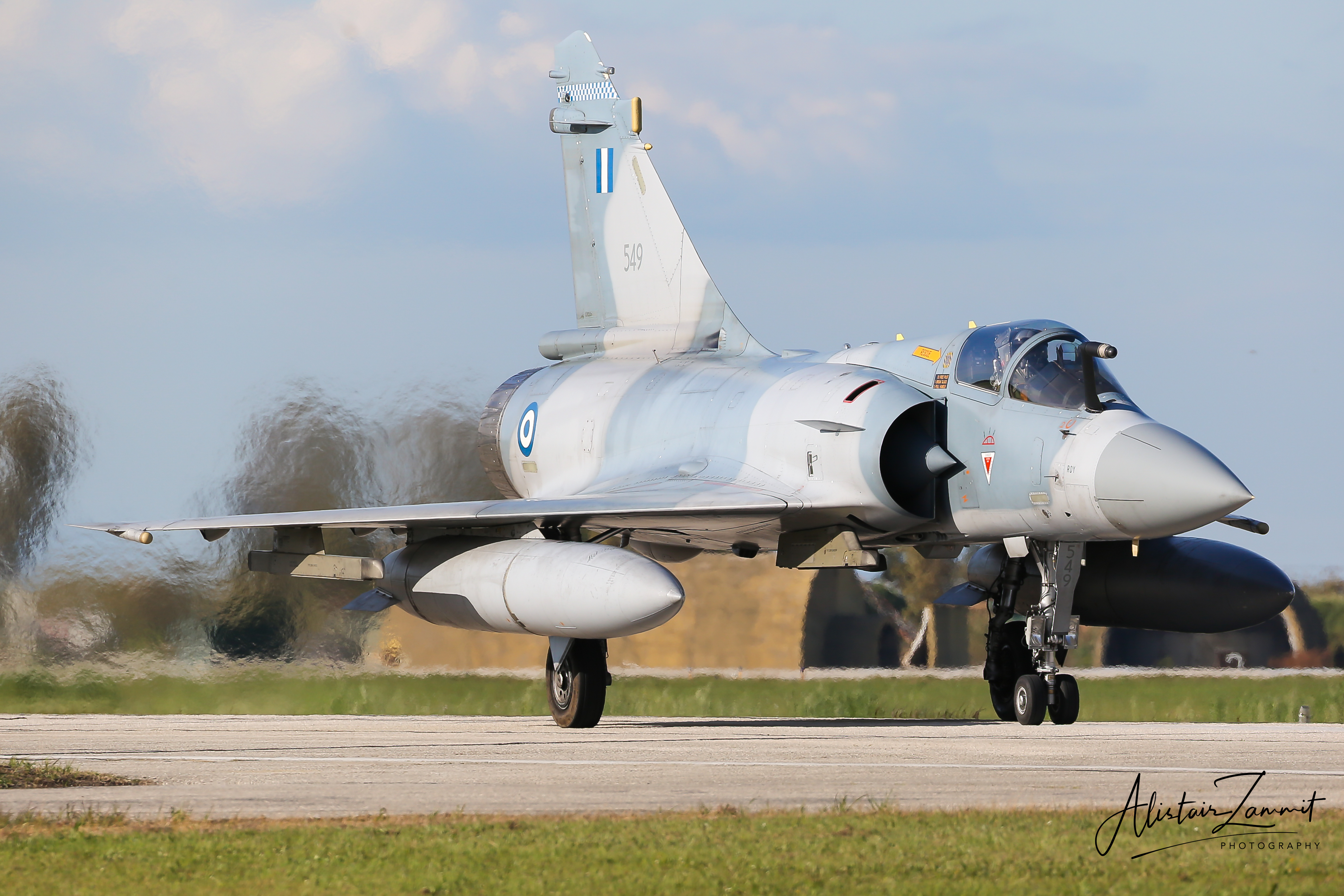
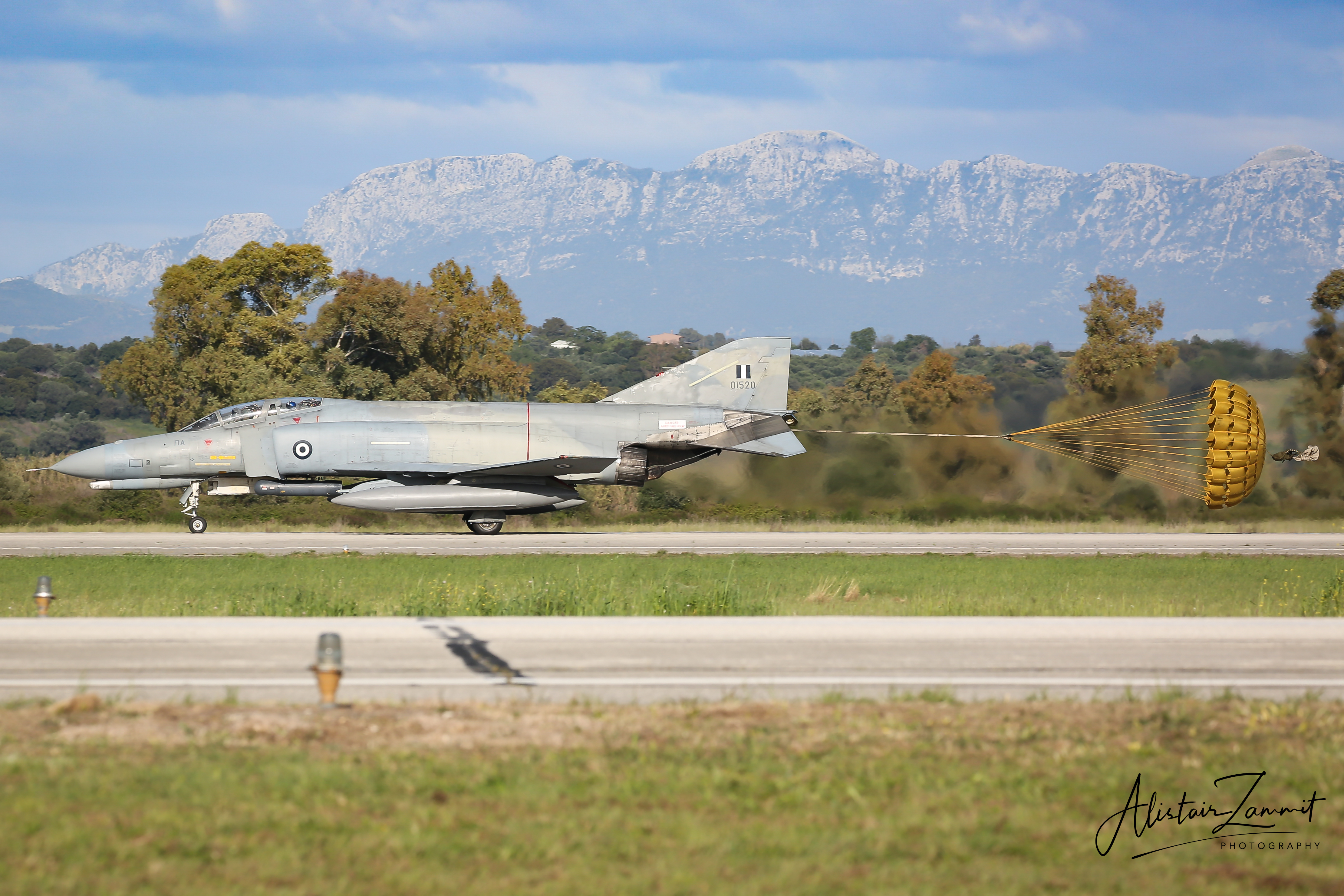
- Greece, the host nation, deployed its full spectrum of air assets including the upgraded F-16 Vipers, Rafale DG/EG, Mirage 2000-5, and the venerable F-4E Phantom II, as well as helicopters, ISR platforms, and air defense units. The Hellenic Navy, Army Aviation, and Special Operations Forces also participated in joint scenarios.
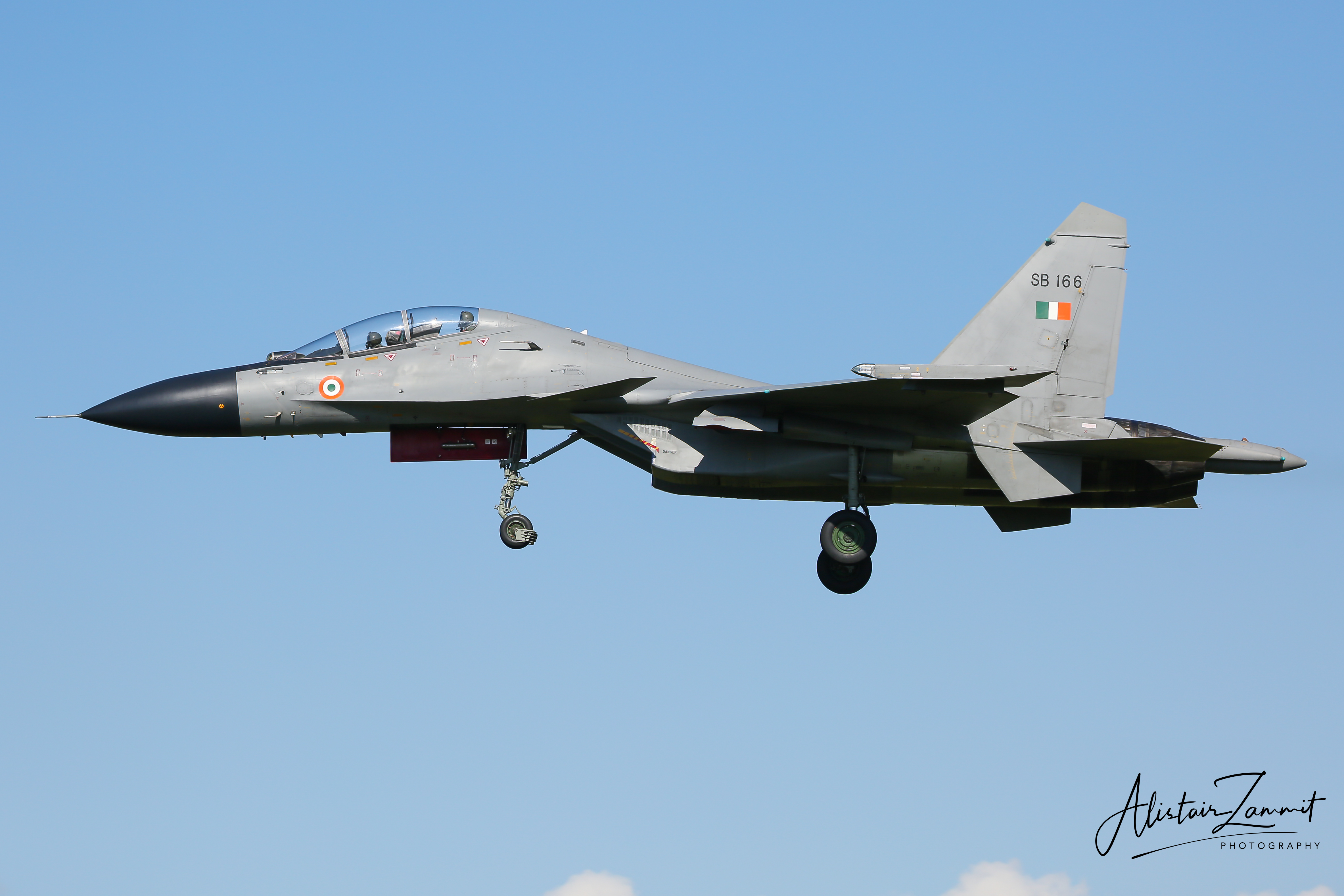
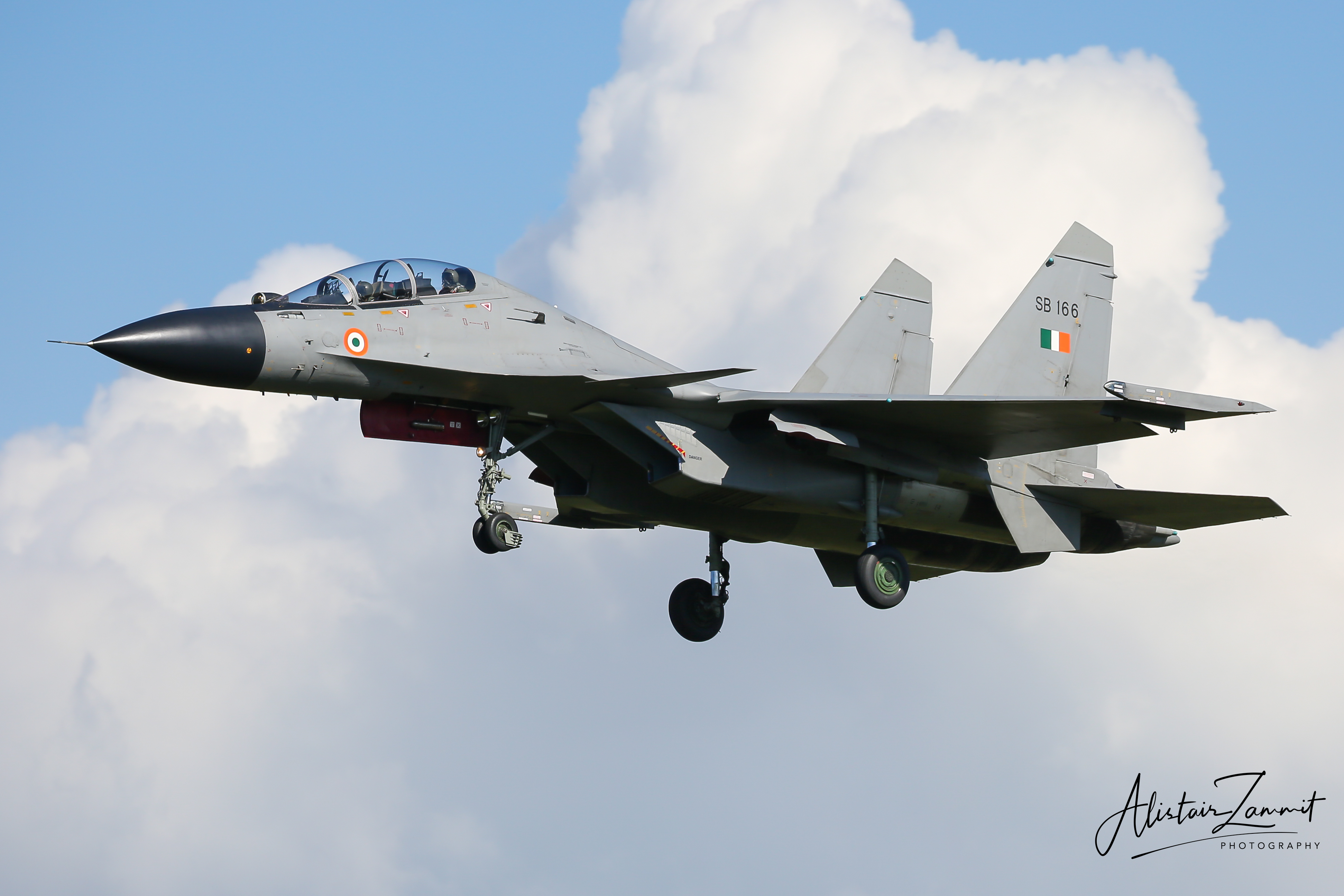
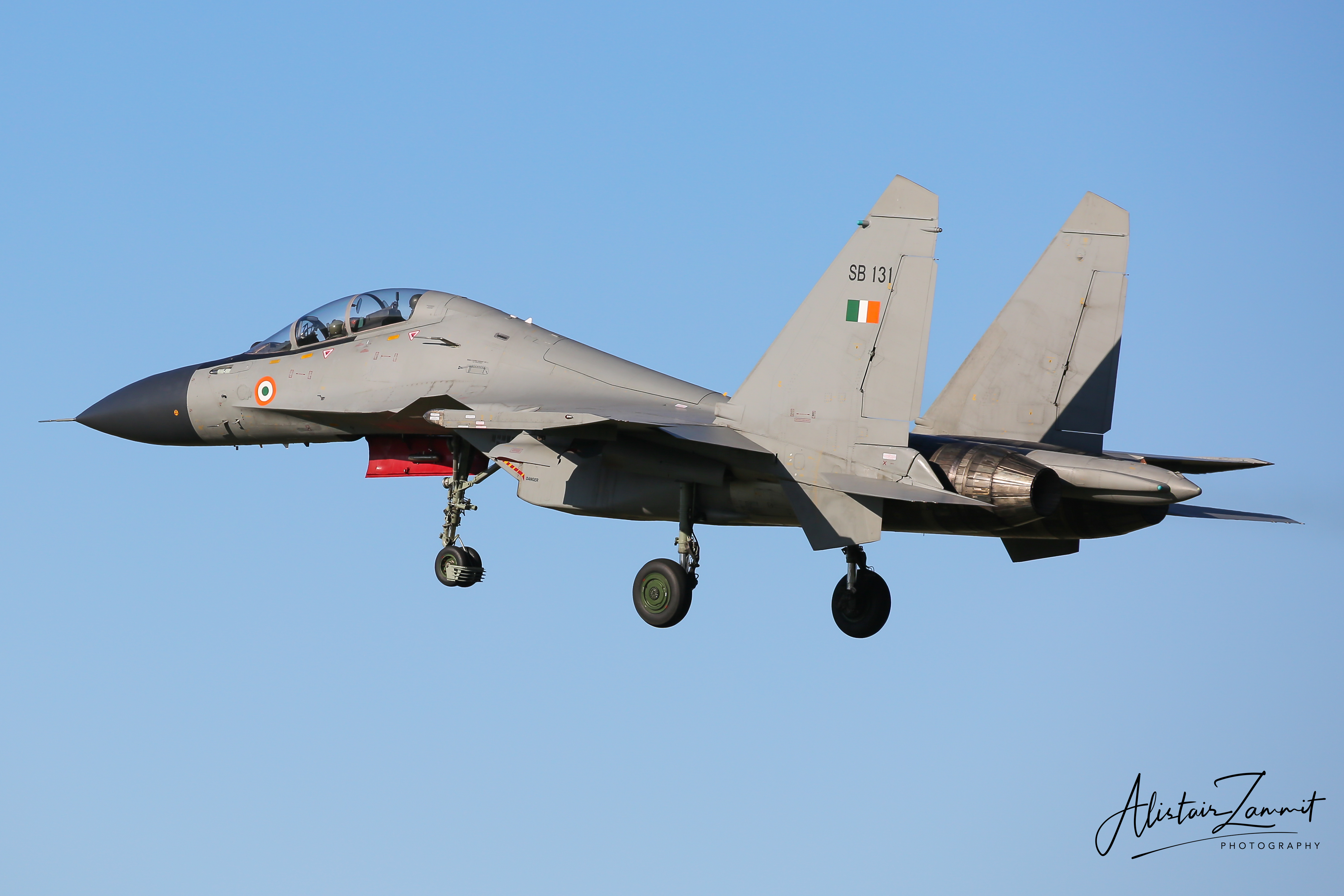
- India made a notable contribution with its Su-30MKI fighters, supported by an IL-78 tanker and a C-17 Globemaster transport aircraft, demonstrating the expanding Indo-Hellenic defense ties.
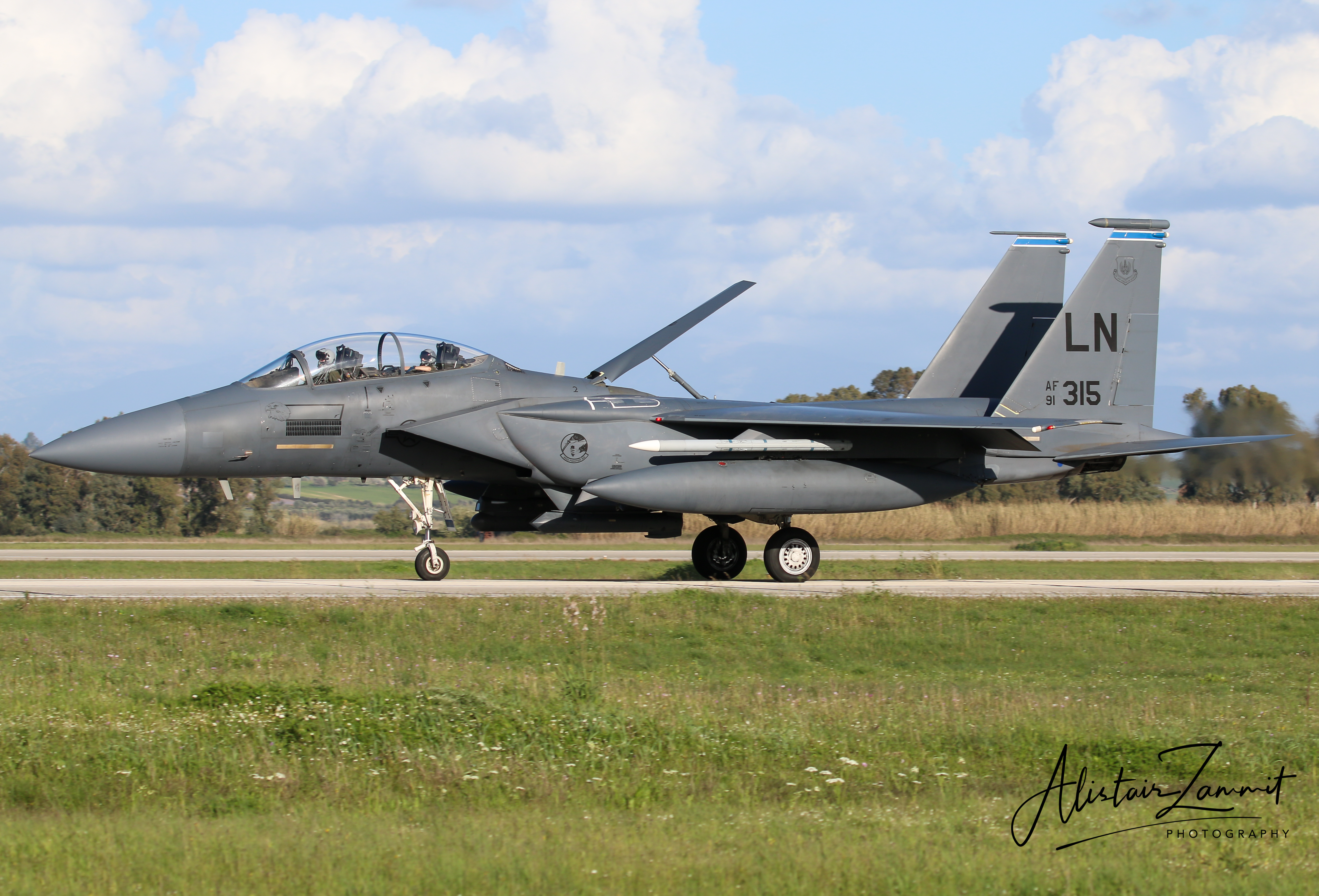
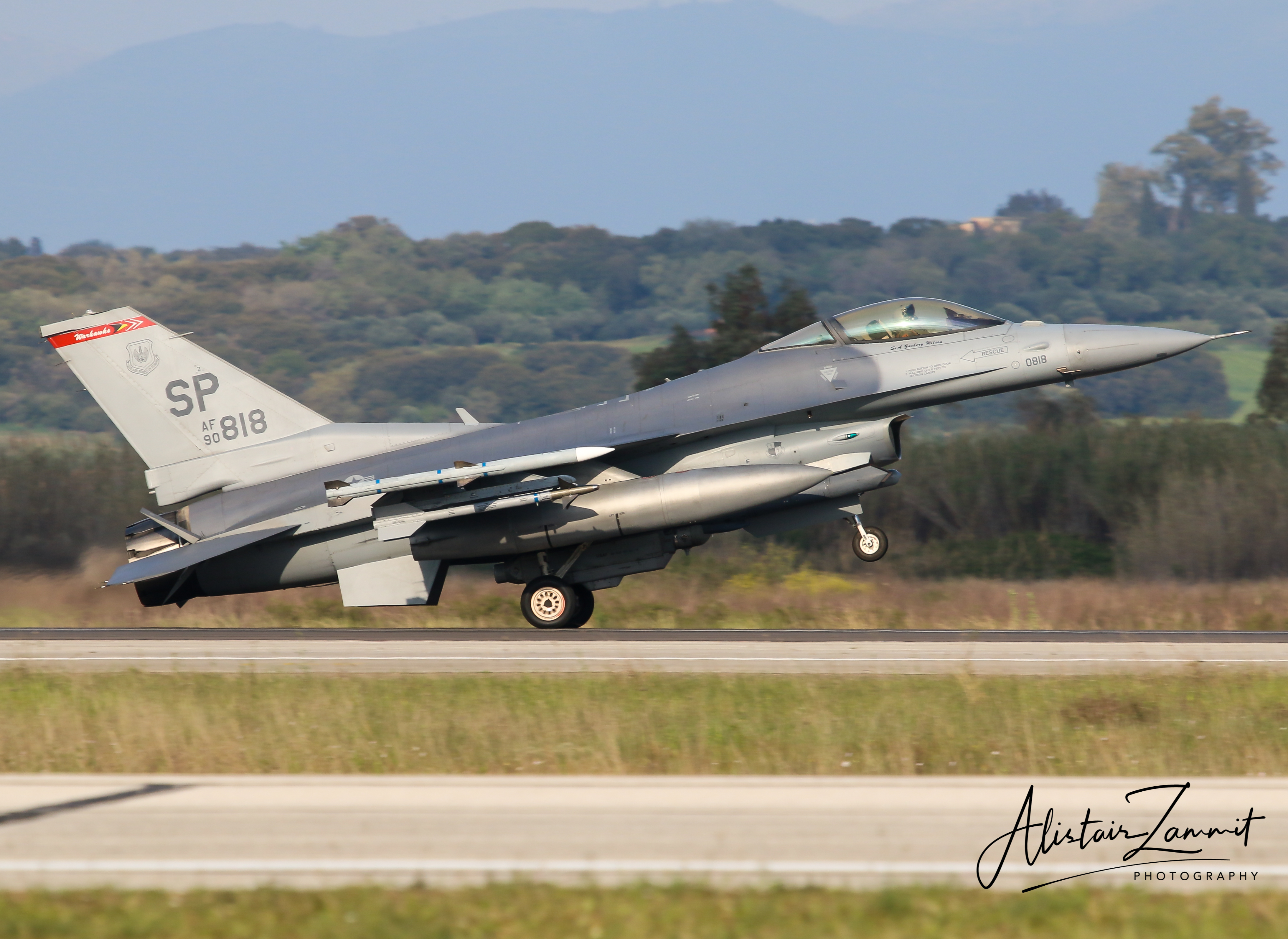
- The United States deployed F-16C Fighting Falcons from the 93rd Fighter Squadron, along with KC-135 and KC-46 aerial refueling aircraft. U.S. assets operated in conjunction with NATO standards, supporting complex multi-aircraft strike packages.
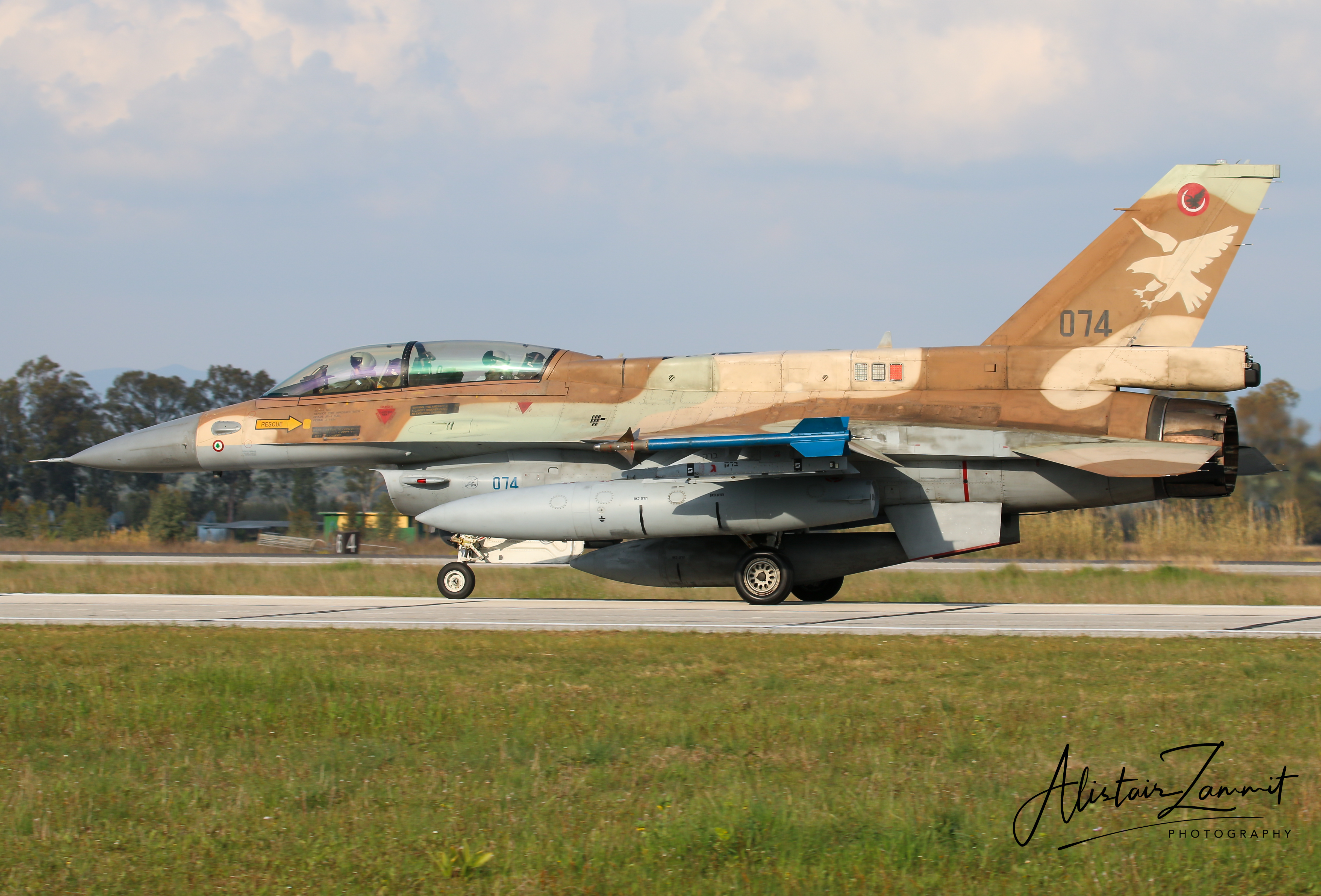
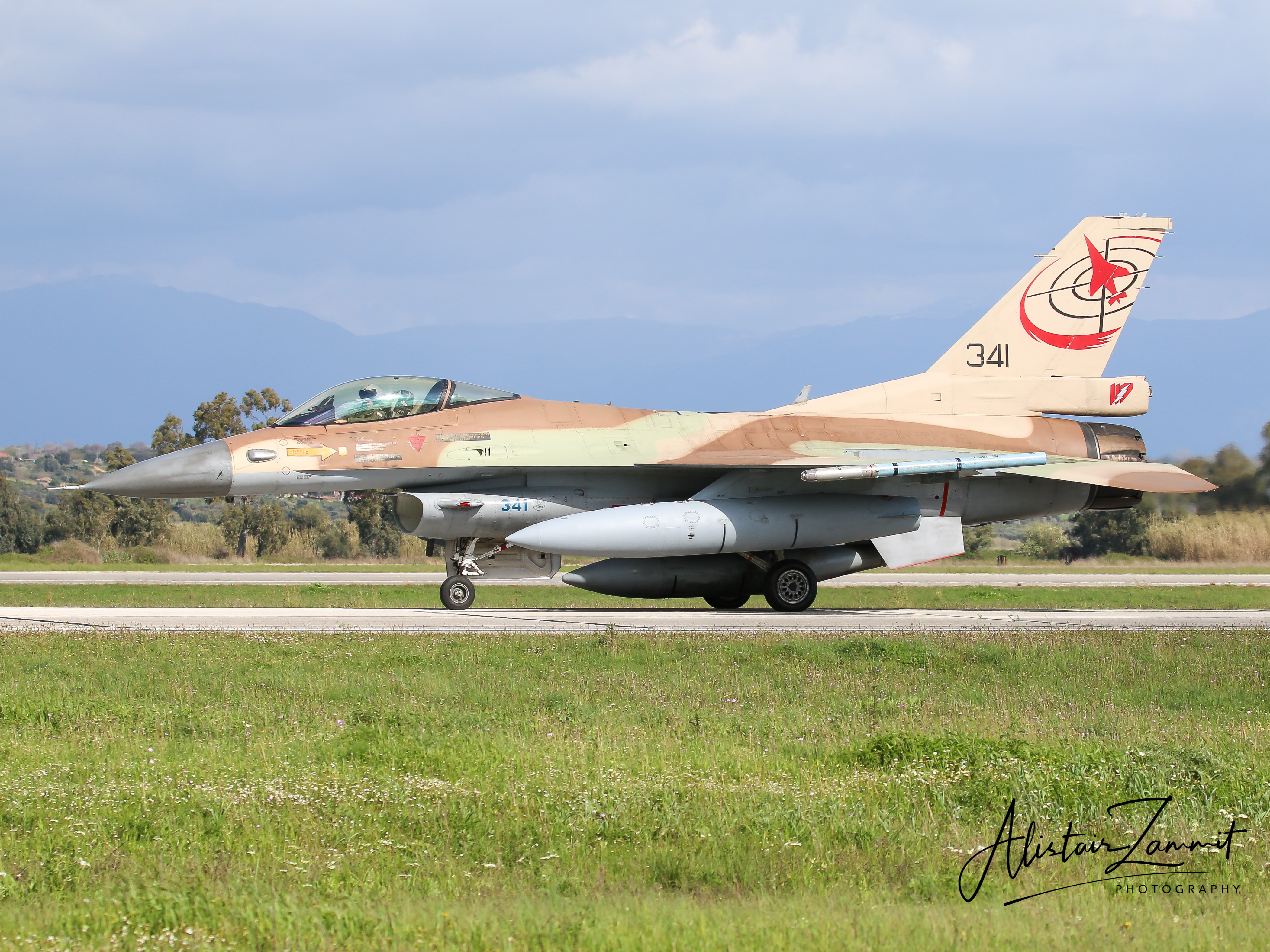
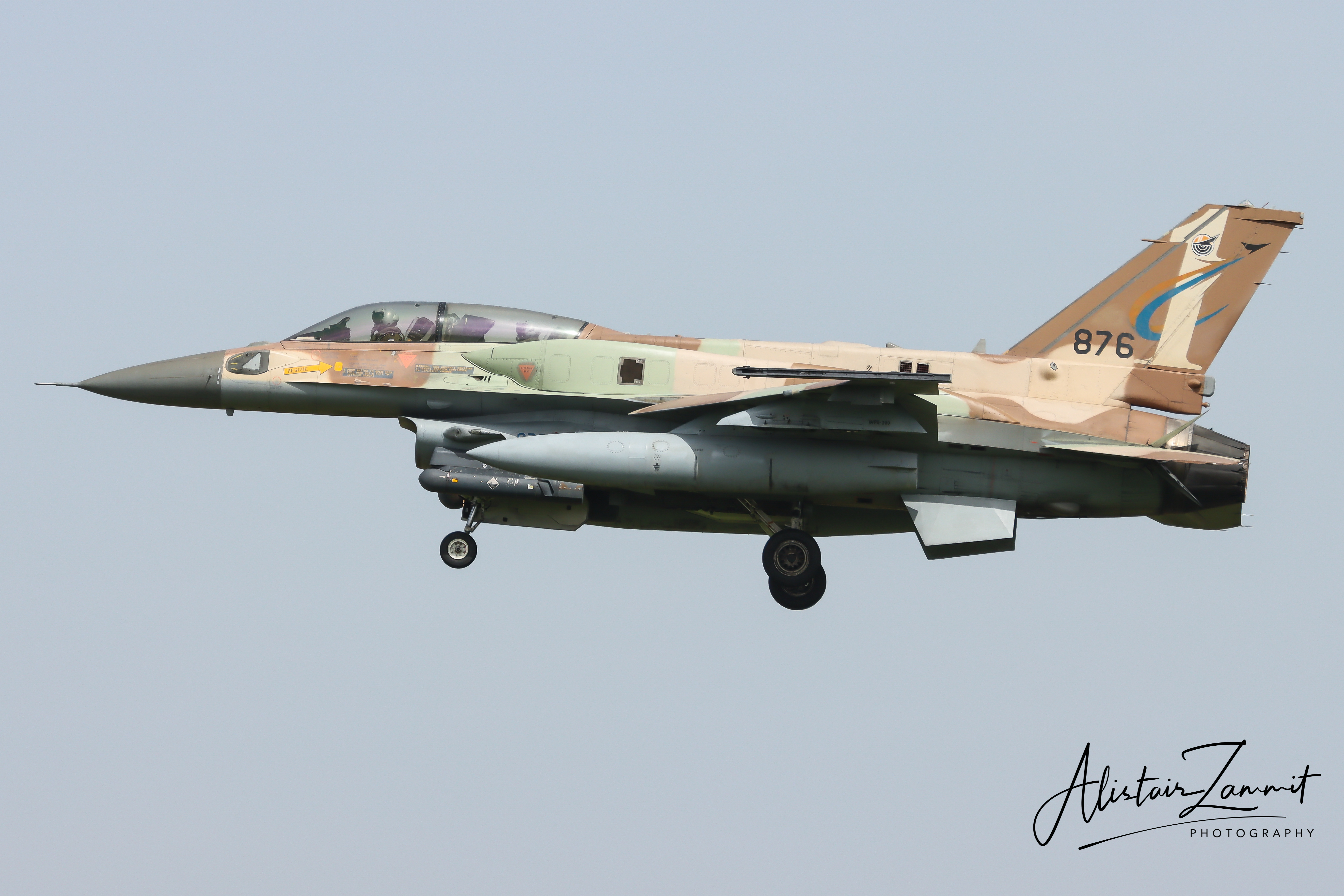
- Israel participated through its Gulfstream G-550 “Eitam” AEW&C aircraft, providing airborne early warning and surveillance support.
- France contributed Mirage 2000D strike aircraft.
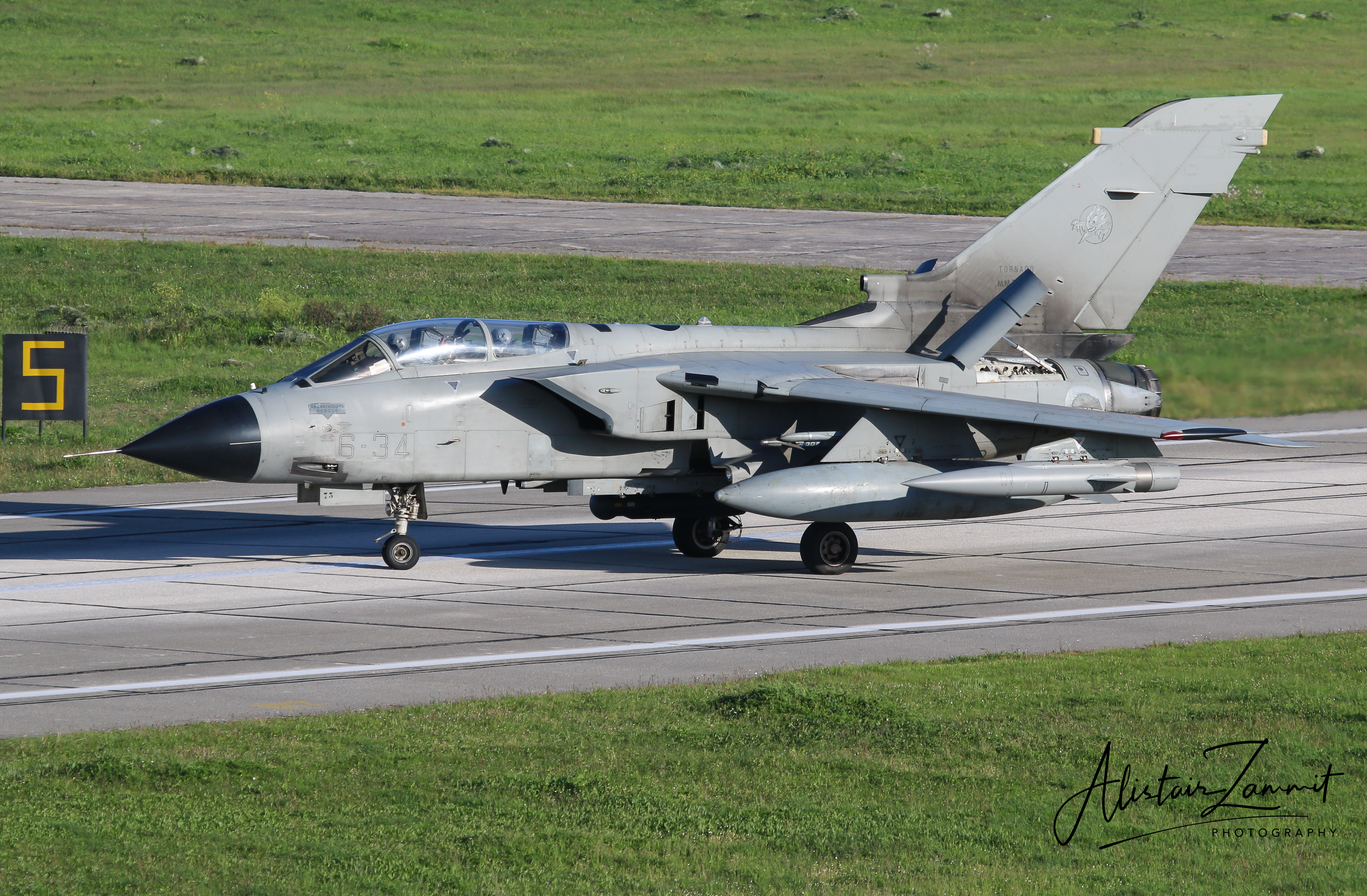
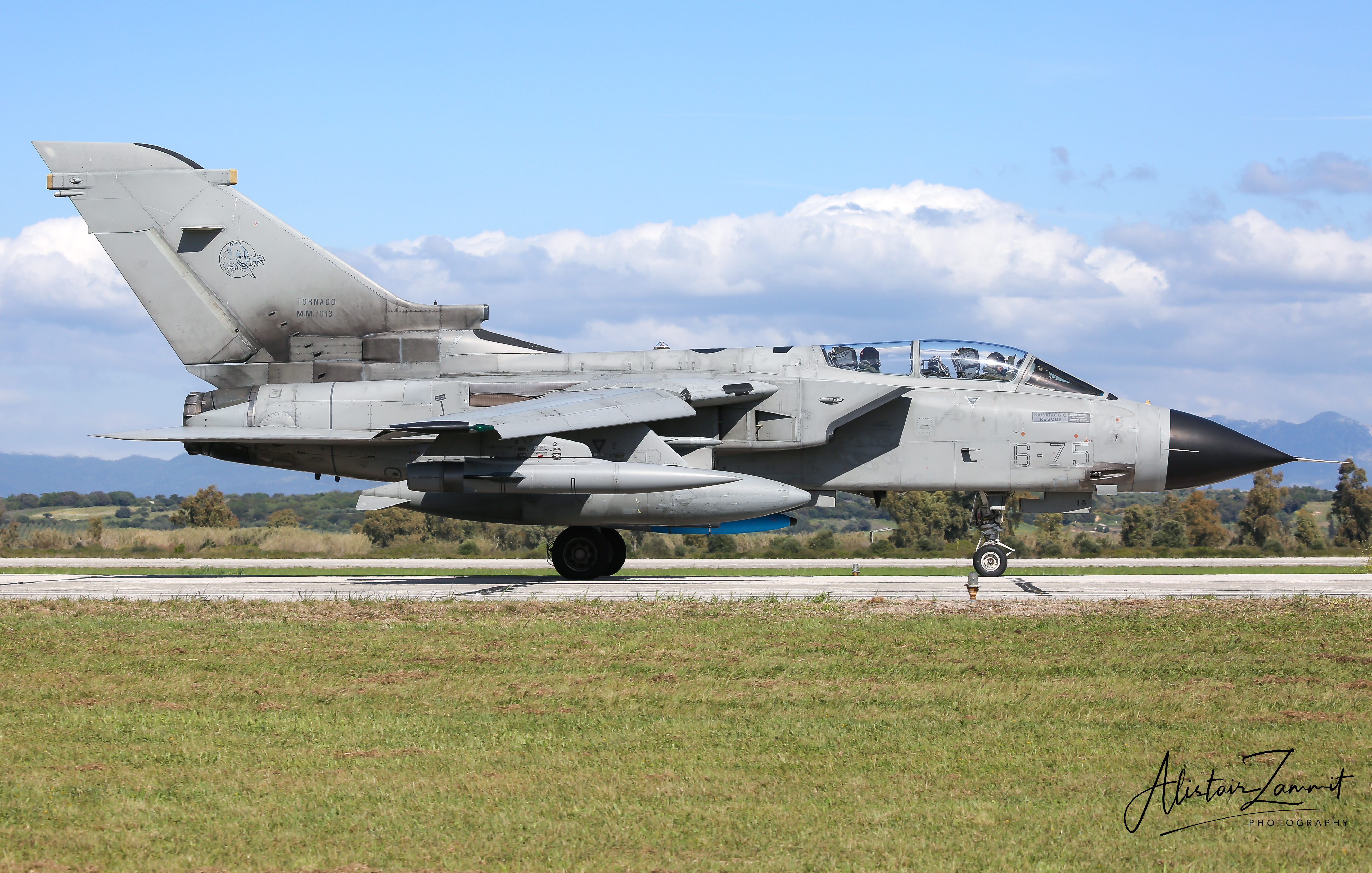
- Italy sent Tornado IDS and ECR variants, specializing in electronic warfare and strike roles.
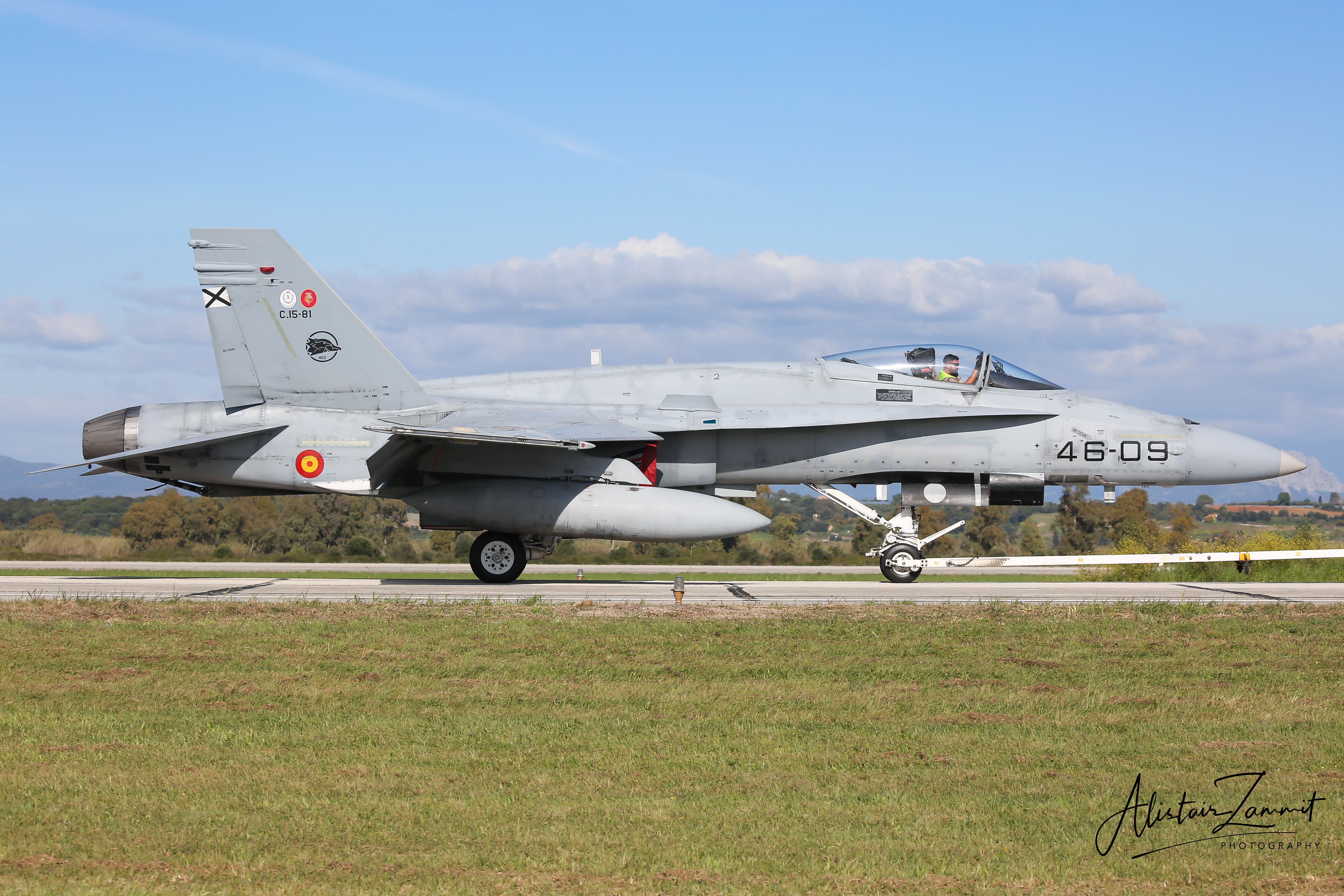
- Spain’s ALA 46 operated F/A-18C+ Hornets from Andravida, engaging in interdiction and close air support.
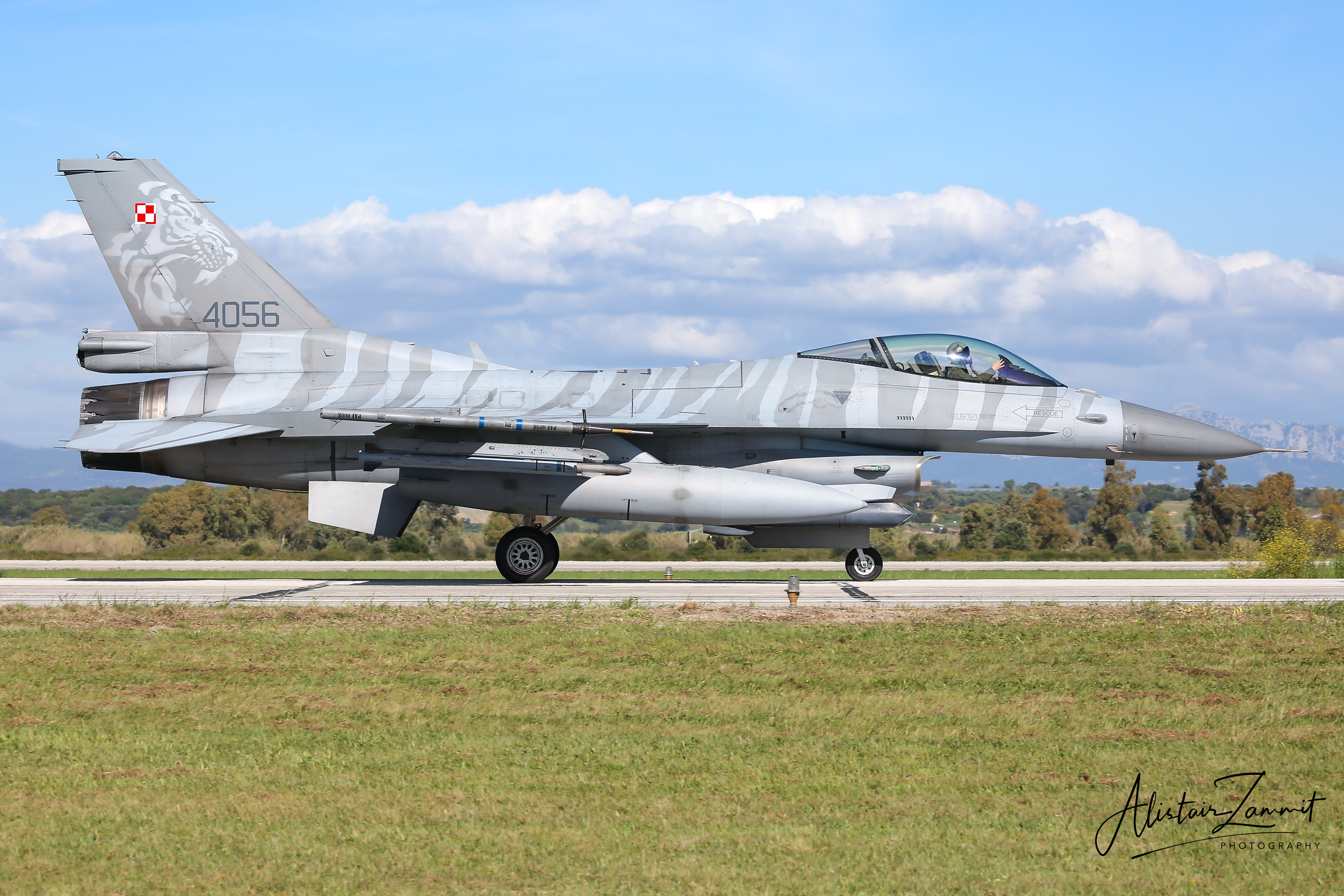
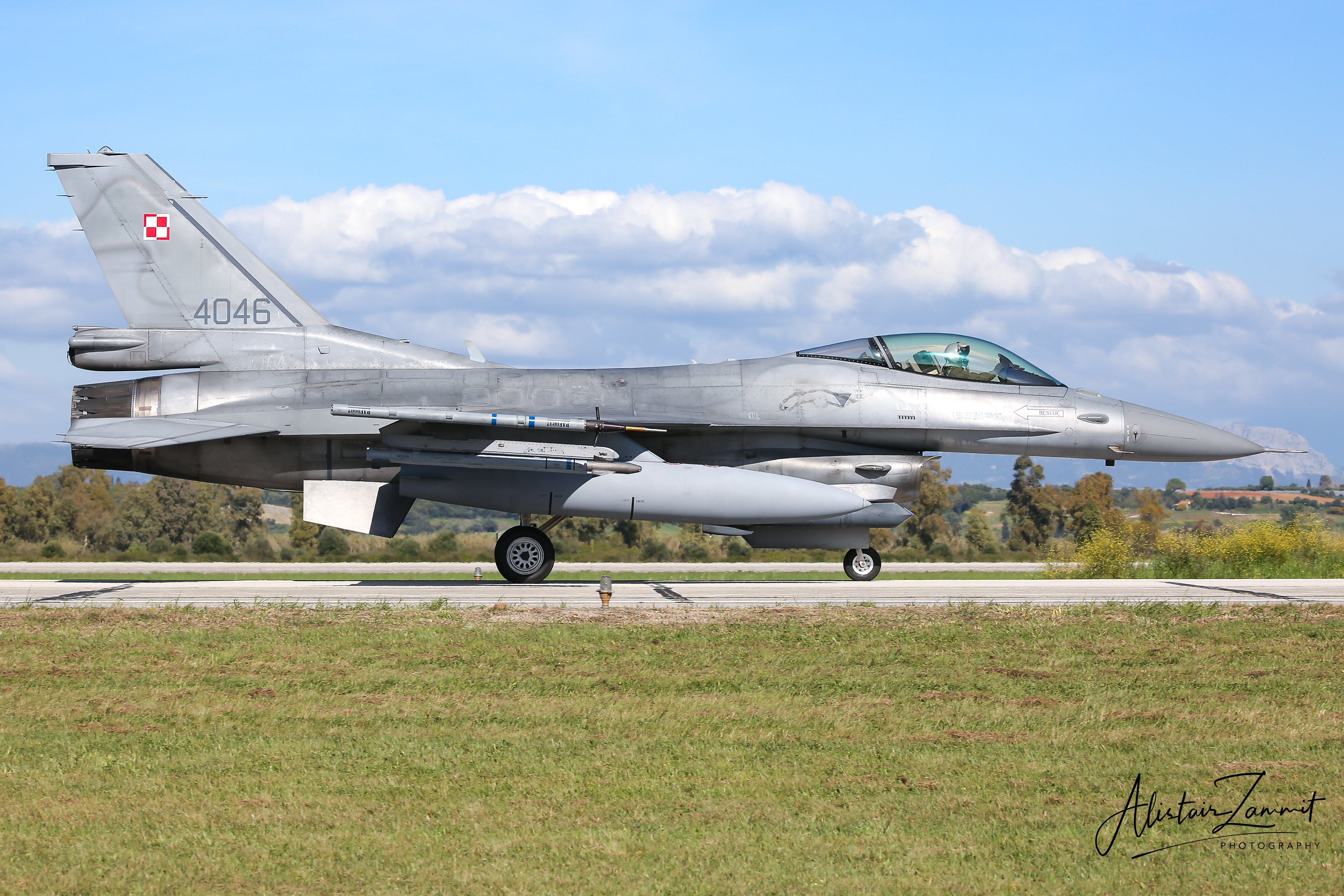
- Poland’s F-16C Block 52+ fighters participated in both offensive and defensive counter-air missions, marking a strengthening of NATO Eastern Flank cooperation.
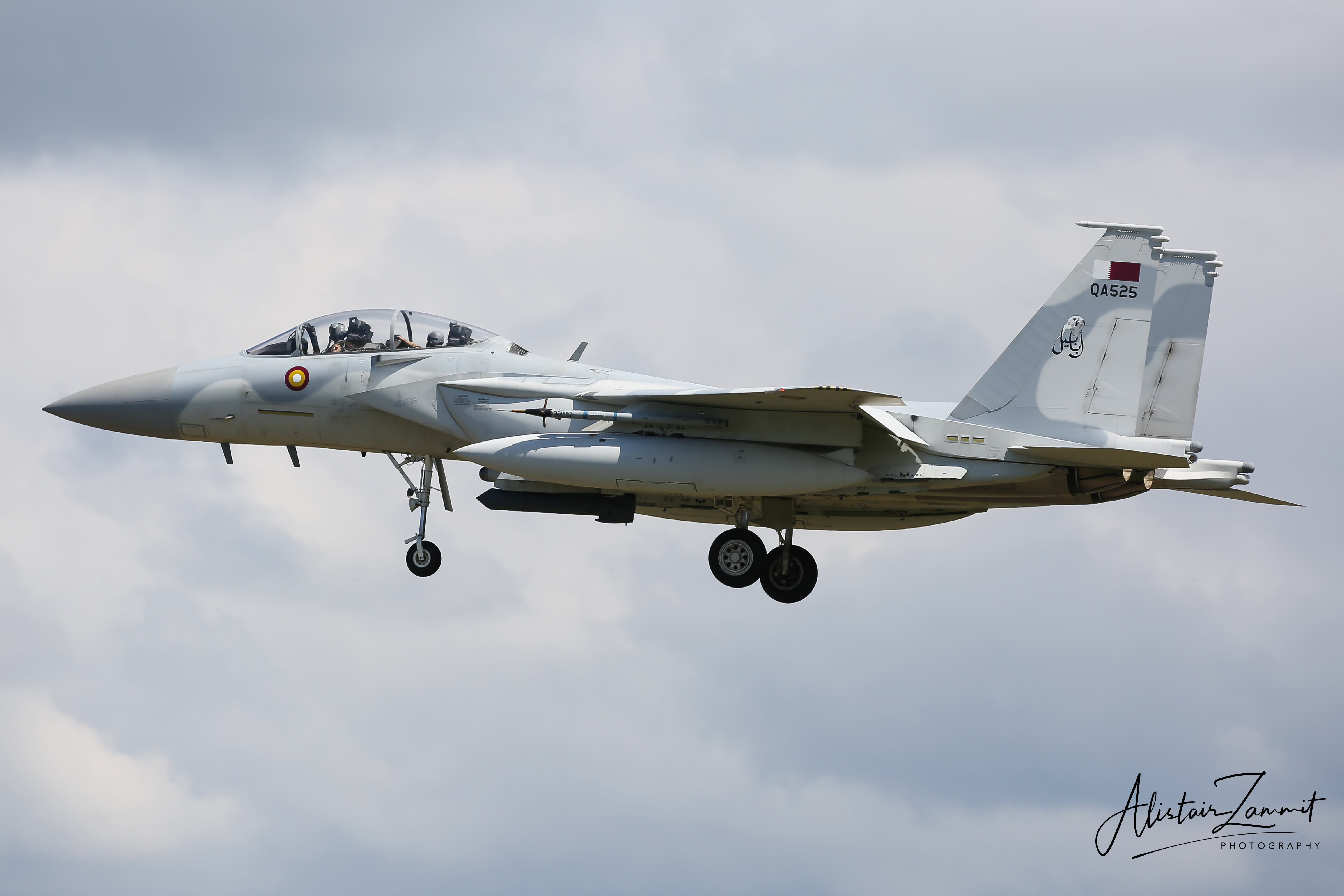
- Qatar fielded its advanced F-15QA multirole fighters, showcasing cutting-edge avionics and strike capabilities.
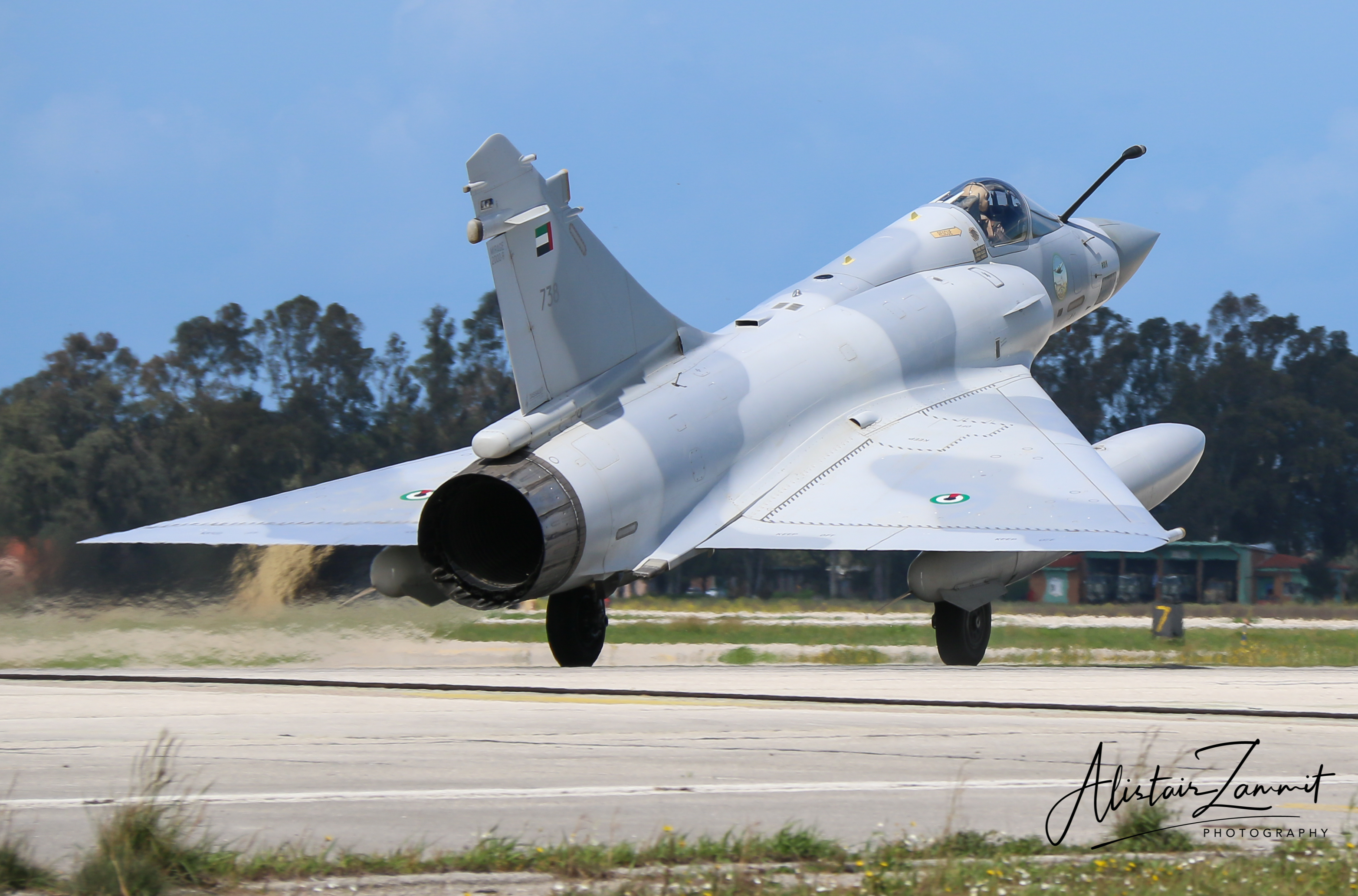
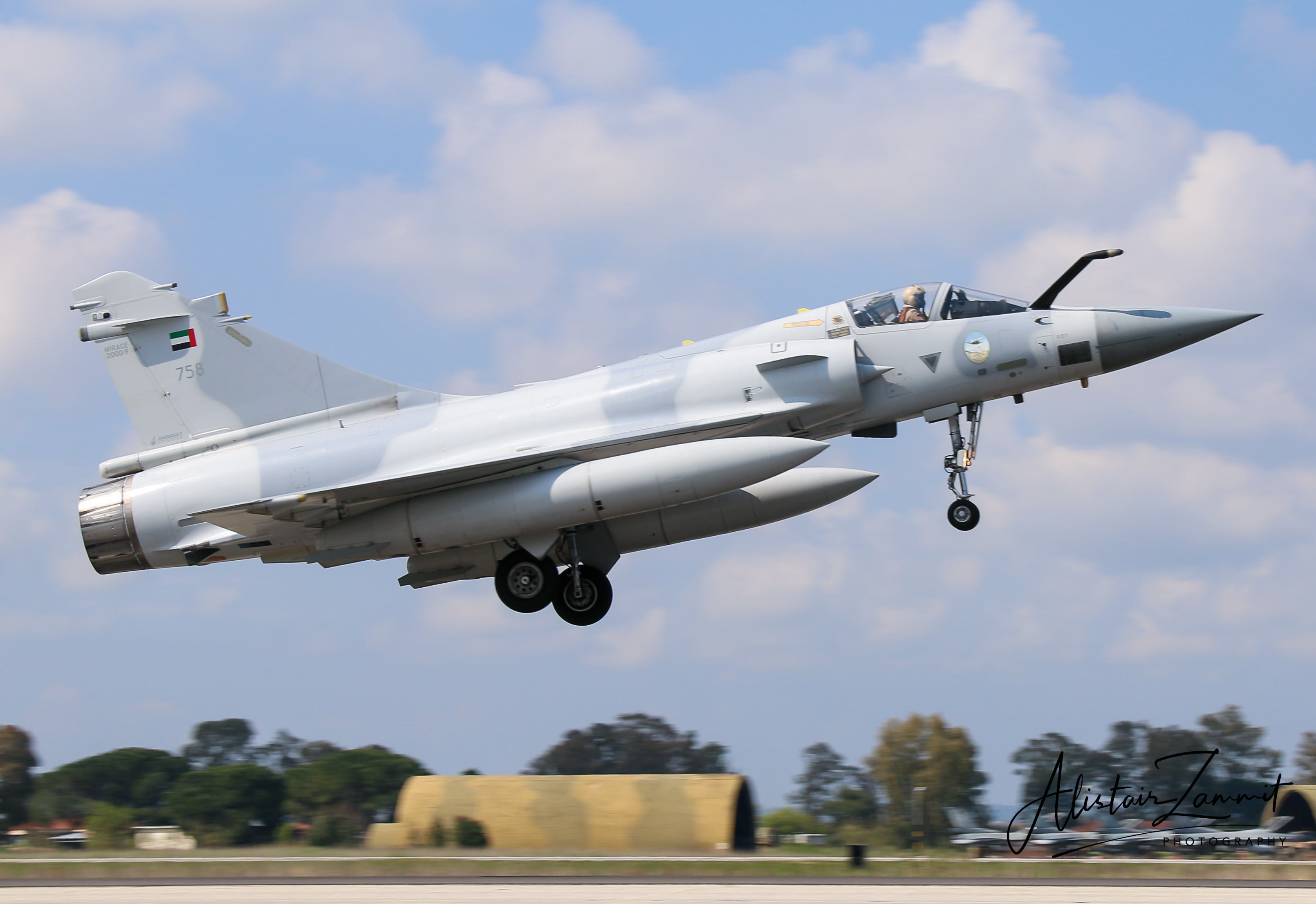
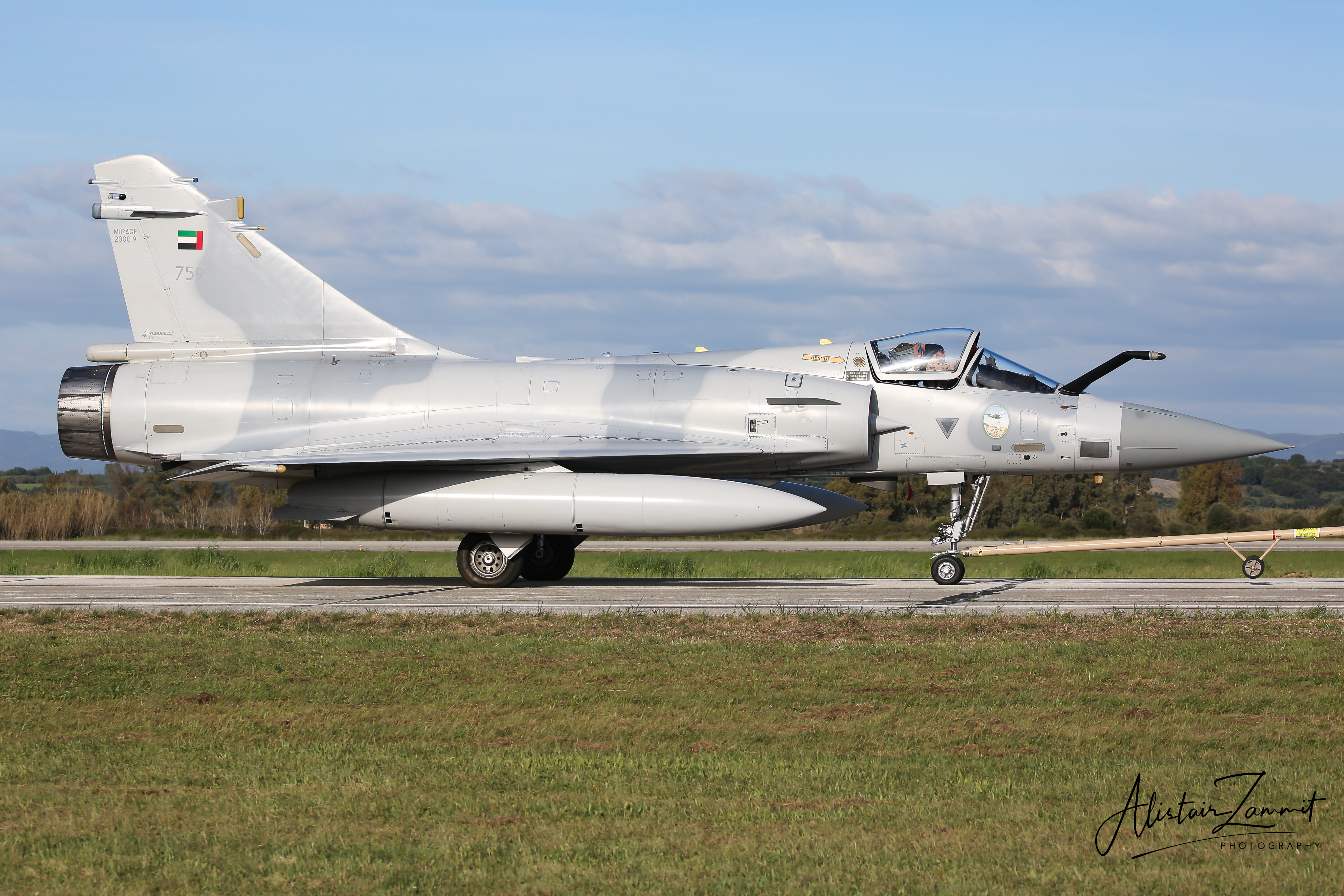
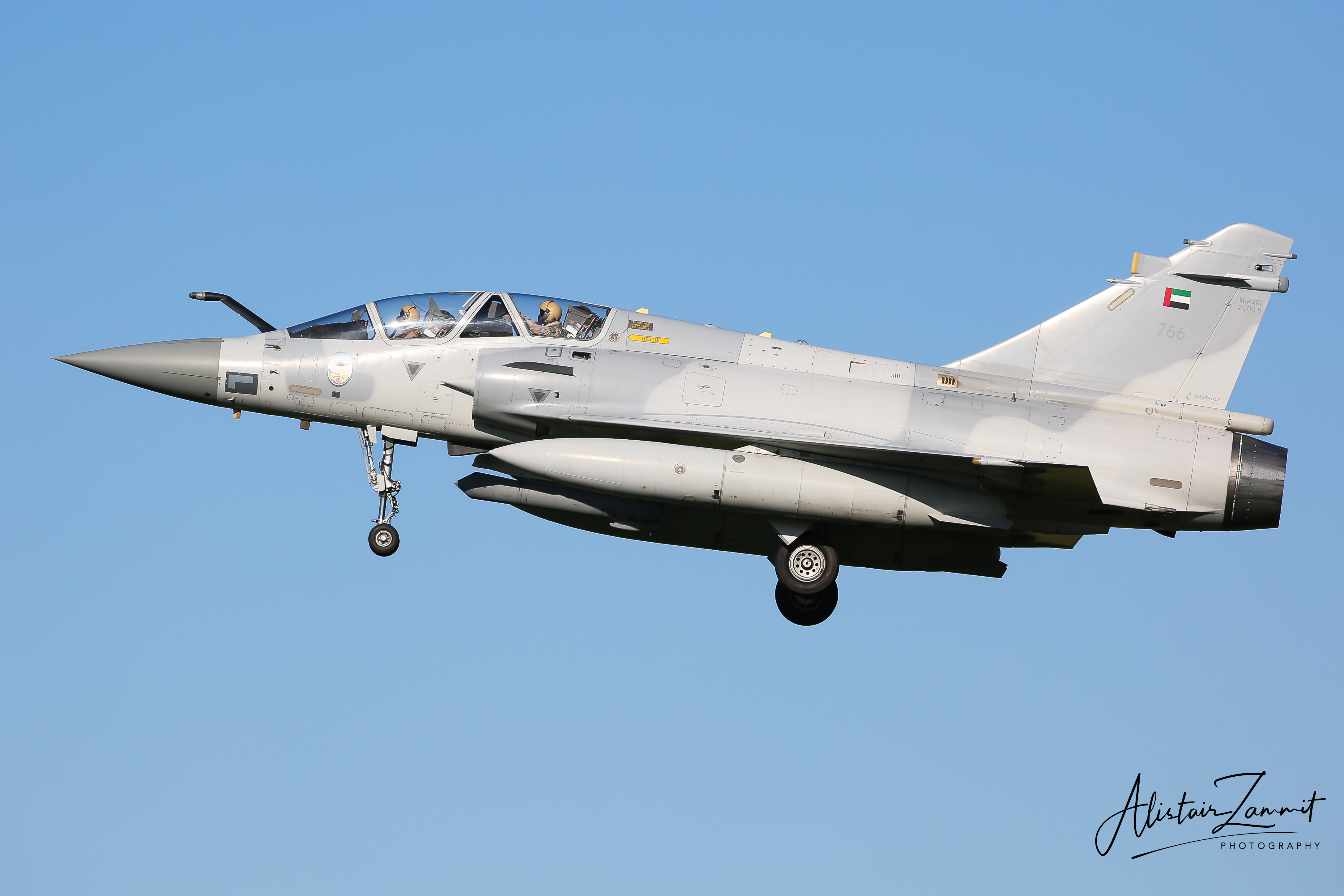
- United Arab Emirates flew Mirage 2000-9 aircraft, a longtime and experienced participant in INIOCHOS.
- Slovenia and Montenegro contributed smaller assets—Slovenia with its PC-9M training/light attack aircraft and Montenegro with Bell 412EP helicopters—focusing on search and rescue and joint operations.
In addition, observer and support delegations arrived from Cyprus, Slovakia, and Bahrain, further emphasizing the growing strategic interest in INIOCHOS as a platform for military diplomacy and integration.


Tactical and Strategic Significance
Exercise INIOCHOS 2025 was not merely about flying missions—it was a demonstration of how modern air forces from diverse political and military cultures can train together, plan together, and adapt in real-time under a unified command structure. The incorporation of simulated electronic warfare, integrated air defense threats, and joint force coordination offered invaluable lessons for both seasoned pilots and junior tactical planners.
Spotters and military enthusiasts had the opportunity to observe the action during the INIOCHOS Spotters Day, while the Distinguished Visitors Day brought together senior defense officials and international military attachés for briefings and demonstrations.
Conclusion
With over a thousand sorties, twelve active air forces, a wide spectrum of mission profiles, and a 24/7 operational tempo, INIOCHOS 2025 reinforced its standing as one of Europe’s premier multinational air exercises. Hosted by Greece at Andravida Air Base, it served as a cornerstone for fostering interoperability, strengthening alliances, and preparing for the challenges of coalition warfare in the 21st century. The successful conclusion of the exercise not only highlighted Greece’s organizational and tactical capabilities but also underscored the importance of continued collaboration among allied and partner nations in an era of evolving security dynamics.
 alistairzammitphotography.com