
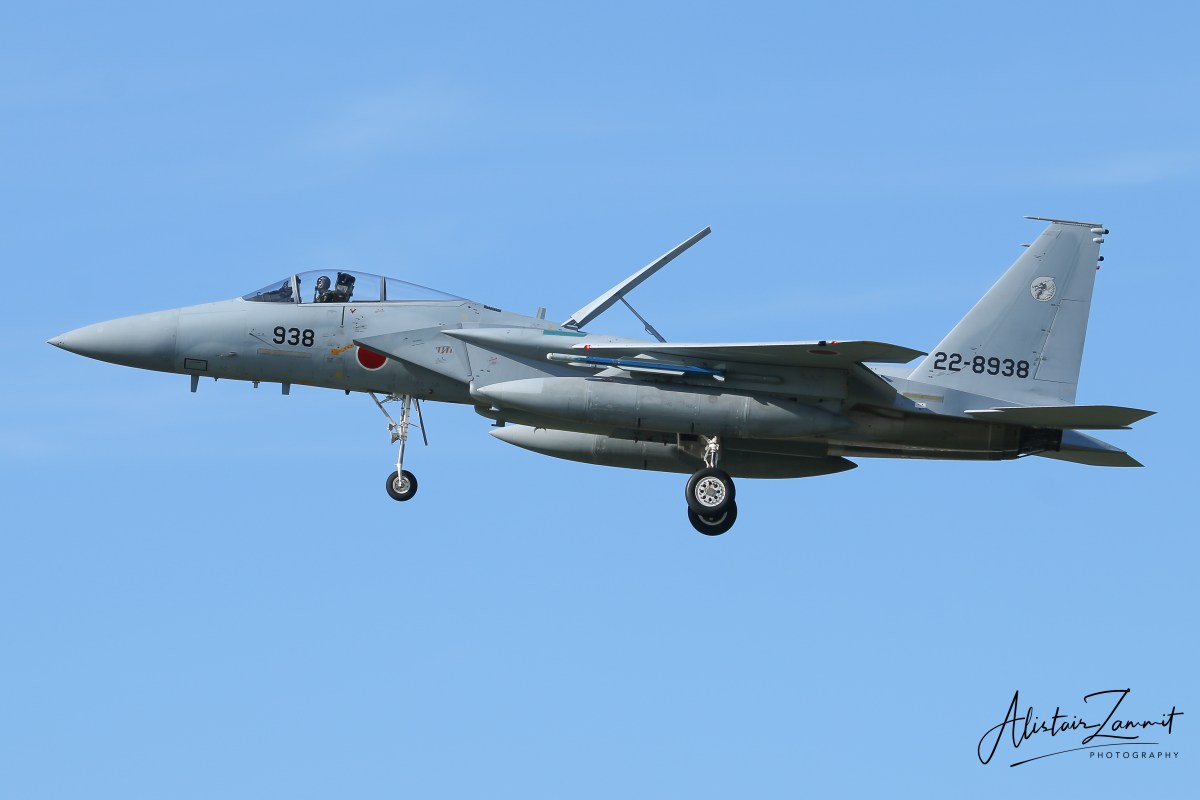
The Japan Air Self-Defense Force (JASDF) Komatsu Air Base is one of the key military installations in Japan, located in Ishikawa Prefecture. It plays a crucial role in the defense of the western part of Japan and the Sea of Japan region. Several squadrons are based there, primarily focused on fighter and support operations.
Hiko Kyodogun – Aggressor Group
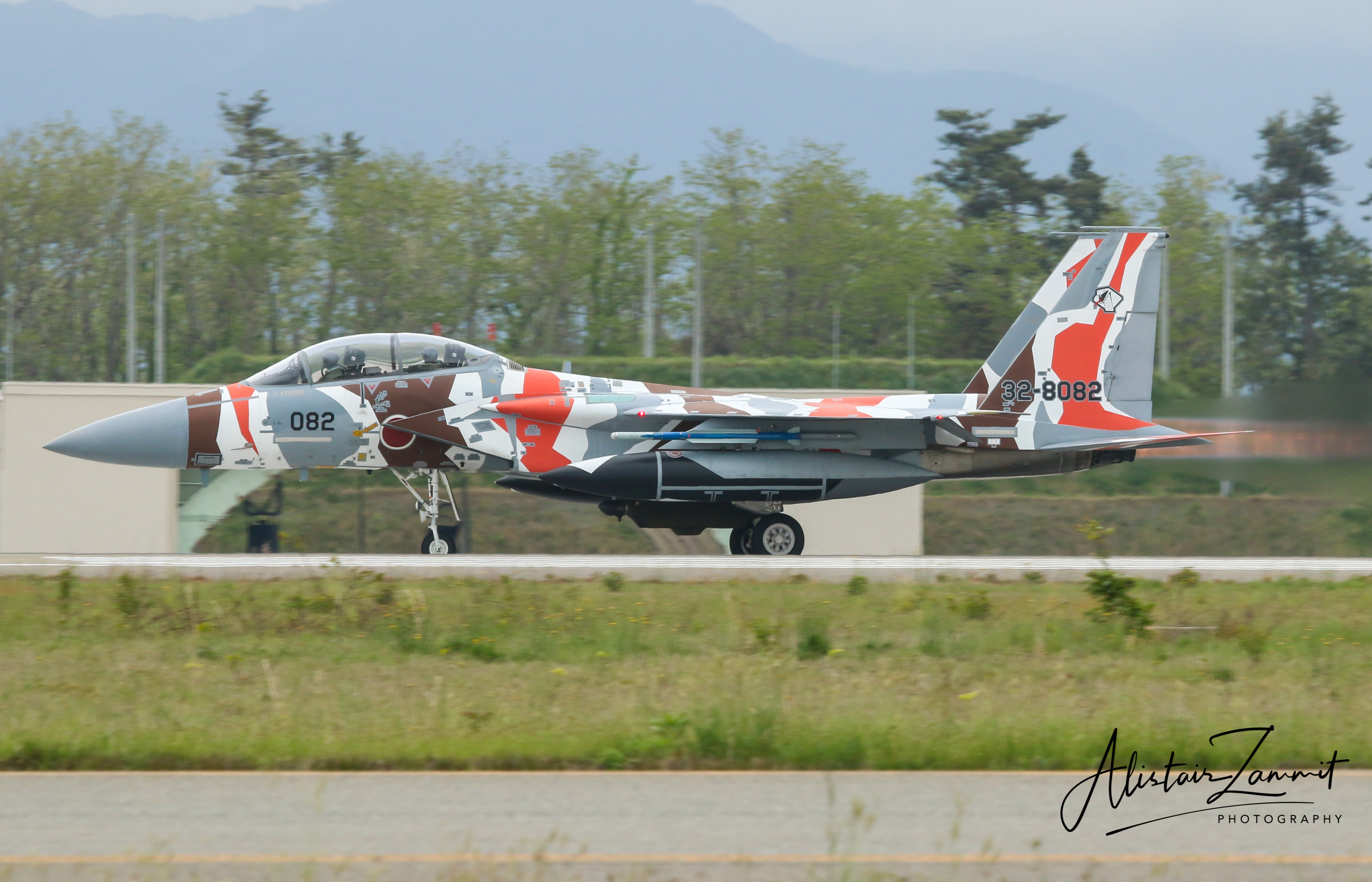
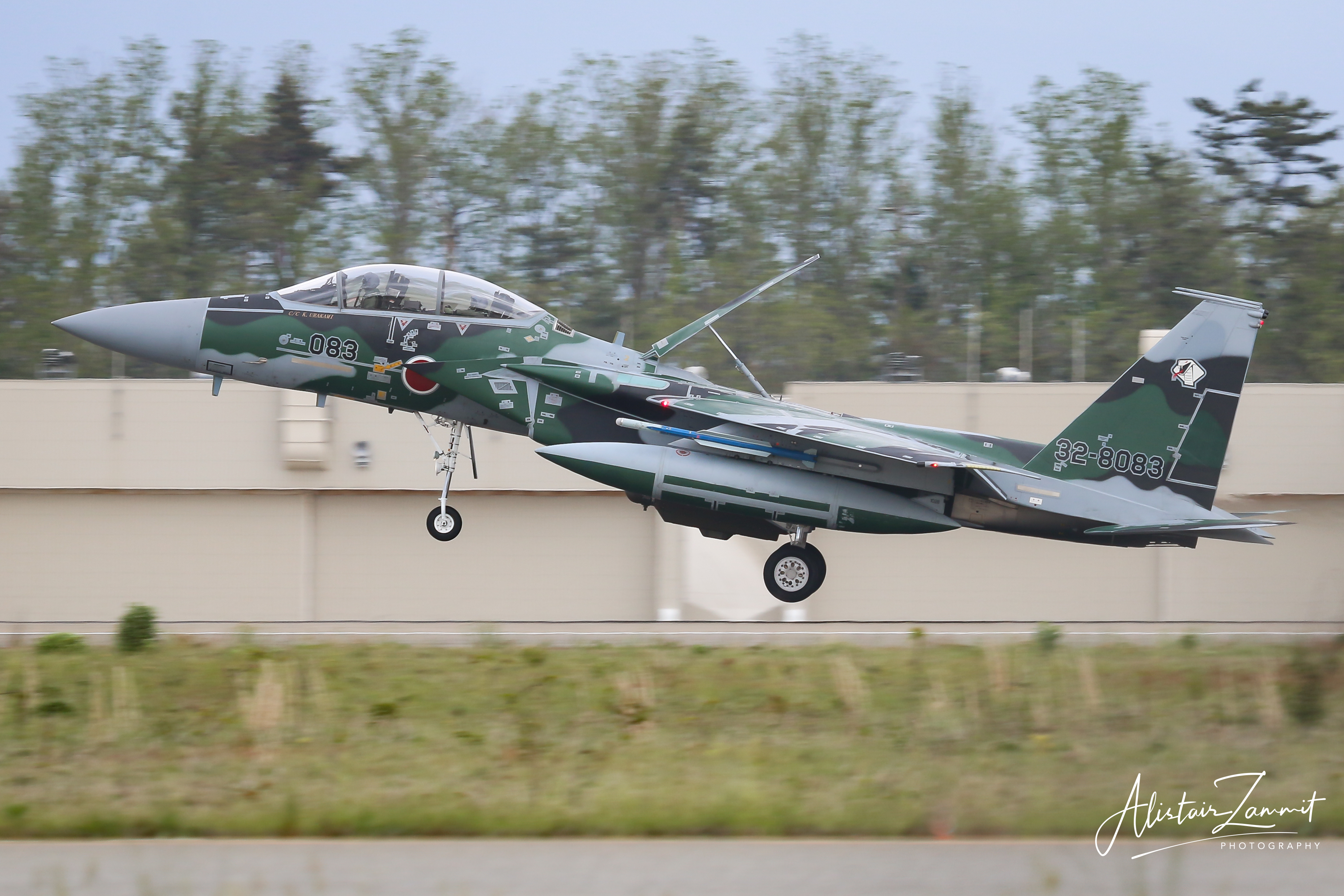
The Hiko Kyodogun (飛行教導群), also known as the JASDF Aggressor Group, is a specialized unit within the Japan Air Self-Defense Force (JASDF) dedicated to training fighter pilots in advanced air combat tactics. Its primary mission is to simulate enemy aircraft and tactics during training exercises, providing a realistic combat environment for Japan’s fighter squadrons. The Hiko Kyodogun’s primary mission is to enhance the combat readiness of JASDF fighter squadrons by conducting Dissimilar Air Combat Training (DACT). This type of training involves simulating the tactics and behavior of potential adversaries, often mimicking the air combat strategies of other nations like China, Russia, or North Korea.
By flying in adversary roles, the Aggressor Group provides JASDF pilots with experience in engaging hostile forces under conditions that replicate real-world scenarios. This prepares pilots to handle a wide range of air combat situations and improves their tactical capabilities in dogfights, beyond-visual-range (BVR) engagements, and other combat missions.
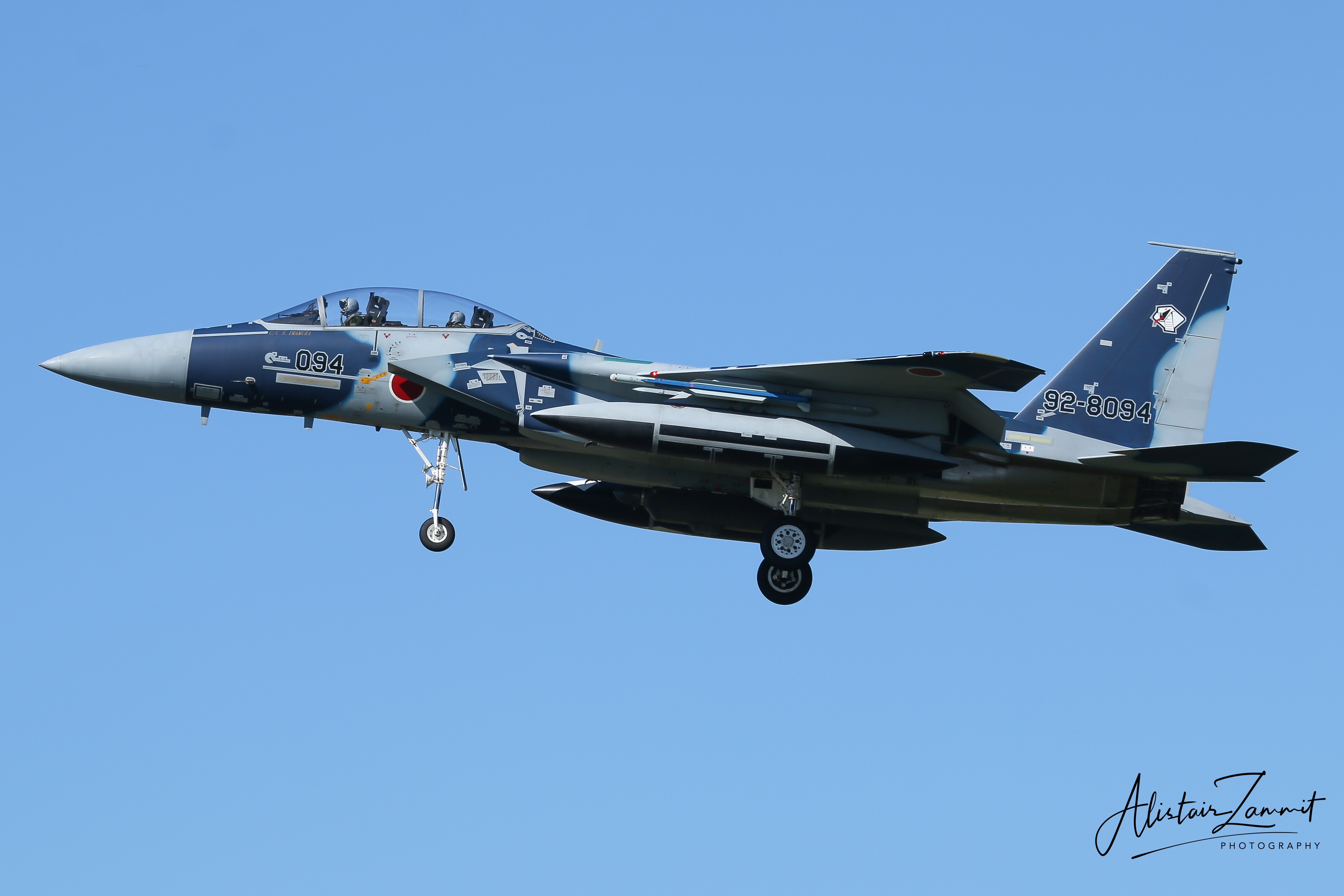
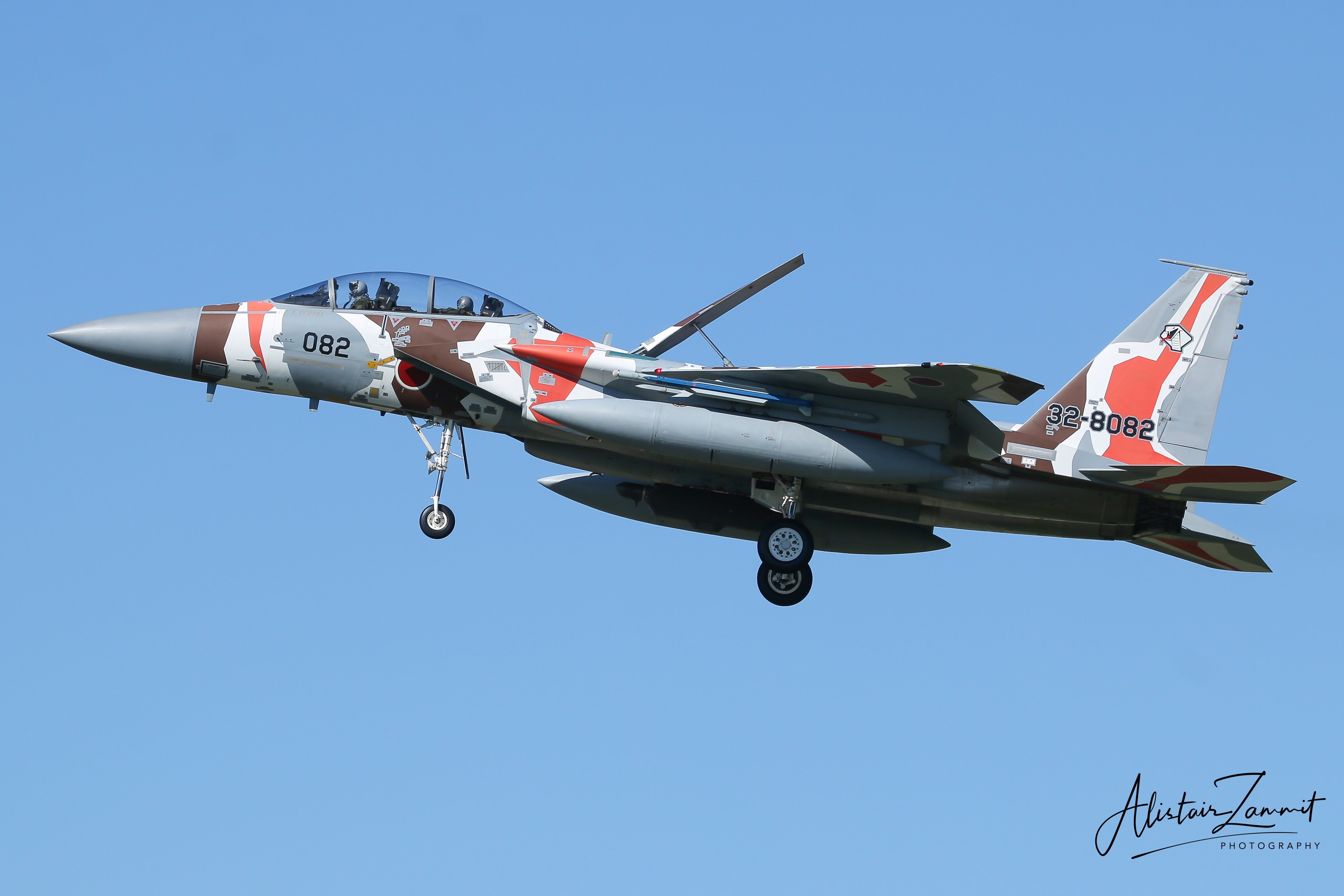
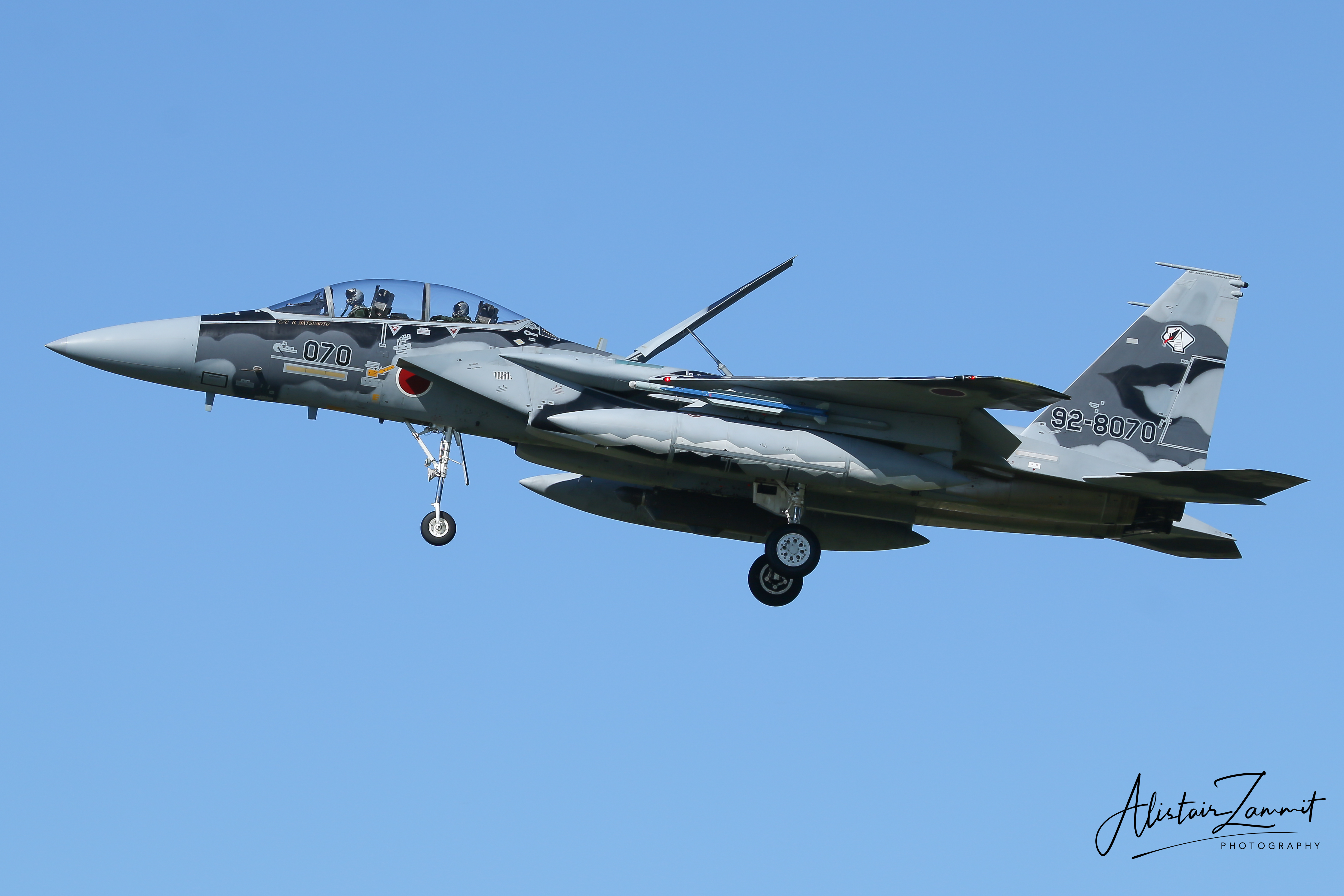
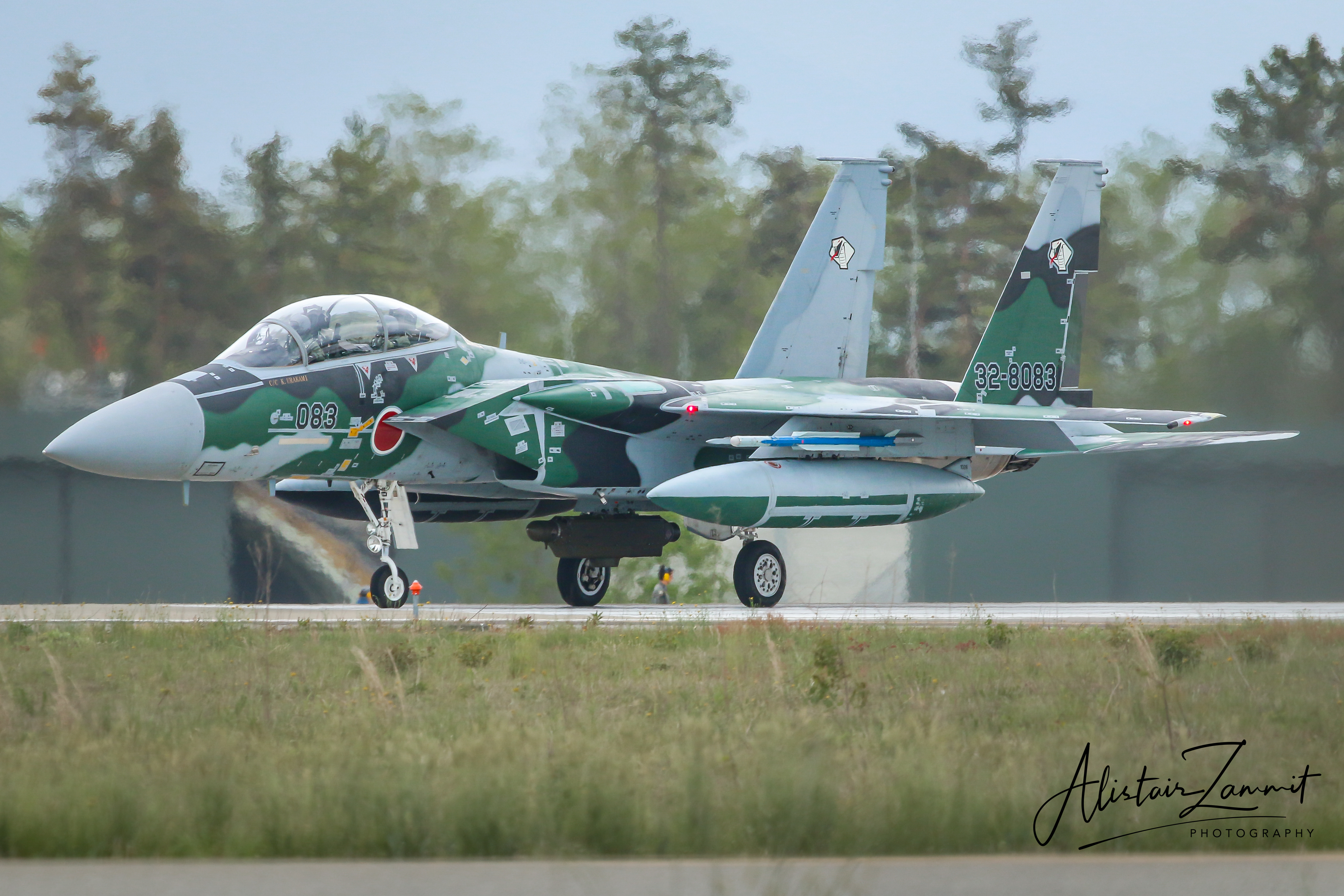
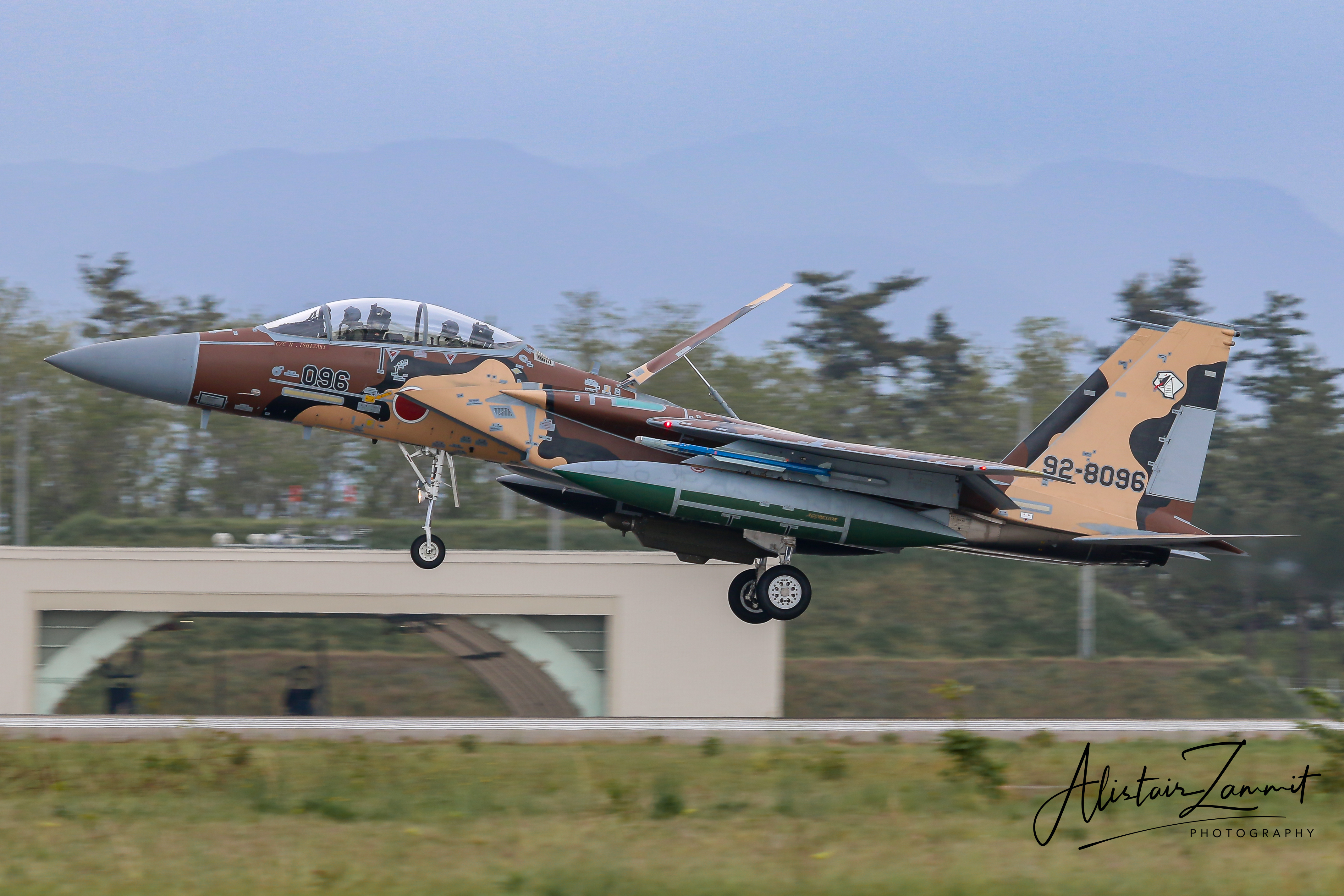
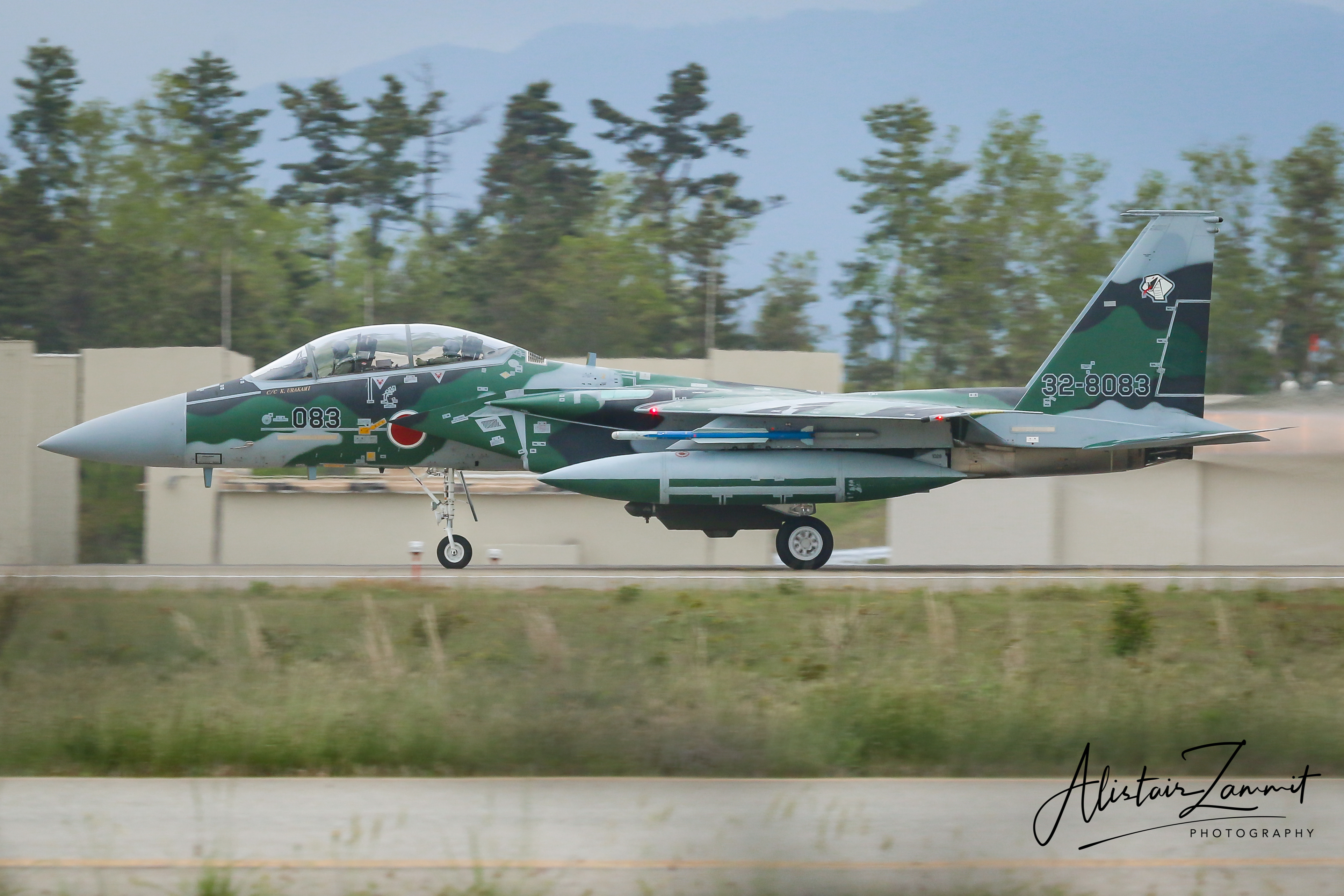
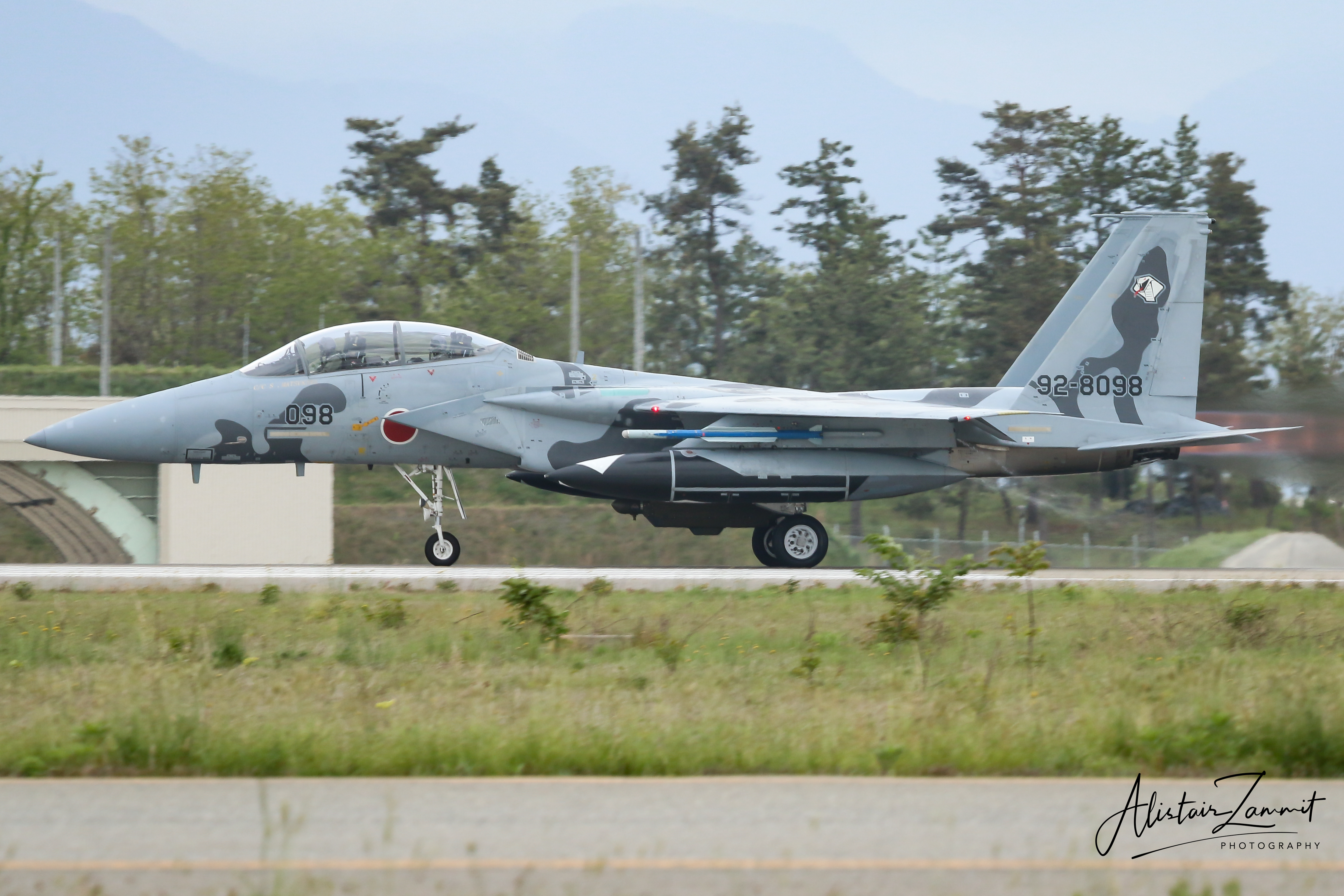
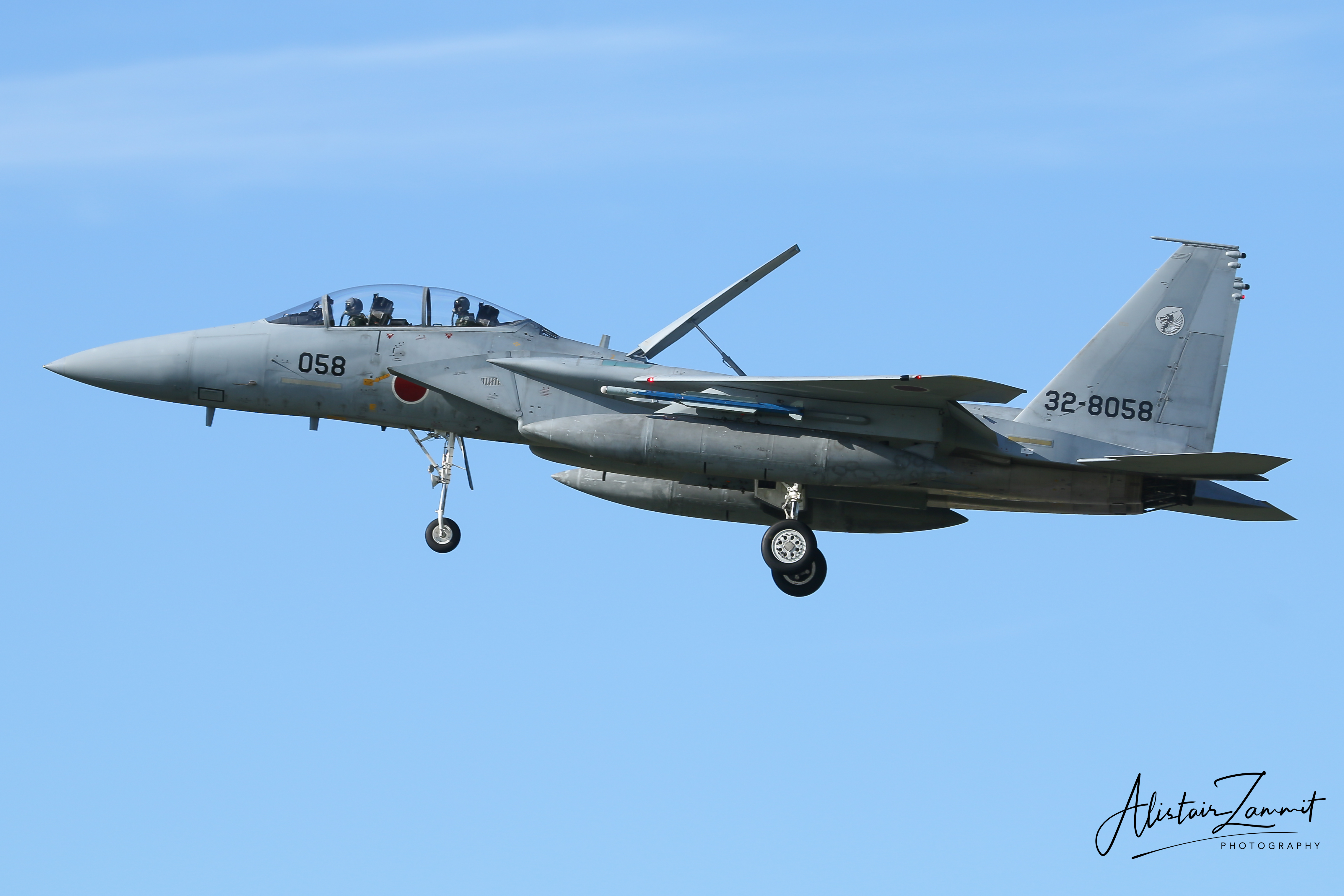
The Aggressor Group primarily operates the Mitsubishi F-15DJ, which is the two-seat variant of the F-15J Eagle. These aircraft are often painted in distinctive camouflage schemes that differ from standard JASDF colors, making them stand out during exercises. The Aggressor F-15DJs simulate enemy aircraft in both appearance and behavior. Prior to transitioning fully to the F-15DJ, the Hiko Kyodogun operated the F-4EJ Kai Phantom II, which was retired in recent years. The Phantoms also sported unique camo schemes to distinguish them as aggressor units.
The Aggressor Group’s aircraft are often equipped with training munitions and electronic warfare gear to simulate a wide array of combat scenarios, such as jamming, electronic countermeasures, and missile engagements. The Aggressor Group’s primary responsibility is to conduct Dissimilar Air Combat Training, where they act as adversaries to regular JASDF fighter squadrons. This provides pilots with the opportunity to engage in mock dogfights and air combat scenarios against opponents that replicate the flying styles and tactics of potential adversaries.
The Hiko Kyodogun also participates in joint exercises, both domestically and internationally. These include Cope North, a large-scale multilateral exercise with the U.S. Air Force and other regional allies, and Red Flag Alaska, a premier air combat training exercise held by the U.S. Air Force in Alaska. In these exercises, the Aggressor Group plays a crucial role by providing adversarial forces to simulate high-intensity combat operations. The Aggressor Group supports all JASDF fighter squadrons, such as the 303rd and 306th Tactical Fighter Squadrons, both based at JASDF Komatsu, by offering realistic air combat engagements during their training cycles. This improves the tactical proficiency of JASDF pilots across the board.
By replicating enemy tactics and flight patterns, the Hiko Kyodogun significantly enhances the readiness and effectiveness of JASDF fighter pilots. The training prepares them to engage a variety of adversary aircraft, potentially including those flown by China or Russia. With tensions in the Asia-Pacific region, the role of the Aggressor Group is increasingly important. Japan faces potential threats from both air and maritime incursions in areas such as the East China Sea and the Sea of Japan. The skills honed by JASDF pilots through training with the Aggressor Group are crucial for maintaining Japan’s air superiority and protecting its airspace. The unique camouflage patterns of the Aggressor Group’s aircraft set them apart from the standard JASDF fleet. These distinctive liveries serve both a functional purpose, allowing friendly units to identify them as adversaries during training, and an aesthetic one, making them some of the most recognizable aircraft in the JASDF.
303 Hikotai
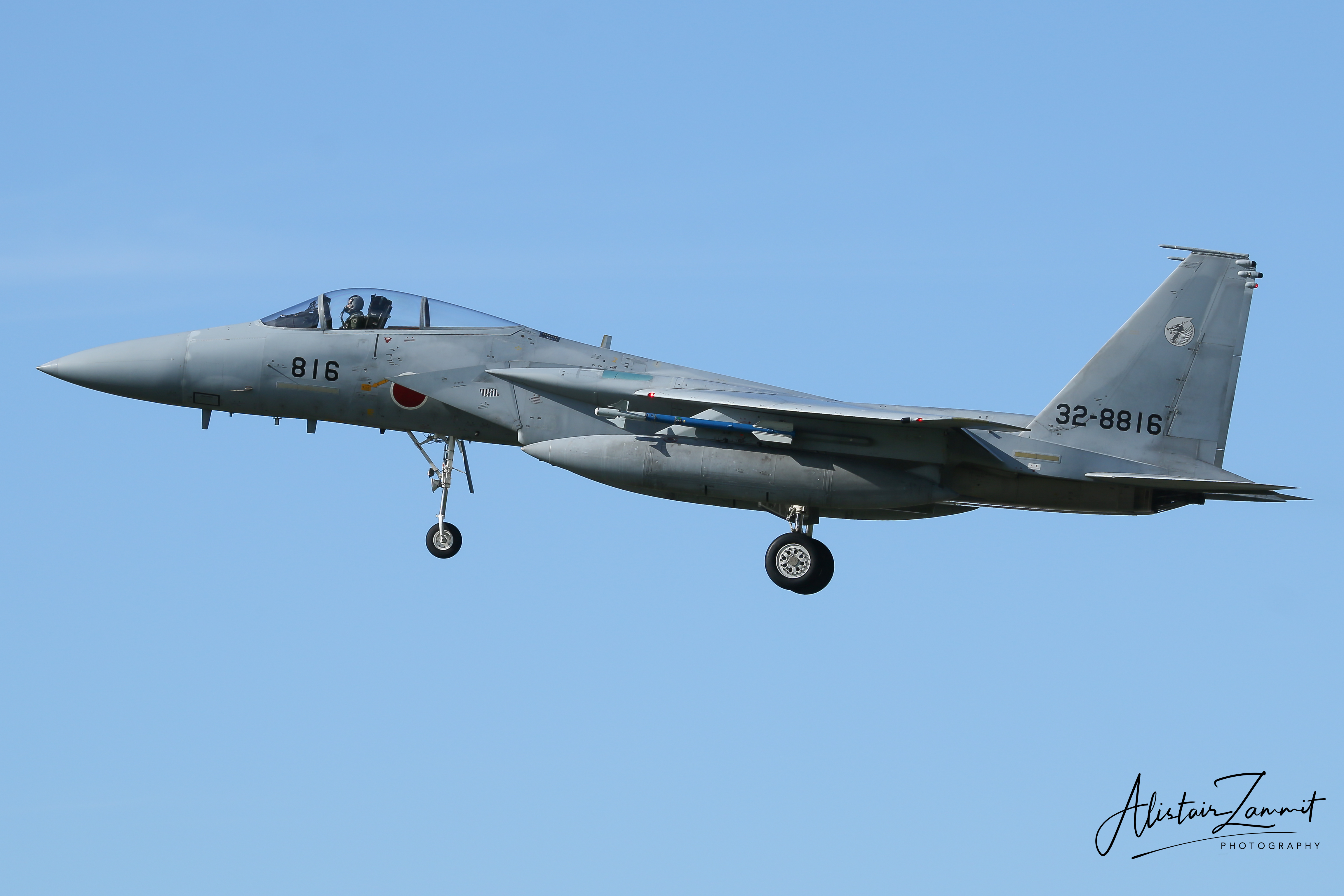
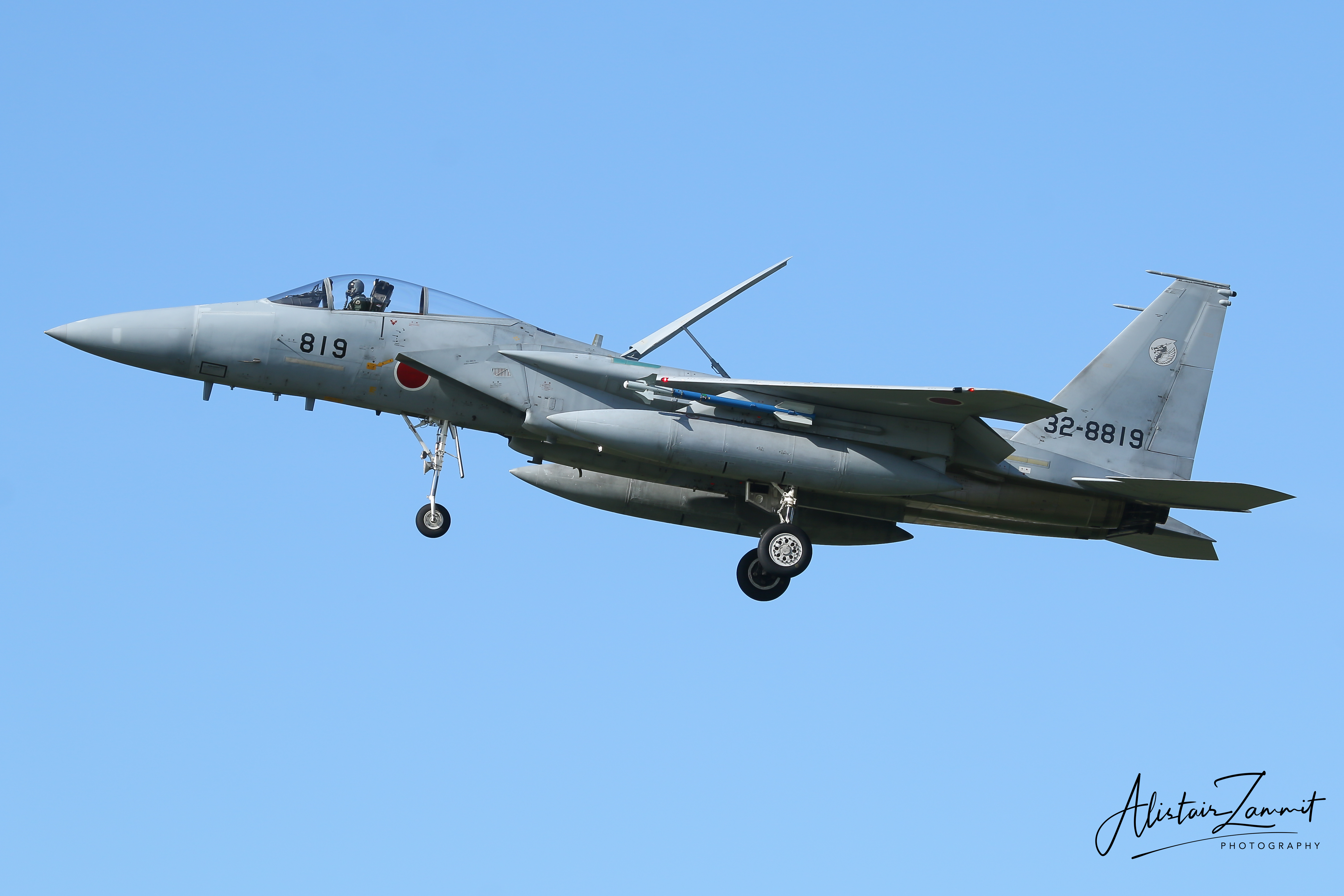
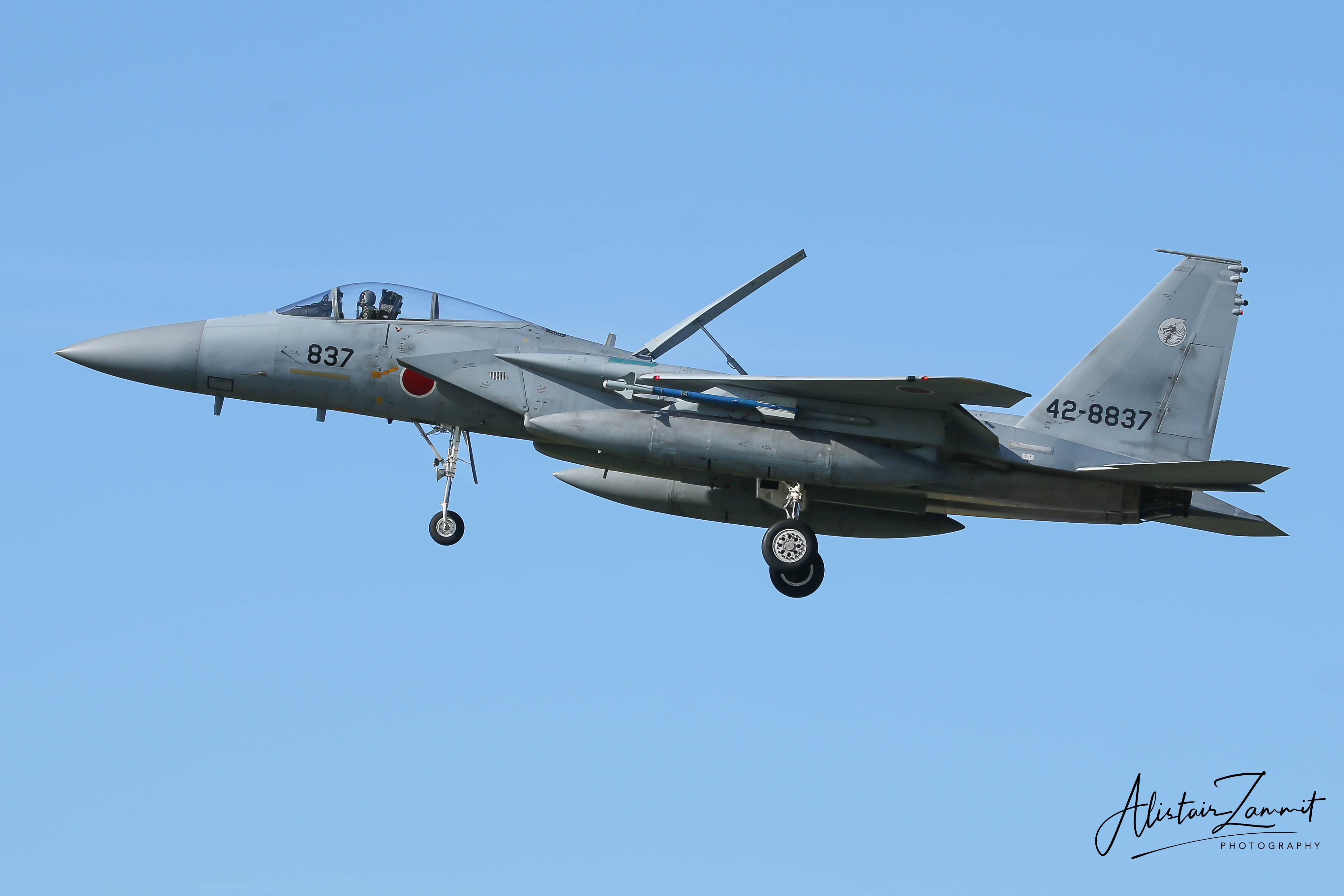
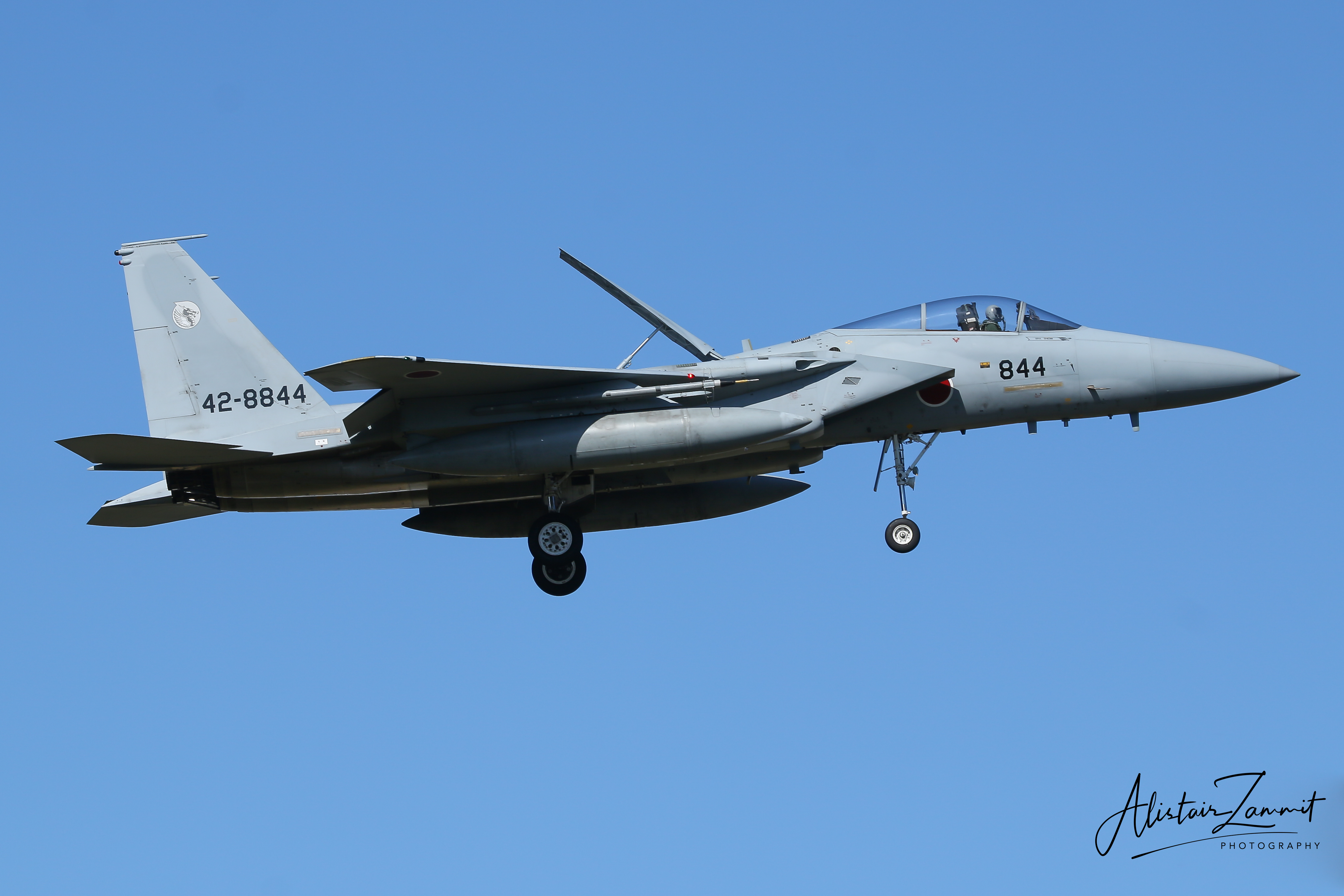
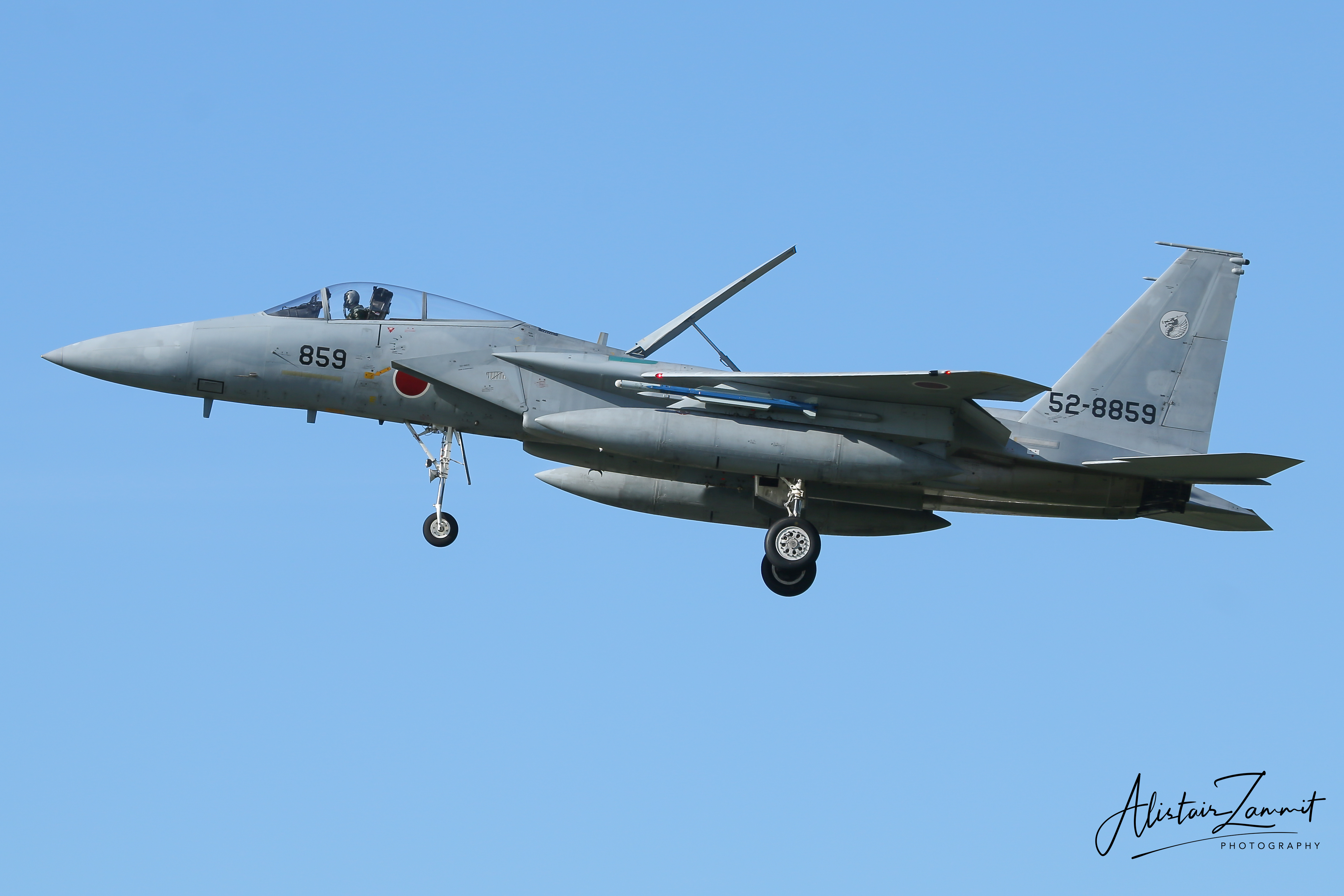
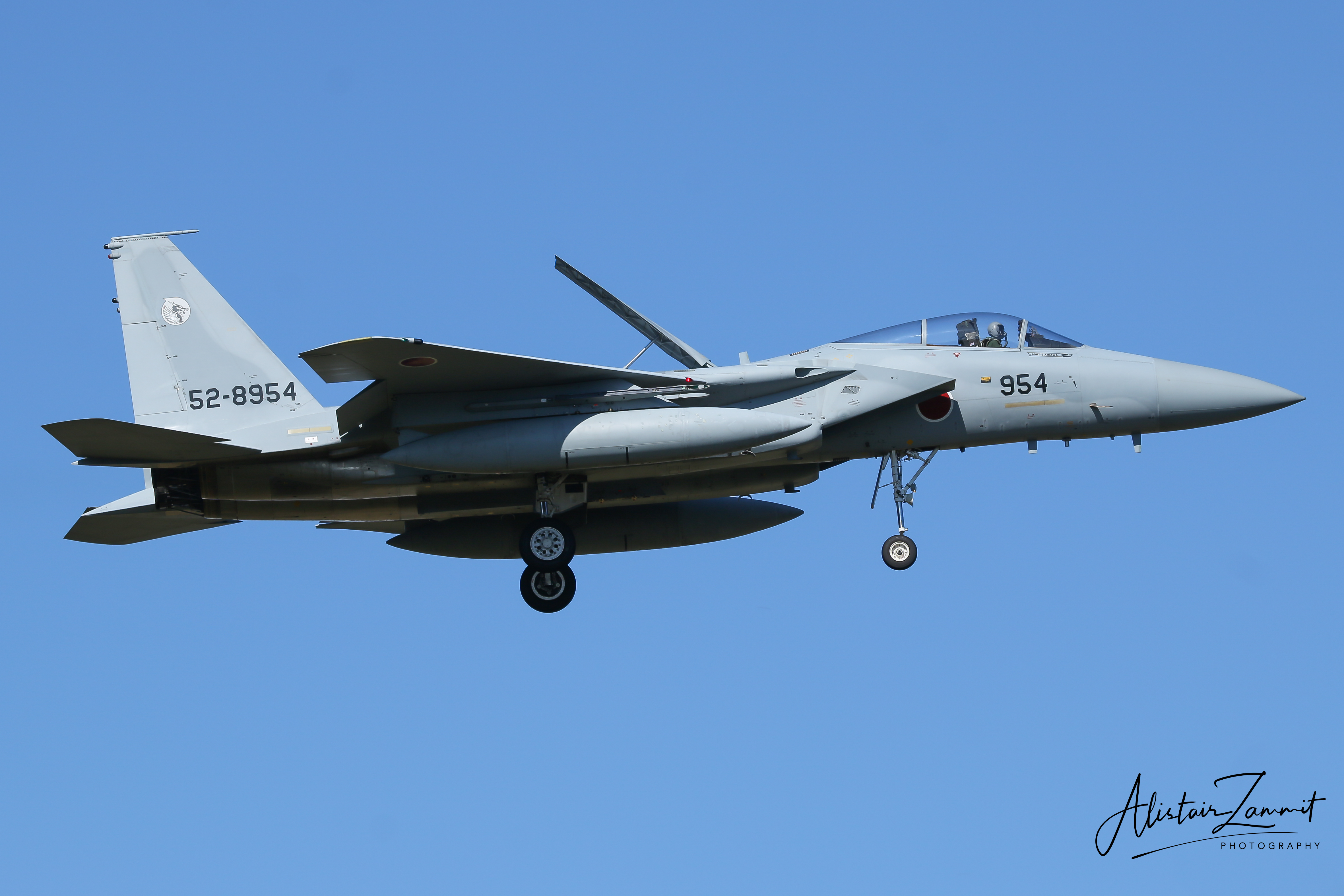
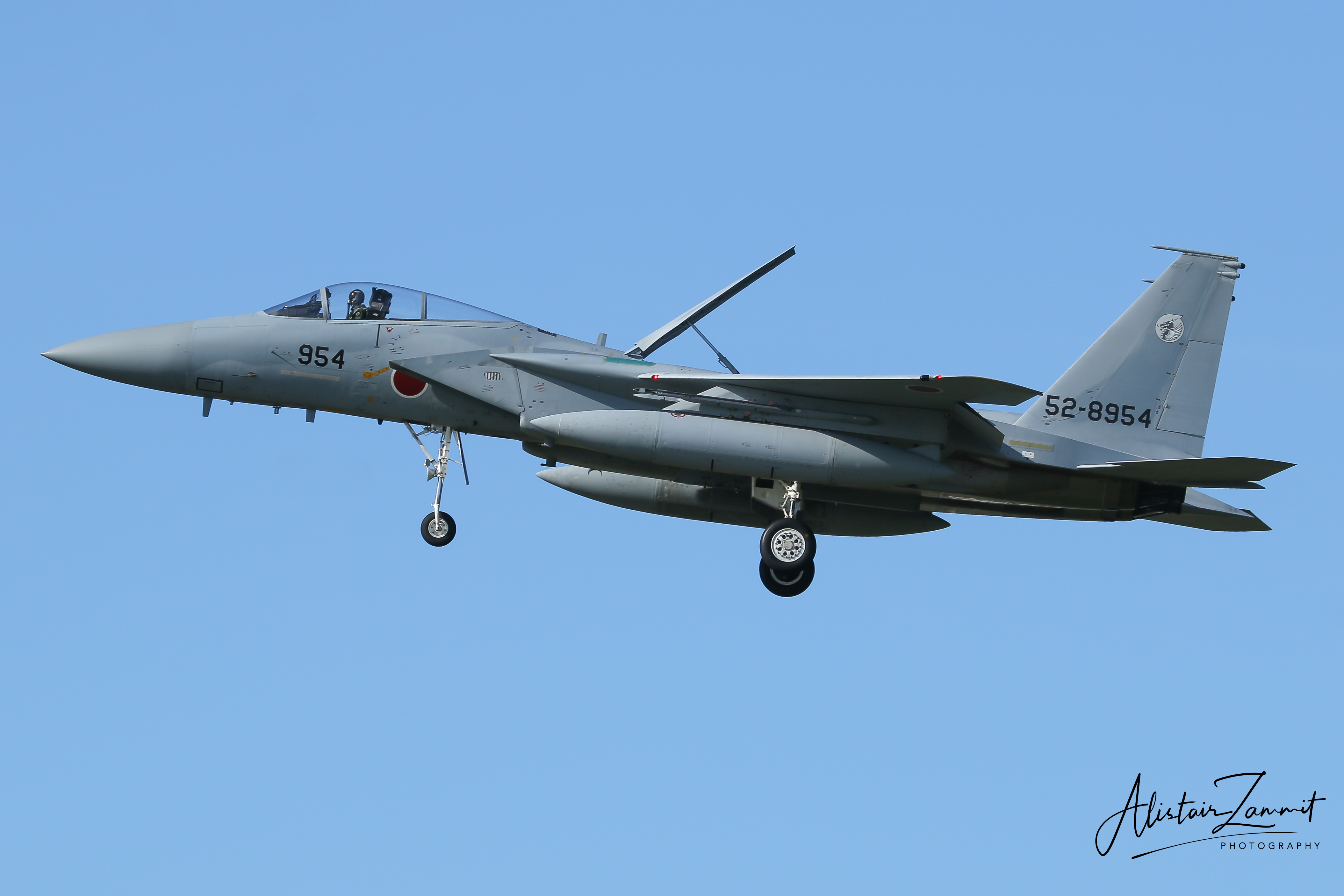
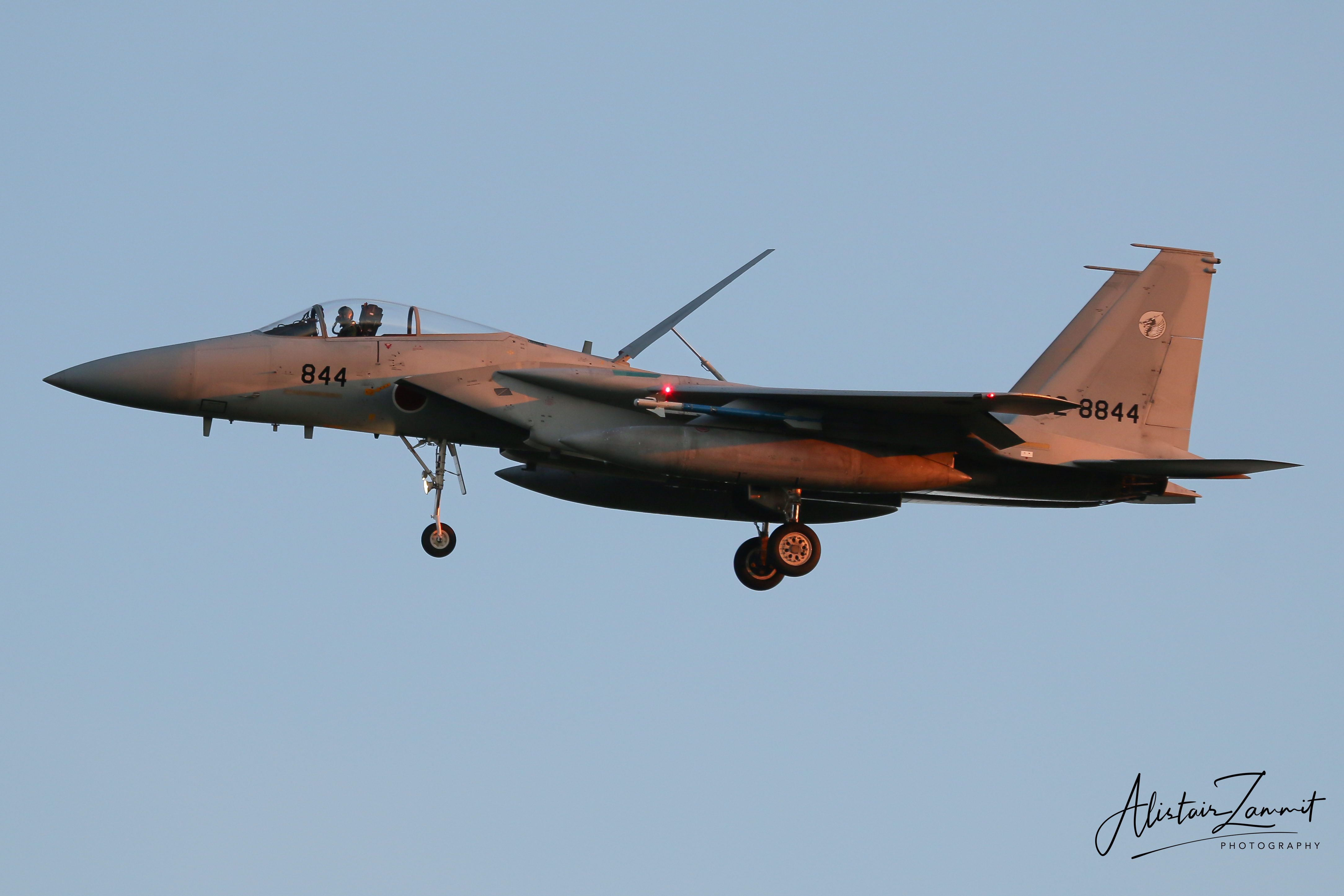
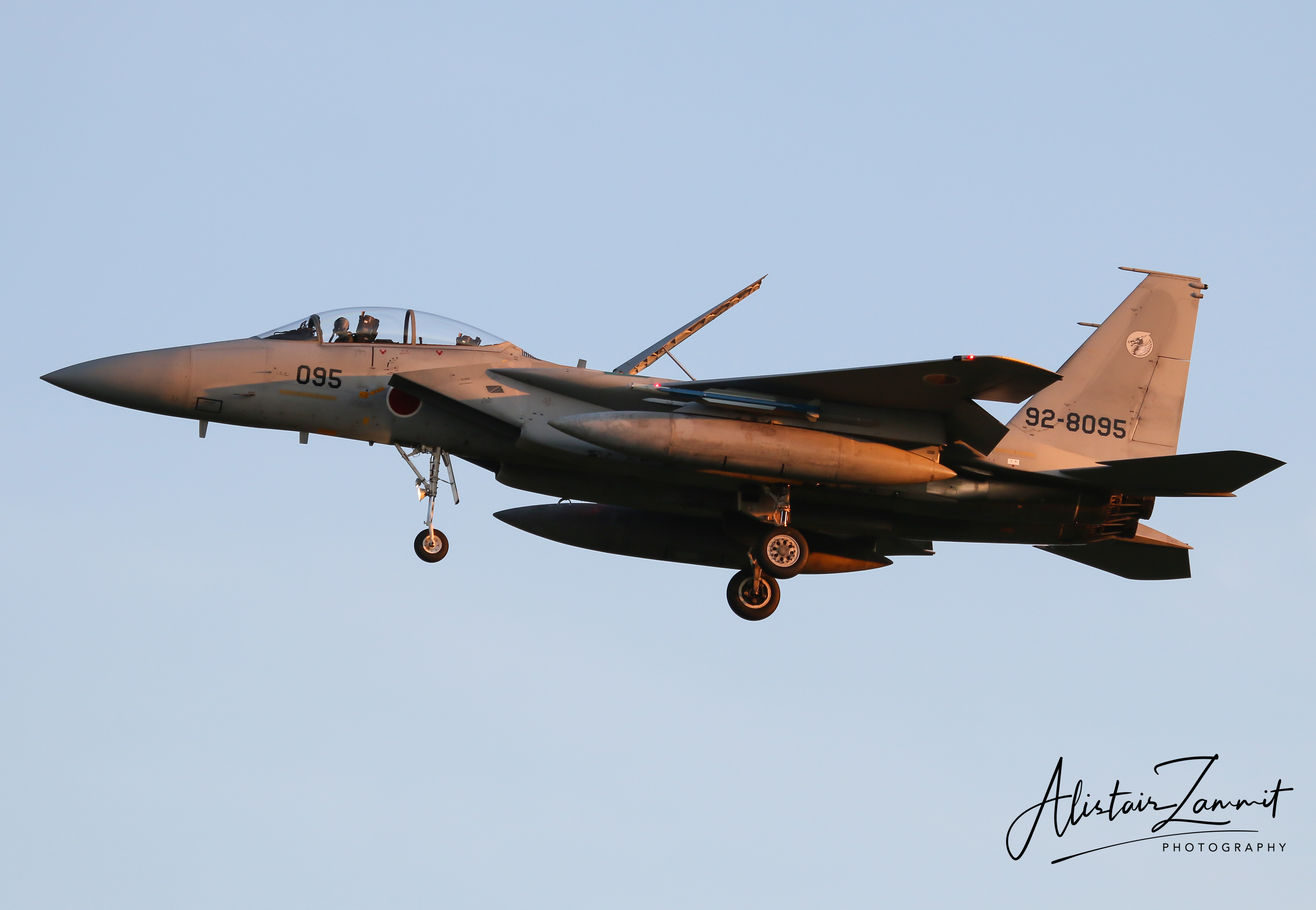
The 303rd Tactical Fighter Squadron (303 Hikotai) is one of the most prestigious units within the Japan Air Self-Defense Force (JASDF). Based at Komatsu Air Base in Ishikawa Prefecture, this squadron plays a vital role in Japan’s air defense. The 303rd Tactical Fighter Squadron is tasked with air defense and interception operations to protect Japan’s airspace. The squadron is responsible for quick reaction alert (QRA), where its fighters can be scrambled at a moment’s notice to intercept unidentified or hostile aircraft that approach Japanese airspace, particularly in the Sea of Japan and nearby regions.
The 303rd Tactical Fighter Squadron has a rich operational history and was the first JASDF squadron to operate the F-15J when the aircraft was introduced into service in 1981. Since then, the unit has been involved in various critical air defense missions, intercepting foreign military aircraft and participating in both domestic and international air defense exercises. Given the high level of foreign aircraft activity near Japan’s airspace, particularly from China and Russia, the 303rd has accumulated extensive experience in conducting air intercepts. Their pilots are highly trained in air superiority tactics and intercept missions. The 303rd Hikotai frequently scrambles its F-15Js to intercept aircraft approaching or violating Japanese airspace. This includes monitoring Russian, Chinese, and North Korean military aircraft that often operate near Japan’s borders, especially in the East China Sea and Sea of Japan regions. The squadron is on standby for rapid deployment, ready to scramble at any time to respond to potential threats. The QRA missions are a critical part of Japan’s defense posture, ensuring that any aerial incursions can be swiftly met with force.
The 303rd Hikotai regularly participates in training exercises with allied air forces, such as Cope North – a large-scale joint air exercise with the U.S. and other Pacific allies, Red Flag Alaska – an advanced air combat exercise hosted by the U.S. Air Force in Alaska, and JASDF Tactical Drills – focused on air defense, missile defense, and coordinated operations with other JASDF units. While their primary role is air defense, the squadron also plays a secondary role in disaster response and humanitarian assistance. During natural disasters, the squadron can assist with logistics, reconnaissance, and aerial support.

306 Hikotai
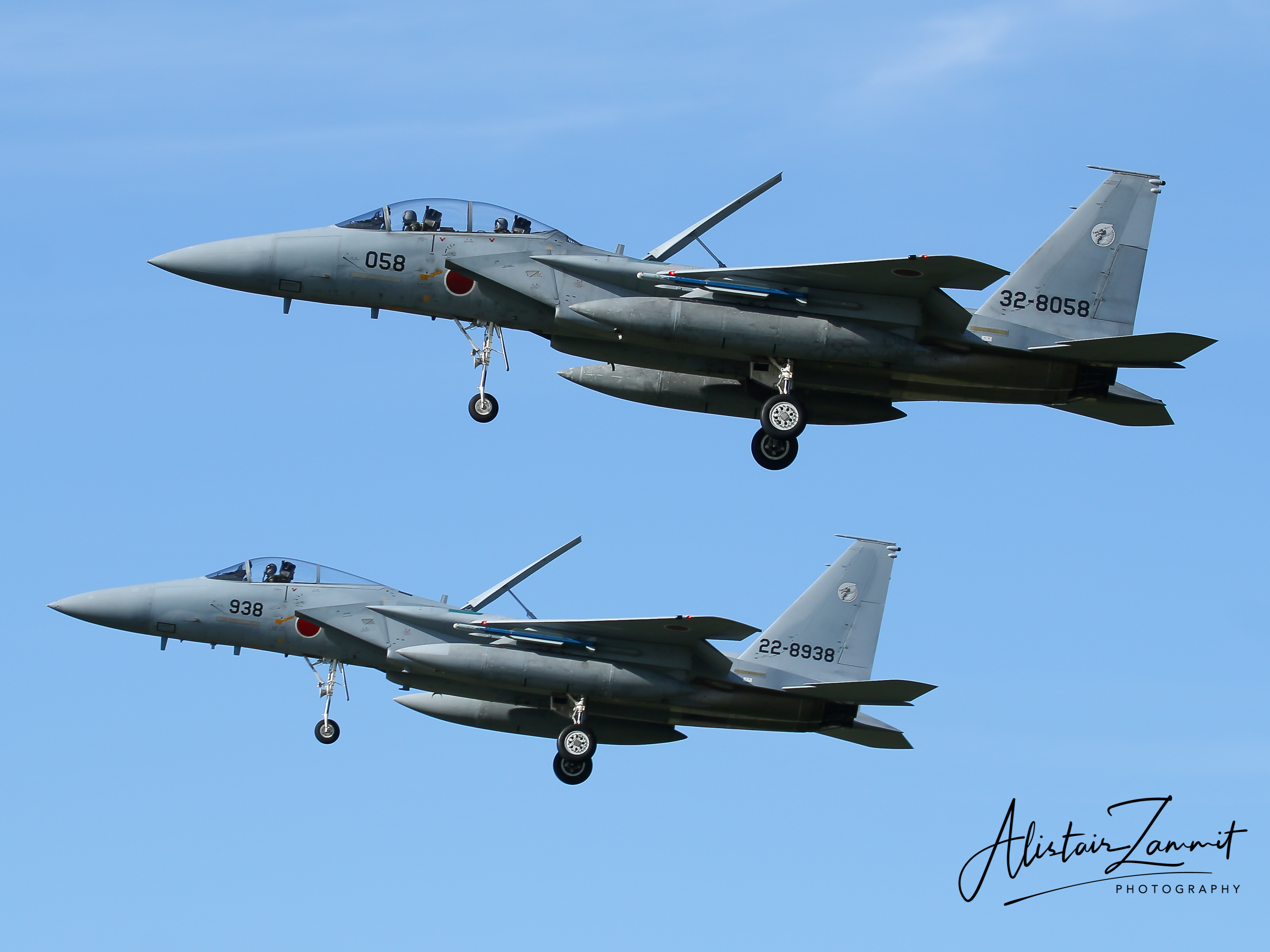
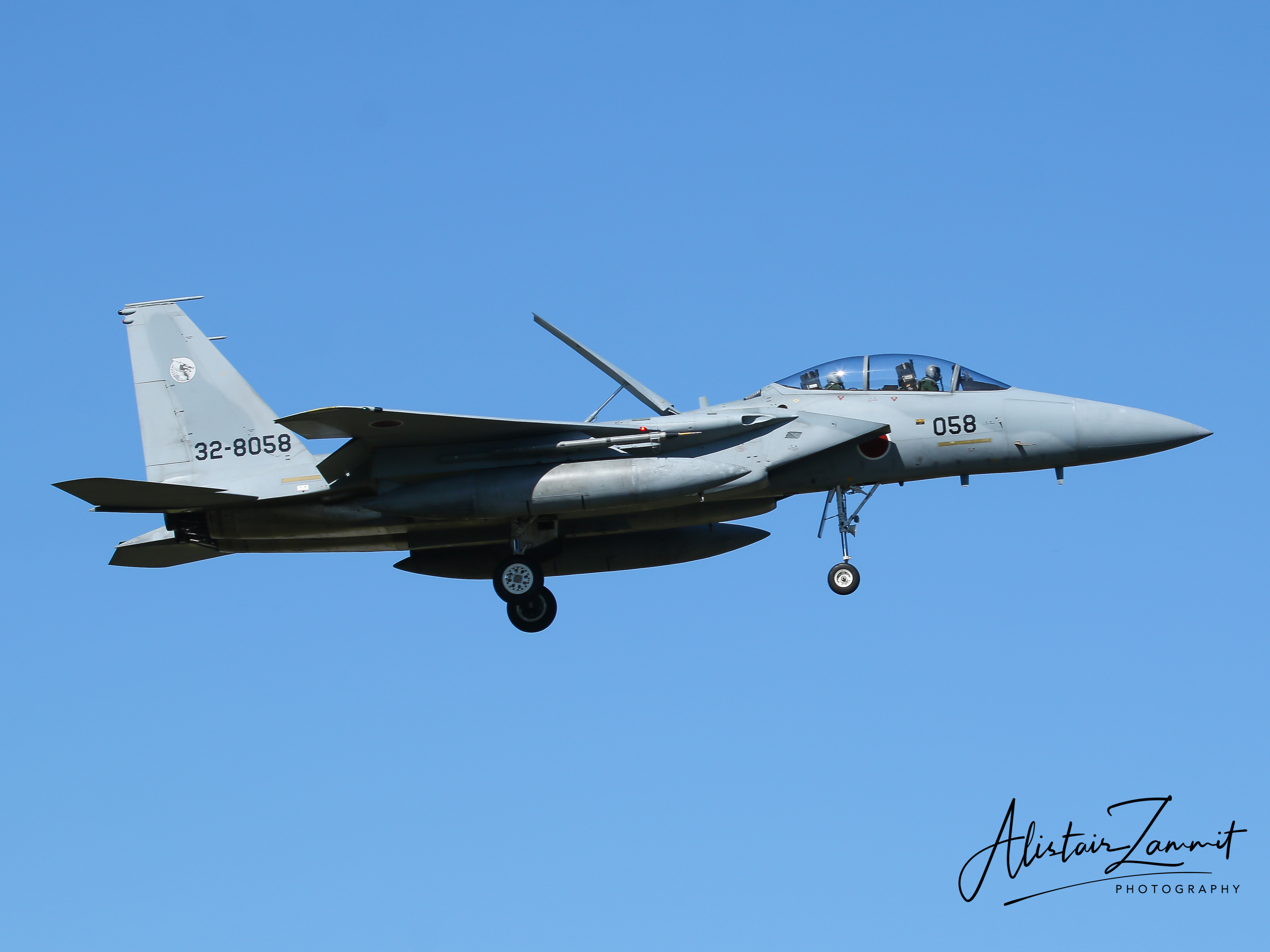
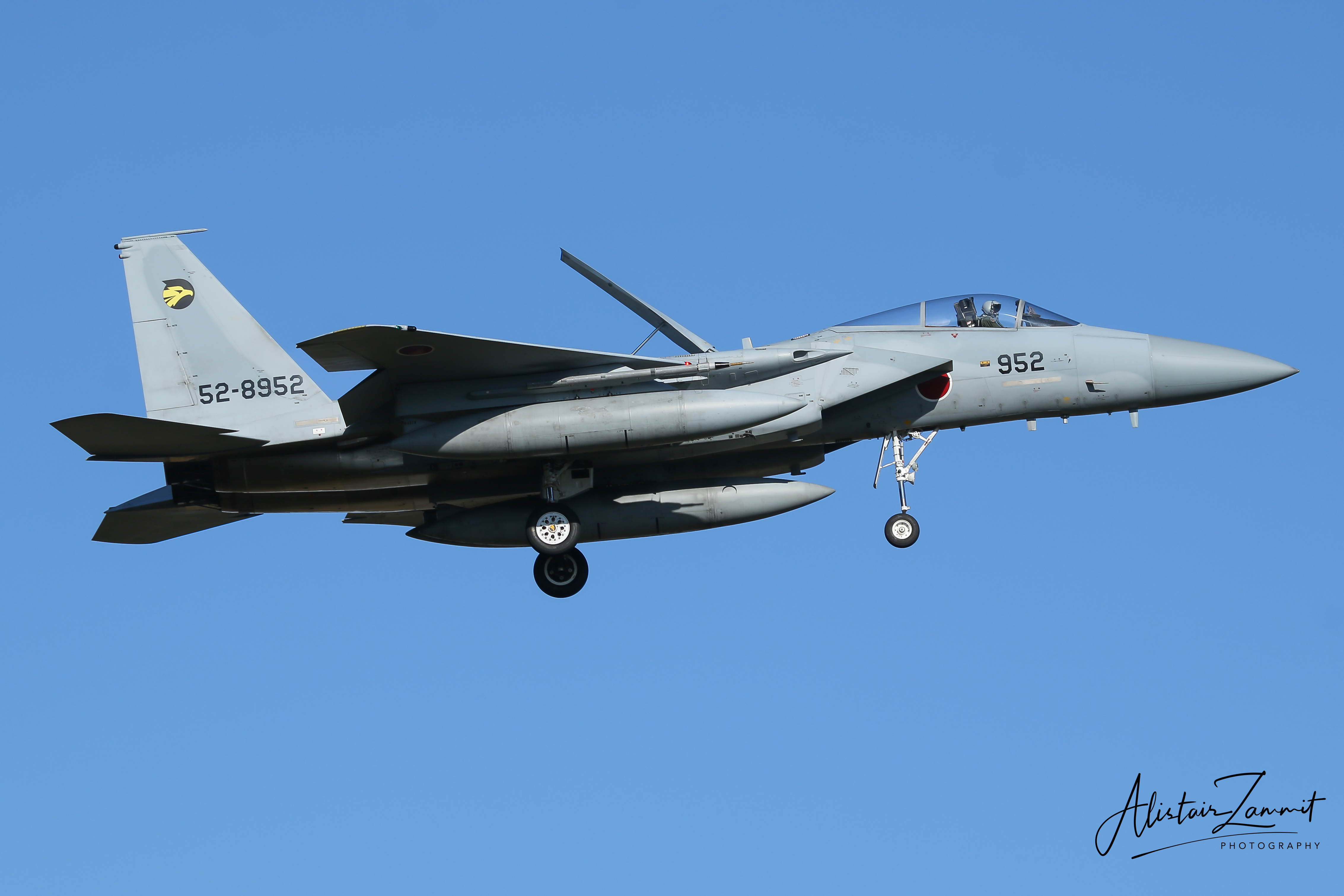
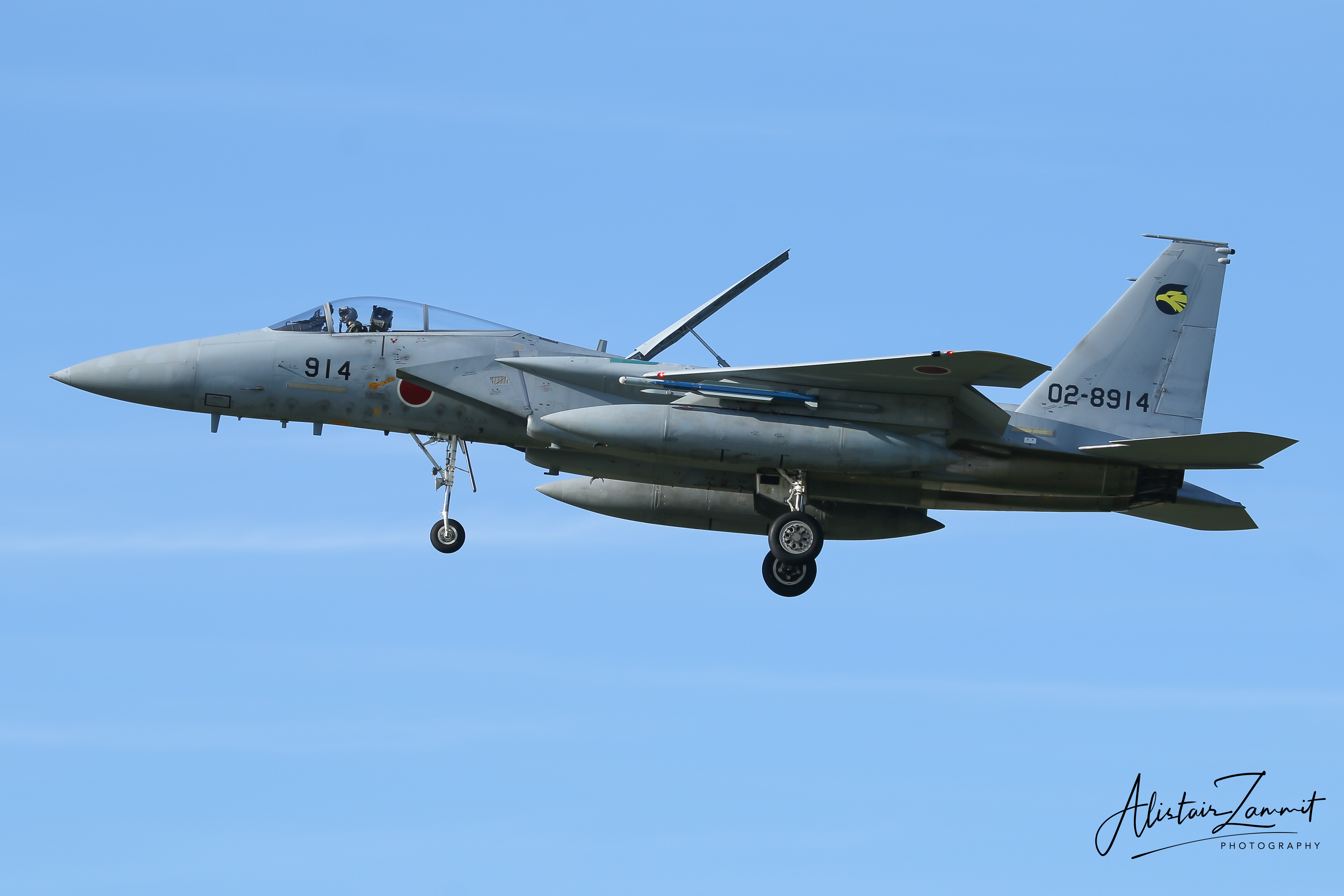
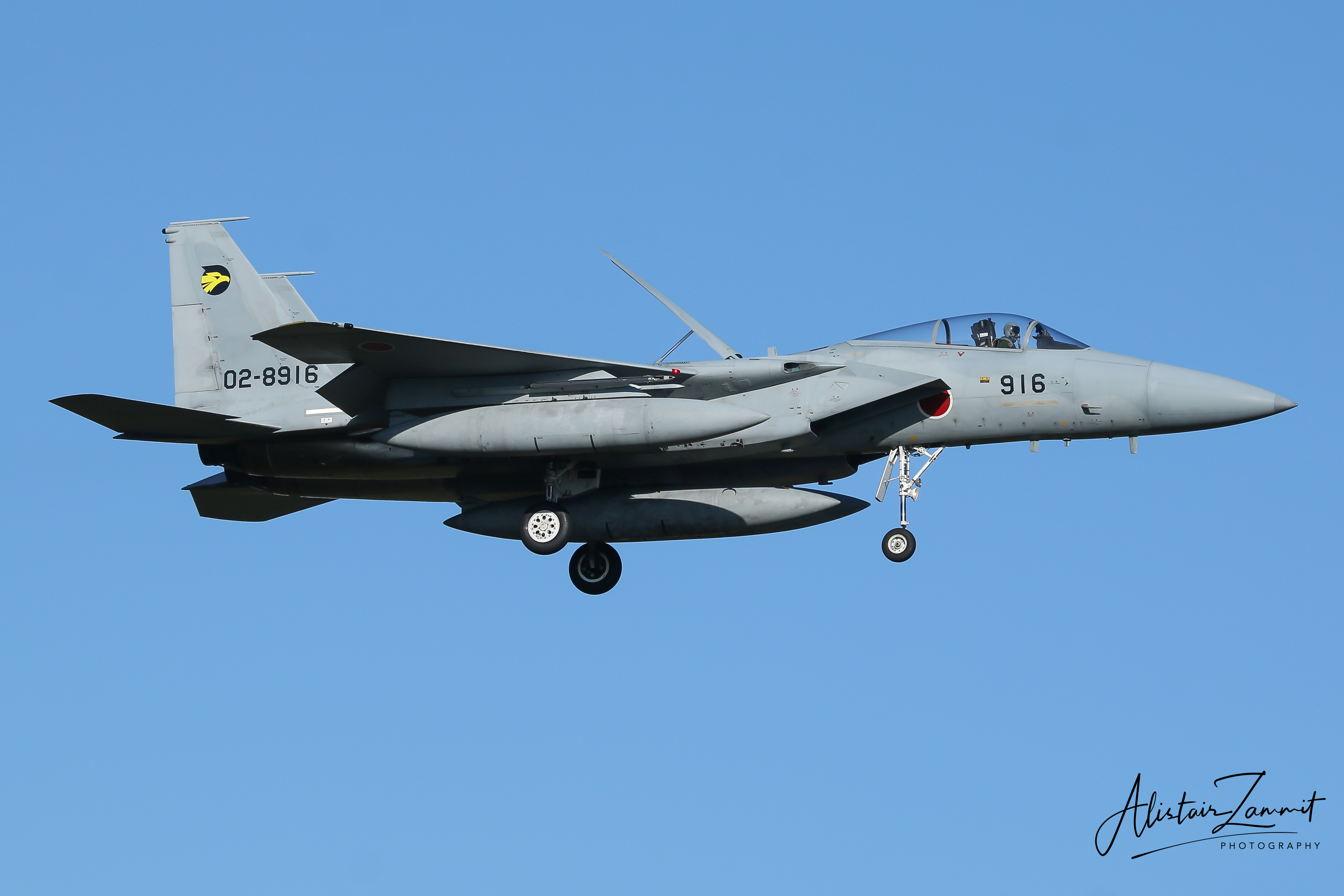
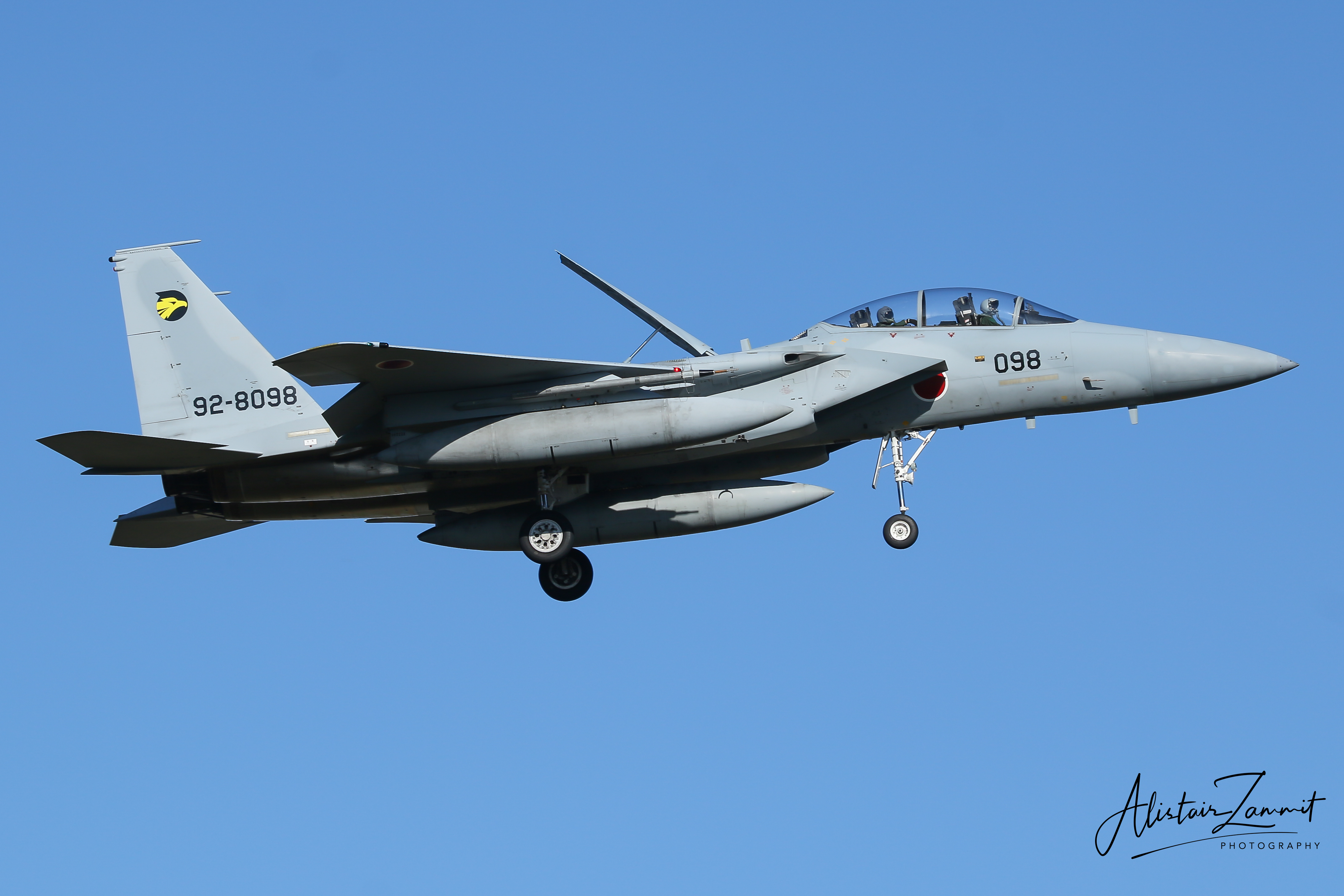
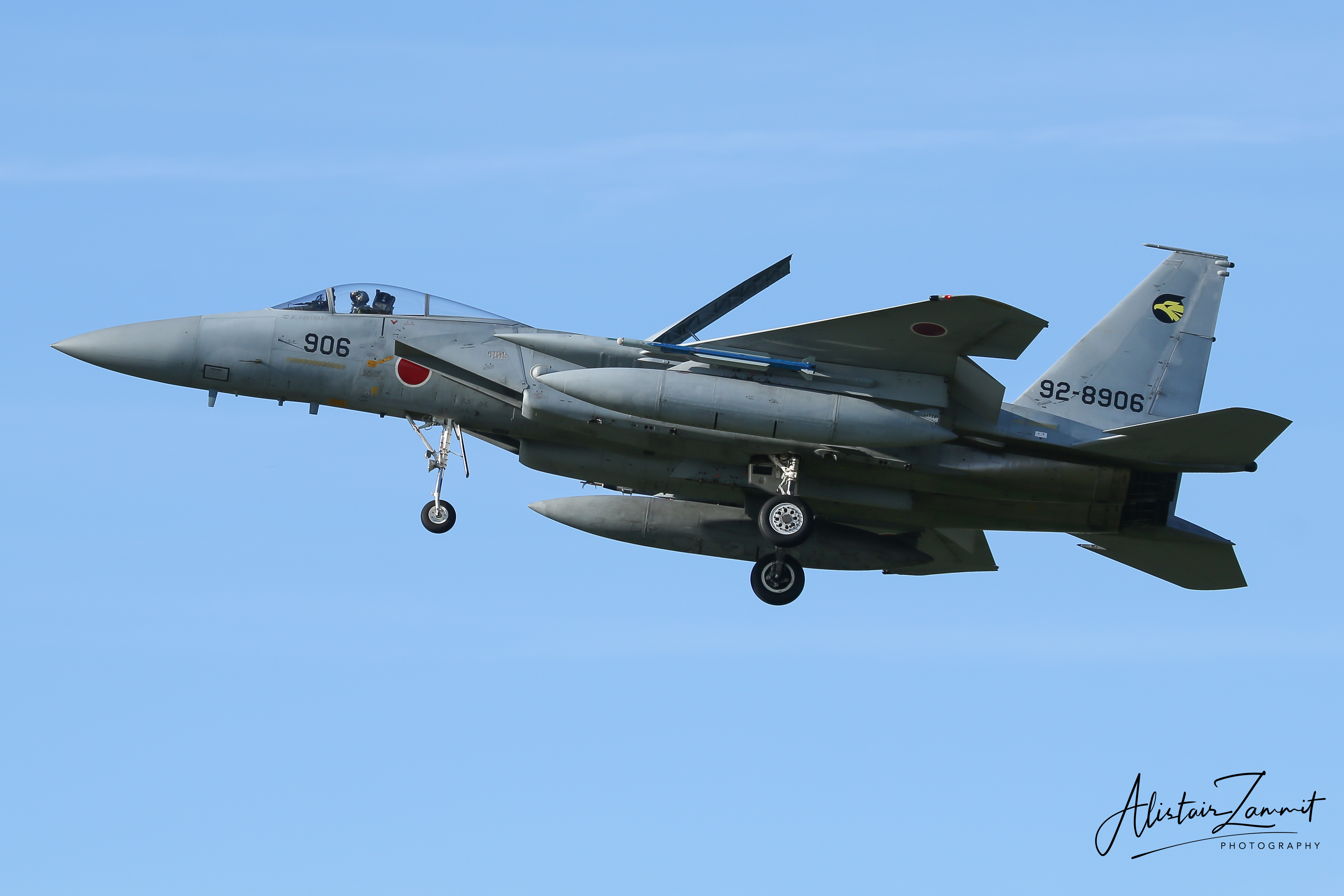
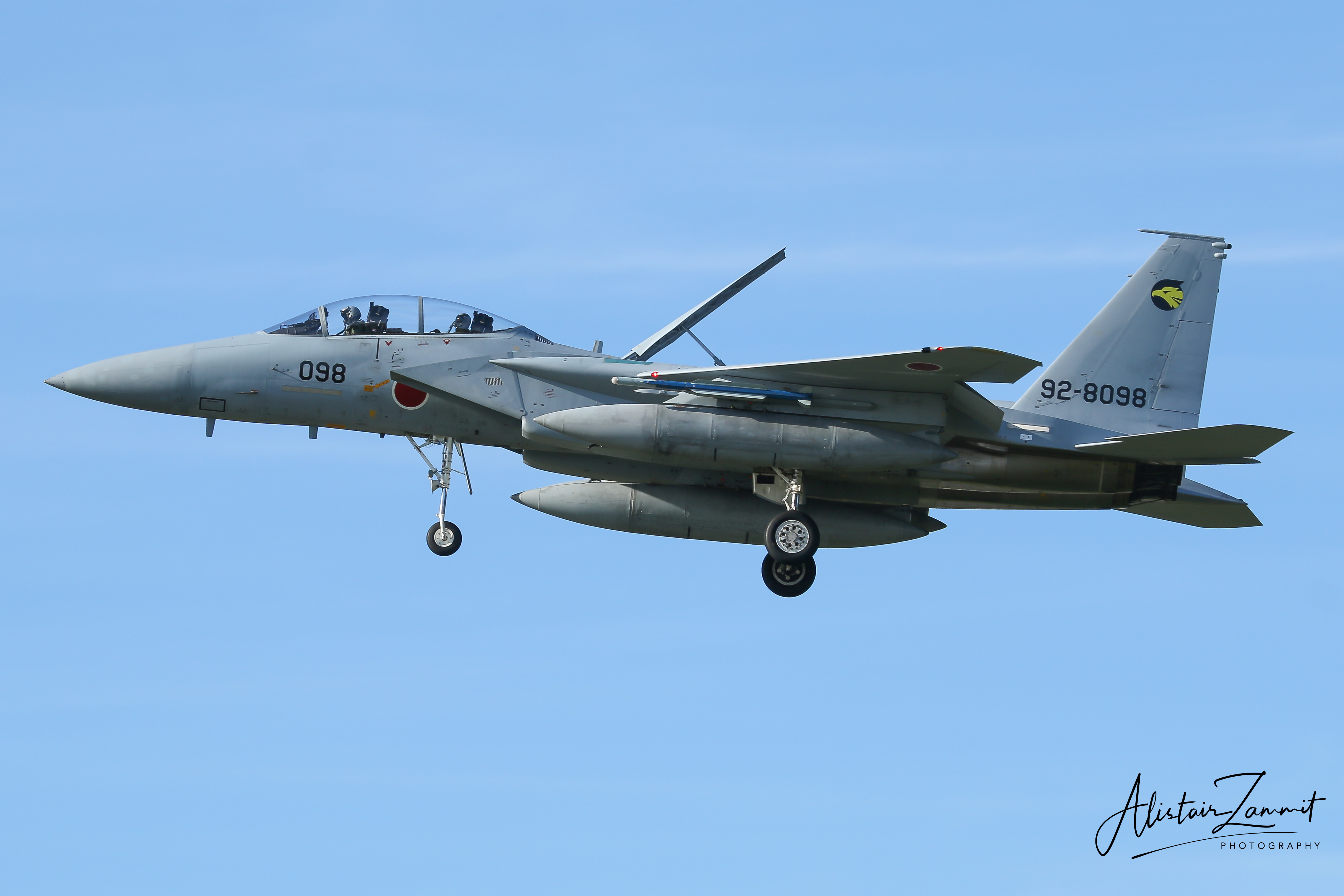
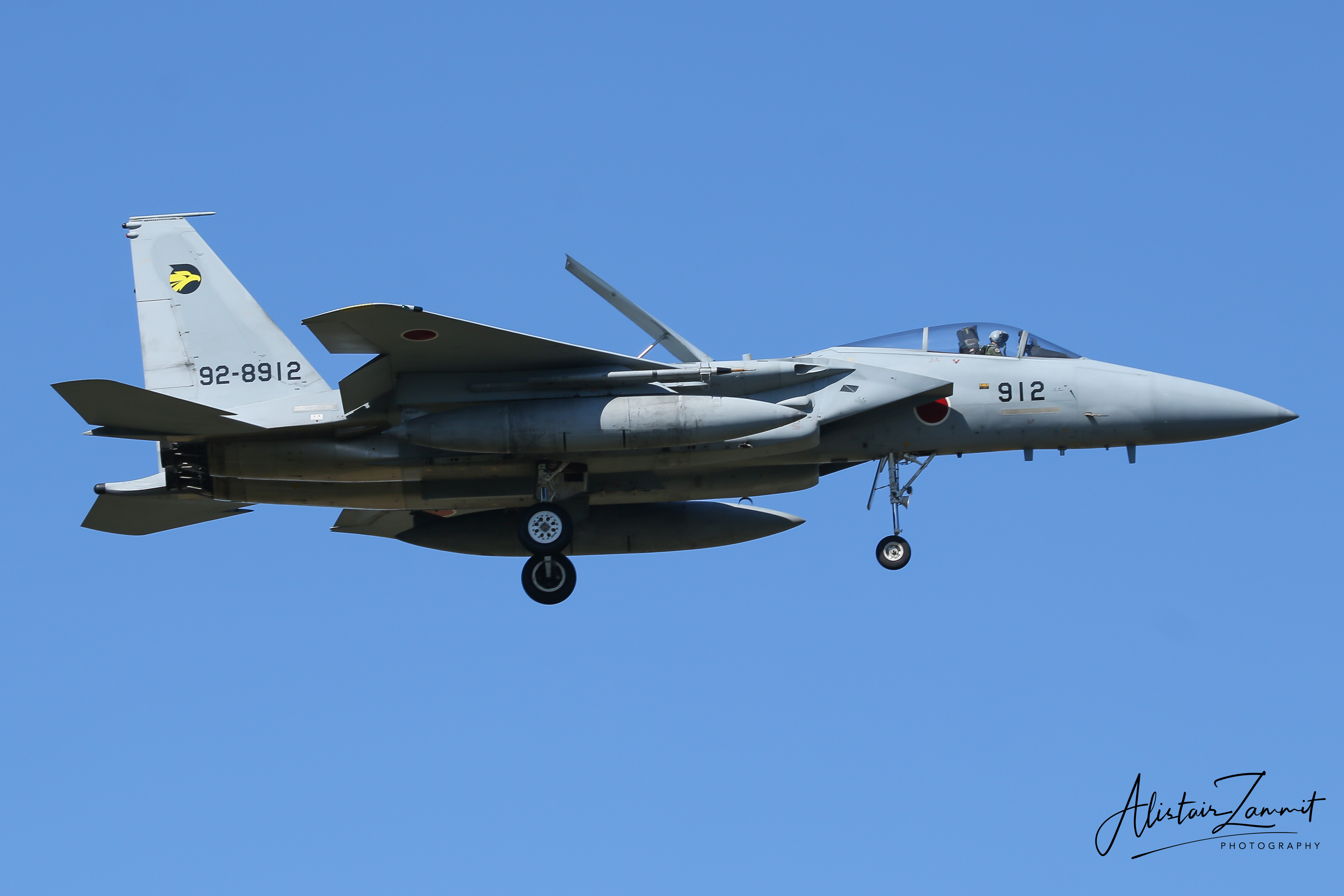
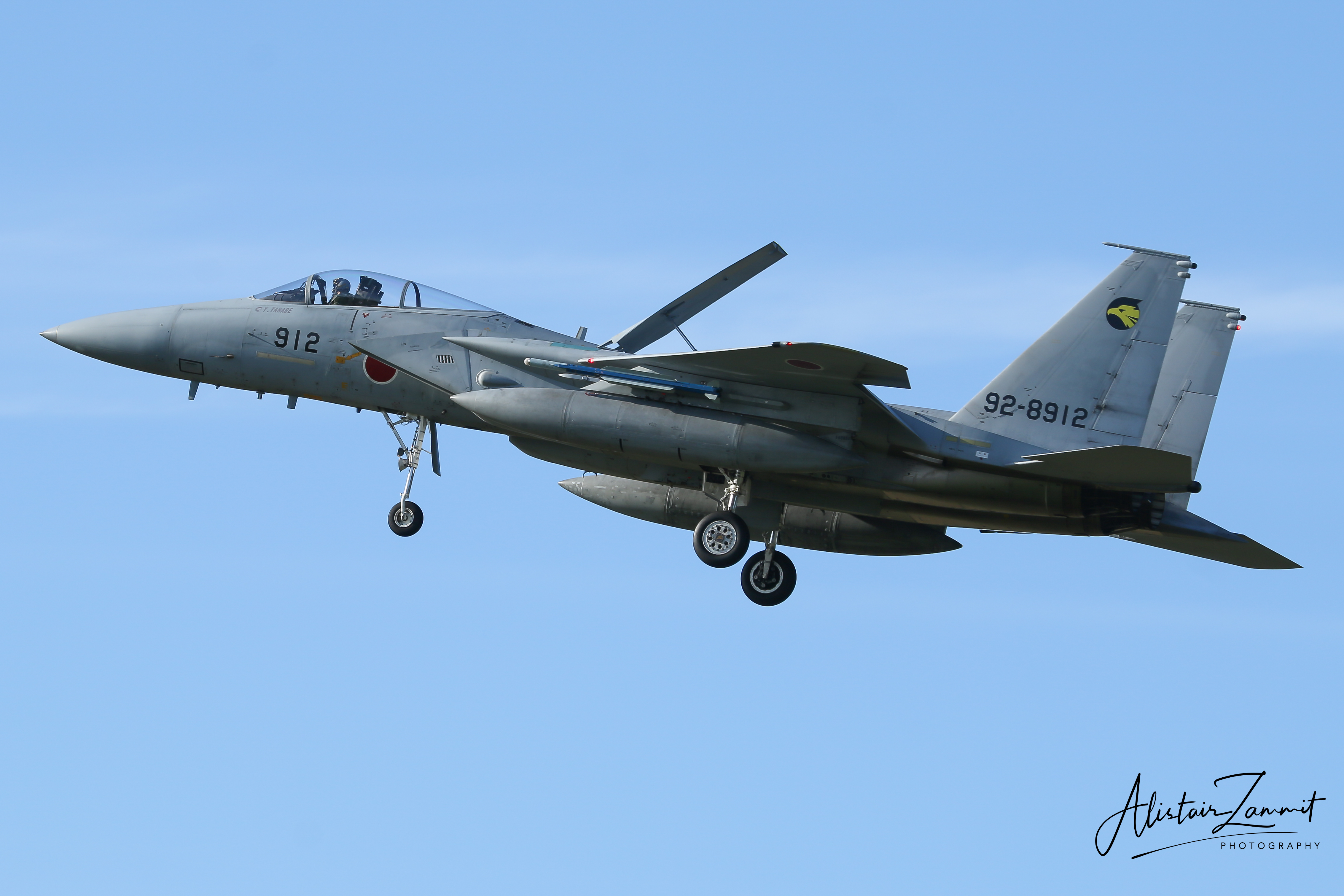
The 306th Tactical Fighter Squadron (306 Hikotai) of the Japan Air Self-Defense Force (JASDF) is often referred to by its nickname, the Golden Eagles. This nickname comes from the squadron’s emblem, which prominently features a golden eagle—a symbol of strength, vigilance, and superior hunting abilities in the air. The golden eagle is featured prominently in the squadron’s emblem, representing the agility, power, and precision that the squadron strives for in its air defense role. The golden eagle is also known for its keen eyesight and dominance in the skies, reflecting the 306th’s mission to maintain Japan’s air superiority and constant vigilance in protecting its airspace.
The primary mission of the Golden Eagles is to conduct air defense and interception operations. The squadron operates under the 6th Air Wing and is responsible for guarding Japan’s airspace, particularly over the Sea of Japan and surrounding regions. This area is significant due to frequent airspace intrusions by Russian and Chinese military aircraft, which makes the 306th a critical component of Japan’s defense network. The 306th Tactical Fighter Squadron flies the Mitsubishi F-15CJ and F-15DJ.
Komatsu Kyunantai – Air Rescue Wing
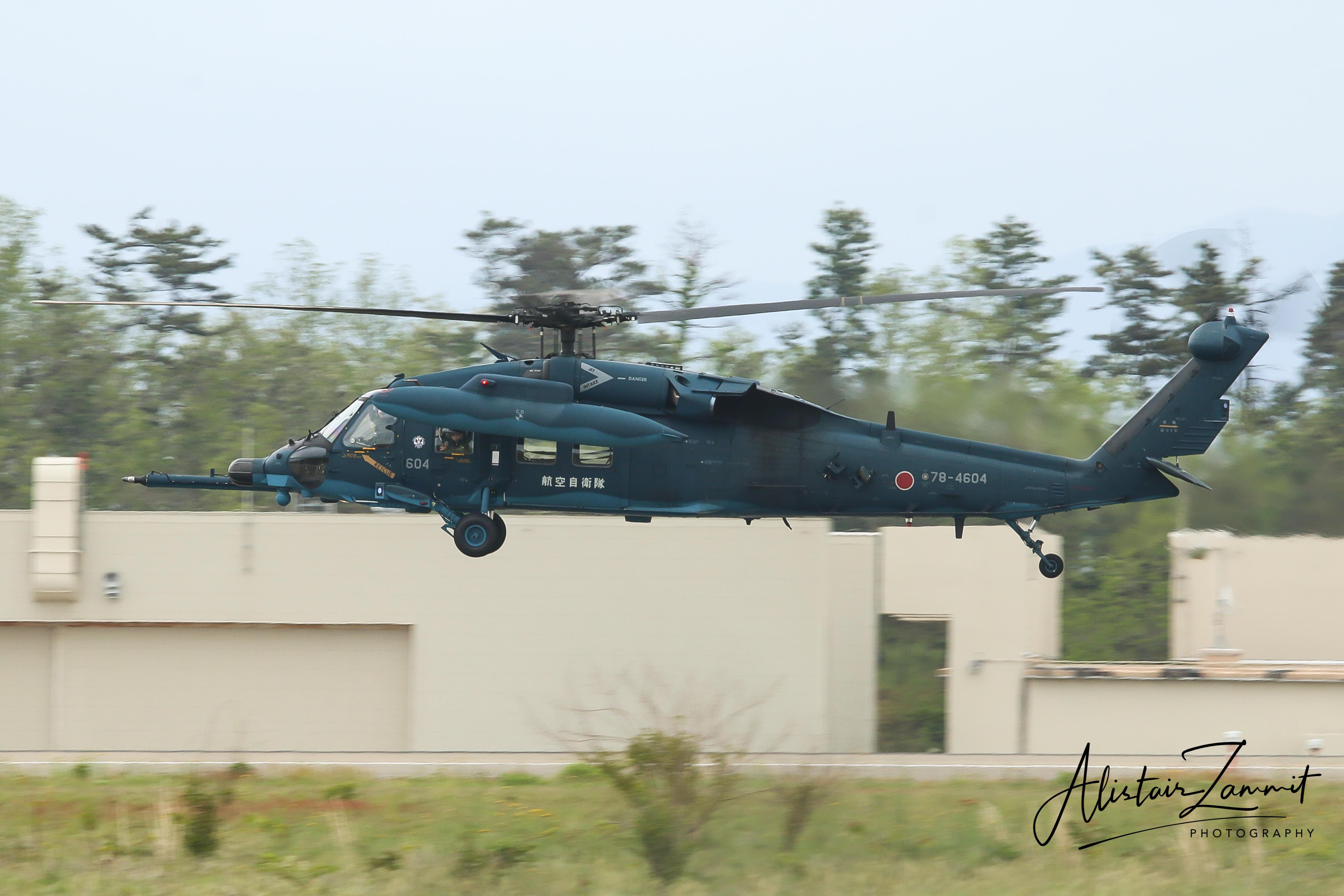
The Air Rescue Wing, Komatsu Detachment is part of the Japan Air Self-Defense Force (JASDF) and operates from Komatsu Air Base in Ishikawa Prefecture. This detachment is responsible for search and rescue (SAR) missions, often in response to emergencies such as natural disasters, aircraft accidents, and at-sea rescues. They provide critical support during both peacetime and in situations that involve the safety of military personnel and civilians. The UH-60J has been widely used in disaster relief missions, particularly in the wake of earthquakes and tsunamis, as well as for medical evacuations and at-sea rescues, often working in tandem with the U-125A rescue aircraft to locate and reach individuals in need of assistance. The U-125A plays a crucial role in SAR operations by providing aerial surveillance and coordination, locating survivors, and relaying their exact positions to helicopters or ground rescue teams.
The Air Rescue Wing is tasked with conducting search and rescue operations across Japan’s vast land and sea areas. These missions are critical for supporting the safety of JASDF pilots, military personnel, and civilians in distress. The Air Rescue Wing is always on standby to assist pilots who eject or crash during training or operational sorties. They often assist in natural disasters, such as earthquakes or tsunamis, where their aircraft are deployed to evacuate people from danger zones or deliver supplies to affected areas. The unit conducts sea rescues, often assisting fishing vessels, ships in distress, or civilian aircraft that have gone down over the ocean. In some cases, the detachment is involved in urgent medevac operations, transporting injured or critically ill people to medical facilities.
Komatsu Air Base is well-positioned to provide rescue services along the Sea of Japan and inland regions, allowing for rapid response times to emergencies, both on land and at sea. Given Japan’s susceptibility to natural disasters, including earthquakes, typhoons, and tsunamis, the detachment plays a vital role in emergency response efforts. In the event of major disasters, their UH-60J helicopters and U-125A aircraft are often among the first on the scene, conducting searches, rescues, and evacuations.
 alistairzammitphotography.com