
Lackland Air Force Base, located in San Antonio, Texas is part of Joint Base San Antonio and functions as the primary entry point for enlisted members of the United States Air Force. It is the only location where Air Force Basic Military Training is conducted. Each year, thousands of recruits pass through a demanding training program lasting approximately seven and a half weeks, at the conclusion of which they earn the title of Airman. Many graduates remain at Lackland to continue into follow-on technical training in career fields such as cybersecurity, medical specialties, security forces, and other Air Force occupations.
The installation traces its origins back to 1941, when it was established as part of the United States’ military expansion during World War II. Over the decades, the base expanded in size and responsibility, eventually becoming one of the most important training centers in the Air Force. In 2010, Lackland Air Force Base was administratively combined with Fort Sam Houston and Randolph Air Force Base to form Joint Base San Antonio. This reorganization was intended to improve efficiency and streamline shared resources across the installations. Today, Lackland contains a wide range of infrastructure to support its mission, including training units, living quarters, dining facilities, medical services, and recreational amenities designed to support both trainees and permanent personnel.
The 37th Training Wing, headquartered at Lackland, oversees the training of Air Force security forces personnel, who are responsible for safeguarding Air Force assets, installations, and personnel worldwide. The base is also home to Wilford Hall Ambulatory Surgical Center, which delivers extensive medical care to service members and their families. In addition, Lackland hosts specialized organizations such as the Defense Language Institute English Language Center, which provides English instruction to international military students. Beyond its military role, the base has a significant presence in the San Antonio community, contributing economically and participating in local events. Its long-standing traditions reflect a sustained emphasis on excellence in training and education, reinforcing its importance to overall Air Force readiness.
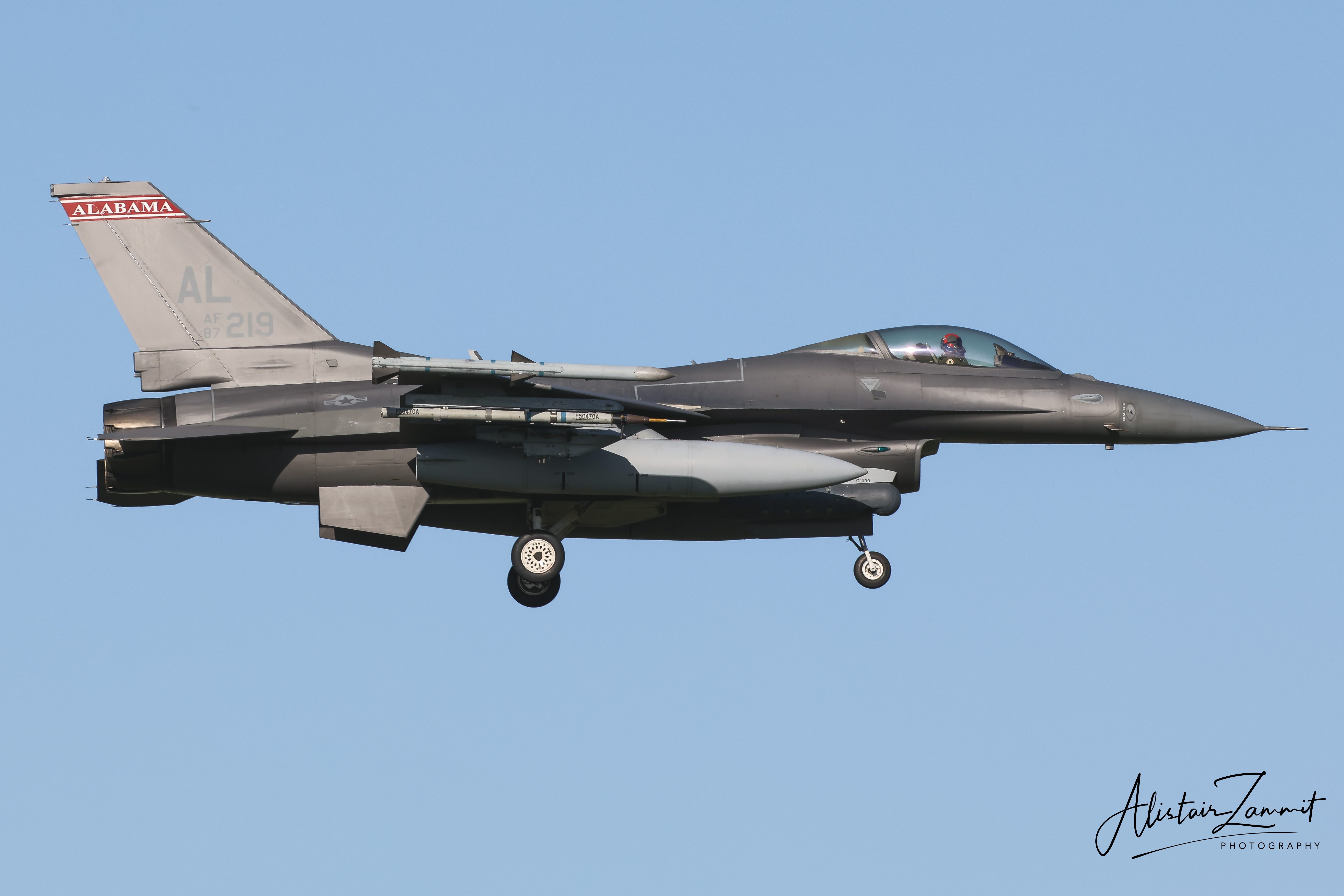
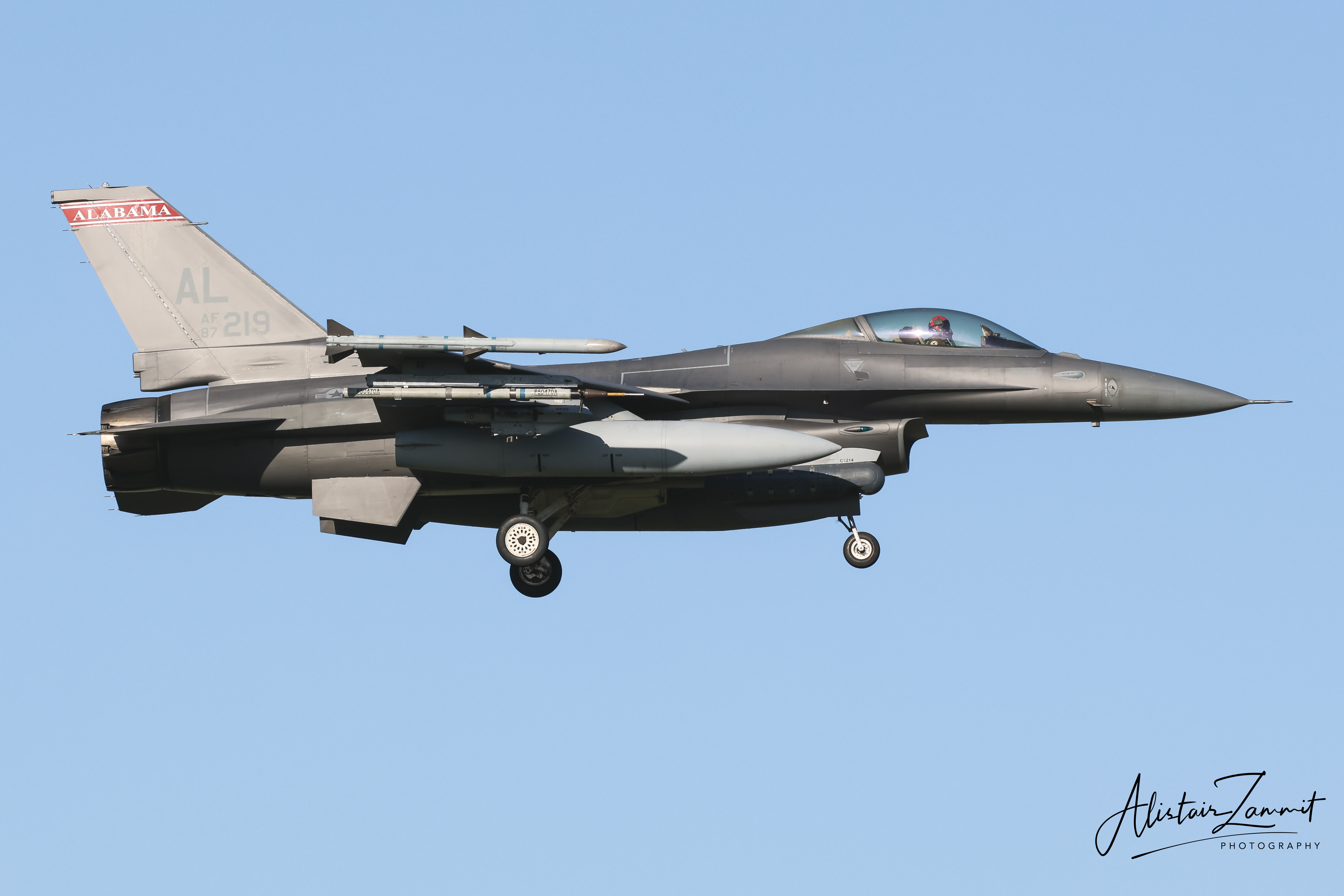
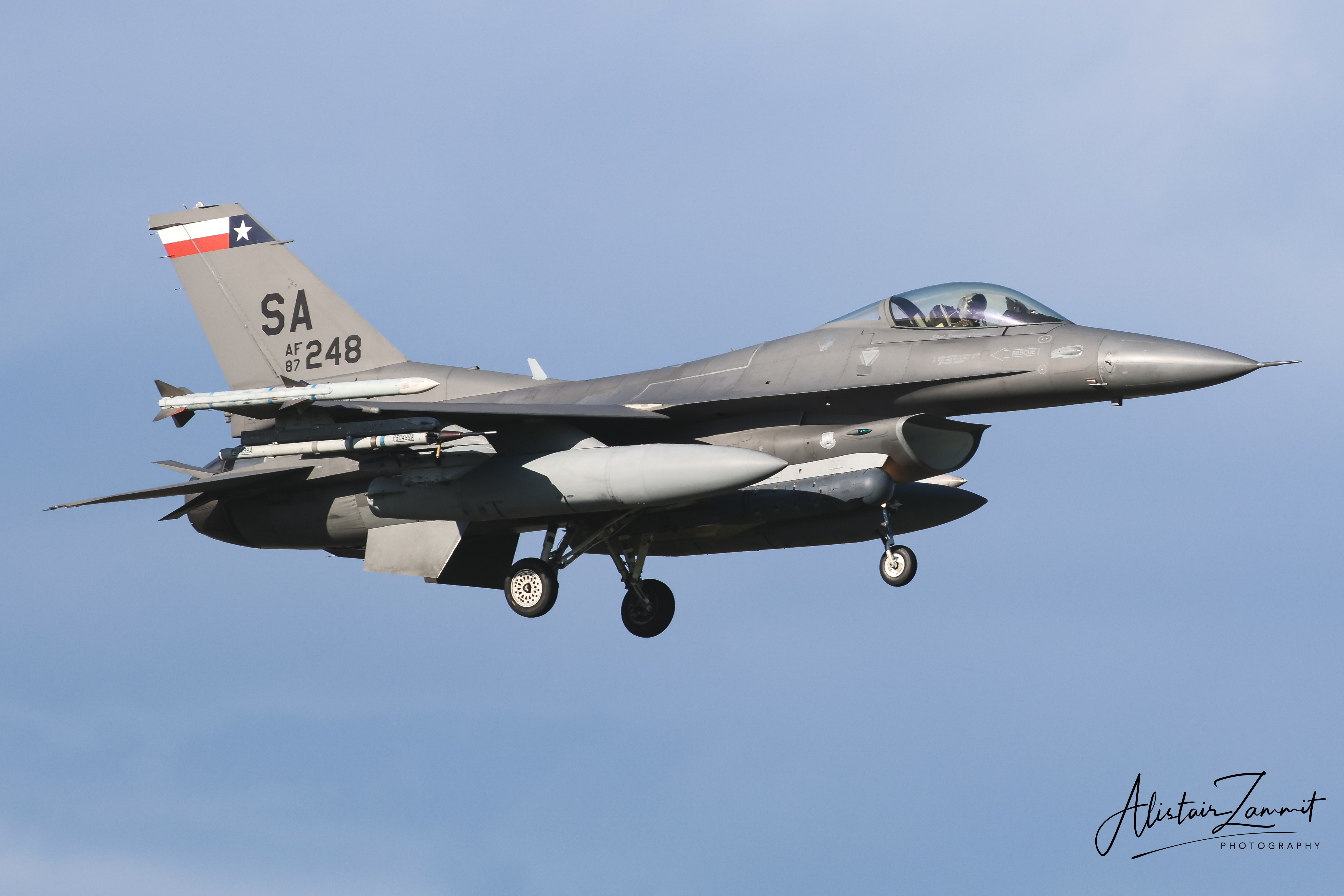
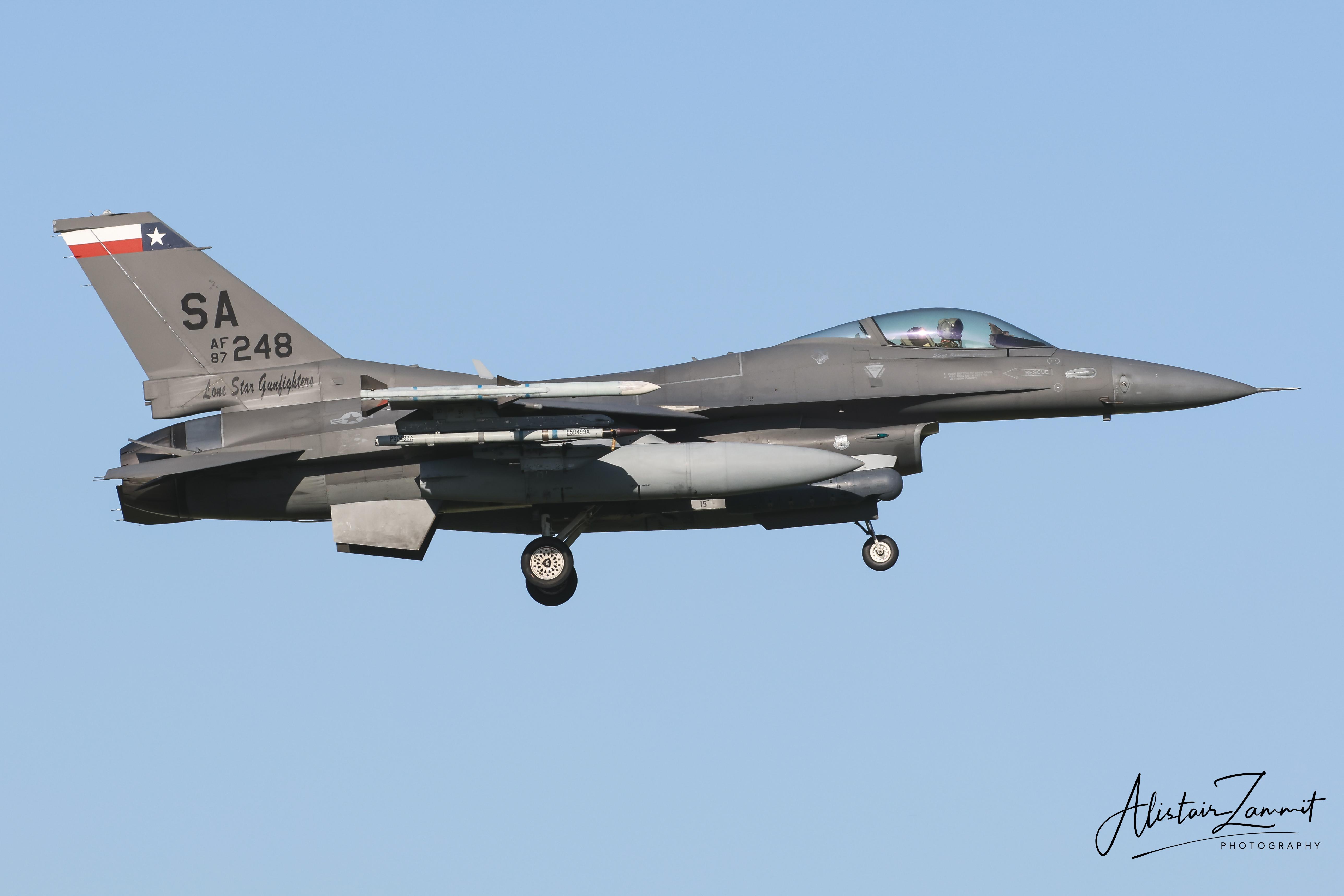
182nd Fighter Squadron (FS)
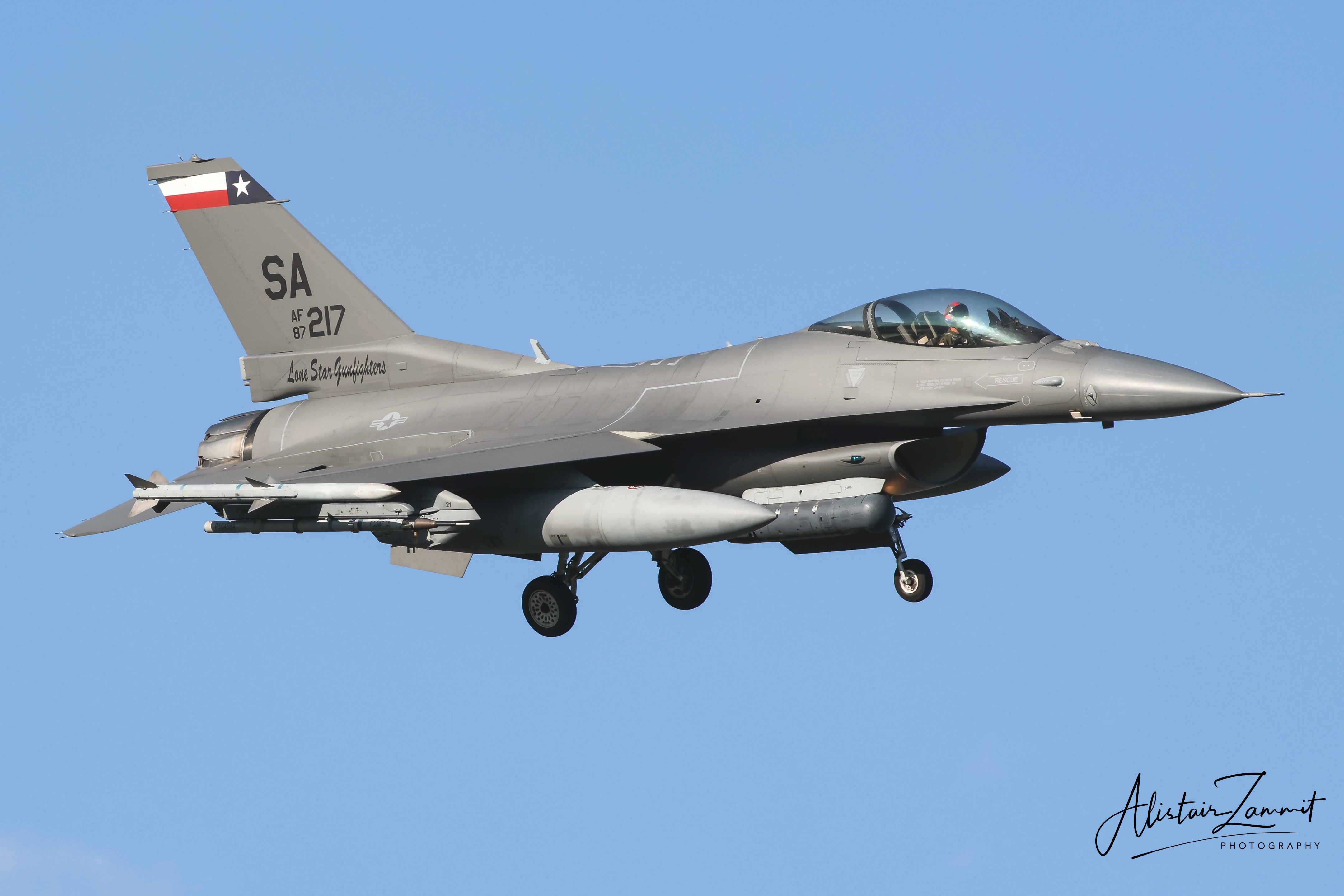
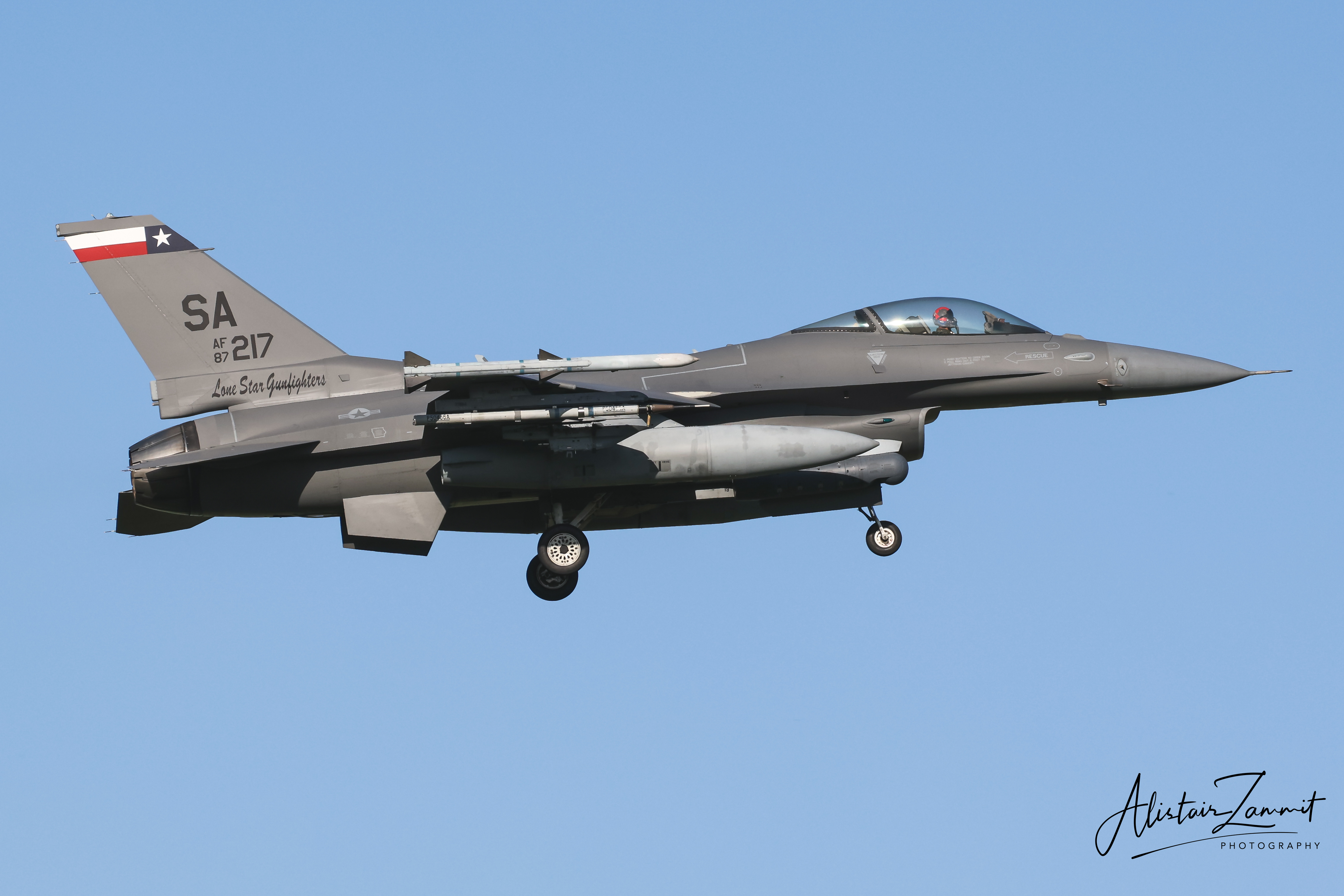
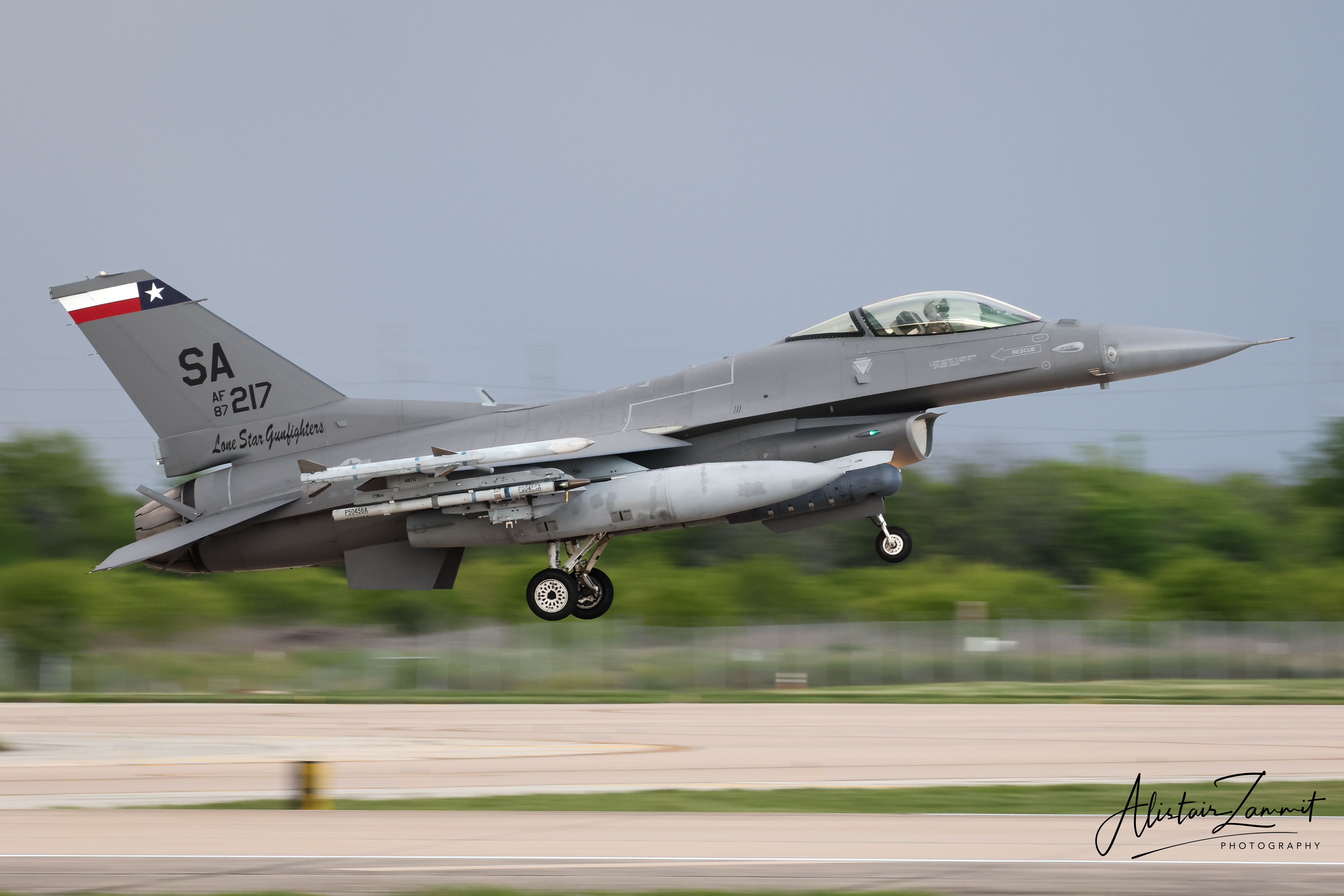
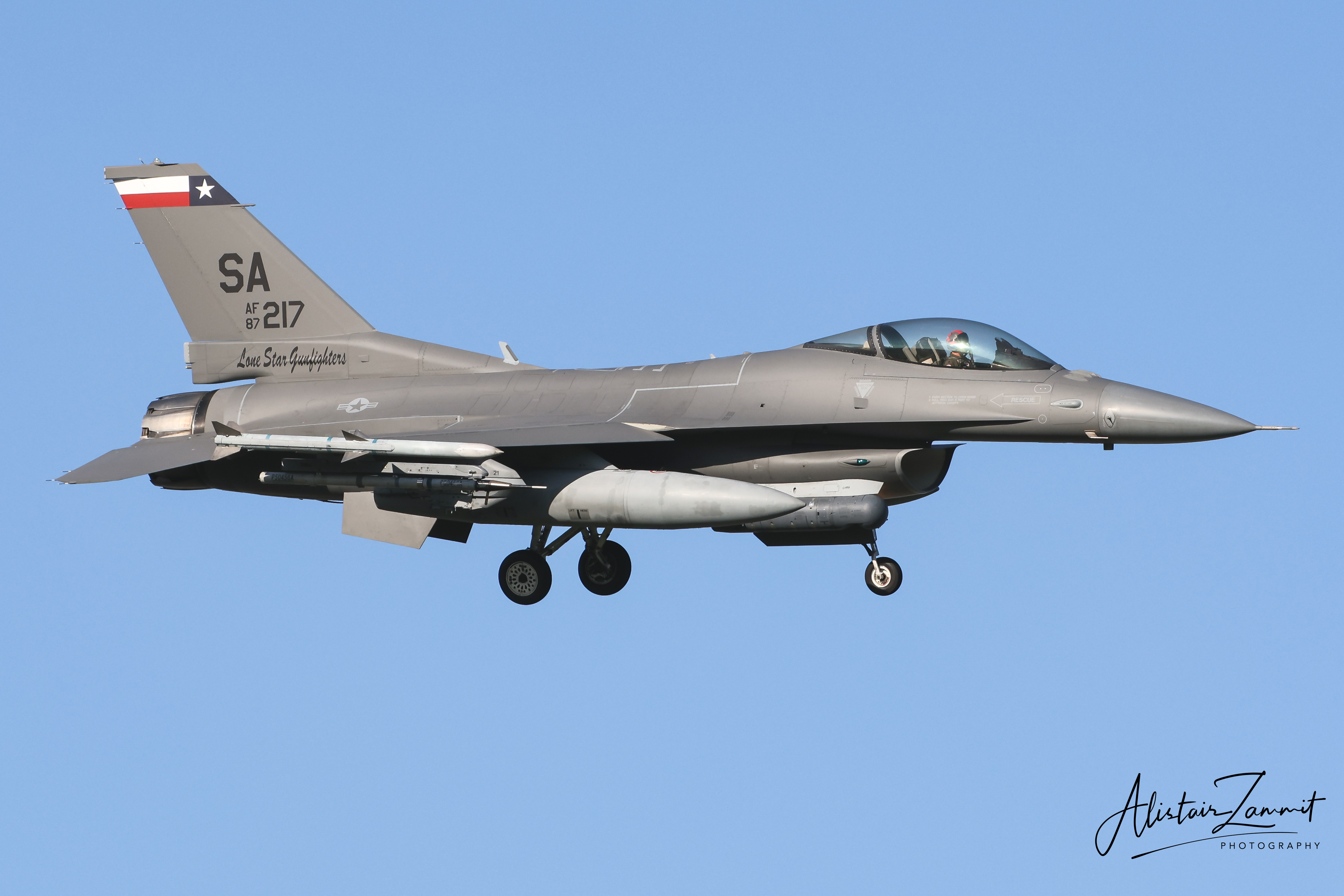
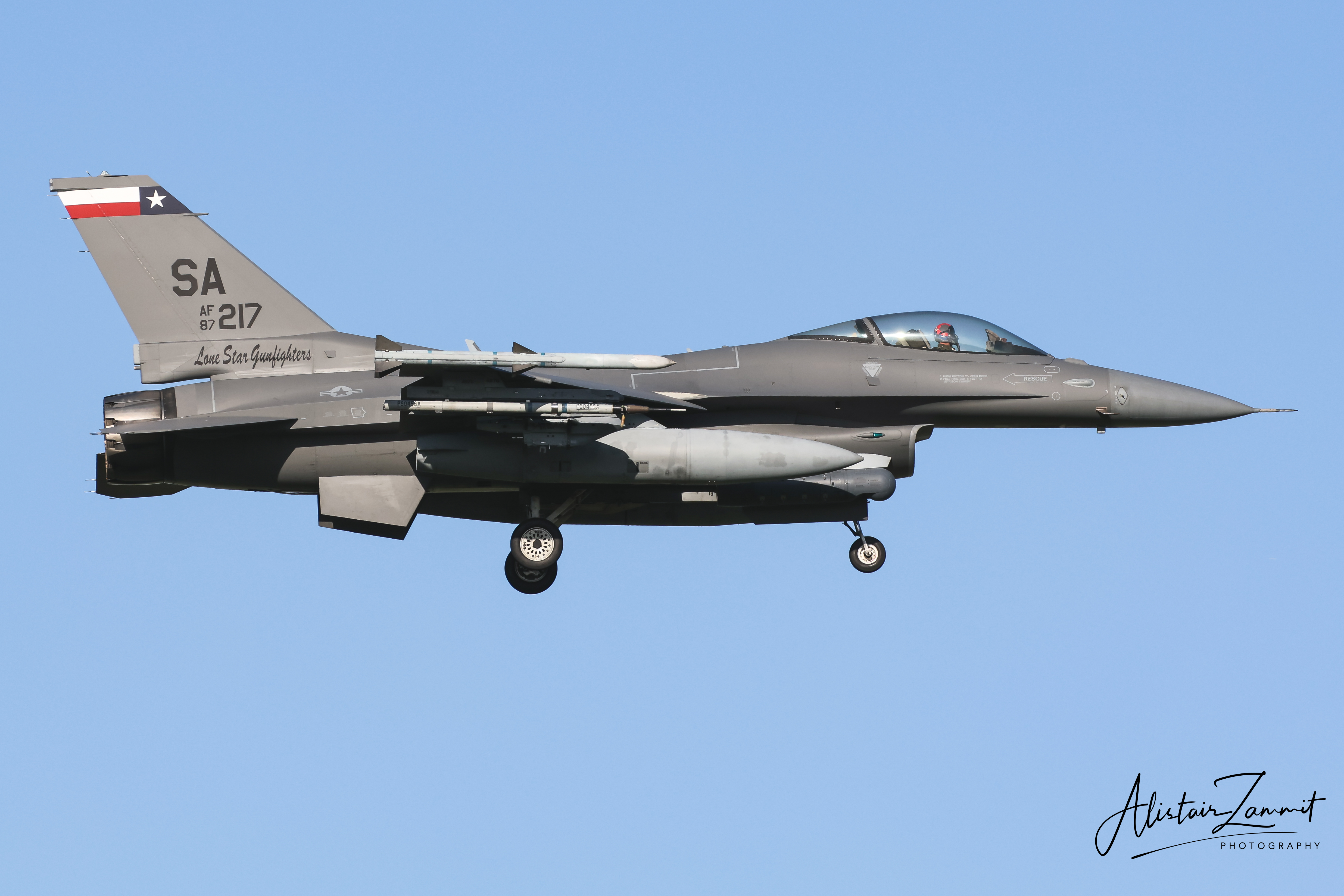
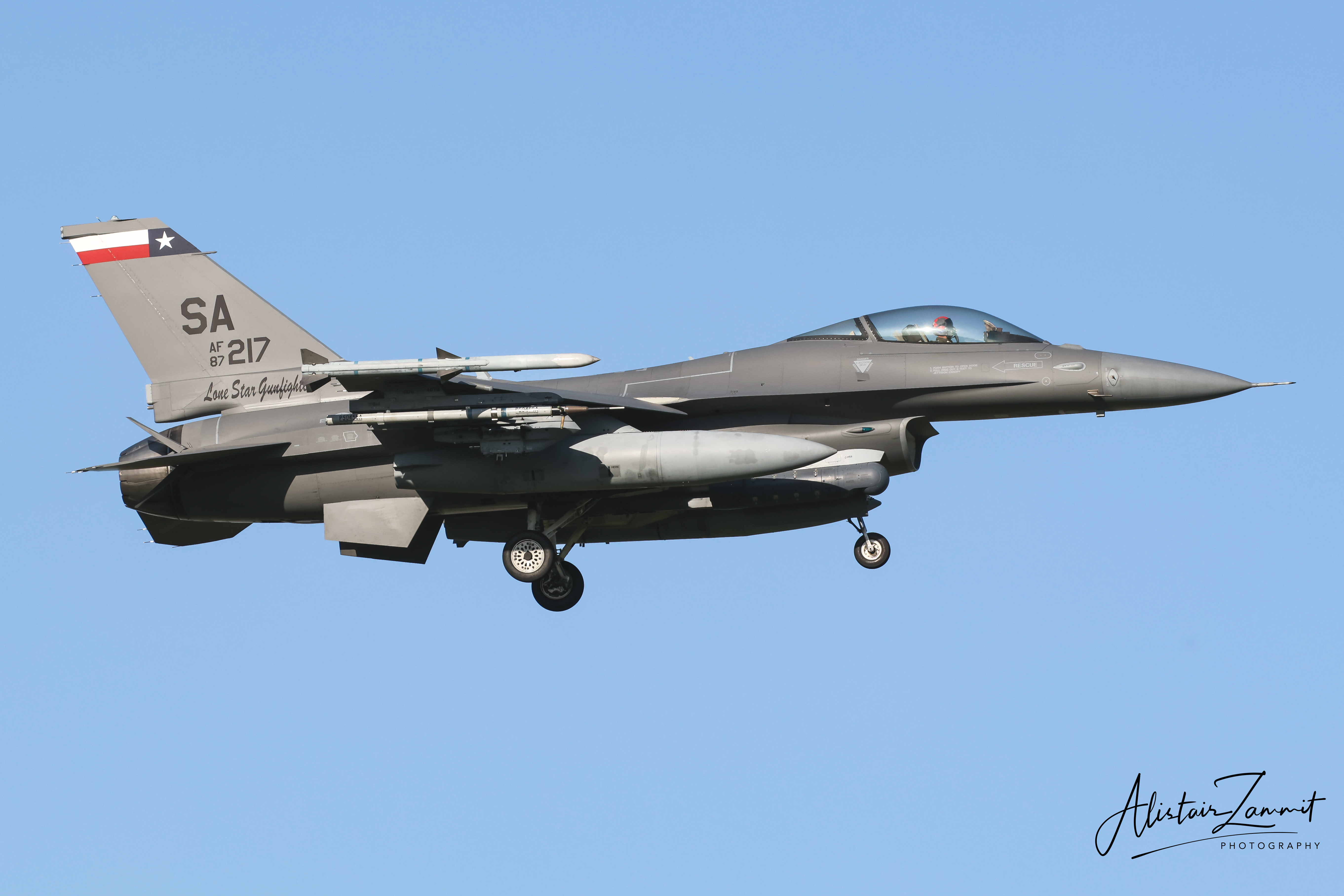
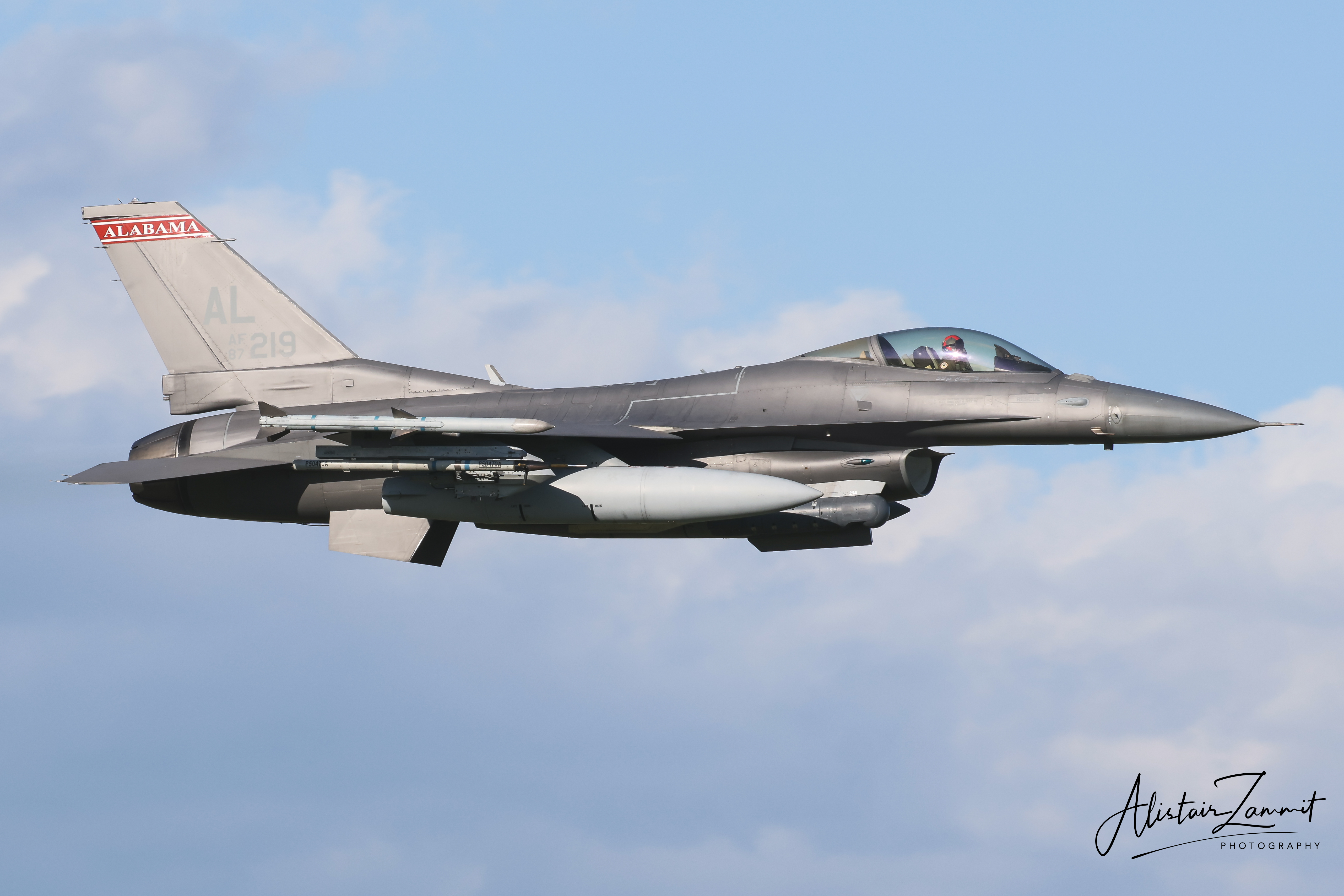
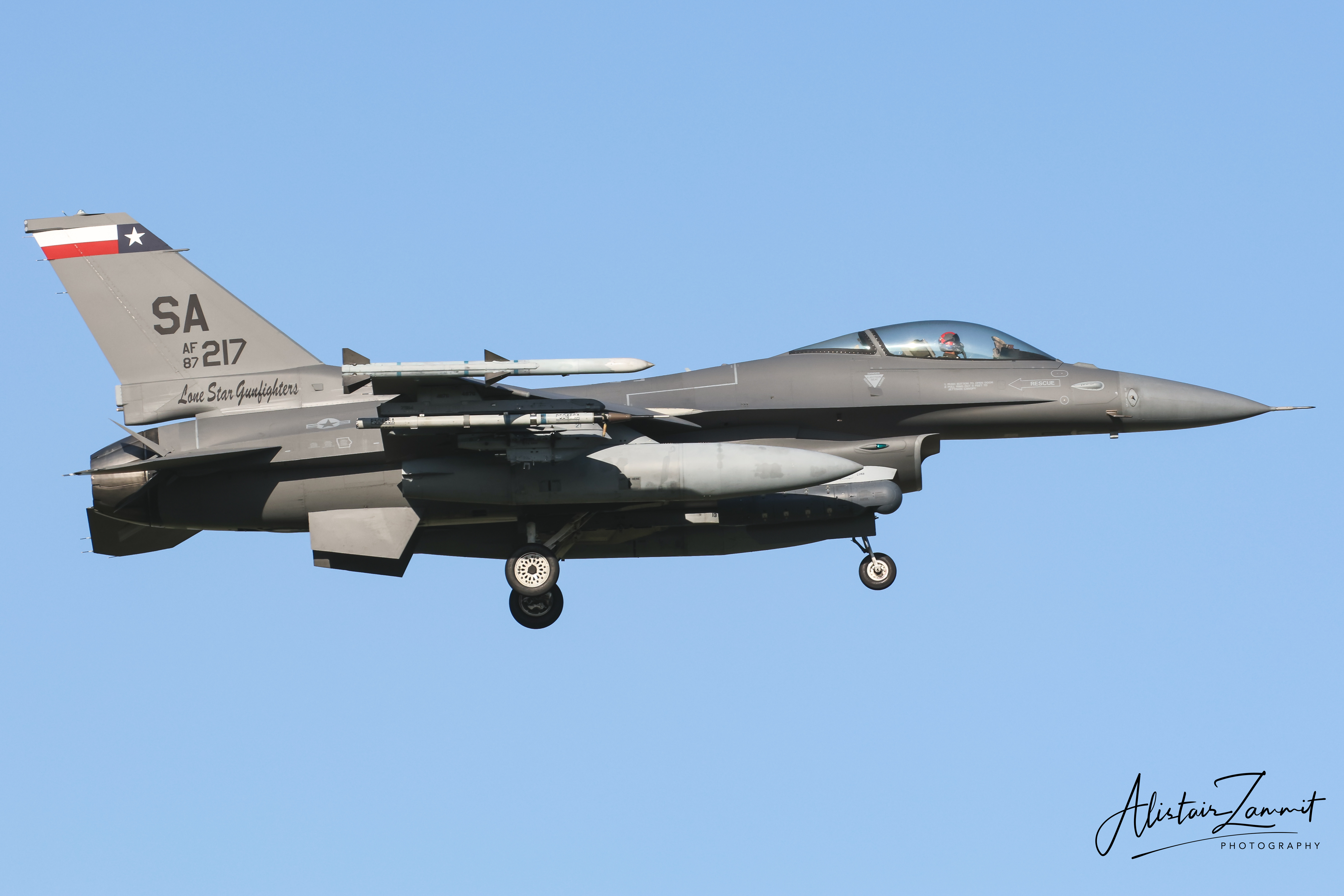
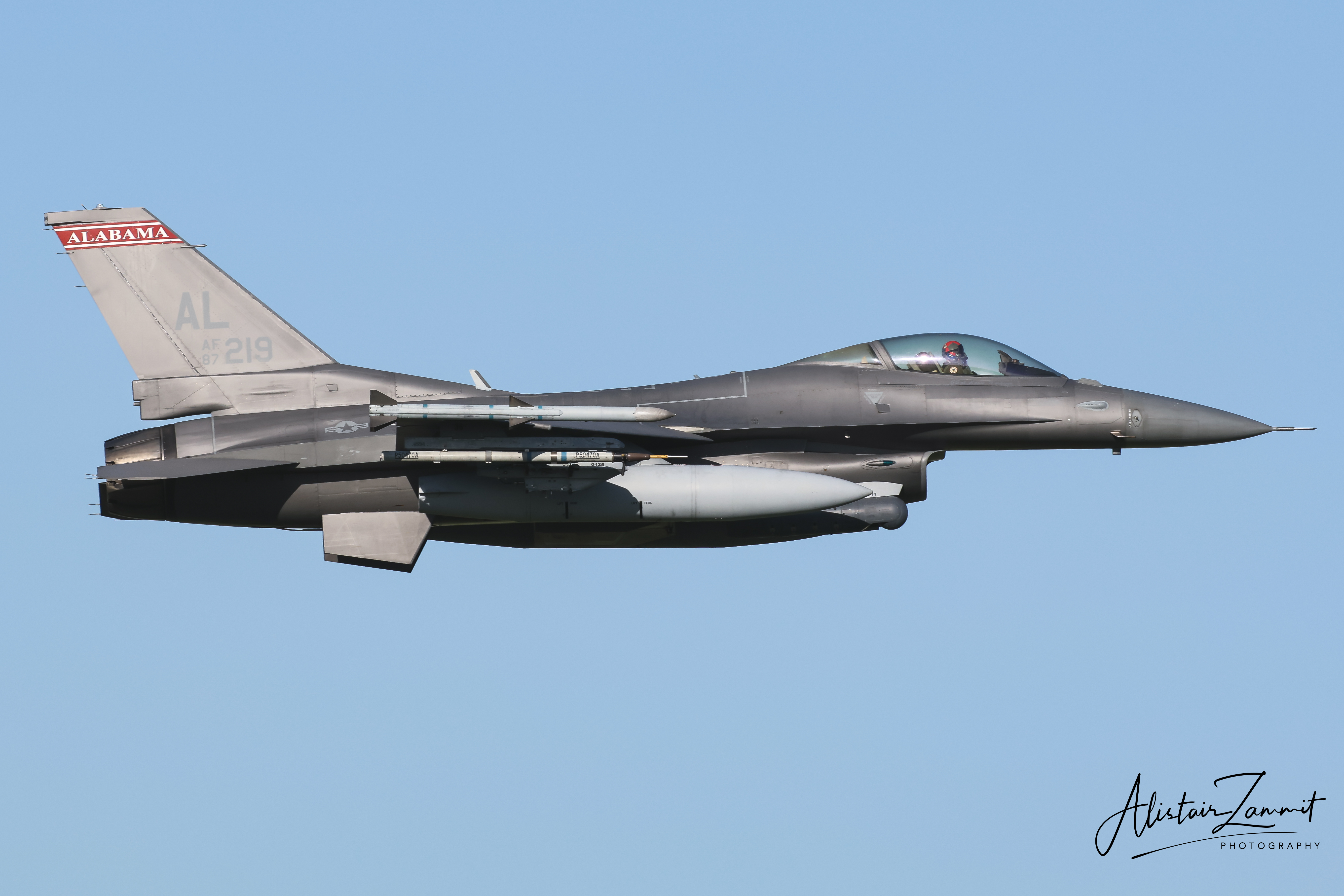
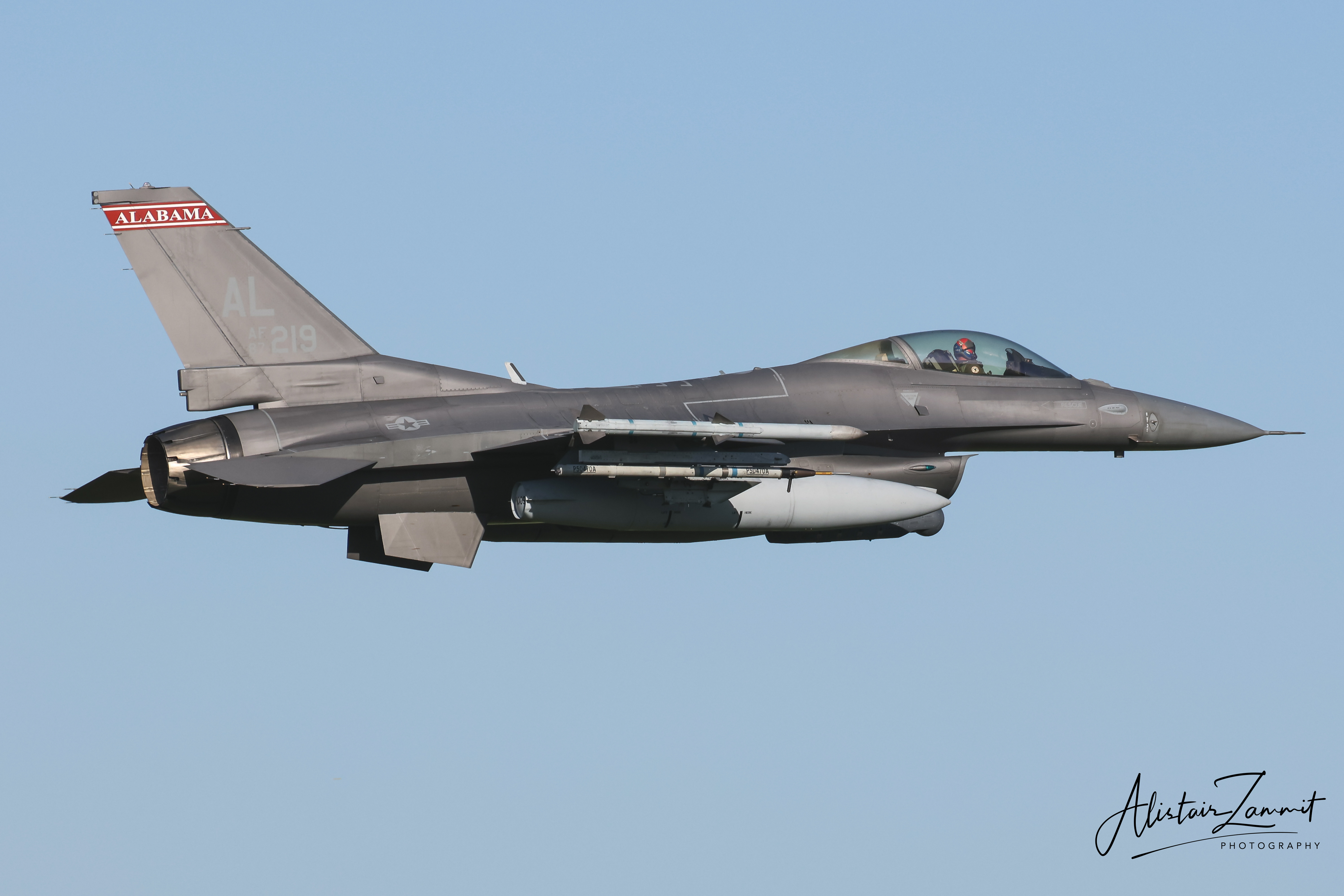
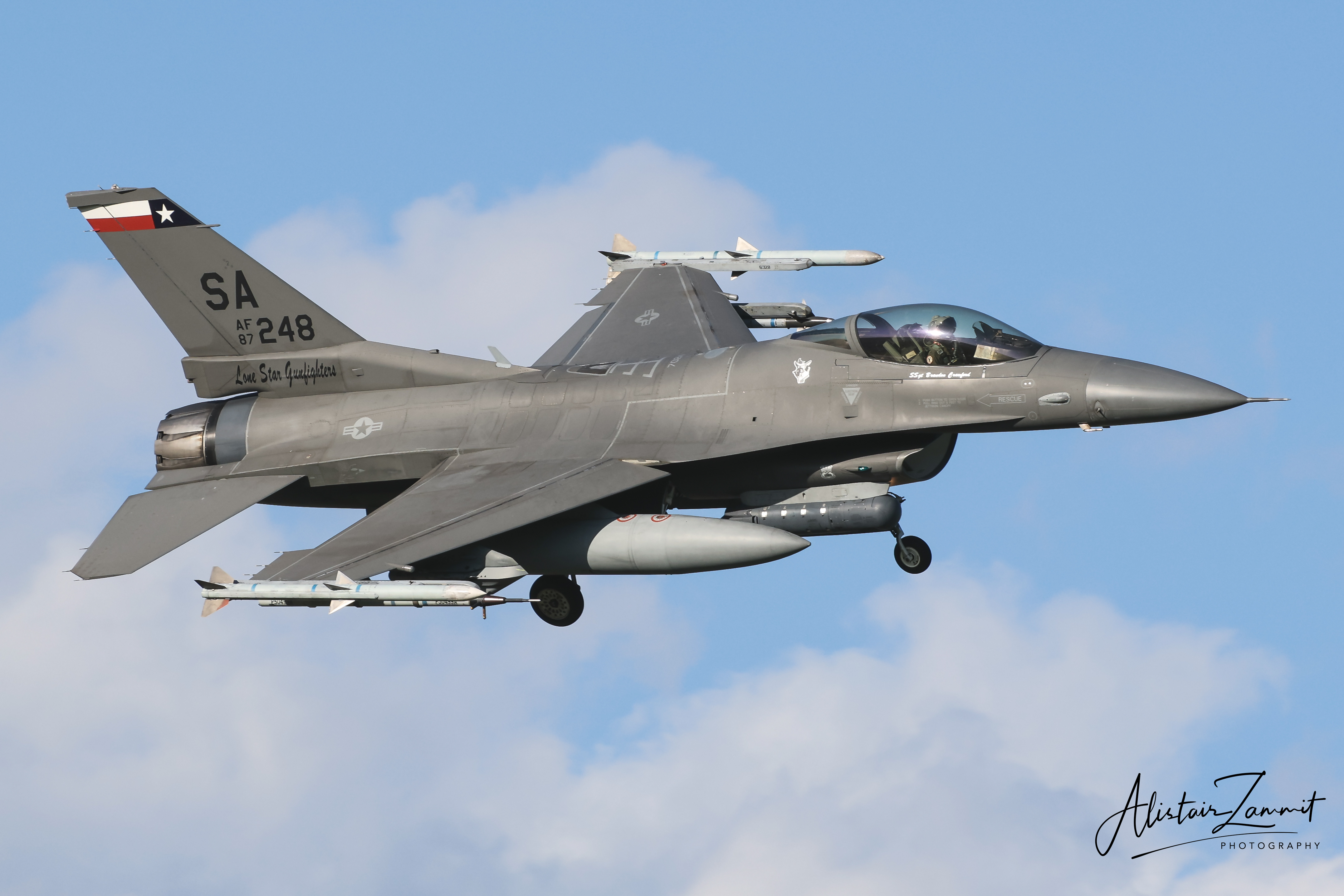
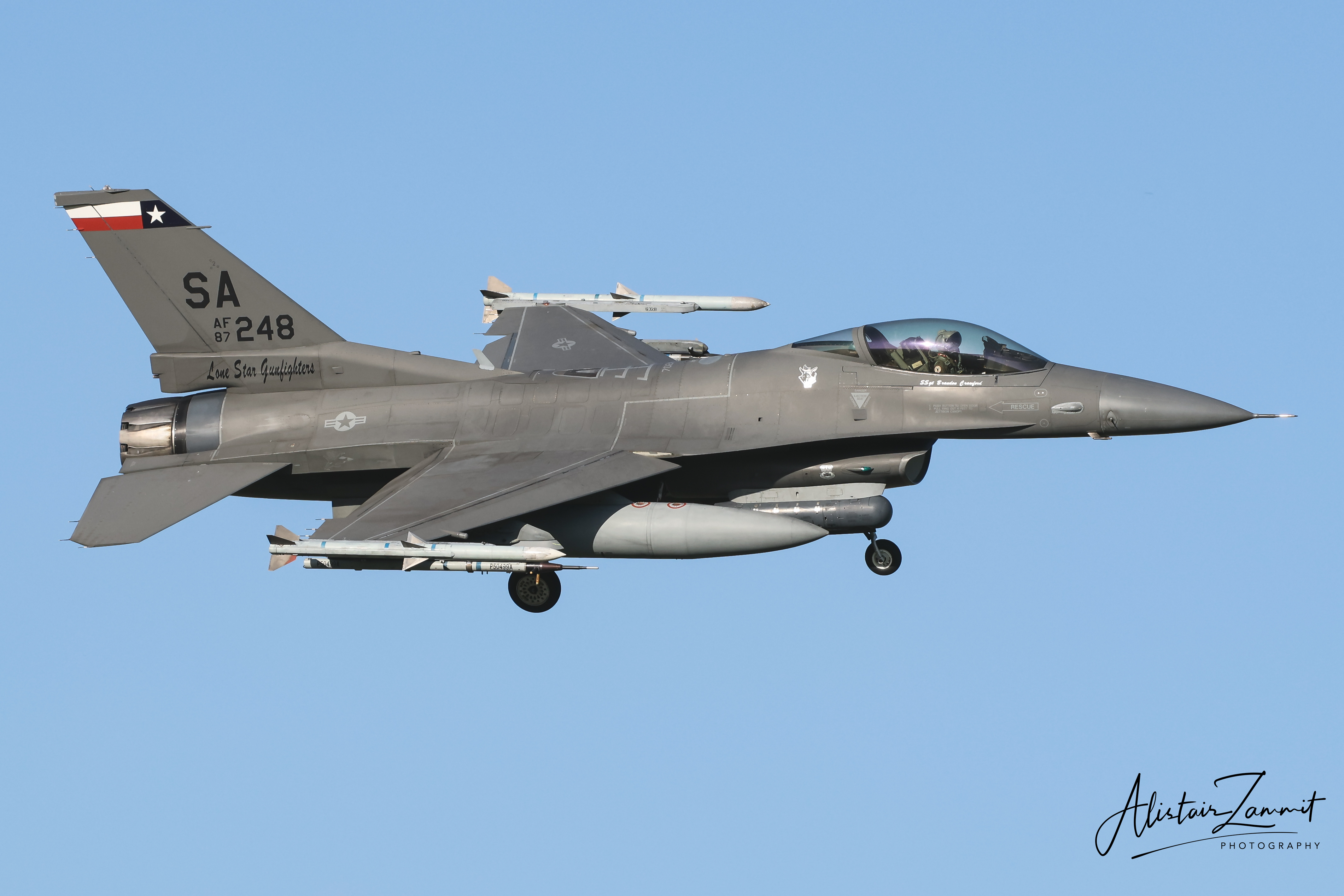
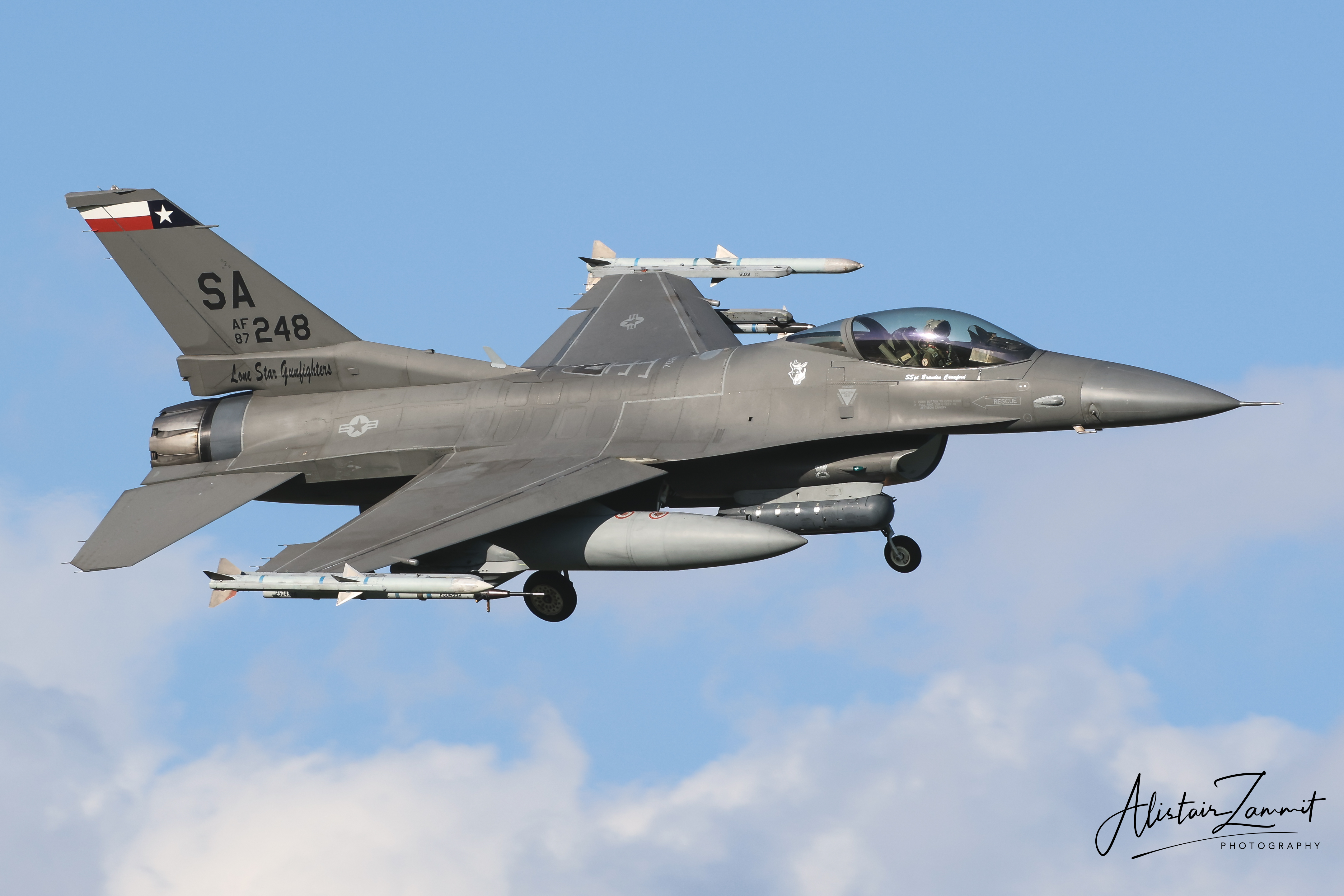
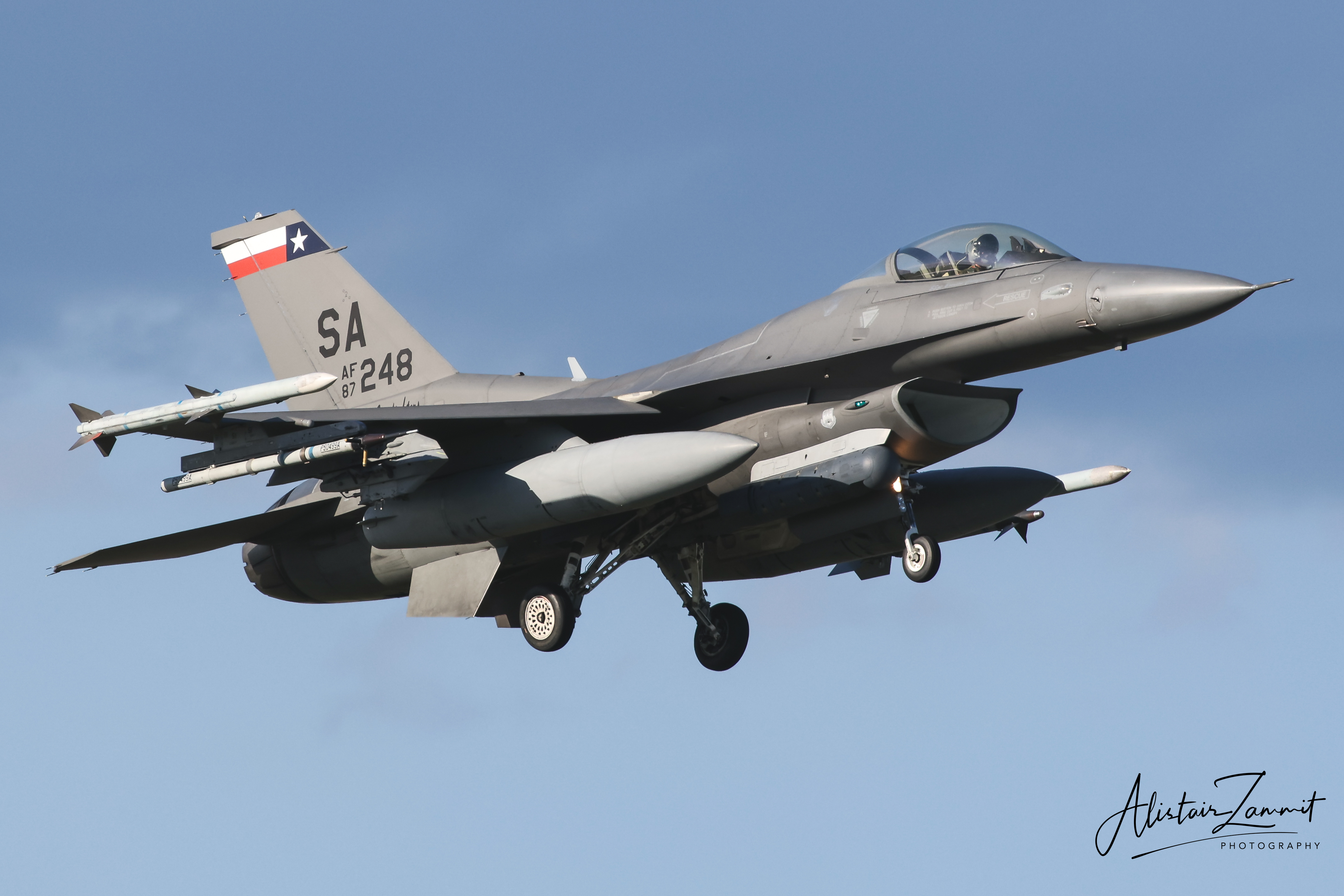
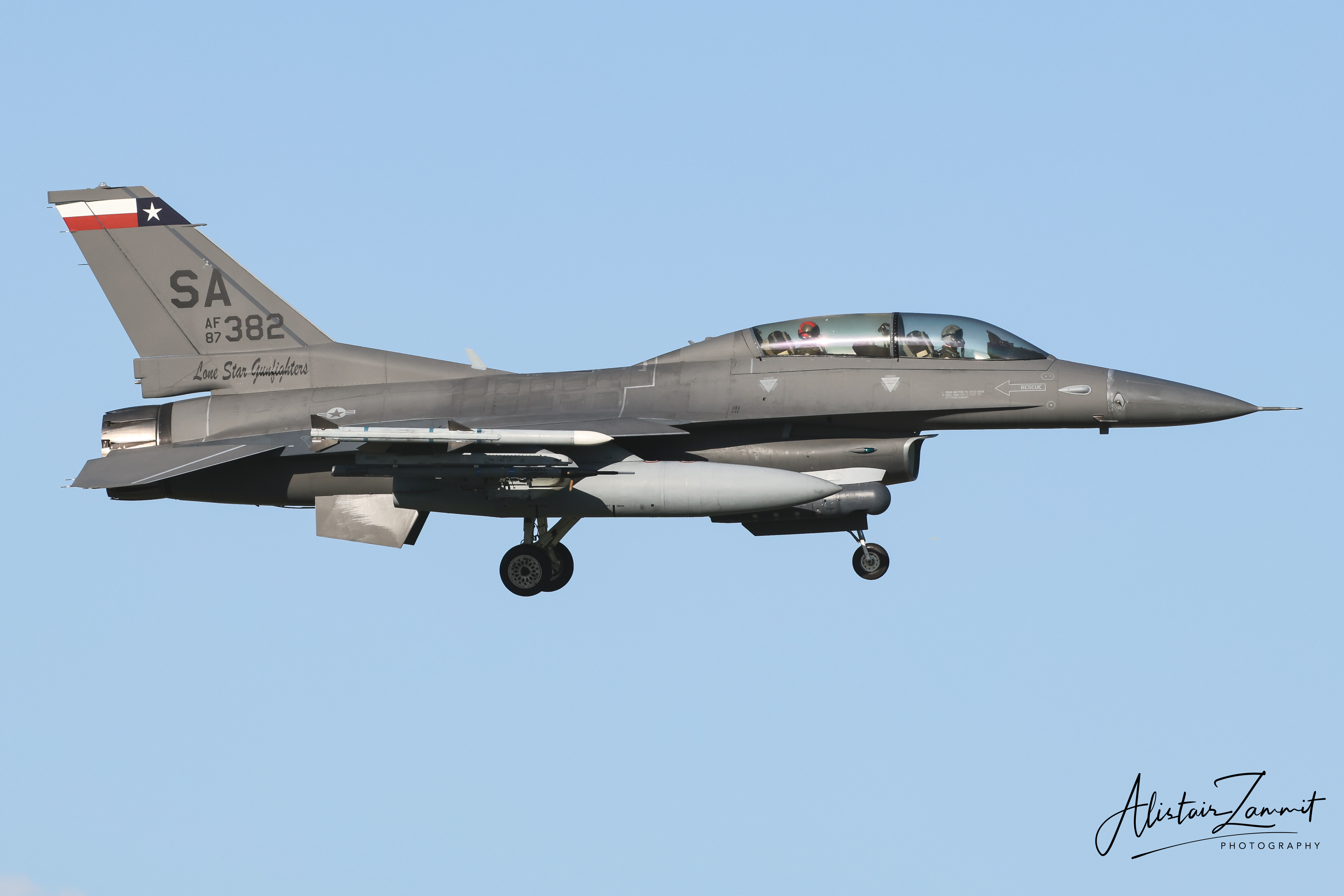
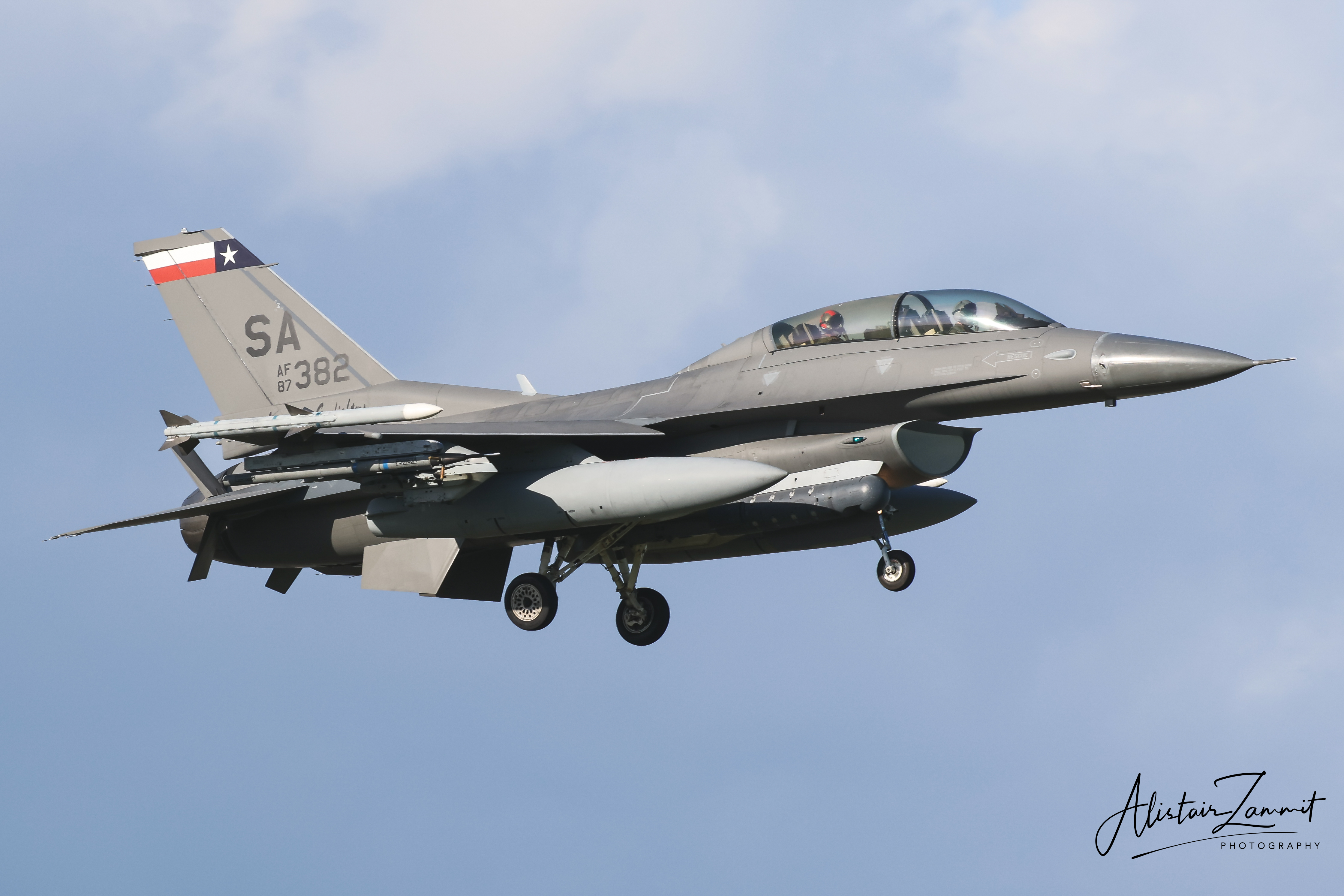
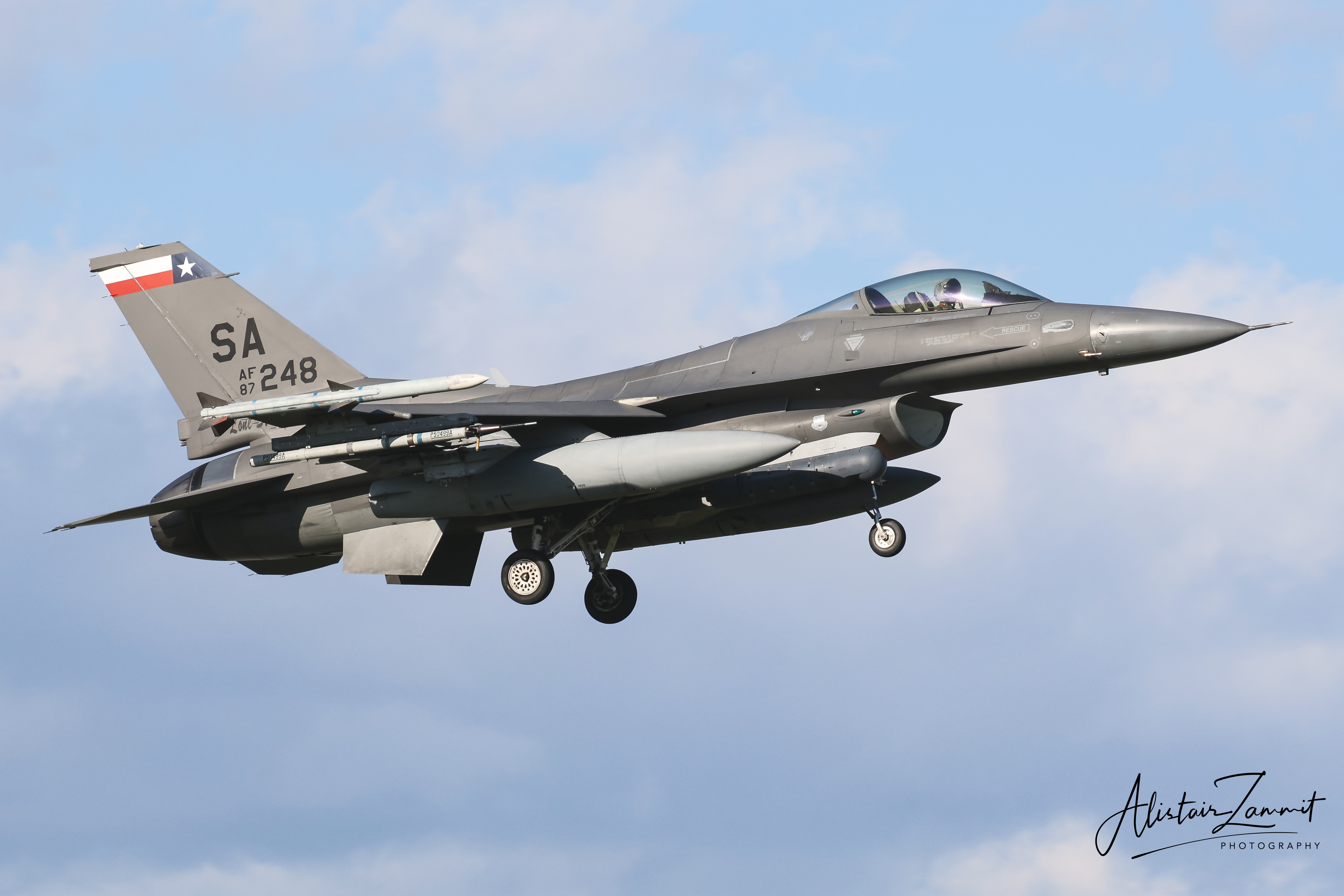
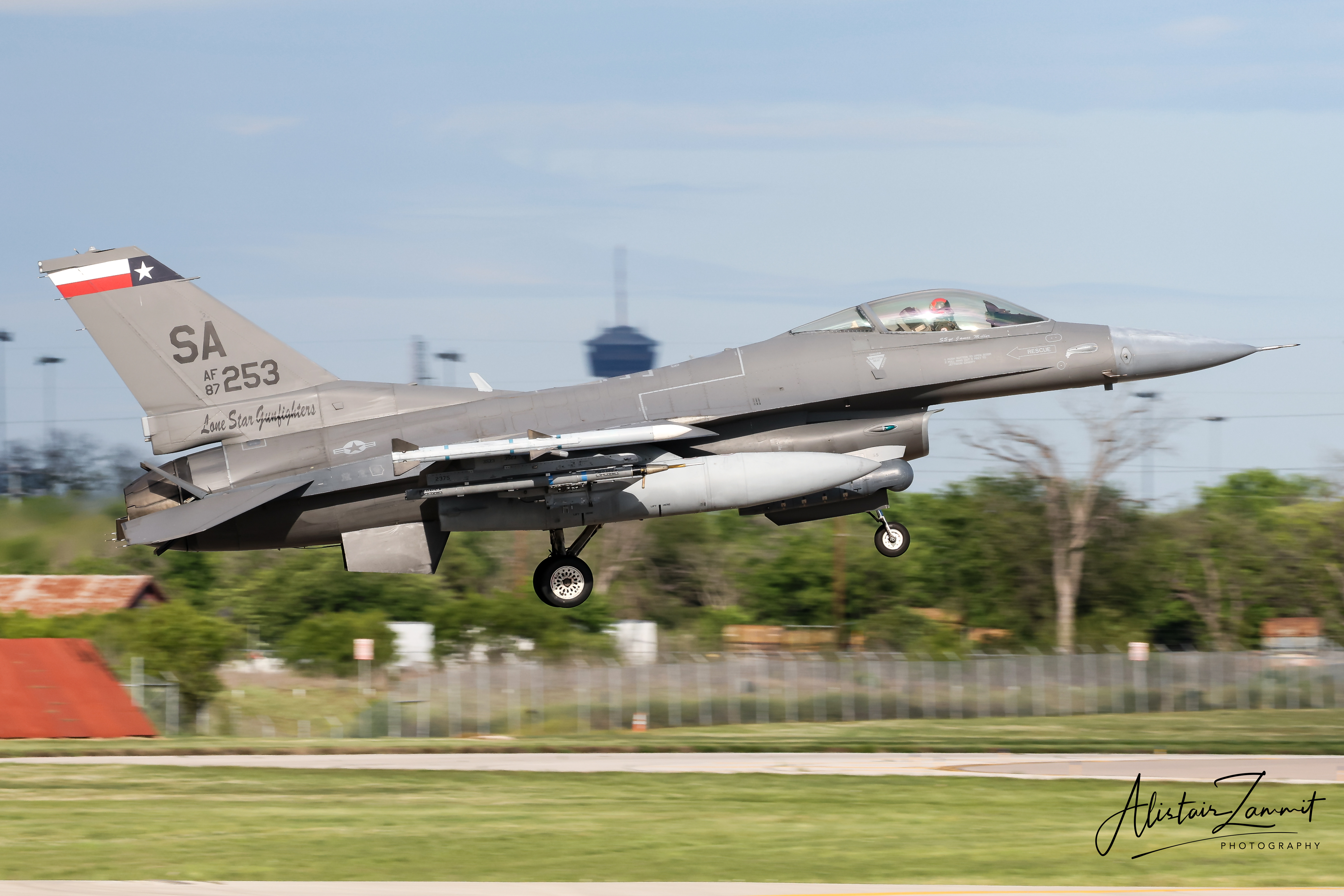
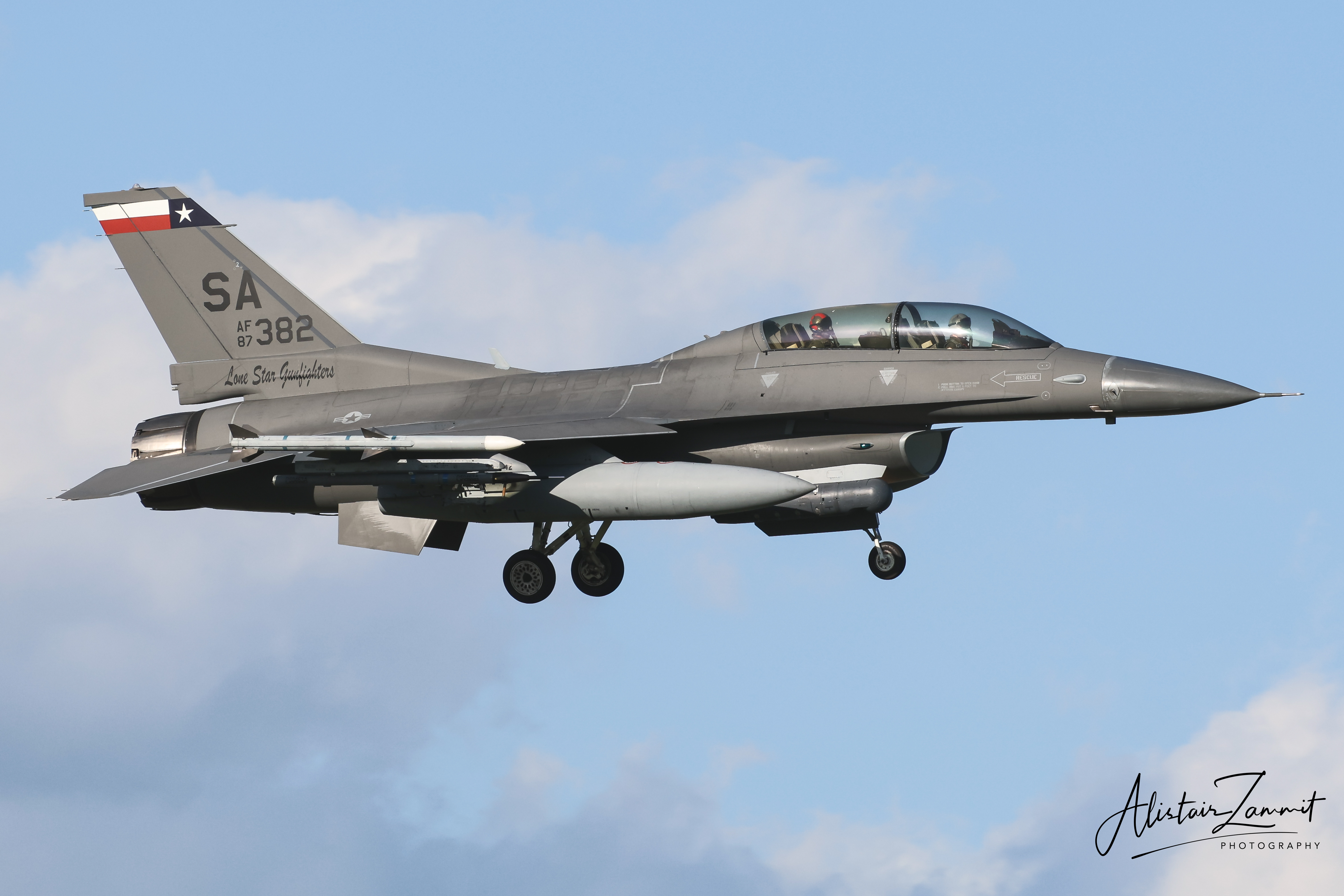
One of the units associated with Joint Base San Antonio–Lackland is the 182nd Fighter Squadron, nicknamed the “Lone Star Gunfighters.” This squadron belongs to the Texas Air National Guard and operates under the 149th Fighter Wing. Its mission centers on air combat training, with an emphasis on air superiority and multirole fighter operations. The squadron originated during World War II and has undergone multiple redesignations and mission changes throughout its history, participating in numerous conflicts and operations. It is based at Kelly Field Annex, which falls under the JBSA-Lackland umbrella.
The 182nd Fighter Squadron maintains a high level of readiness and can deploy quickly in response to national security requirements. In its Air National Guard role, it also supports domestic missions such as disaster relief and homeland defense. The unit frequently takes part in multinational exercises, enhancing cooperation with allied air forces. Members of the squadron actively engage with the surrounding community through outreach initiatives, air shows, and public events. Flying the F-16 Fighting Falcon, the squadron performs missions ranging from air-to-air combat to close air support, and it is widely recognized for its strong contribution to Air Force pilot training.
68th Airlift Squadron (AS)
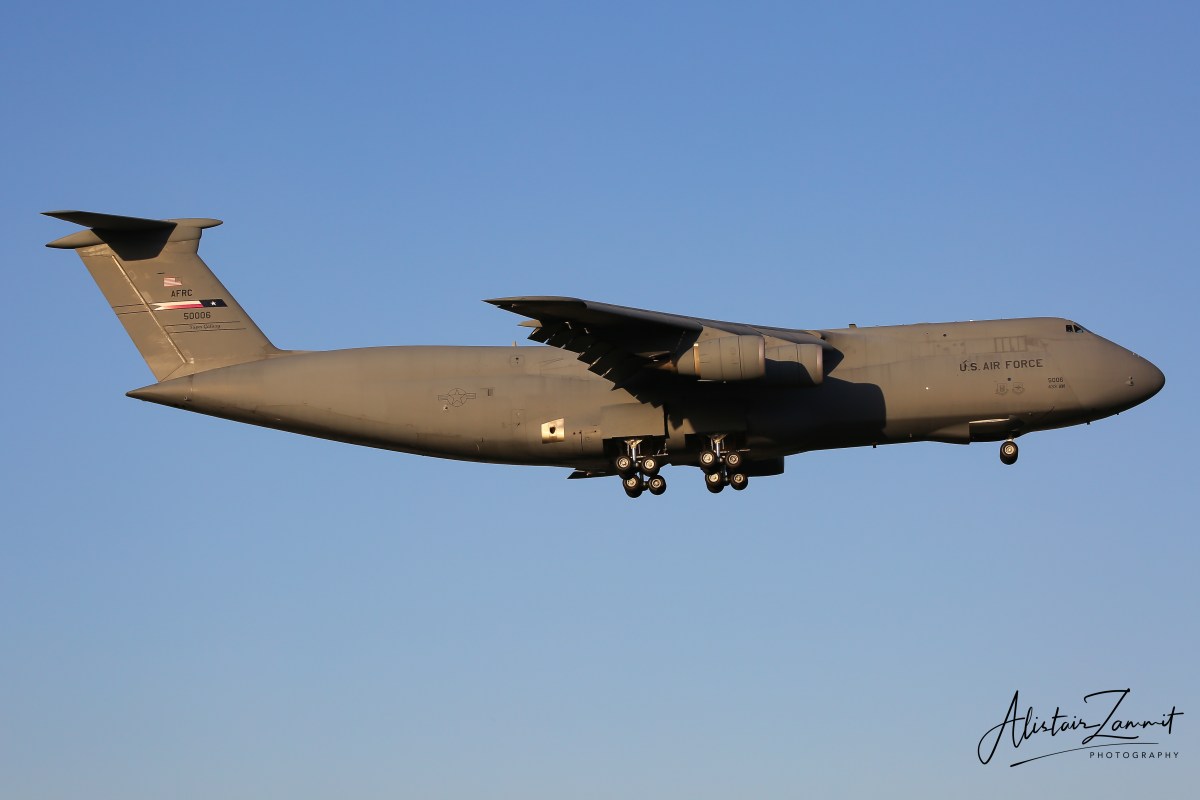
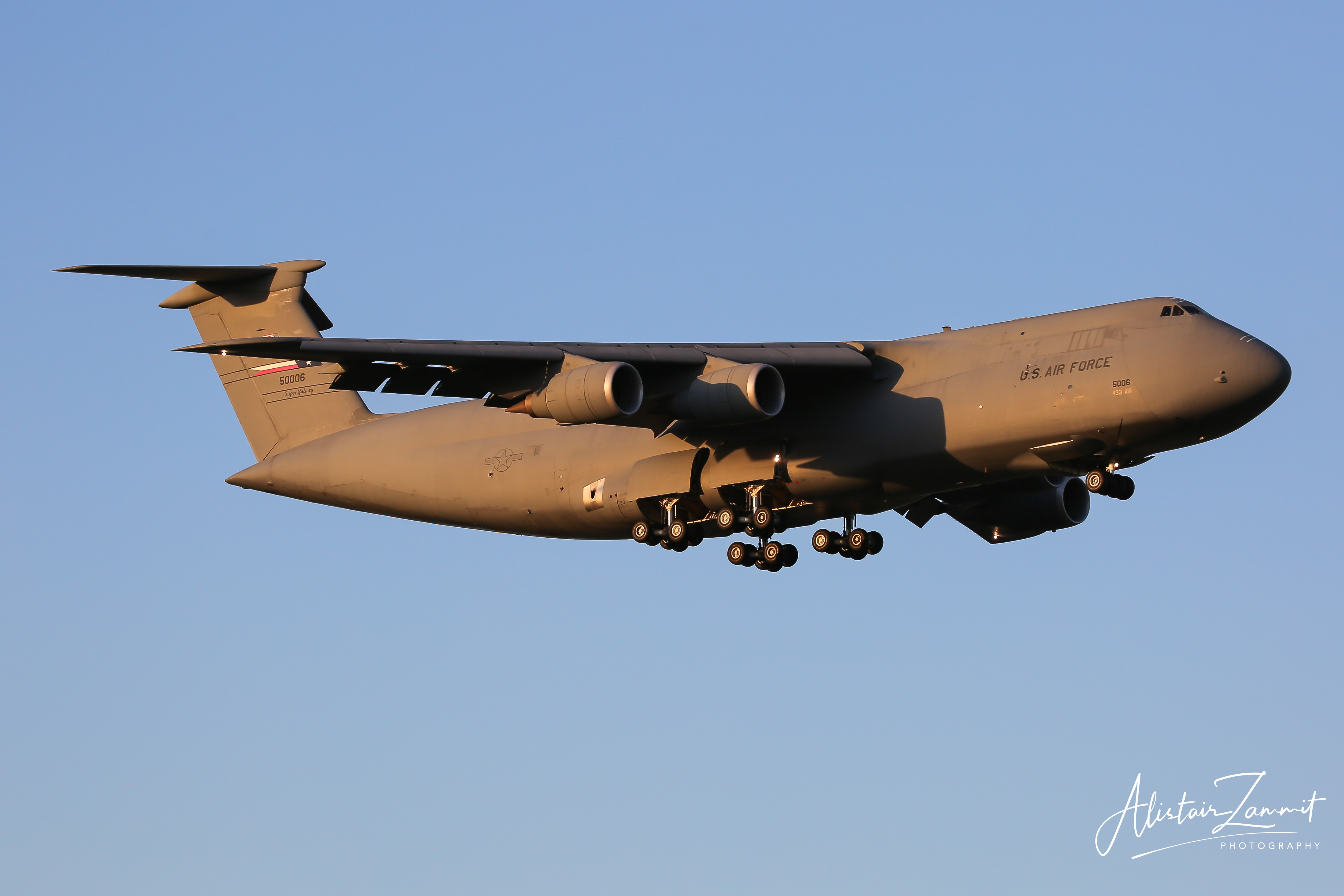
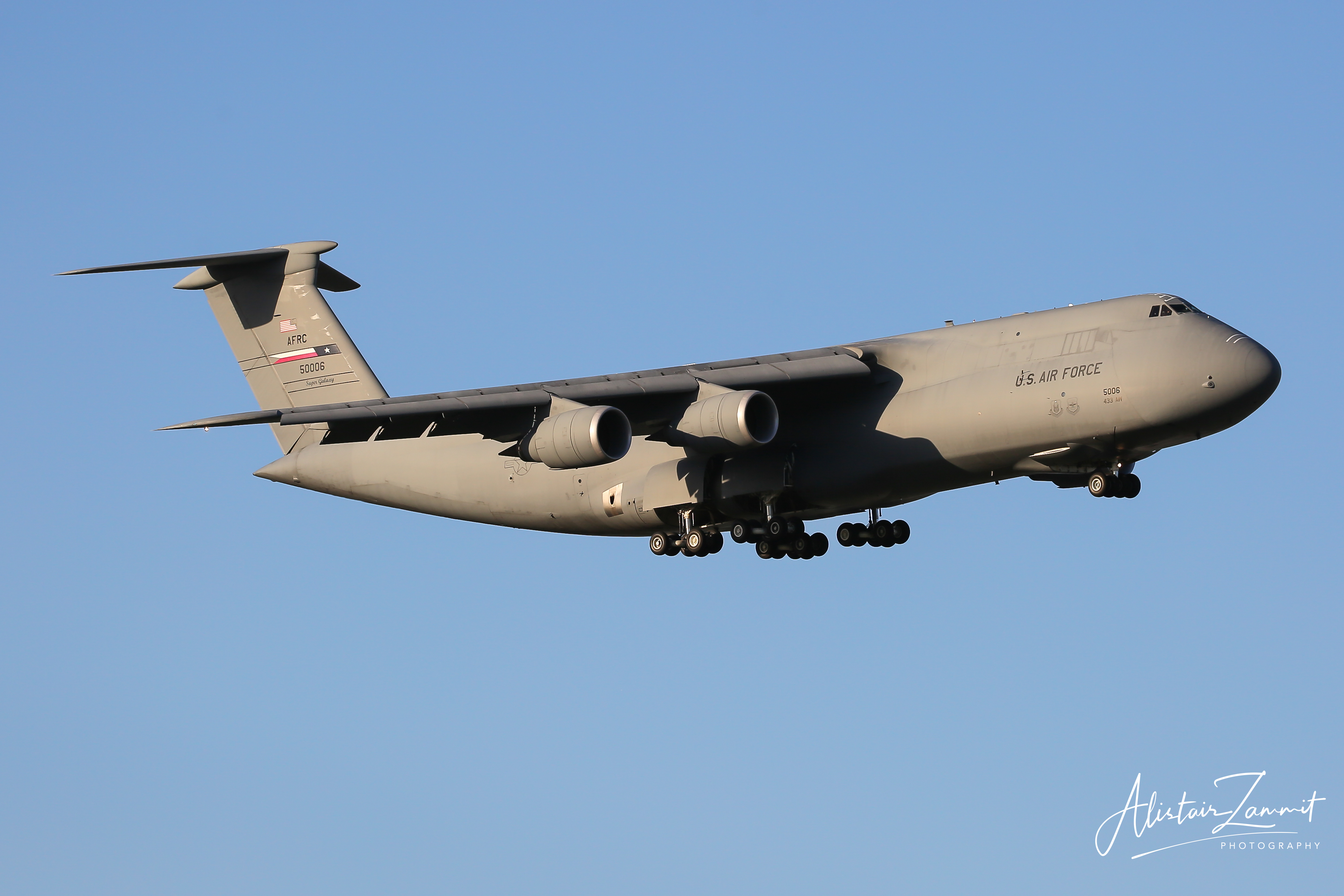
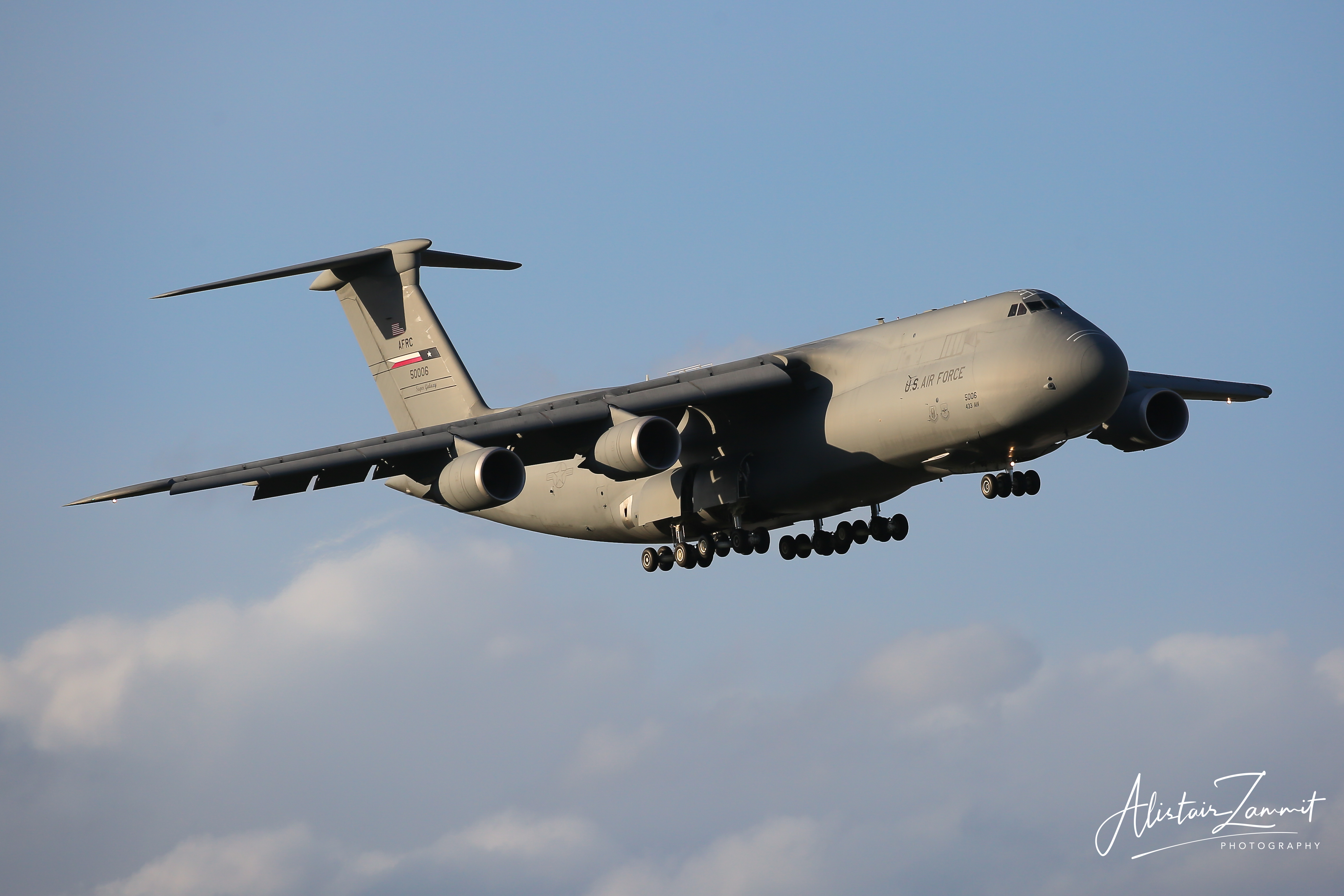
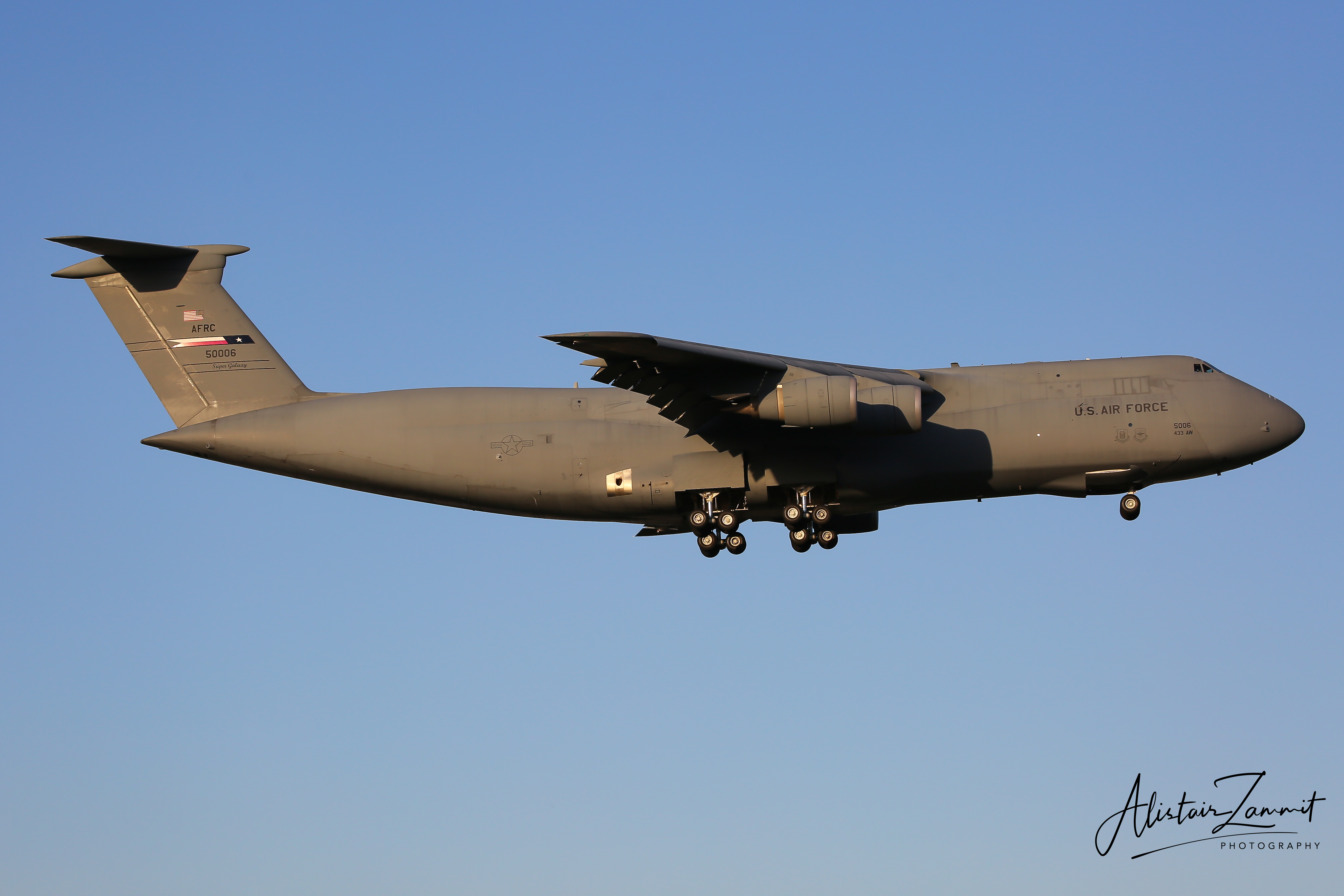
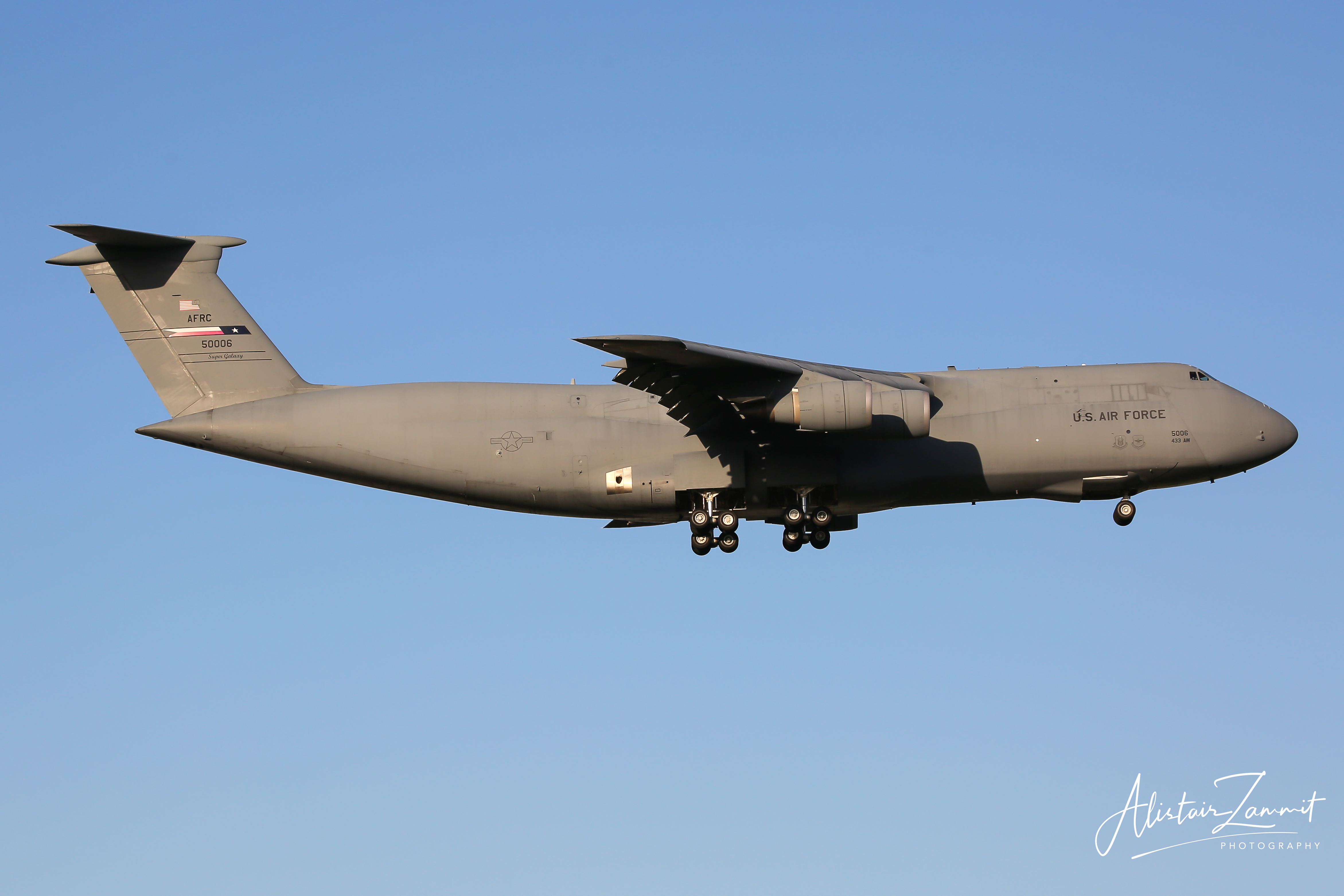
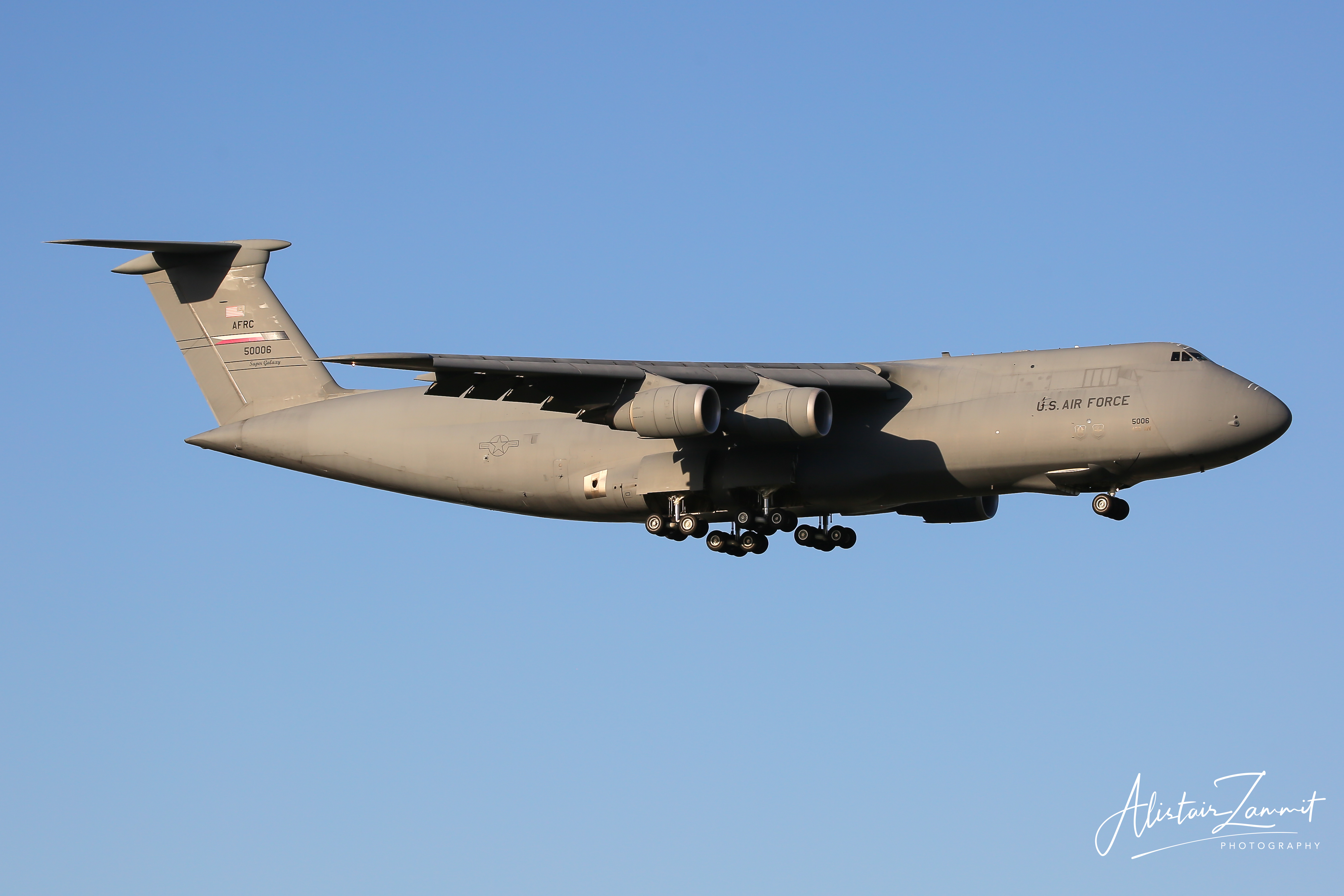
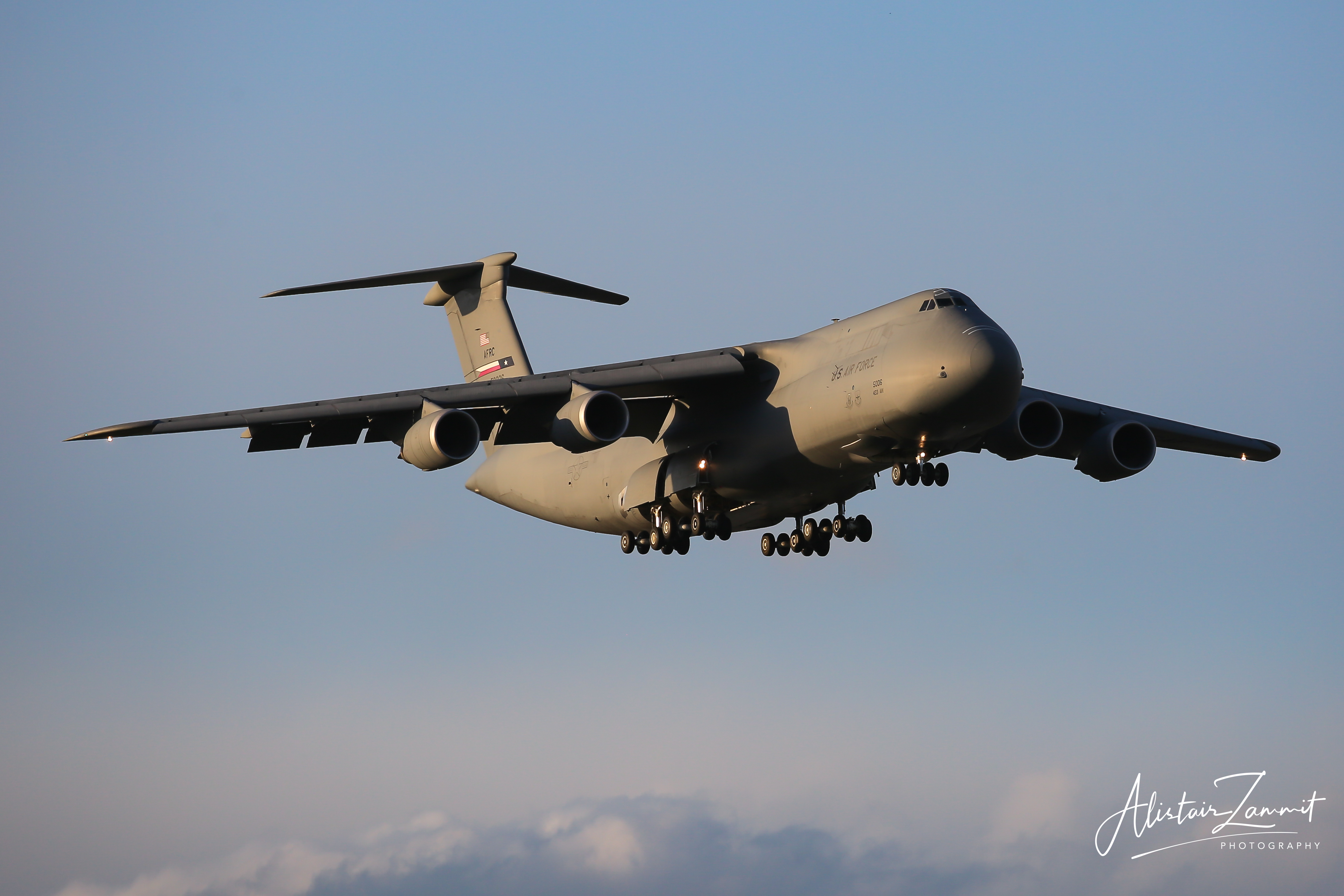
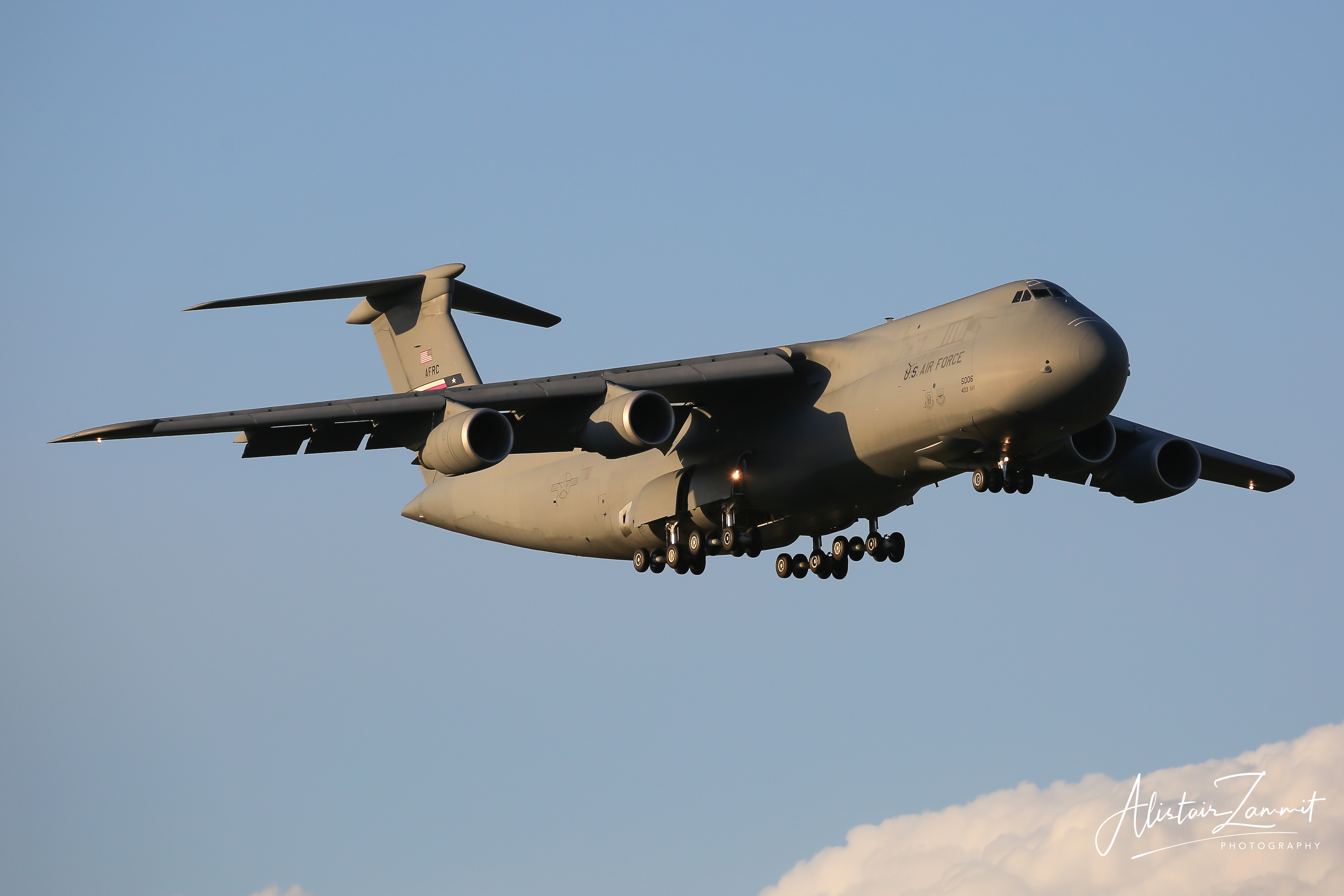
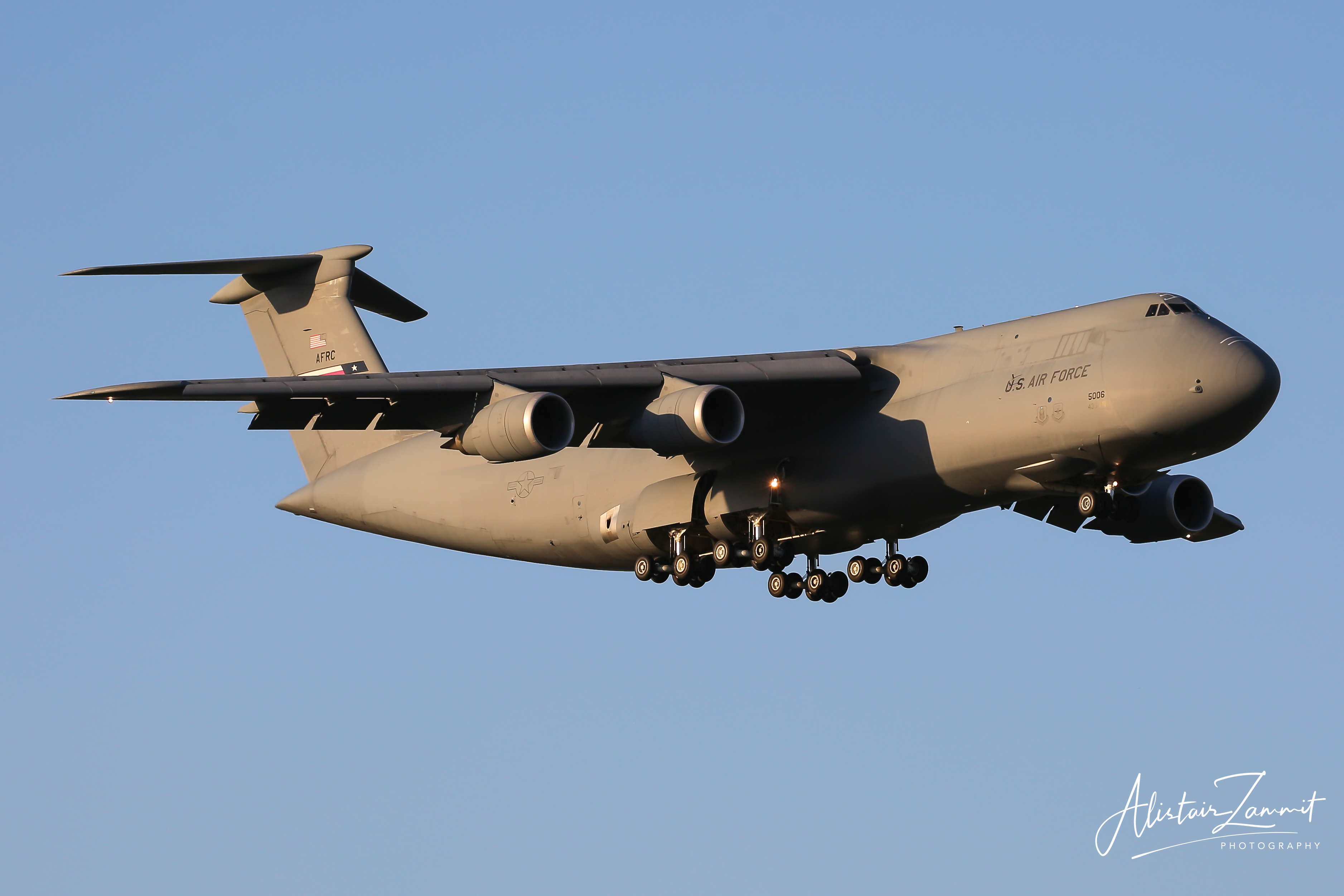
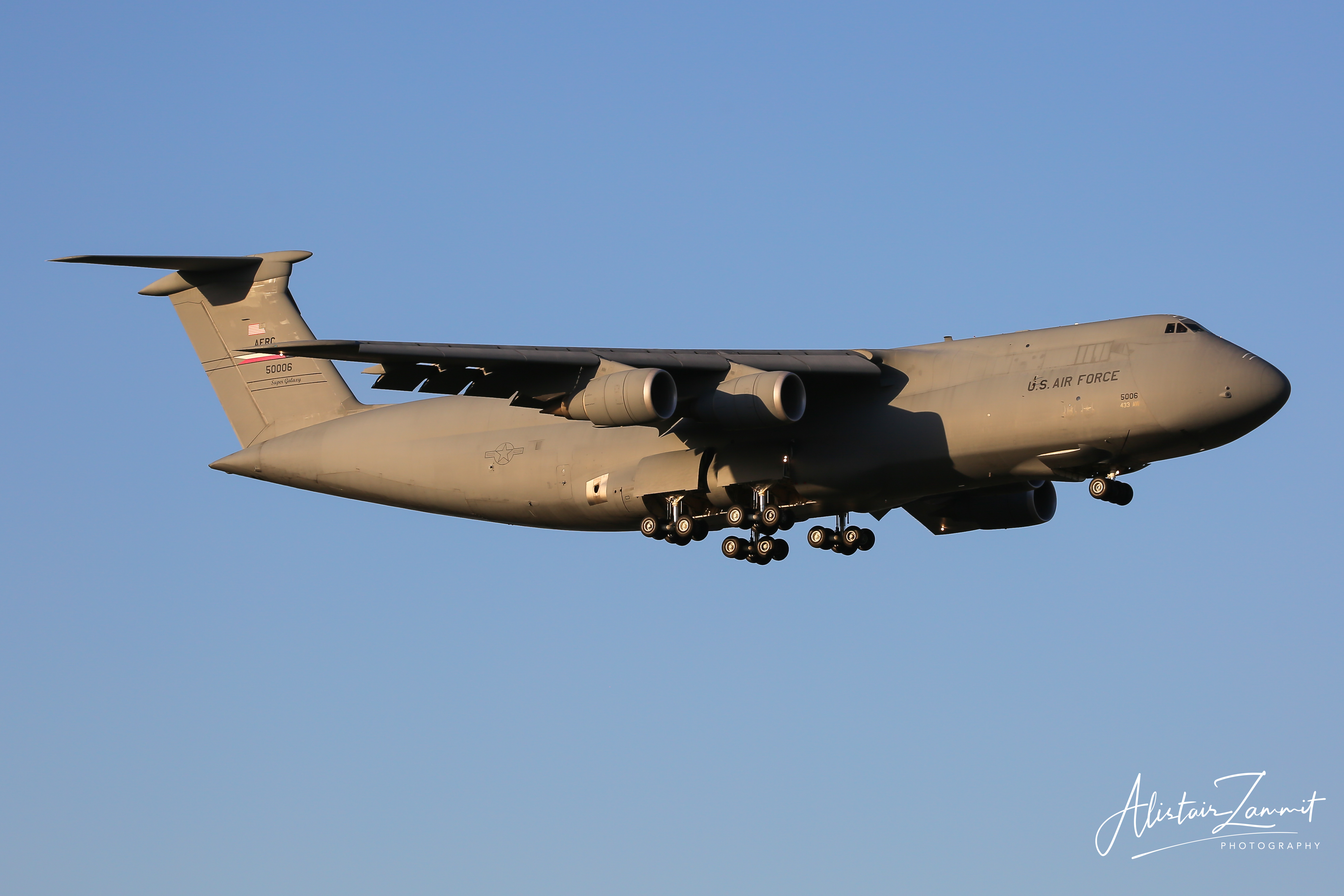
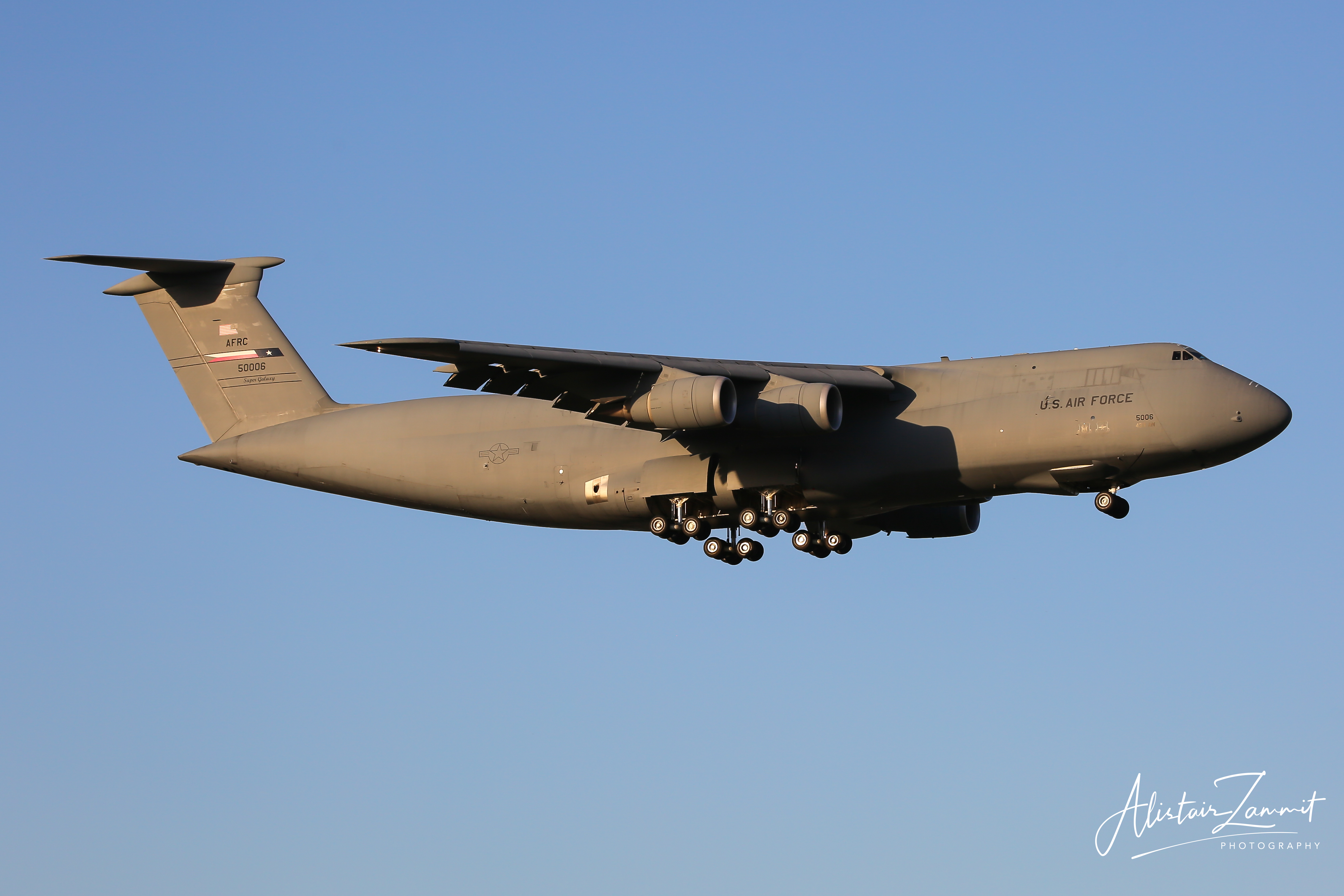
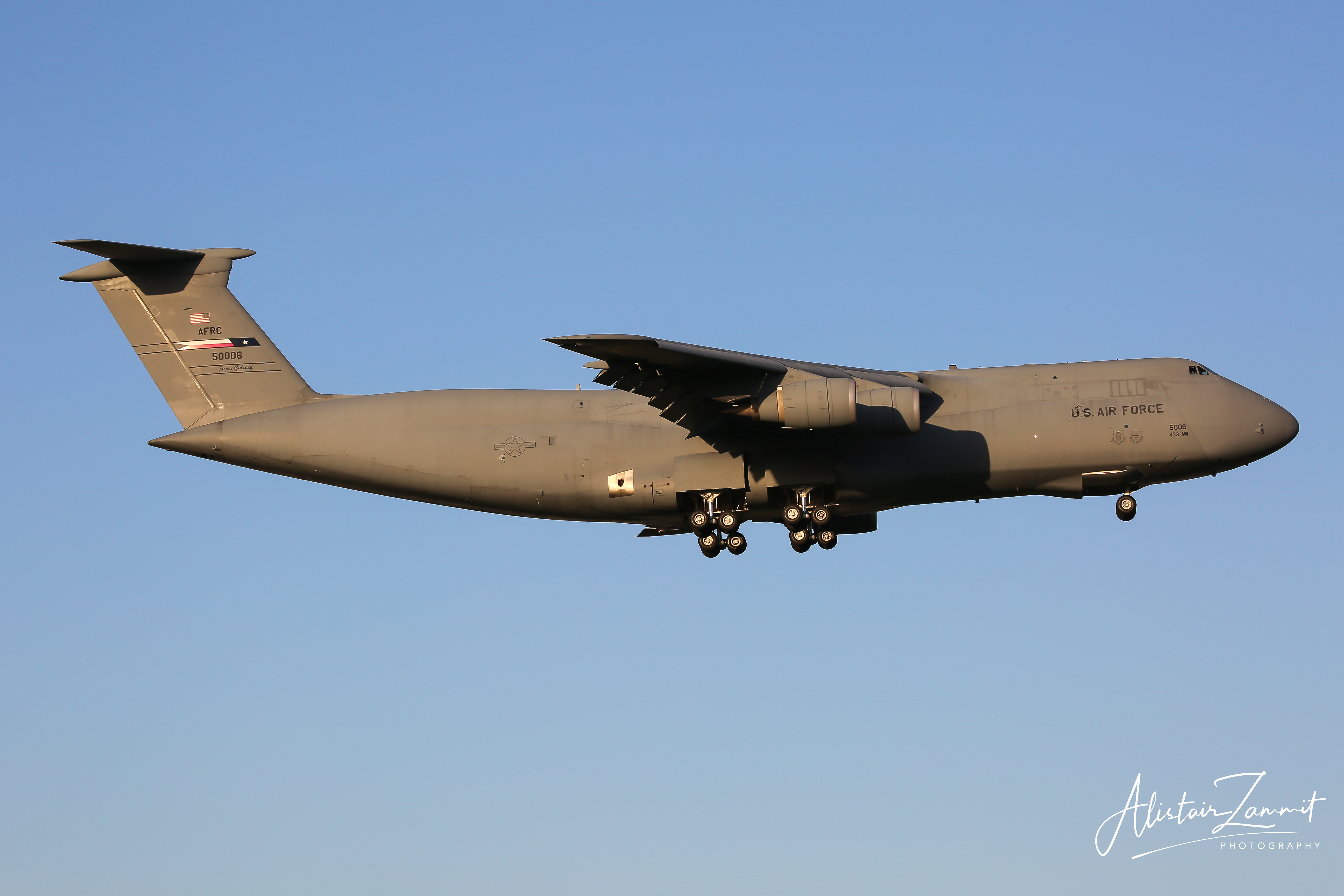
Another key presence at the base is the 68th Airlift Squadron, a unit of the U.S. Air Force Reserve Command. The squadron operates the C-5M Super Galaxy, a modernized version of the C-5 Galaxy and one of the largest military transport aircraft in existence. Its mission is to provide global strategic airlift, moving personnel, equipment, and oversized cargo across intercontinental distances. The 68th supports a wide range of operations, including combat support, humanitarian relief, peacekeeping missions, and joint exercises with partner nations. Its long history and close integration with active-duty forces strengthen the Air Force’s overall mobility capability, and its motto, “Nulli Secundus,” reflects a standard of performance that emphasizes excellence.
356th Airlift Squadron (AS)
Also operating the C-5M Super Galaxy is the 356th Airlift Squadron, another Air Force Reserve Command unit. The squadron’s mission focuses on rapidly deploying and sustaining U.S. forces around the world. In addition to supporting military operations, it regularly participates in humanitarian assistance and disaster response missions, transporting large quantities of cargo over long distances. The squadron’s guiding motto, “Victor Viam Ducat,” highlights values of courage, leadership, and dedication to mission success, and its operational history demonstrates adaptability across a wide variety of taskings.
Draken International
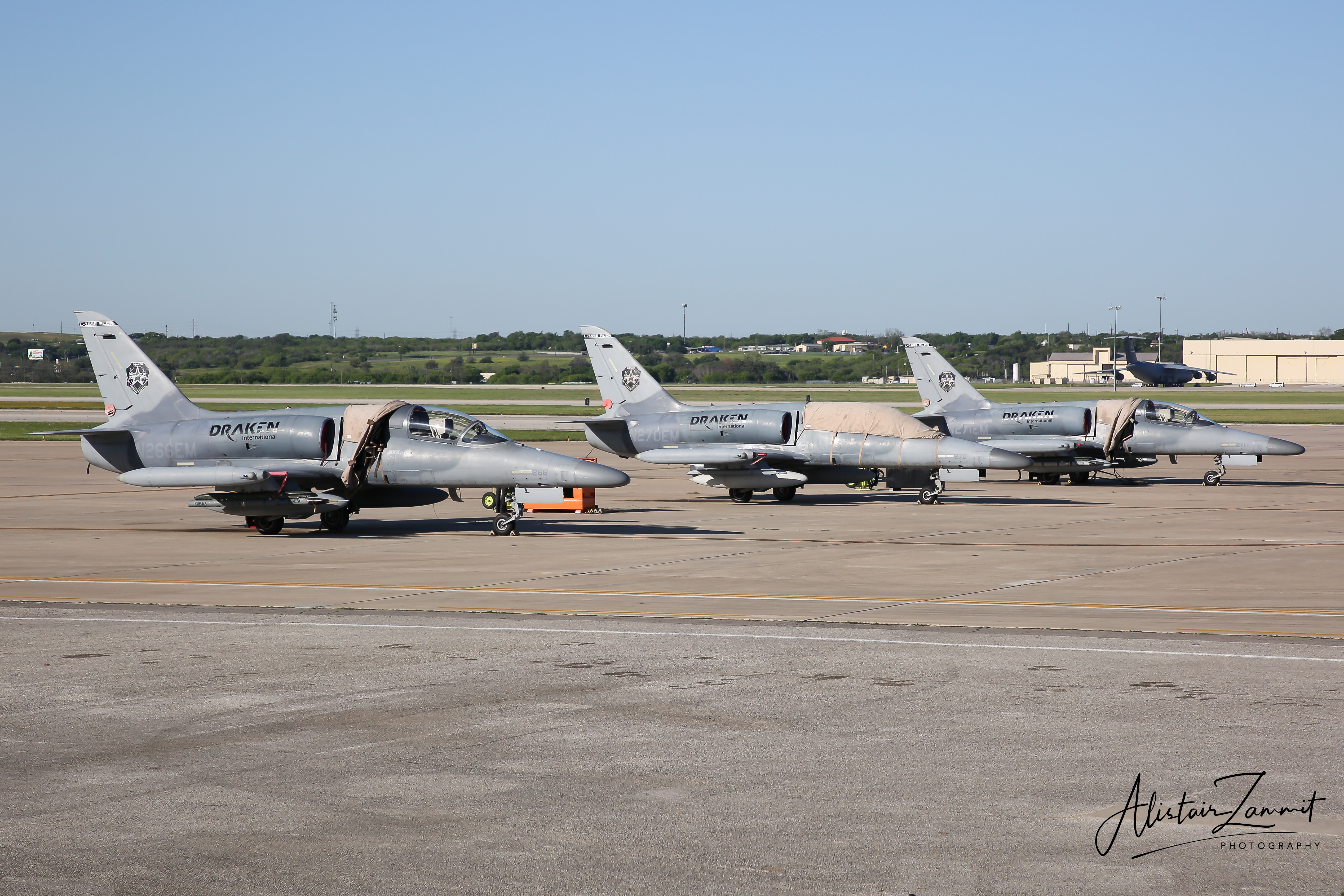
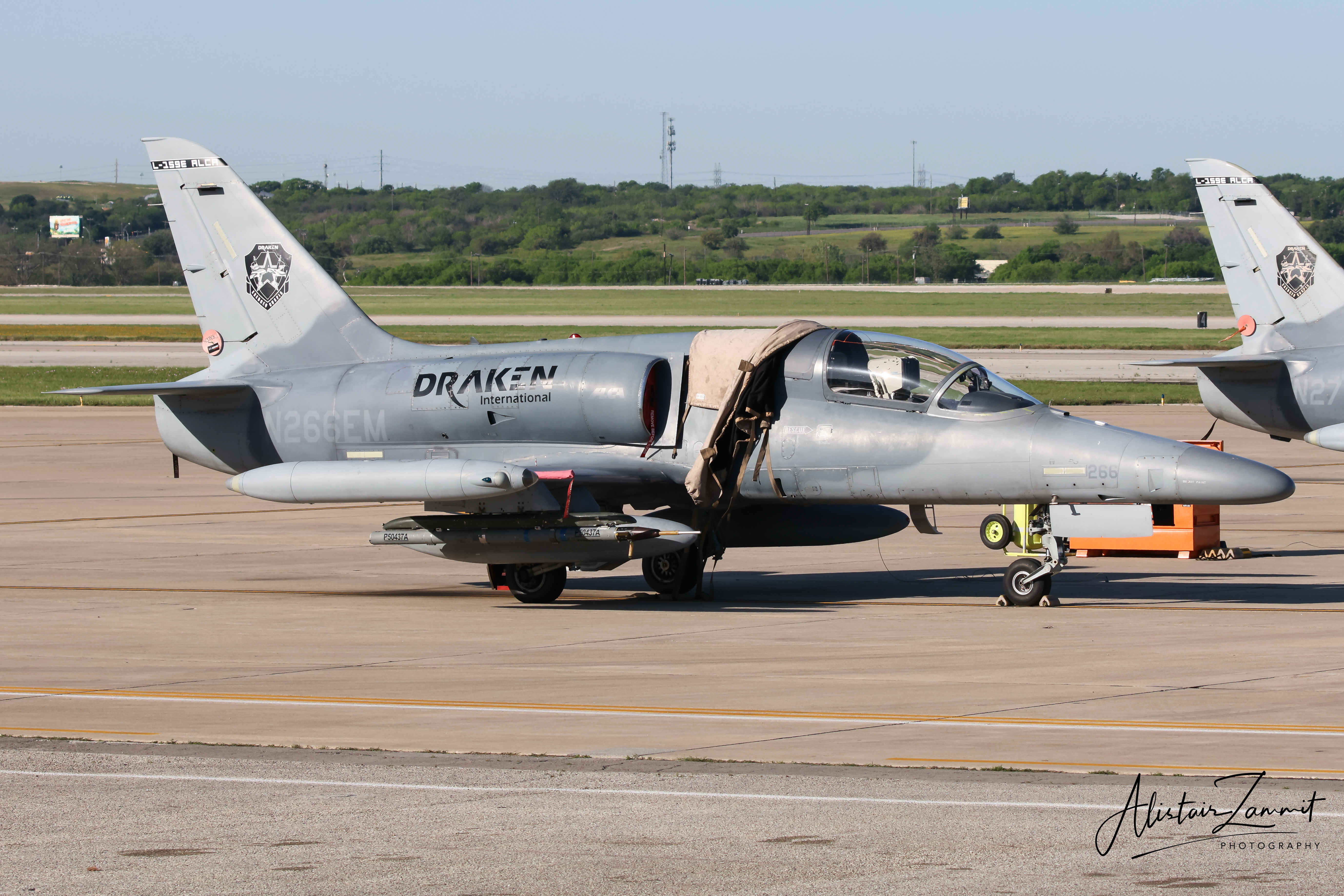
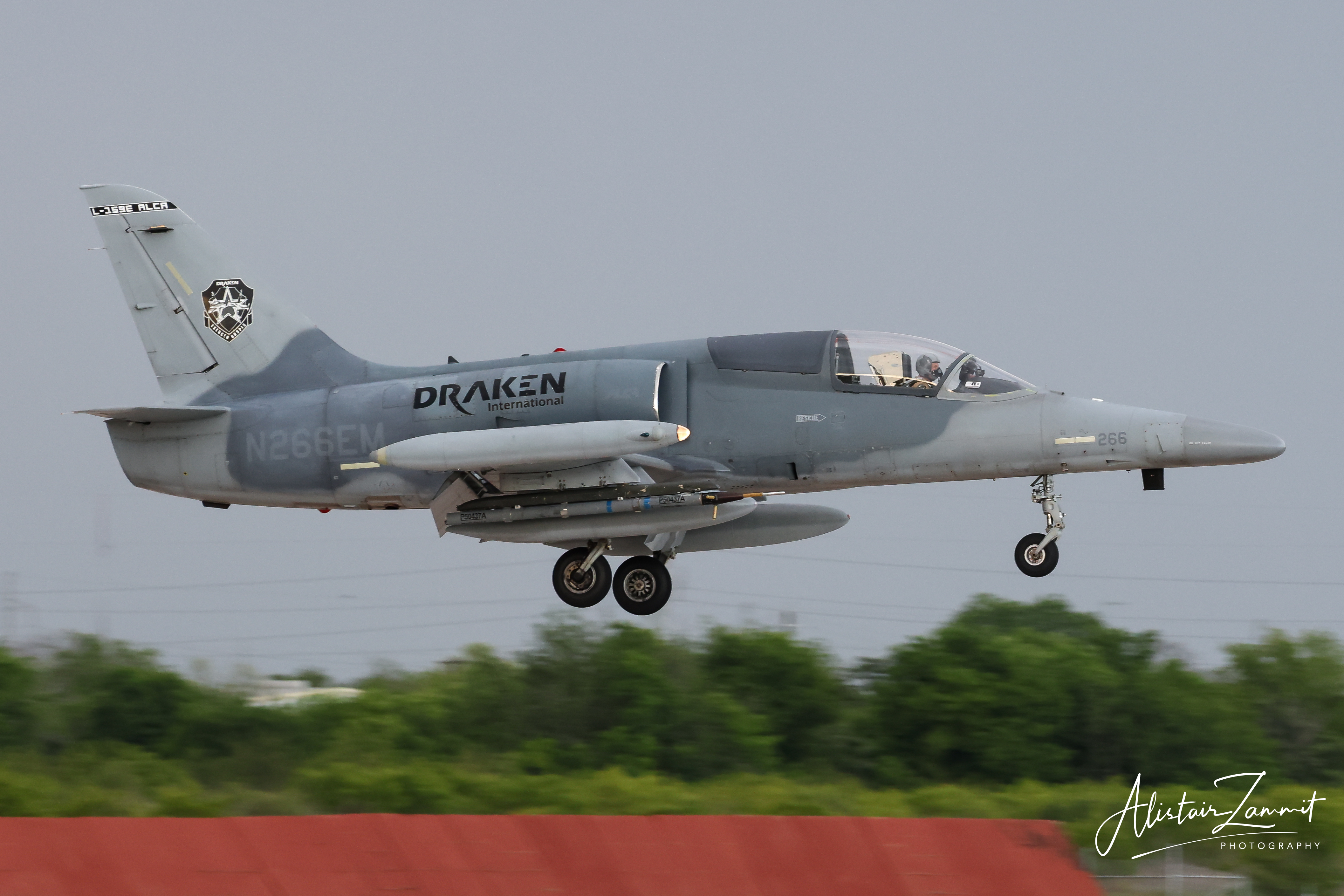
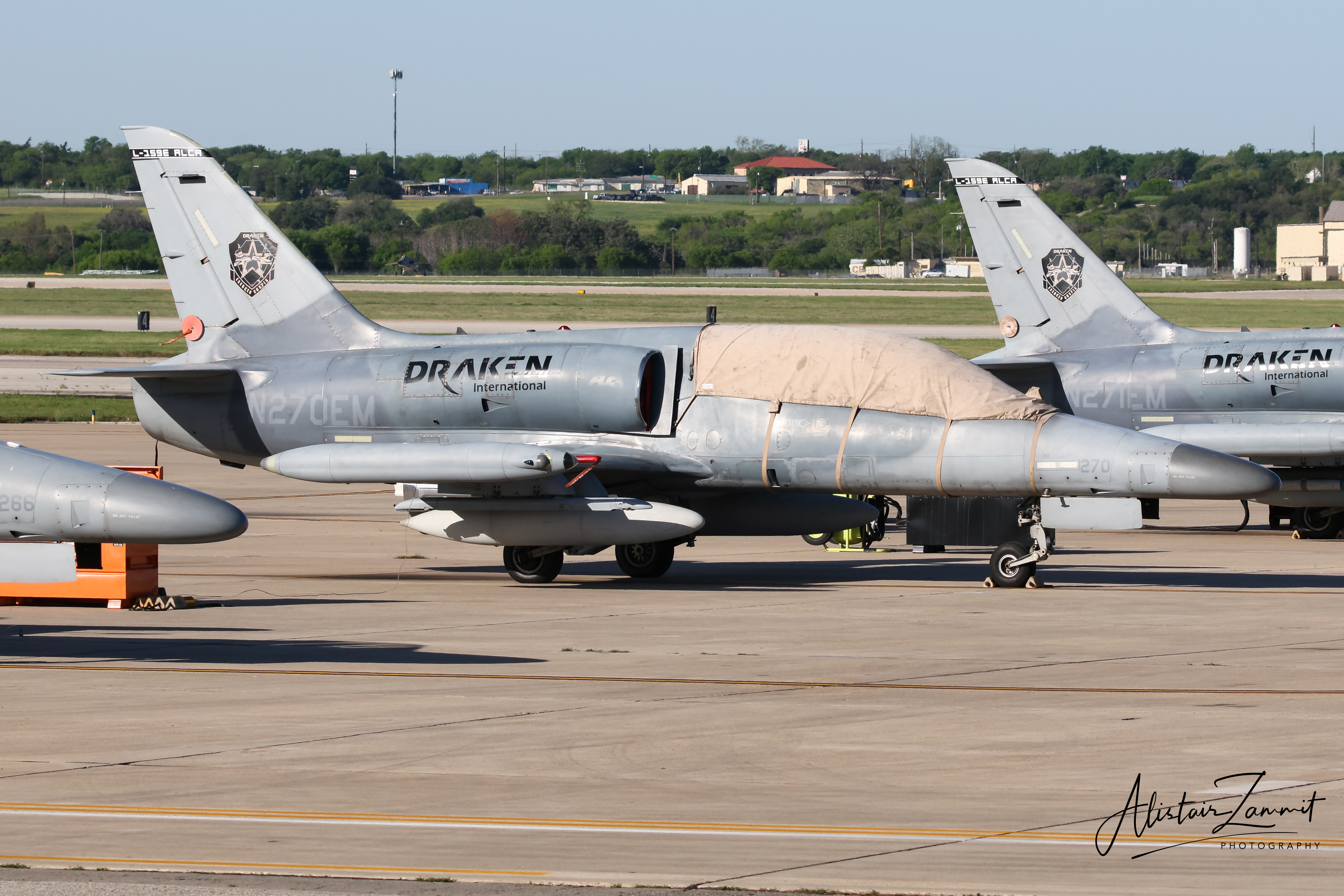
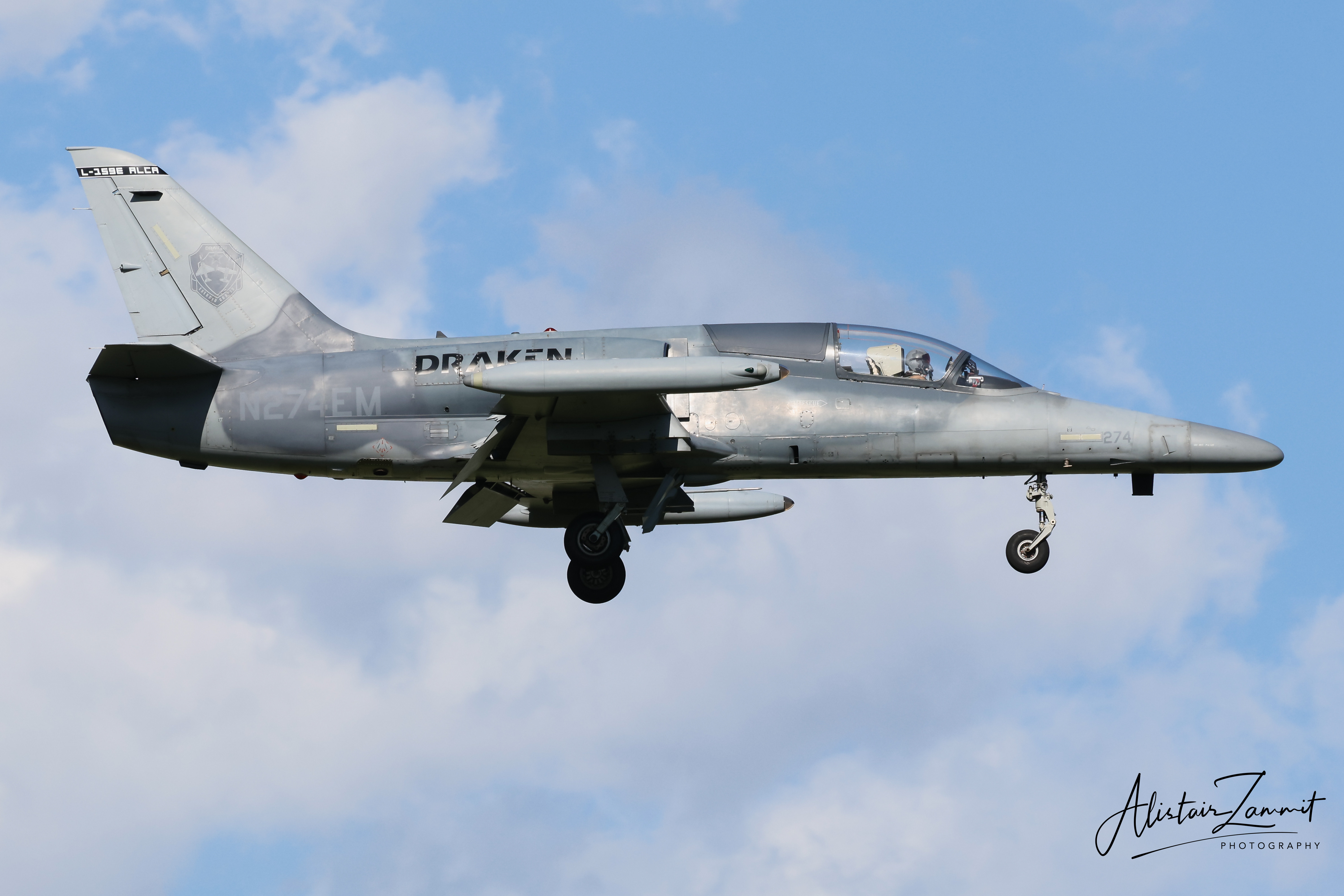
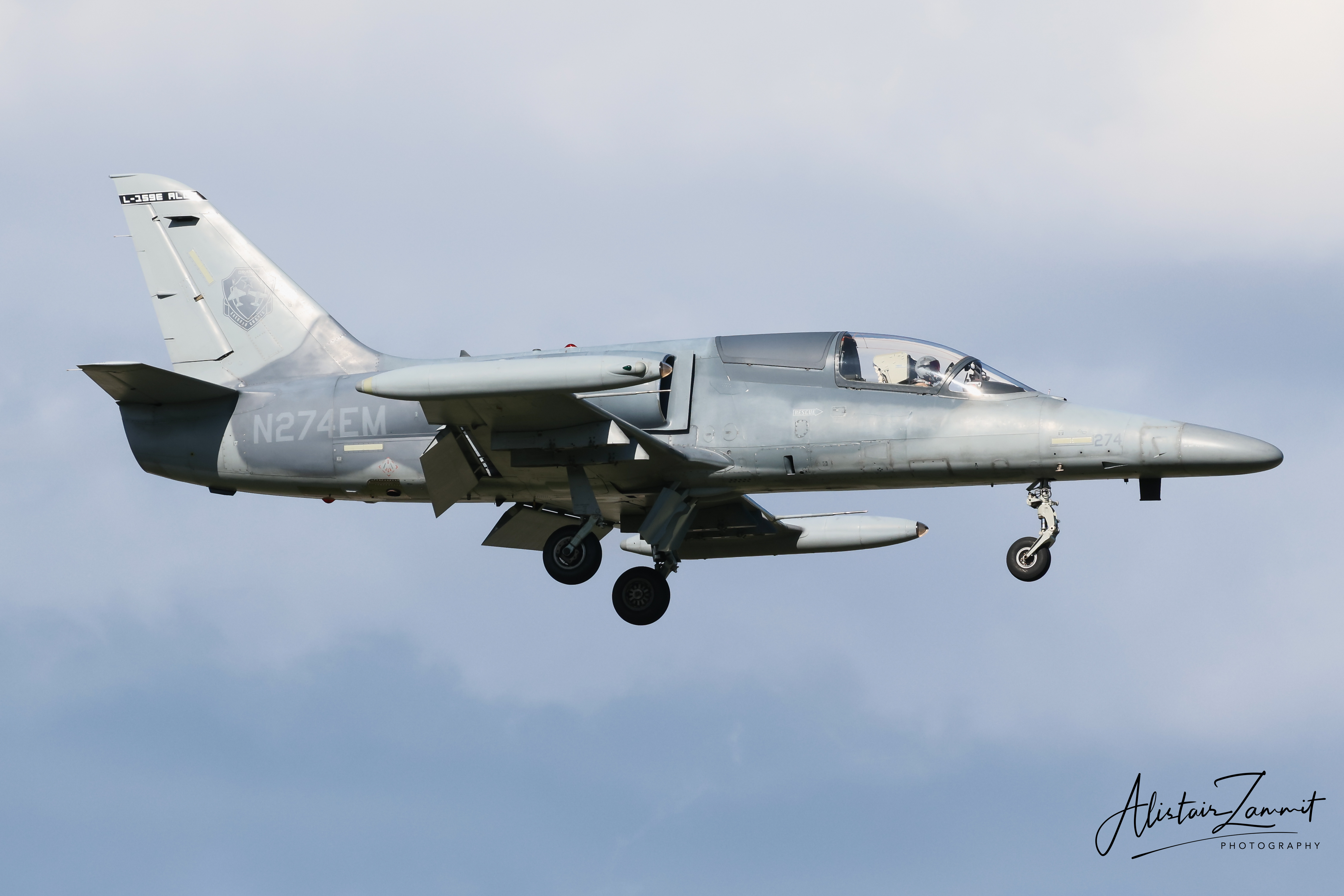
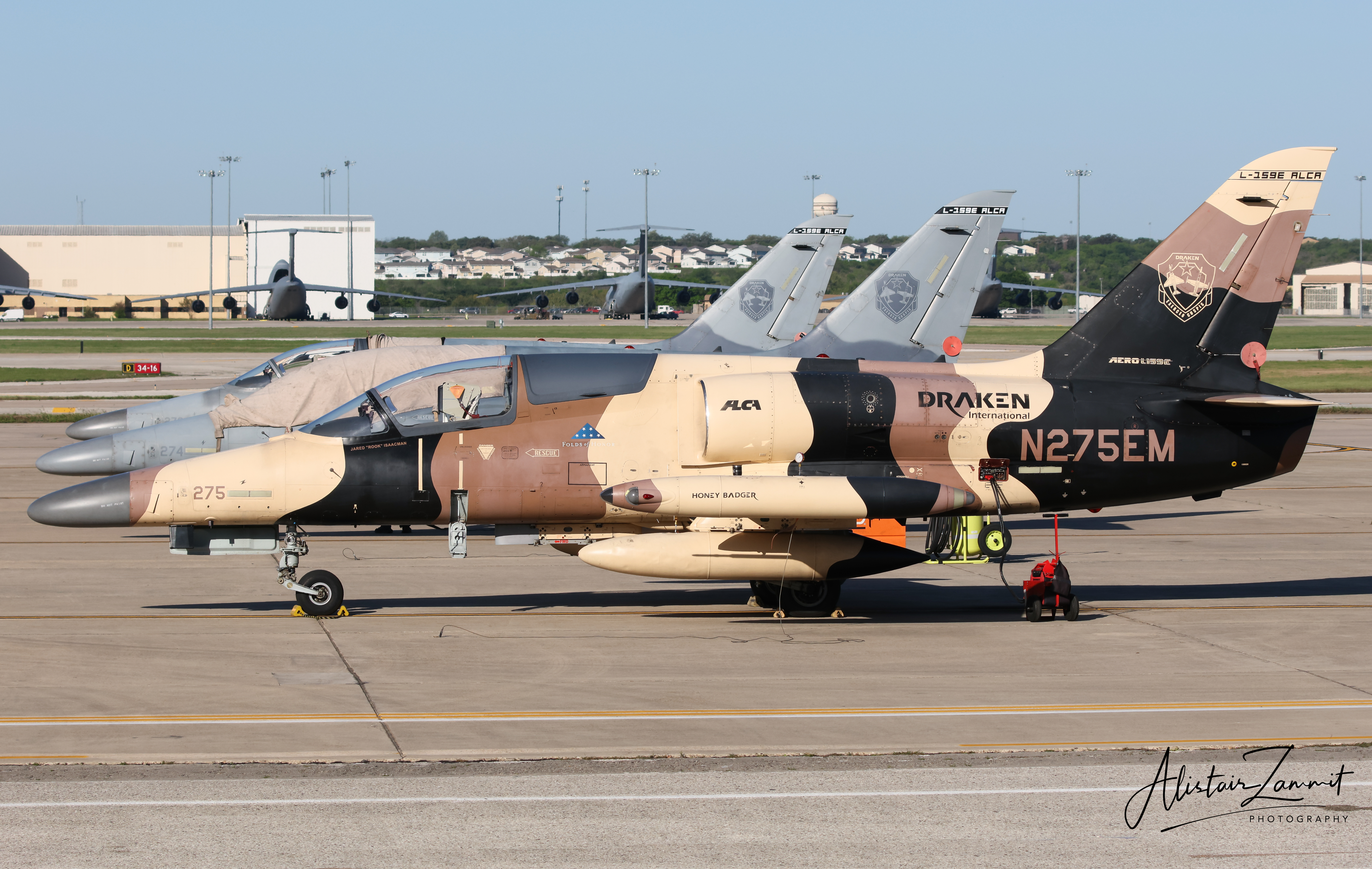
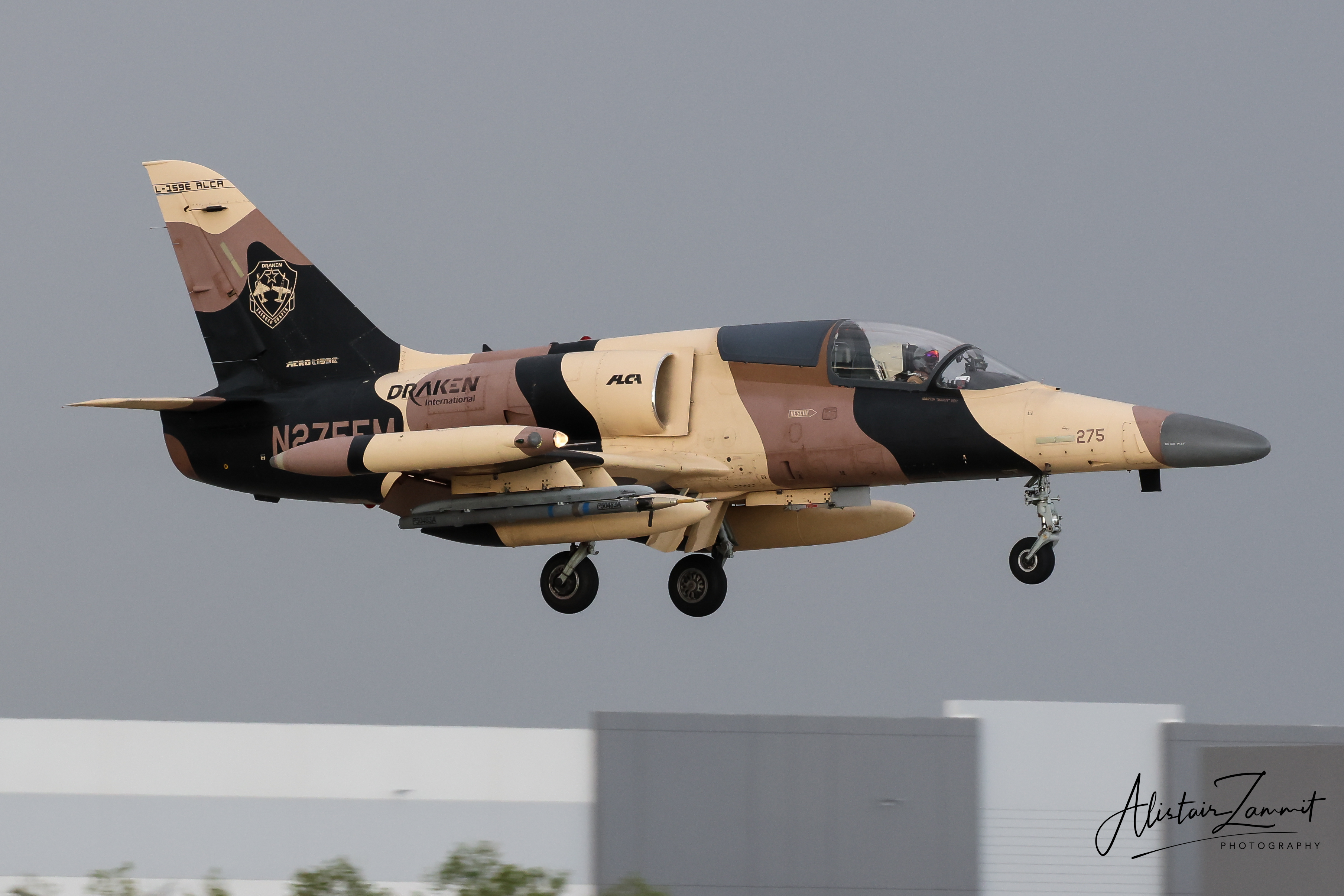
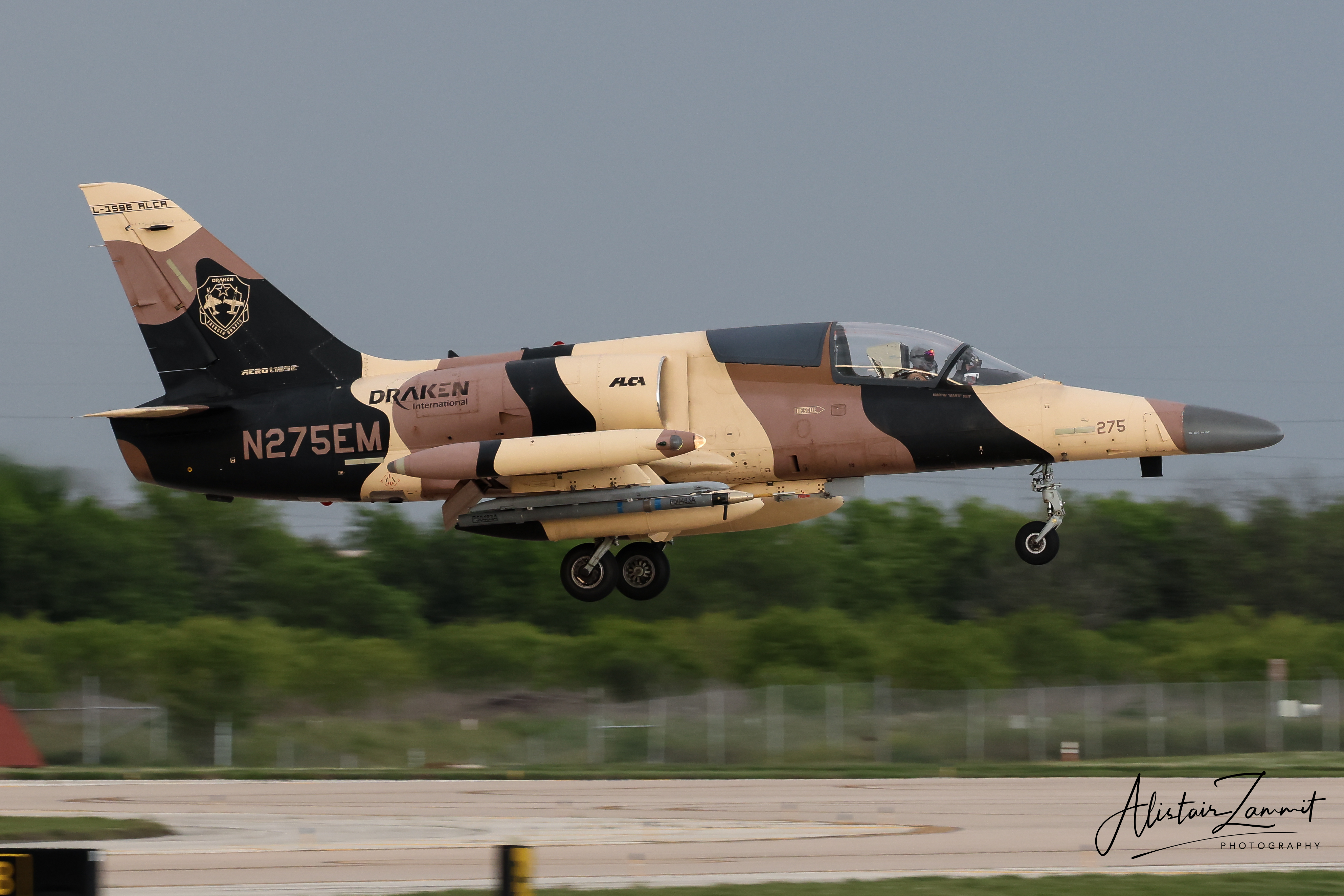
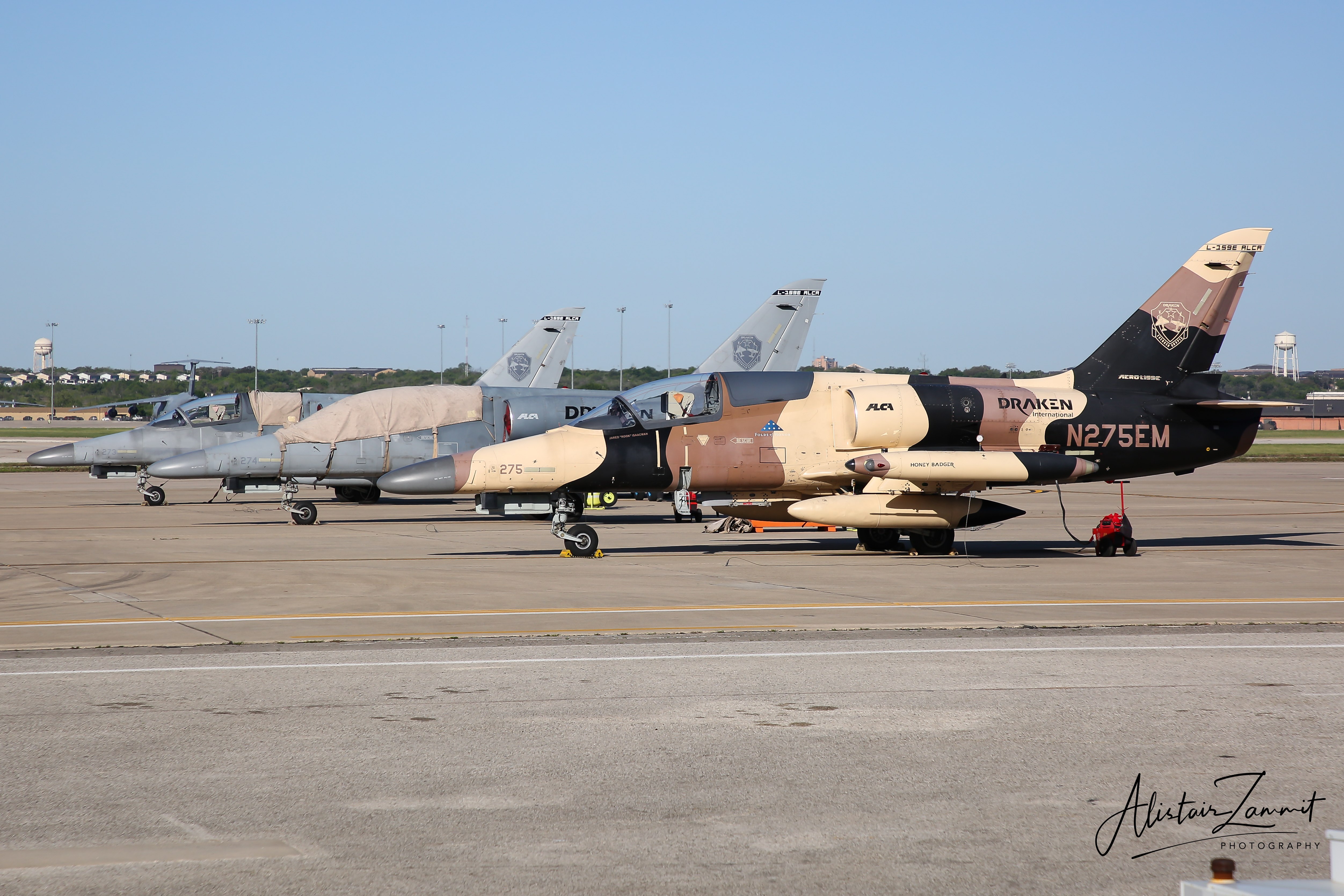
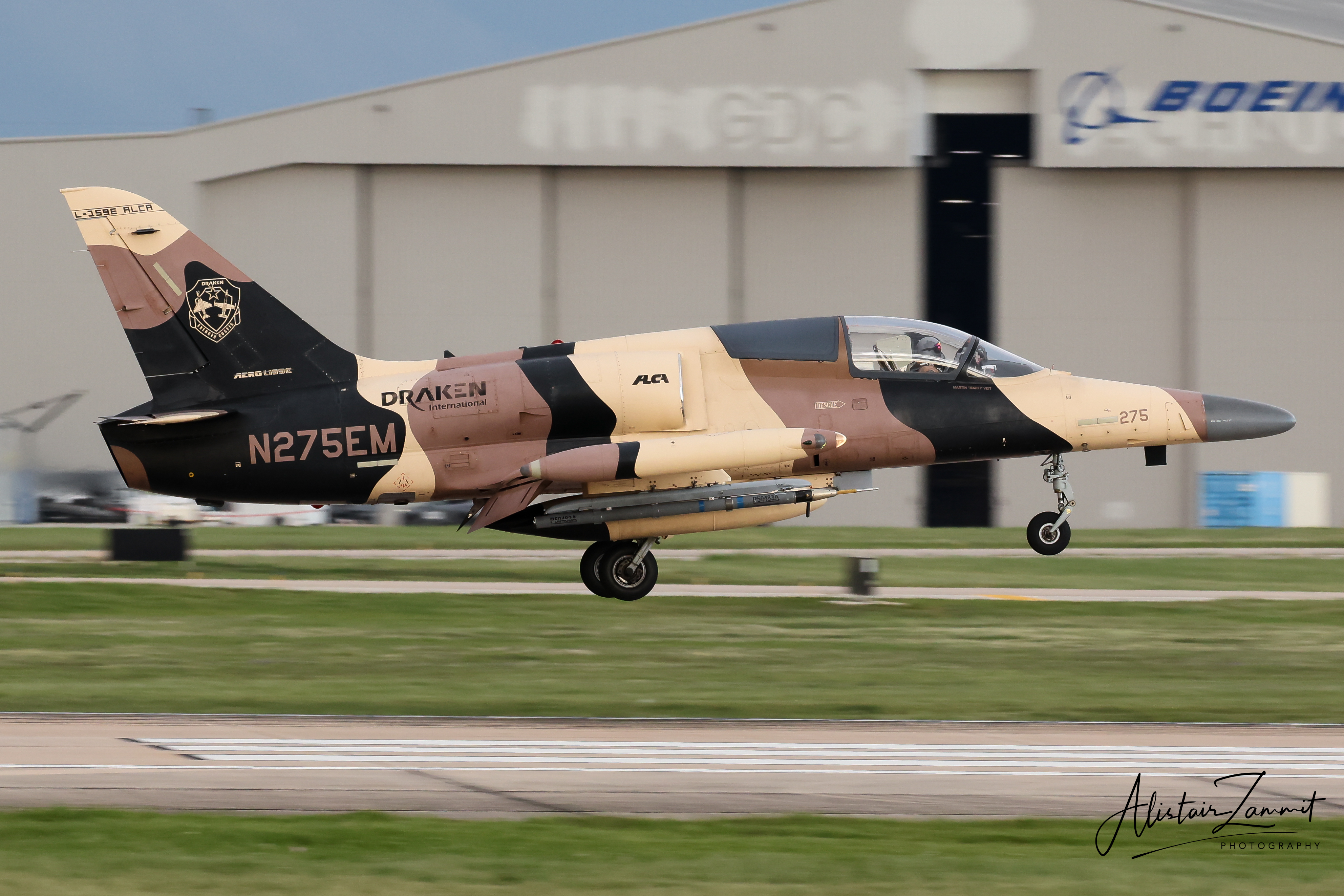
During the visit described in the article, six L-159 ALCA aircraft were observed on the base, operated by Draken International. Draken is a private company that specializes in providing adversary, or “red air,” services for military training. The company maintains a diverse fleet of former military aircraft, including A-4 Skyhawks, L-159 ALCAs, Mirage F1 fighters, and MiG-21s. These aircraft are employed to replicate opposing force tactics and threat scenarios, allowing military pilots to train against realistic adversaries. Draken also provides training support for ground crews, contributing to overall combat preparedness.
Visiting Aircraft
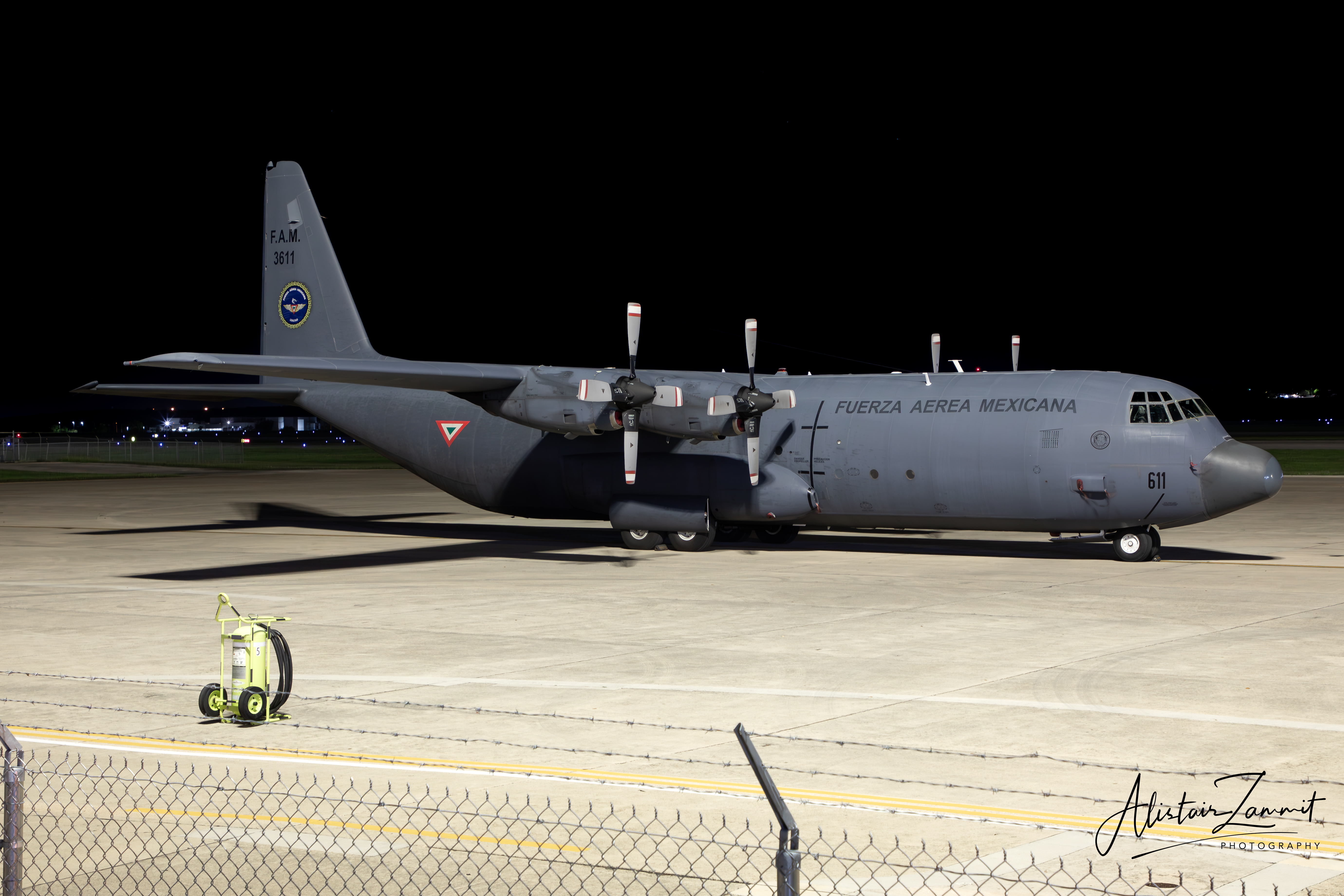
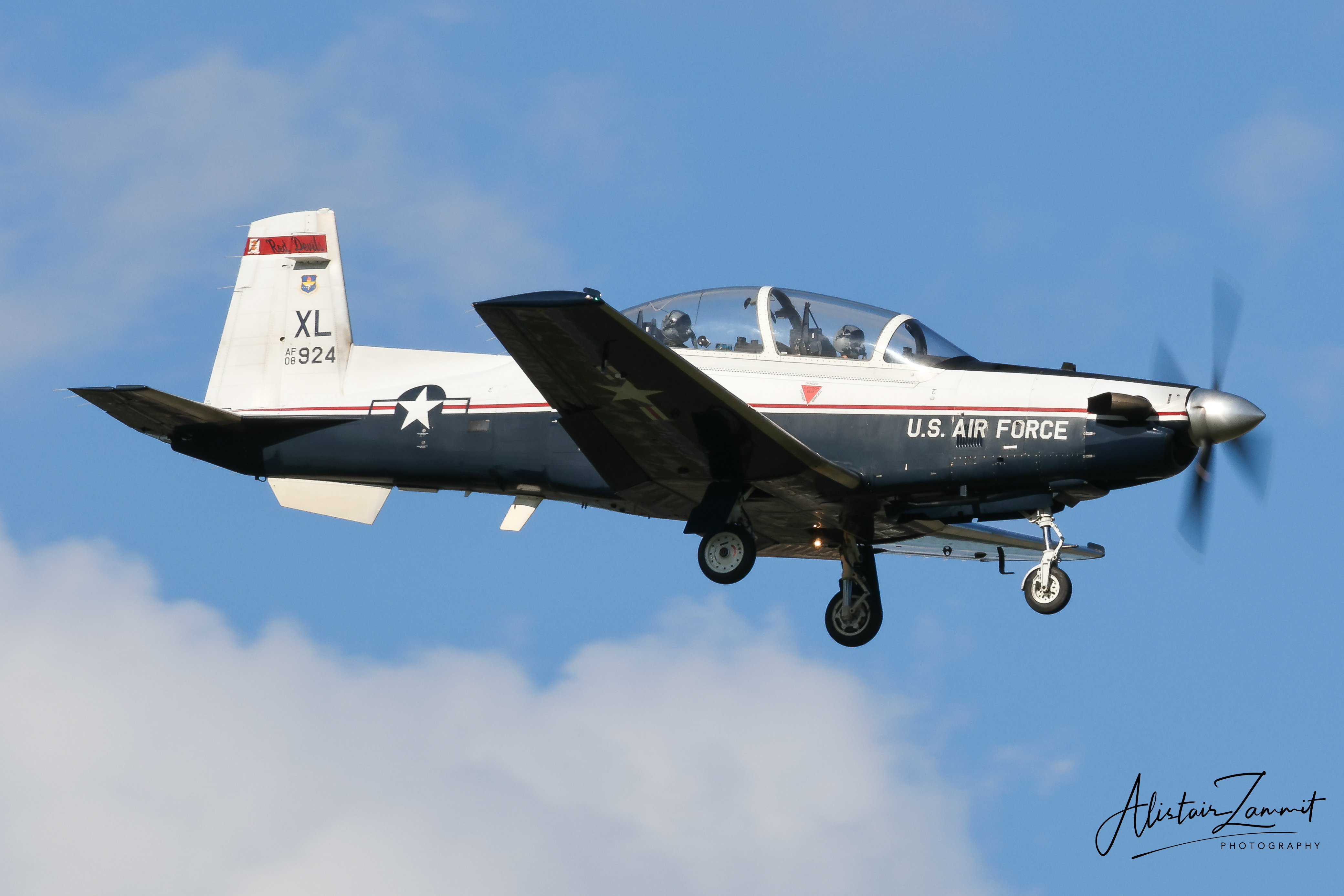
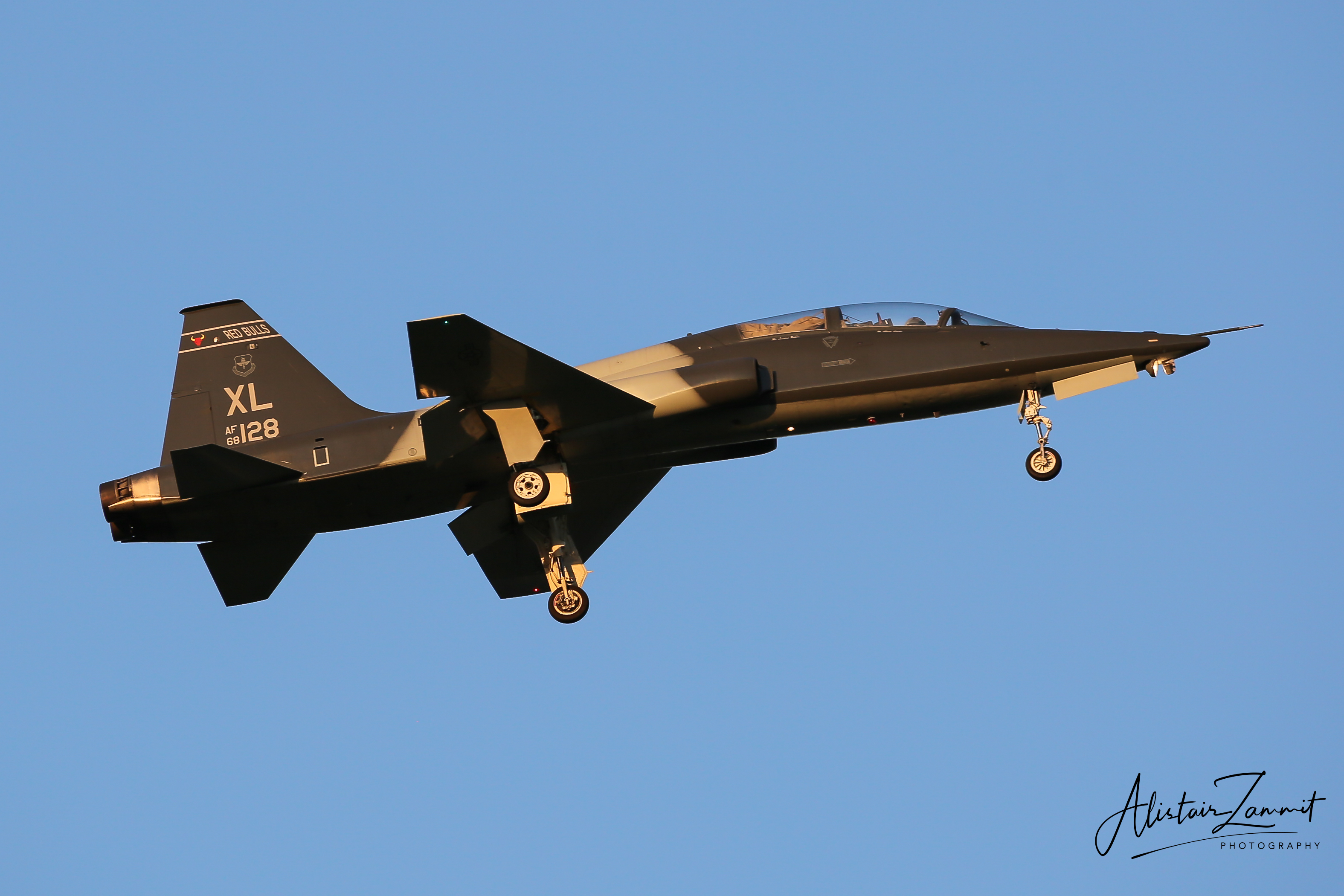
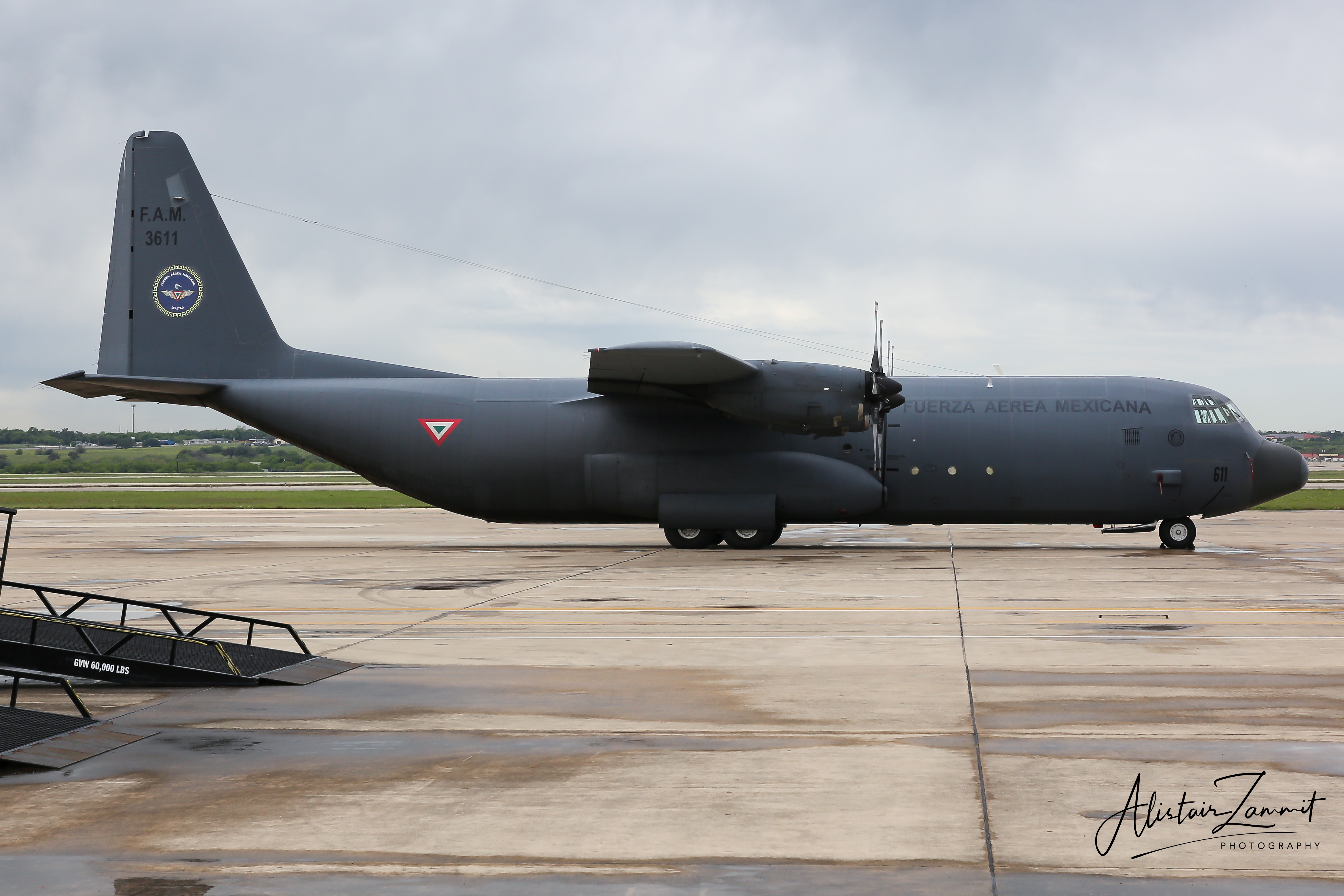
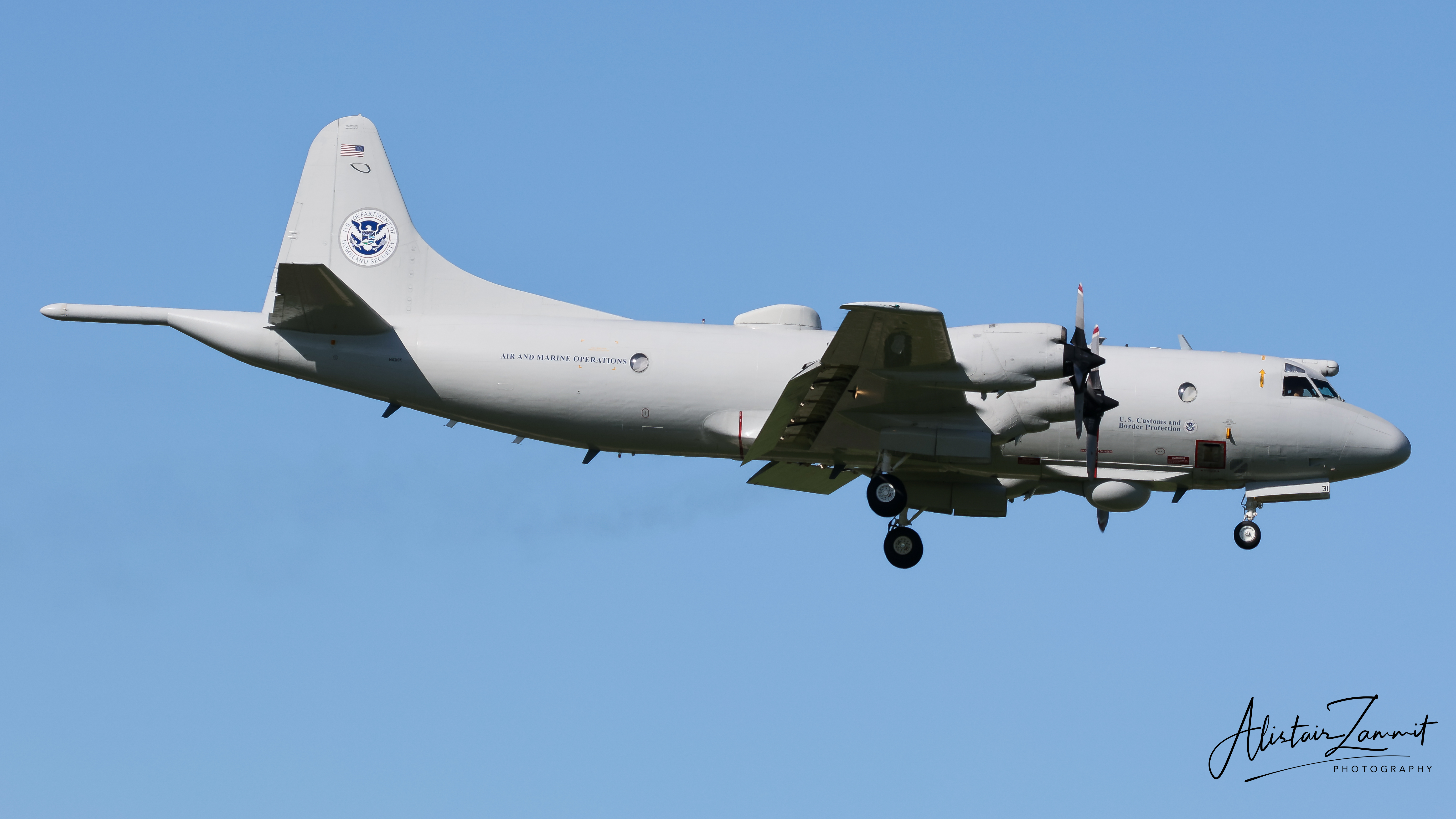
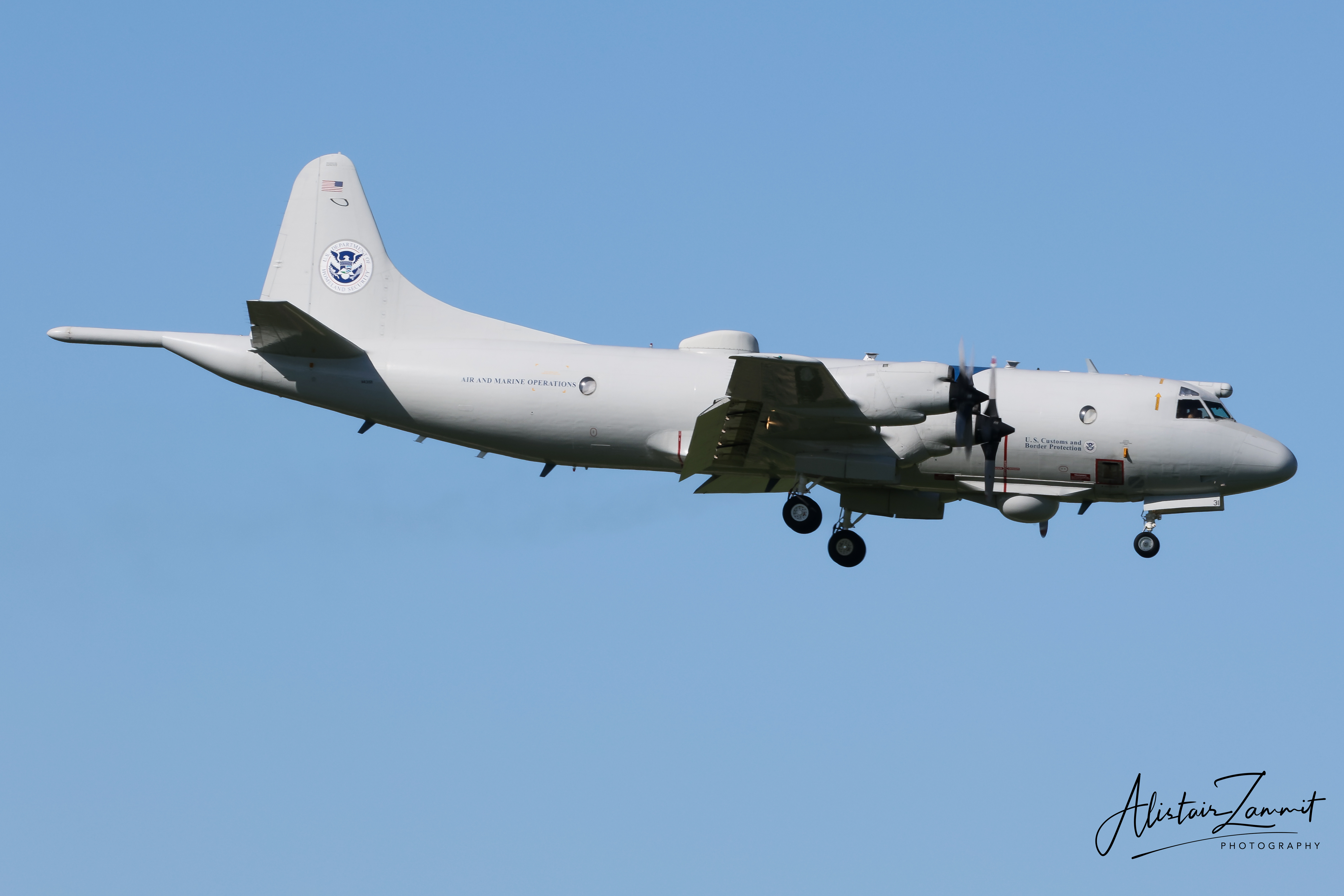
Several visiting aircraft were also noted during the visit. Among them was a particularly uncommon U.S. Customs and Border Protection P-3B Orion. This aircraft is used for maritime patrol and surveillance missions, with a focus on countering drug trafficking and human smuggling operations. Additional transient aircraft included a T-38 Talon and a T-6 Texan from Laughlin Air Force Base, as well as a Lockheed L-100-30 Hercules operated by the Mexican Air Force, which was conducting an overnight stop.
 alistairzammitphotography.com