
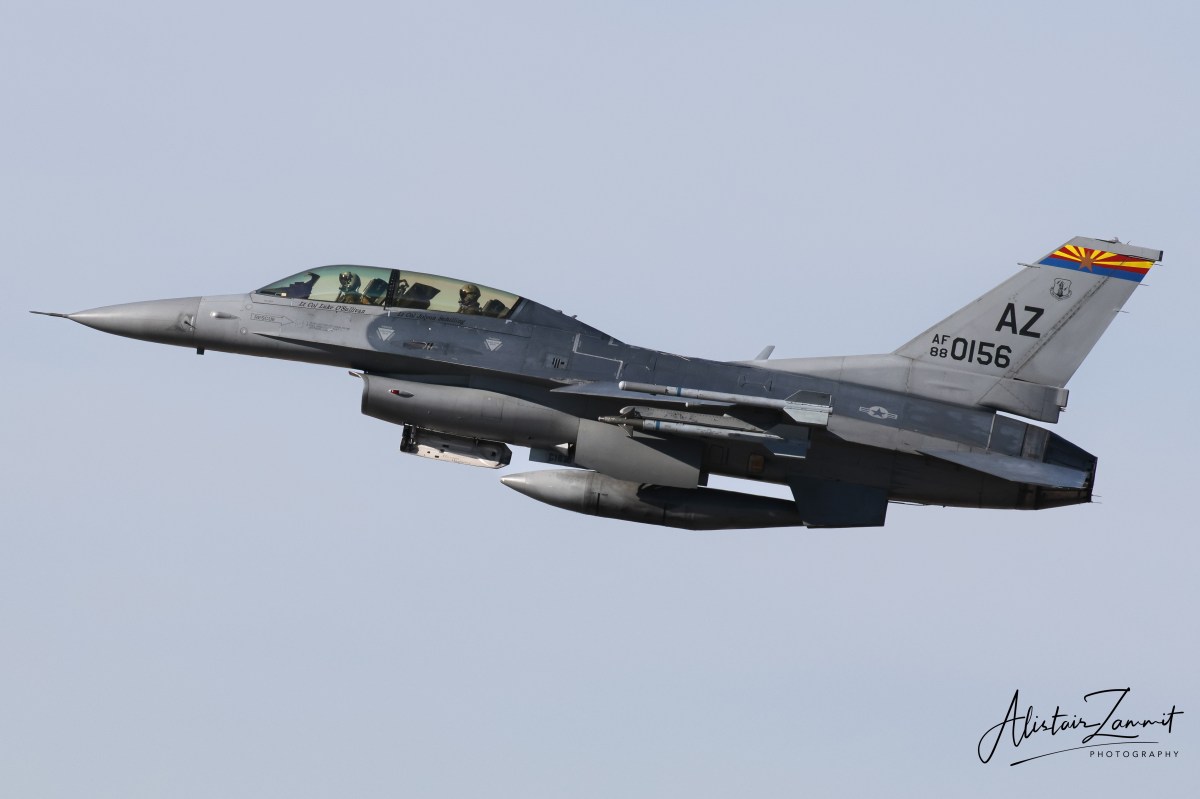
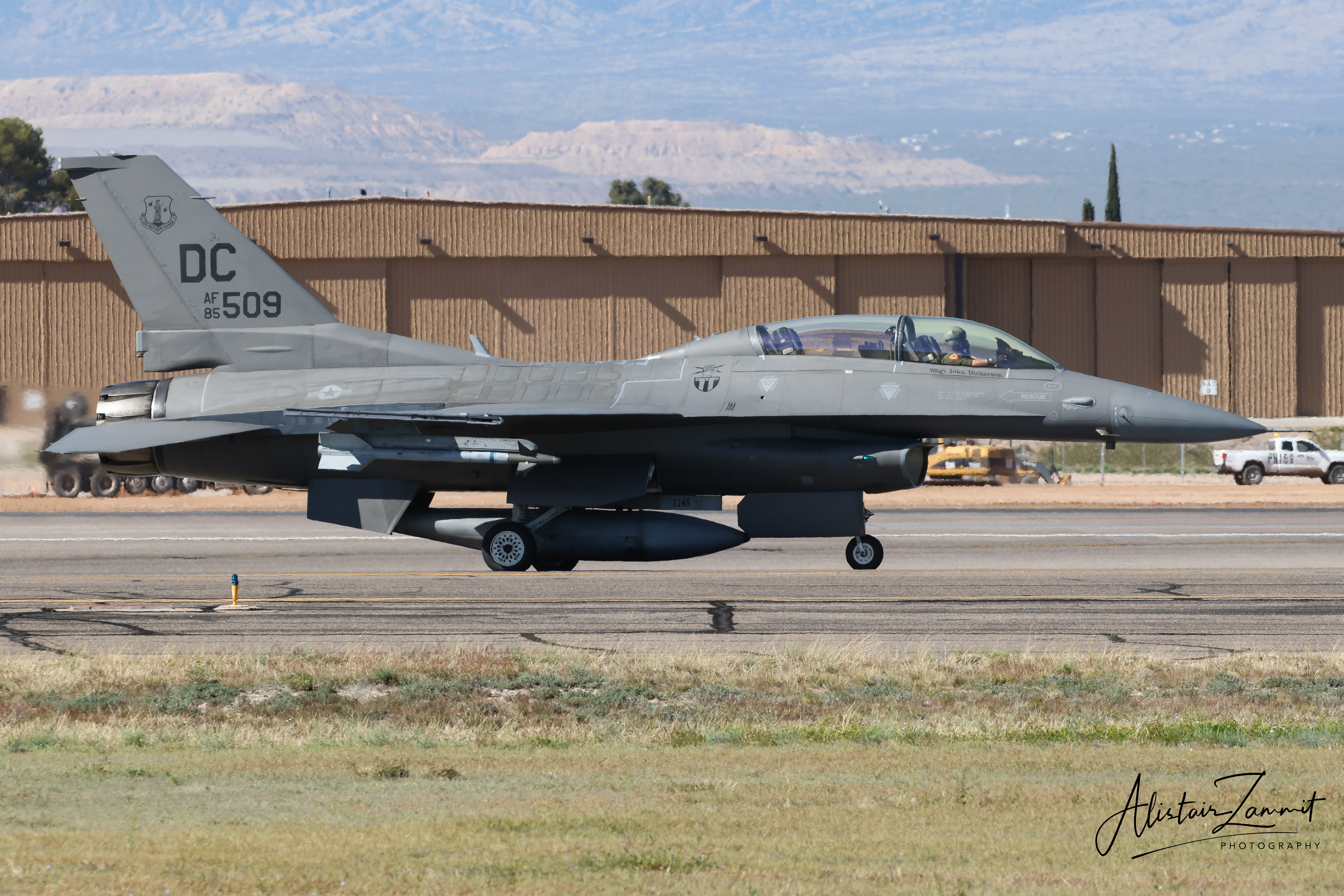
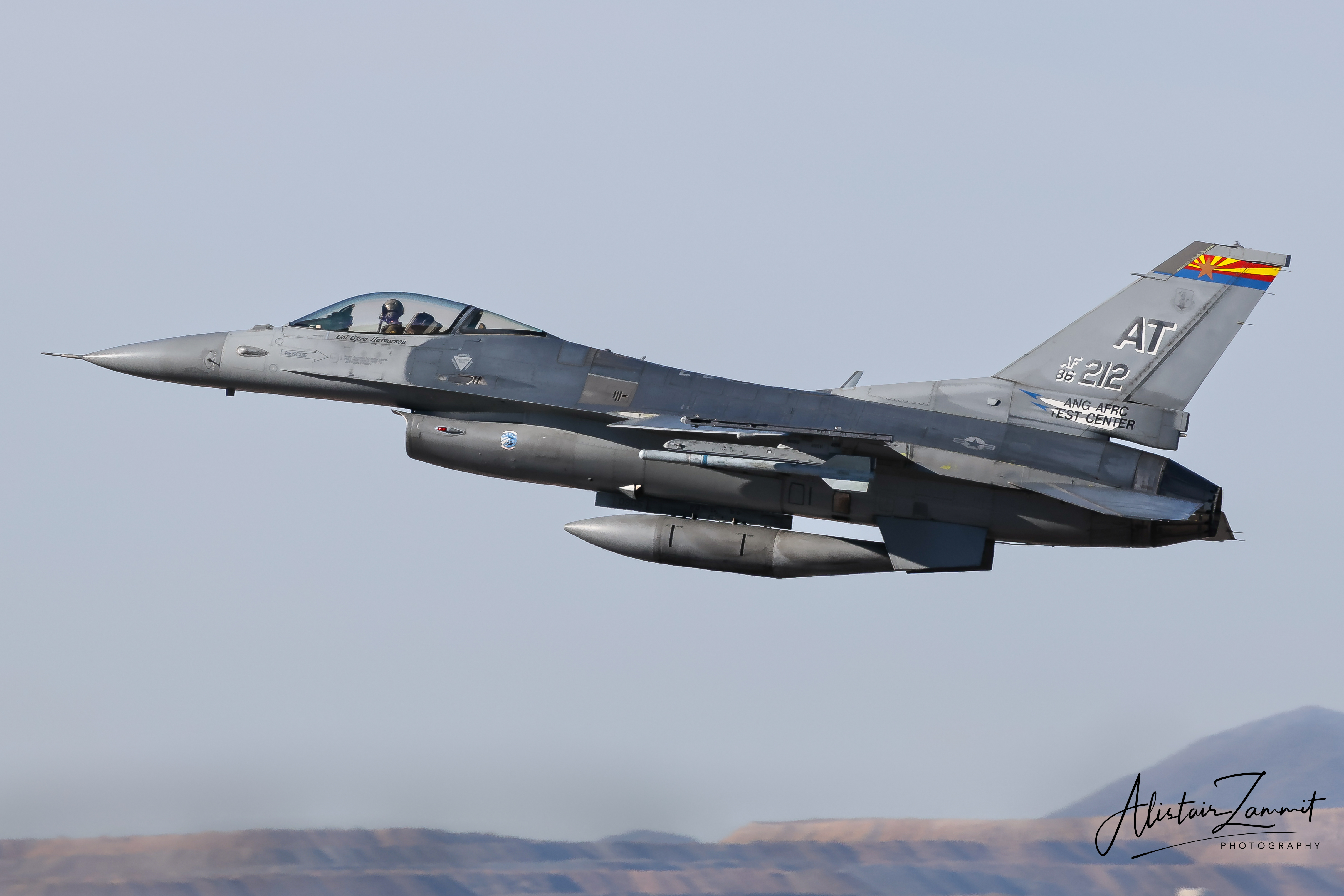
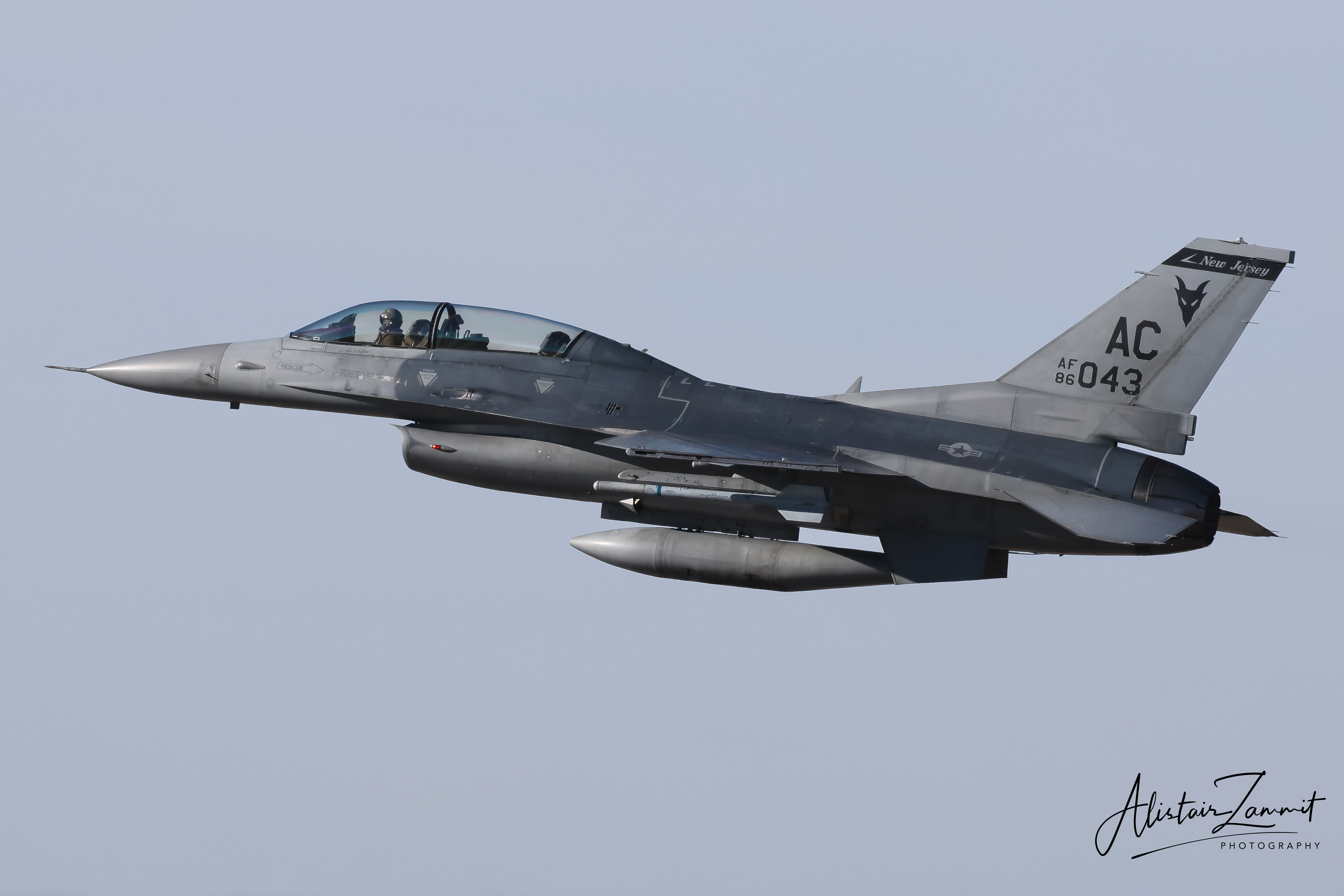
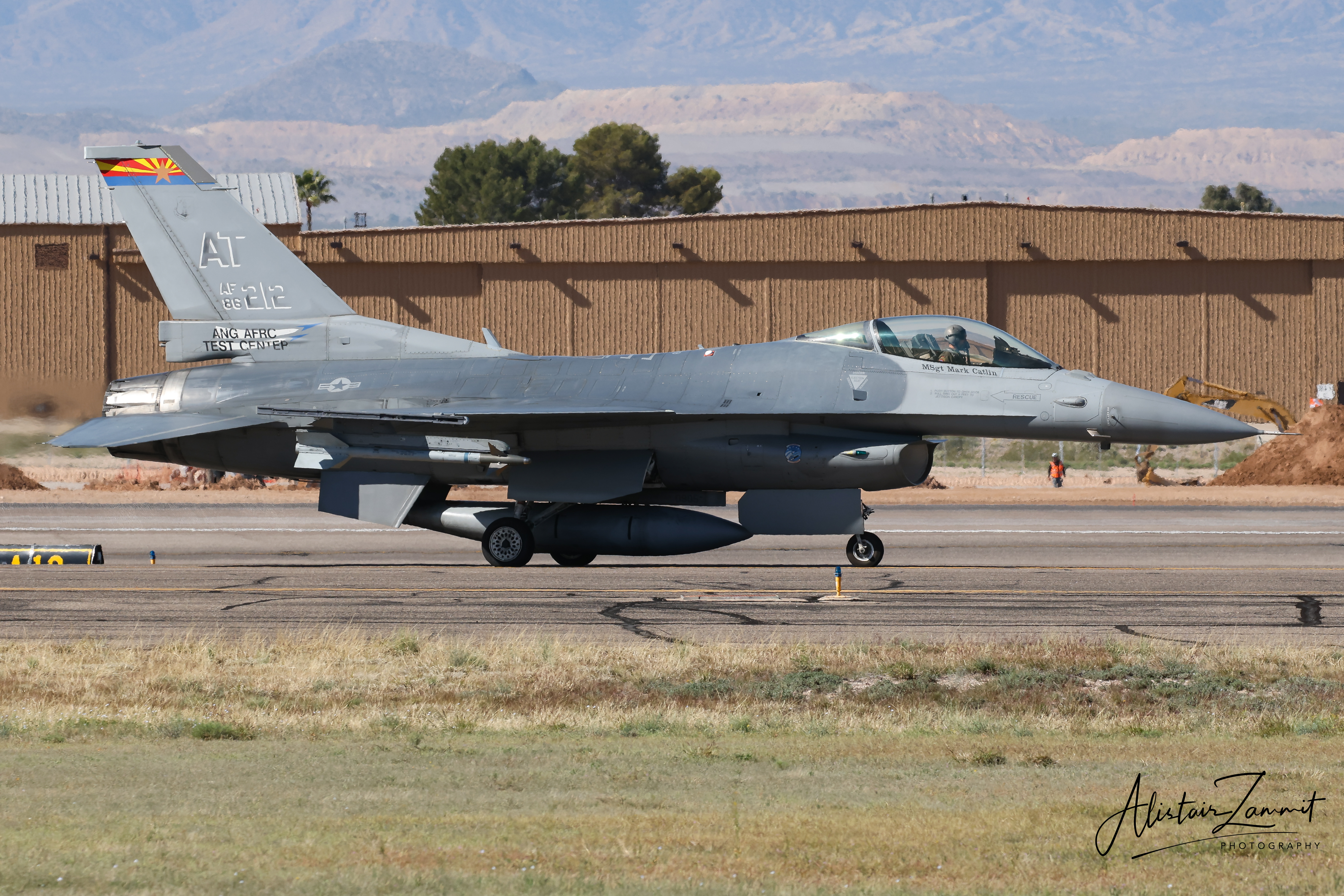
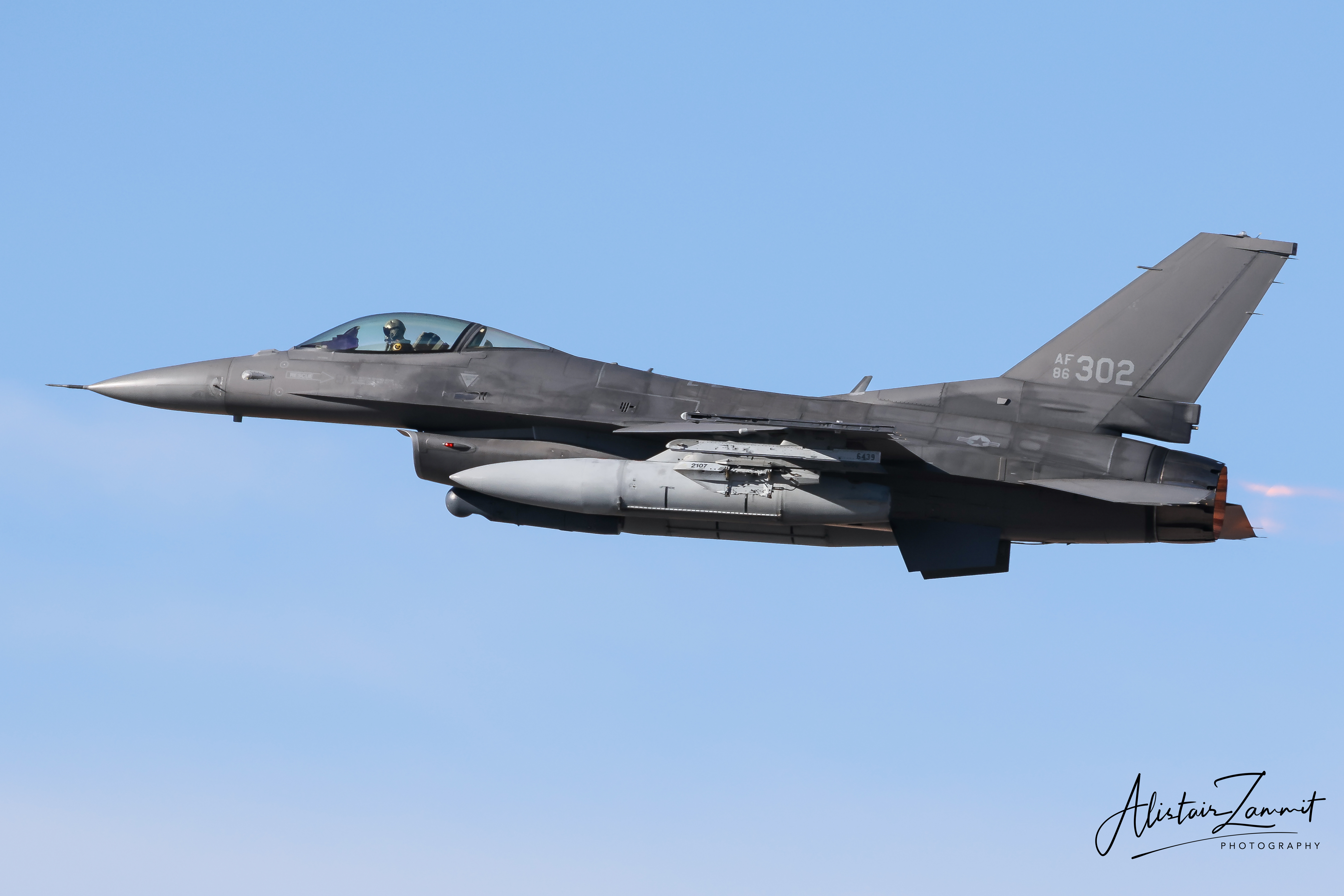
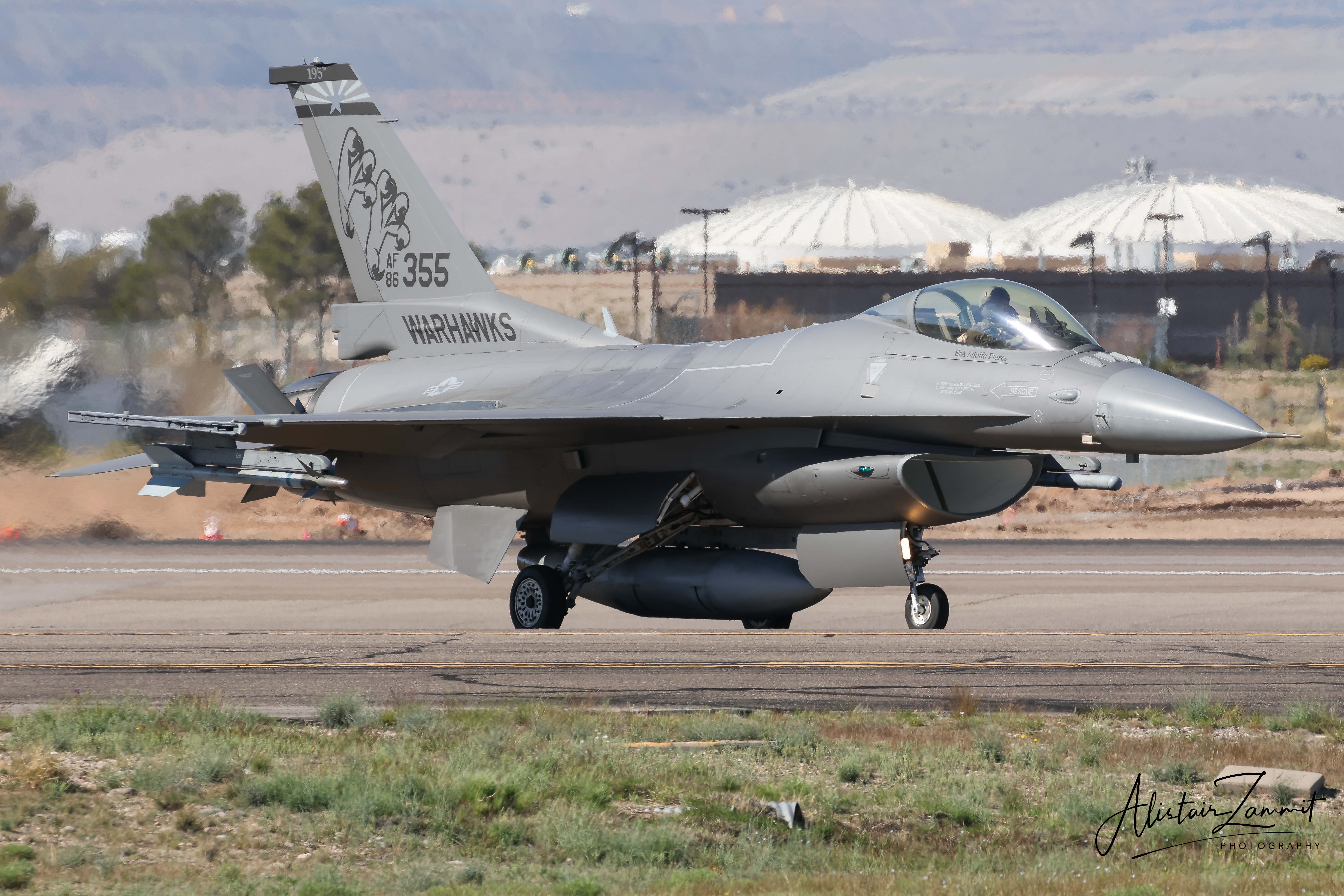
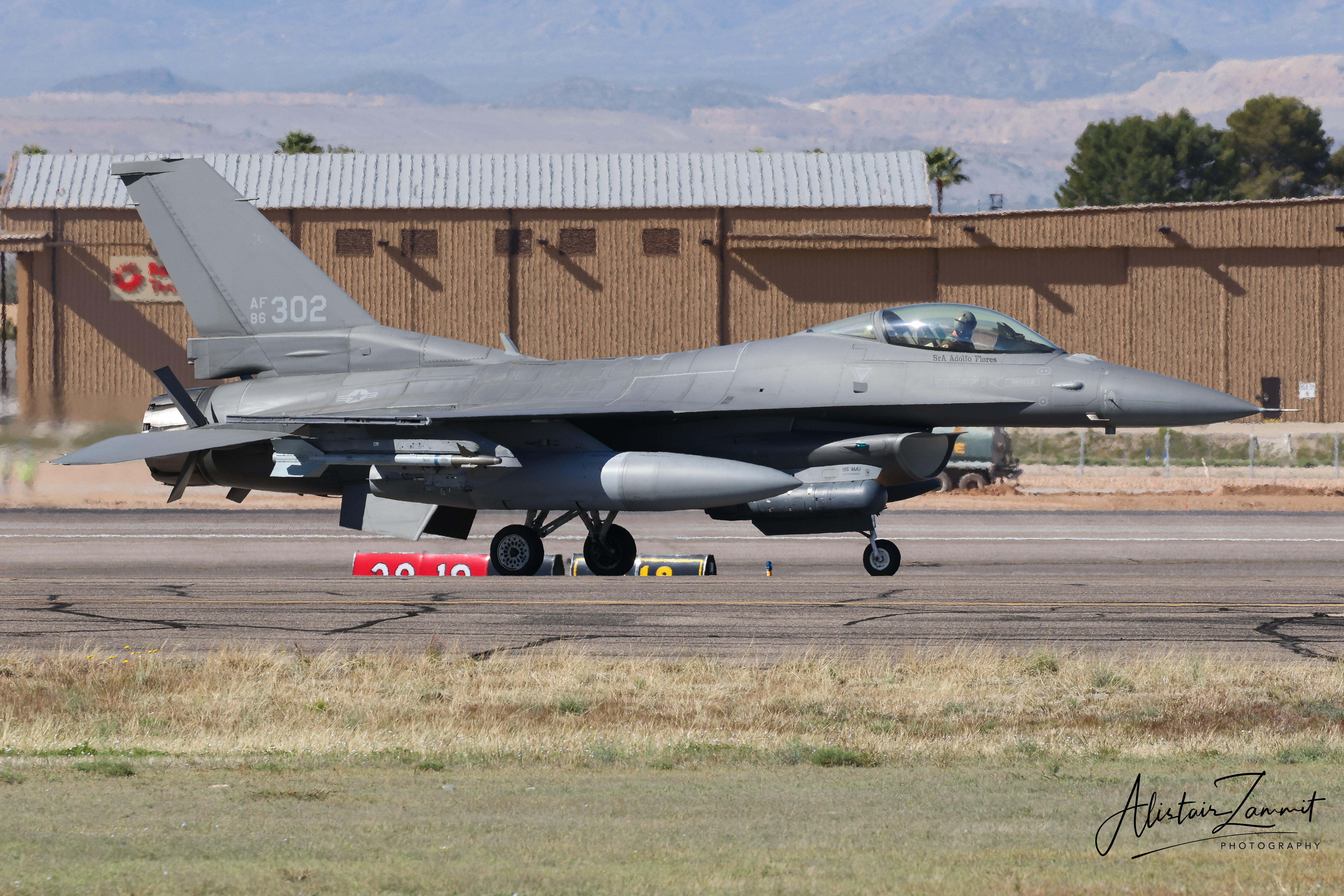
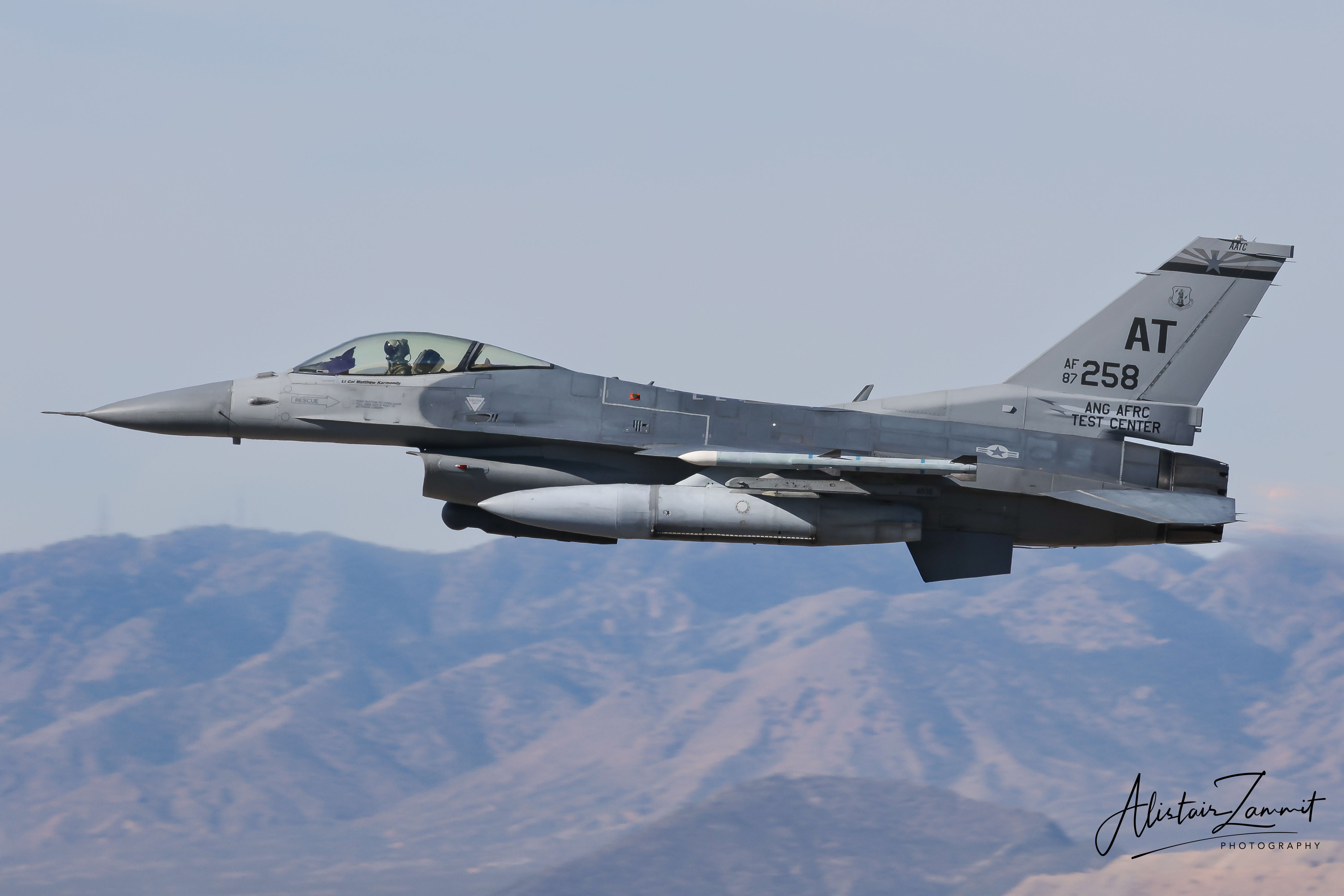
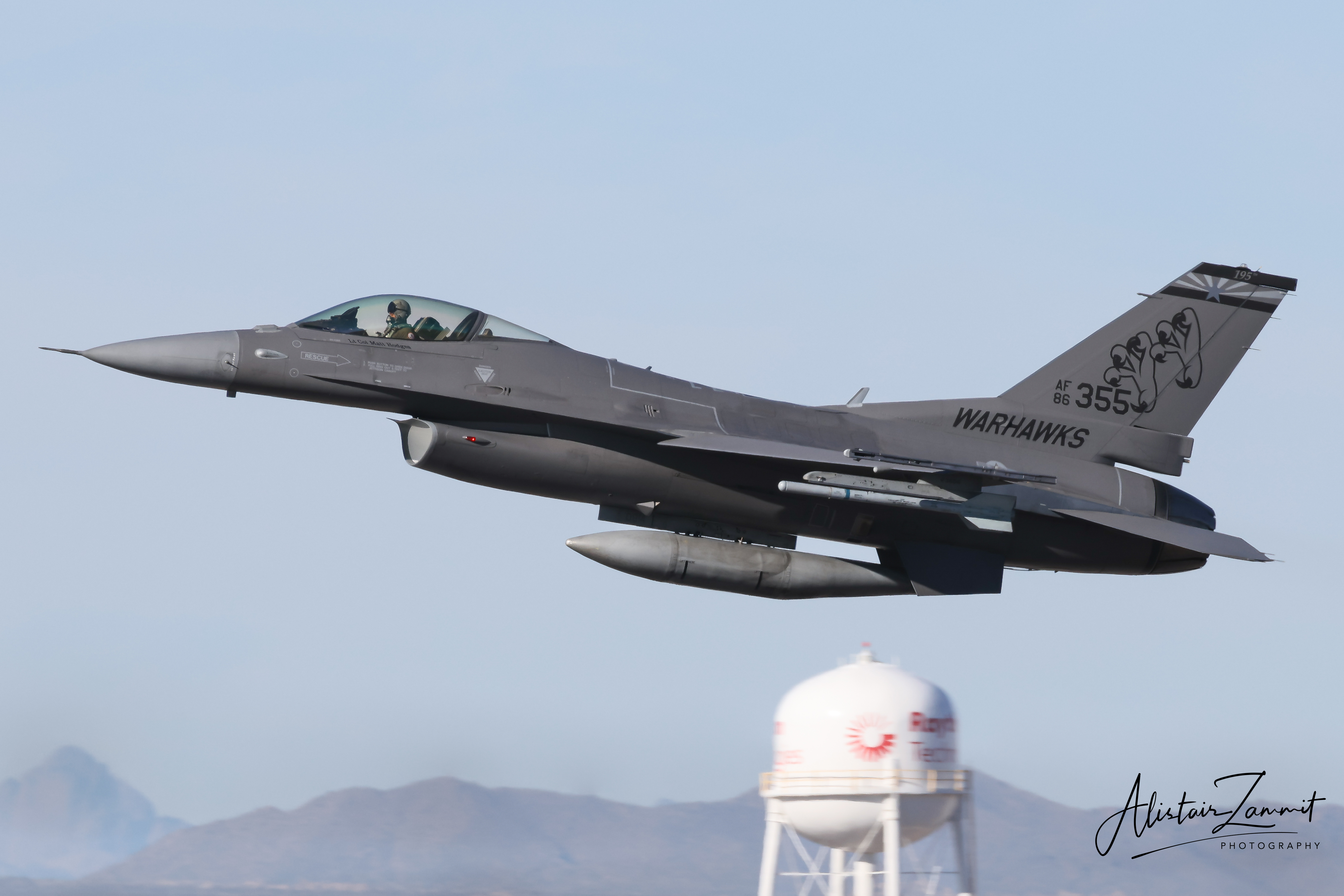
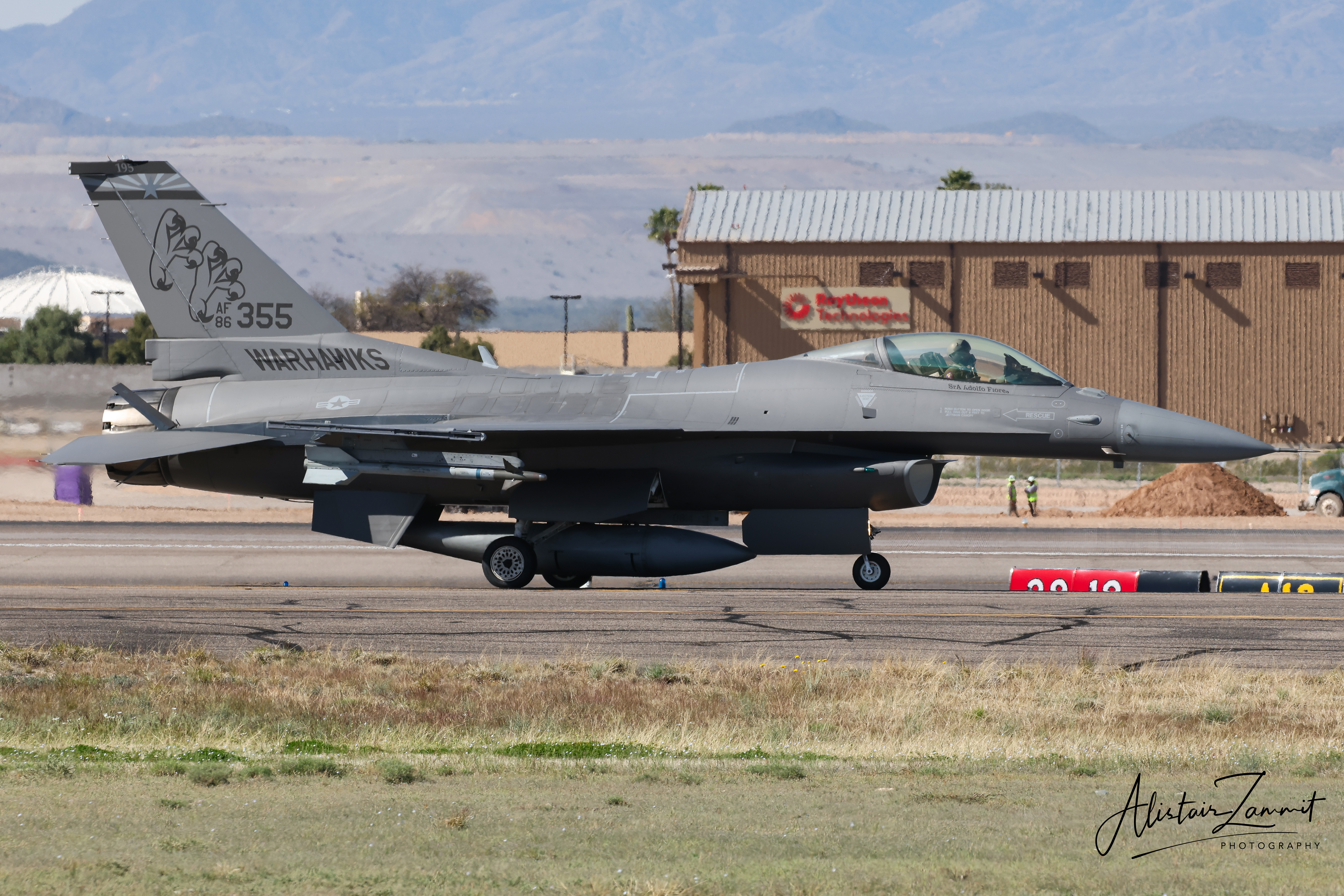
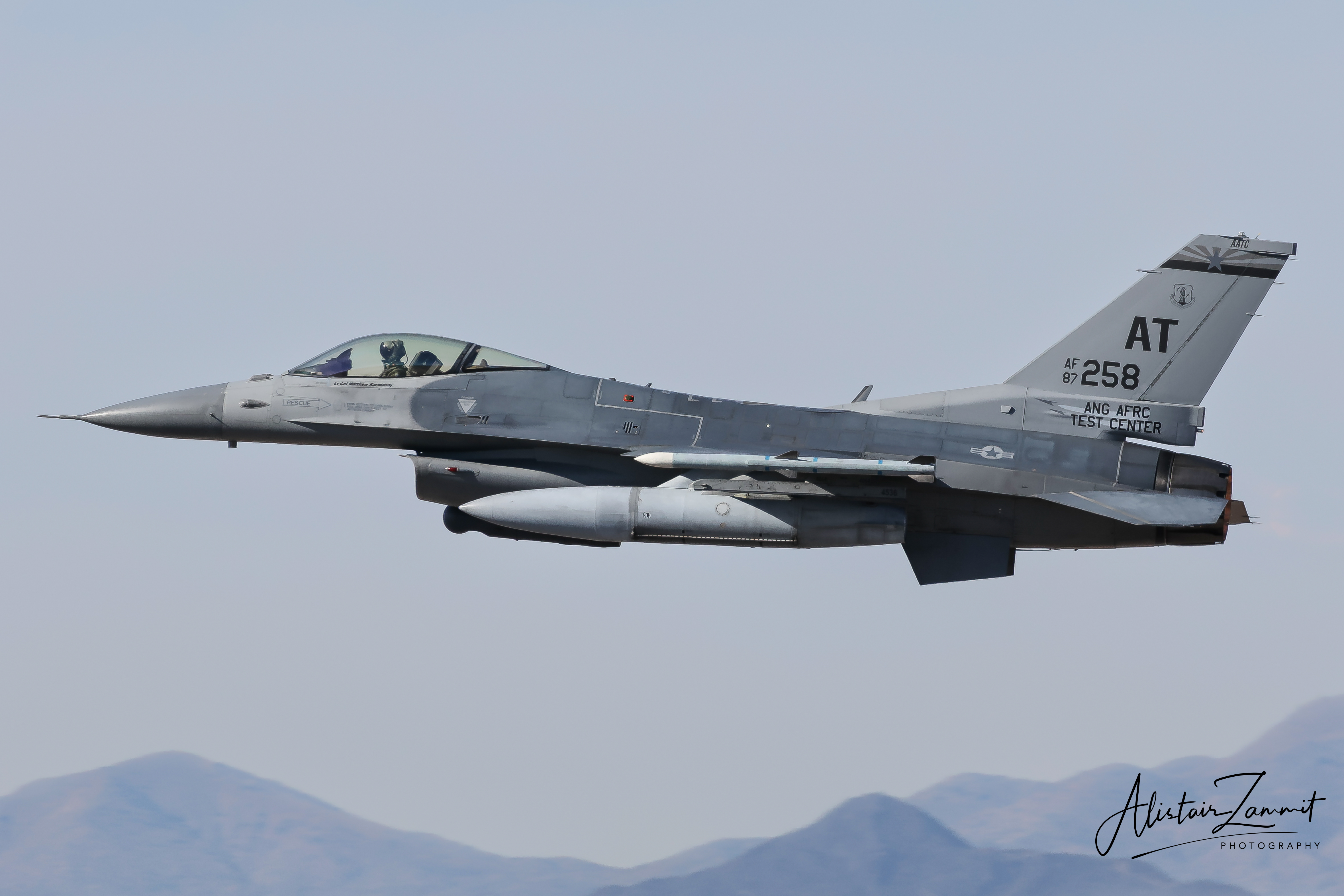
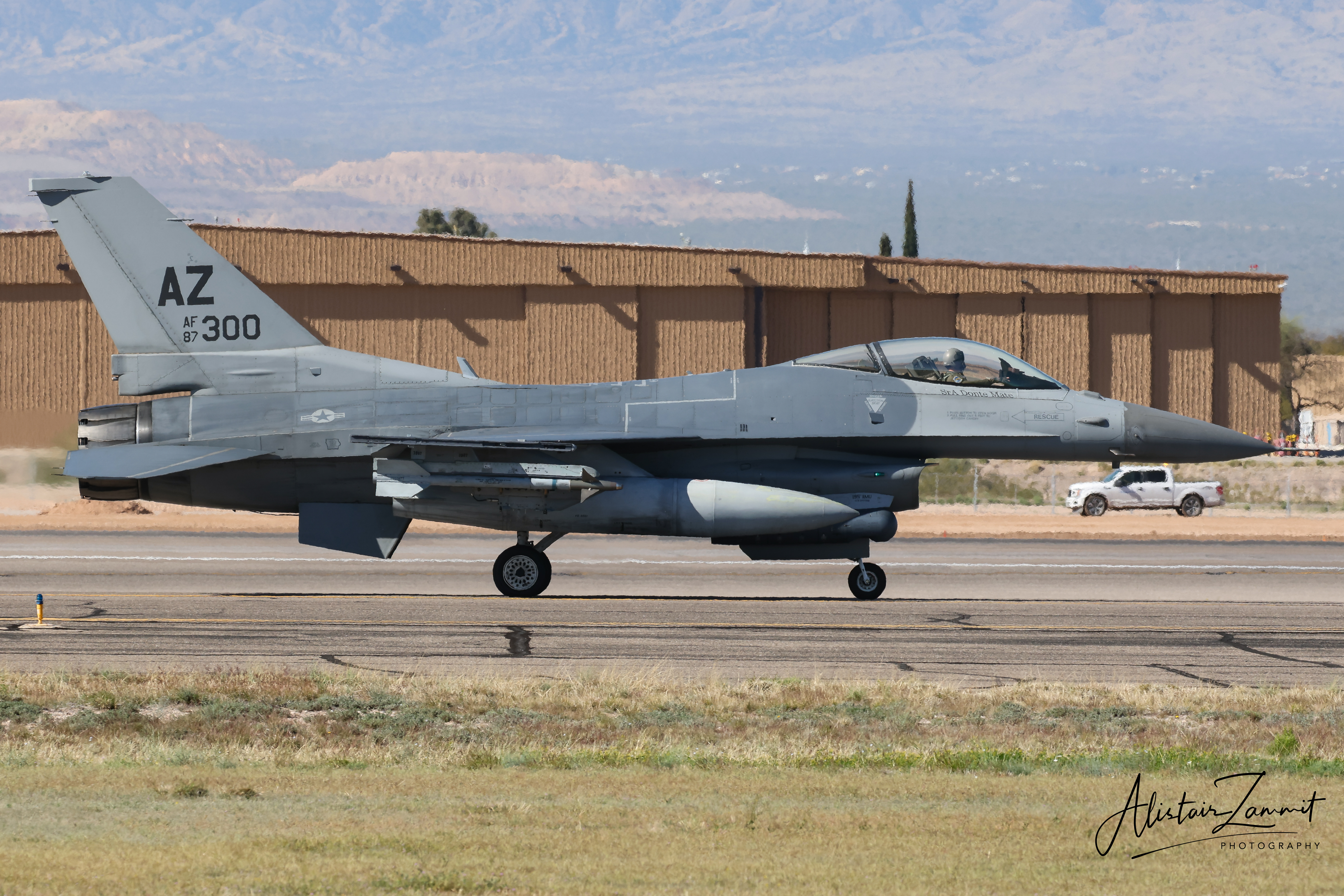
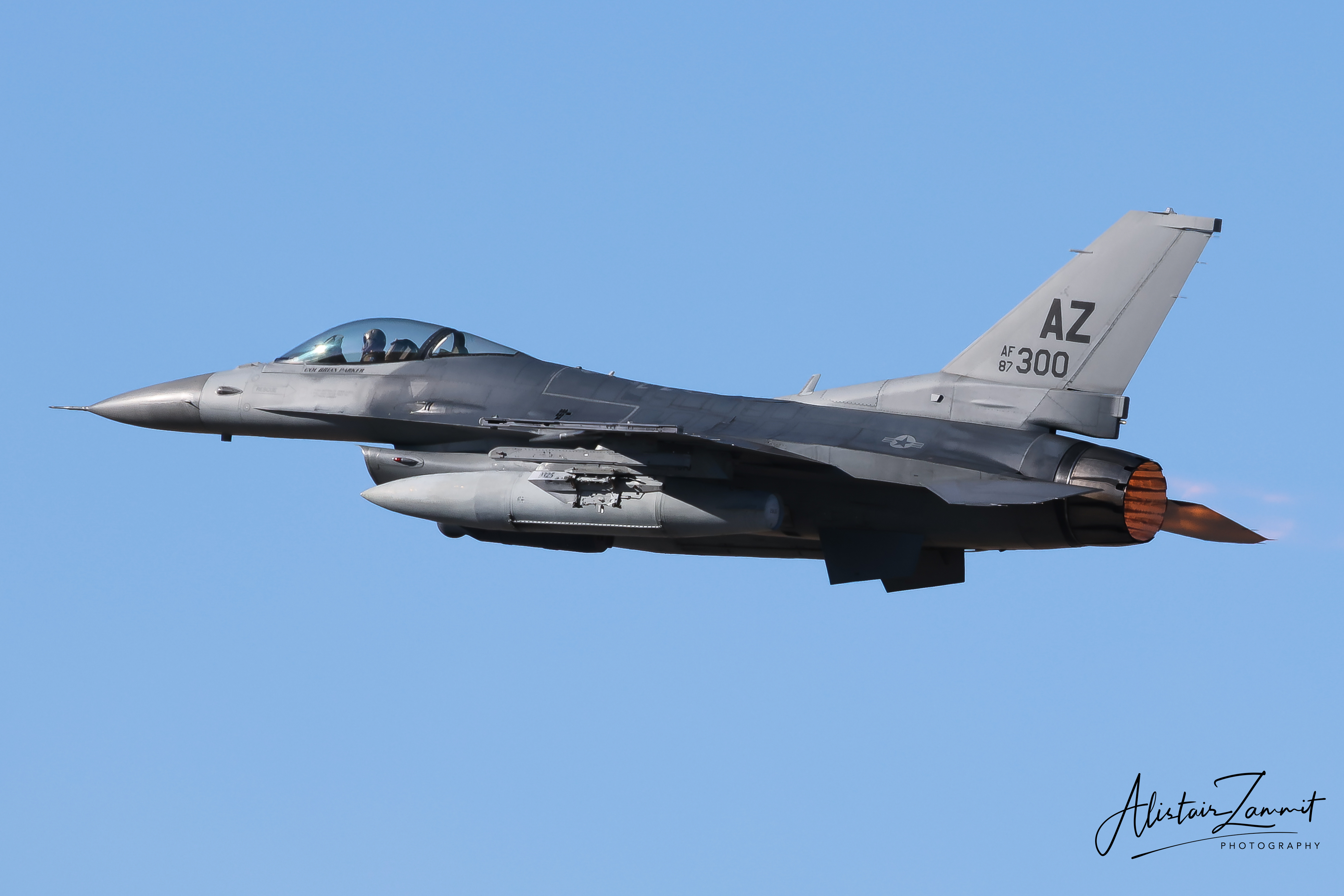
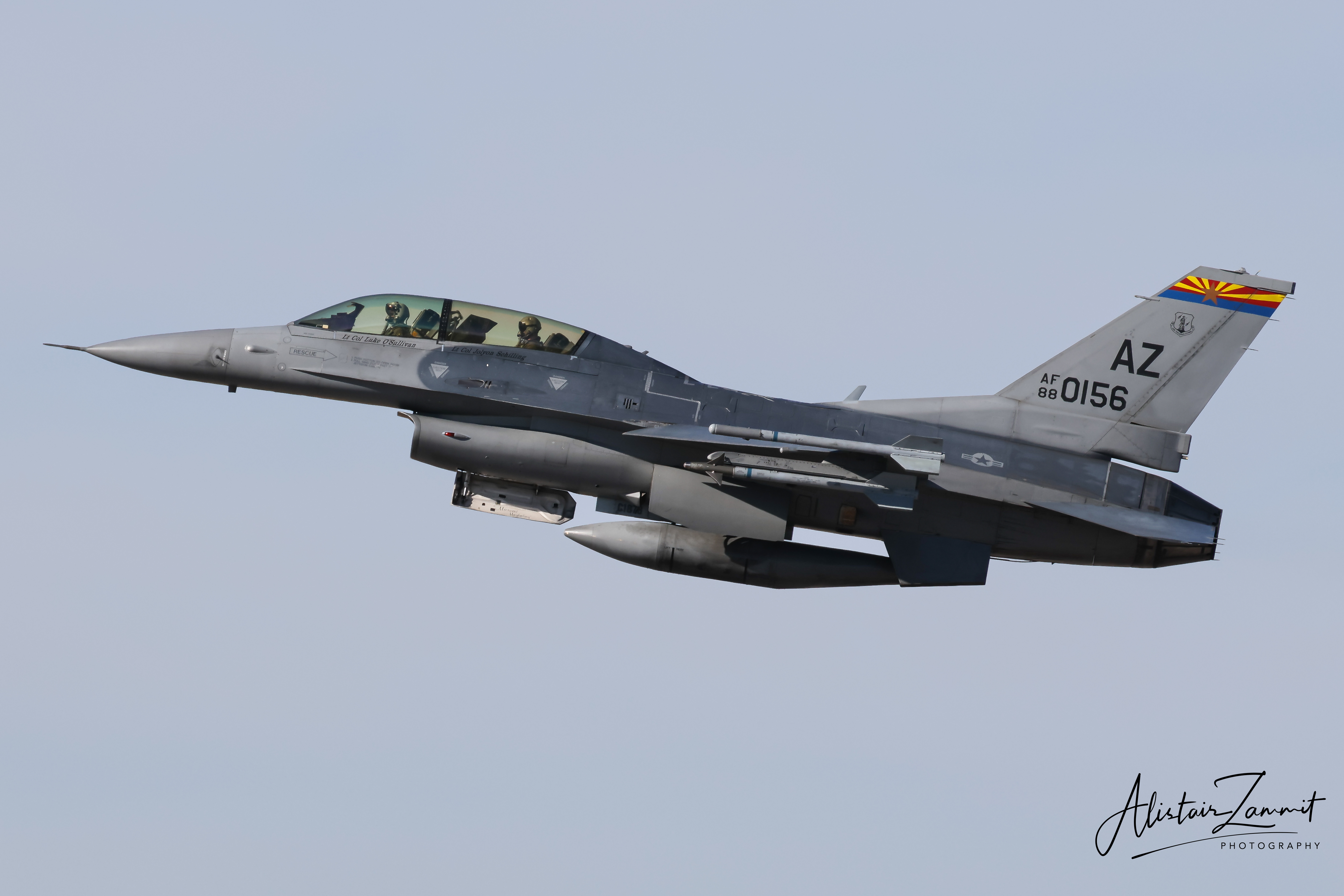
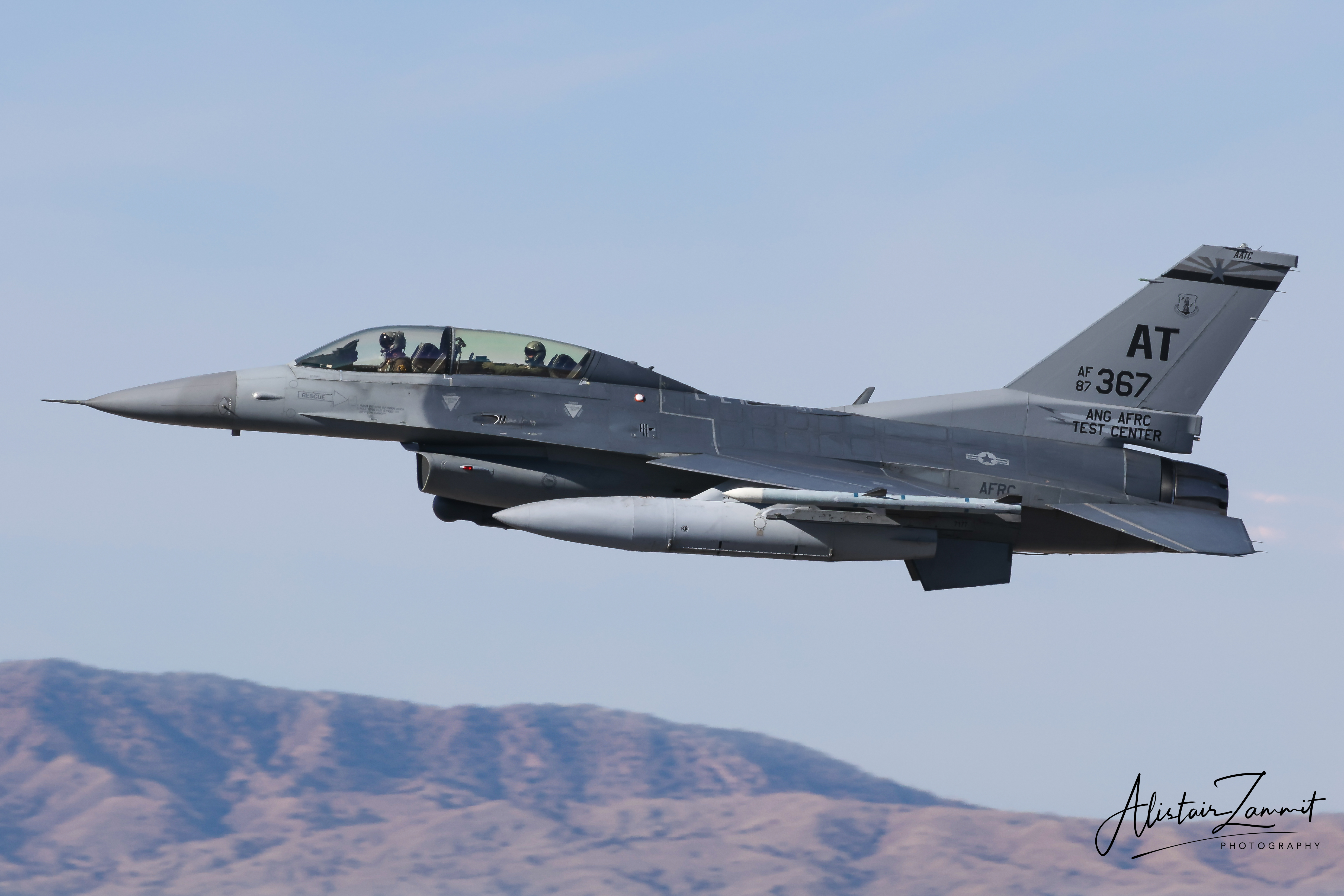
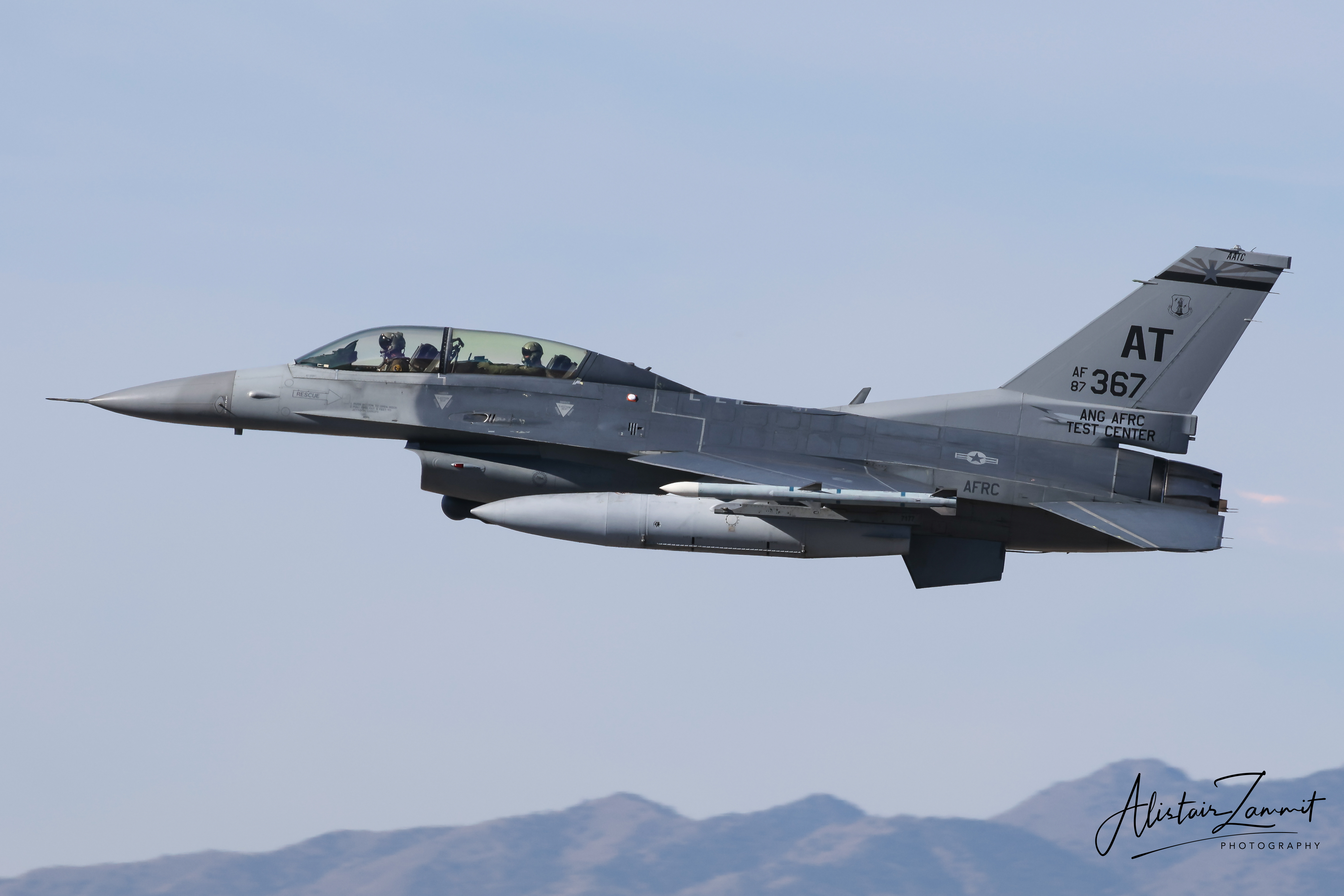
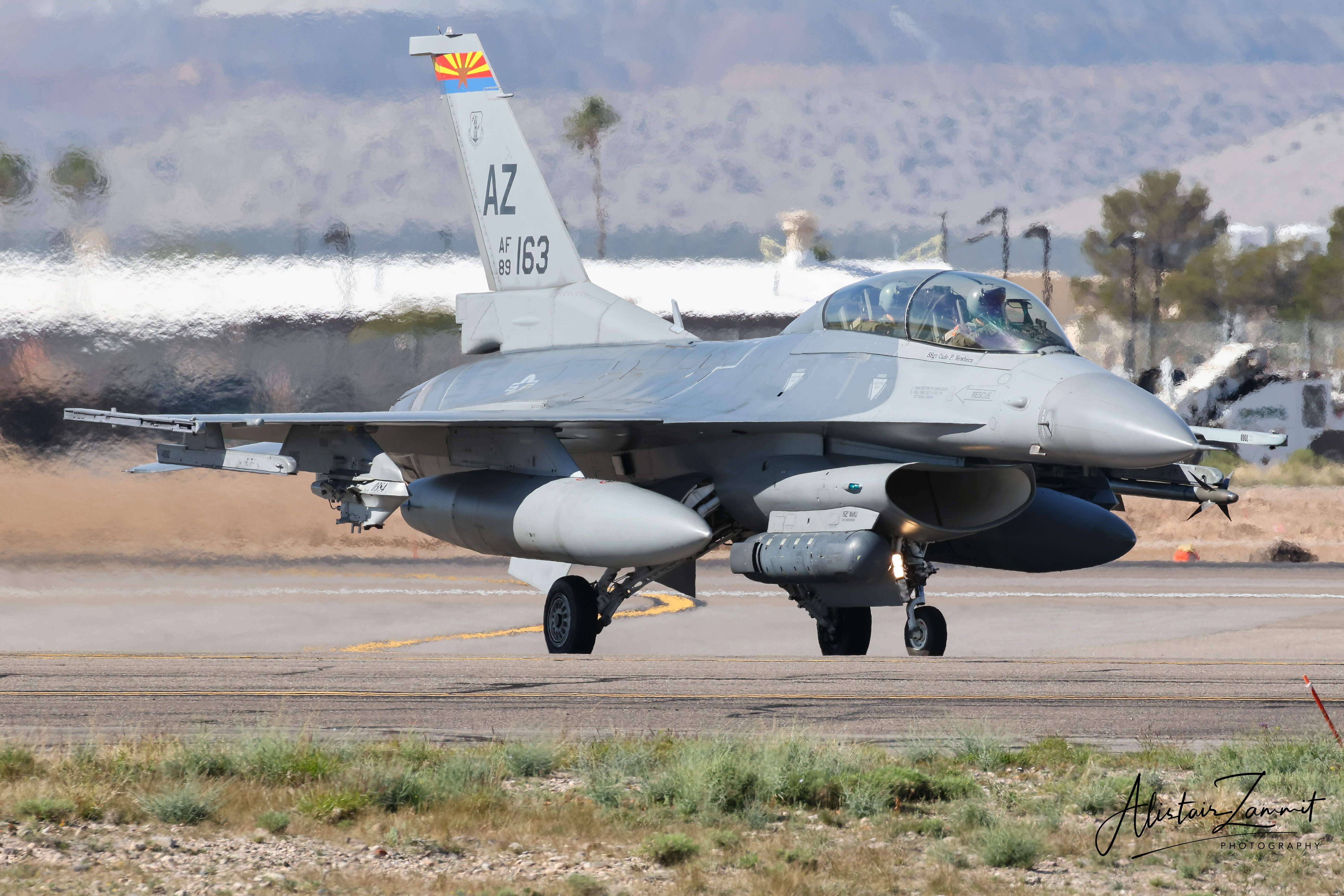
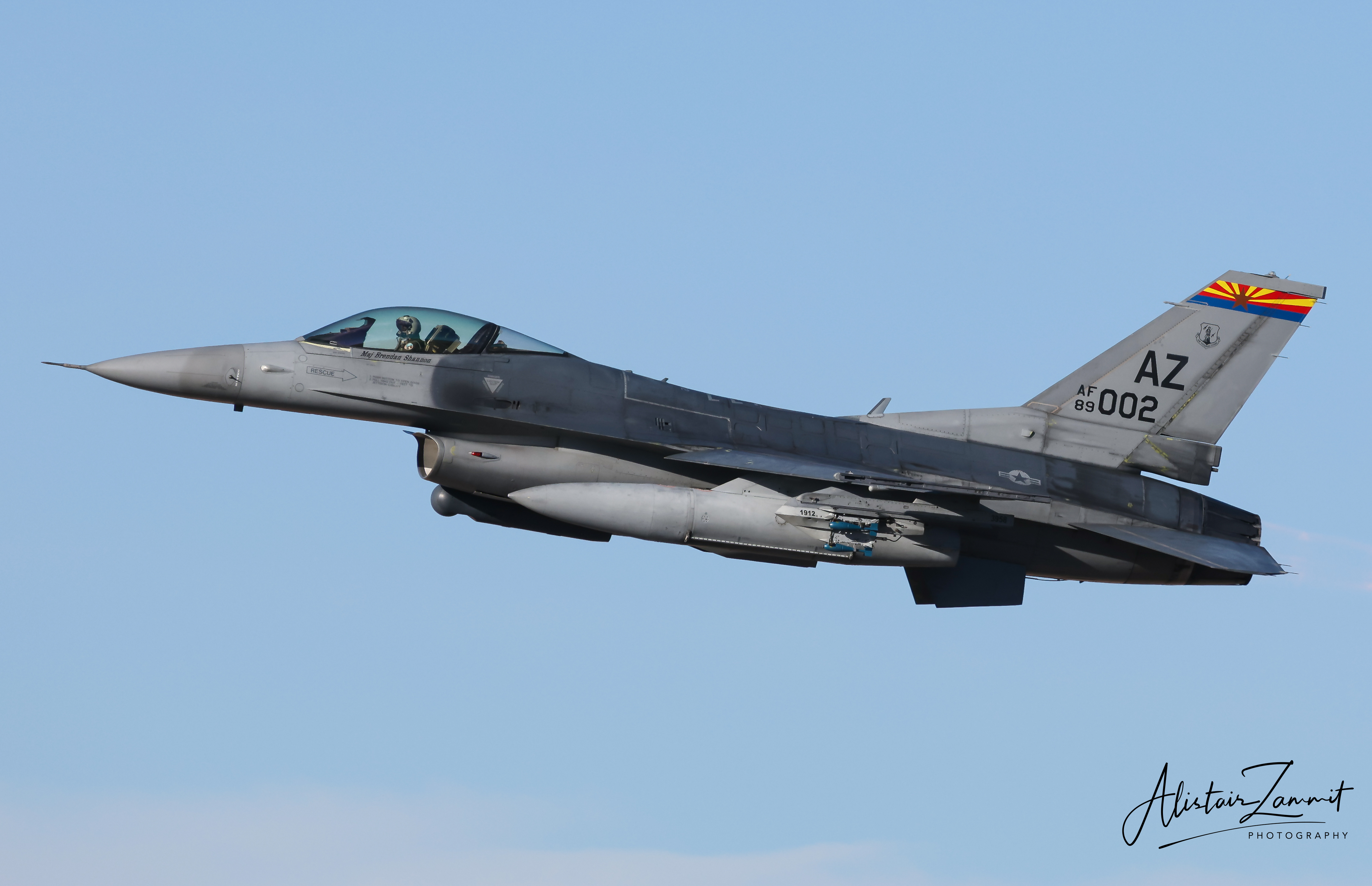
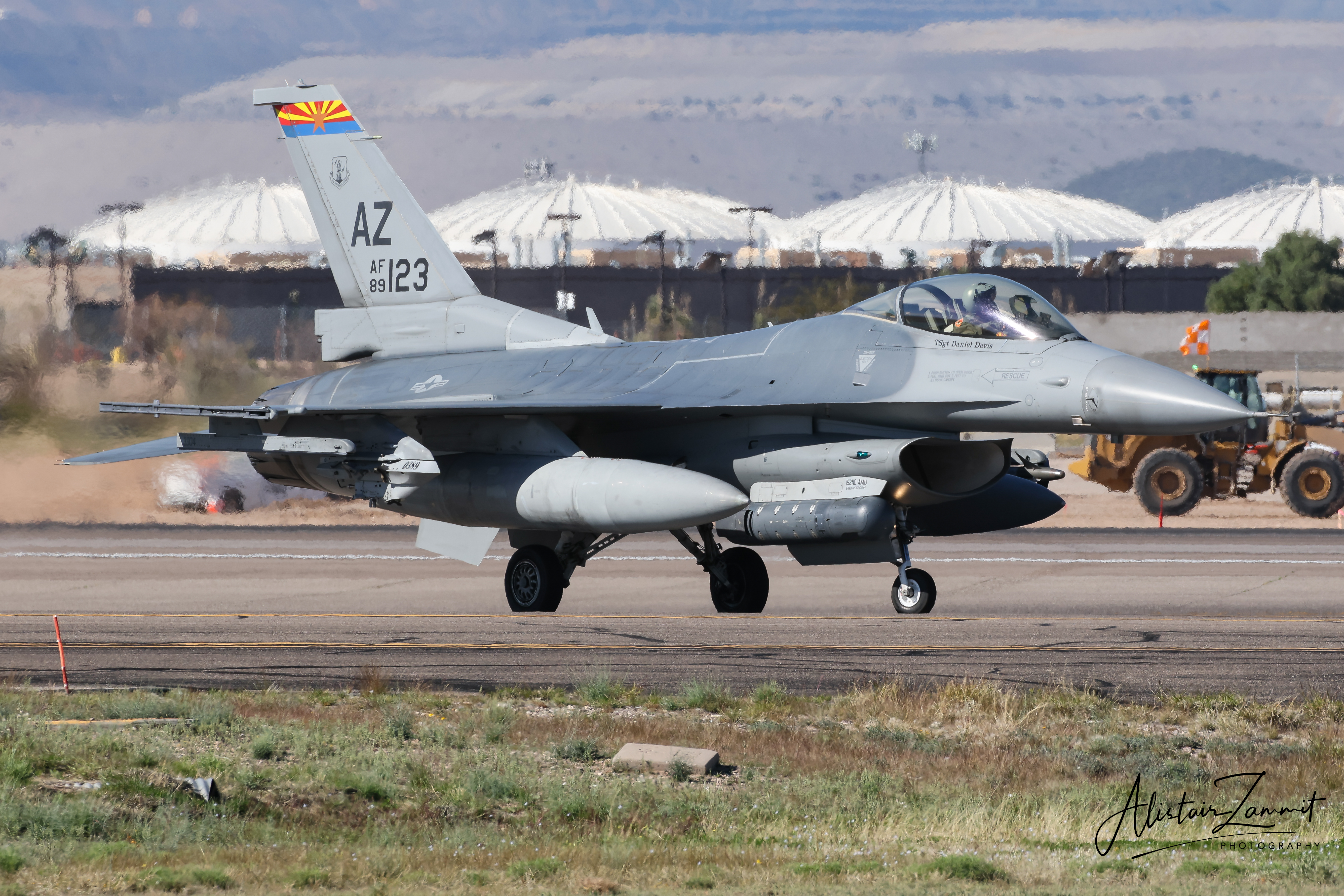
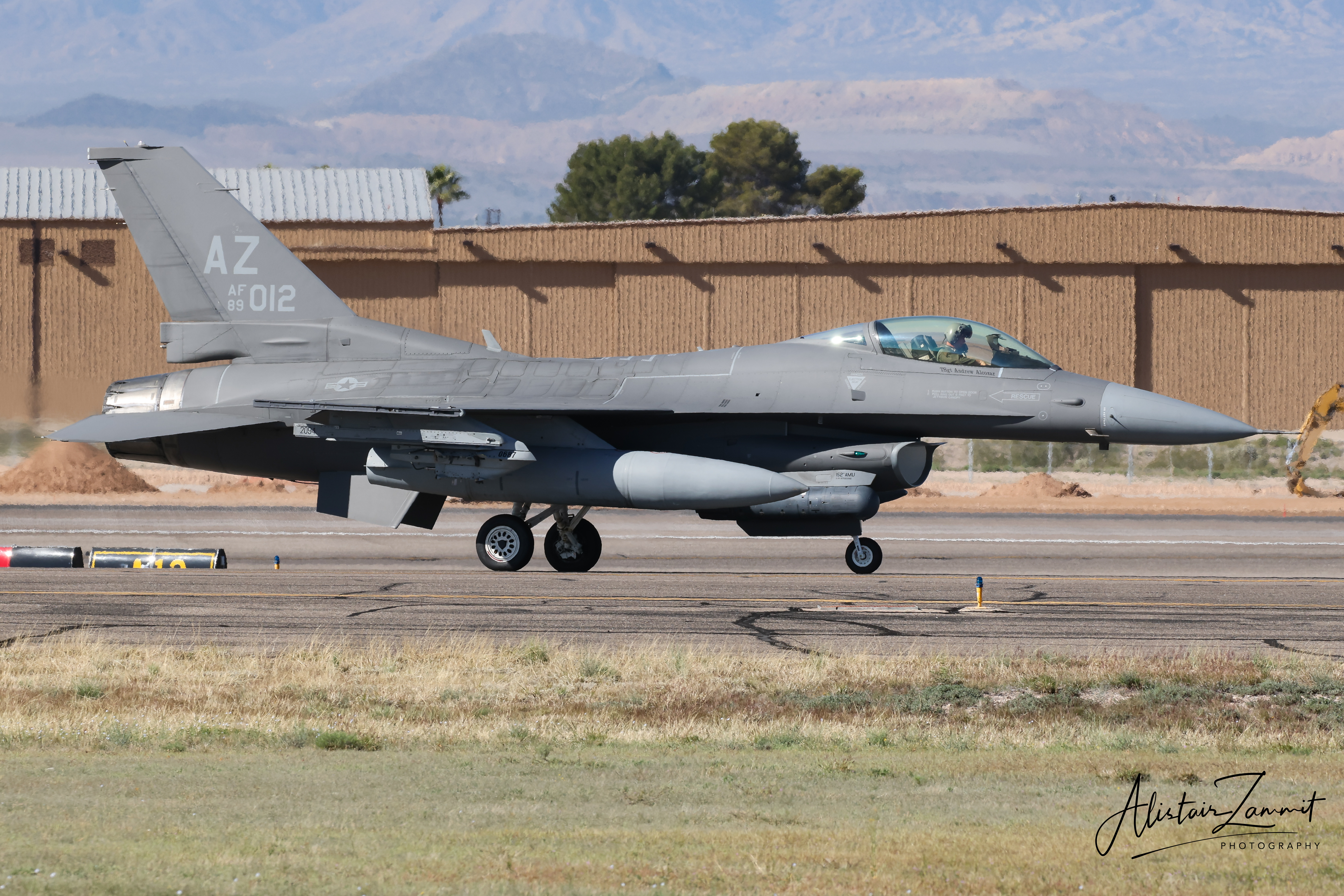
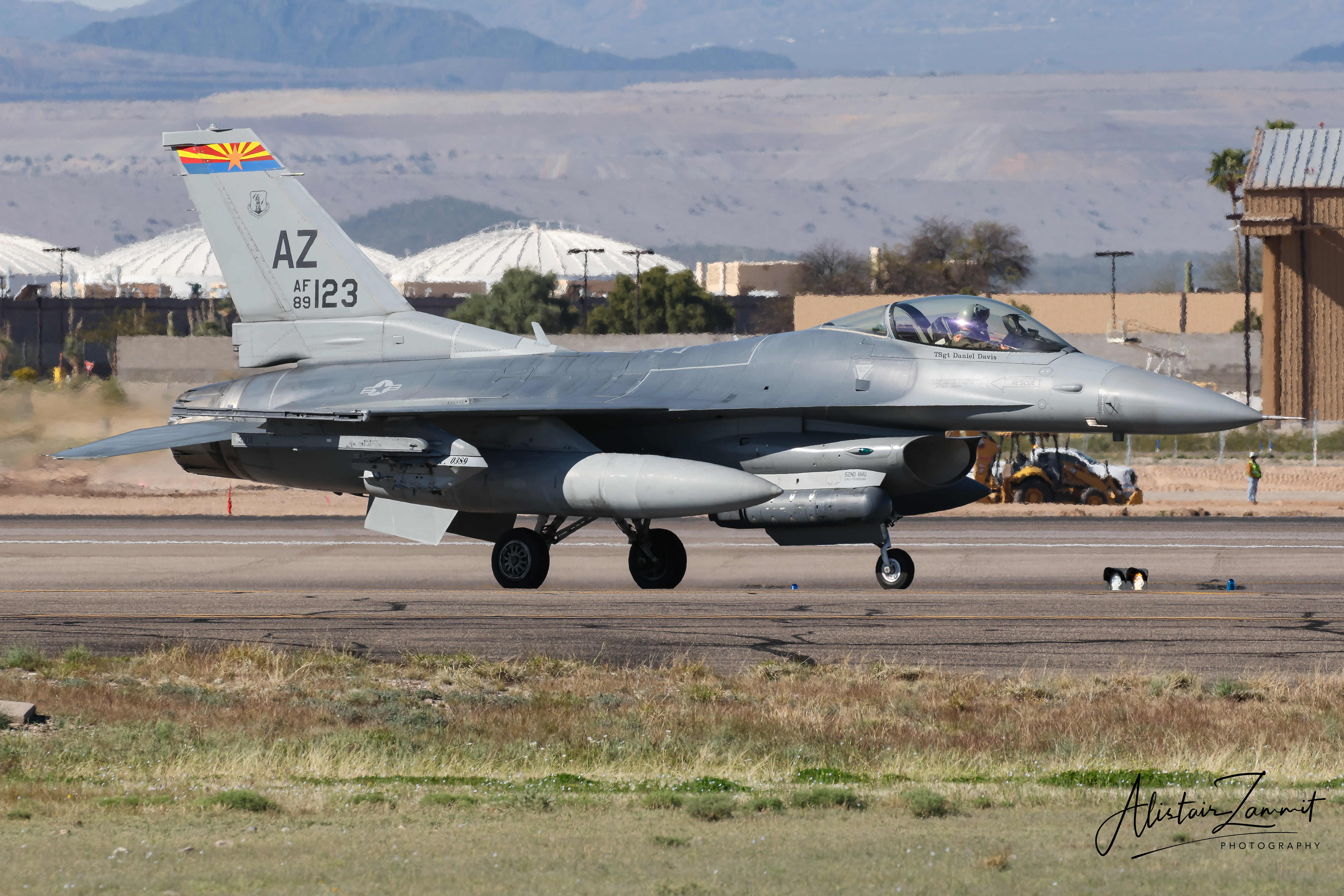
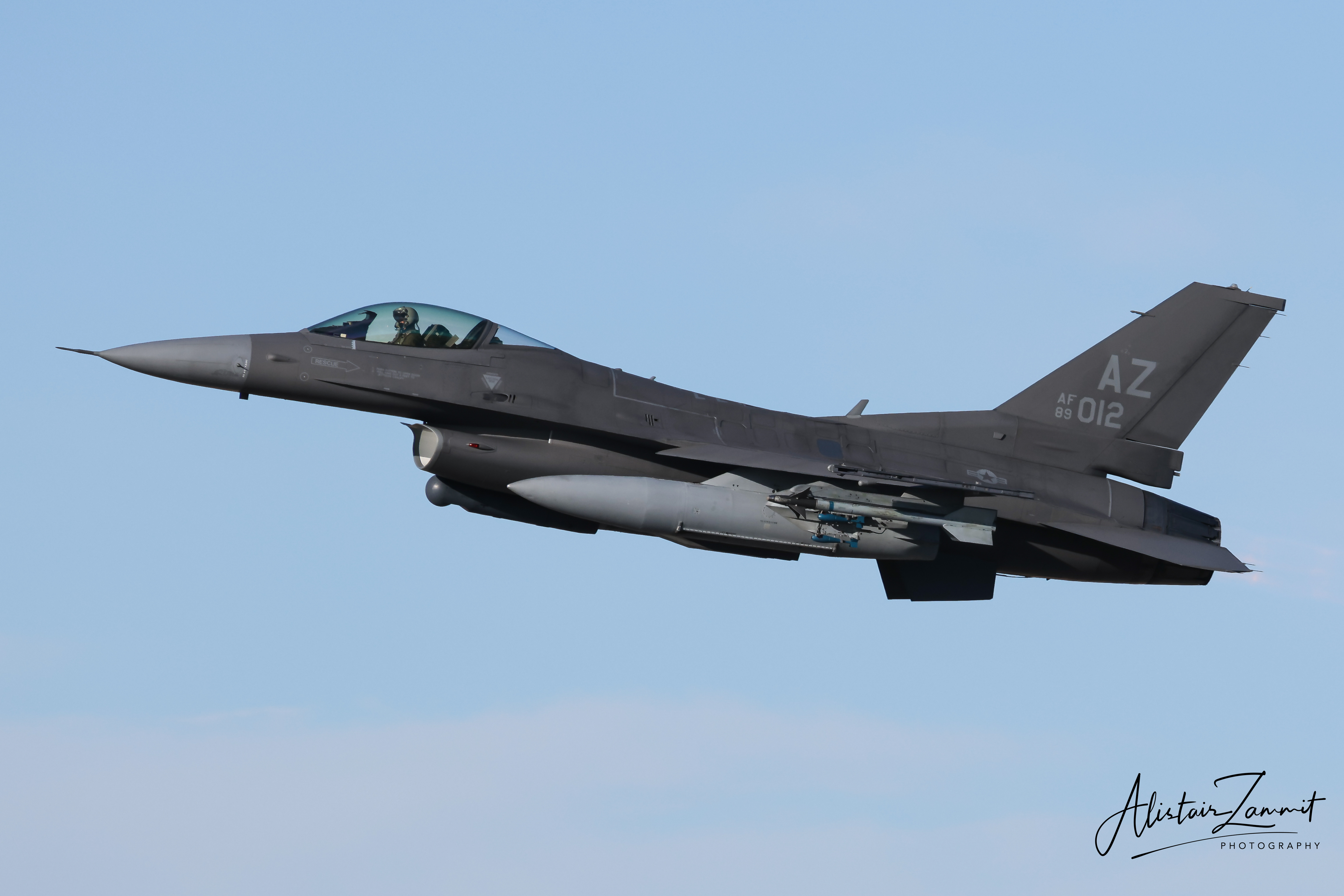
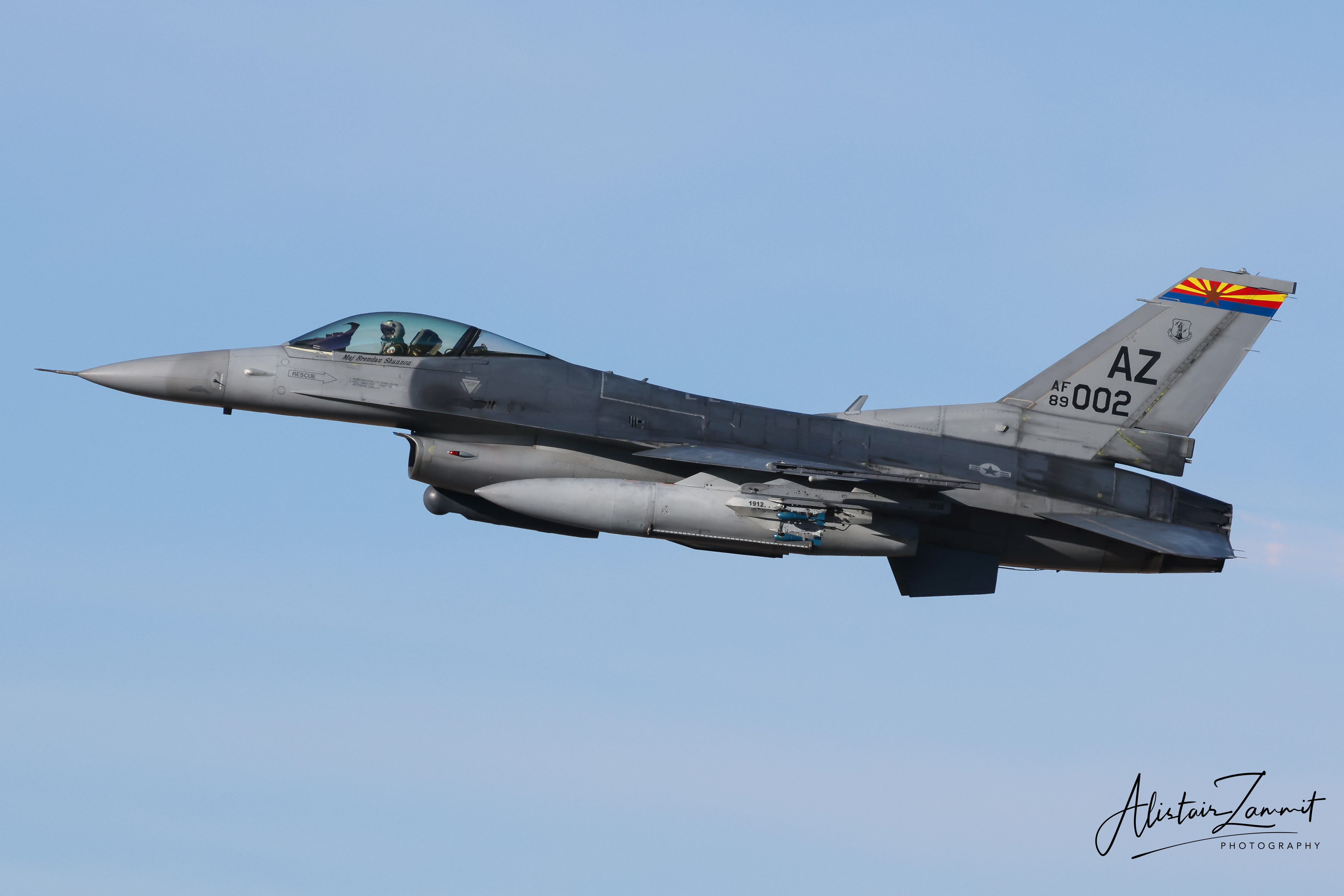
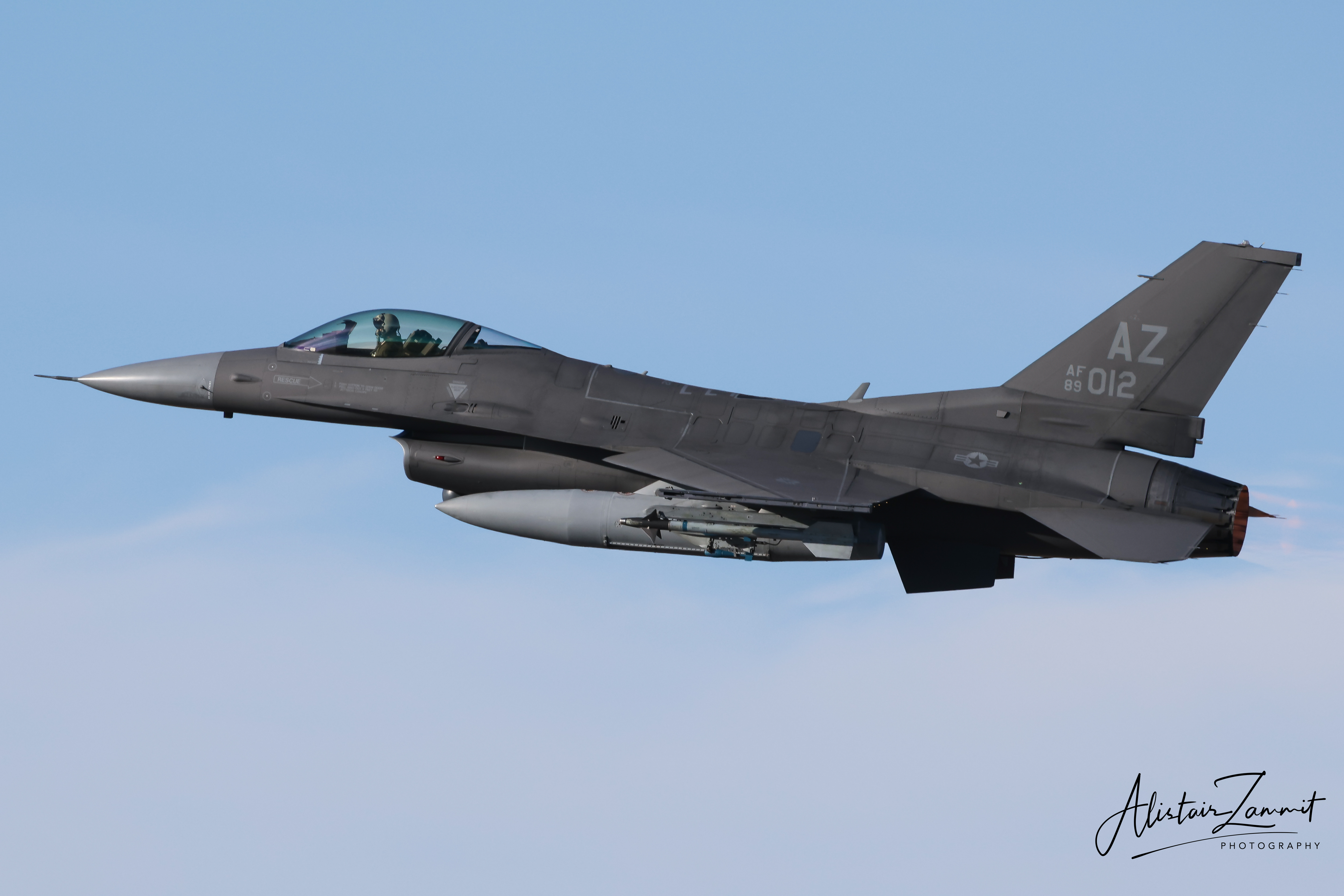
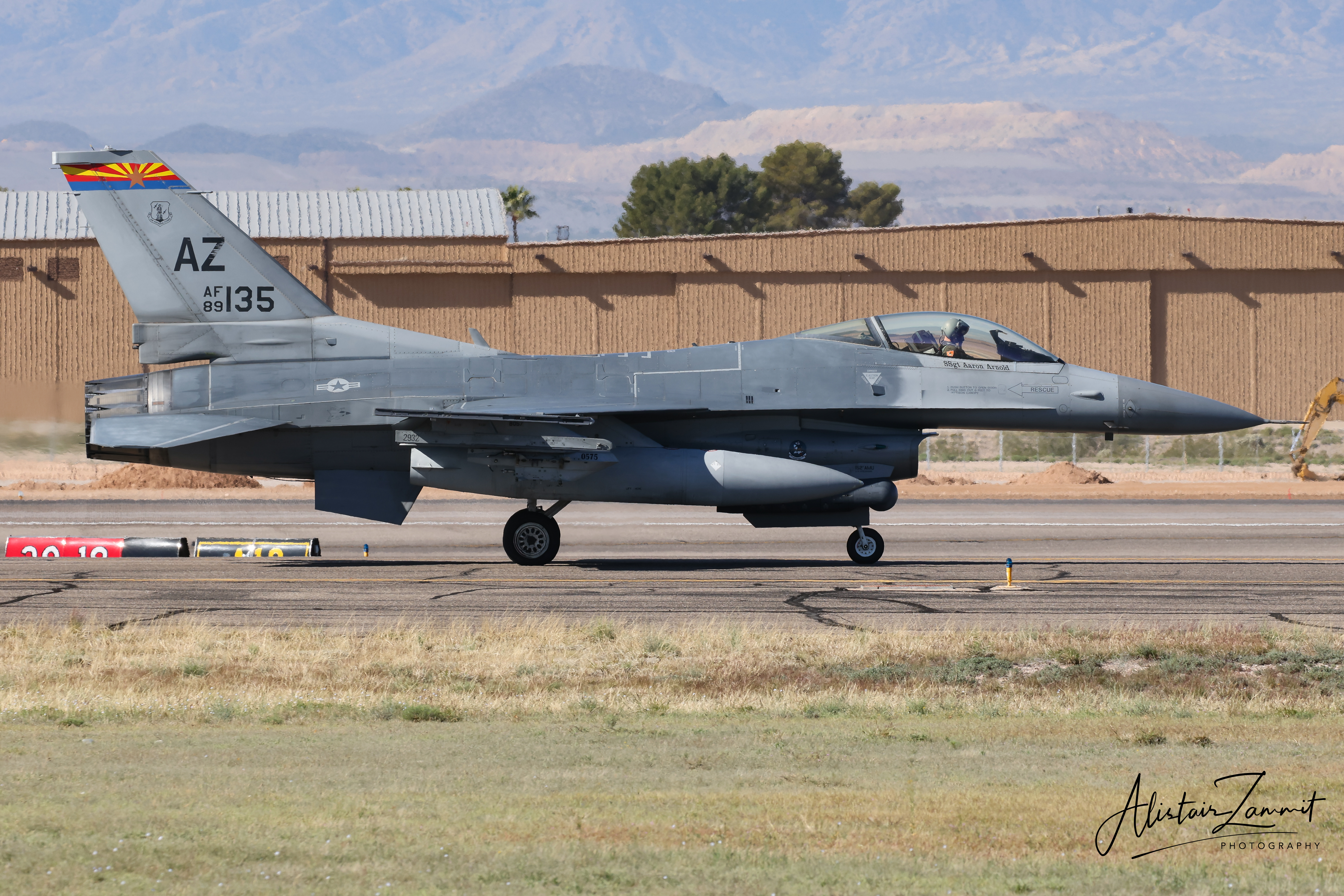
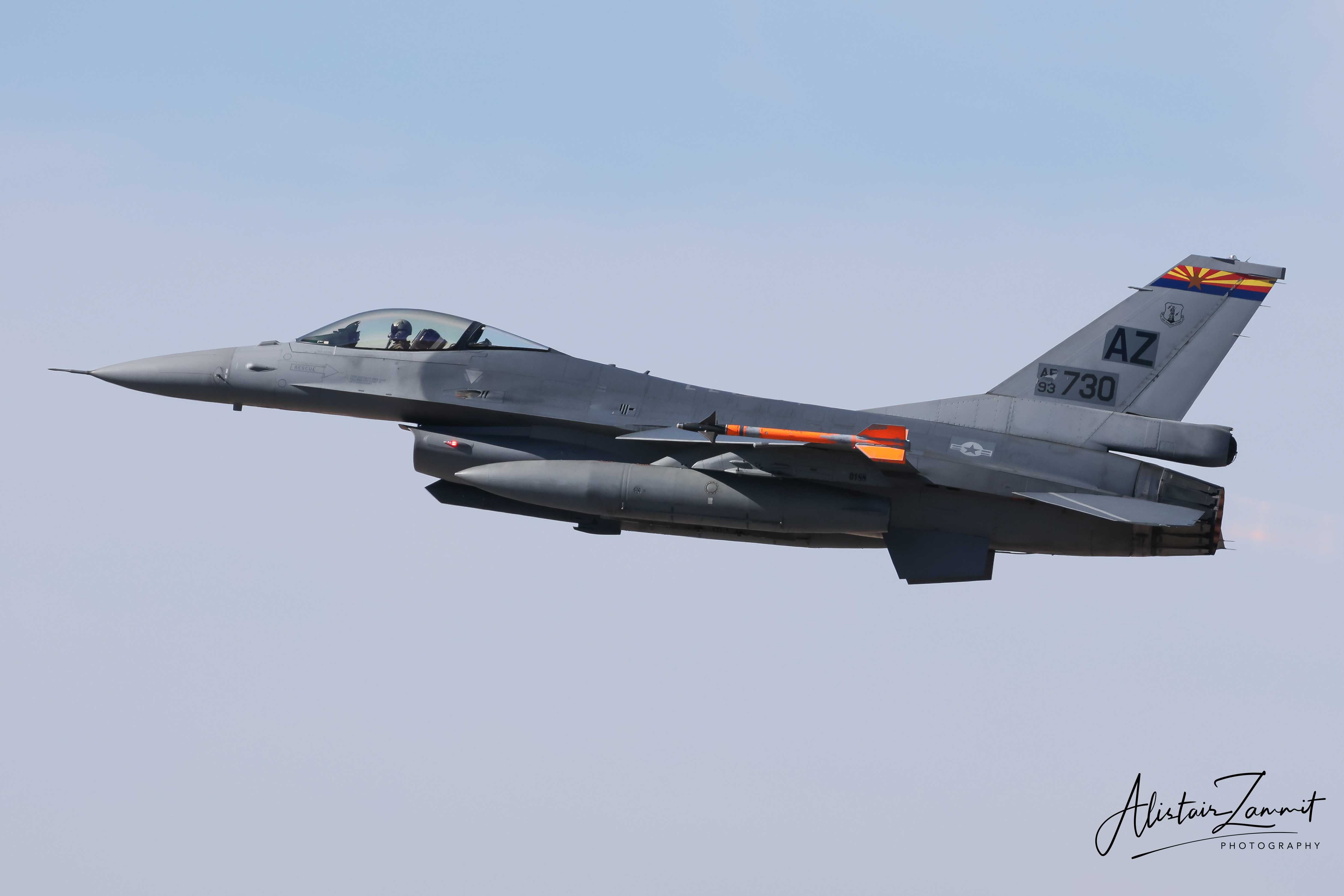
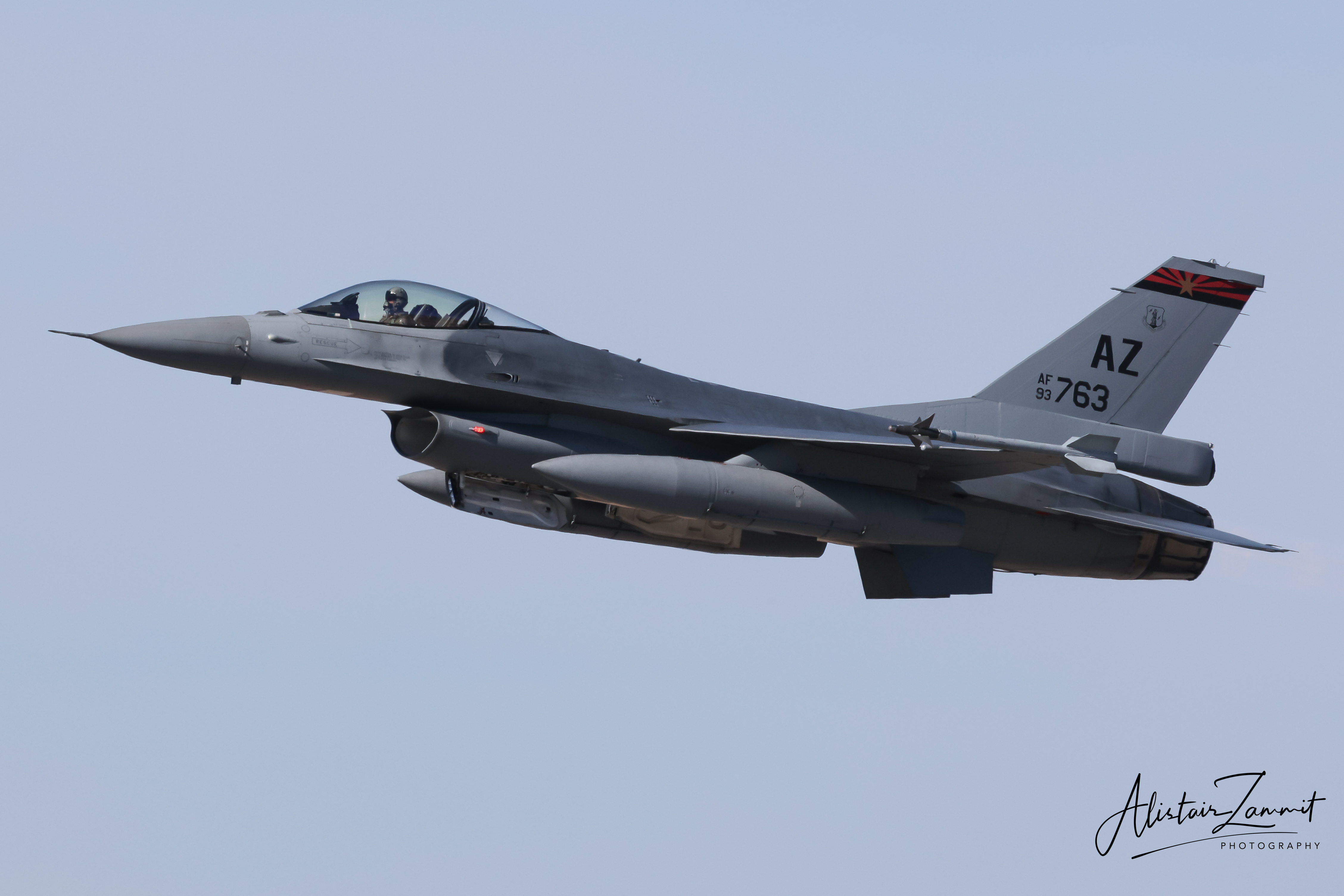
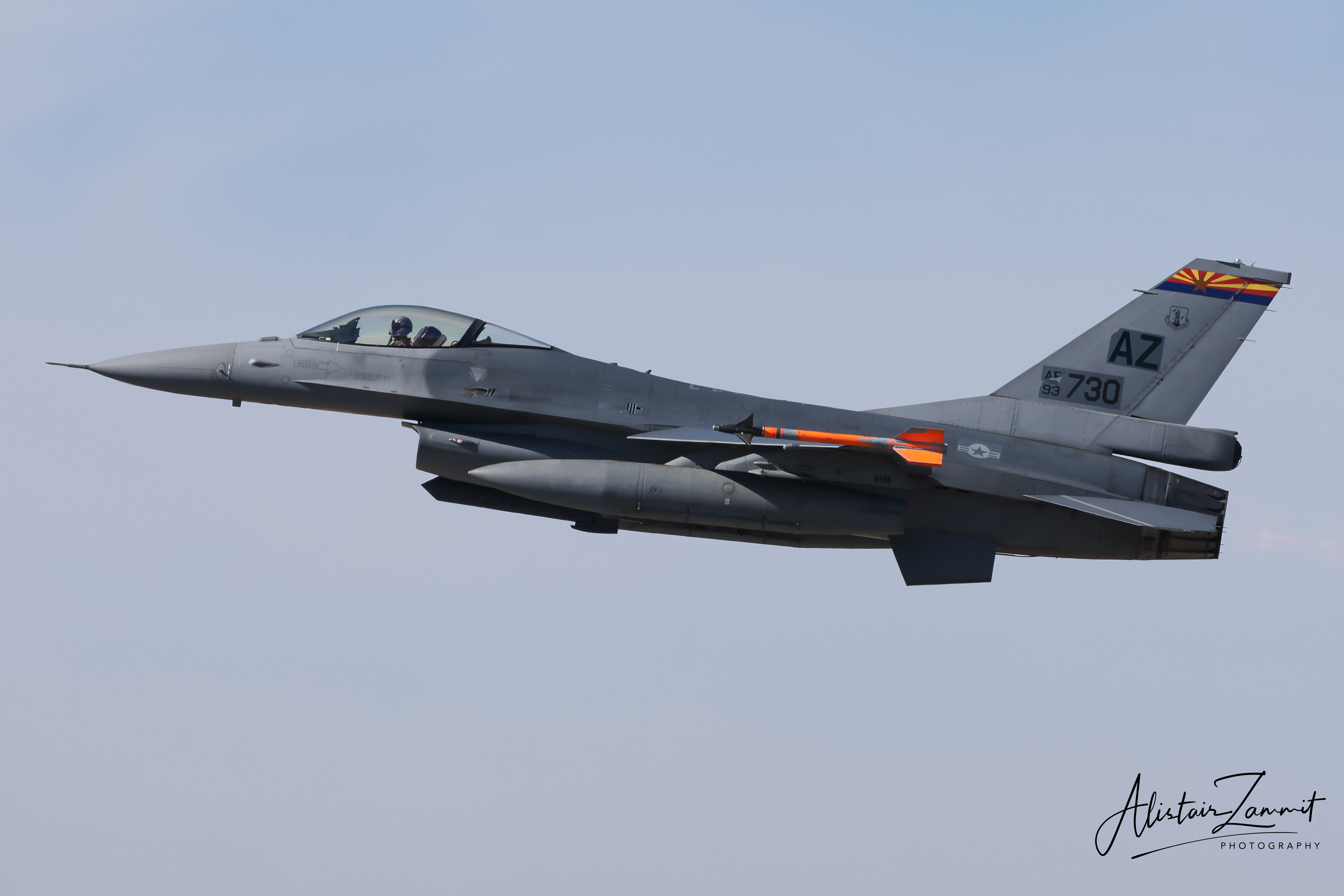
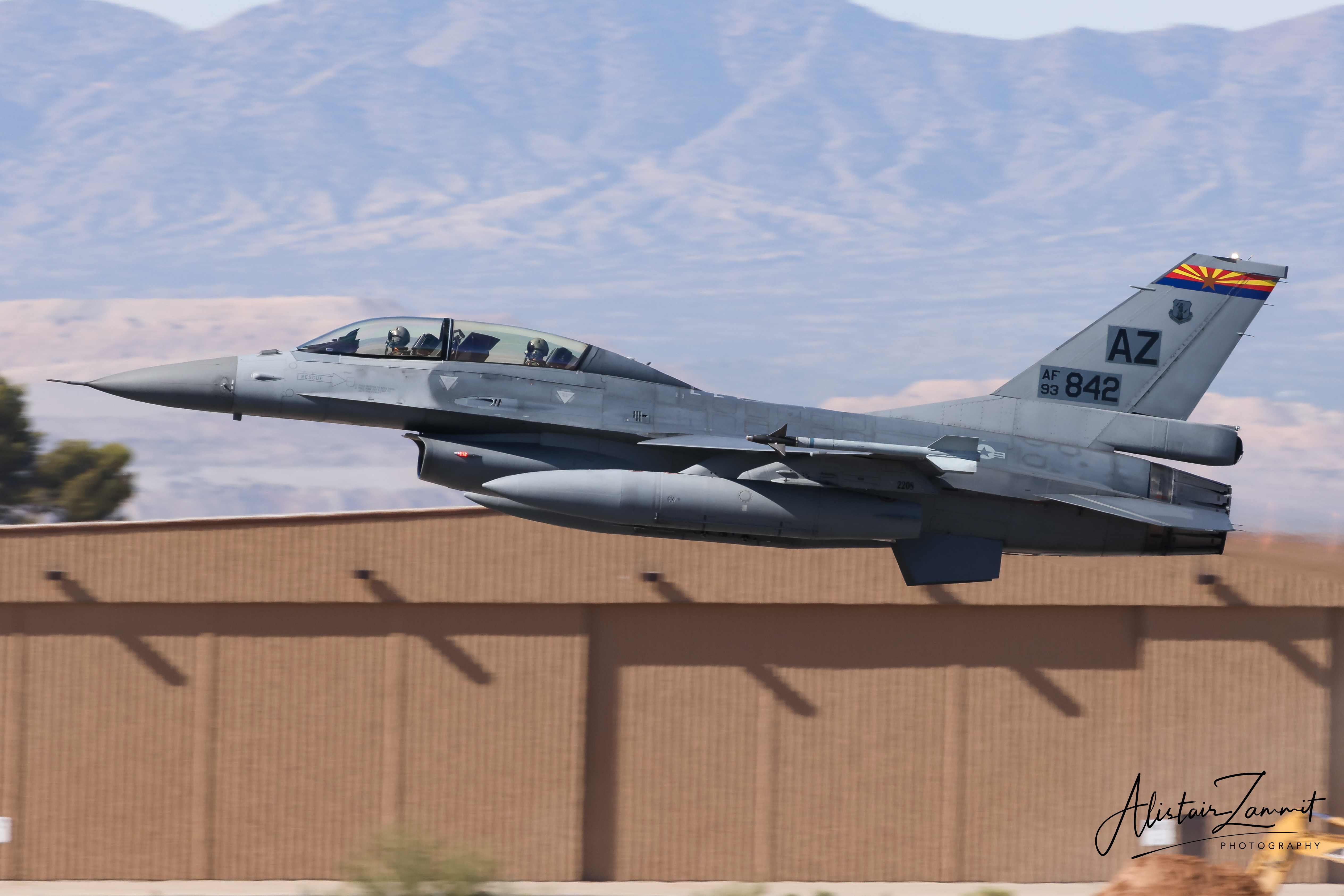
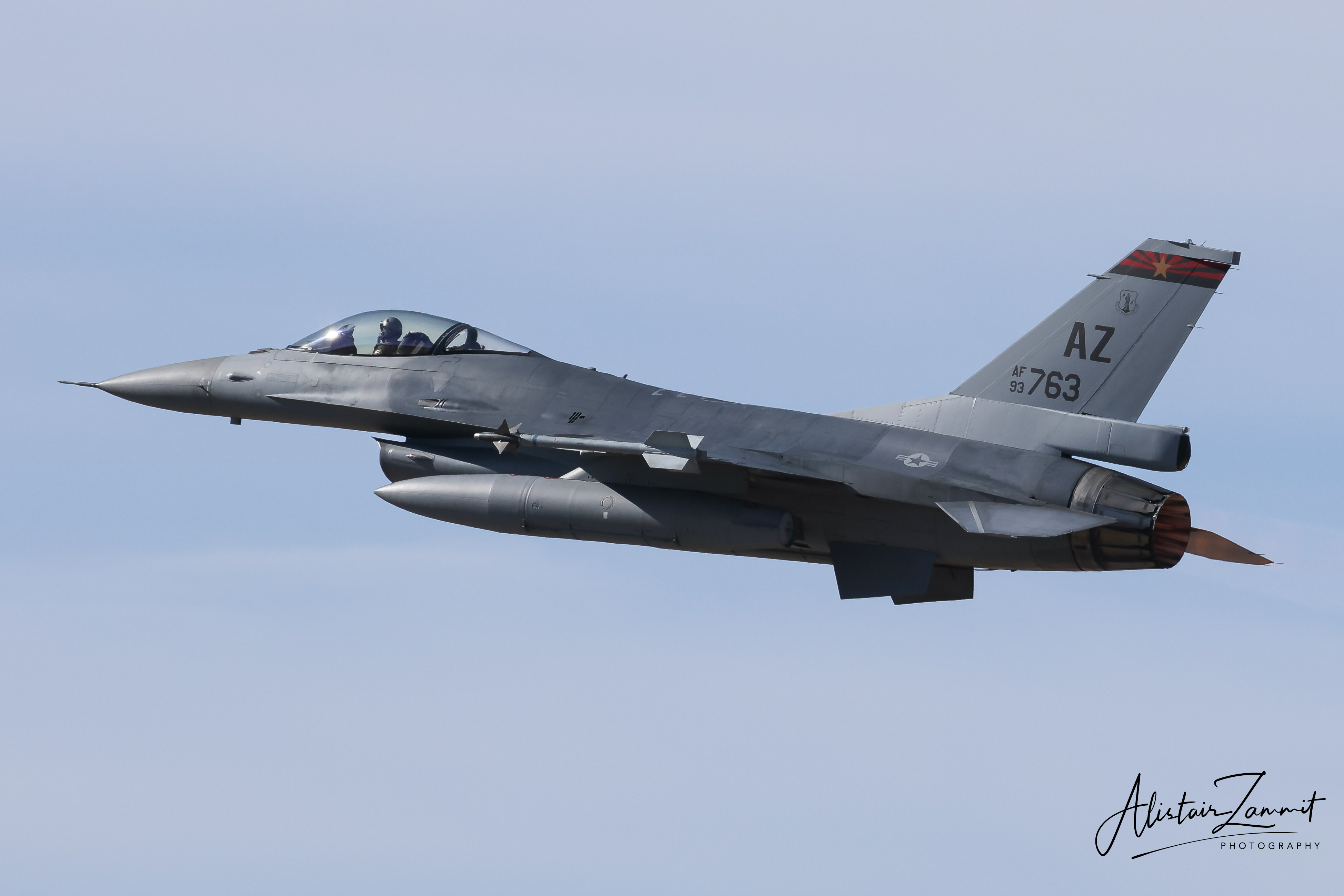
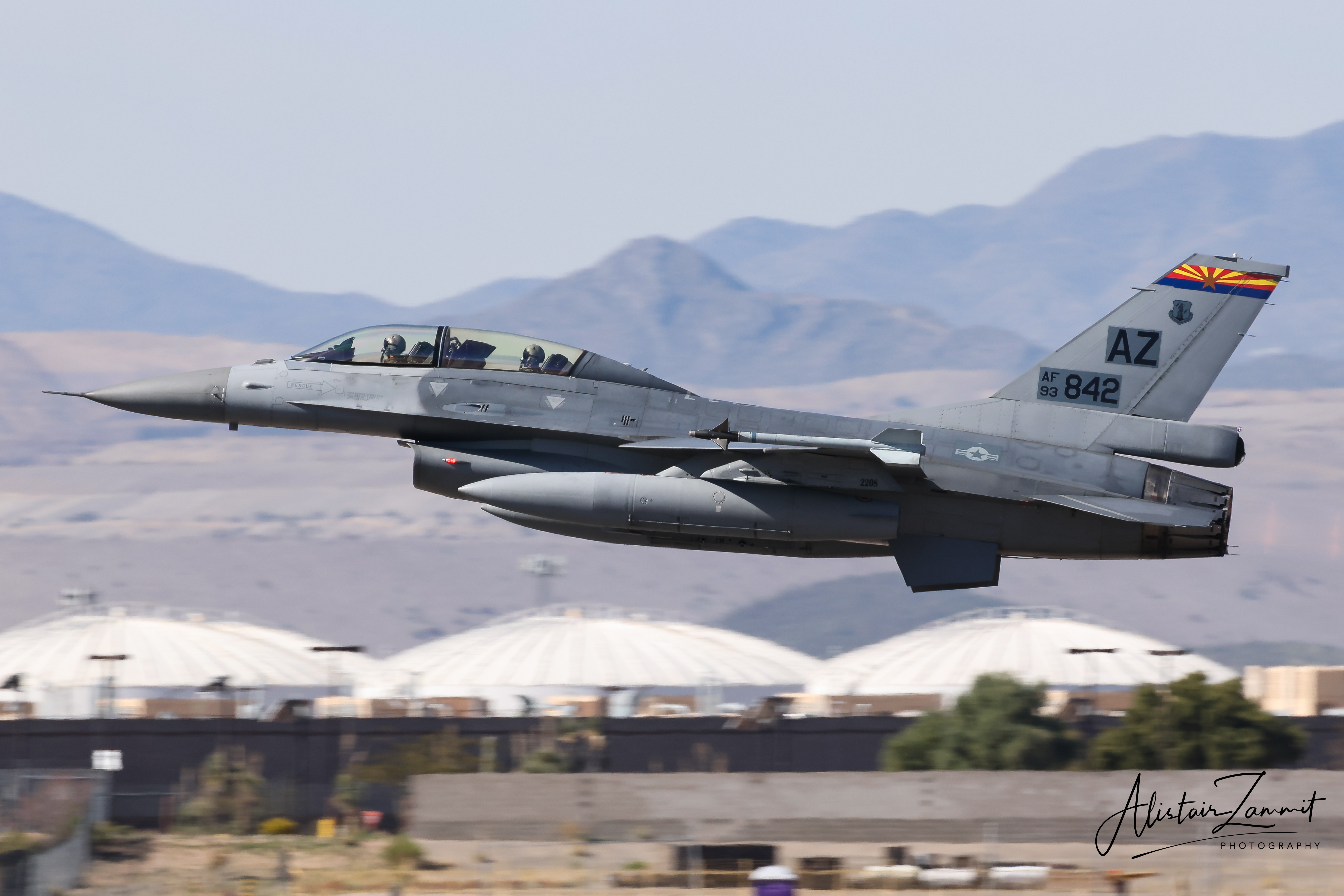
Morris Air National Guard Base in Tucson, Arizona, is significant facility for the Air National Guard, with a long history of adapting to new strategic needs and technologies. Over the years, the base has evolved into a key asset for both national and international security. It is home to the 162nd Fighter Wing, one of the larger Air National Guard units in the United States. The primary focus of this wing is training pilots to operate the F-16 Fighting Falcon, supporting missions tied to homeland defense and participation in a range of international activities. The wing employs advanced flight simulators to create realistic training environments, helping pilots prepare for real operational demands. Additionally, the base has extensive maintenance infrastructure to keep its aircraft in peak condition and ready for missions.
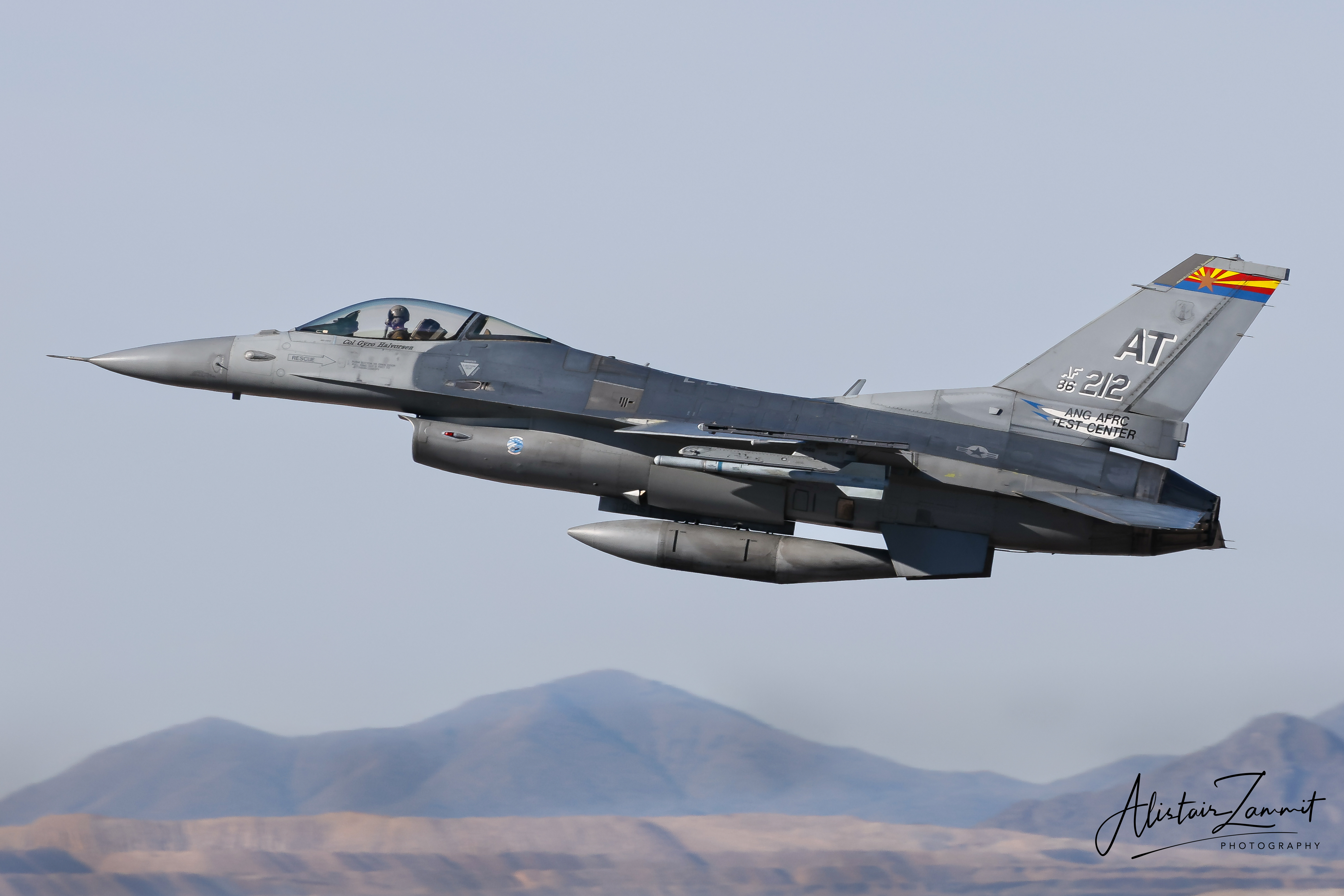
Morris ANGB’s pilot training reputation extends beyond the U.S. Air Force, also training F-16 pilots from allied nations, strengthening global defense cooperation. The 162nd Wing plays a role in North American Aerospace Defense Command (NORAD) by contributing to the defense of North American airspace. Pilots and personnel from various countries regularly operate out of the base, further enhancing international collaboration and interoperability. During the article’s visit, Royal Canadian Air Force aircraft — including Airbus A310 MRTT tanker/transport planes and F-18 Hornet fighters — were observed operating from both Tucson and nearby Davis-Monthan Air Force Base. The base also maintains a strong relationship with the local Tucson community, engaging in public events and various civic initiatives. Ultimately, the 162nd Wing continues to grow and adopt new technologies, constantly expanding its training capabilities and operational skill sets. This commitment to innovation helps ensure the wing remains at the forefront of air defense and advanced pilot instruction well into the future.
The base hosts additional units beyond the 162nd Wing, such as the 214th Attack Group, which flies the MQ-9 Reaper remotely piloted aircraft. This unit conducts sustained attack and reconnaissance missions, supporting both domestic and international operations, including counter-terrorism and intelligence tasks. The installation also supports the 152nd Fighter Squadron, which is involved in ongoing F-16 pilot training and other tactical exercises designed to ensure readiness.
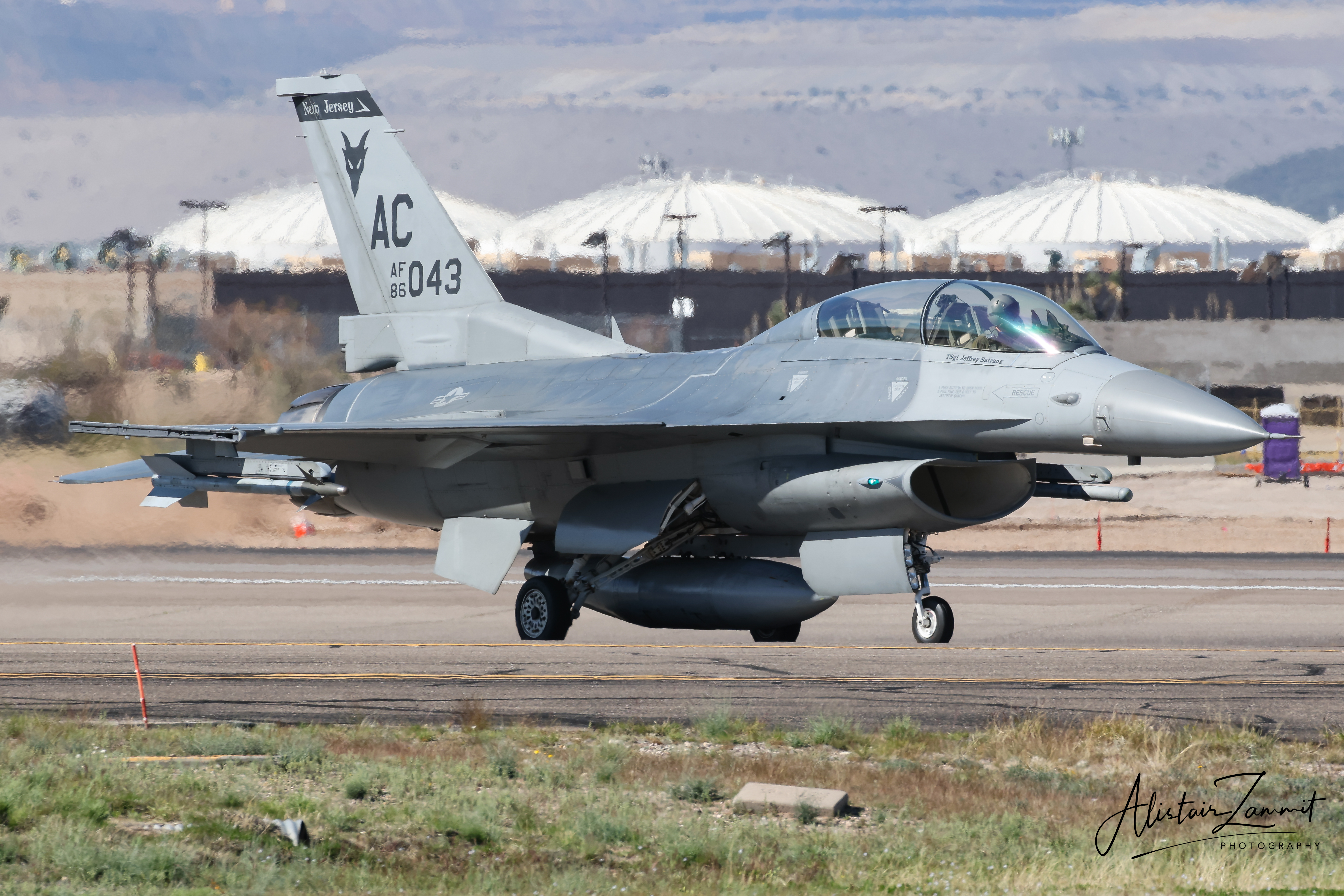
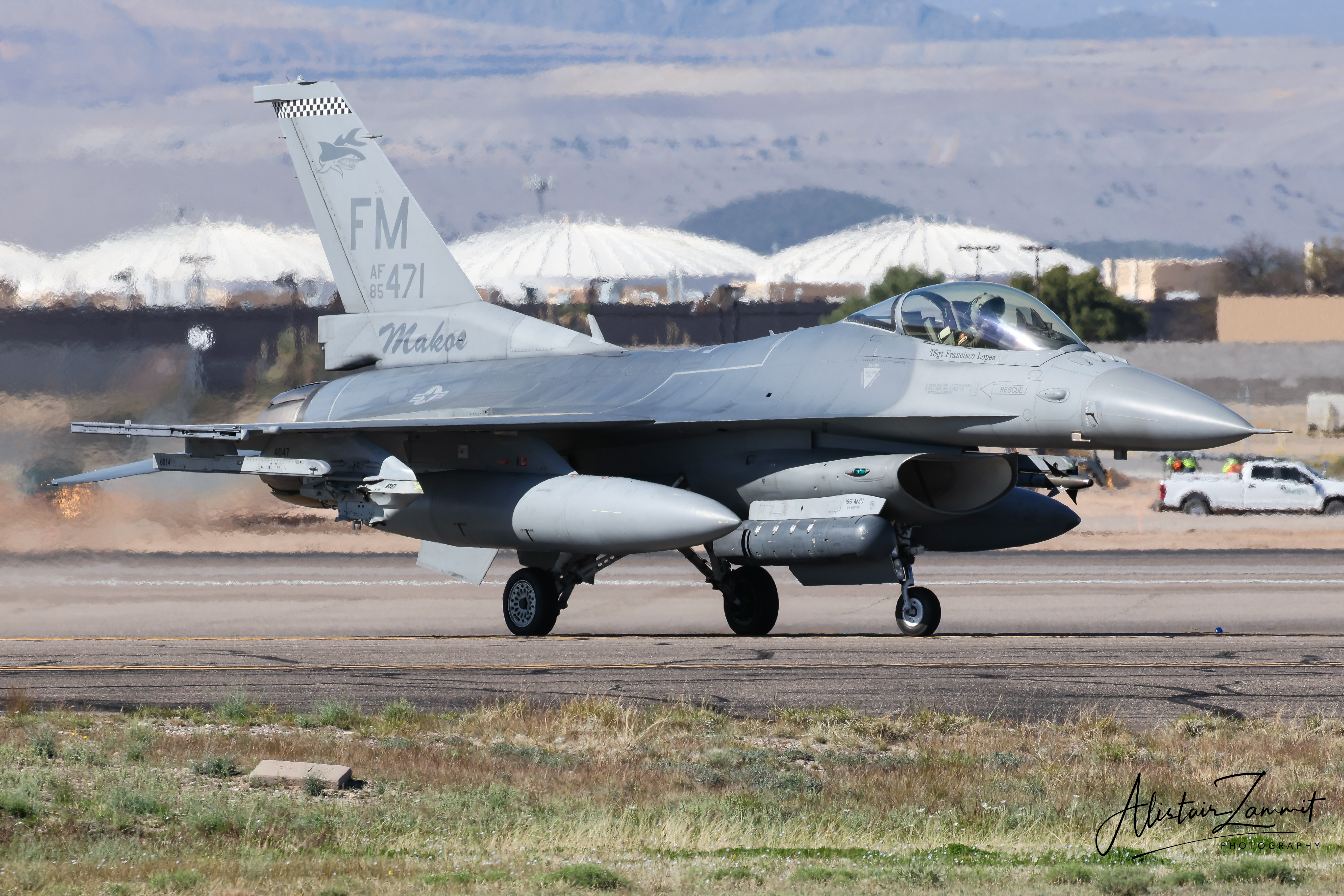

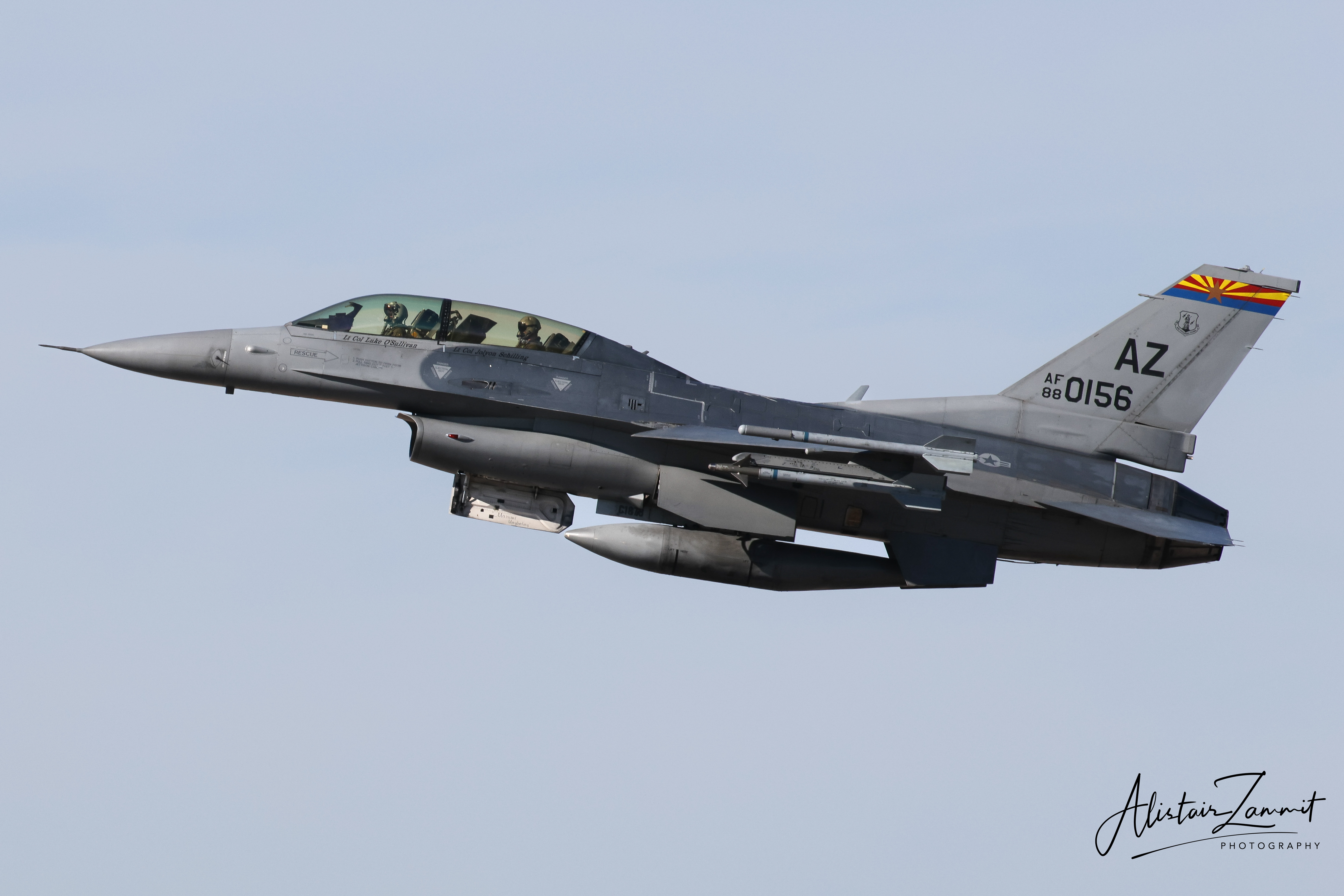
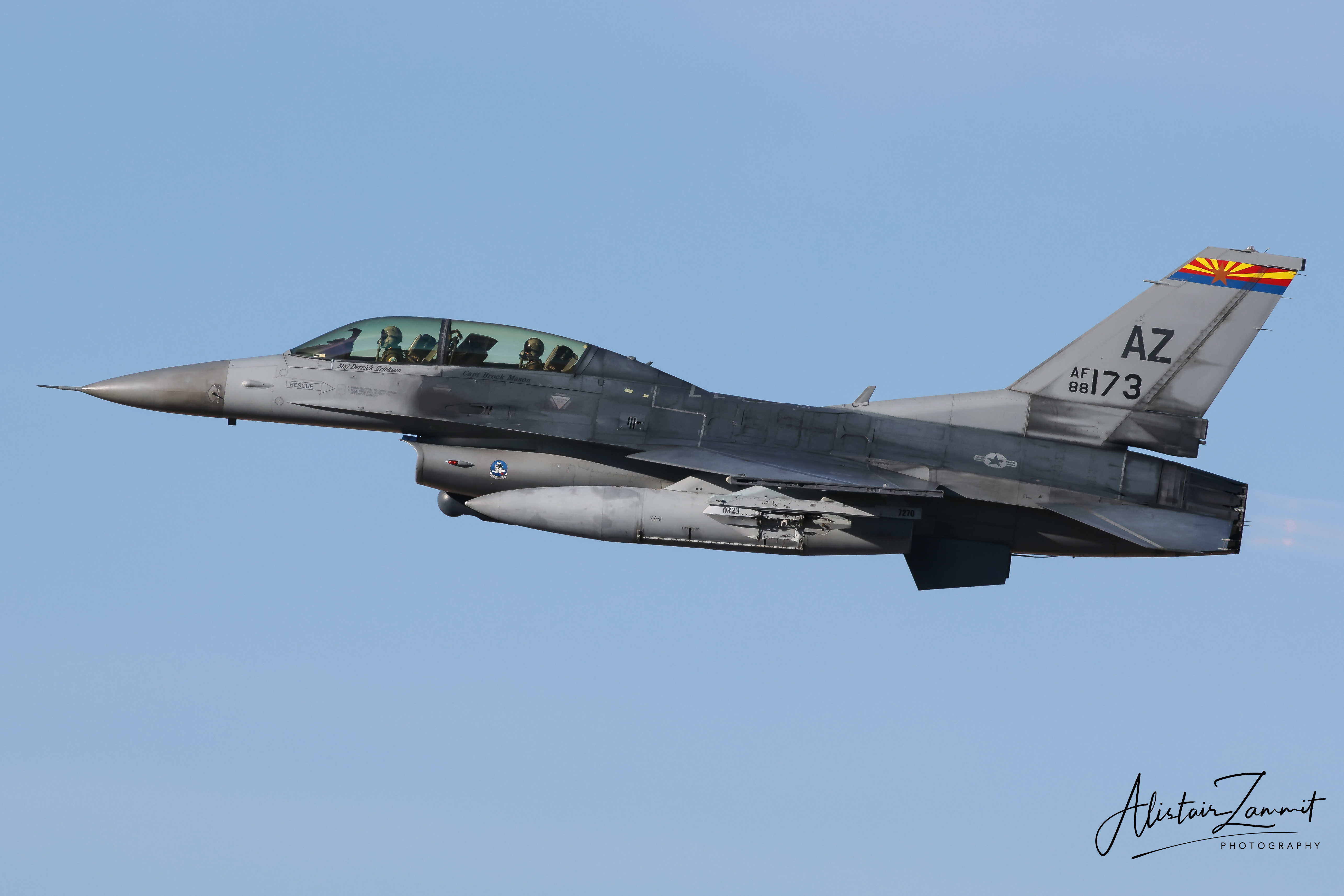
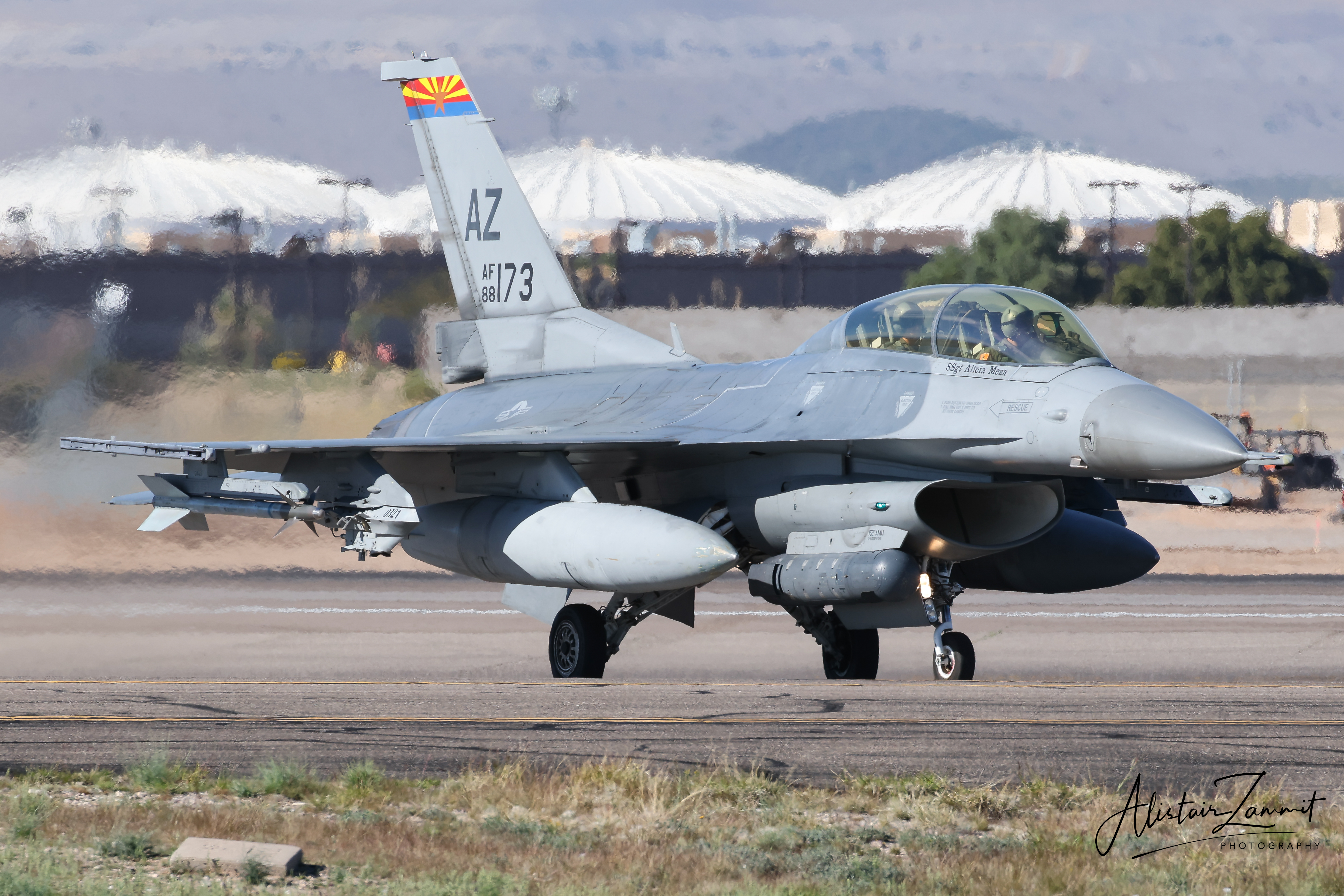
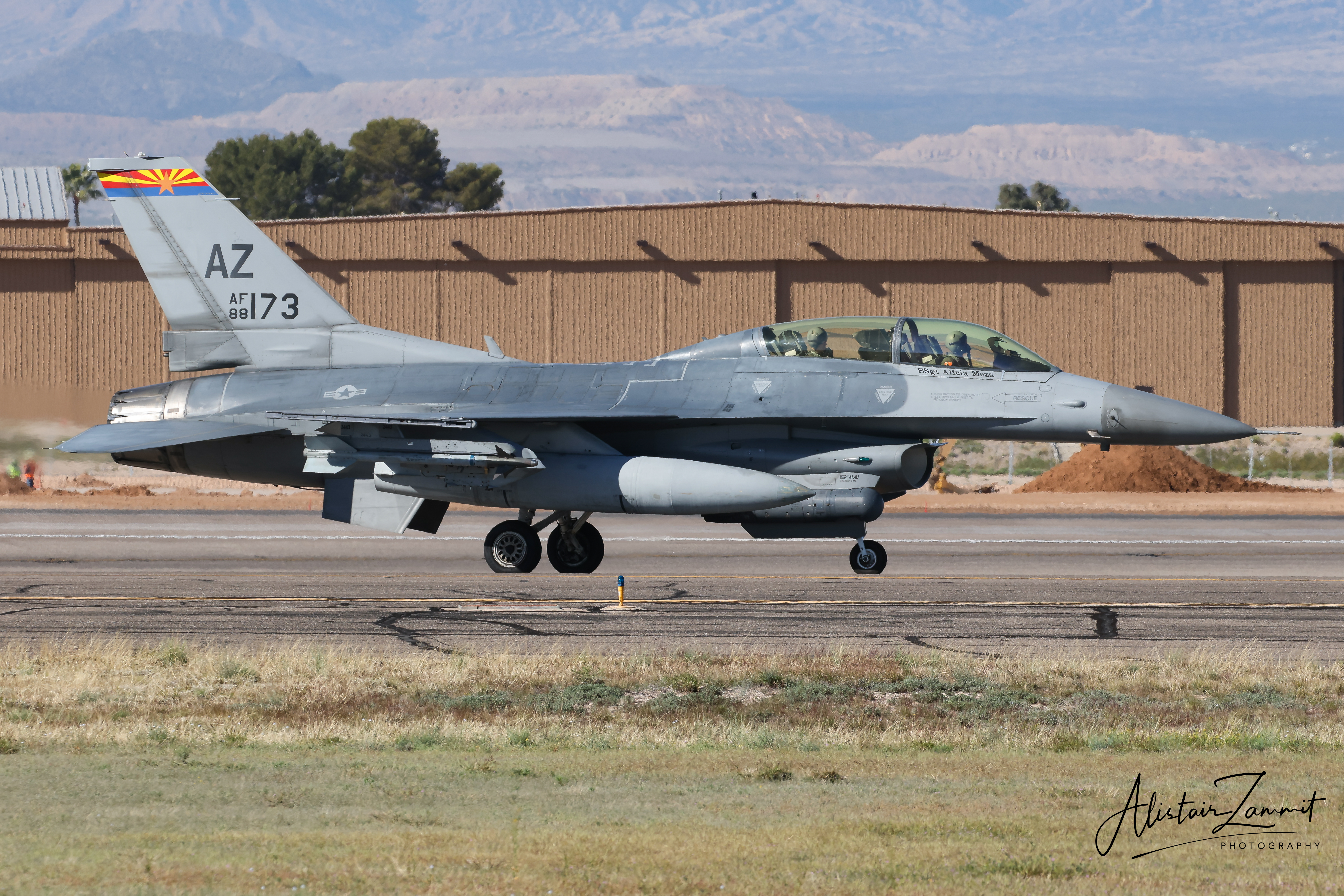
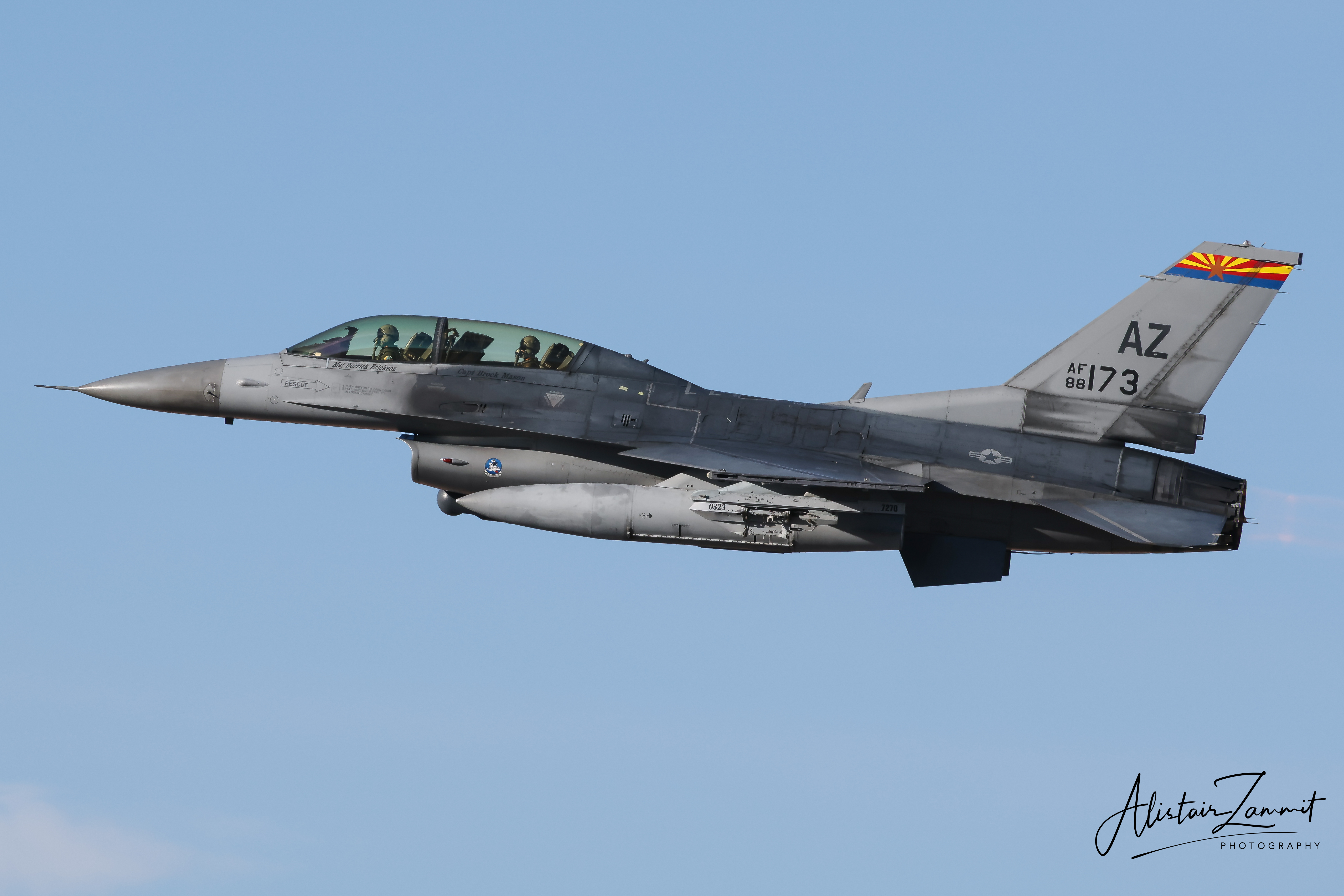
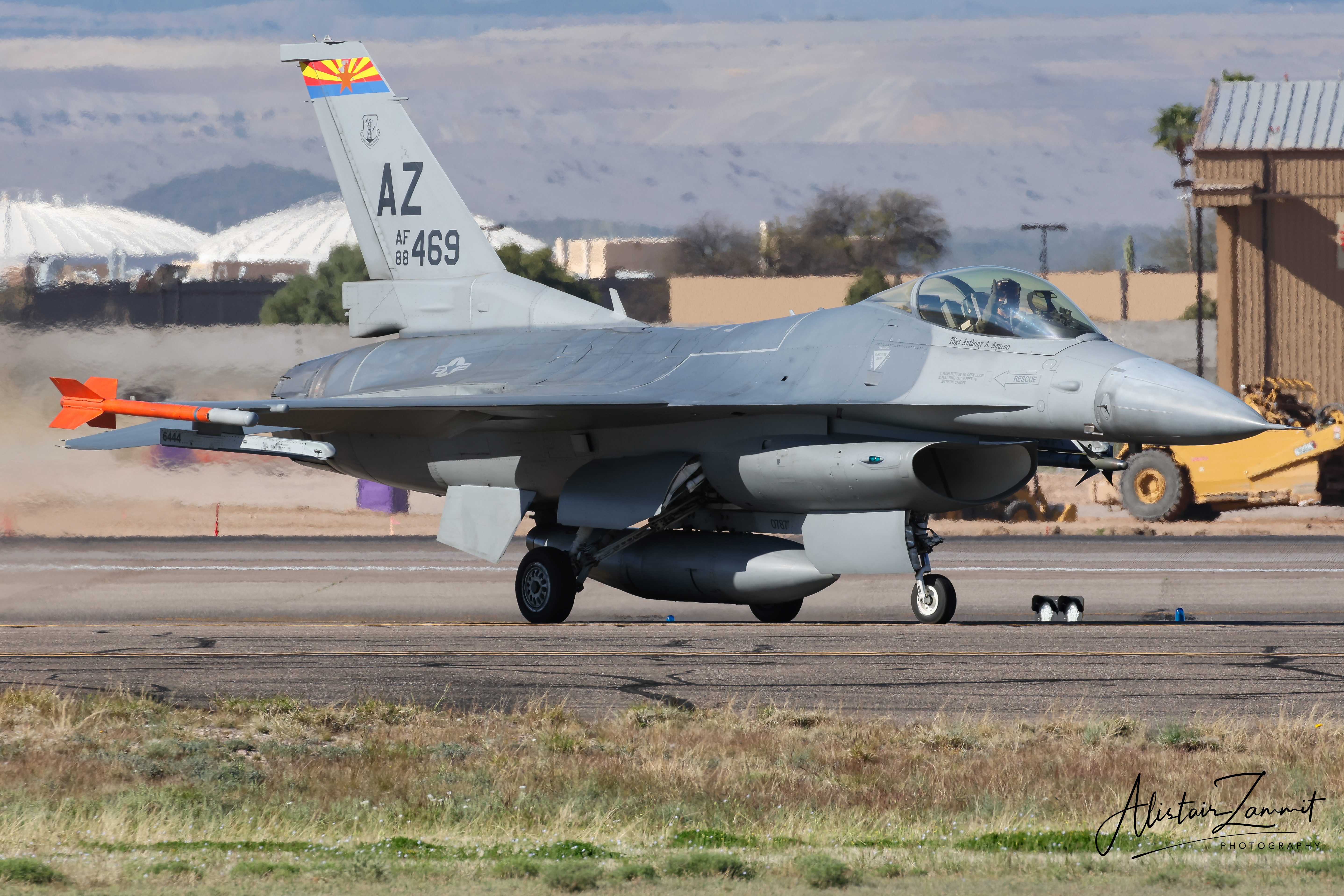
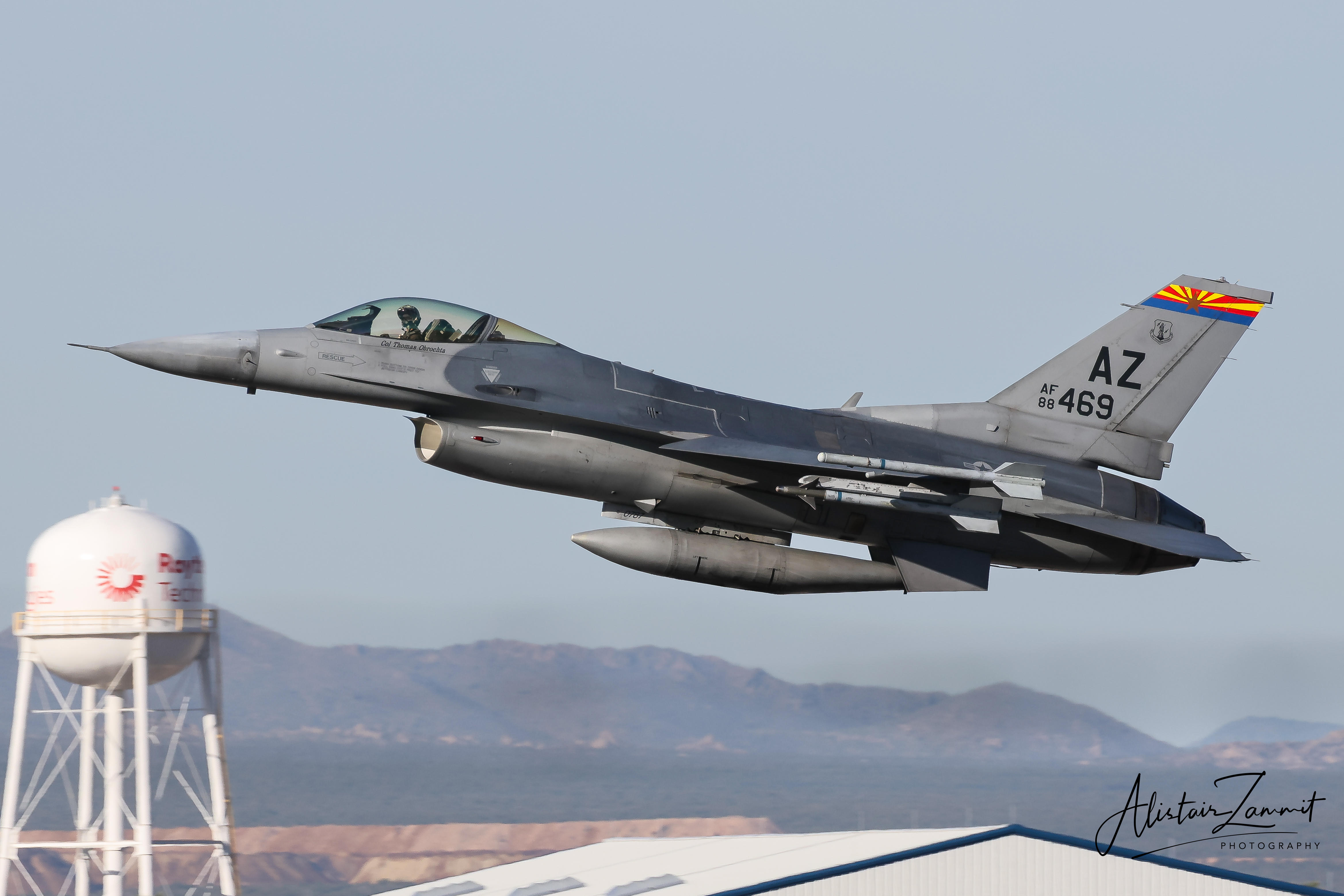
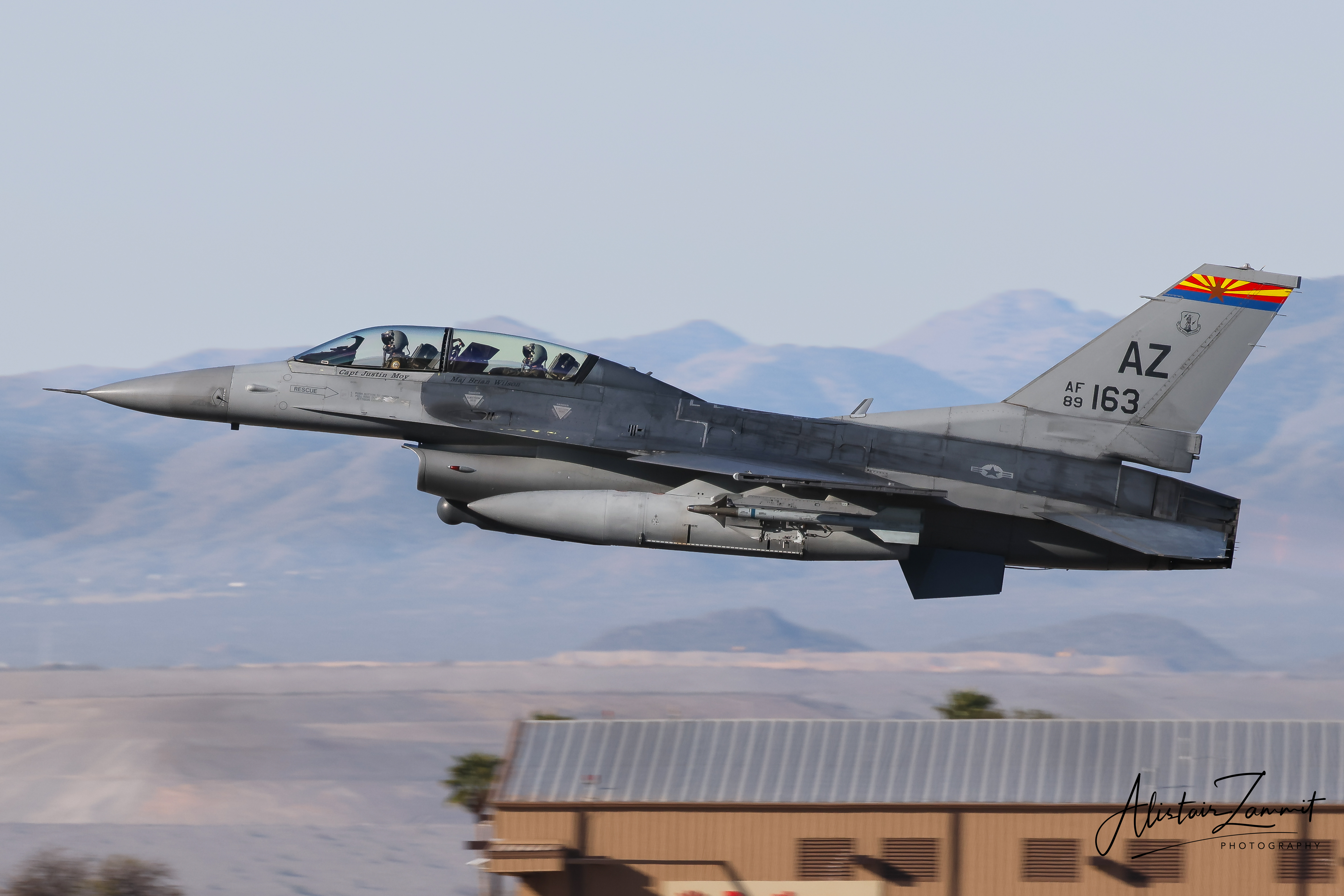
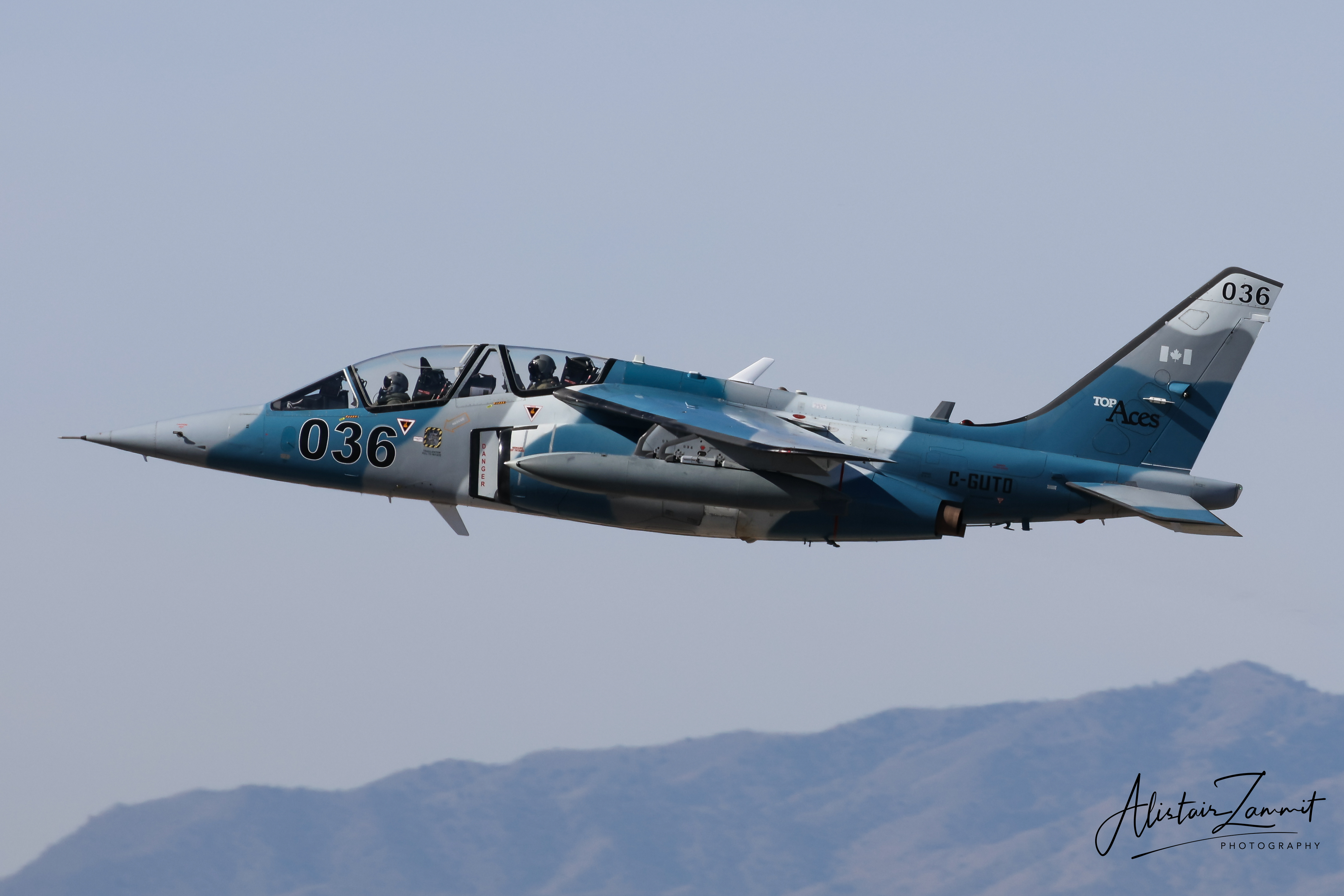
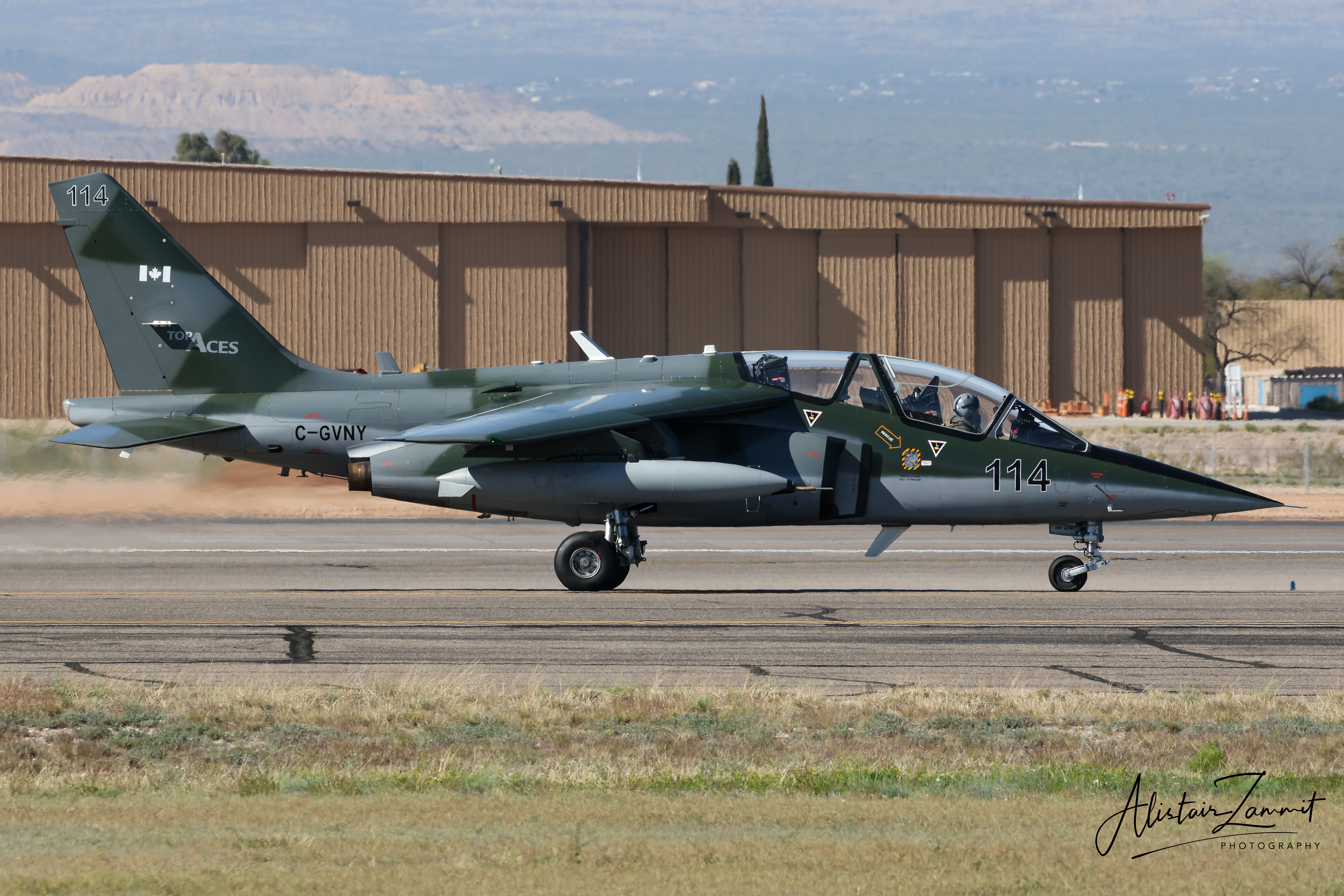
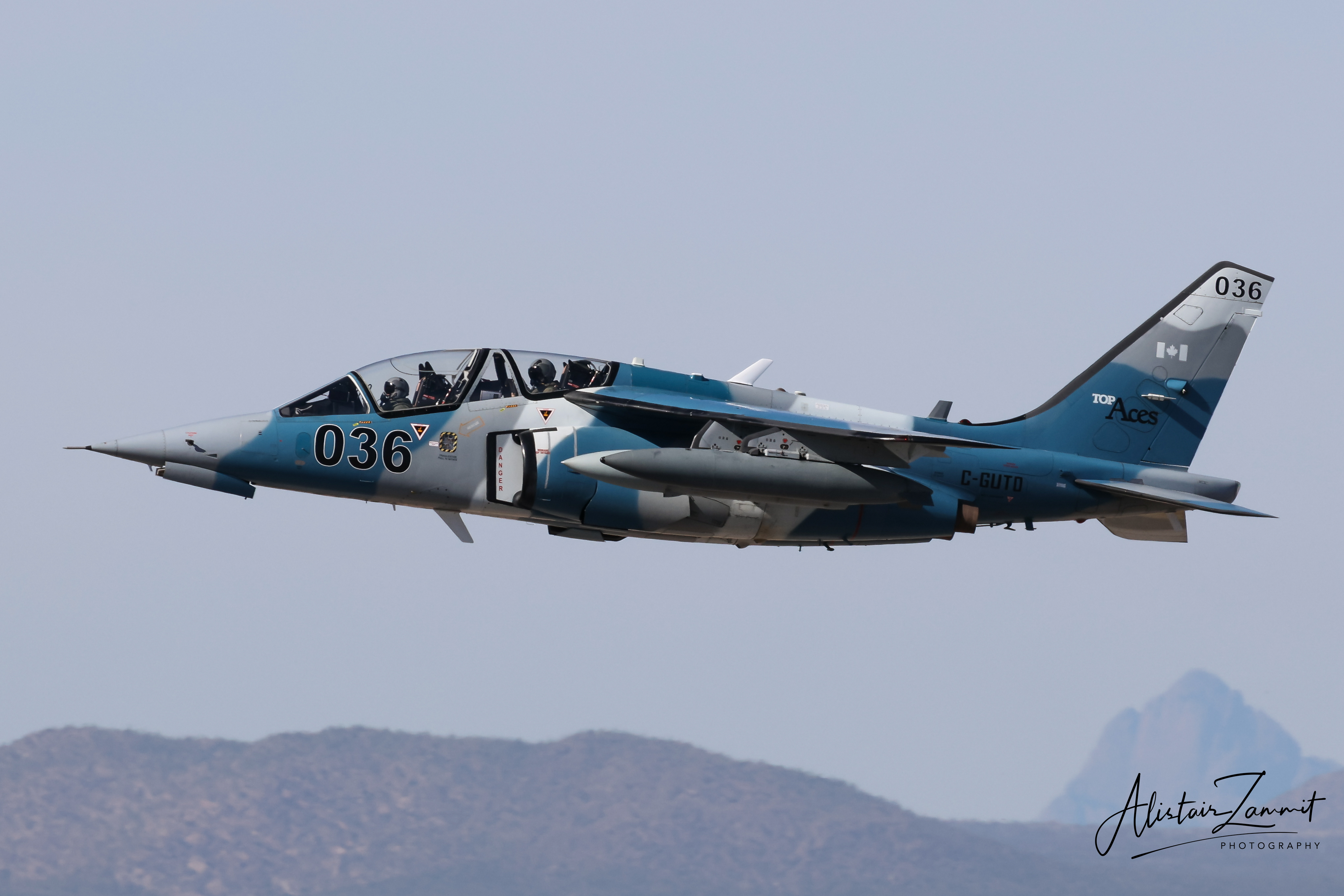
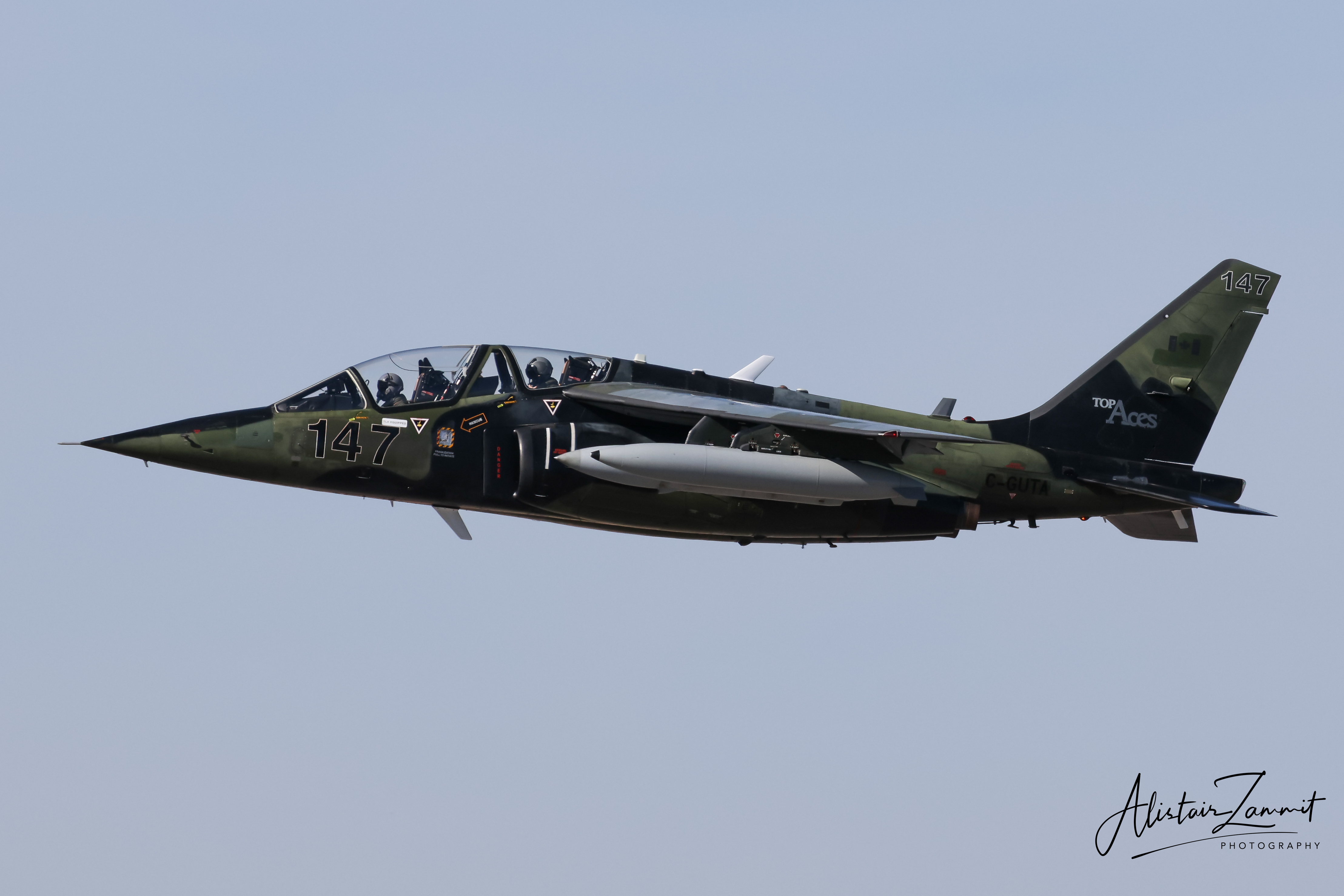
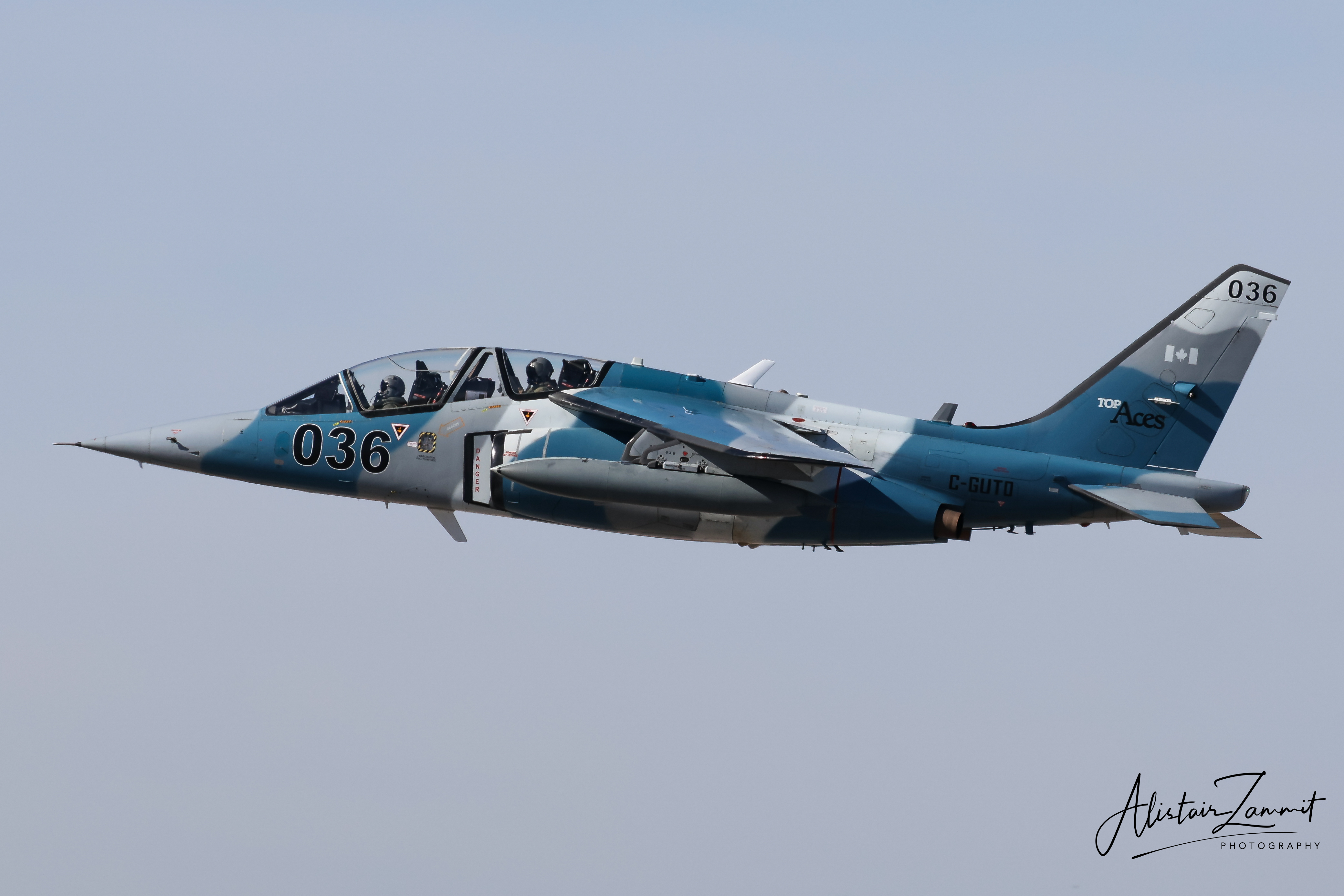
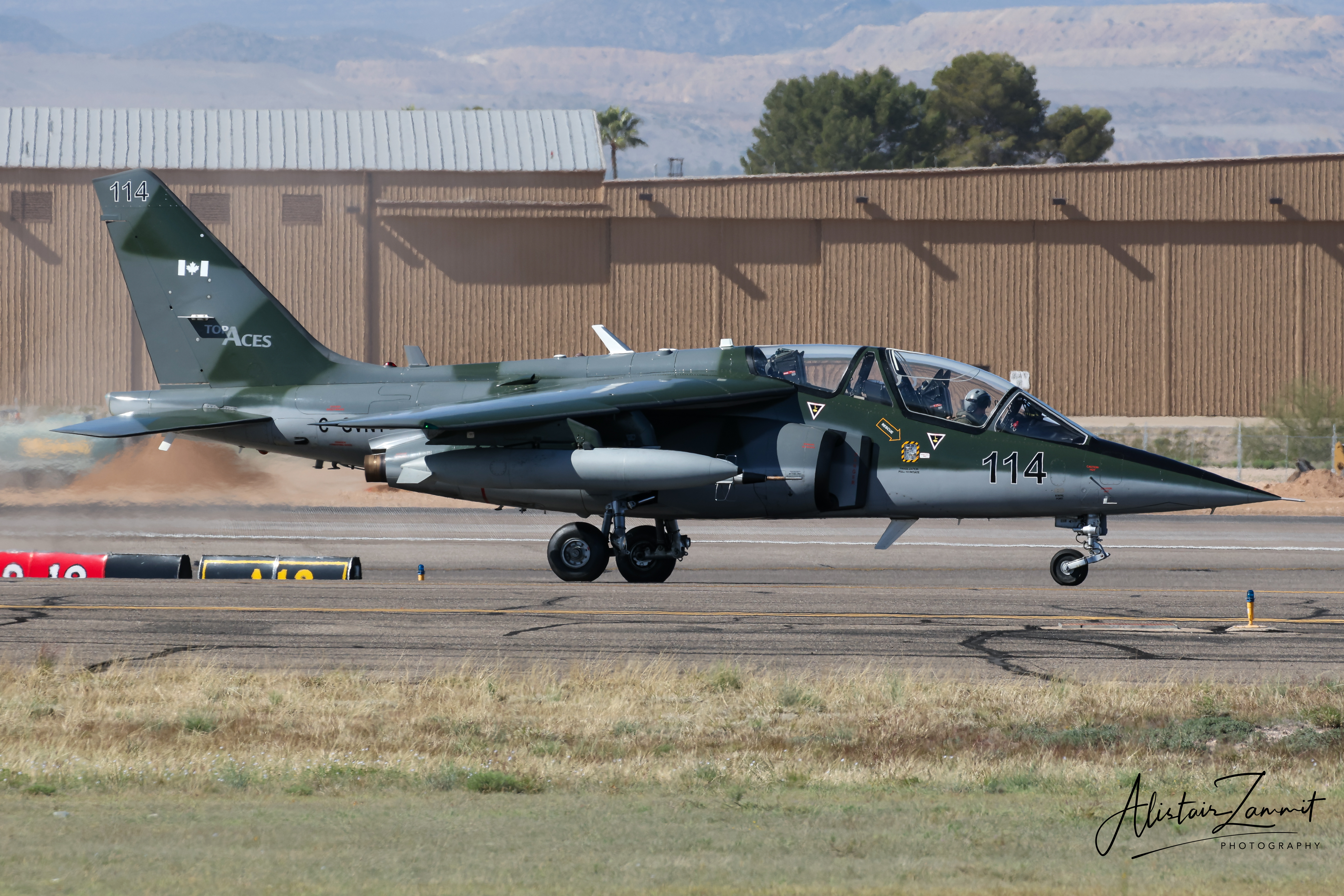
During the visit three Alpha Jets operated by Top Aces were observed, a private company that provides advanced adversary air (ADAIR) training services to air forces around the world. Top Aces uses a fleet of high-performance jets — such as the Alpha Jet — to play the role of “Red Air” or aggressor aircraft in training exercises, simulating realistic threat tactics for military pilots. The Alpha Jet, originally developed in the 1970s by Dassault Aviation and Dornier, is a light attack and advanced trainer aircraft with twin engines and strong maneuverability. Top Aces often equips these jets with modern avionics, radar, and electronic warfare systems to make them more effective in simulating contemporary threat aircraft. These jets are used for a wide range of training missions, including air-to-air combat scenarios, air-to-ground operations, and electronic warfare training. Top Aces operates one of the largest private Alpha Jet fleets in the world, providing training support to air forces such as those of Canada, the United States, and Germany, and participating in joint training exercises with NATO and other allied partners.
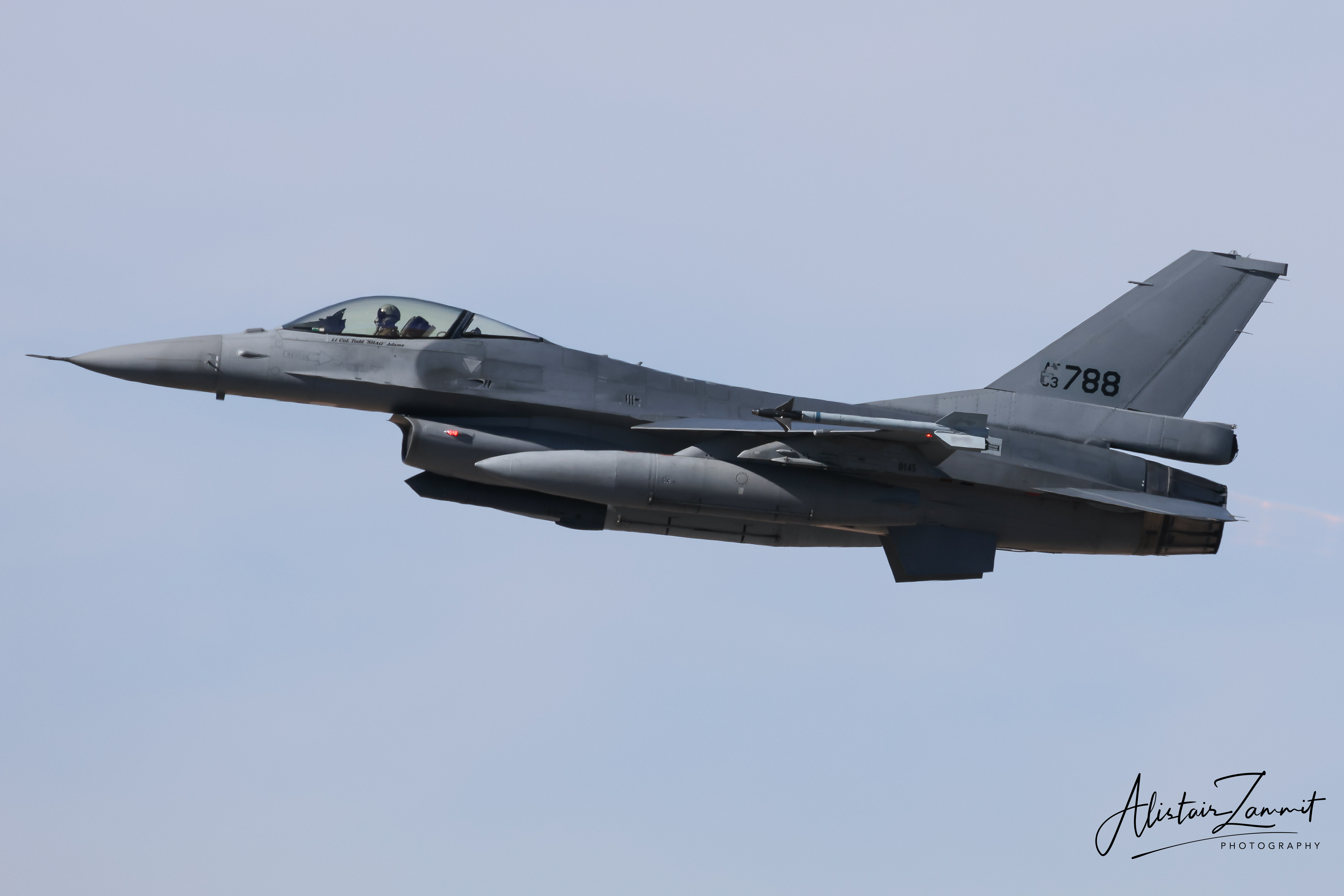
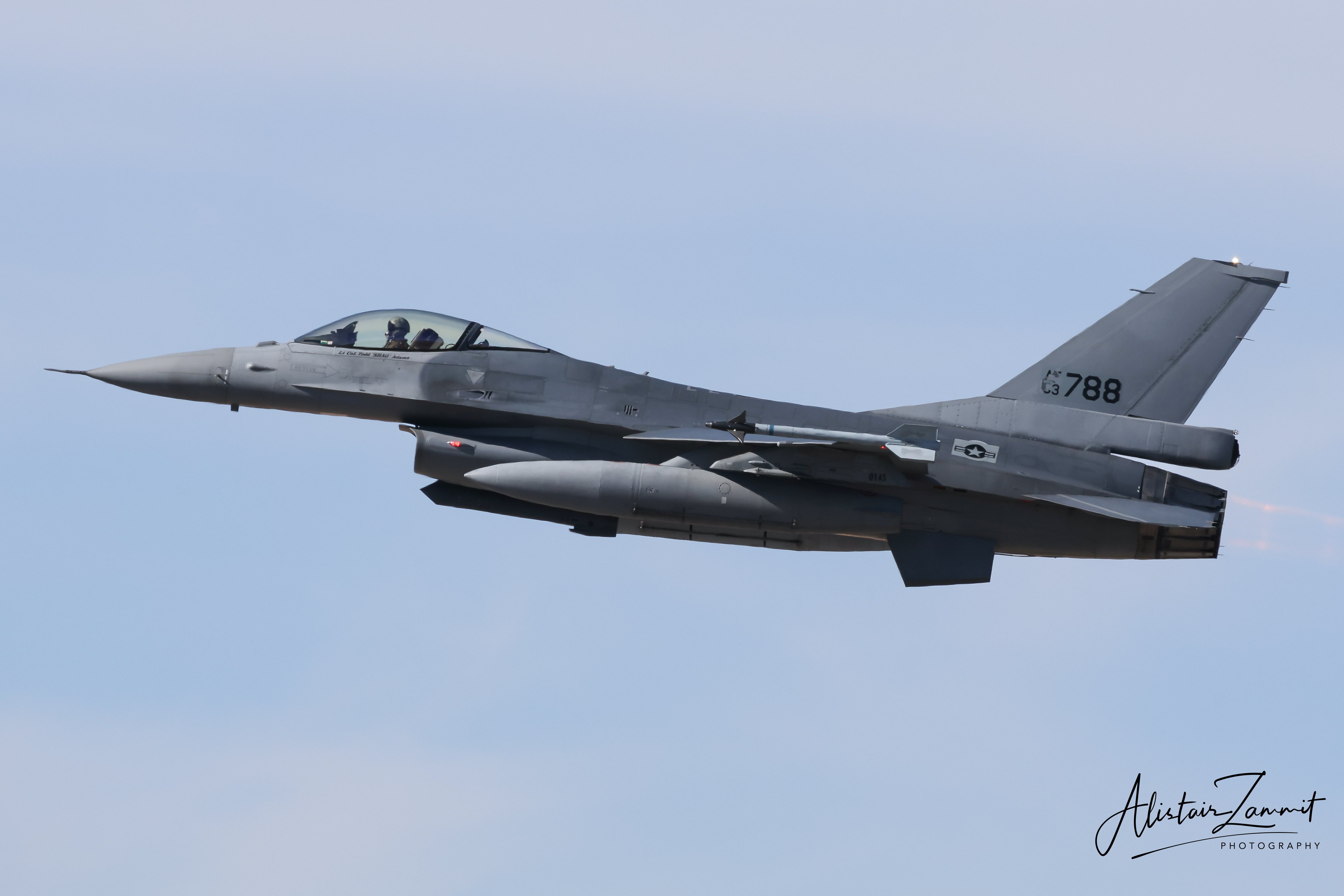
Also noted during the stay was a group of four F-16s flown by the Republic of China Air Force (Taiwan) that took off together for a morning mission. Taiwan’s air force has conducted training operations out of Tucson as part of a long-running arrangement with the United States under the International Military Pilot Training (IMPACT) program. This program dates back to the 1990s and enables Taiwanese pilots to receive advanced training on F-16 aircraft in the U.S., exposing them to complex tactical scenarios and operations that are difficult to replicate in Taiwan due to geographic and geopolitical limitations. Taiwanese pilots train on both basic and advanced maneuvers — including air-to-air and air-to-ground techniques — which align with Taiwan’s strategic defense needs. Training alongside U.S. forces also enhances interoperability and tactics that could be crucial in conflict scenarios, particularly given increased tensions around the Taiwan Strait. Although the United States and Taiwan lack formal diplomatic relations, the U.S. supports Taiwan’s self-defense through arms sales and training programs like this one — arrangements that are handled with some confidentiality due to potential reactions from China.
 alistairzammitphotography.com