
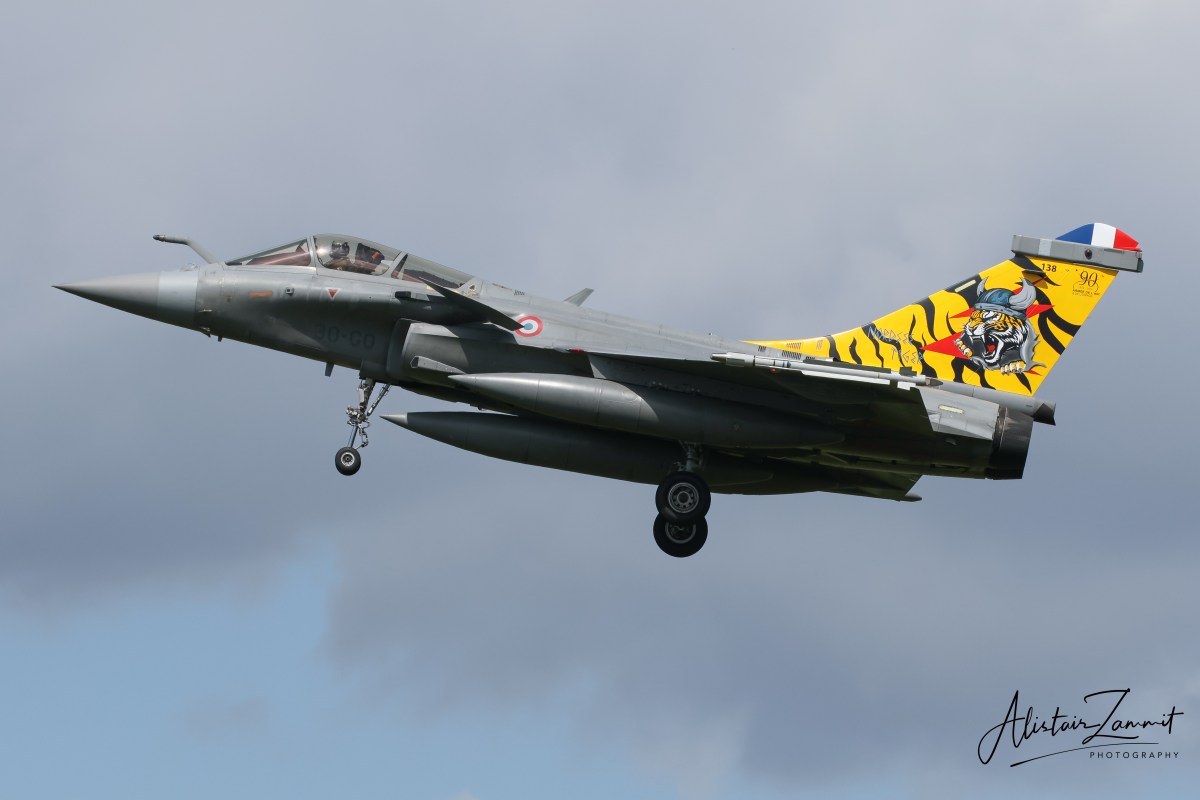
The NATO Tiger Meet occupies a unique place in the culture and operational training of allied air forces. Unlike other multinational exercises driven primarily by formal command structures, the Tiger Meet blends rigorous tactical training with a strong sense of heritage and identity. At its core lies the NATO Tiger Association (NTA), an organisation that brings together fighter squadrons whose emblems feature a tiger. What began in the early years of the Cold War as an informal gathering among a handful of units has evolved into one of the most recognisable and enduring multinational air exercises in the world.
Introduction
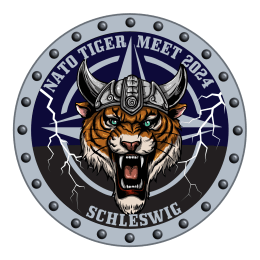
The origins of the NATO Tiger Meet date back to 1961, when aircrews from squadrons in the United Kingdom, France, and Belgium first met to strengthen professional ties and exchange tactical experience. In an era defined by geopolitical tension and rapid technological change, these early meetings were as much about building trust as they were about improving combat capability. Over time, the informal gathering developed into an annual event that combined demanding flying operations with a strong emphasis on camaraderie, shared traditions, and visual identity. The tiger motif became a unifying symbol, representing aggression, vigilance, and esprit de corps, qualities closely associated with fighter aviation.

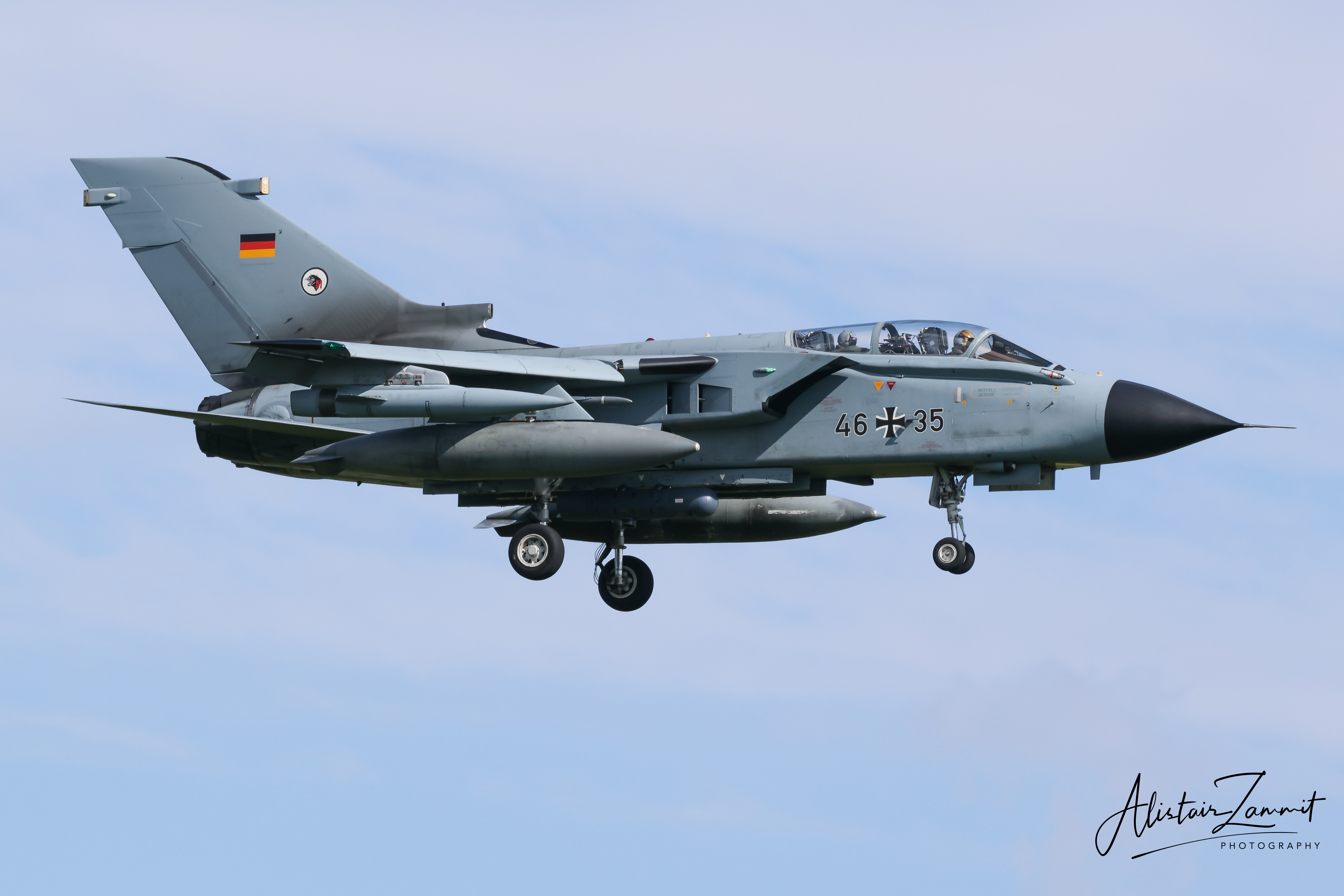
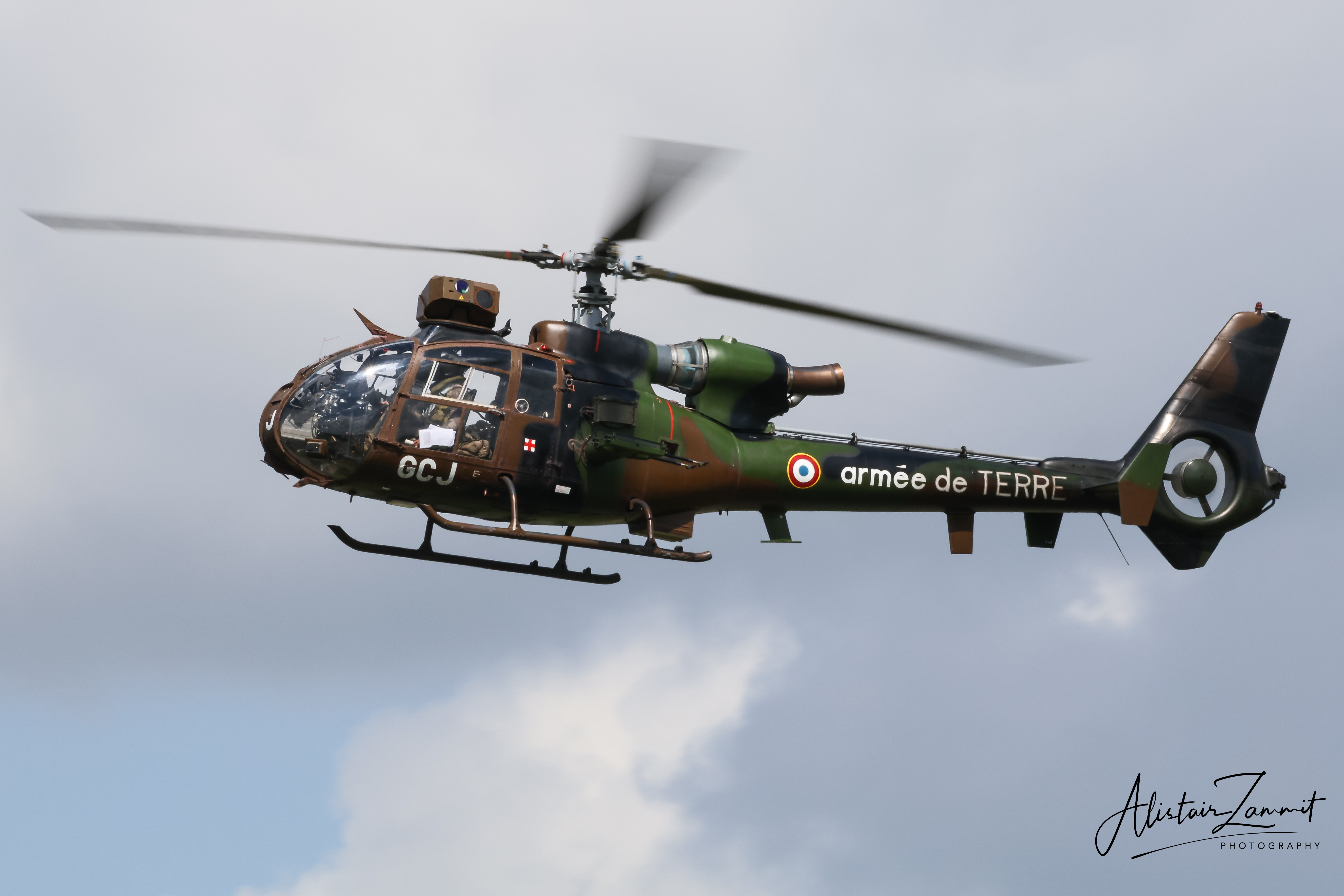
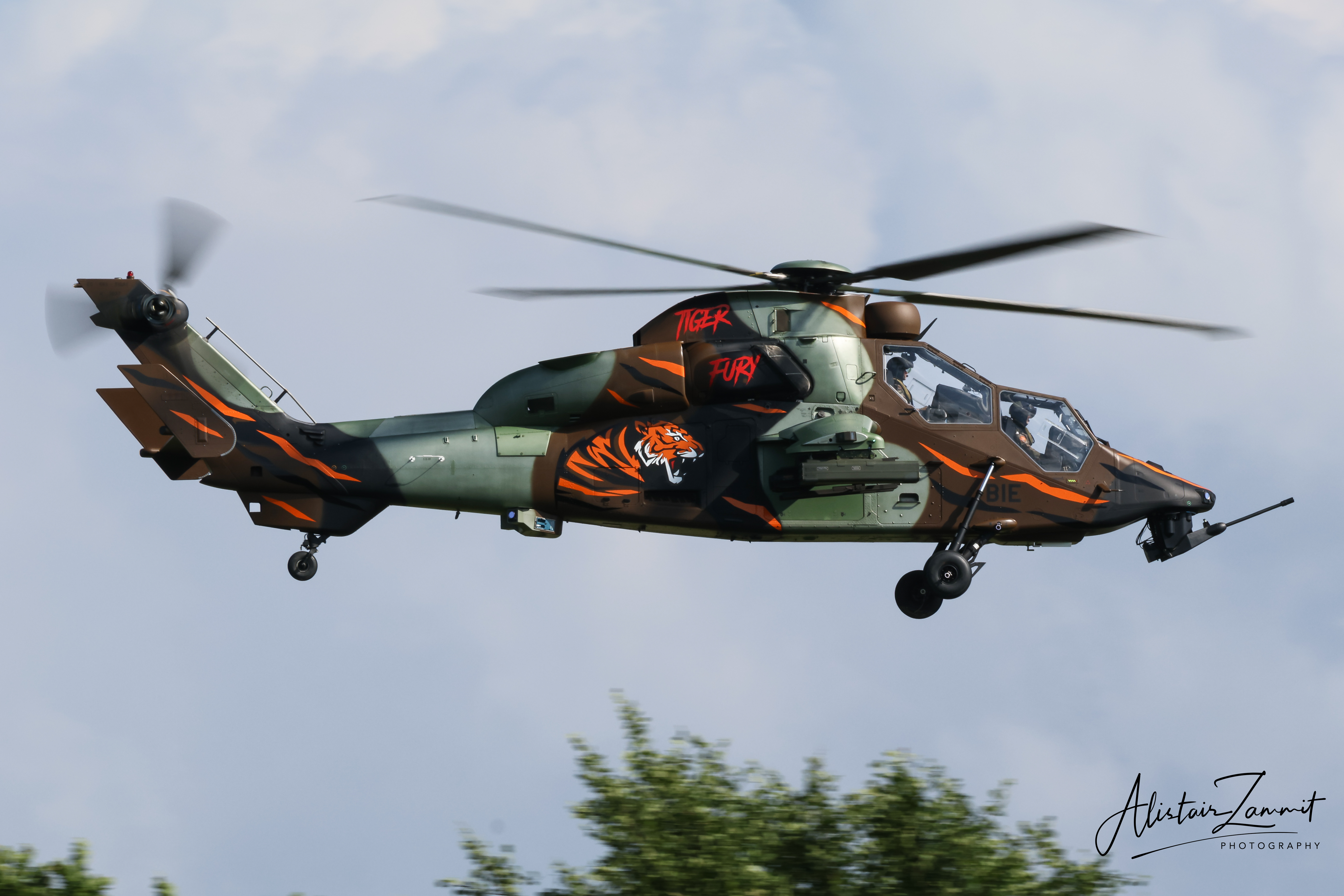
As NATO air power evolved, so too did the Tiger Meet. By the late twentieth century, the event had grown into a complex multinational exercise involving dozens of aircraft, support units, and personnel from across the Alliance and partner nations. While the traditions of tiger-themed aircraft markings and social events remained central to its character, the operational dimension became increasingly sophisticated. Modern Tiger Meets now incorporate realistic combat scenarios, integrated mission planning, and advanced command-and-control concepts, ensuring that the exercise remains operationally relevant while preserving its distinctive identity.
NTM 2024
This balance between tradition and tactical realism was clearly evident during NATO Tiger Meet 2024, which was hosted by Taktisches Luftwaffengeschwader 51 “Immelmann” at Schleswig-Jagel Air Base in northern Germany. The exercise took place in early June 2024, drawing air and ground crews from across Europe and beyond for nearly two weeks of intensive flying and cooperation. The choice of location provided access to extensive airspace over both land and sea, enabling planners to design complex scenarios that tested participants across a wide range of mission sets.
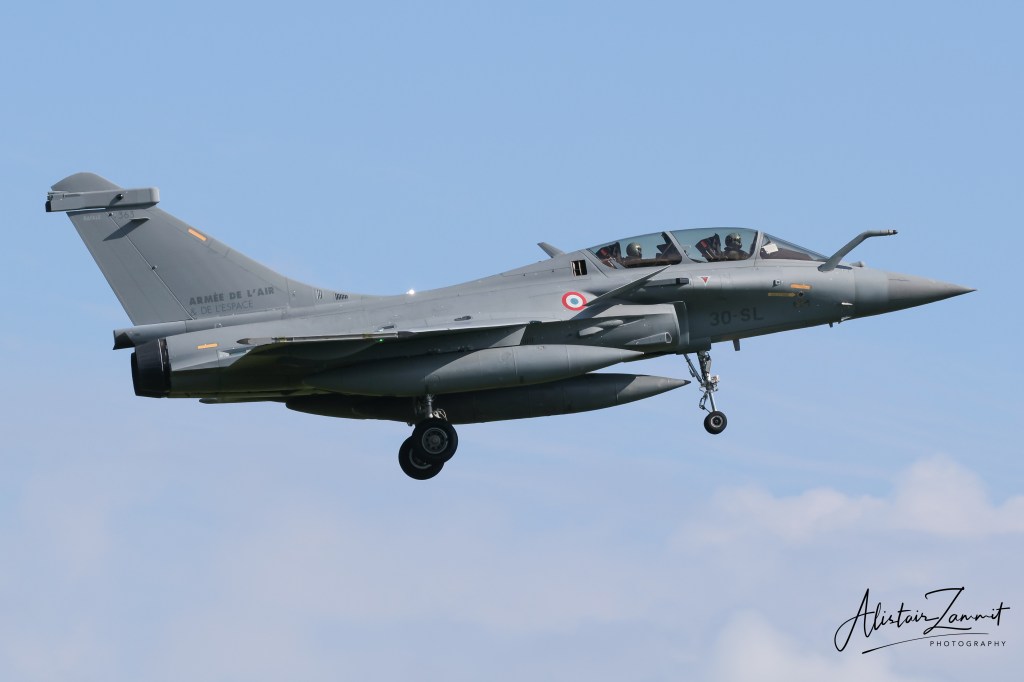
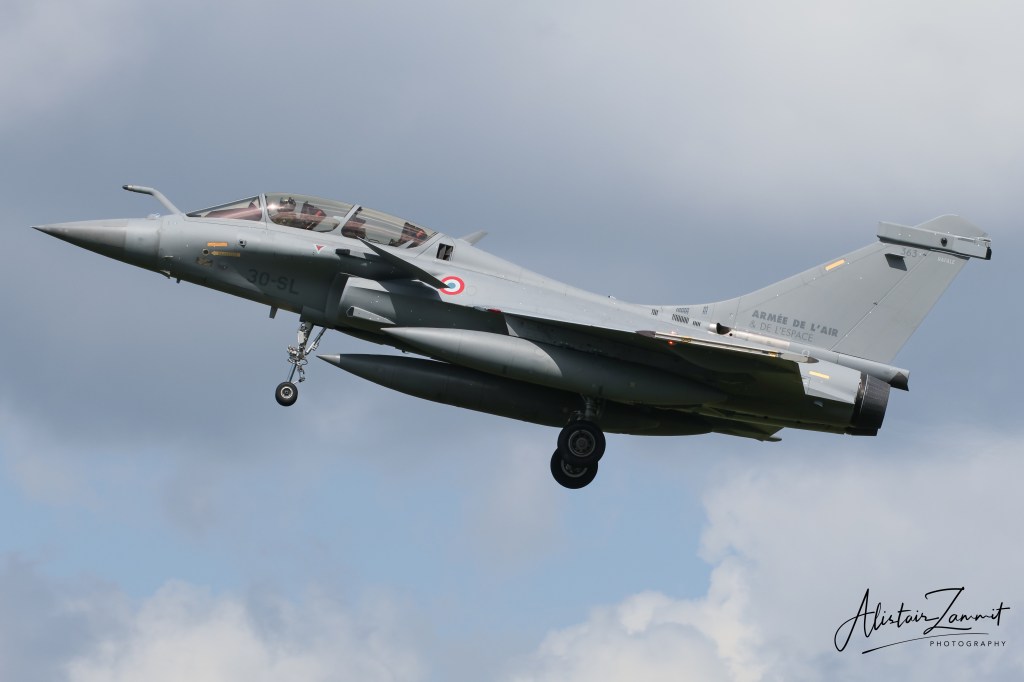
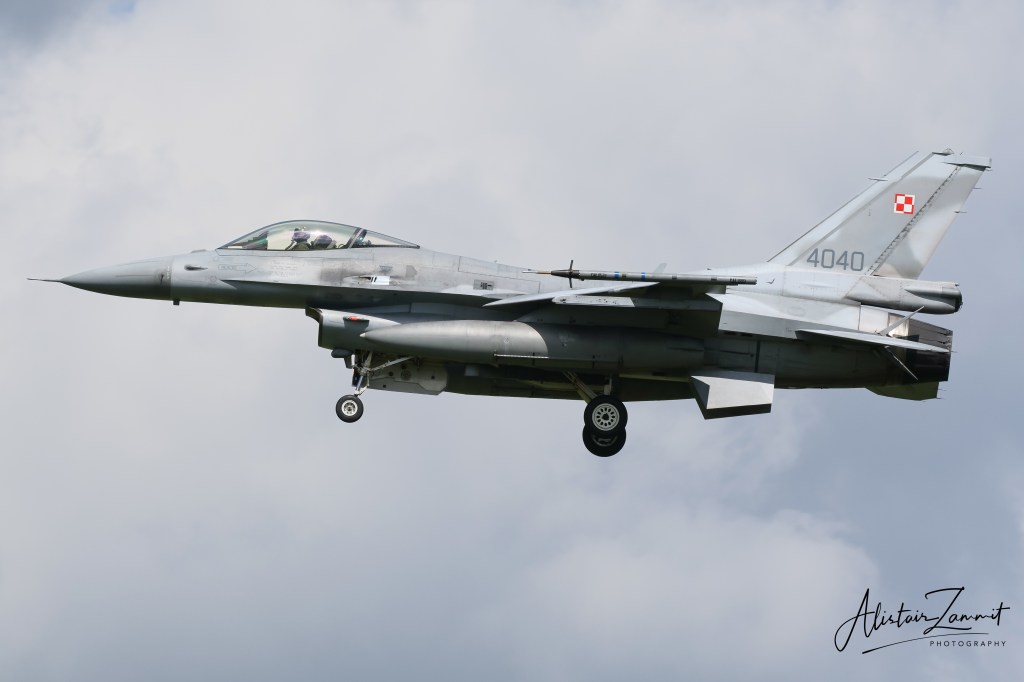
NATO Tiger Meet 2024 brought together a diverse collection of tiger squadrons operating different aircraft types, reflecting the technological and doctrinal diversity within the Alliance. Fast jets, electronic warfare platforms, and support aircraft operated side by side, requiring participants to integrate capabilities that ranged from air superiority and strike missions to suppression of enemy air defences and intelligence support. This diversity was not incidental; it was central to the exercise’s purpose, challenging crews to operate effectively within multinational and multi-platform formations under realistic operational constraints.
| Flying Participant | Aircraft Type |
|---|---|
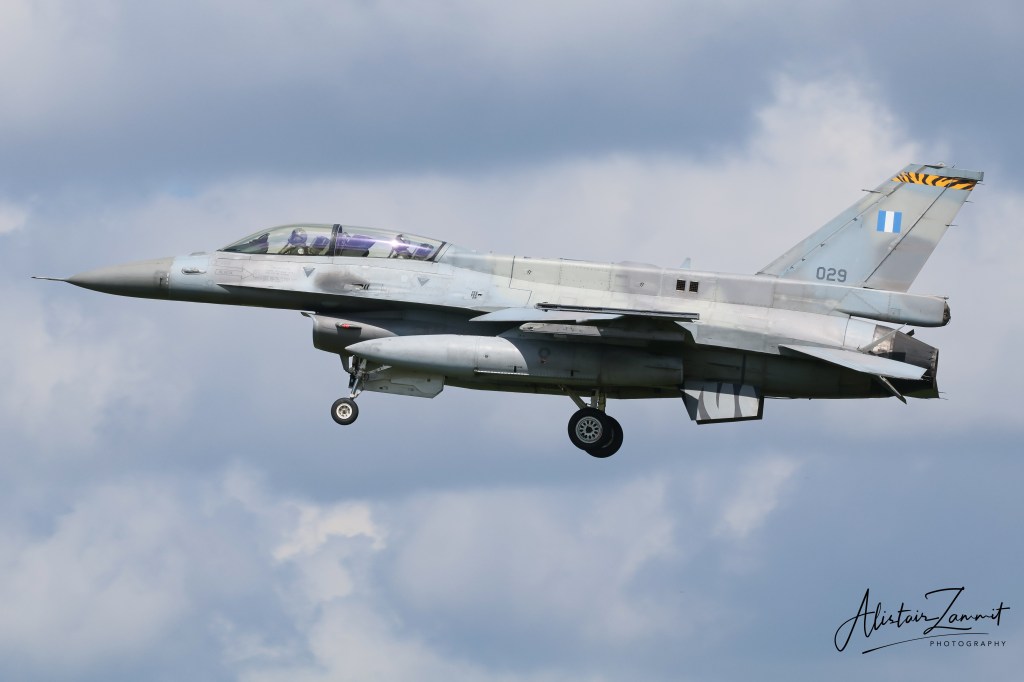
| 335 Mira (HAF) – Araxos AB, GRC | F-16C/D Fighting Falcon |
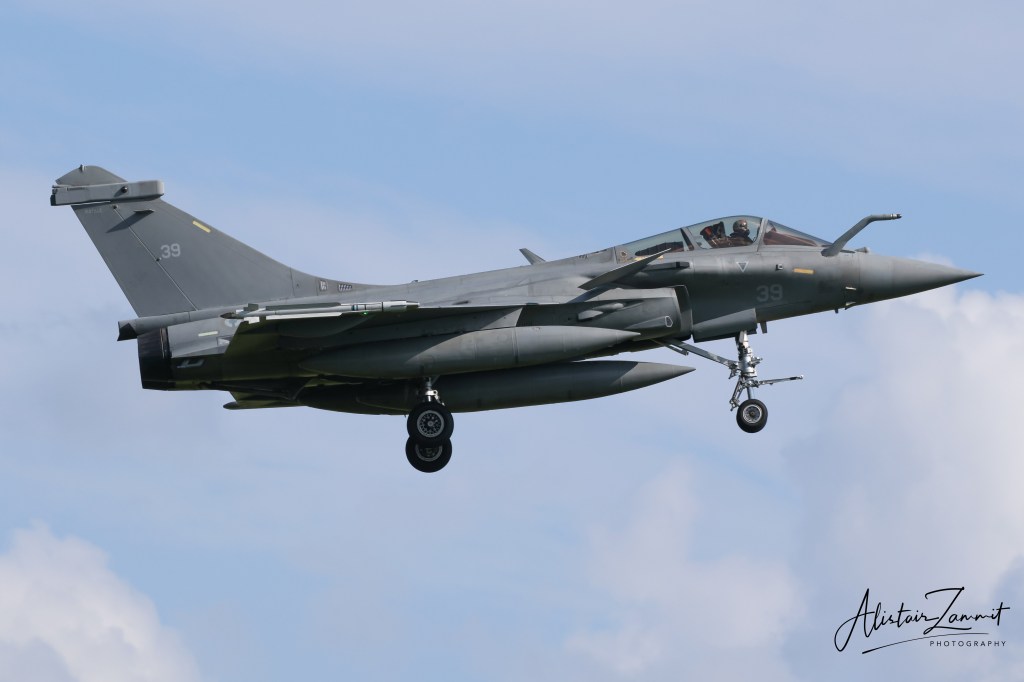
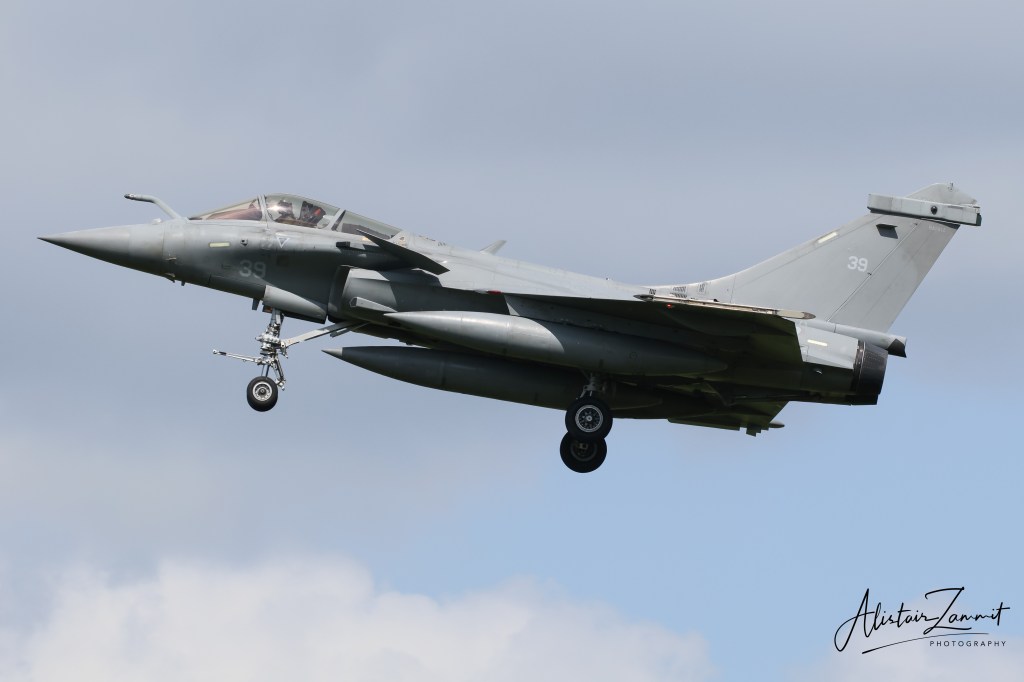
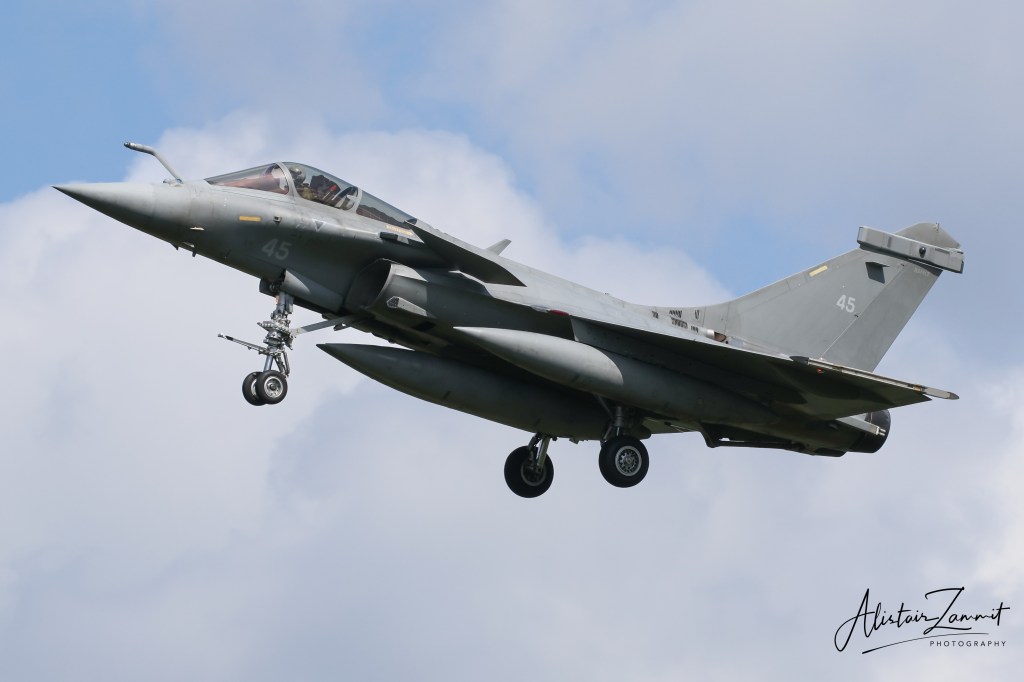
| 11F (FN) – BAN Landivisiau, FRA | Rafale M |
| 192 Filo (TuAF) – Balikesir AB, TUR | F-16C/D Fighting Falcon |
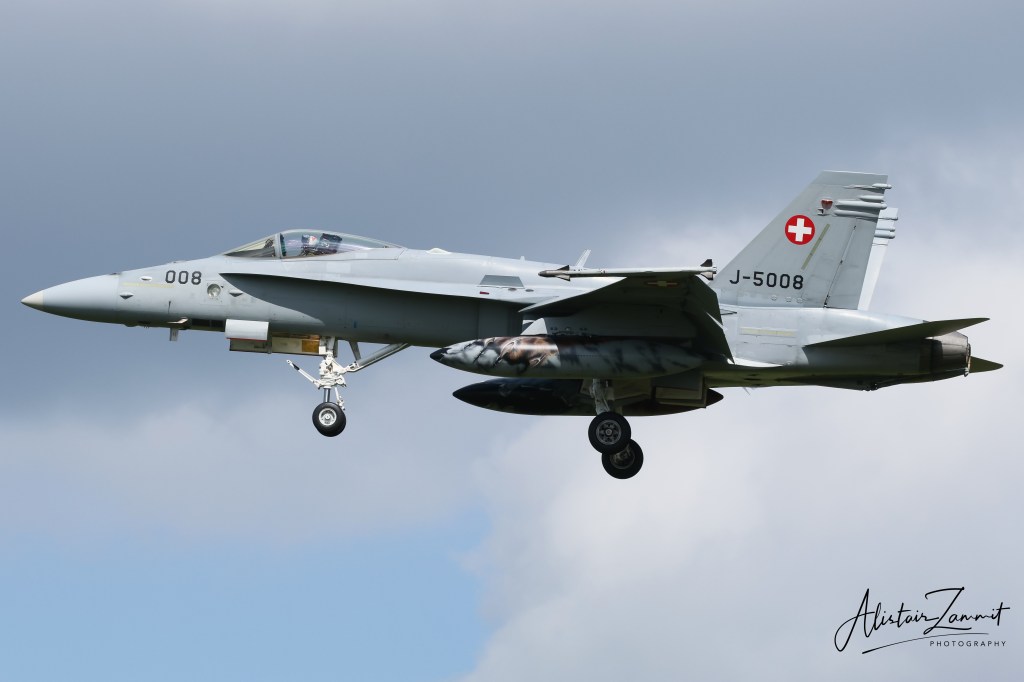
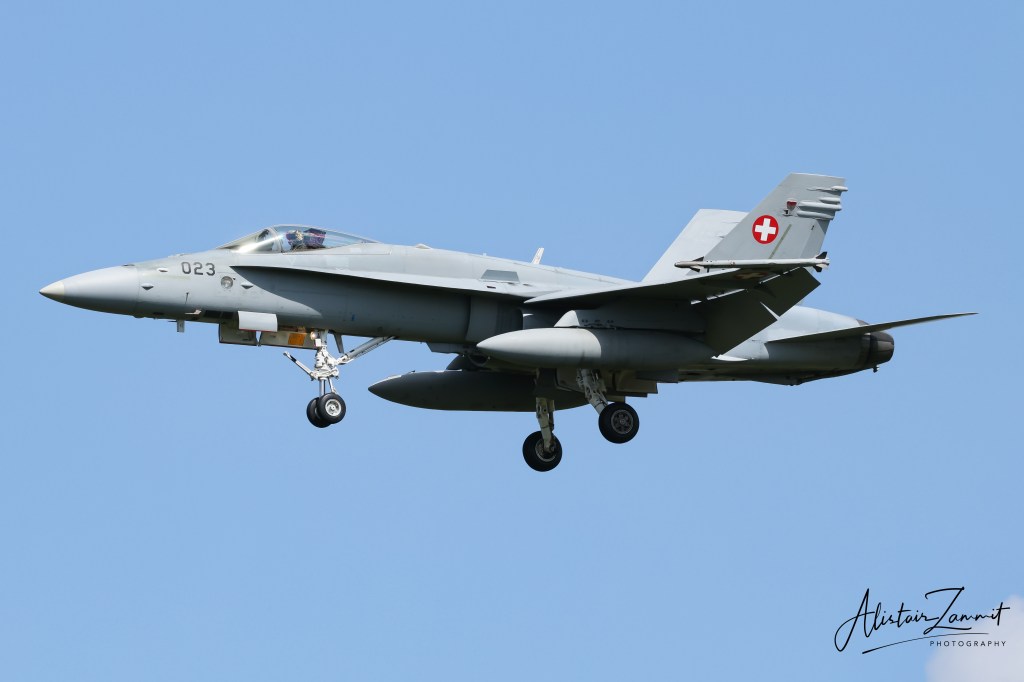
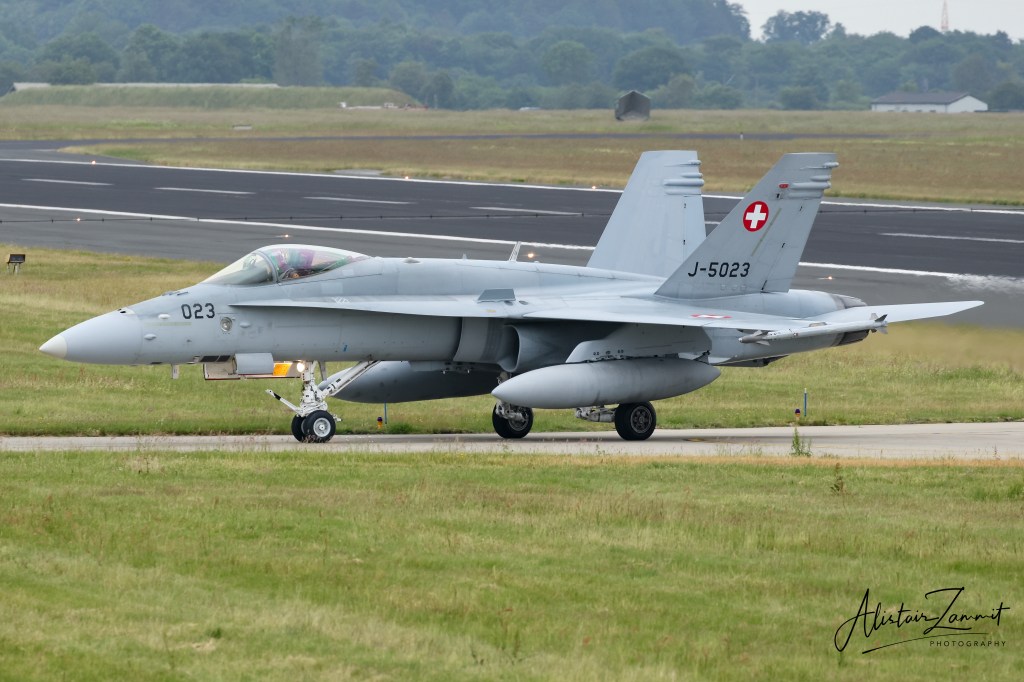
| Staffel 11 (ChAF) – Meiringen AB, CHE | F/A-18C/D Hornet |
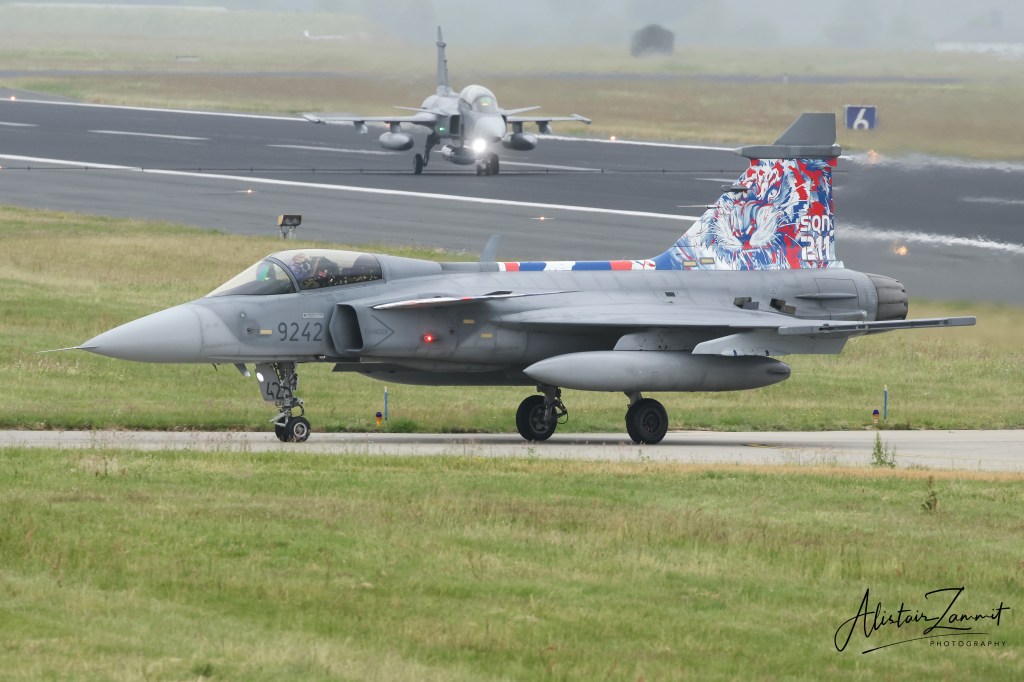
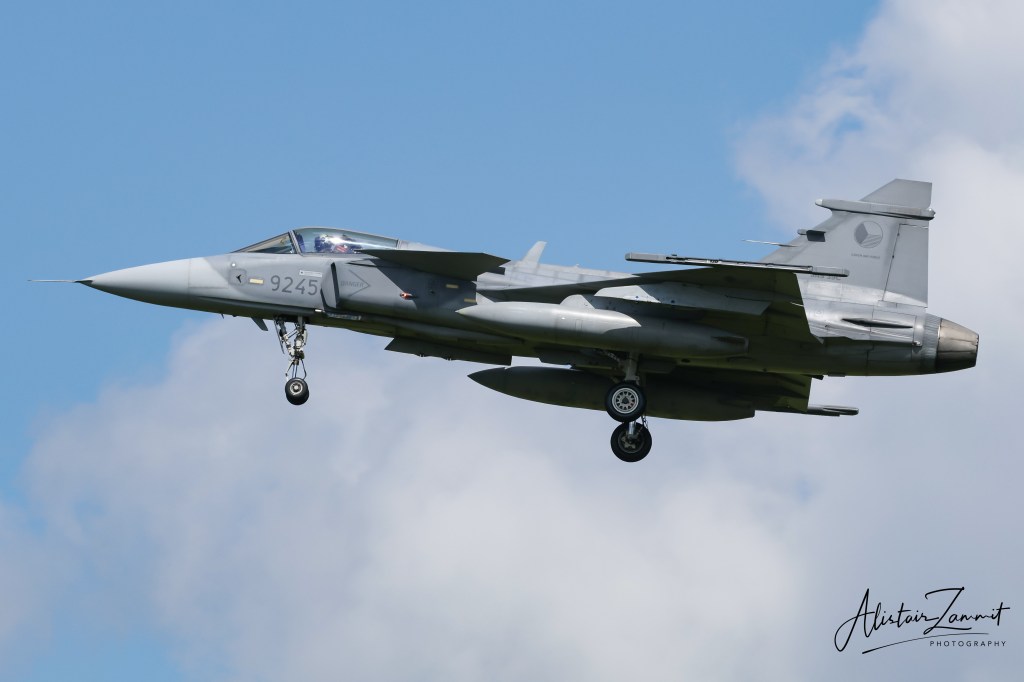
| 211 TL (CzAF) – Čáslav AB, CZE | JAS-39C/D Gripen |
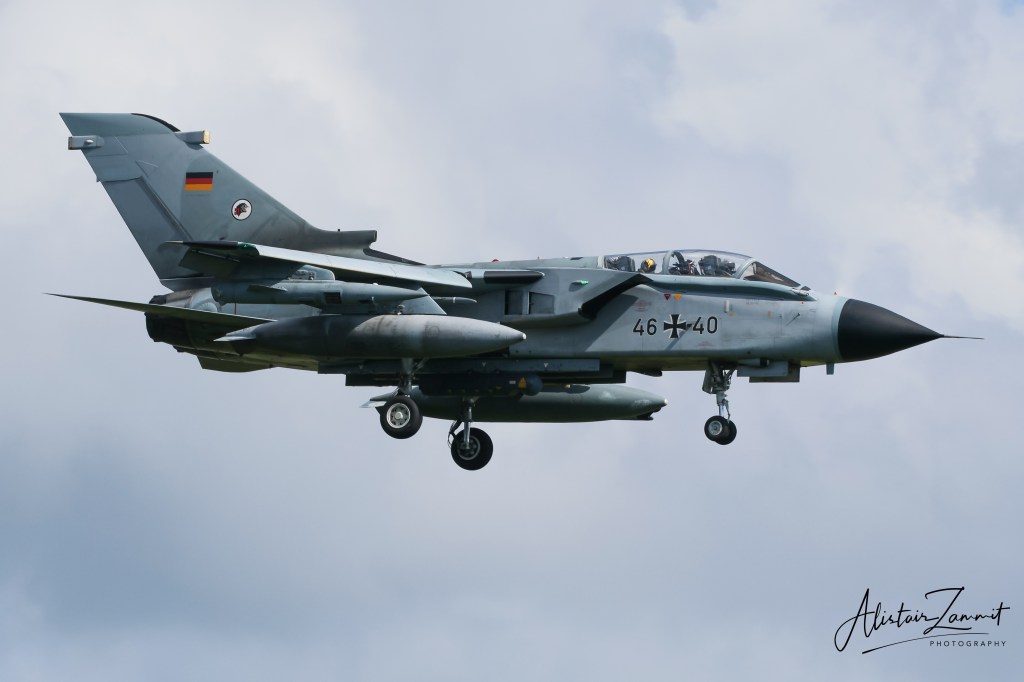
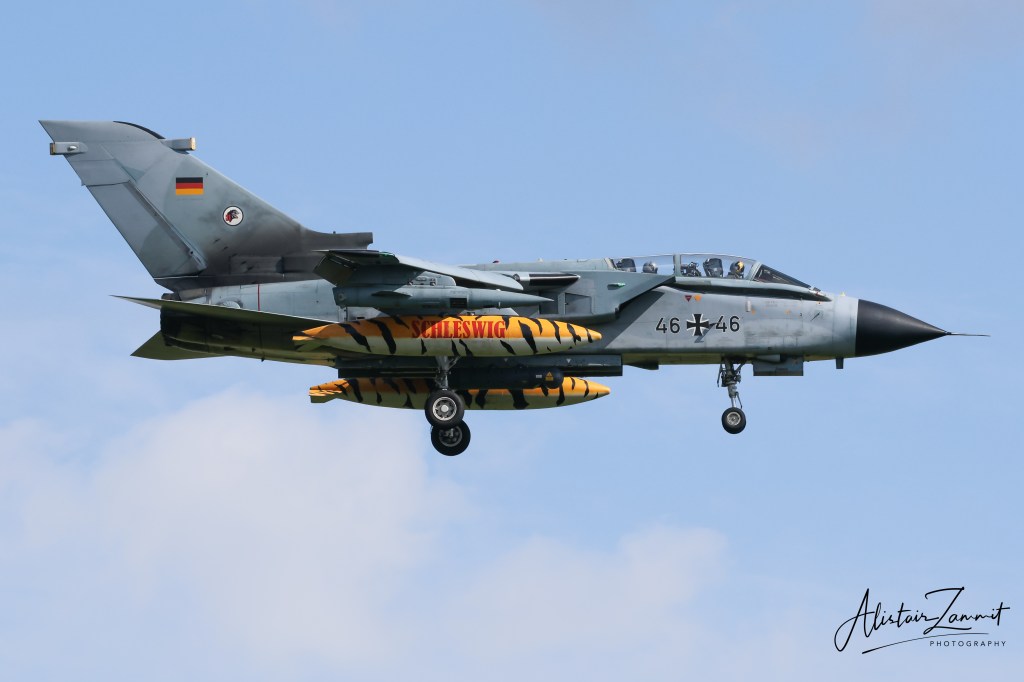
| TaktLwG 51 (GAF) – Schleswig AB, DEU | Tornado IDS & ECR |
| TaktLwG 51 (GAF) – Schleswig AB, DEU | Heron Mk II |
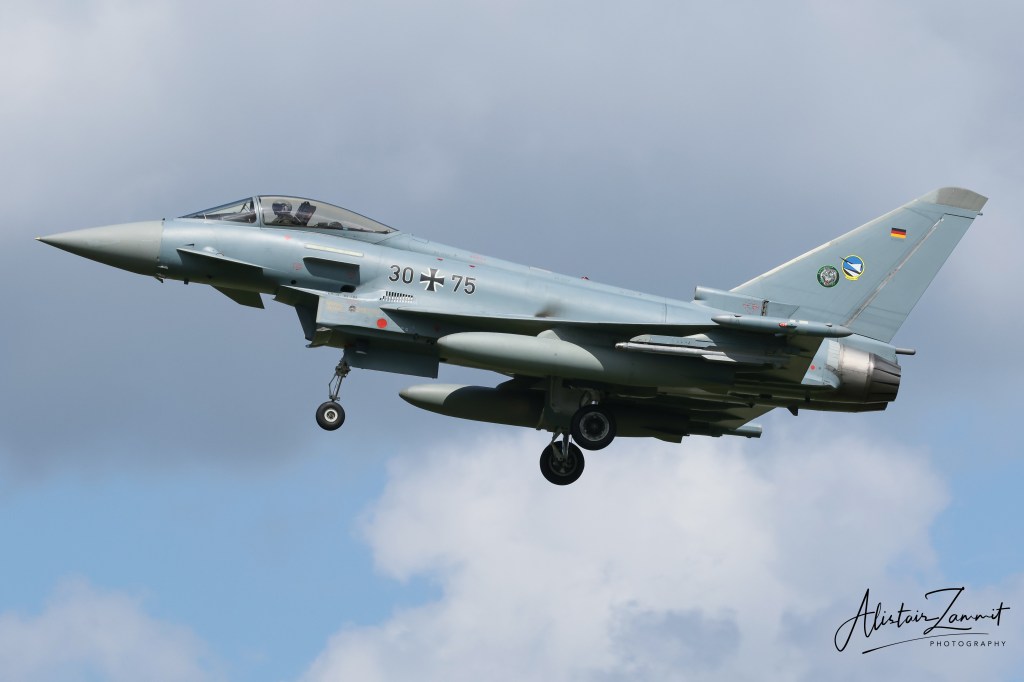
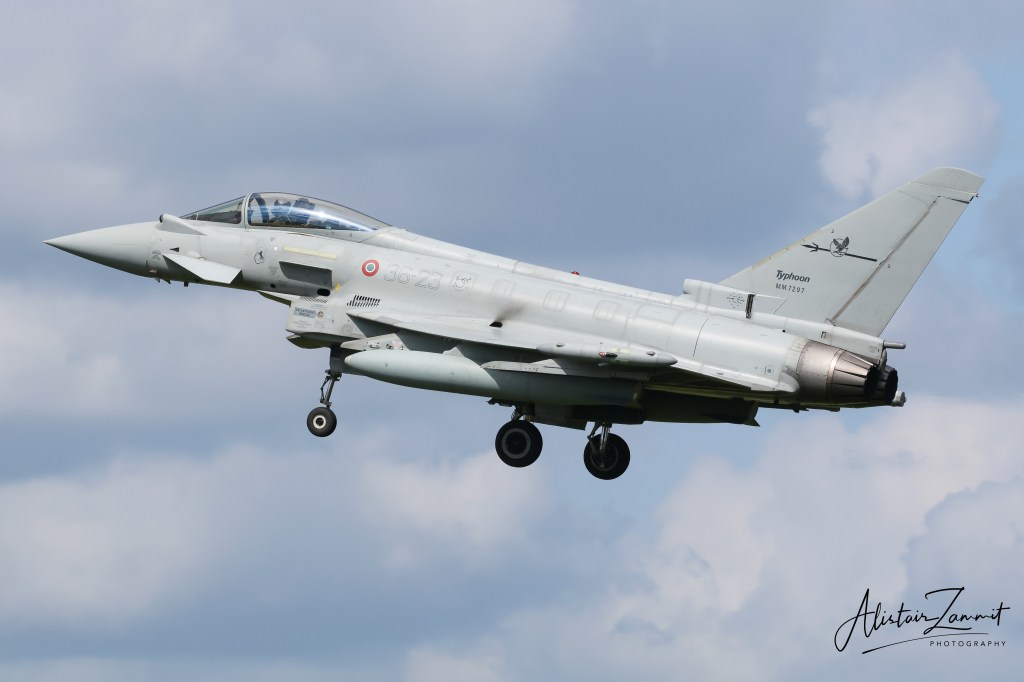
| 12° Gruppo (ItAF) – Gioia Del Colle AB, ITA | EF-2000 Eurofighter |
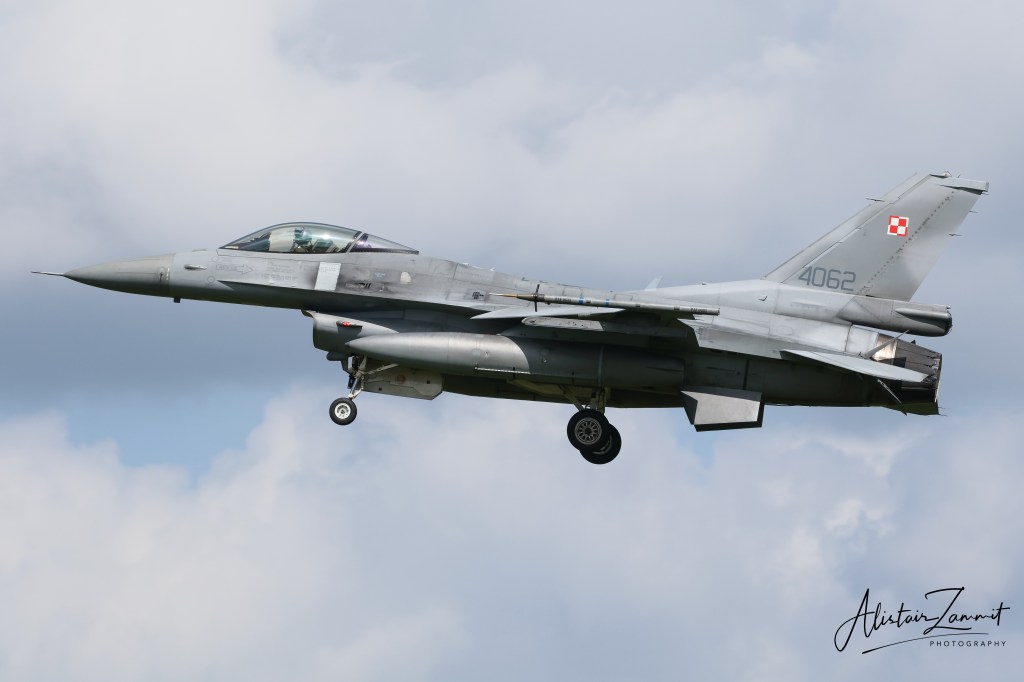
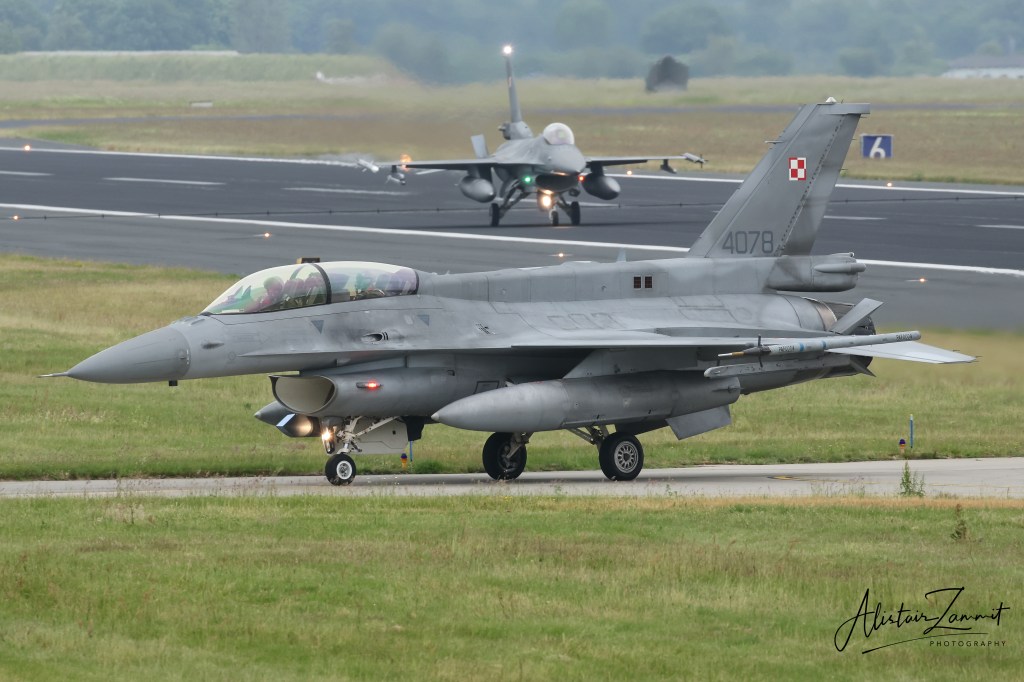
| 6 ELT (PolAF) – Poznań-Krzesiny AB, POL | F-16C/D Fighting Falcon |
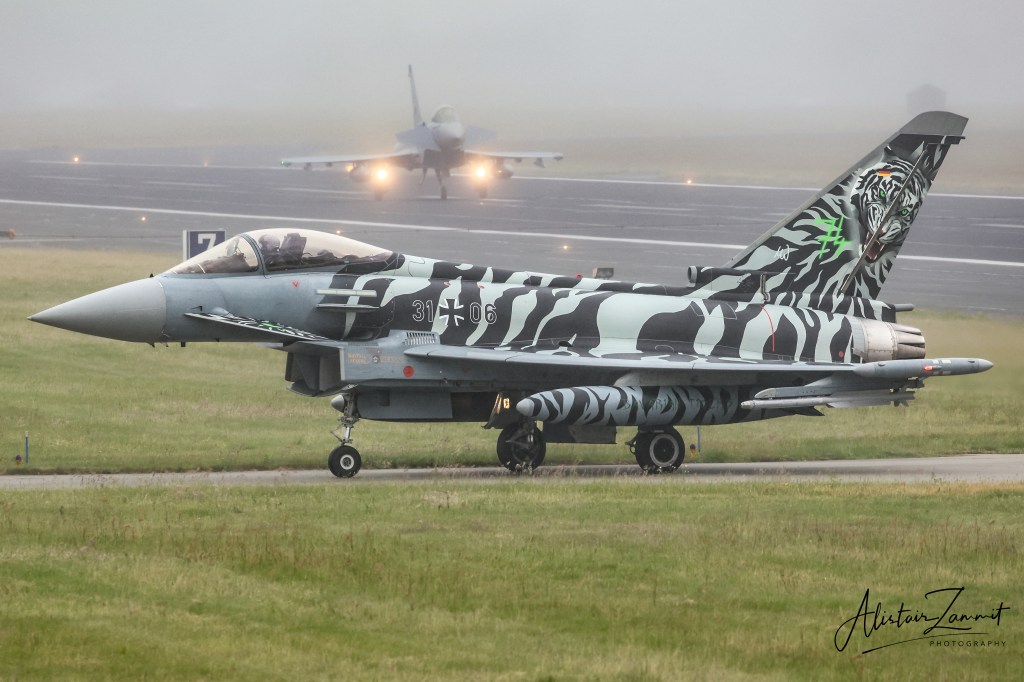
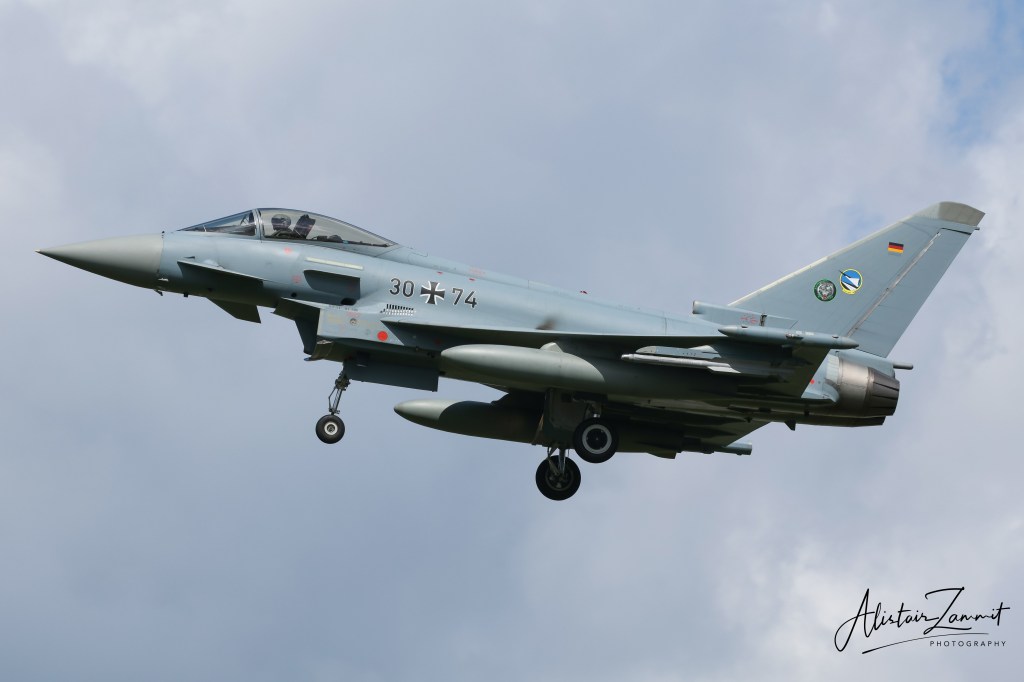
| TaktLwG 74 (GAF) – Neuburg AB, DEU | EF-2000 Eurofighter |
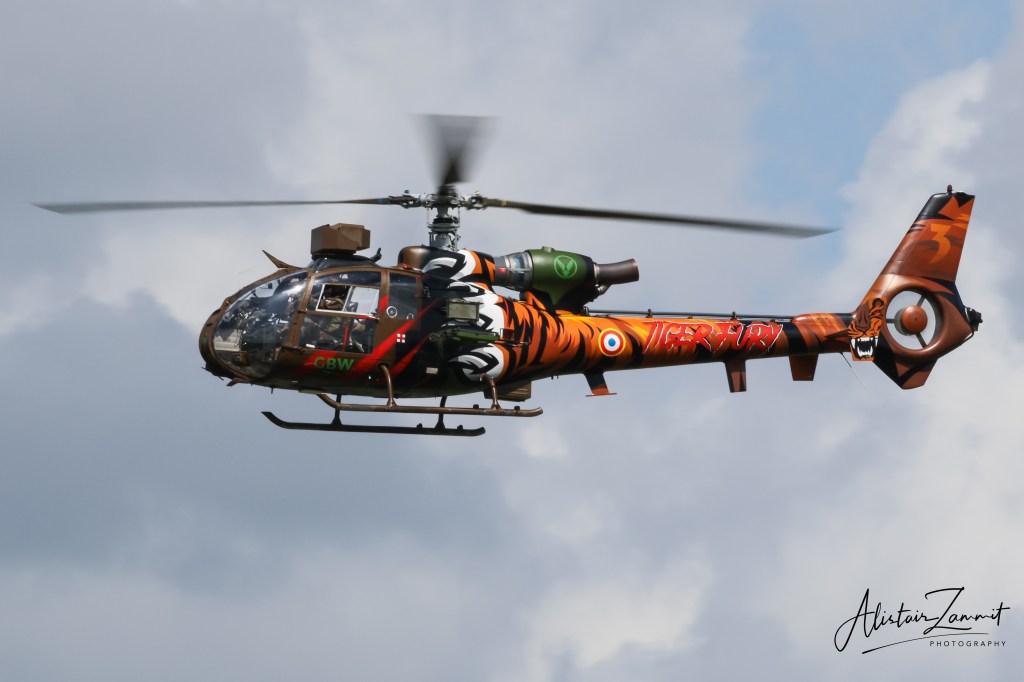
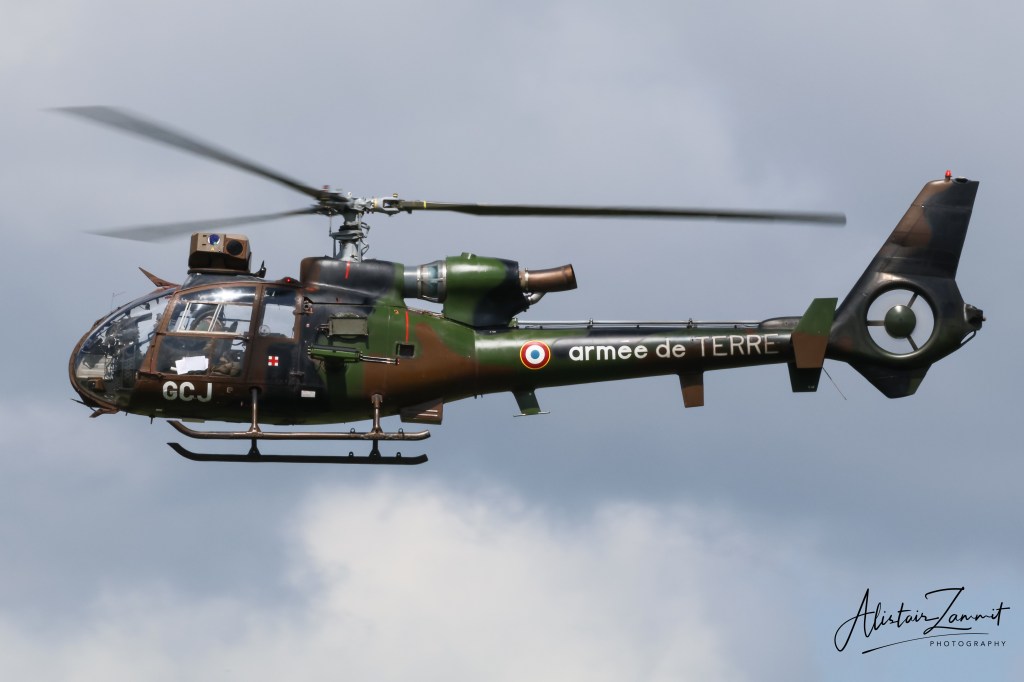
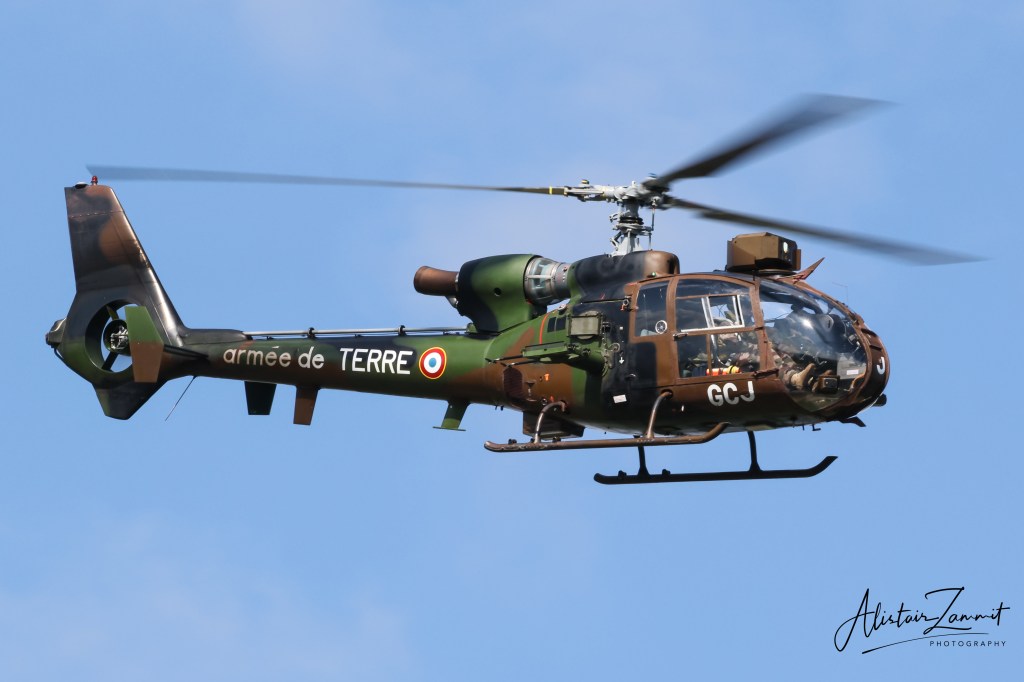
| EHRA 3 (ALAT) – BA Etain-Rouvres, FRA | SA-342M Gazelle |
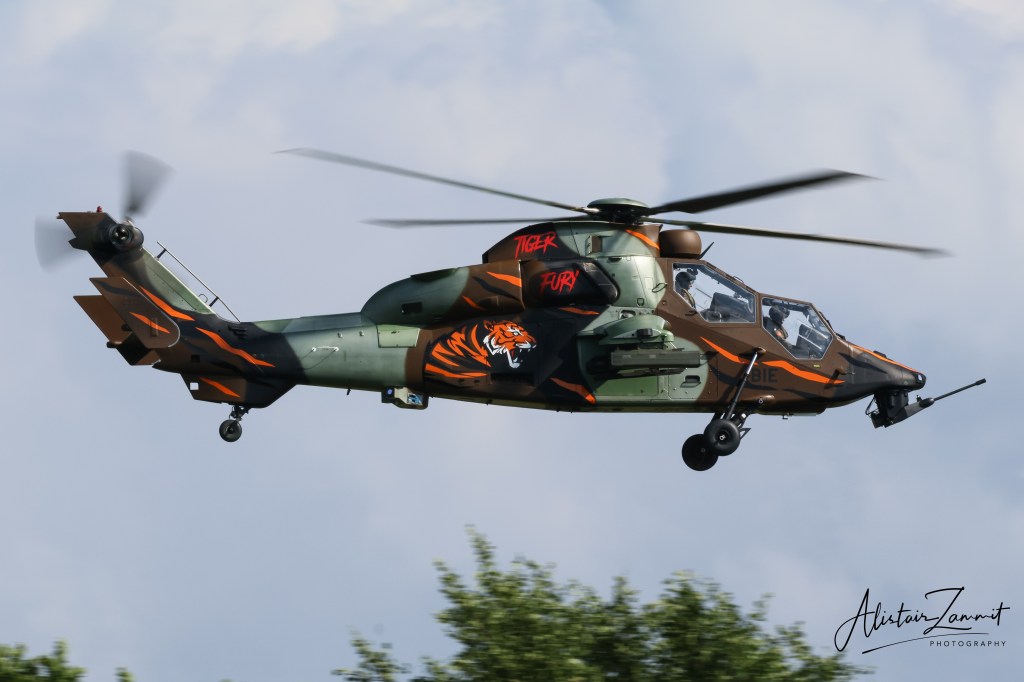
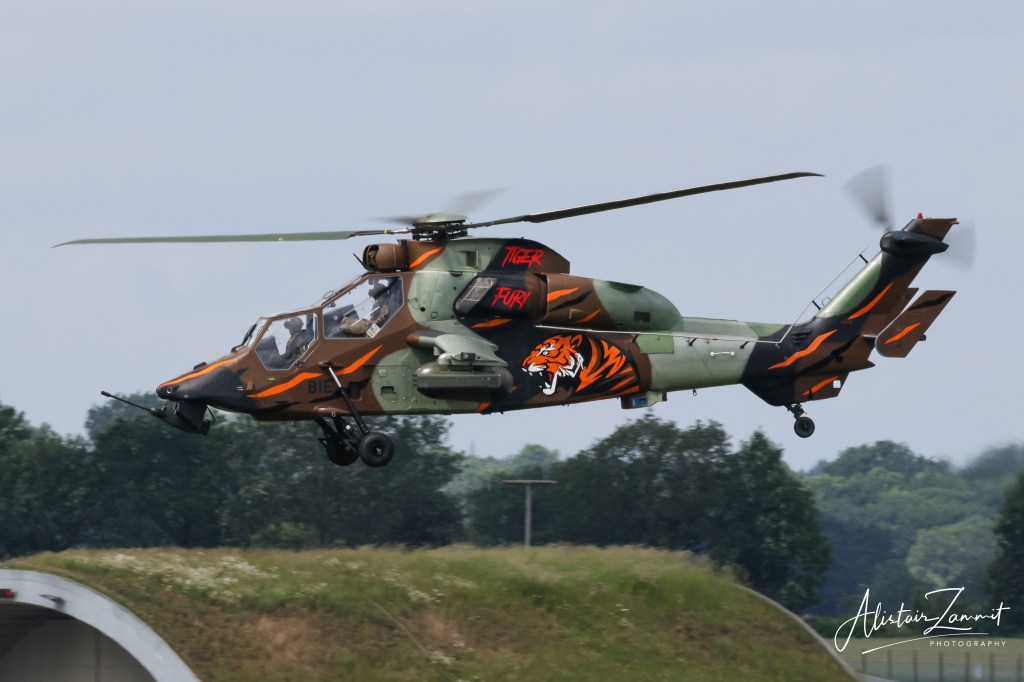
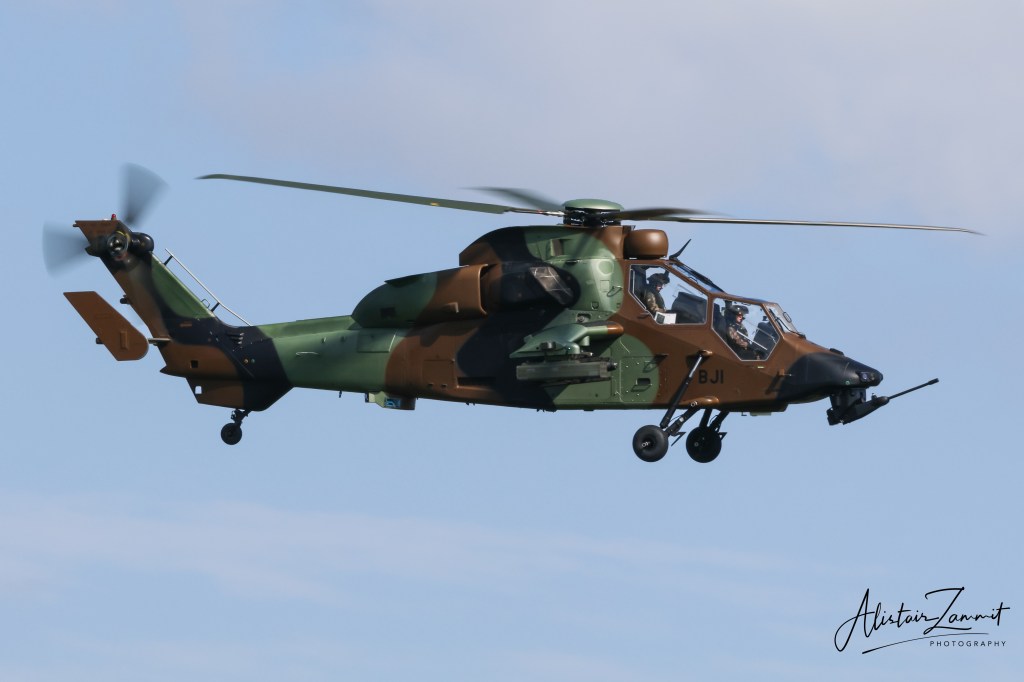
| EHRA 3 (ALAT) – BA Etain-Rouvres, FRA | EC-665 Tigre HAP |
| EHRA 3 (ALAT) – BA Etain-Rouvres, FRA | NH90 |
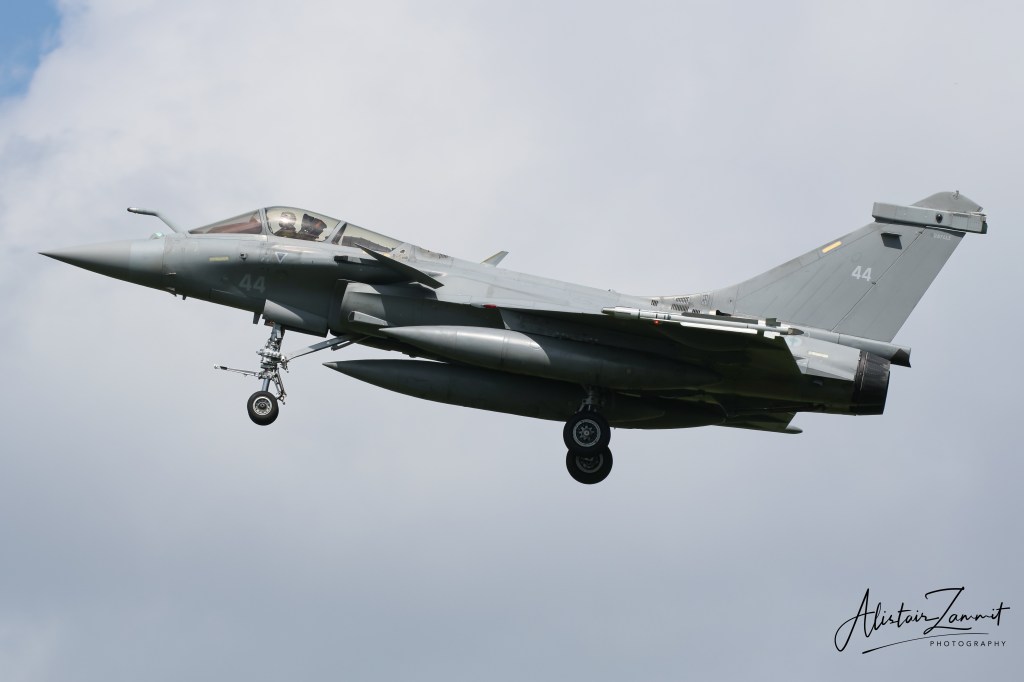
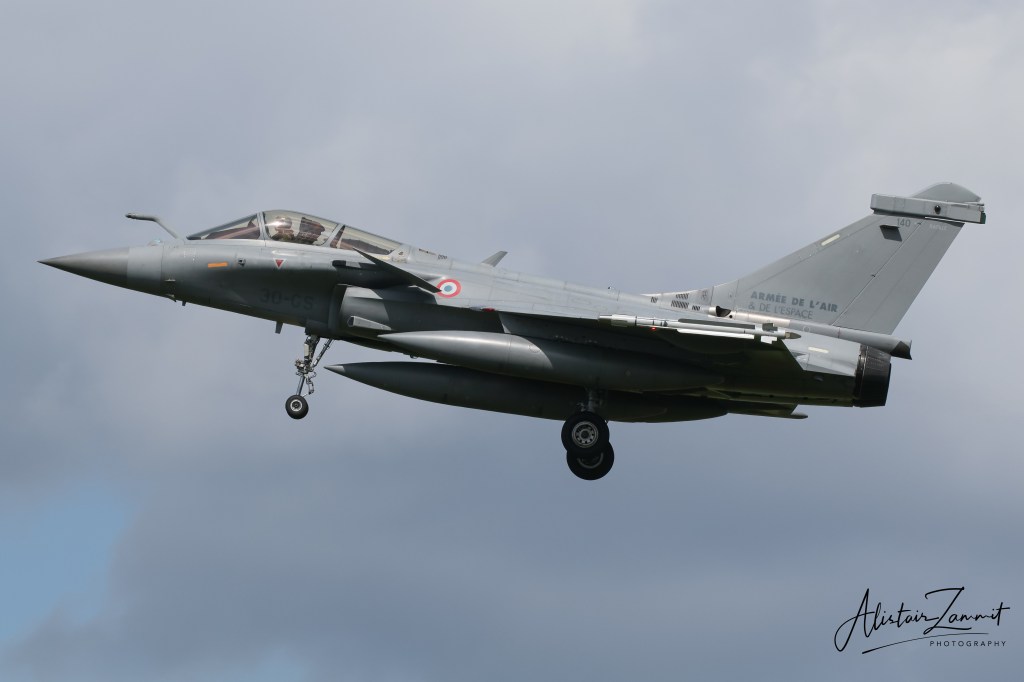
| EC 3/30 (FAF) – BA 118 Mont-de-Marsan, FRA | Rafale B/C |
| Observer | Role |
|---|---|
| 230 Sqn (RAF) – RAF Benson, GBR | Observers Only |
| 2.Staffel (AAF) – Zeltweg AB | Observers Only |
| Visitor | Role |
|---|---|
| Esq 301 (PoAF) – BA5 Monte Real, PRT | Observers Only |
| 101/1 Sqn (HuAF) – Kecskemét AB, HUN | Observers Only |
| Flying from Other Location | Aircraft |
|---|---|
| 31 Smd (BAF) – Kleine Brogel AB, BEL | F-16A/B MLU Fighting Falcon Flying from Kleine Brogel |
| 313 Sqn (RNlAF) – Vlb. Volkel, NLD | F-35 Lightning II Flying from Volkel |
| 1 AEW&C (NATO) – Geilenkirchen MOB, DEU | E-3A Sentry Flying from MOB |
| External Participant | Aircraft / Role |
|---|---|
| 3/MFG 5 (MF) – Nordholz AB, DEU | Super Lynx Mk88A |
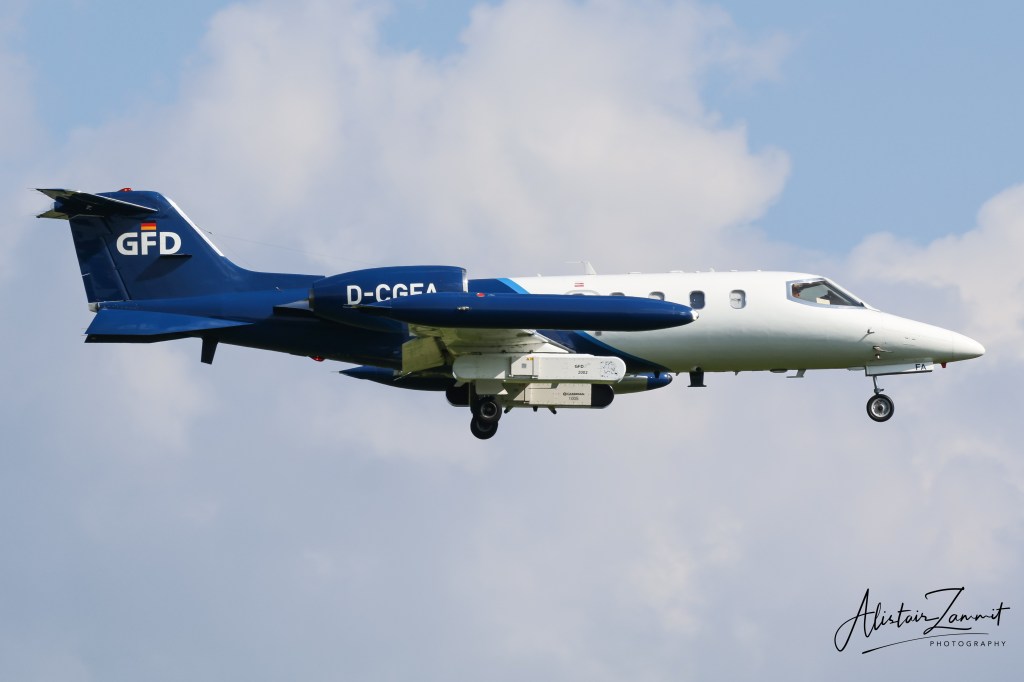
| GFD (CIVIL) – Hohn AB, DEU | Learjet |
| Top Aces (Civil) – Nordholz AB, DEU | A-4N Skyhawk Flying from Nordholz AB |
| VMFA-542 (USMC) – Cherry Point MCAS, USA | observers only |
The objectives of Tiger Meet 2024 extended well beyond individual flying proficiency. A central focus of the exercise was the execution of Composite Air Operations, where aircraft from different nations and squadrons planned and flew missions as a single, coherent force. These operations required meticulous coordination, shared situational awareness, and mutual trust, particularly as crews adapted to differing national procedures and communication styles. The demanding tempo of the exercise ensured that leadership, decision-making, and adaptability were tested as rigorously as technical flying skills.
Ground crews and support personnel played an equally vital role throughout NATO Tiger Meet 2024. Maintaining aircraft availability in a high-tempo, multinational environment required close cooperation among maintenance teams, logisticians, and planners from different nations. This behind-the-scenes collaboration reinforced one of the enduring lessons of the Tiger Meet: that operational success in modern air warfare depends as much on integration on the ground as it does in the air.
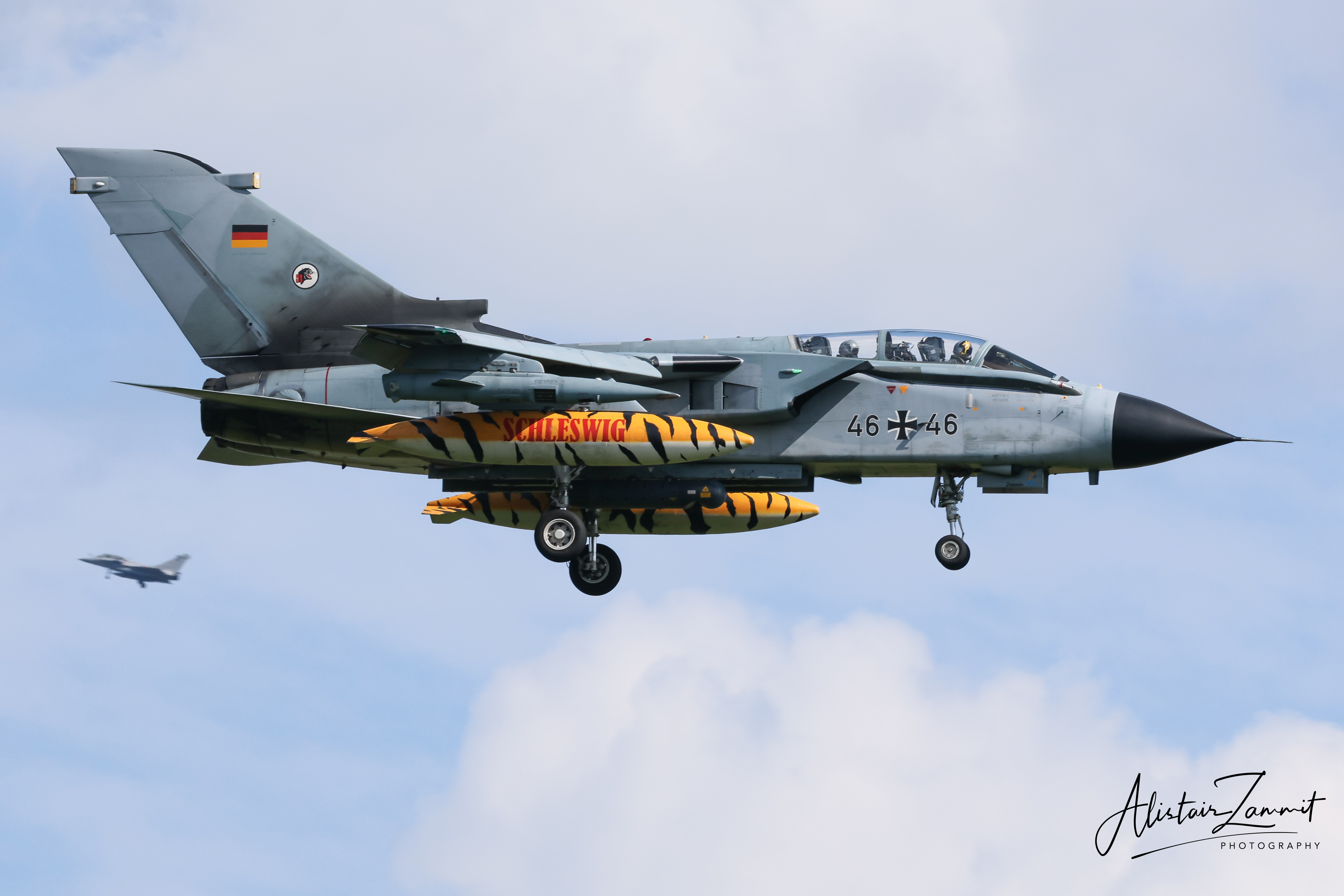
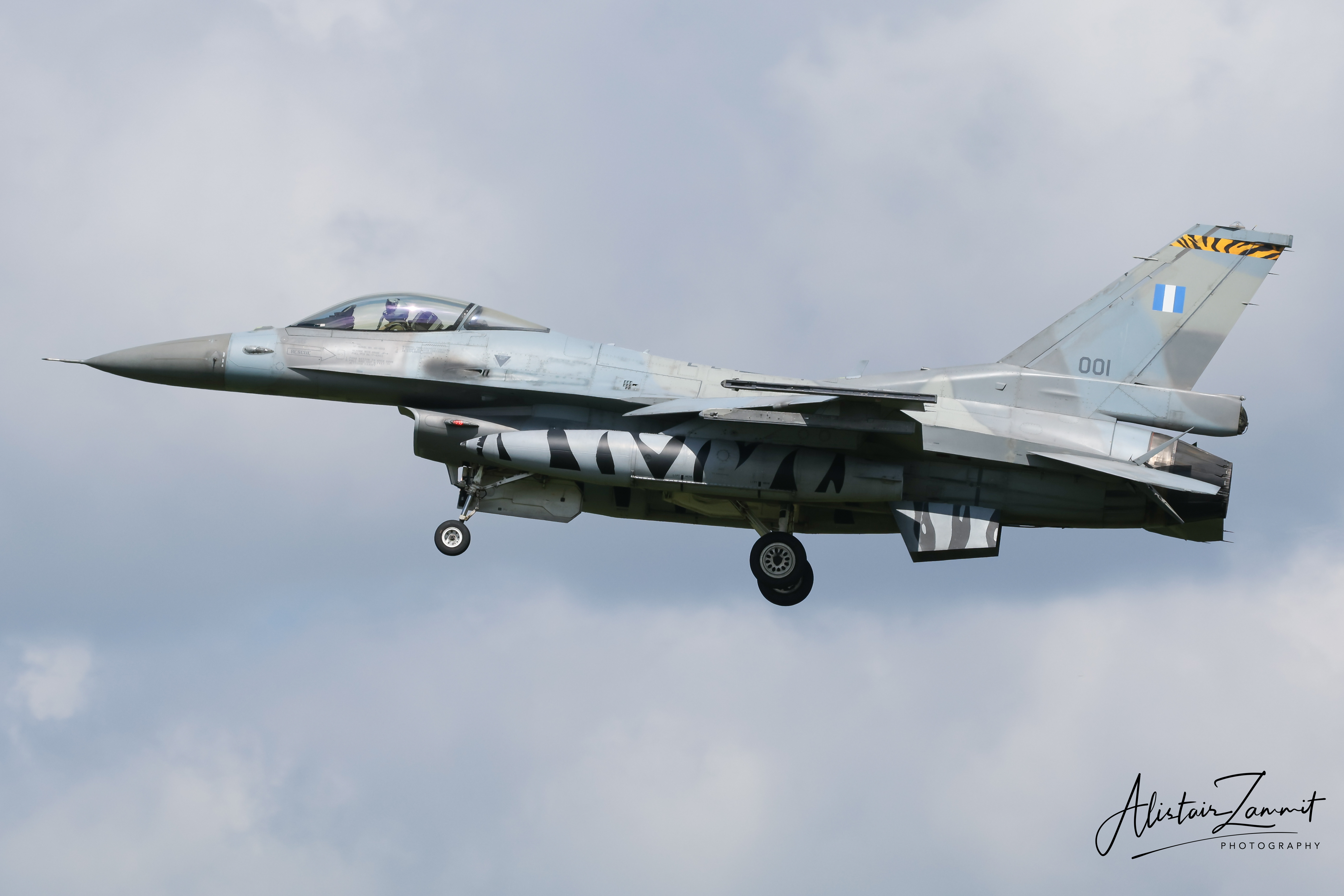
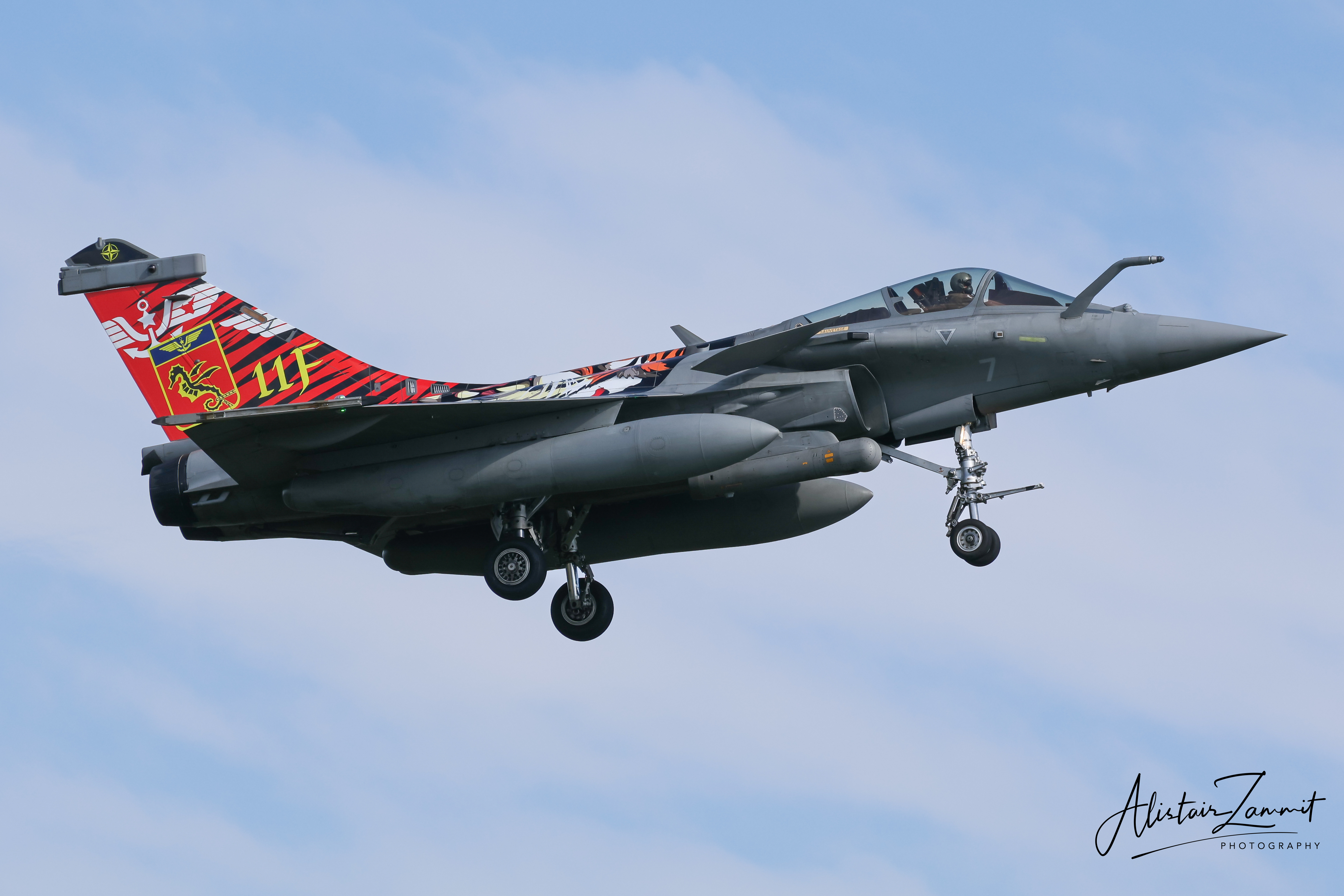
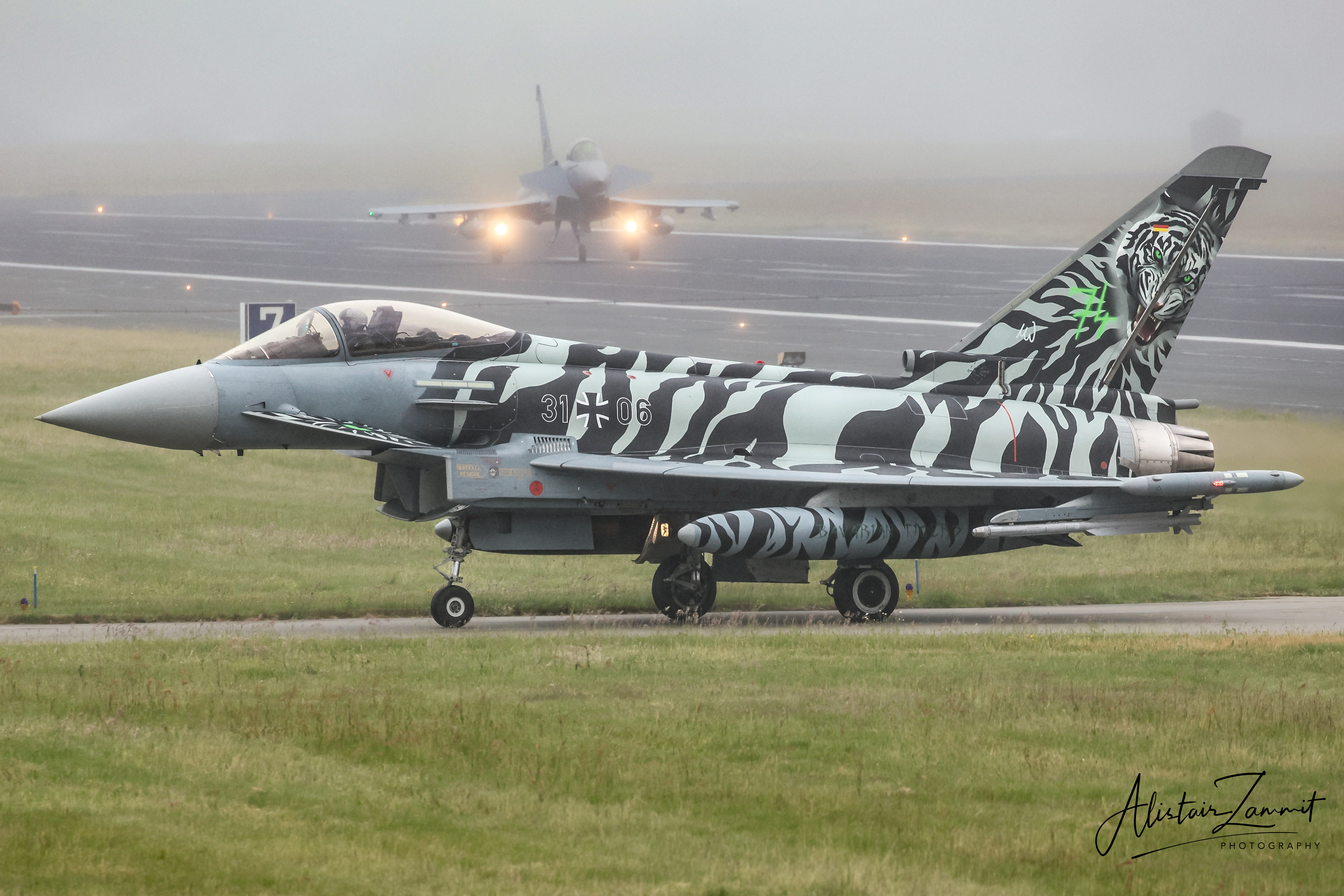
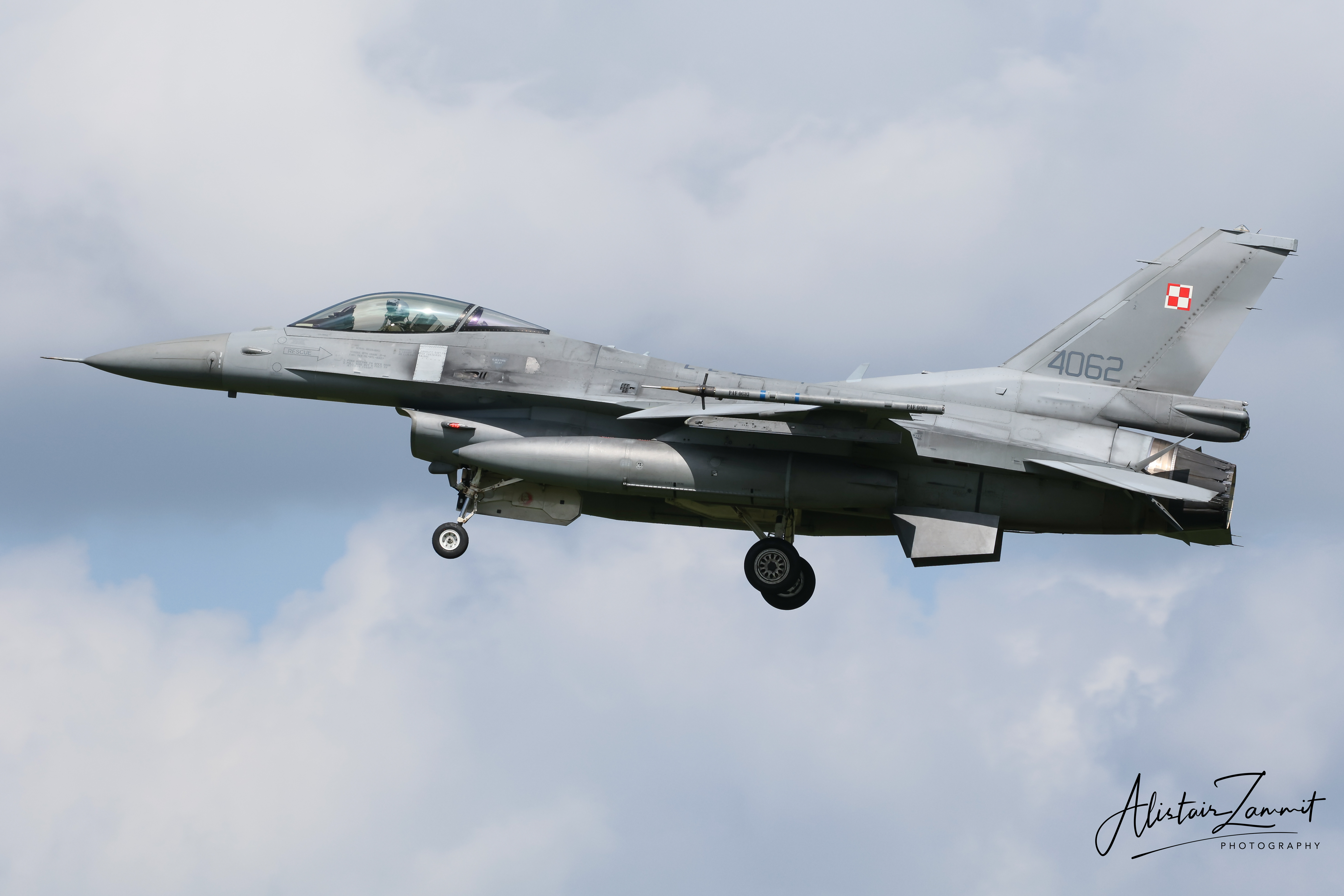
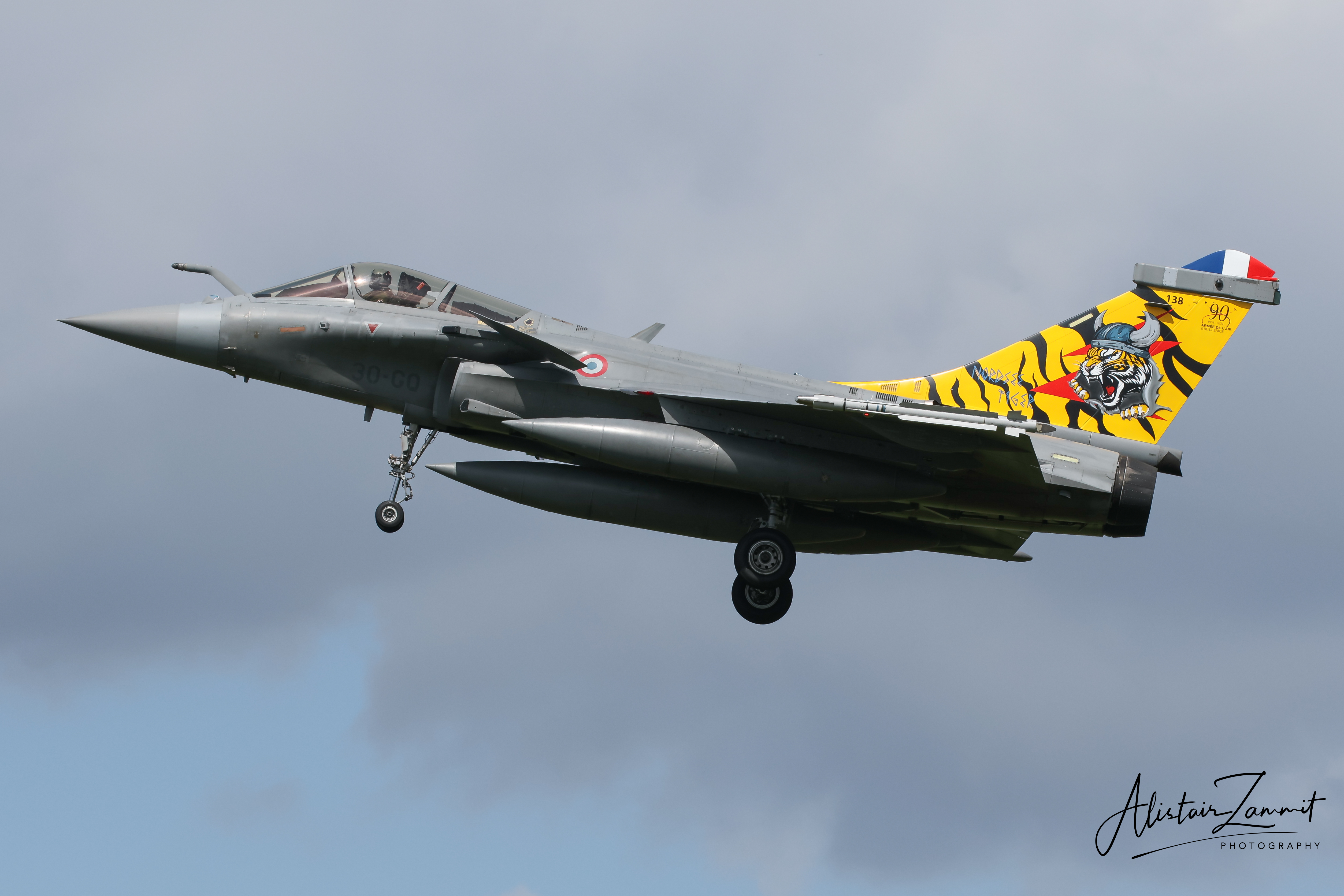
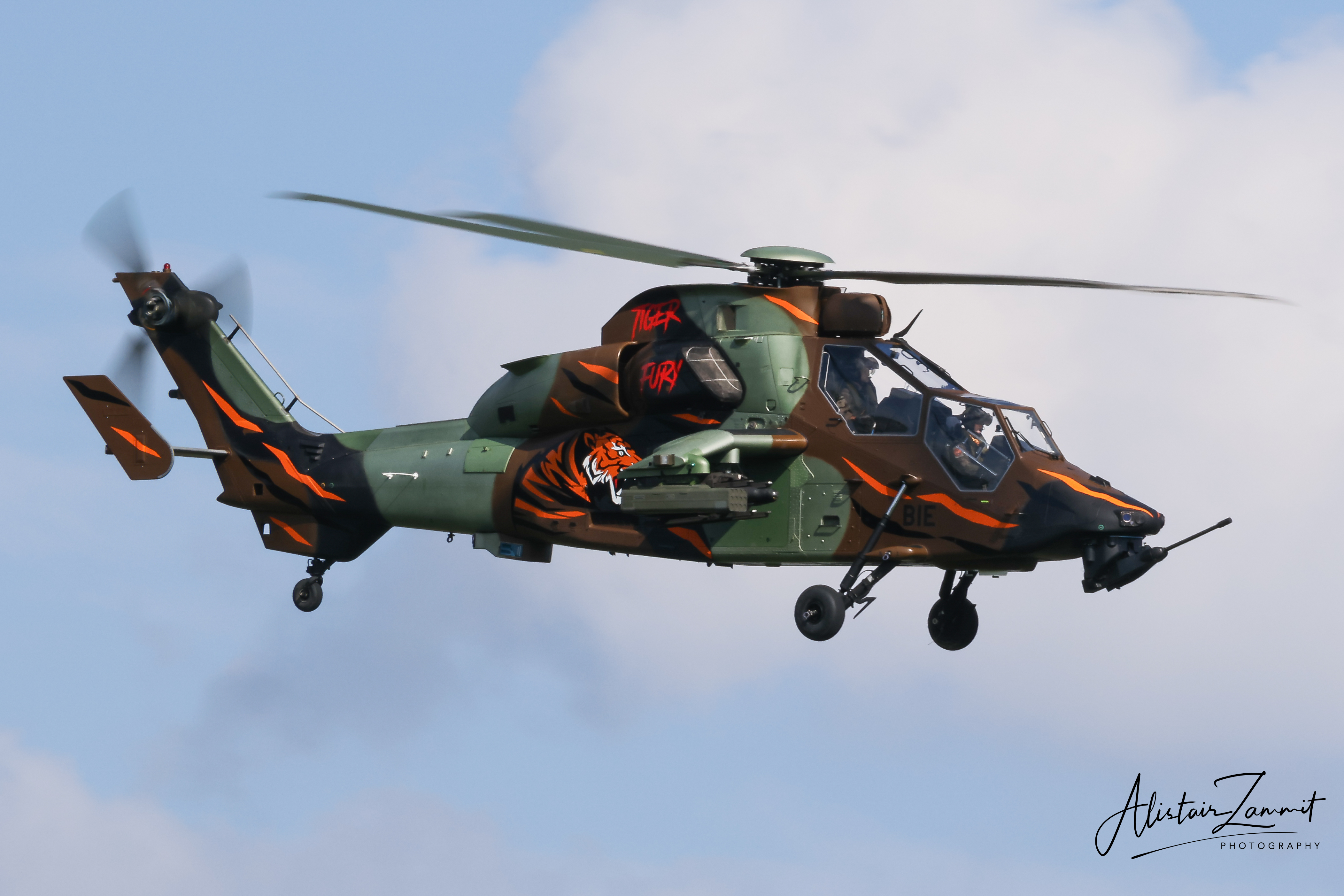
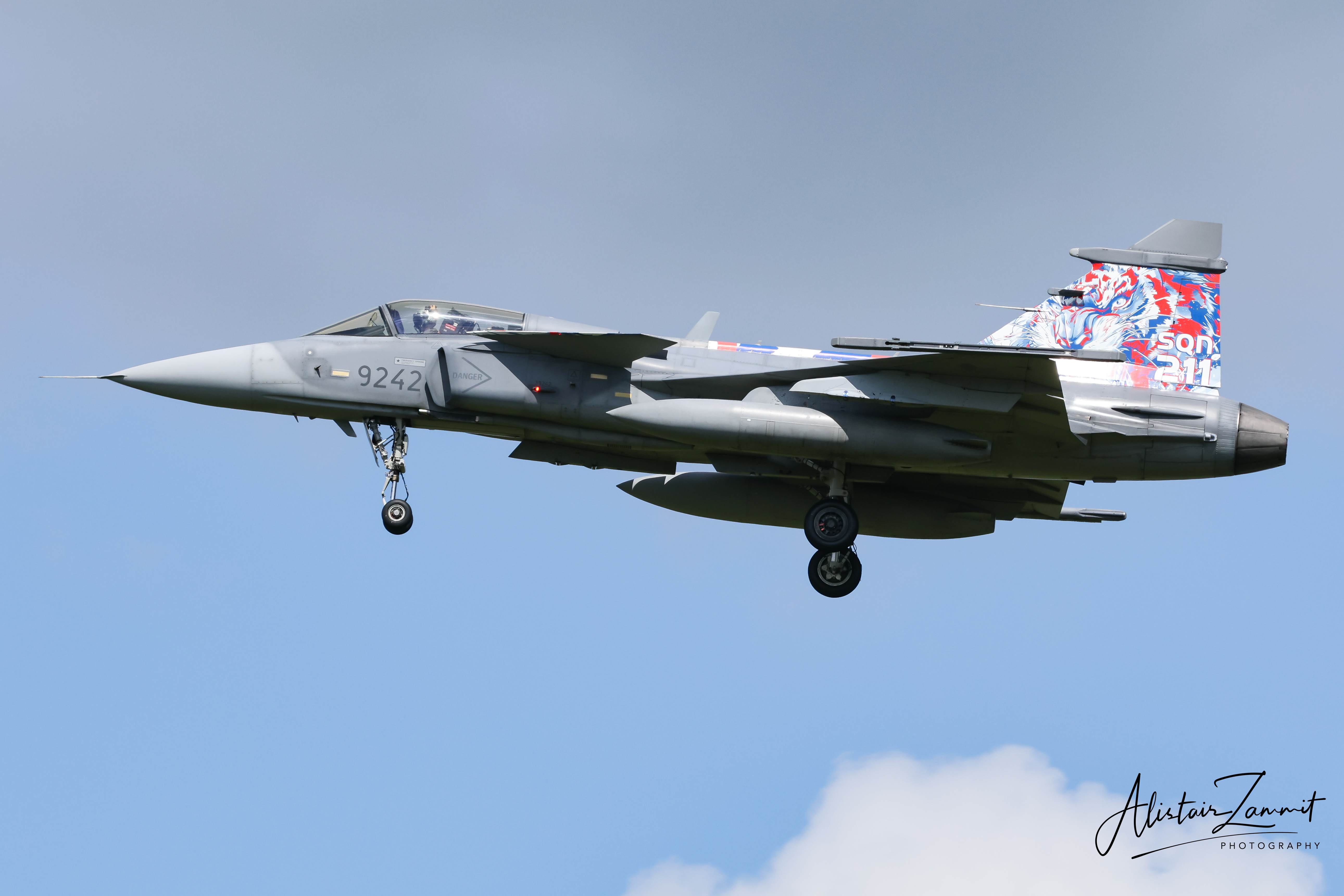
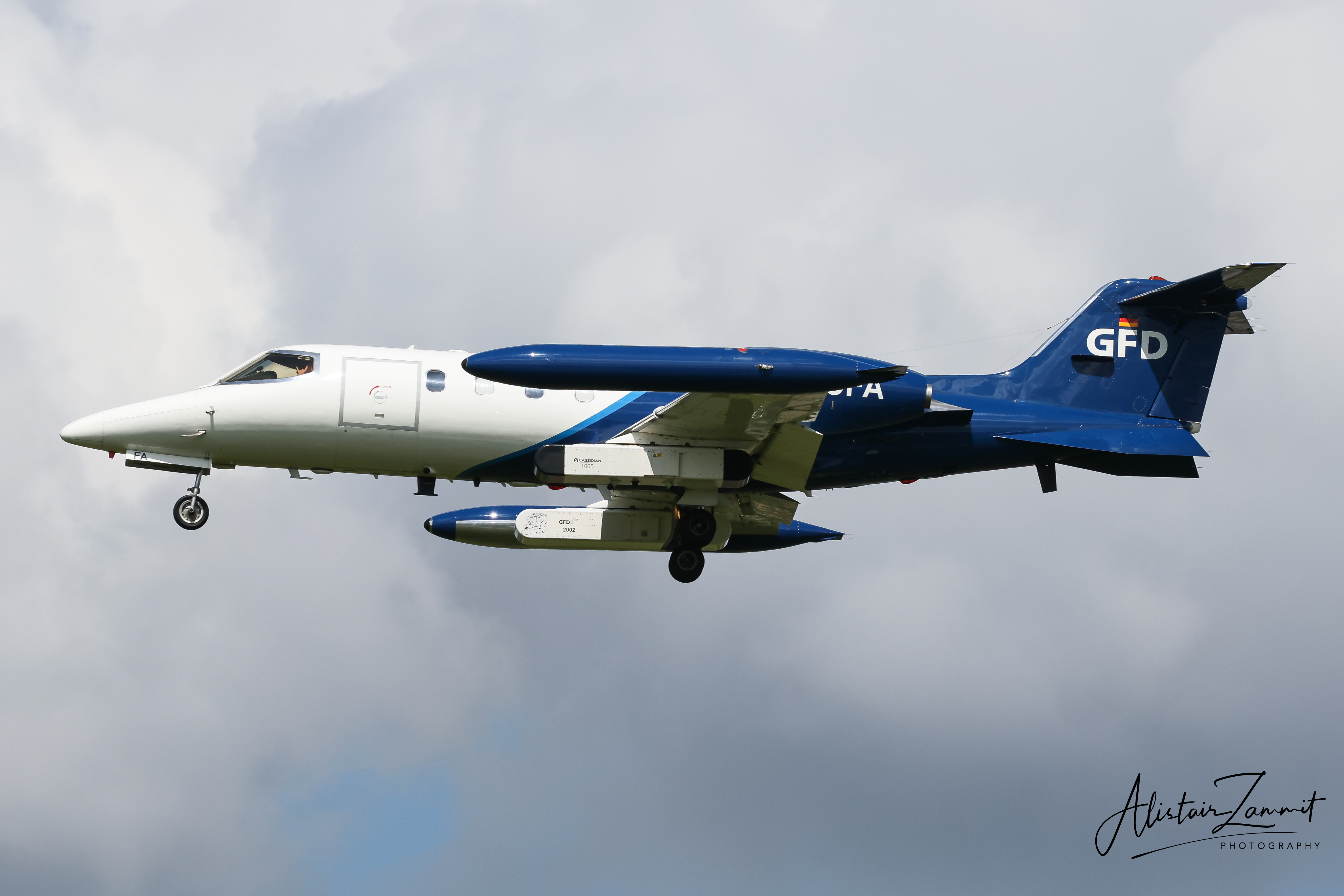
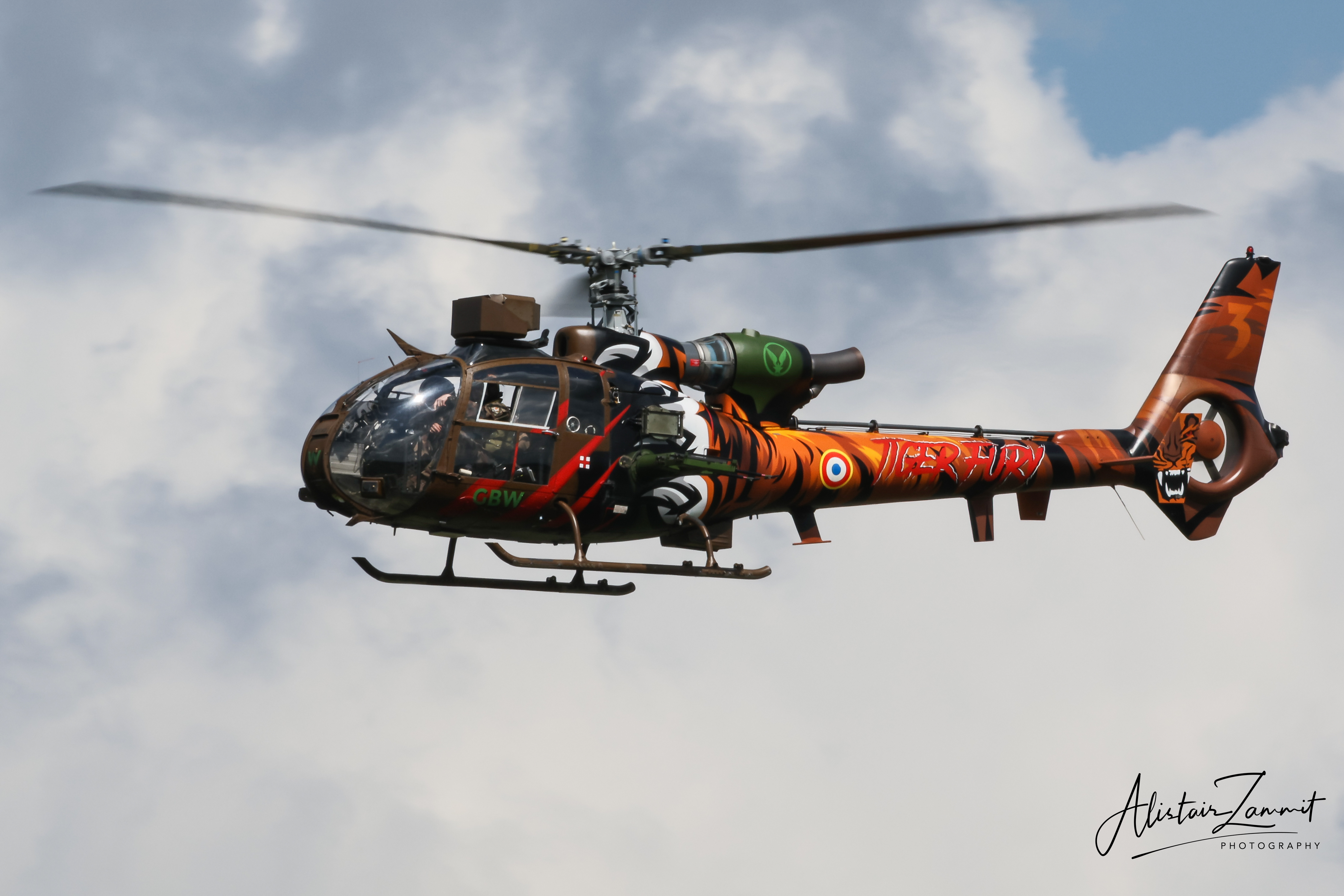
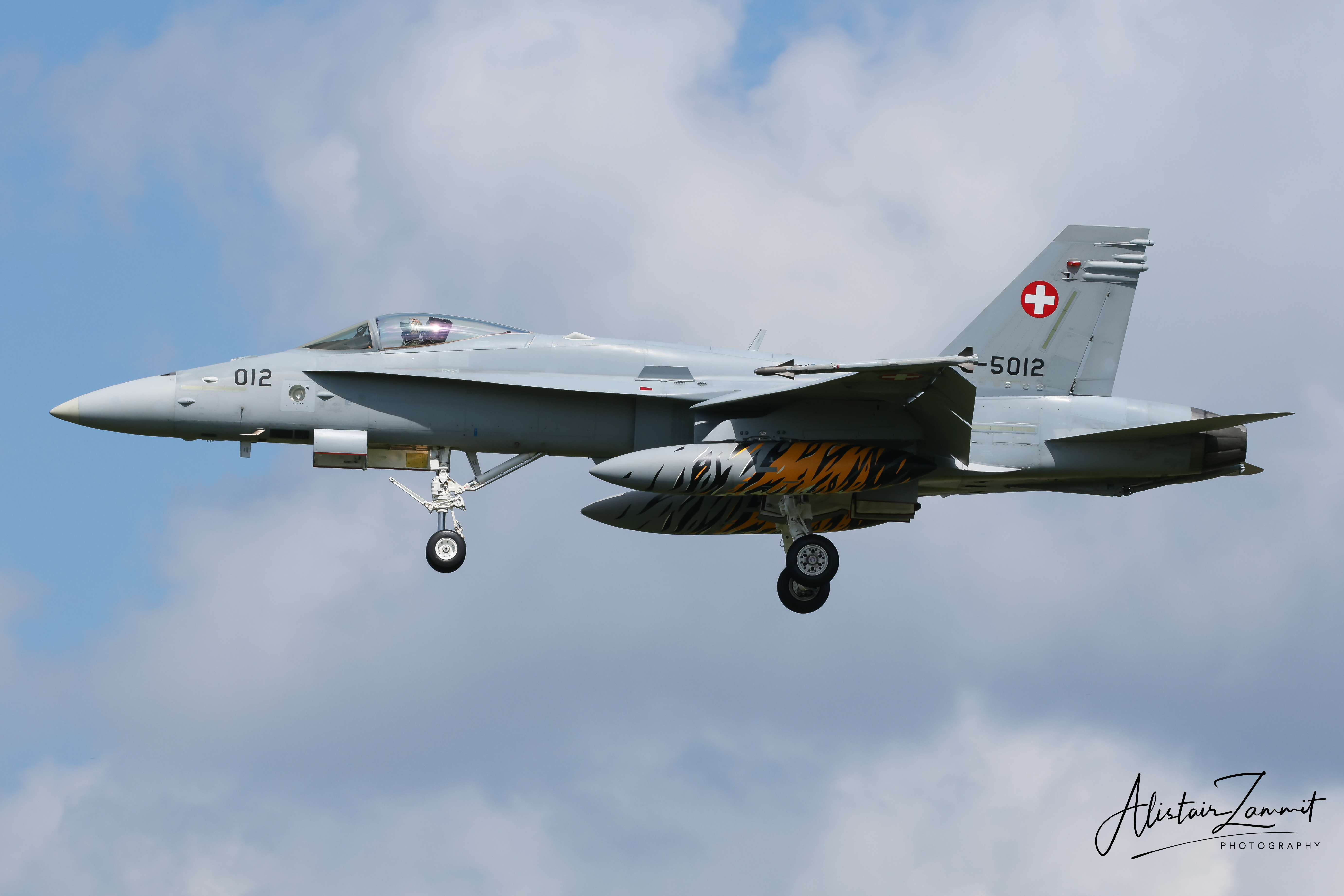
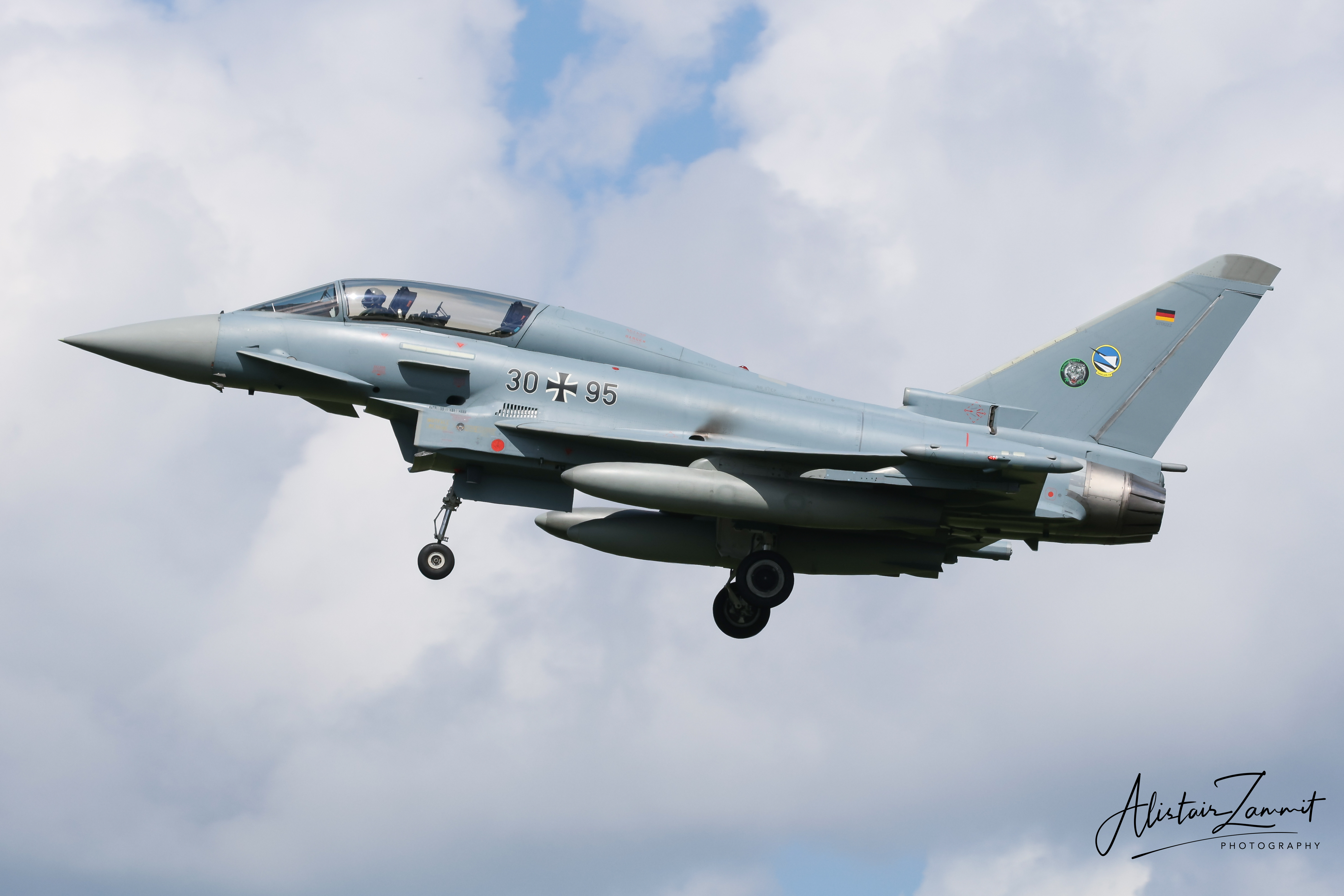
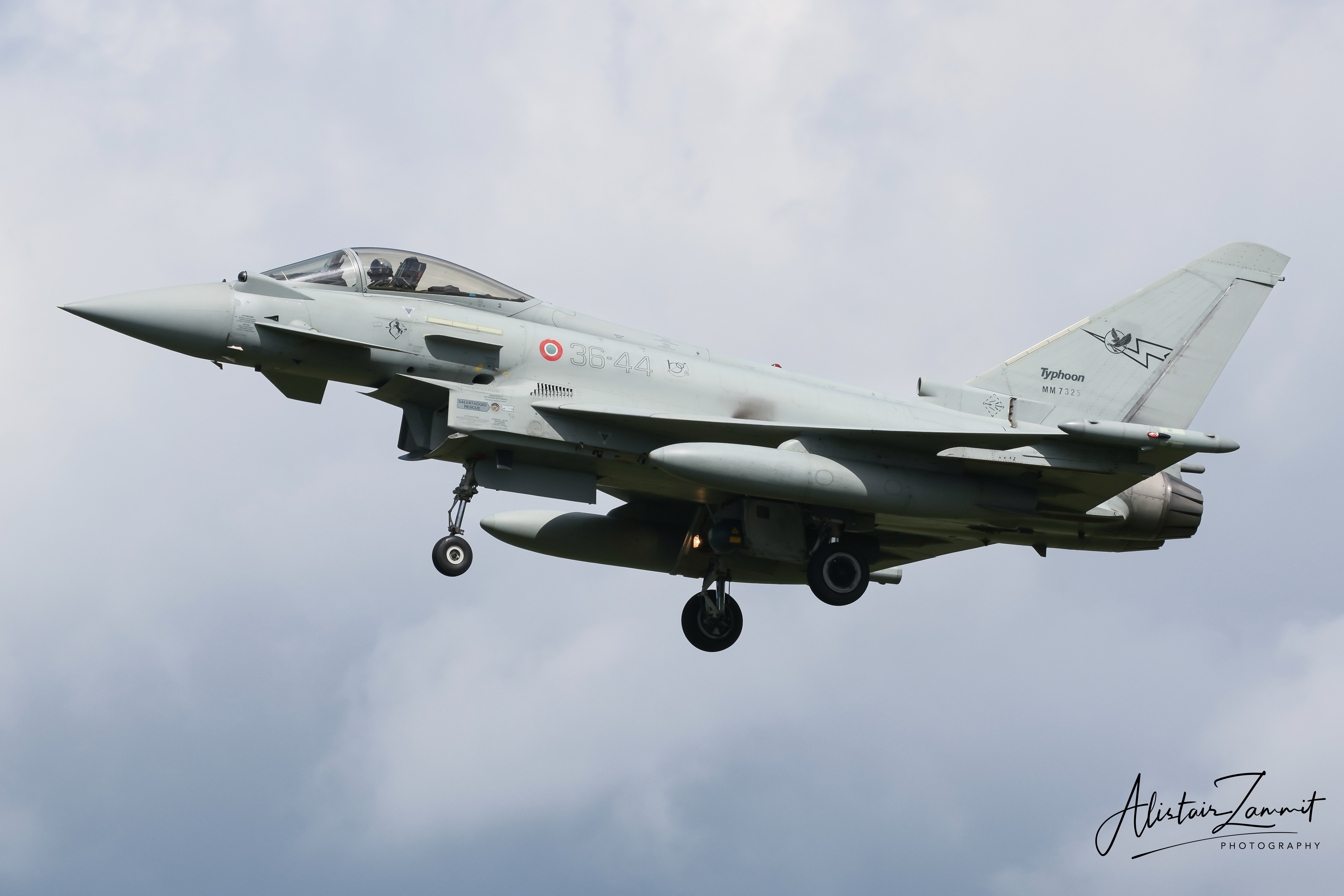
While tactical training remains at the heart of the NATO Tiger Meet, its cultural and symbolic dimensions continue to set it apart from other exercises. Tiger Meet 2024 upheld long-standing traditions, including the display of special tiger-themed aircraft liveries and squadron insignia, which serve both as morale boosters and as powerful expressions of unit identity. These visual elements, far from being superficial, reinforce the bonds between squadrons and help foster the trust and mutual respect that underpin effective coalition operations.
In the broader context of NATO air power, NATO Tiger Meet 2024 demonstrated the enduring relevance of the exercise in an increasingly complex security environment. As allied air forces confront challenges ranging from high-intensity conflict to hybrid threats, the ability to operate seamlessly with partners remains critical. The Tiger Meet continues to provide a unique forum where tactical excellence, leadership development, and alliance cohesion converge, ensuring that its participants leave better prepared for the realities of modern air operations.
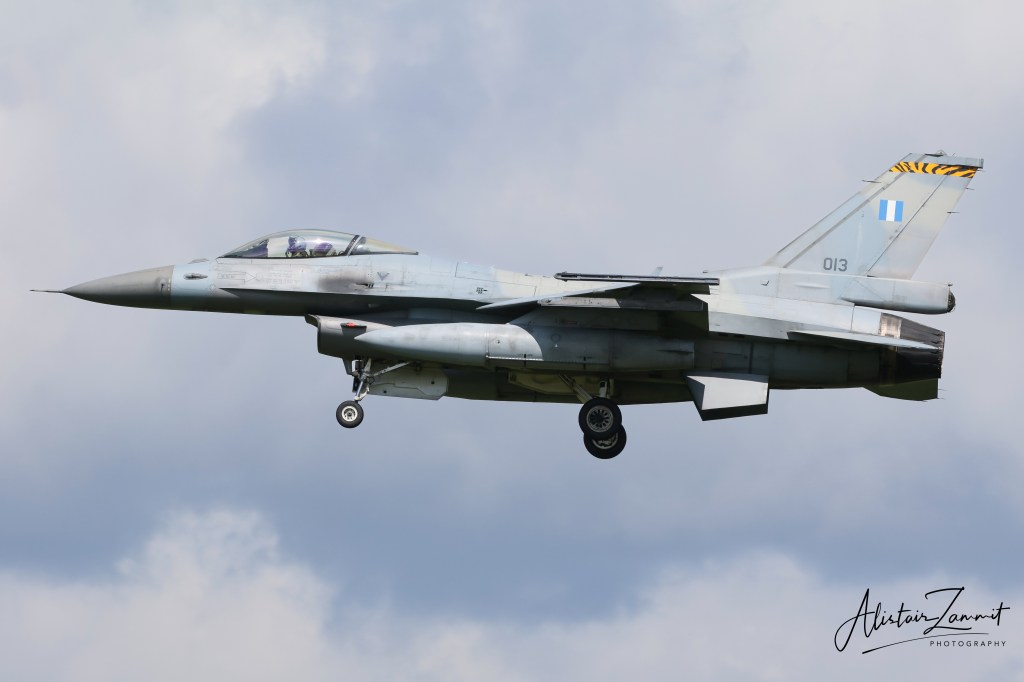
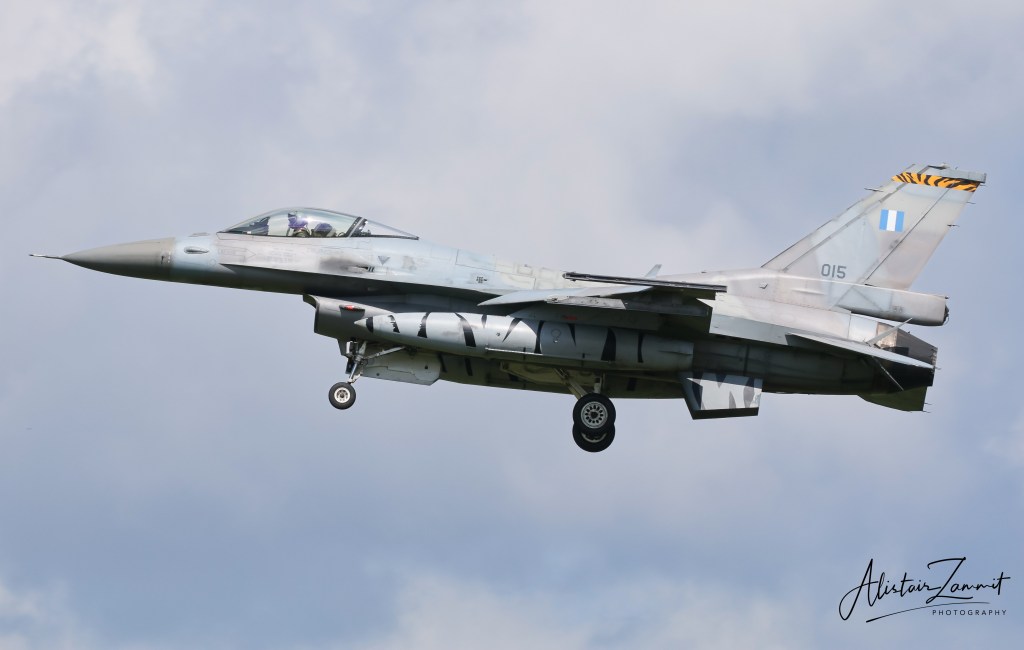


Conclusion
More than six decades after its inception, the NATO Tiger Meet remains a vivid expression of multinational cooperation in action. NATO Tiger Meet 2024 reaffirmed that, while technology and tactics may evolve, the human dimension of air power, trust, professionalism, and shared purpose, remains decisive.
 alistairzammitphotography.com