
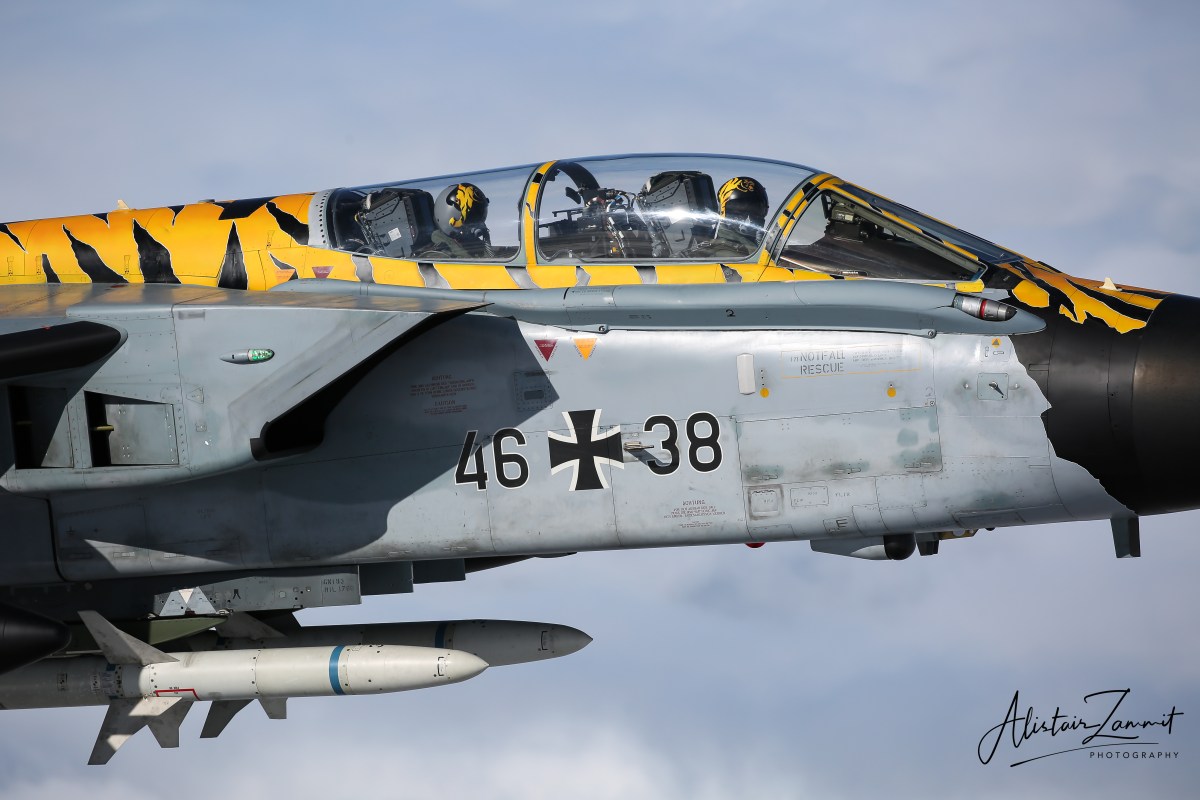
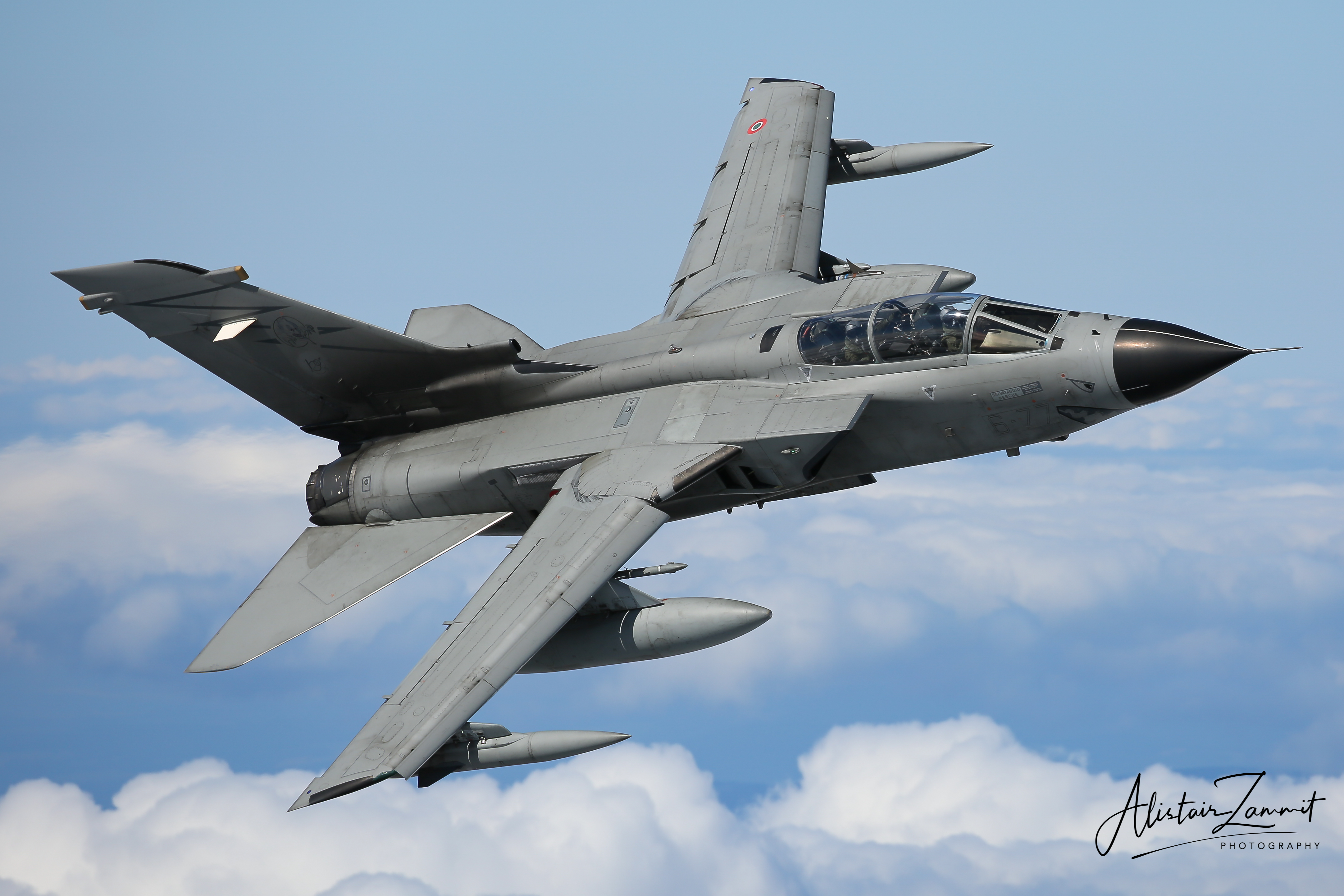
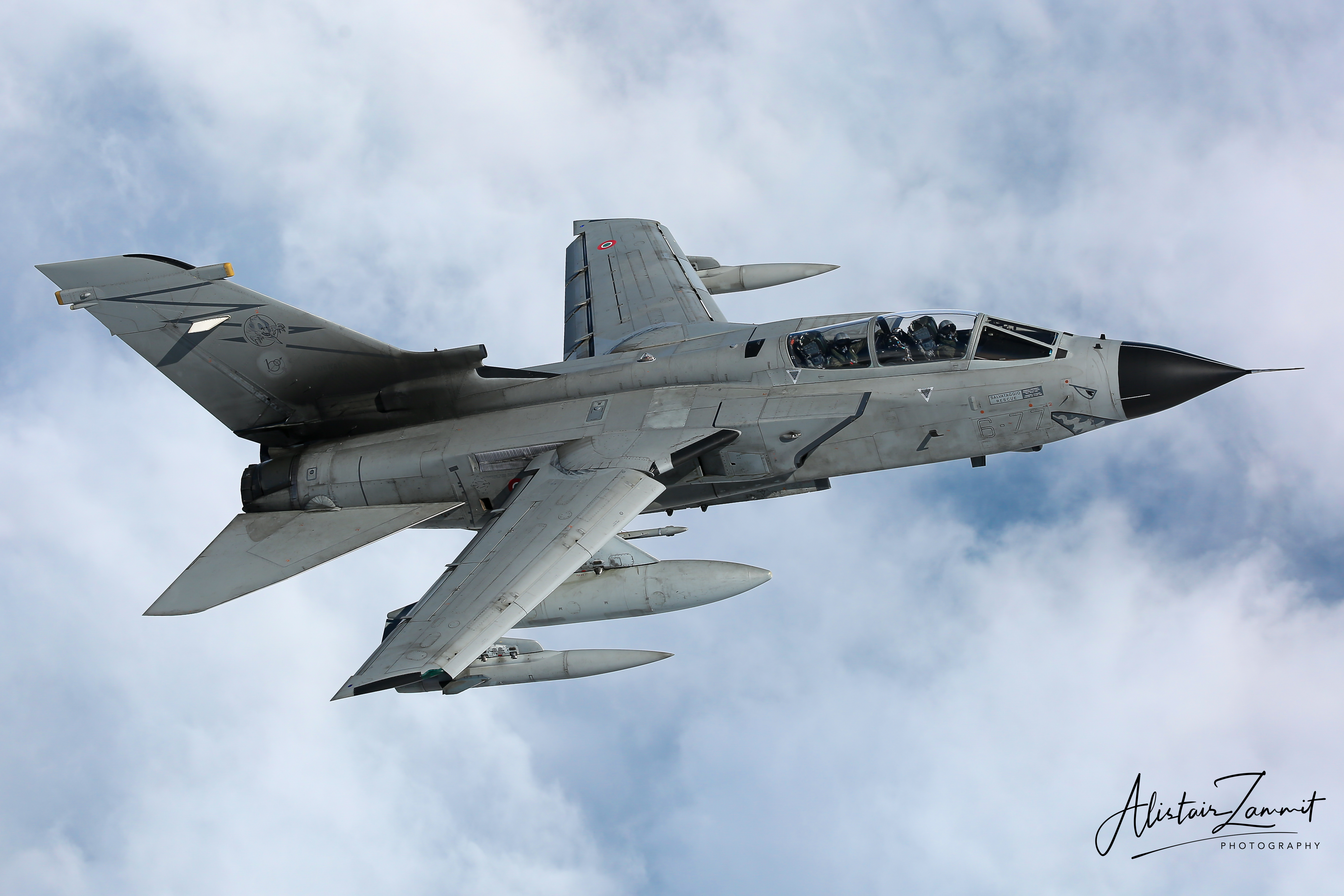
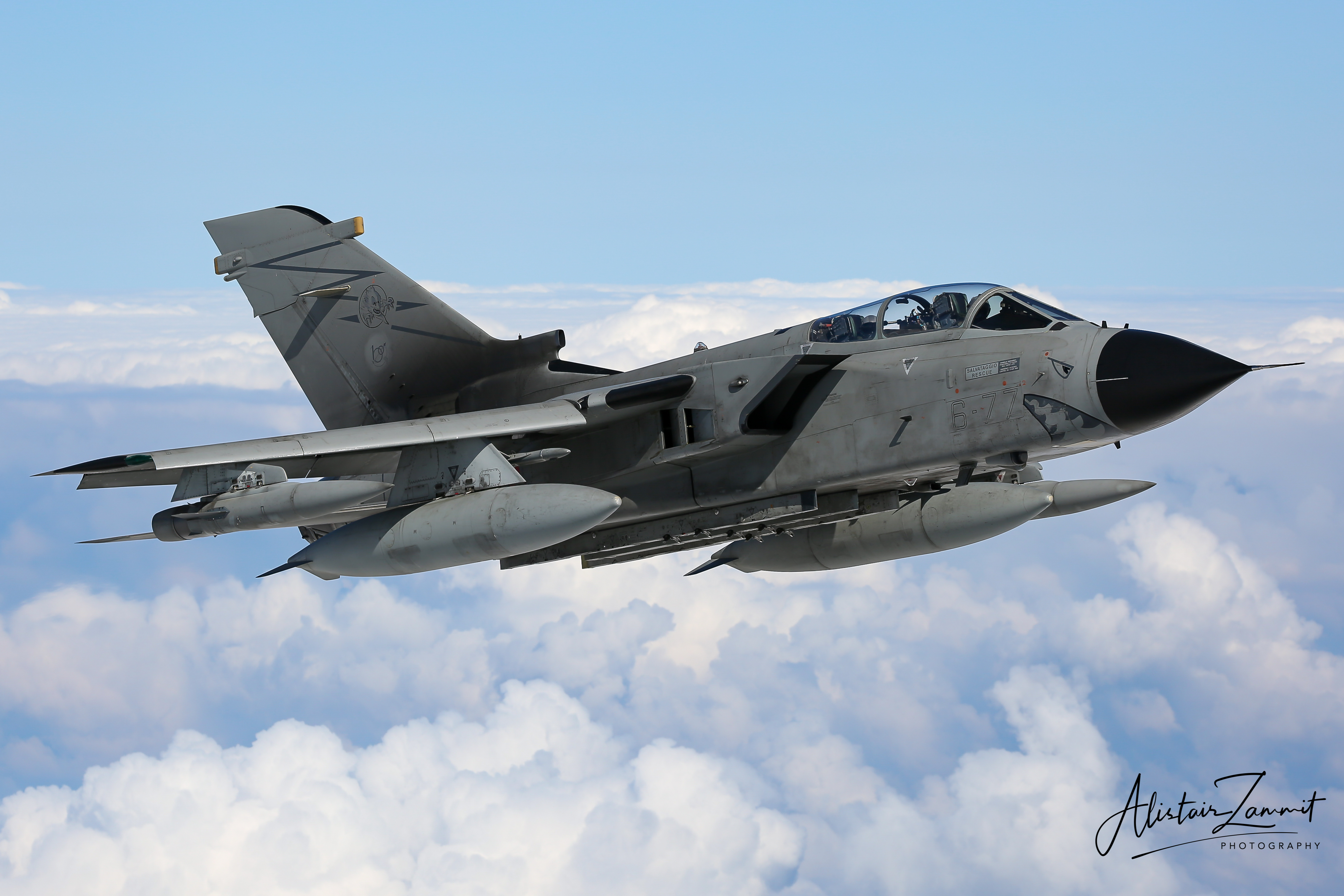
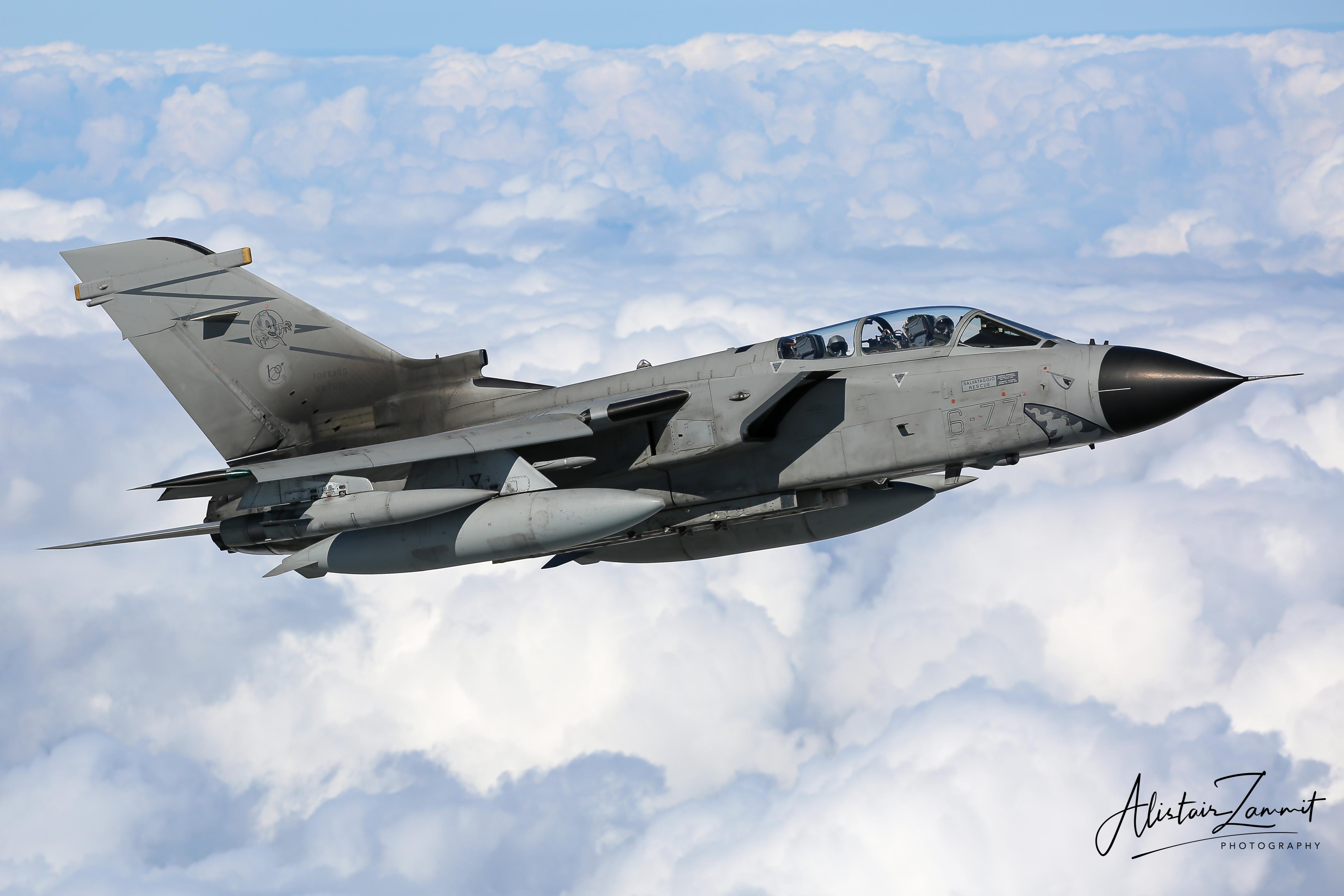
The Panavia Tornado is a family of multirole combat aircraft developed as part of a tri-national collaboration between the United Kingdom, West Germany, and Italy. Designed for versatility, it features a variable-sweep wing design, enabling it to adapt to different mission profiles ranging from low-altitude penetration strikes to high-speed interception and reconnaissance. Three variants have been designed and built, namely the Tornado Interdictor/Strike (IDS), Tornado Air Defence Variant (ADV), and Tornado Electronic Combat/Reconnaissance (ECR).
Panavia Tornado ECR
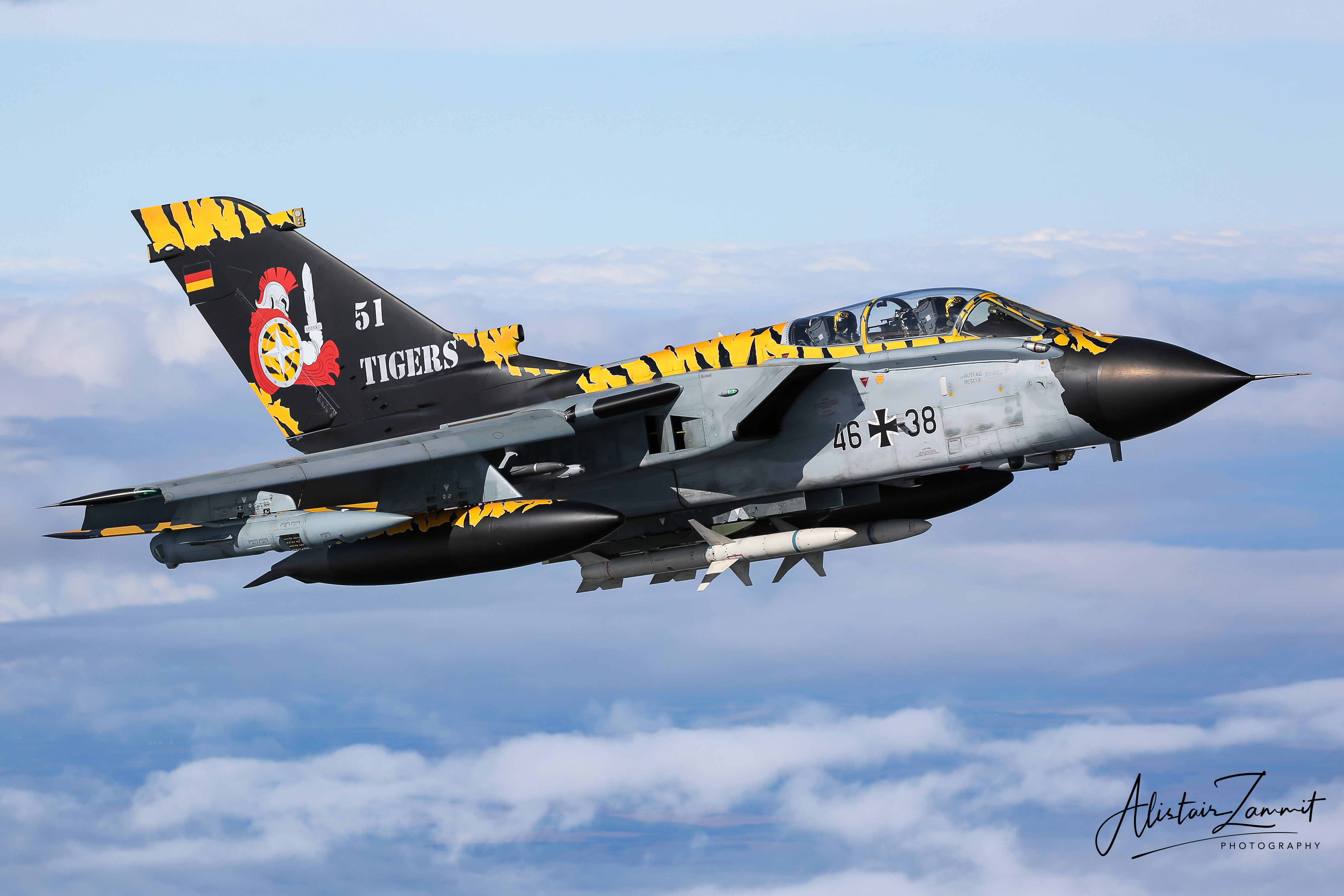
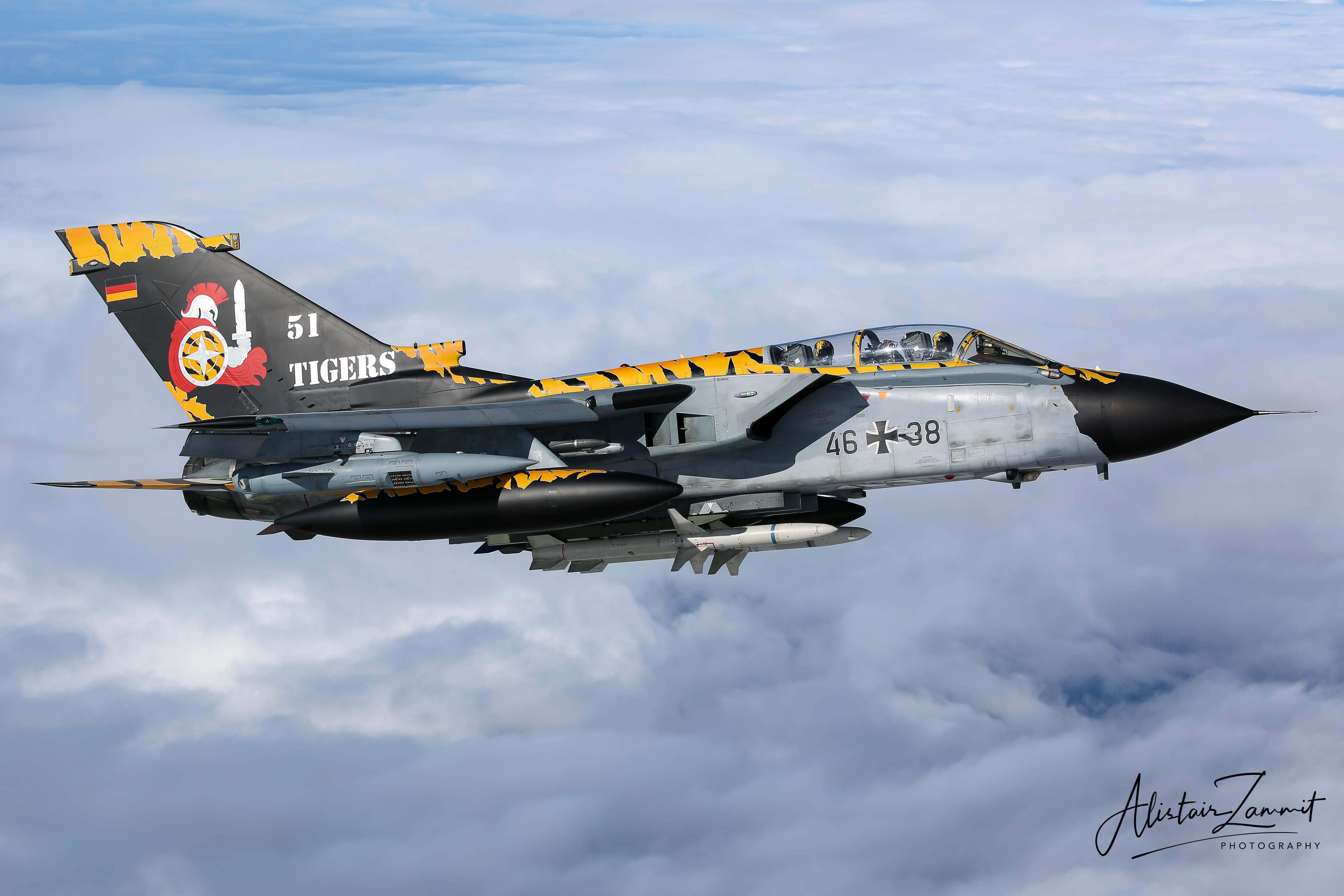
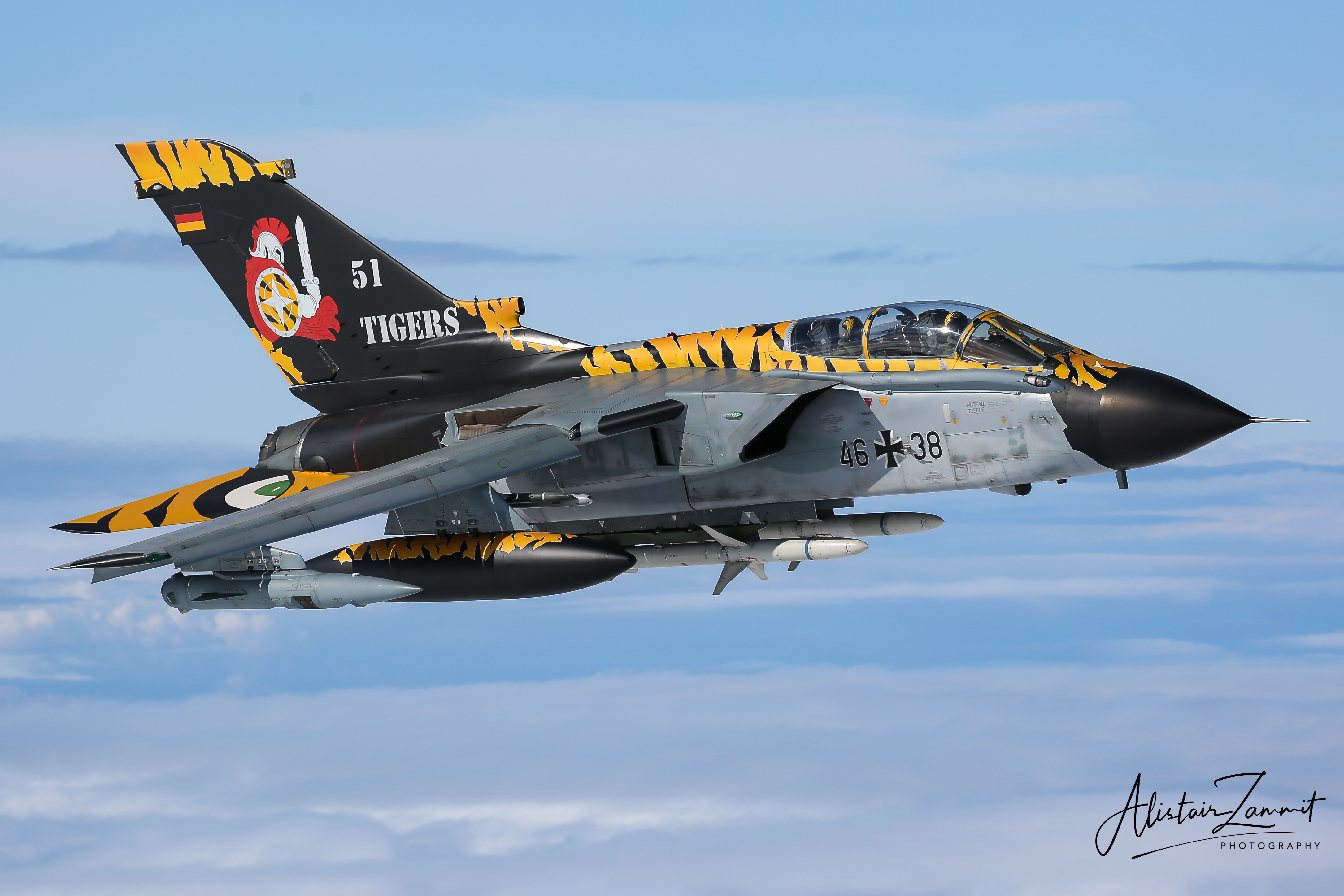
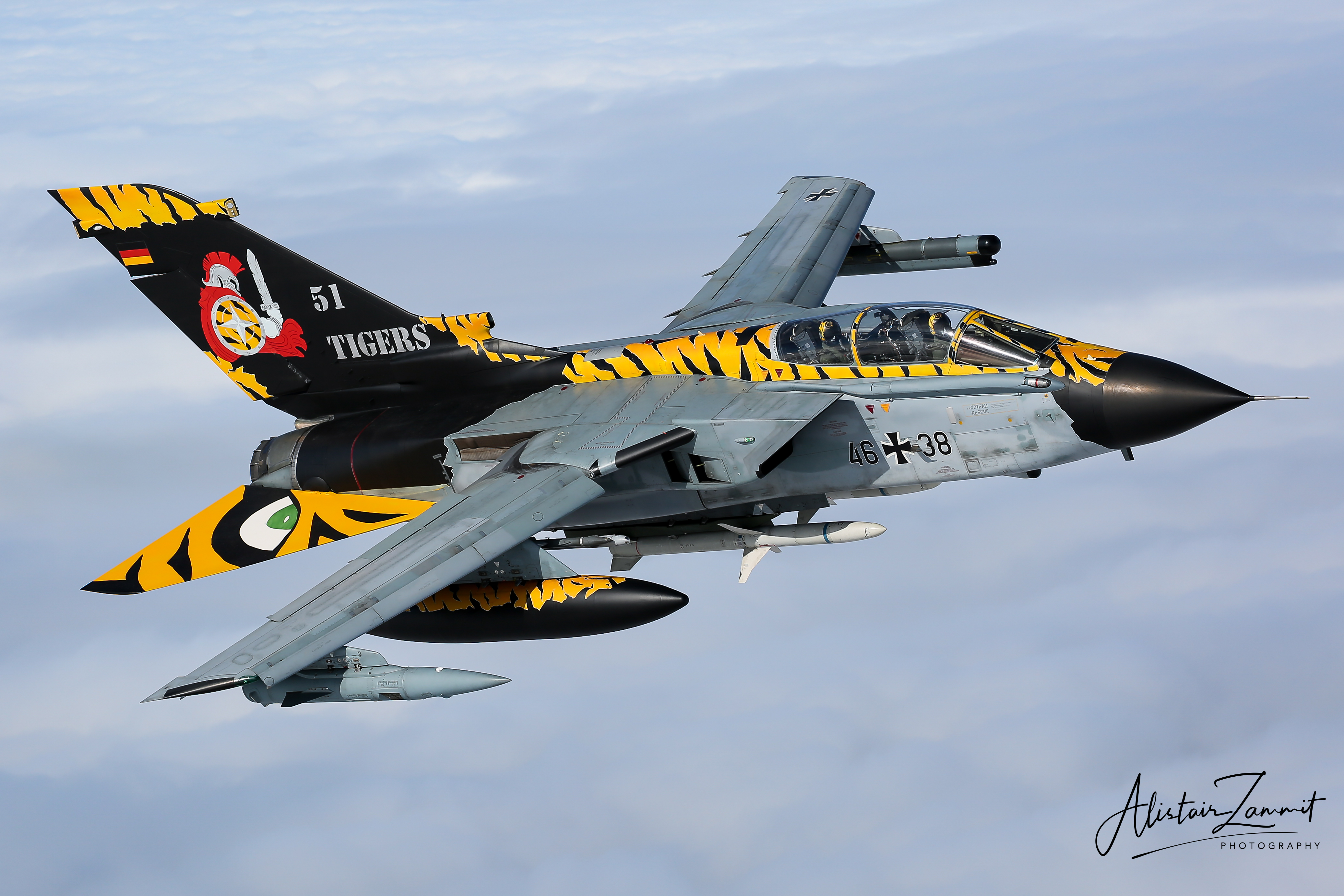
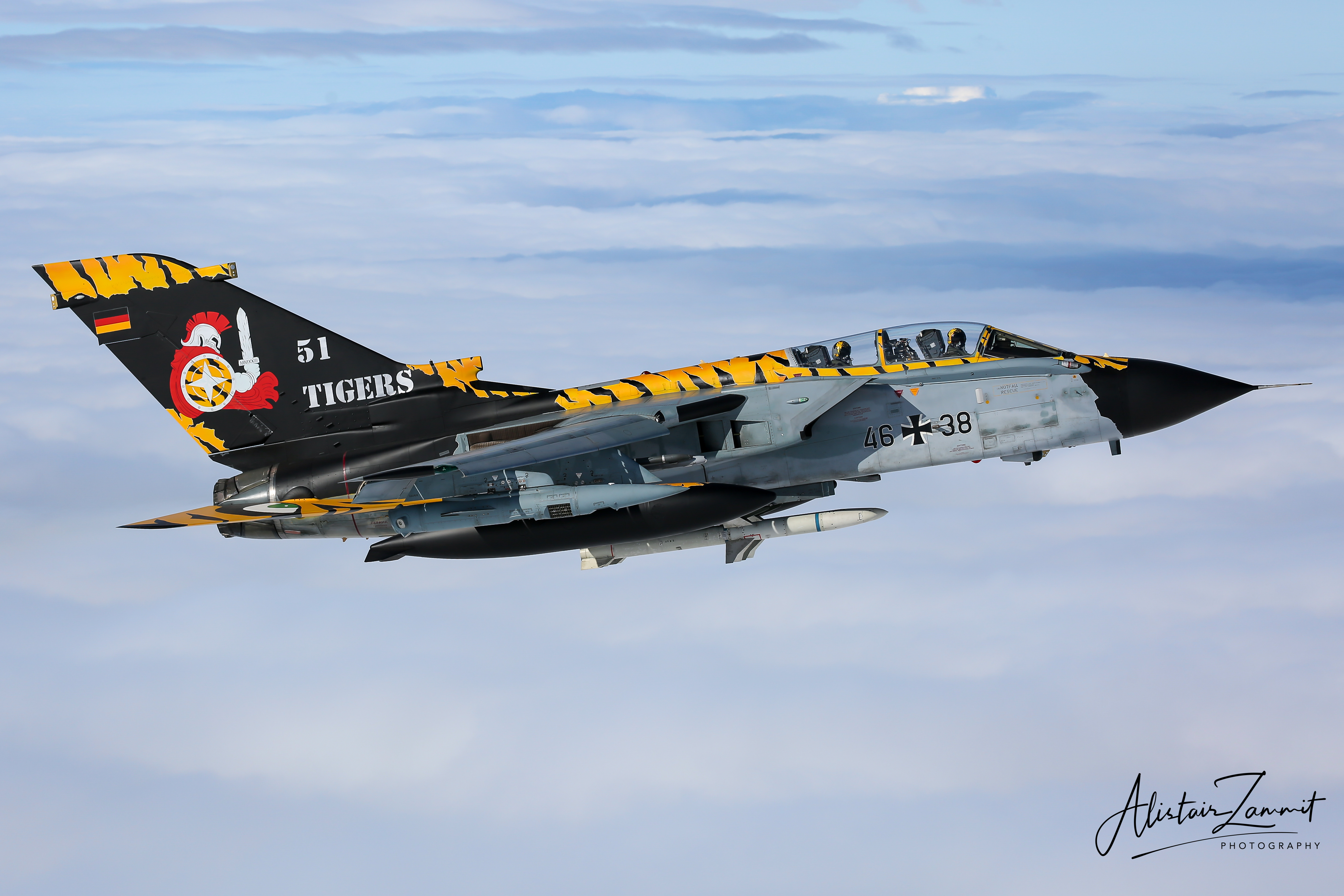
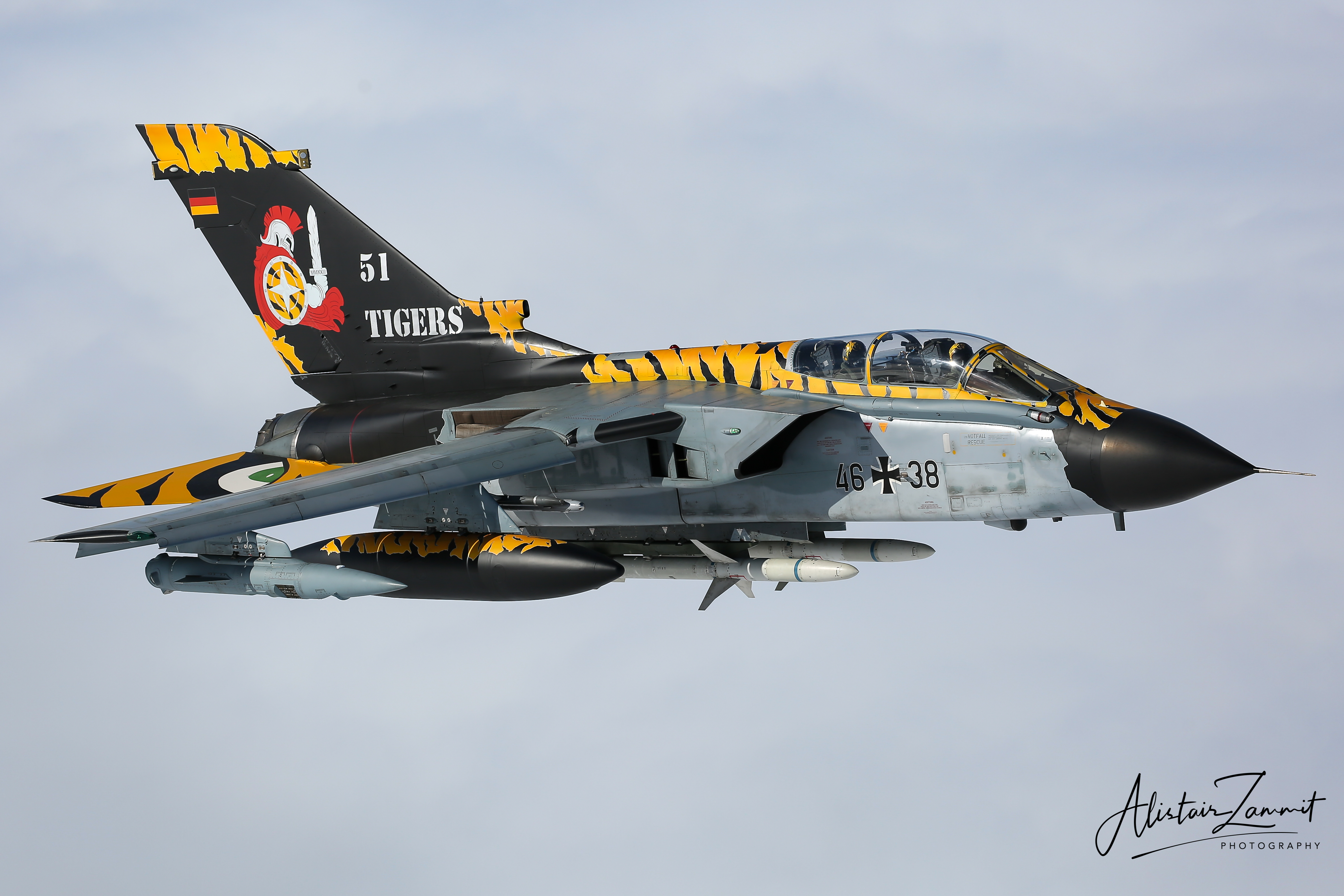
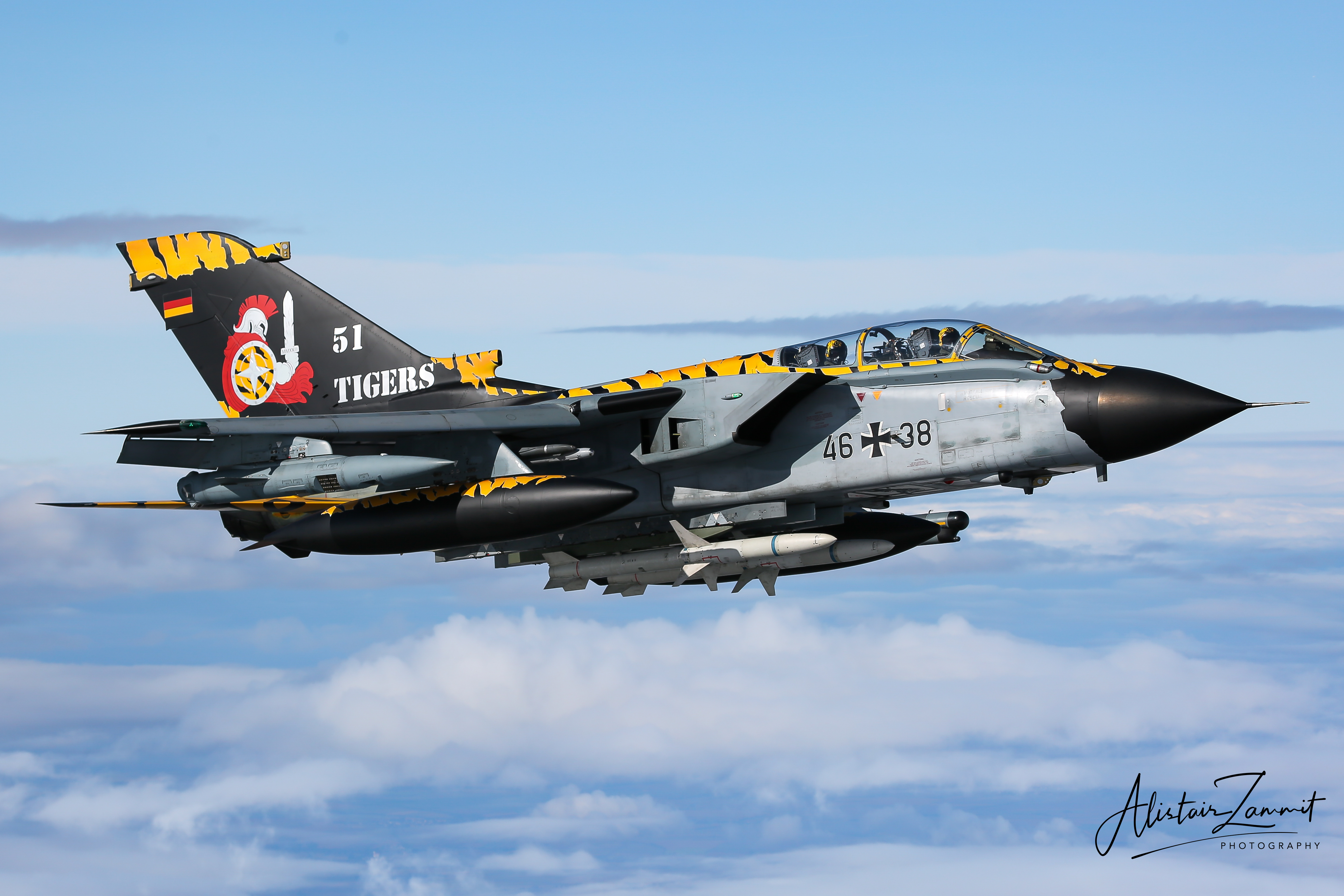
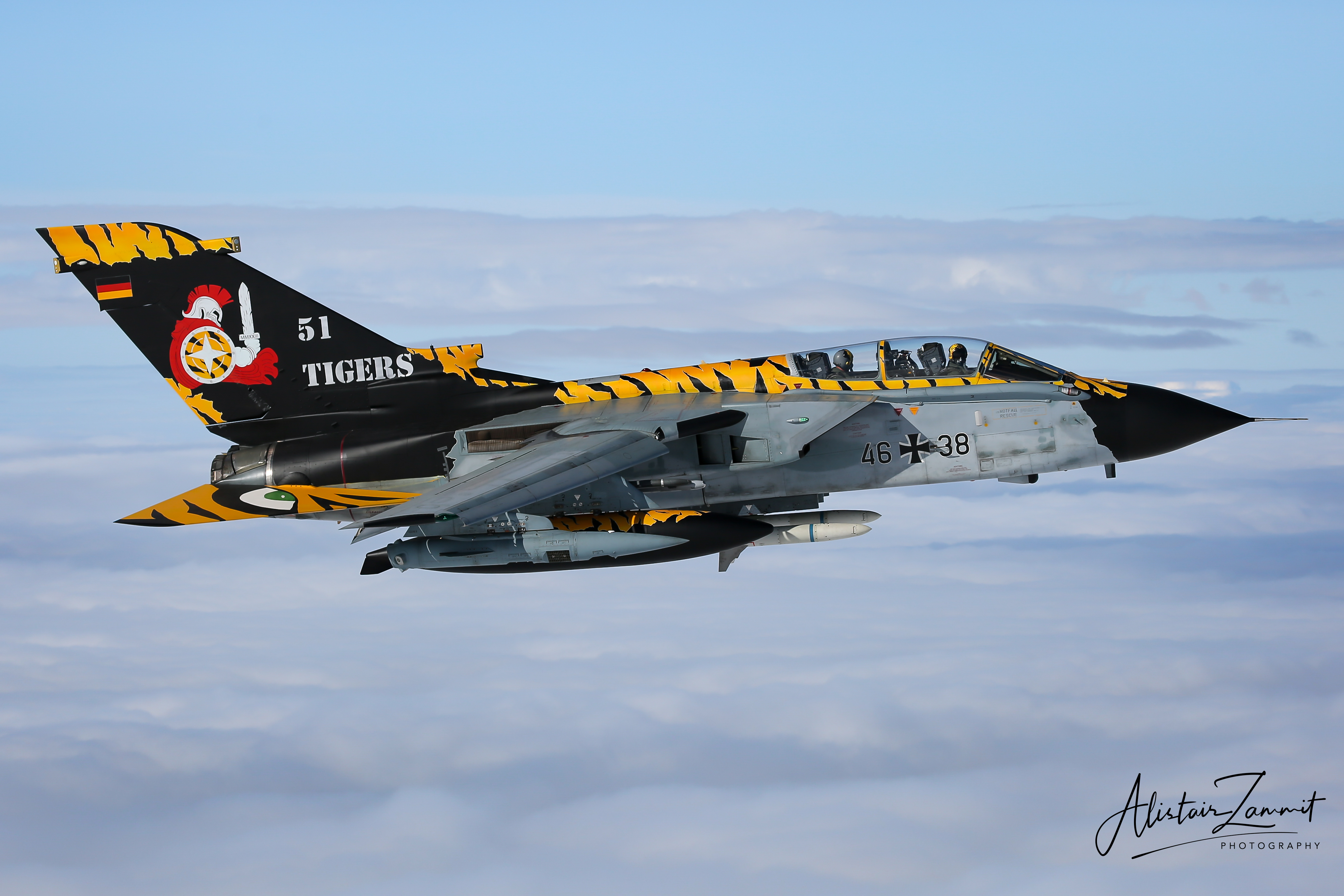
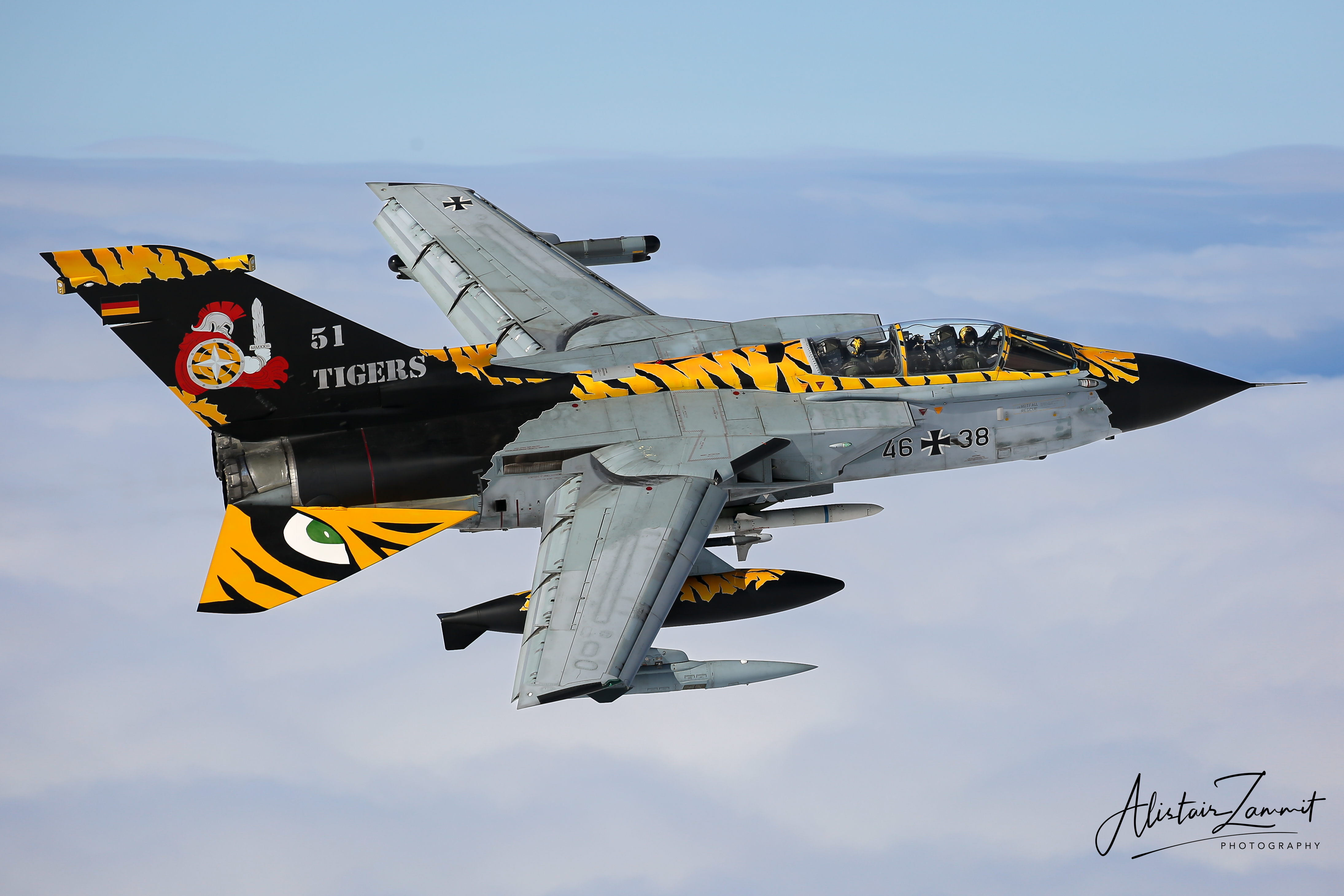
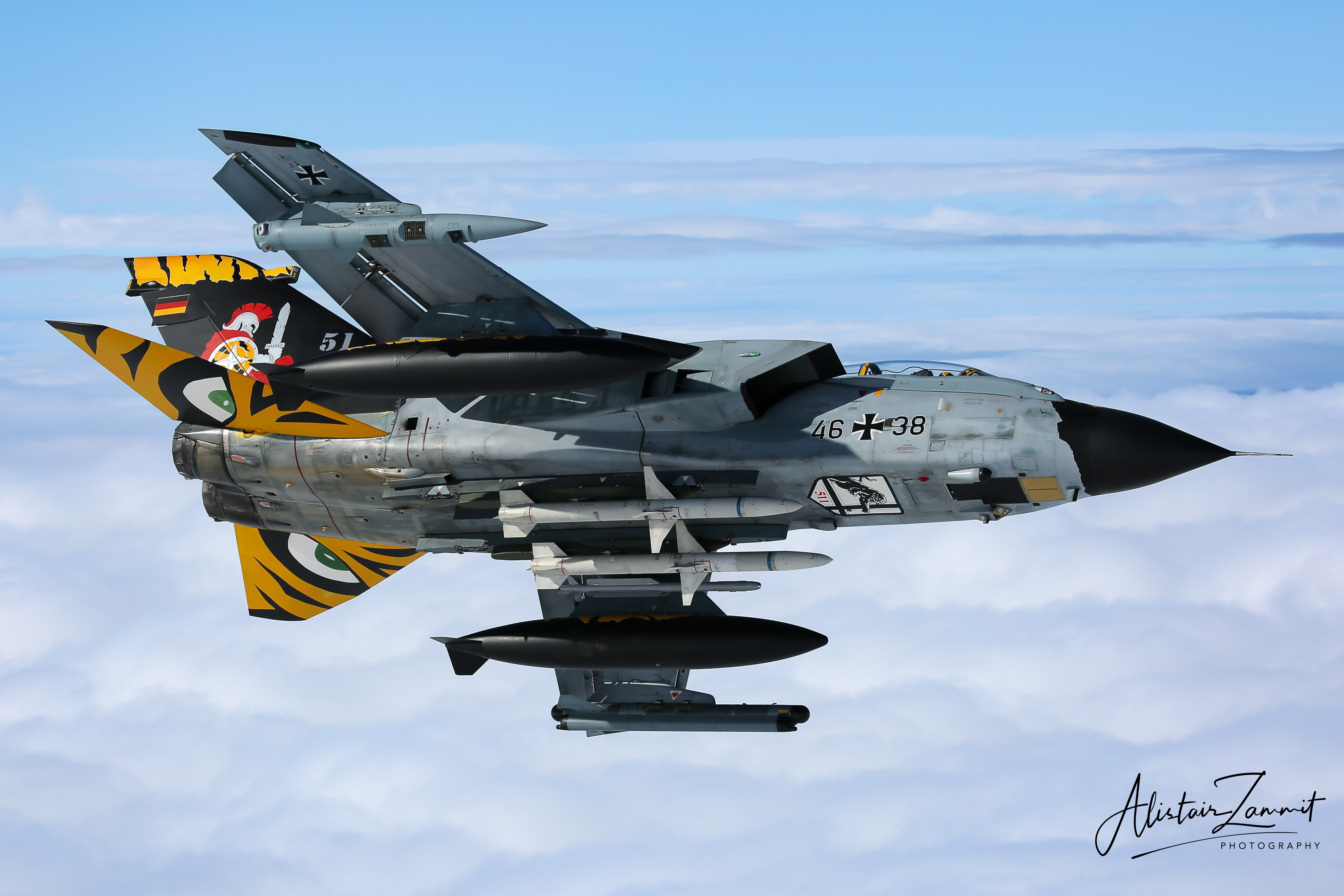
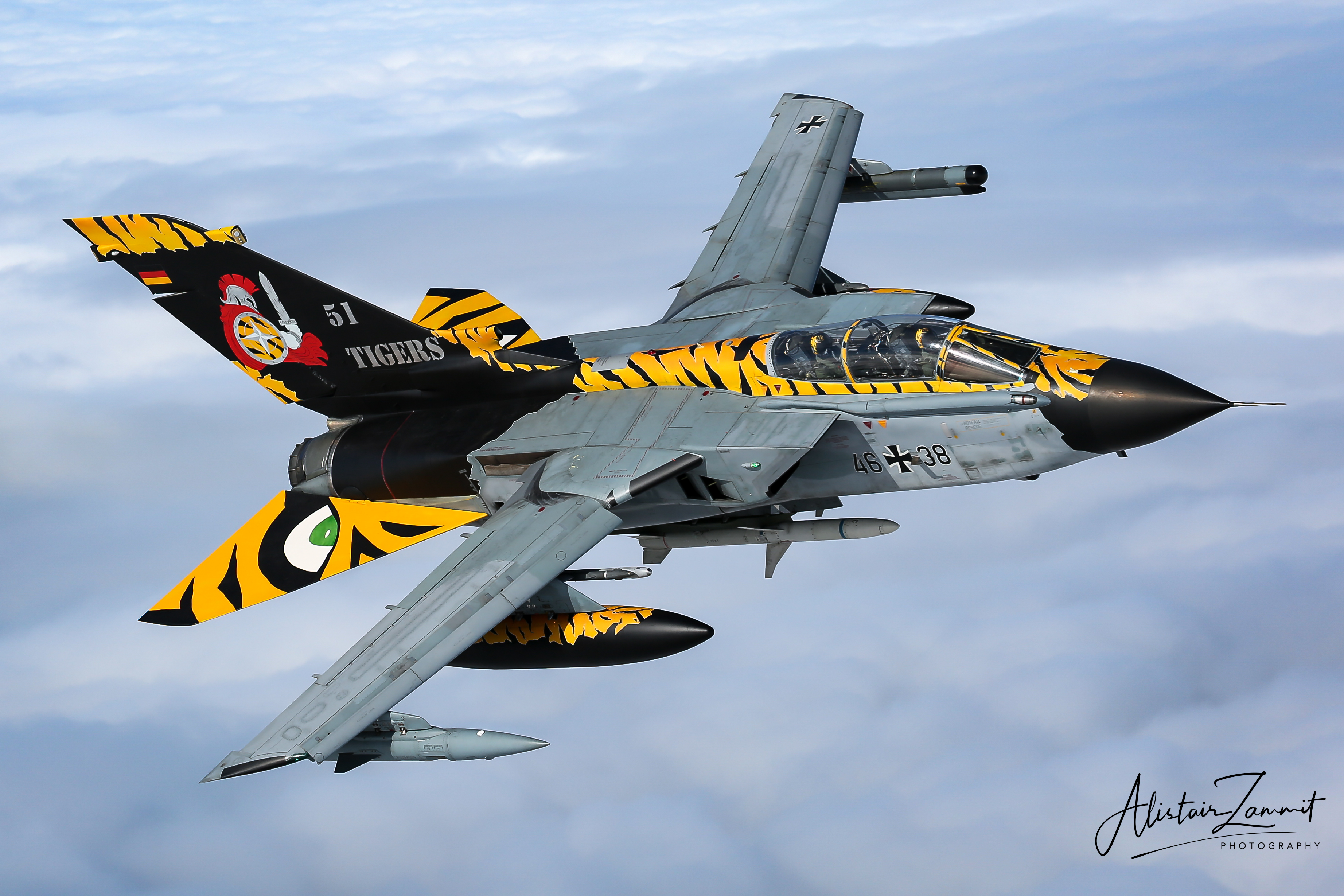
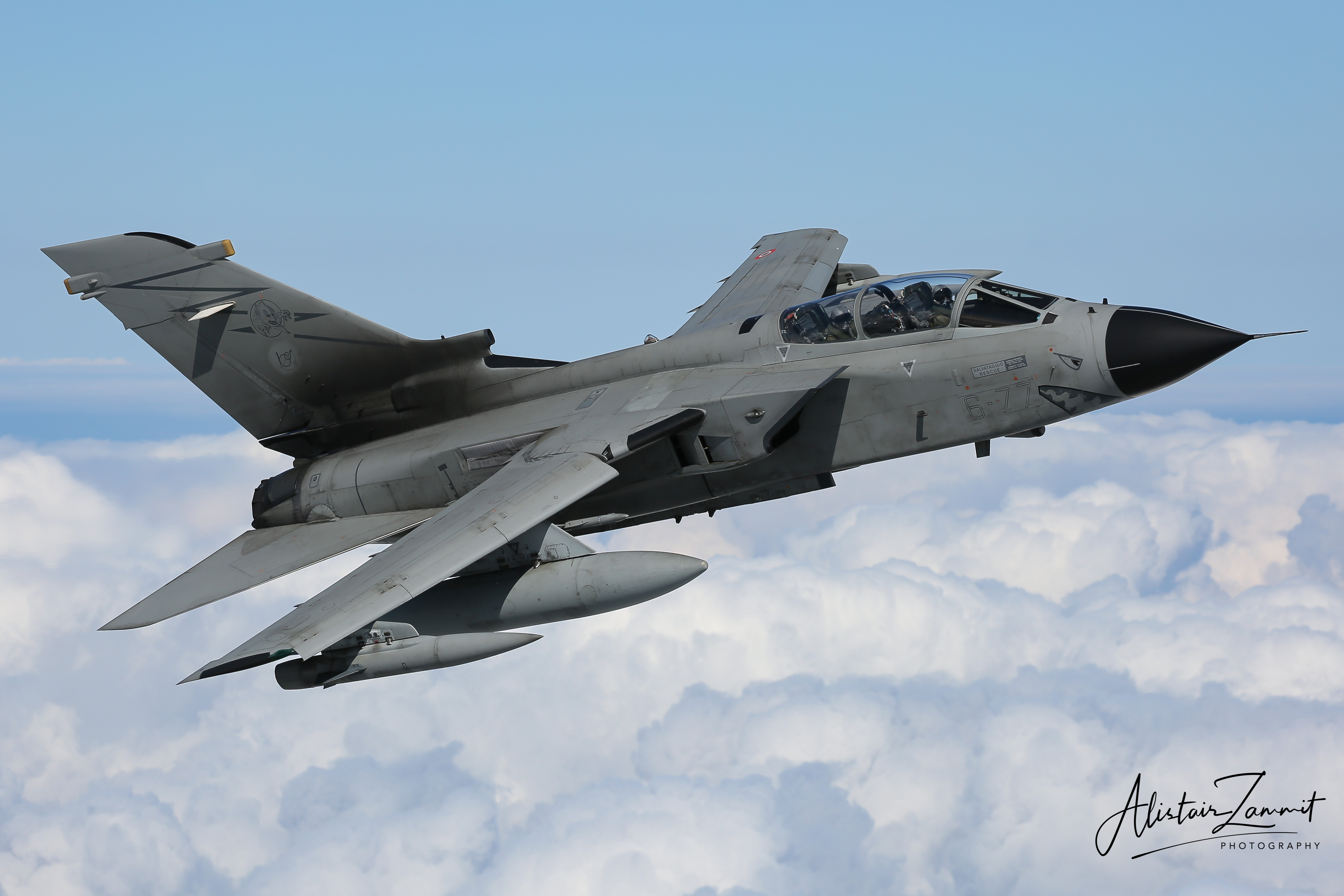
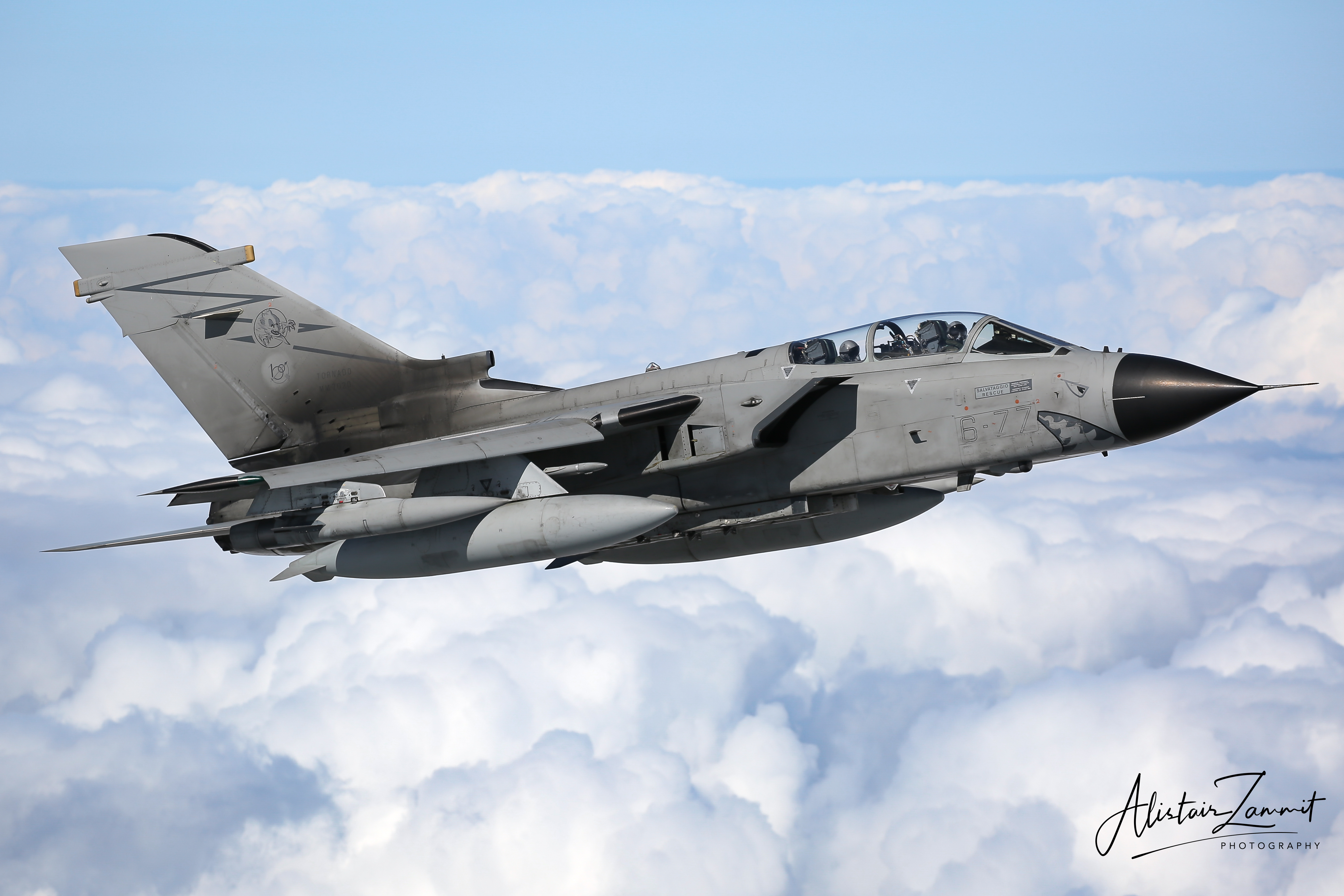
The Panavia Tornado ECR (Electronic Combat/Reconnaissance) is a specialized variant of the Tornado designed for electronic warfare (EW) and suppression of enemy air defenses (SEAD). Developed by Germany and Italy, the ECR variant builds upon the base Tornado IDS design but is tailored to locate and neutralize enemy radar and surface-to-air missile (SAM) systems. The Tornado ECR is optimized for SEAD (Suppression of Enemy Air Defenses) missions, targeting enemy radar and SAM sites to clear the way for allied aircraft. It also has a secondary reconnaissance role, gathering intelligence on enemy positions and activity.
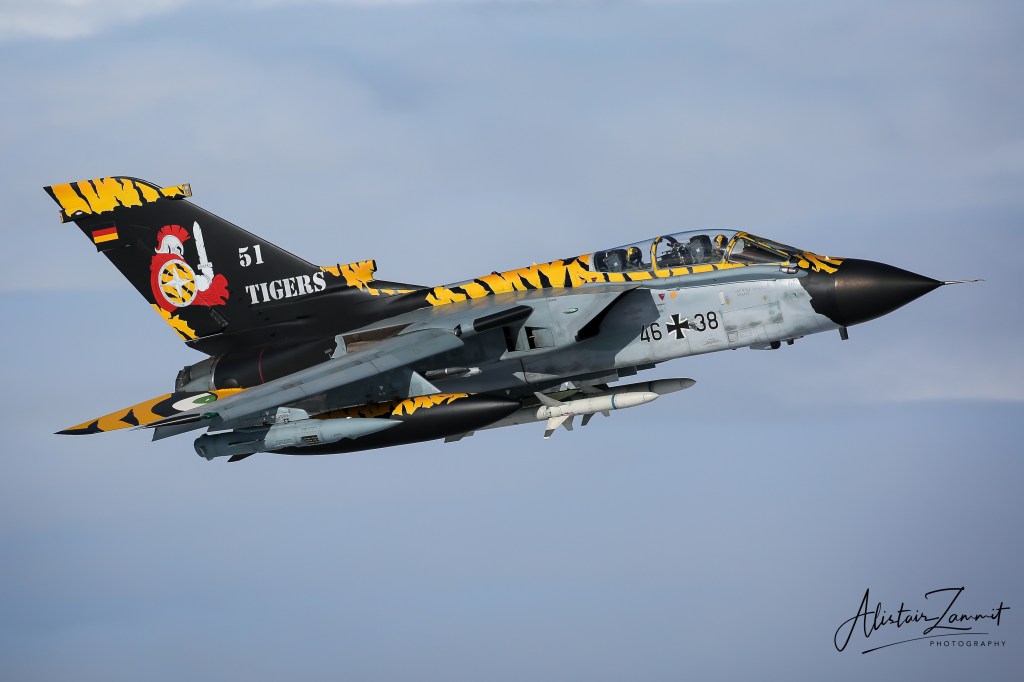
The Tornado ECR has seen active service in several NATO operations, including the Gulf War (1991), where it carried out SEAD missions against Iraqi air defenses. It has also served in the Kosovo War (1999), performing electronic warfare and strike missions, and in operations in Afghanistan and Libya, where its electronic warfare capabilities proved critical.
The aircraft is equipped with advanced sensors and electronic systems, including Emitter-locator systems (ELS) to detect and identify enemy radar signals, Radar warning receivers (RWR) to alert the crew of threats, and Electronic countermeasures (ECM) to jam enemy radars and communications. Equipped with advanced imaging and data collection systems, the Tornado ECR can gather detailed intelligence on enemy positions and defenses during missions.
The Tornado ECR carries specialized weapons for SEAD missions, including AGM-88 HARM (High-speed Anti-Radiation Missiles): Designed to home in on and destroy enemy radar systems, and Conventional or precision-guided munitions for secondary strike roles. Unlike the Tornado IDS, the ECR usually omits the internal cannon to save weight for electronic warfare systems and additional avionics.
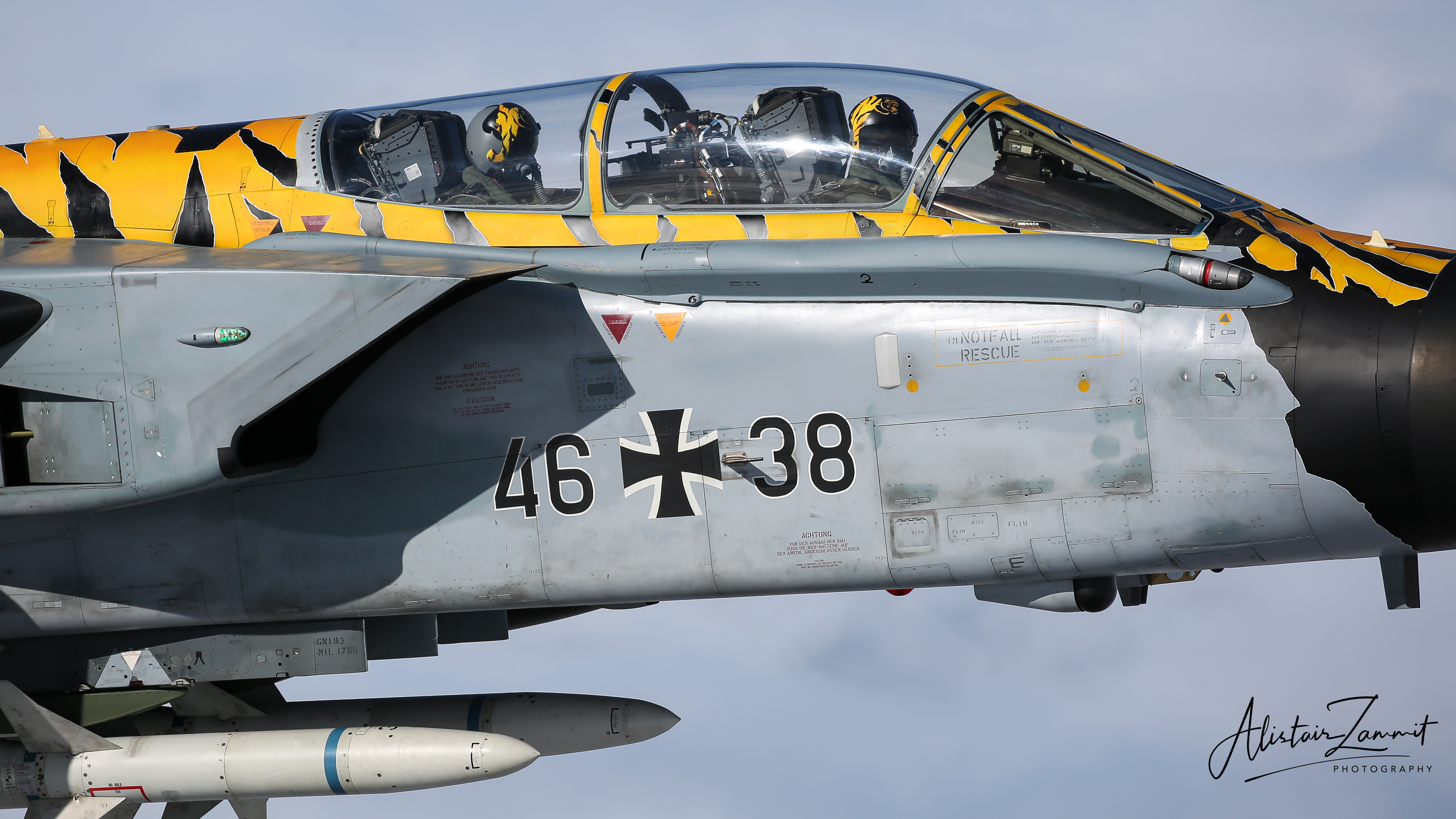
The Tornado ECR typically operates with a two-person crew, the pilot responsible for flying the aircraft and navigation, and a weapon systems officer operating the electronic warfare systems and targeting for anti-radiation missiles. The Tornado ECR is primarily operated by the German Air Force and the Italian Air Force.
The Tornado ECR remains a critical asset for SEAD and electronic warfare roles within NATO forces. While newer platforms like the Eurofighter Typhoon and F-35 Lightning II are gradually taking over some of its roles, the ECR continues to serve in specialized missions due to its unique combination of capabilities. Its contribution to maintaining air superiority and neutralizing threats in hostile environments has cemented its place in modern military aviation history.
Panavia Tornado IDS
The Panavia Tornado IDS (Interdictor/Strike) is a multirole combat aircraft developed by the tri-national Panavia Aircraft GmbH, a joint venture between the United Kingdom, West Germany, and Italy. It is a versatile and rugged aircraft designed primarily for low-level penetration strike missions, with secondary roles in air interdiction, reconnaissance, and maritime strike. The Tornado IDS is known for its advanced systems and capabilities, especially for its era.
The Tornado IDS has been involved in numerous conflicts, including the Gulf War (1991), where it carried out low-level bombing missions and reconnaissance. It also played roles in operations in Kosovo, Afghanistan, and Libya.
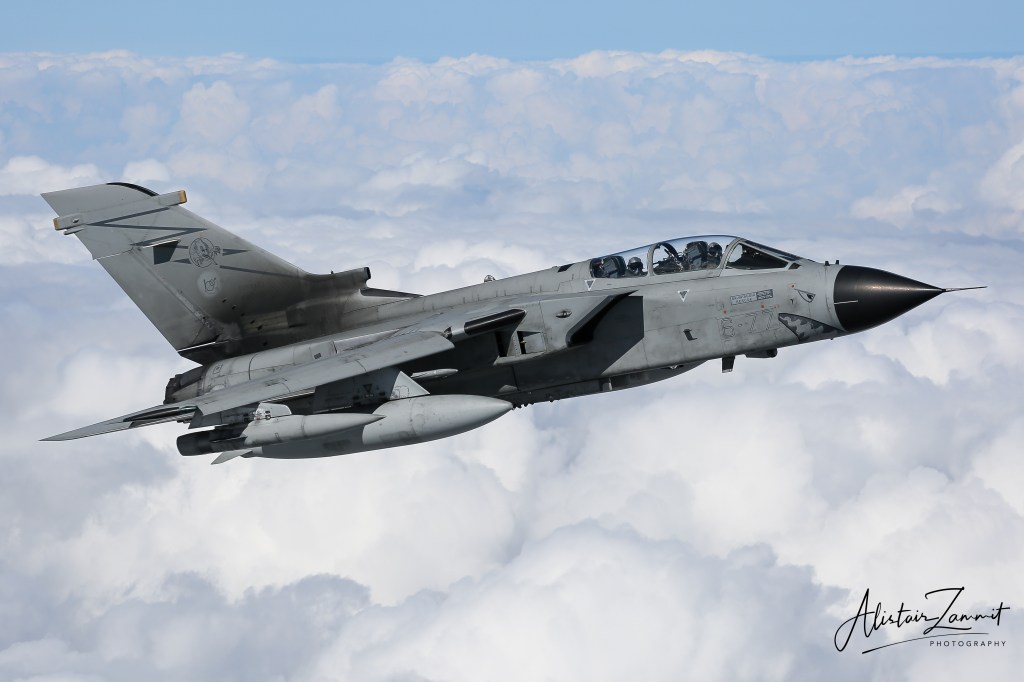
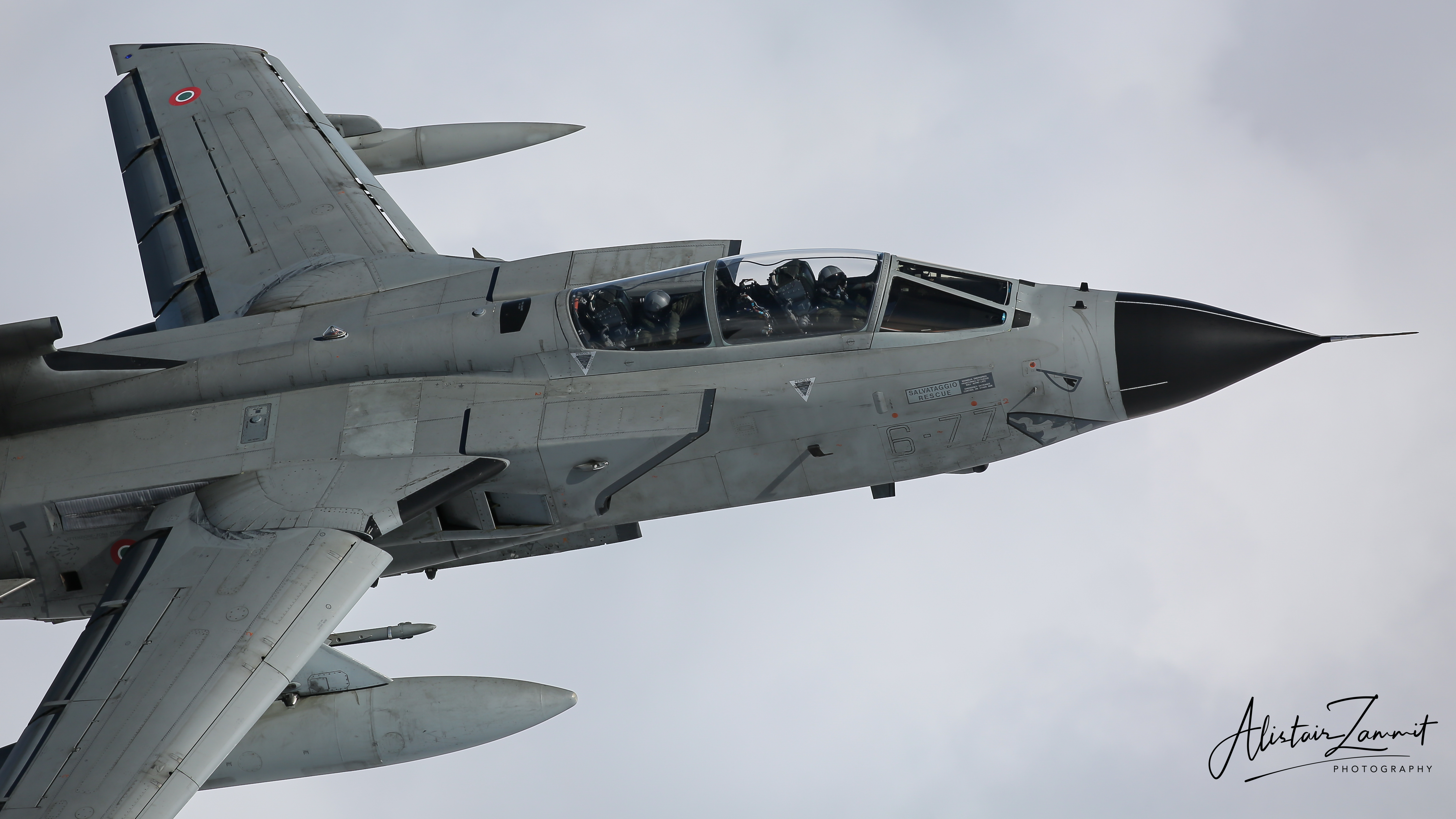
The Tornado IDS features a variable-geometry wing, which allows it to adapt to various speeds and mission profiles. The wings sweep back for high-speed, low-level flight and extend forward for enhanced lift during takeoff and landing. Designed to fly at very low altitudes, the Tornado IDS can evade radar detection and penetrate heavily defended airspace. This makes it highly effective for delivering precision strikes on enemy targets. The aircraft is equipped with terrain-following radar (TFR) that enables automatic low-level flight. It also features an integrated navigation and weapons-aiming system to improve accuracy in adverse weather and at night. Powered by two Turbo-Union RB199 afterburning turbofan engines, it provides the necessary thrust for high-speed, low-altitude missions as well as supersonic capability at altitude.
The Tornado IDS has 9 hardpoints for a variety of weapons, including Precision-guided munitions (e.g., laser-guided bombs), Air-to-surface missiles (e.g., Storm Shadow, Brimstone, or anti-ship missiles like the Sea Eagle), Unguided bombs, cluster munitions, and rockets, and Defensive air-to-air missiles for self-protection (e.g., AIM-9 Sidewinder). Additionally, it is armed with two internally mounted 27 mm Mauser BK-27 cannons.
The Tornado IDS remains one of the most capable strike aircraft of its time, though it has been gradually replaced in some countries by more modern aircraft like the Eurofighter Typhoon and the F-35 Lightning II. However, its design and operational success have left a lasting impact on military aviation.
 alistairzammitphotography.com