
Over the course of its history, the Tactical Leadership Programme has mirrored the evolution of air power itself. When it emerged in the late 1970s, the strategic environment of Europe was defined by Cold War realities, with NATO air forces preparing for the possibility of large-scale, high-intensity conflict. In its earliest years, TLP functioned primarily as a forum where experienced fighter pilots could exchange tactical knowledge and harmonise procedures. These initial seminars, conducted in Germany, were modest in scale but ambitious in purpose, aiming to break down national silos and foster a common understanding of air combat tactics at a time when multinational operations were still relatively rare.
Introduction
As NATO doctrine matured through the 1980s and 1990s, so too did TLP. The programme transitioned from discussion-based seminars to structured flying courses, reflecting a growing recognition that leadership in the air could only be forged through realistic, demanding operational scenarios. The post-Cold War period brought new challenges, including expeditionary operations in the Balkans and later in Afghanistan, where coalition air forces were required to operate far from home bases under complex political and operational constraints. These experiences reinforced the relevance of TLP, pushing it to expand its focus beyond traditional air-to-air combat into integrated strike missions, intelligence fusion, and coordination with ground and maritime forces.
The relocation to Albacete in 2009 marked a decisive step in this evolution. With access to extensive airspace and fewer environmental and civil aviation constraints, TLP was able to design increasingly complex missions that more closely resembled real-world operations. The programme’s curriculum broadened further during this period, incorporating advanced simulation, intelligence-led planning, and the integration of newer aircraft generations. By the 2010s, TLP had firmly established itself not just as a training venue, but as a doctrinal and conceptual incubator, shaping how allied air forces think about leadership, interoperability, and combined air operations in contested environments.
Exercise TLP 24-3
This long arc of development was clearly reflected in Exercise TLP 24-3, which took place from mid-September to early October 2024 at Los Llanos Air Base. By this point in the annual training cycle, the course was designed to challenge participants who already possessed significant operational experience, pushing them to refine their leadership skills under intense time pressure and tactical complexity. The exercise unfolded over several weeks, during which aircrews moved through a demanding rhythm of academic preparation, mission planning, live flying, and detailed debriefing, all conducted within a multinational framework.
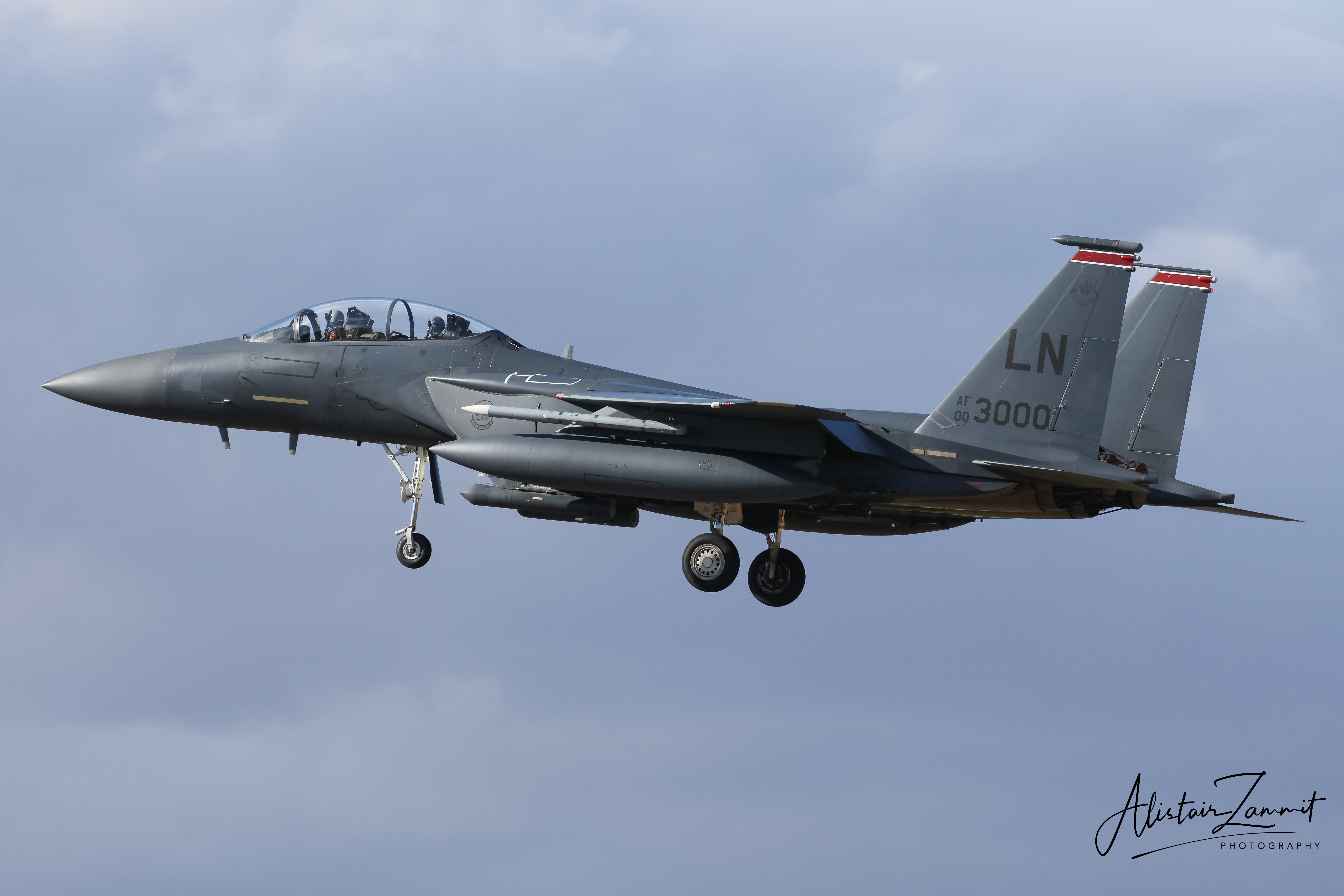
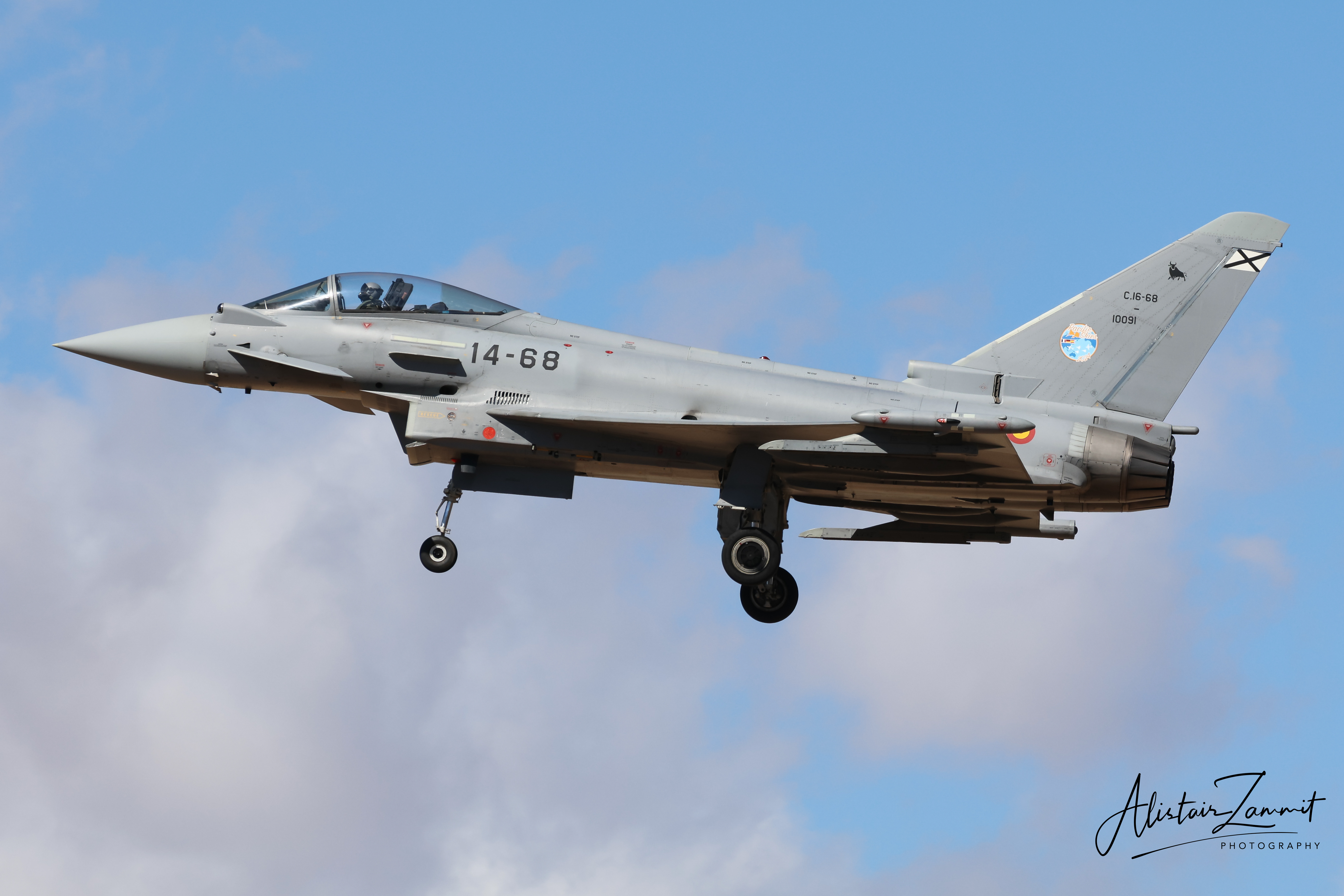
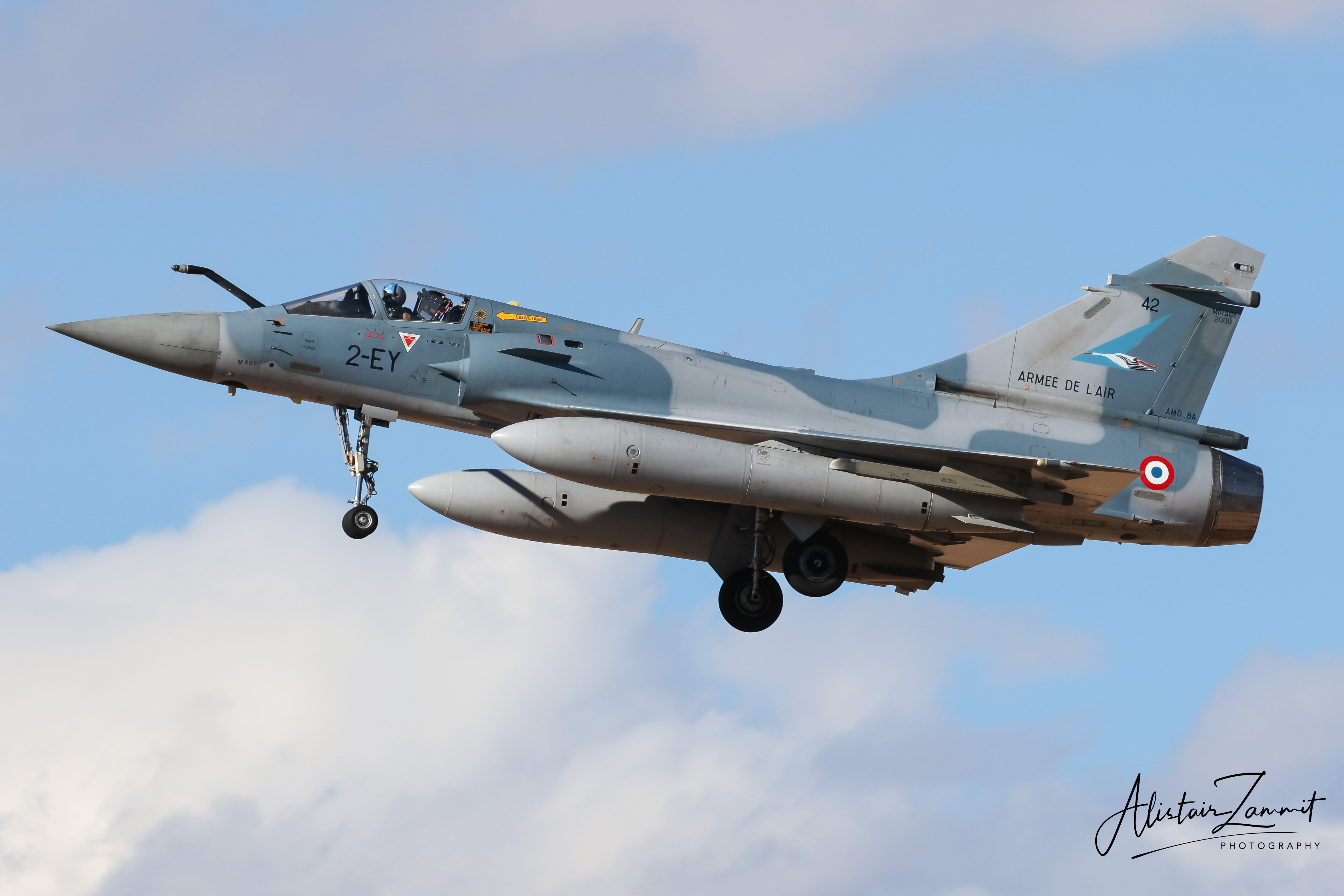
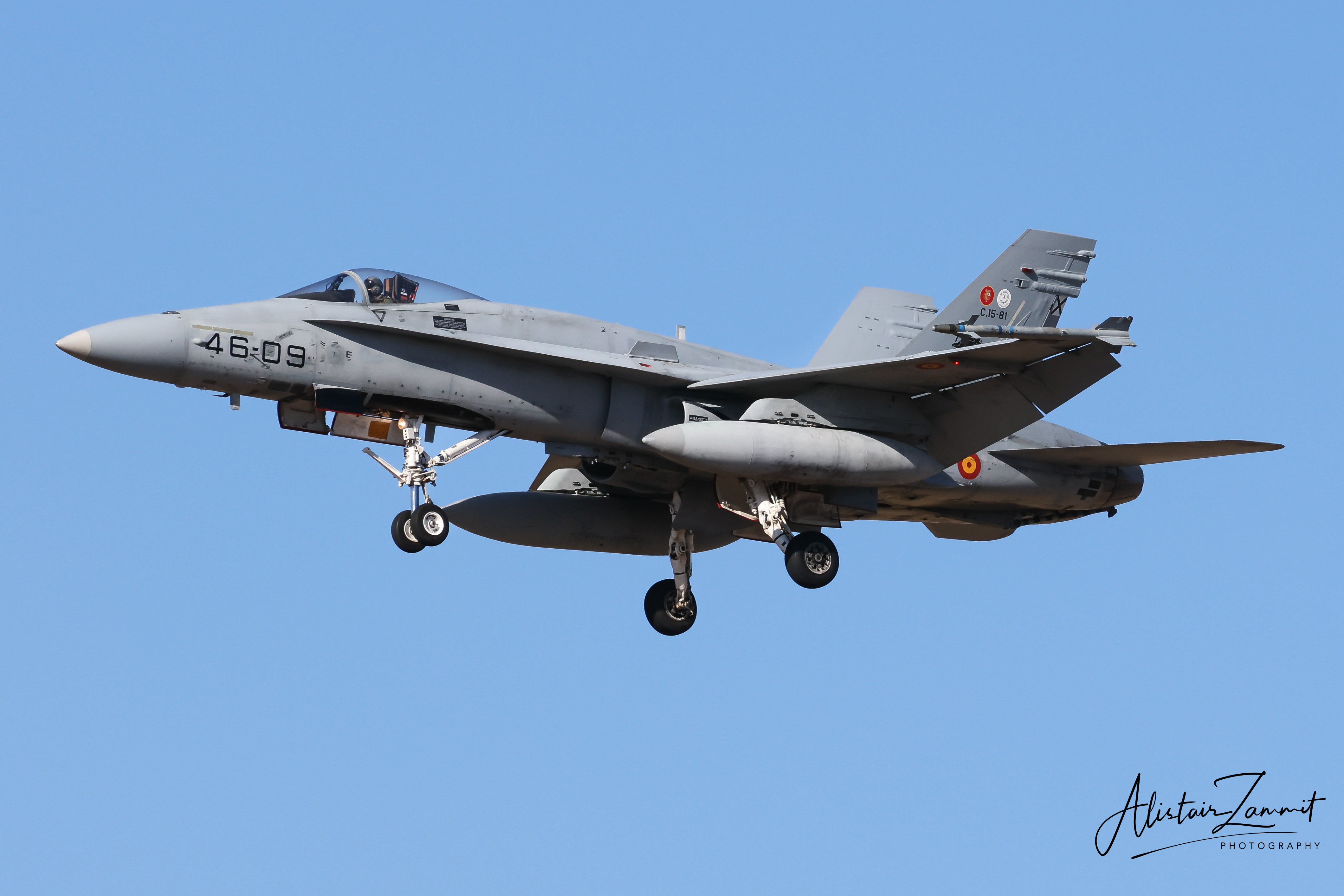
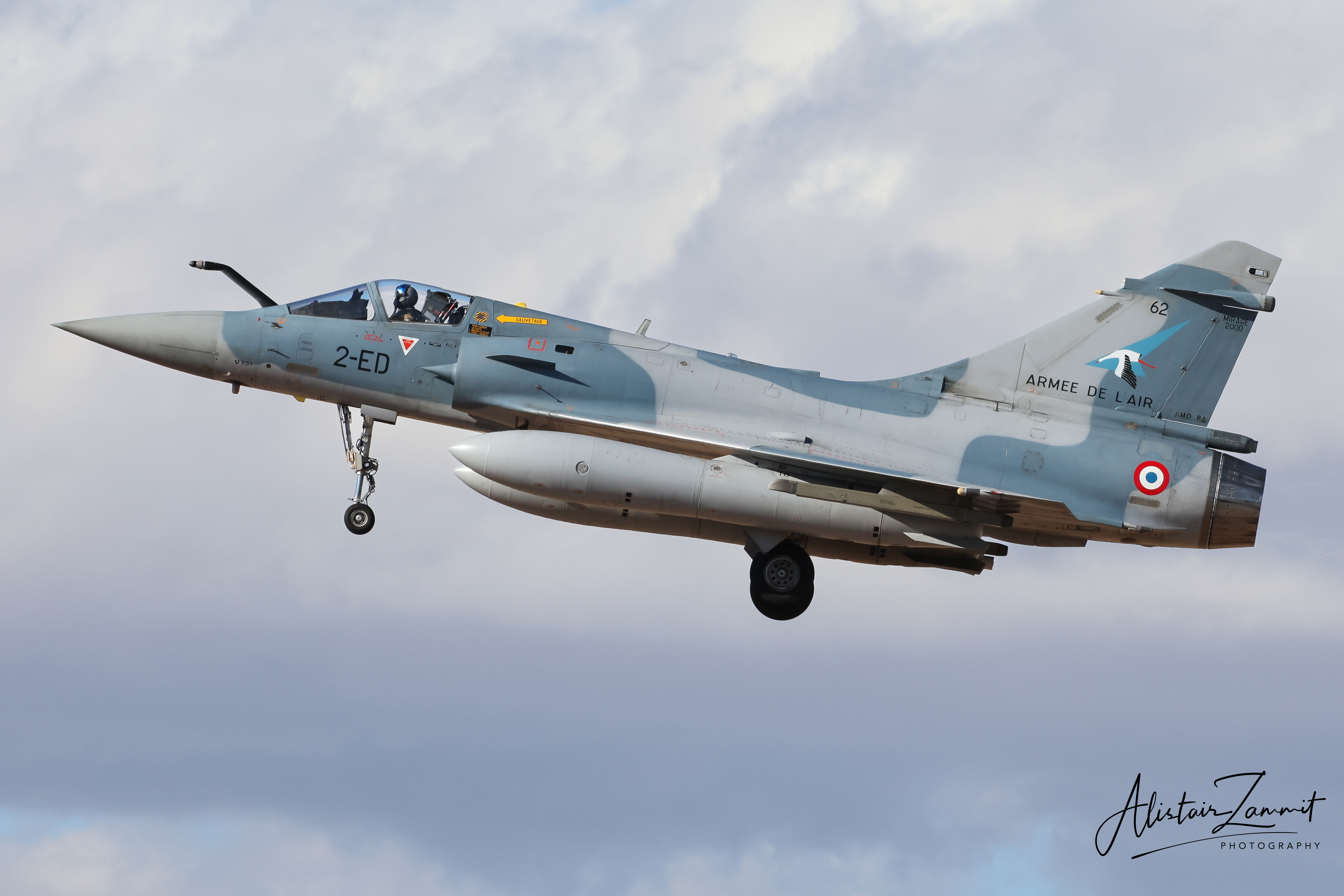
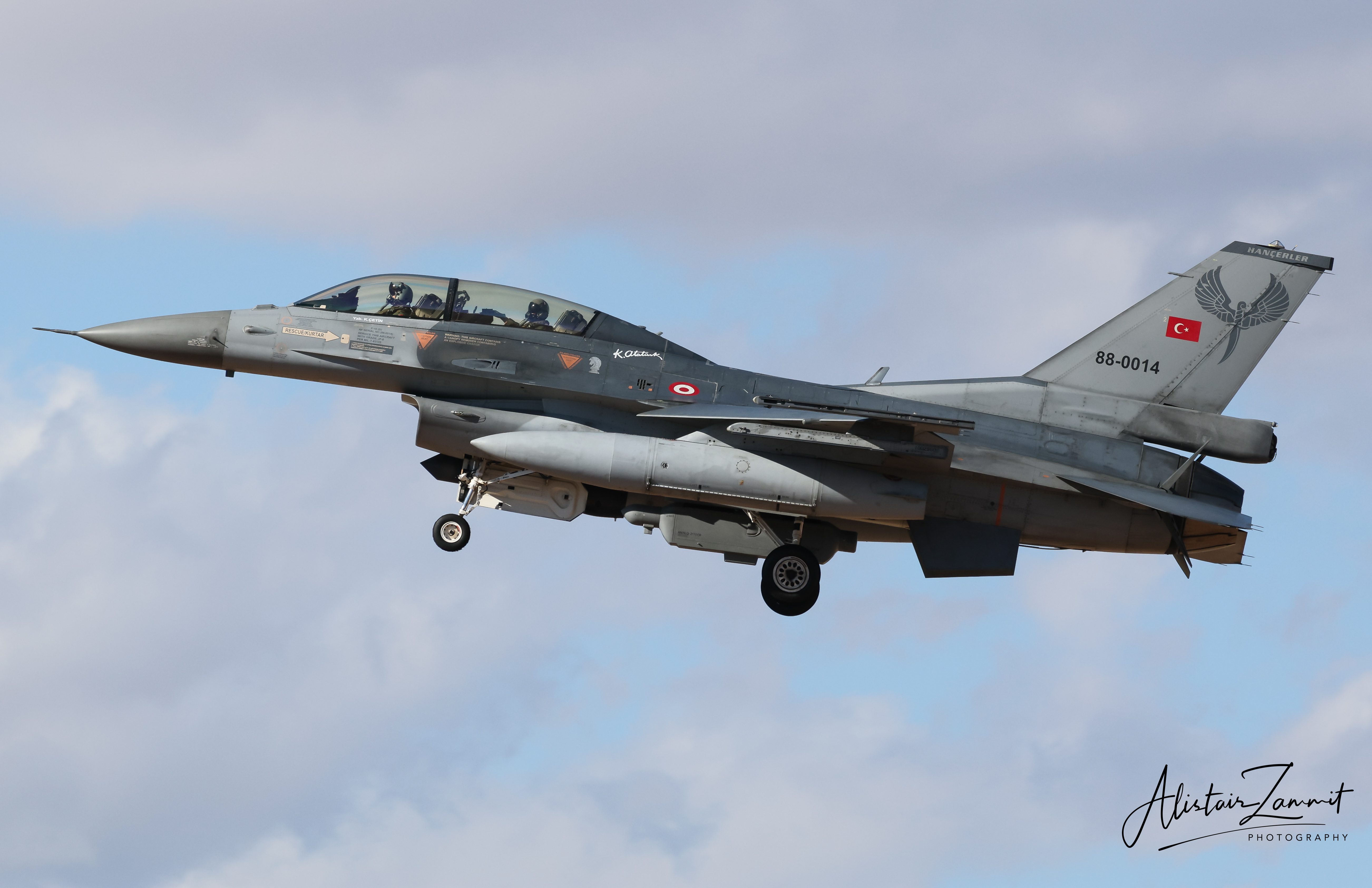
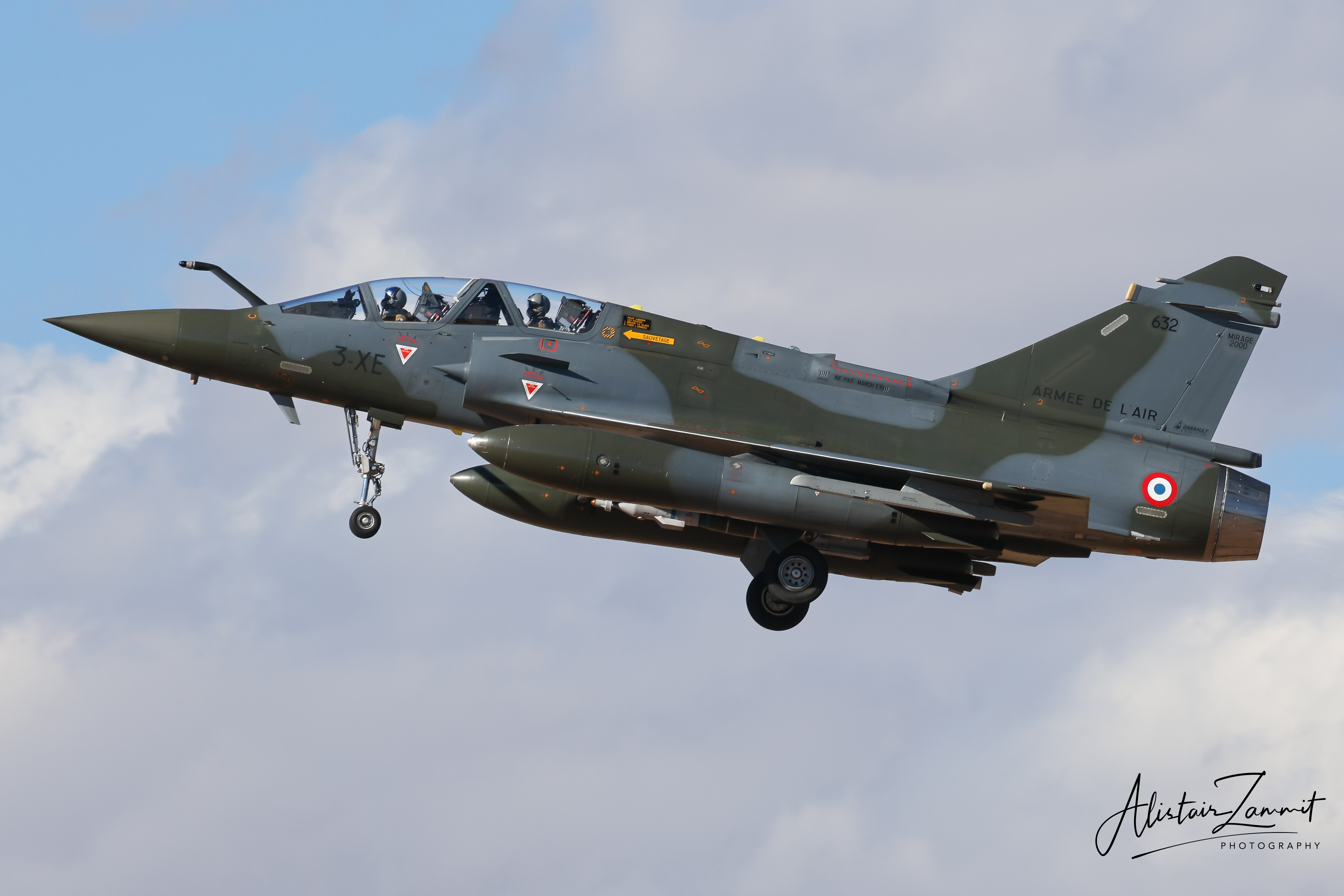
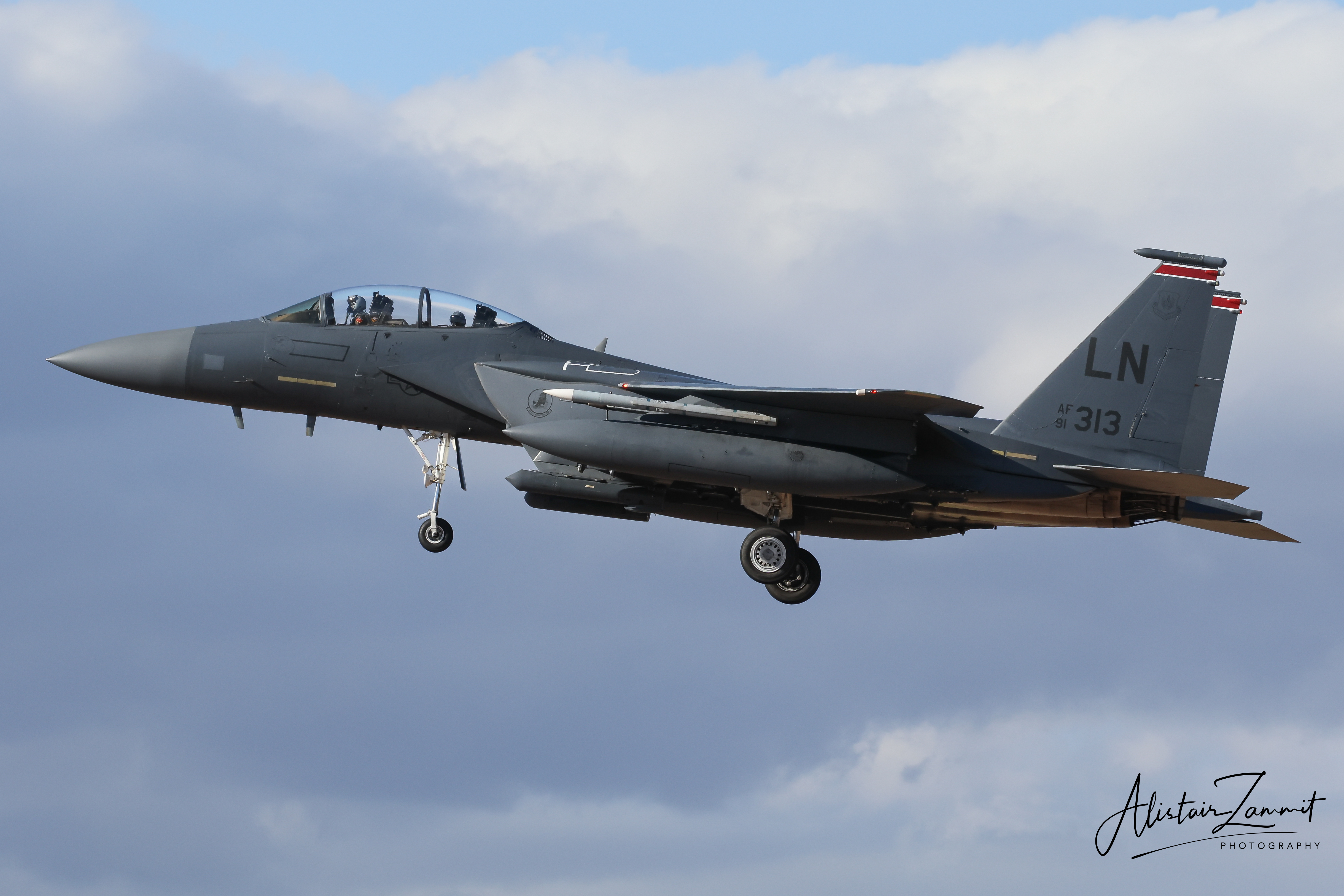
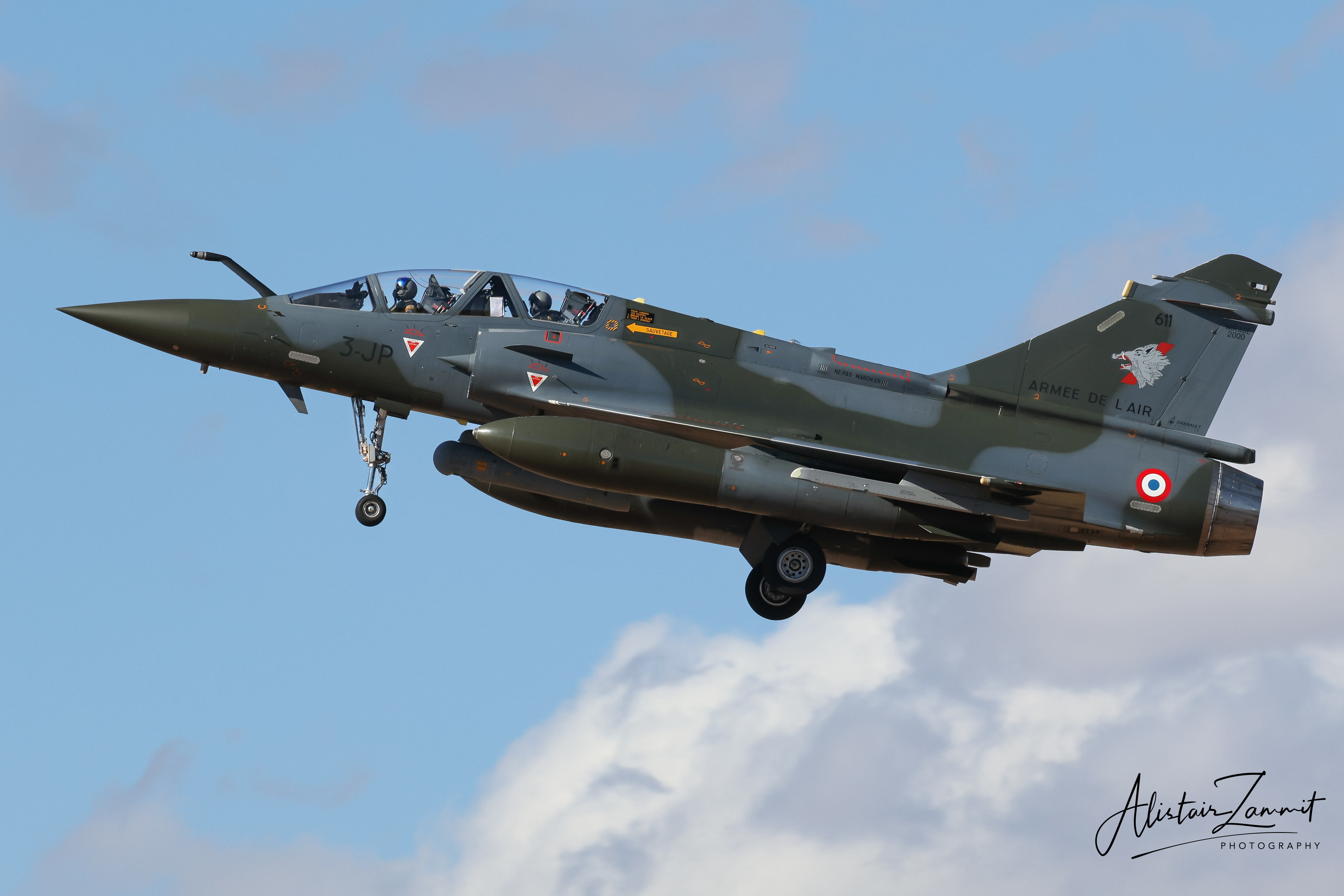
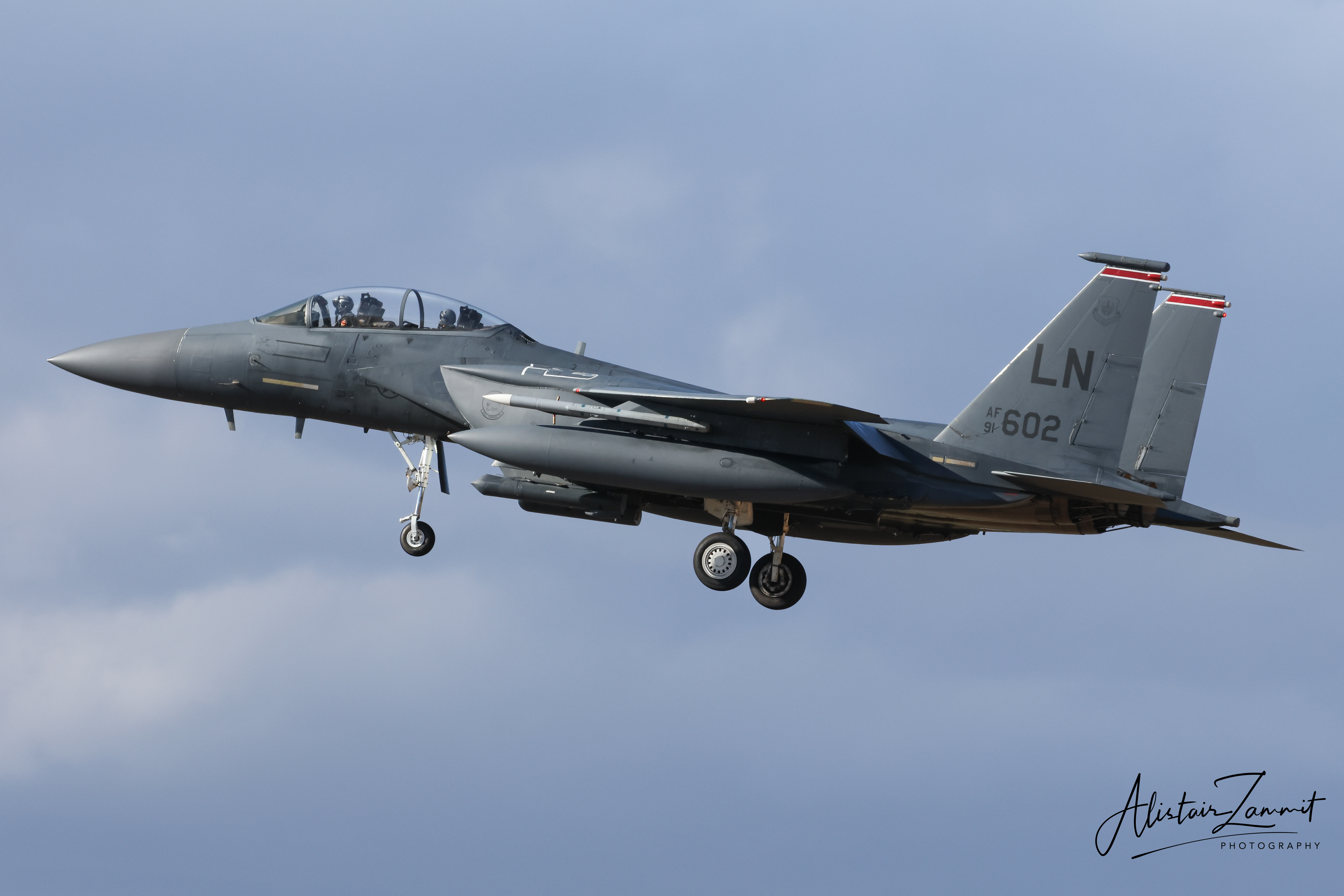
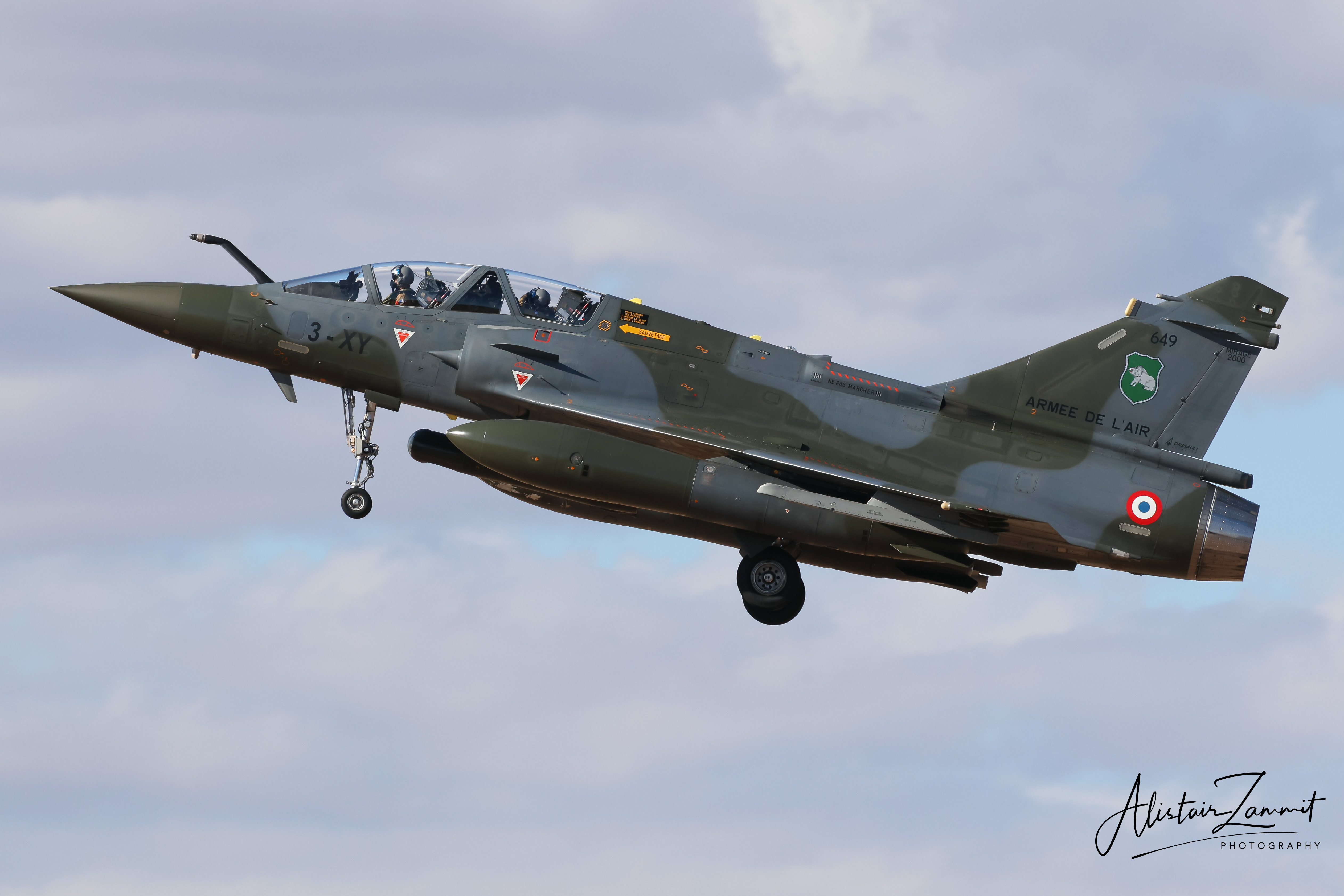
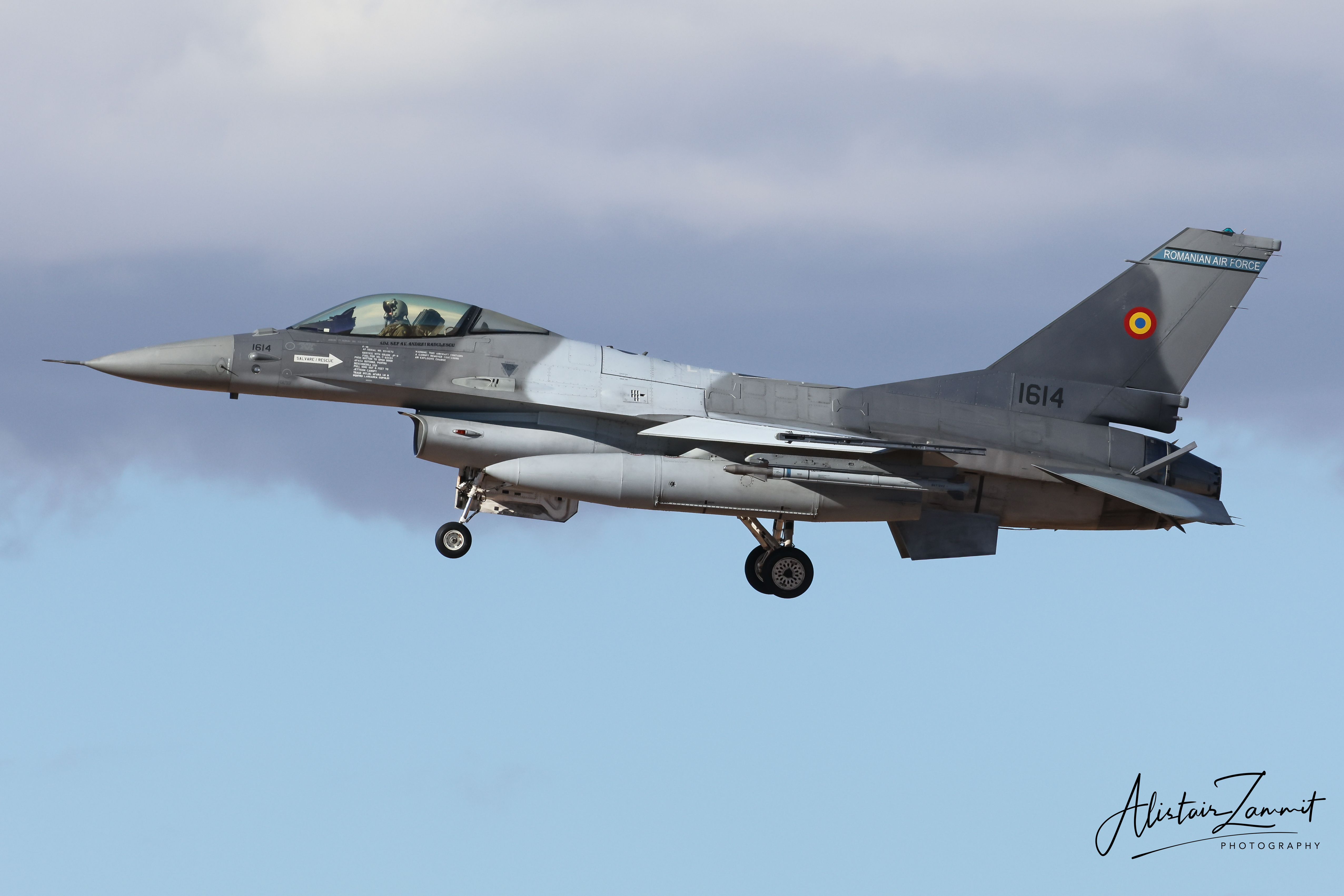
TLP 24-3 brought together personnel and aircraft from across the Alliance, reinforcing the programme’s enduring multinational character. Aircrews from European NATO members operated alongside United States Air Force units deployed from outside Spain, creating an environment where differences in national doctrine, communication styles, and operational procedures were deliberately exposed and addressed. The presence of aircraft such as Spanish Eurofighters and F/A-18 hornets, French Mirage 2000 variants, Romanian and Turkish F-16s, and U.S. F-15E Strike Eagles ensured that mission commanders were required to integrate platforms with distinct capabilities, limitations, and support requirements, closely reflecting the conditions of real coalition operations.
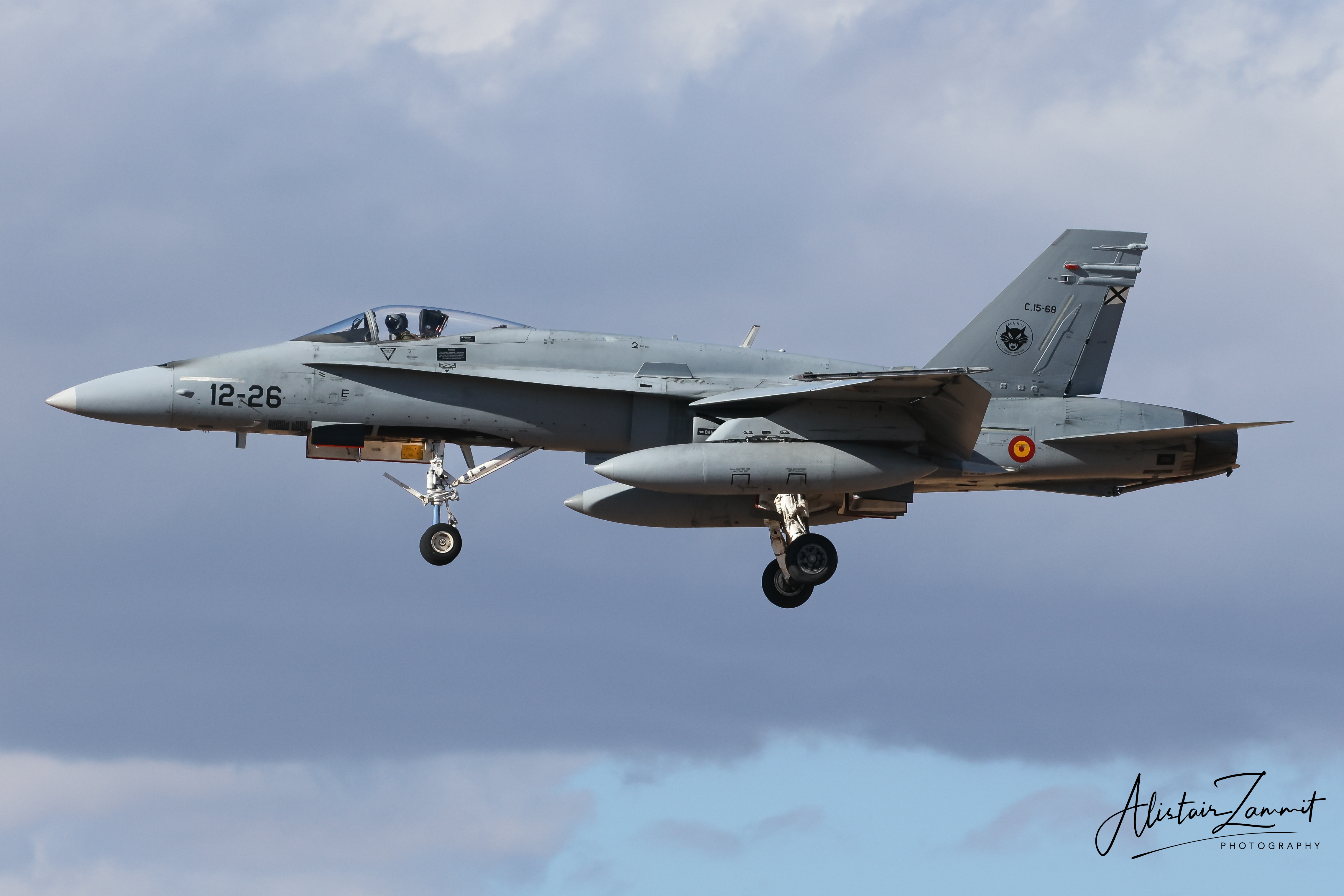
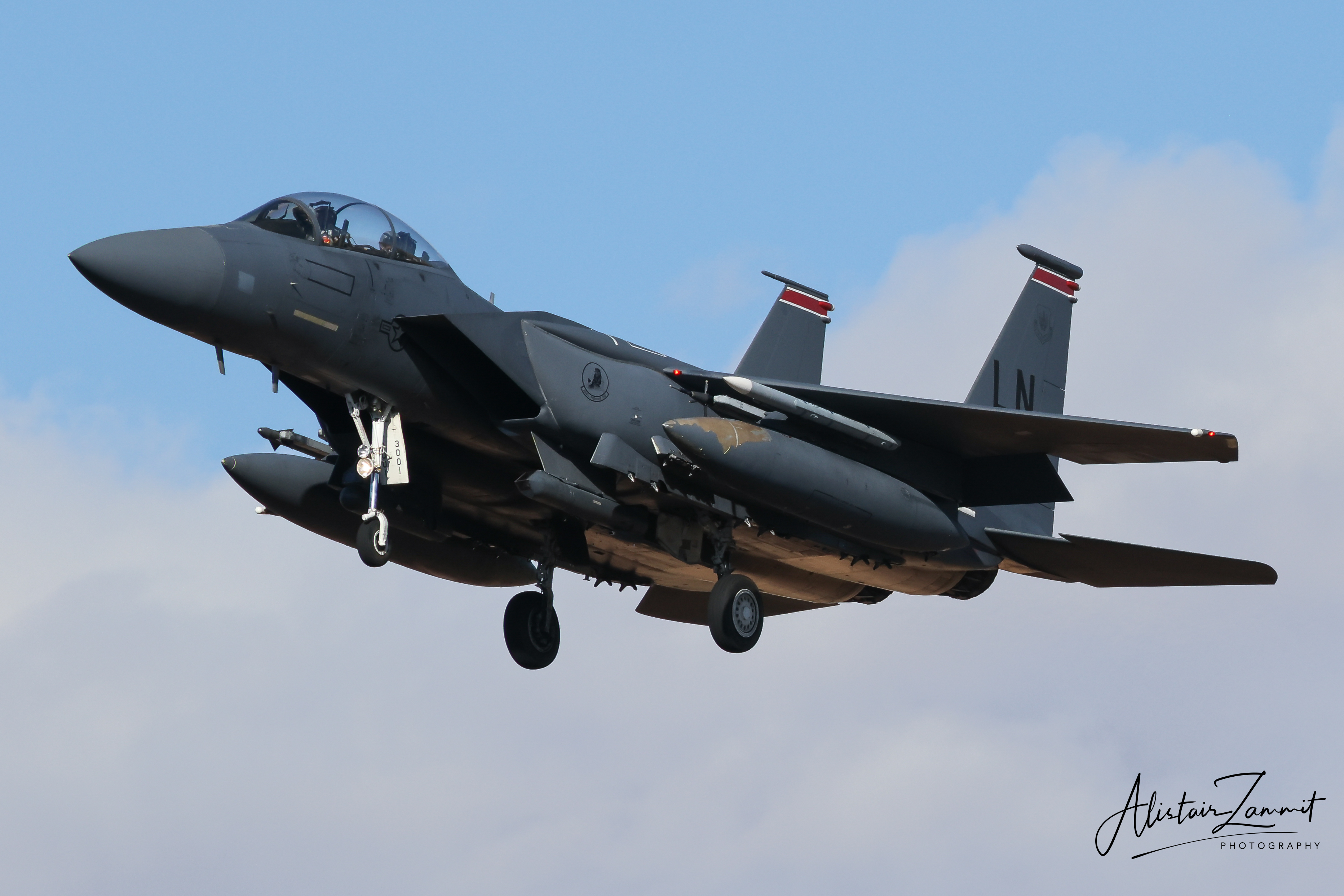

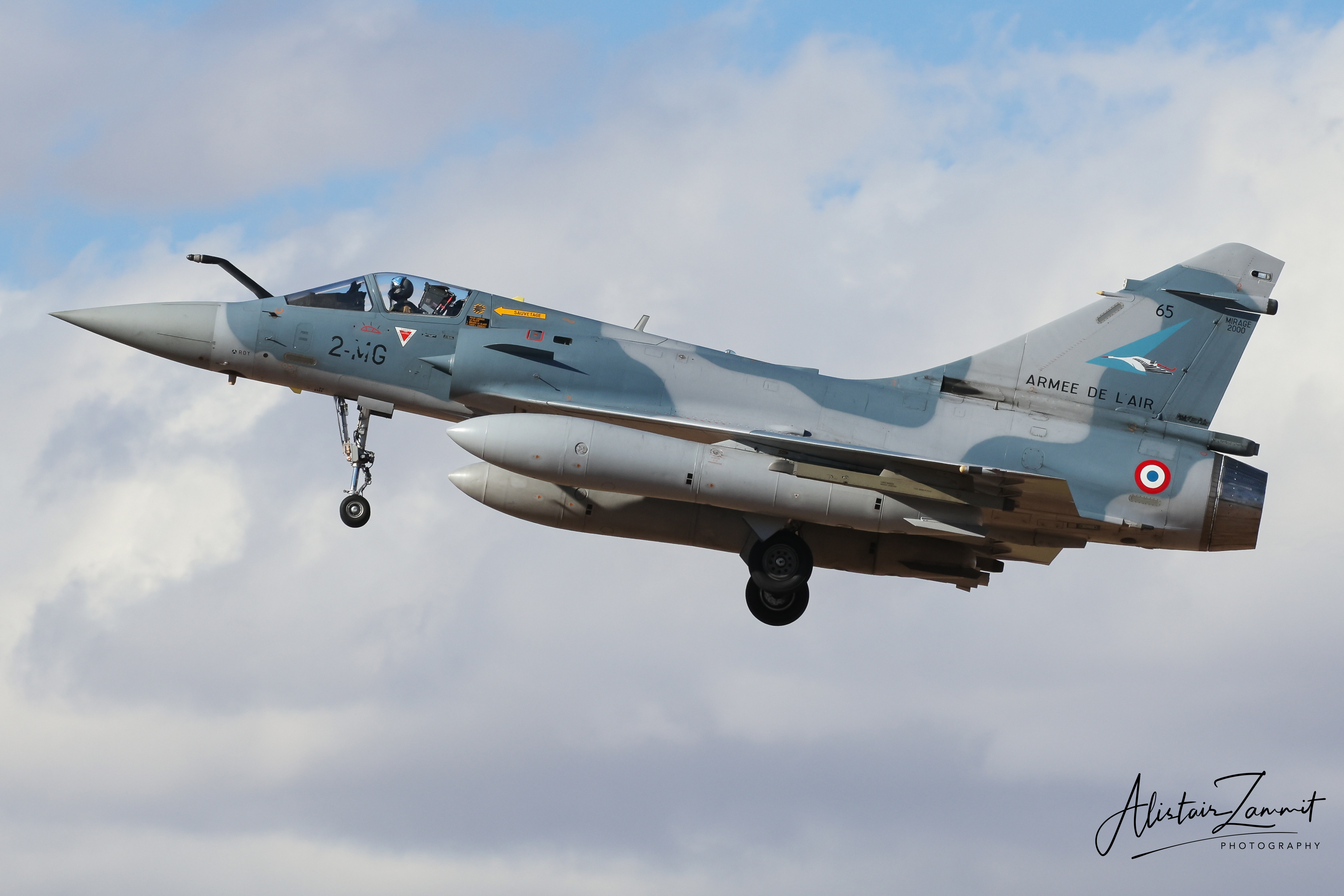
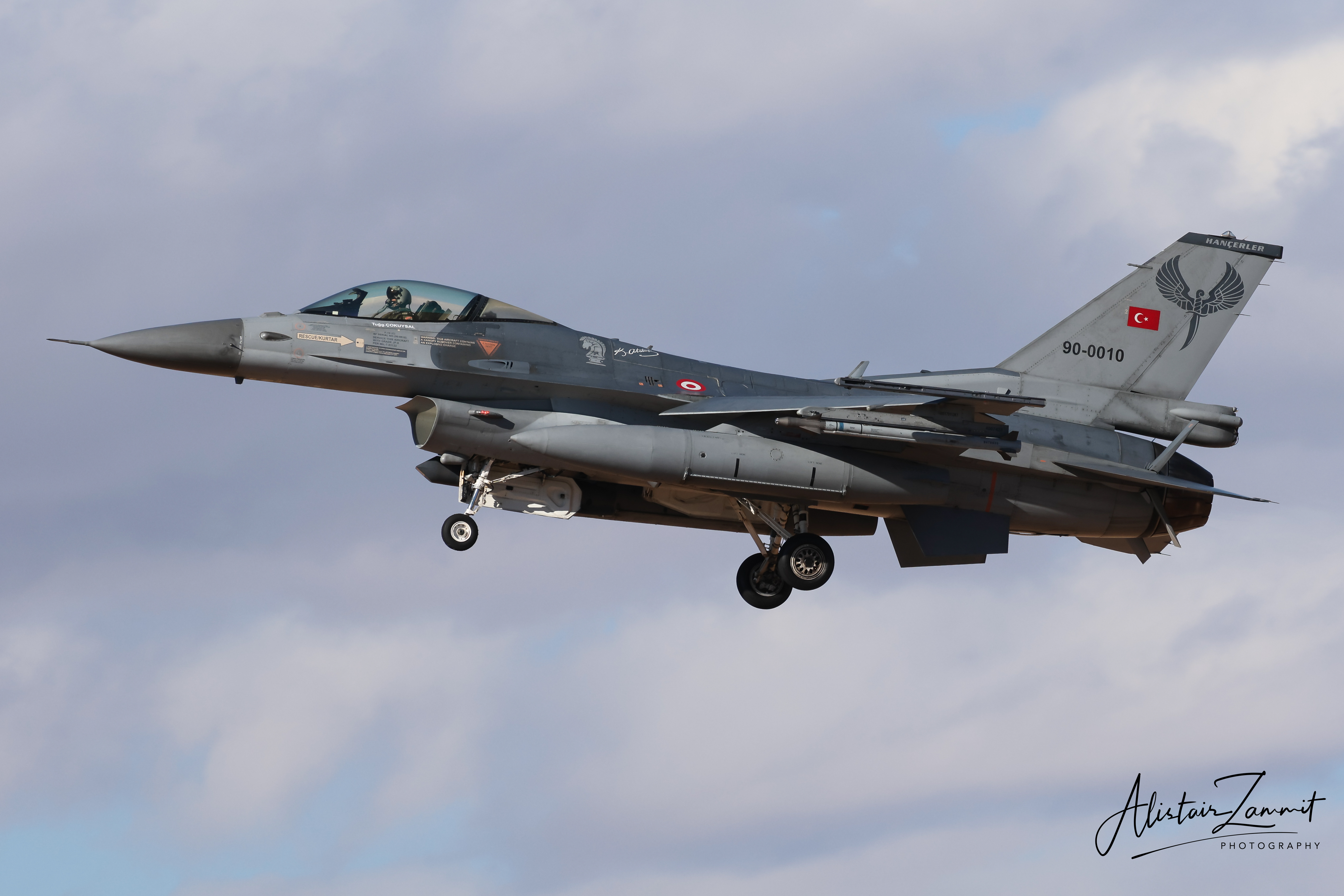
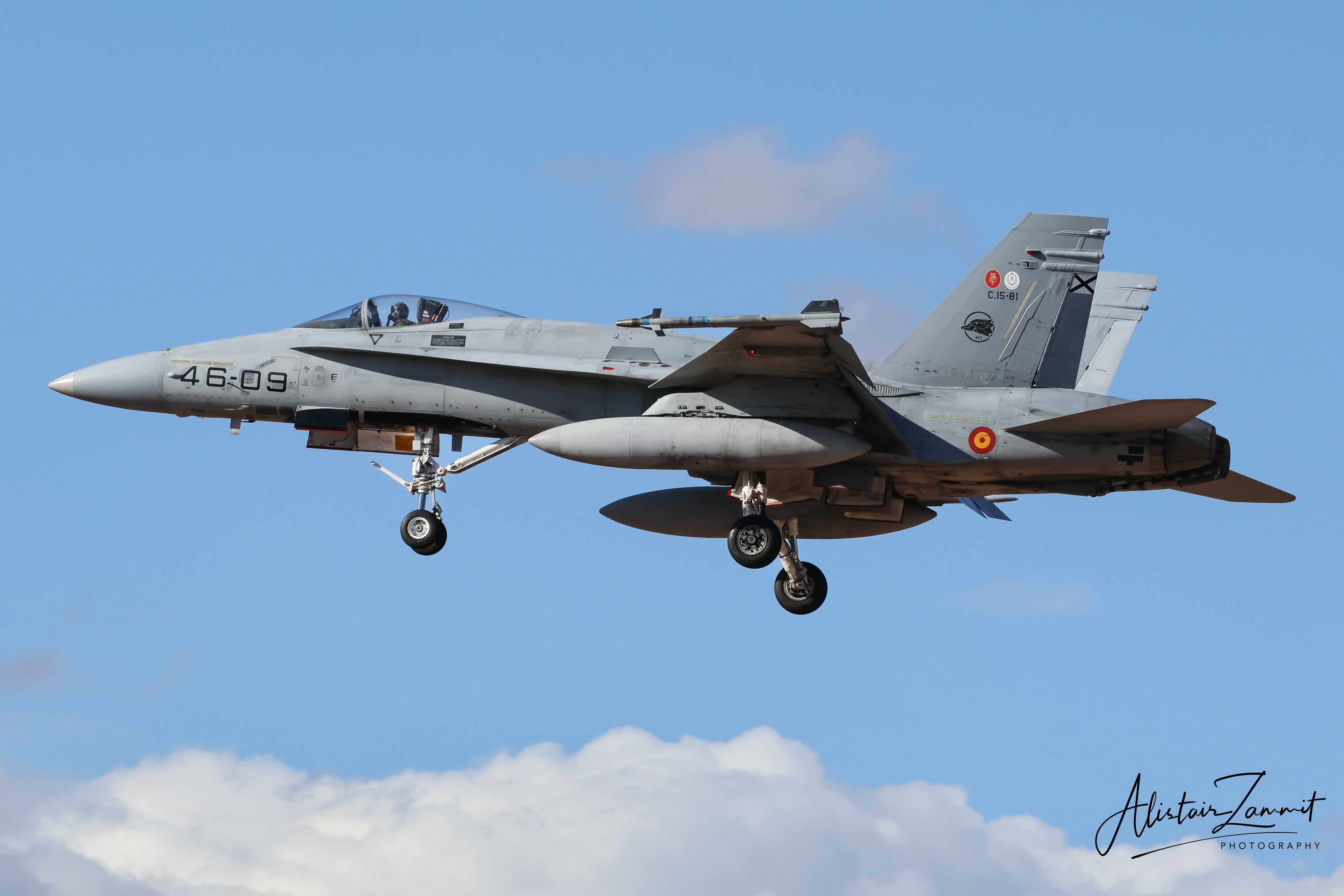


The operational focus of TLP 24-3 centred on the planning and execution of complex Combined Air Operations, with participants rotating through leadership roles that demanded both tactical precision and strategic awareness. Mission commanders were tasked with balancing competing priorities such as timing, survivability, intelligence use, and coordination with support assets, while adapting to evolving threat scenarios injected throughout the exercise. These challenges were not confined to the aircrews alone; maintenance personnel and support staff worked side by side with international counterparts, ensuring aircraft availability and demonstrating how coalition effectiveness depends on cohesion across all levels of an operation.
Underlying every sortie flown during TLP 24-3 was a broader objective that extends beyond individual proficiency. The exercise sought to strengthen mutual trust among allied forces, reinforce standardised procedures, and cultivate leaders capable of commanding multinational air packages in crisis or conflict. By confronting participants with realistic operational friction, including communication barriers and differing national approaches, the course reinforced the central lesson that effective leadership in modern air warfare is as much about cooperation and adaptability as it is about tactical skill.


Conclusion
Viewed in the context of TLP’s wider history, Exercise 24-3 was not an isolated event but part of a continuous process through which the programme sustains NATO’s airpower readiness. From its origins as a small tactical forum to its current role as a premier multinational training institution, TLP has consistently adapted to meet the demands of an evolving security environment. Exercises such as 24-3 demonstrate how the programme continues to translate decades of accumulated experience into practical, operationally relevant training, ensuring that future air leaders are prepared to operate decisively and cohesively in the most challenging conditions.
 alistairzammitphotography.com